Ken Loach’s welfare drama presses its case too hard at times, but Dave Johns and Hayley Squires give it warmth and stubborn humour. We recommend it, with a warning that its distress is difficult to shake.
Ken Loach’s I, Daniel Blake is moving and humane, though its script sometimes pushes too hard. We recommend it for Dave Johns and Hayley Squires, who make the central friendship worth caring about. Ken Loach wants us to understand how exhausting it is to seek help from an institution that keeps making the task harder. He spends 100 minutes attending to the people doing the asking.
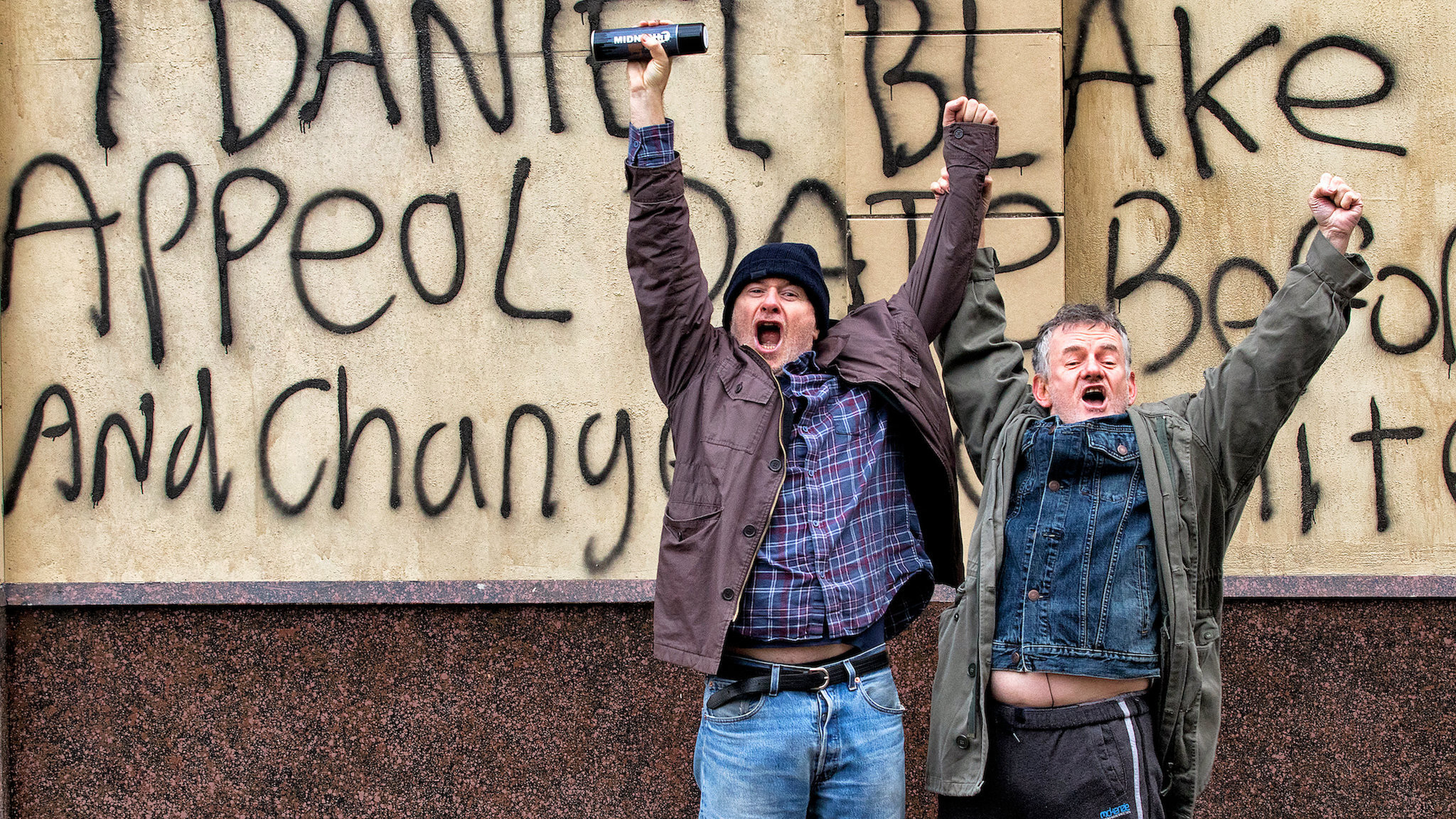
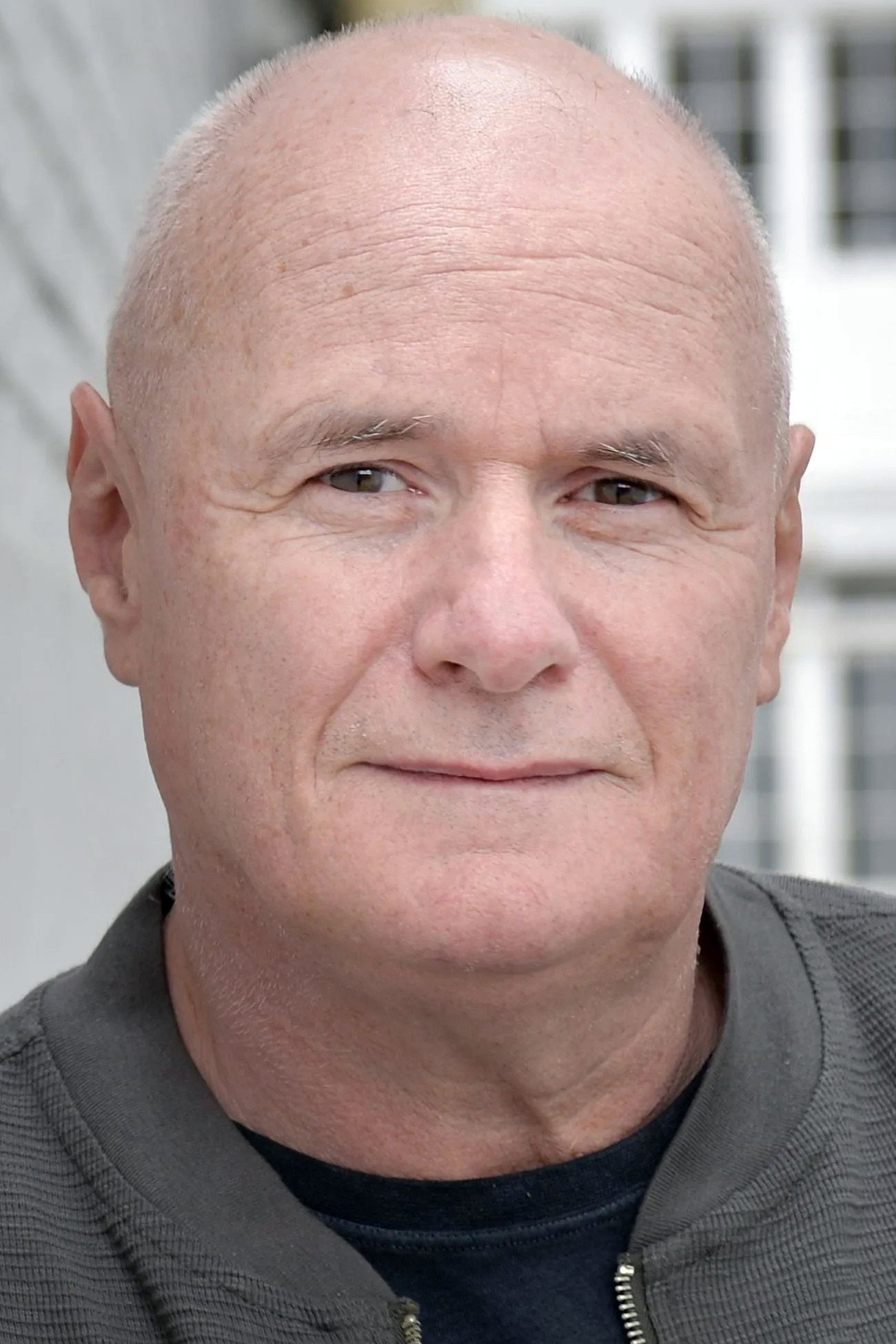
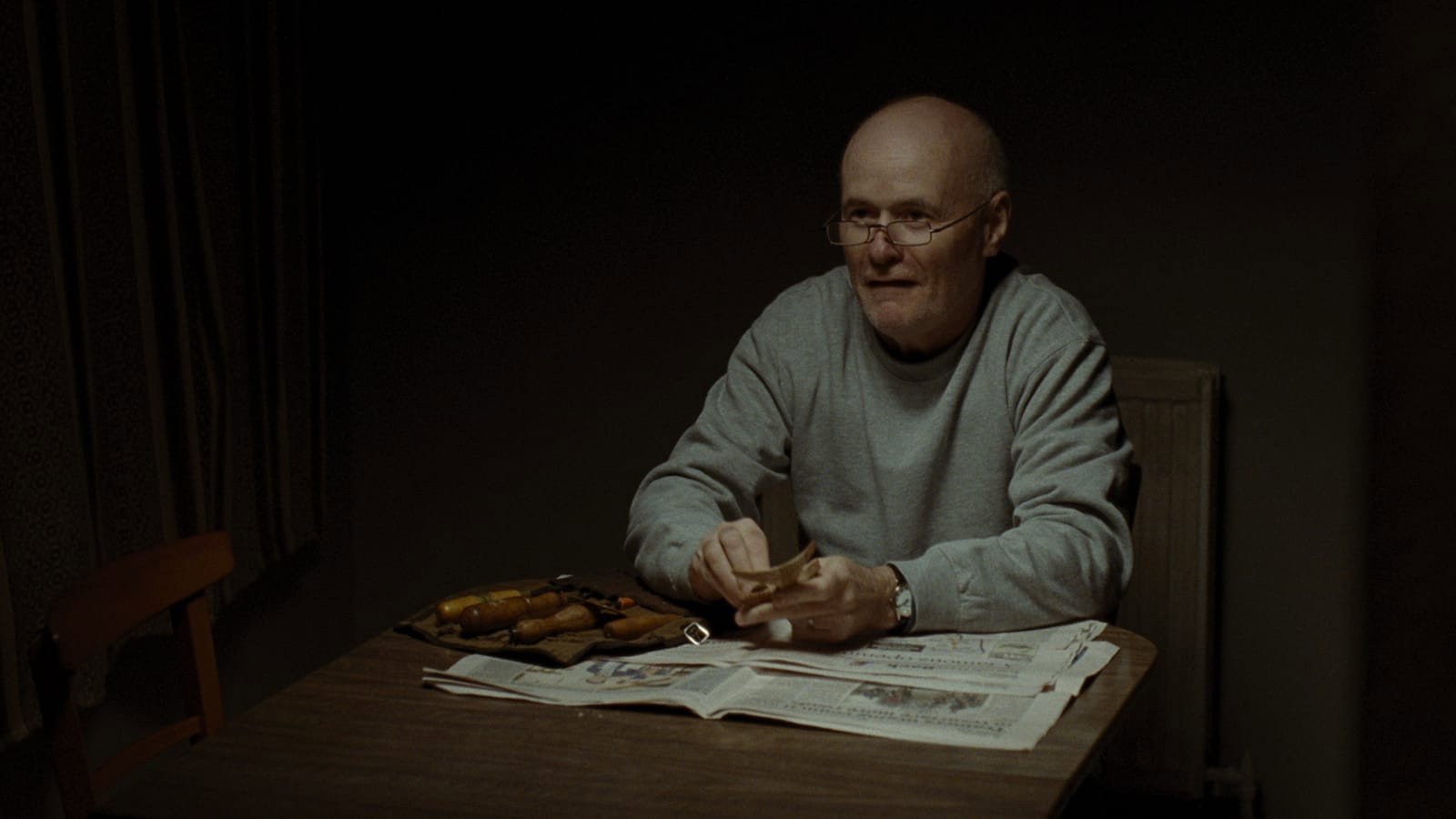
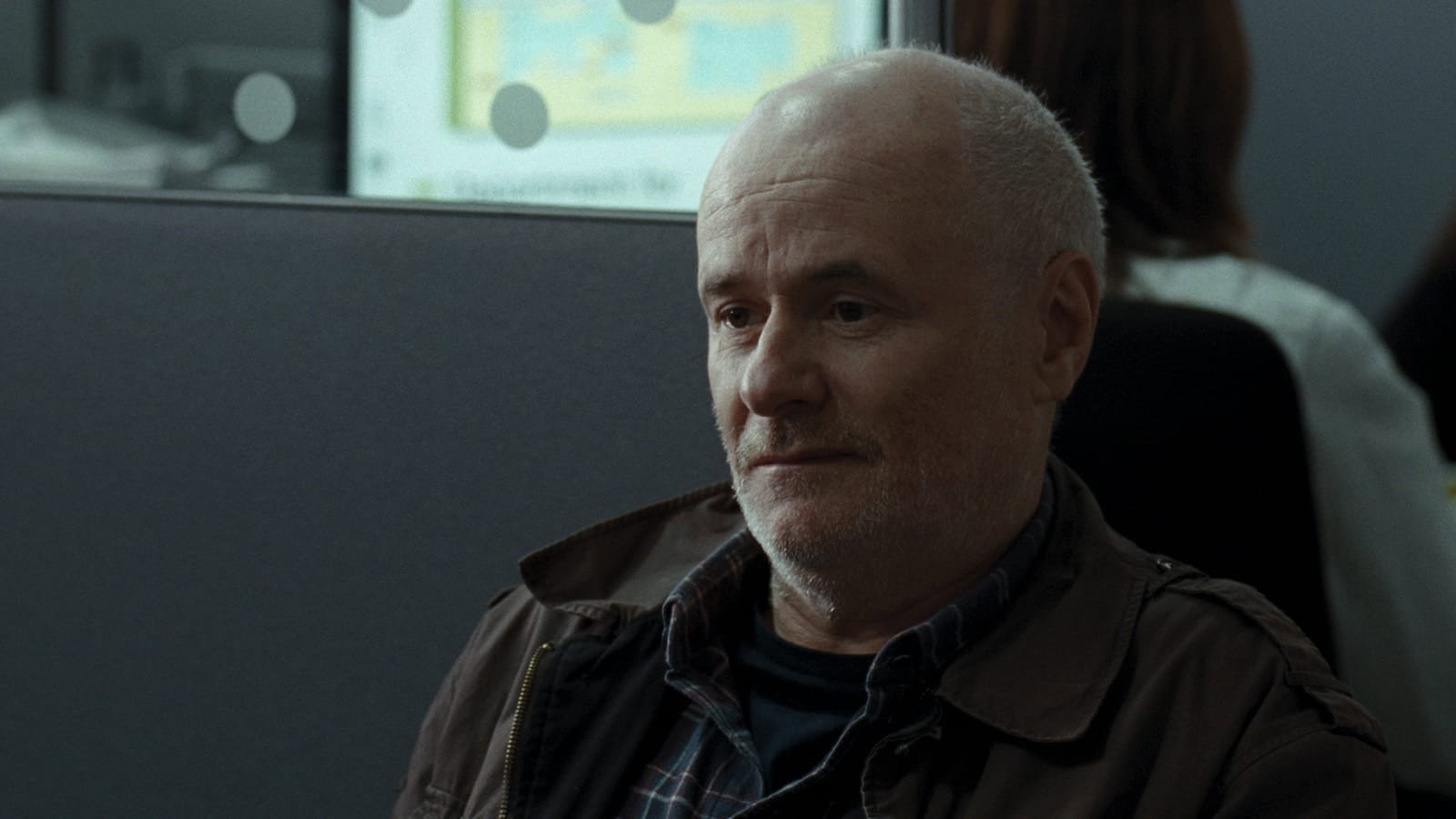
Dave Johns gives Dan a sociability that prevents his illness and his claim from becoming everything we know about him. The humour matters: this is someone we might enjoy talking to, and the film lets him be likeable without requiring him to be charming every moment. We were angry long before his encounters with the benefits bureaucracy were over. His requests for help are so ordinary that the obstacles put before him begin to feel intolerable, and Dave Johns lets the frustration build without turning every exchange into an outburst.
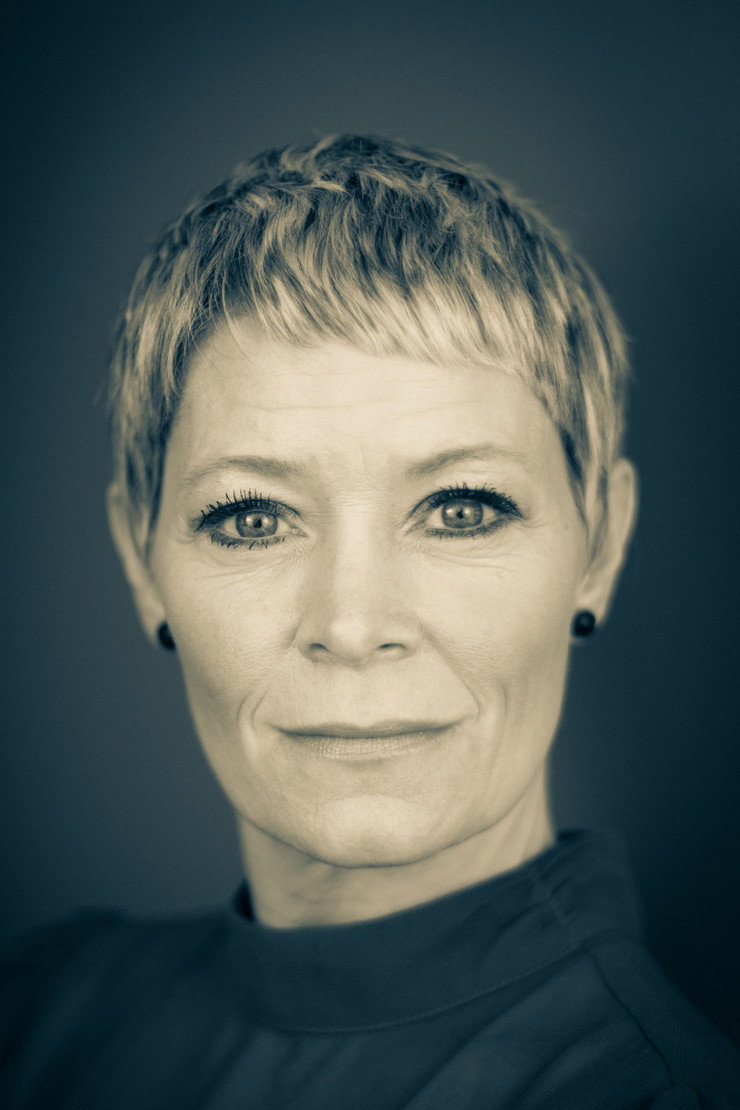
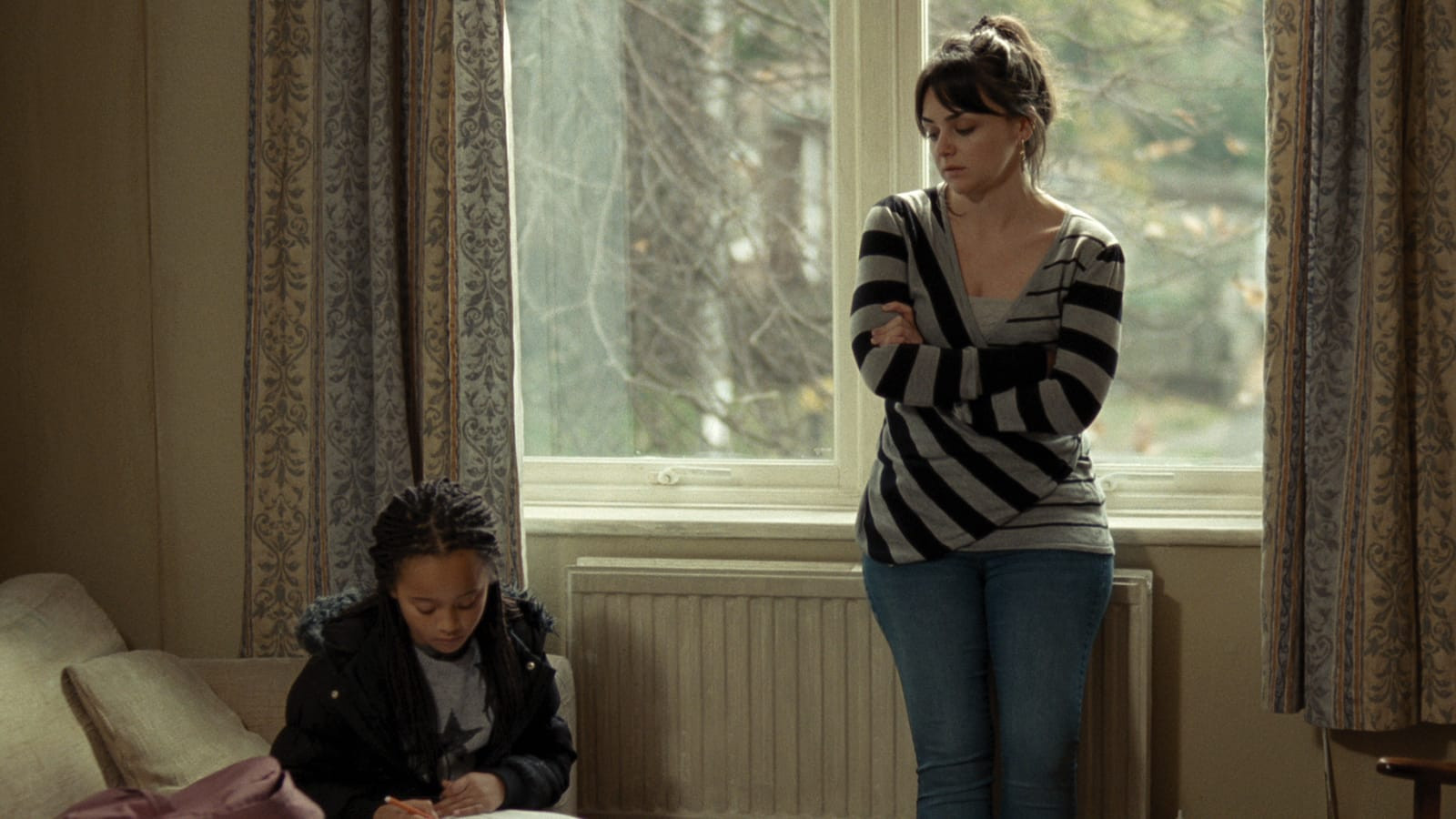
Hayley Squires gives Katie a more guarded determination, and the difference makes their friendship persuasive. Her performance suggests the effort involved in accepting kindness when getting through the day already takes everything available. Paul Laverty’s screenplay is strongest when it allows these two people to offer each other something the official exchanges do not: patience, humour and attention. Their company holds our interest even when there is no fresh difficulty to negotiate.
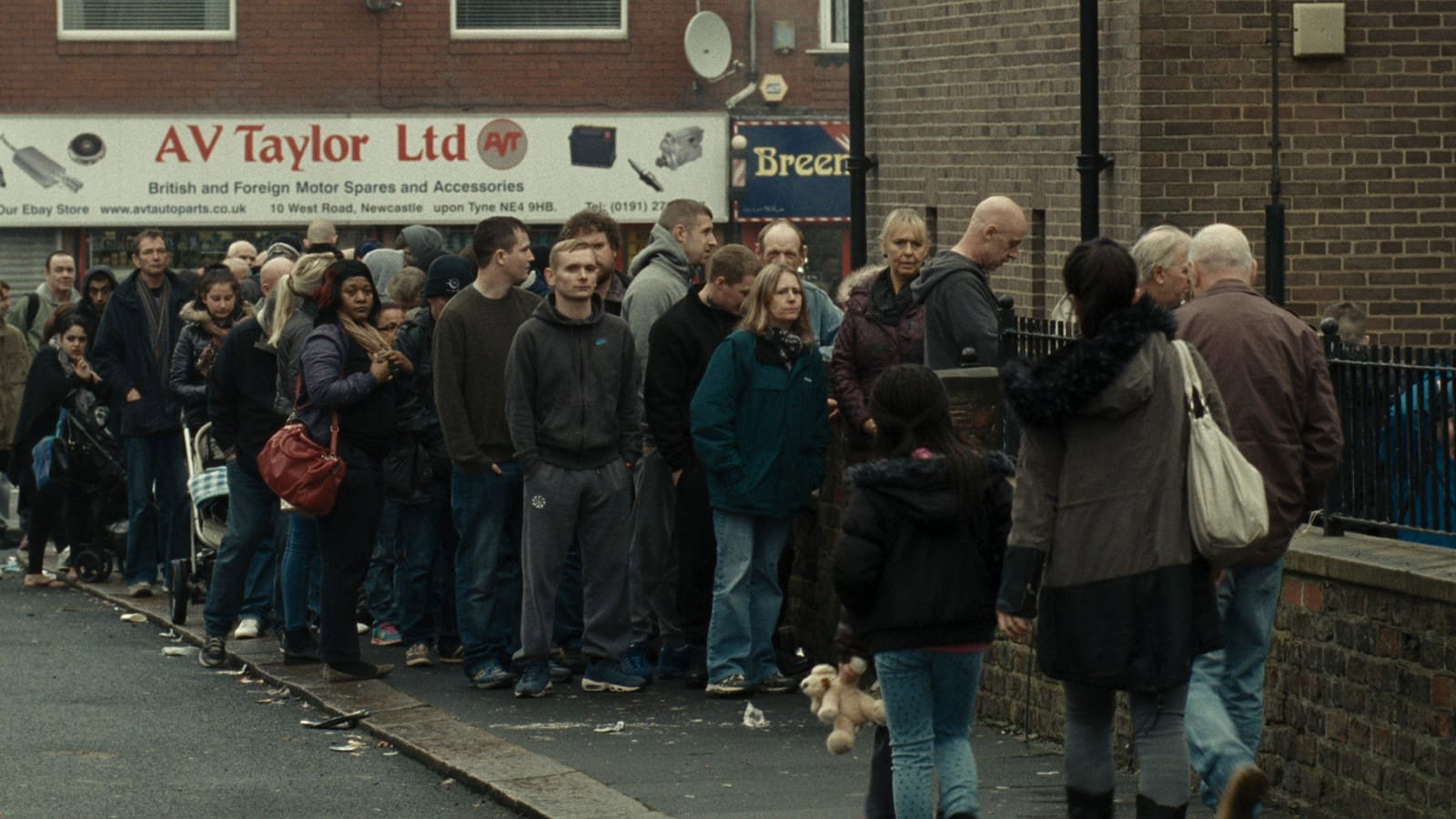
Robbie Ryan’s cinematography keeps faces readable and surroundings plain, without inviting us to admire an attractive image of hardship. That restraint works because there is enough happening in the performances to hold our attention. Production designers Fergus Clegg and Linda Wilson make the everyday spaces feel used rather than arranged for our inspection. Their work helps the encounters with officialdom remain mundane, which matters: the treatment of claimants would be easier to dismiss if every room looked built to frighten them.
Jonathan Morris’s editing allows the bureaucratic encounters to become wearing, keeping our attention on the effort they demand from Dan. We have time to notice how a conversation becomes another obstacle. George Fenton’s restrained music leaves the actors room to register distress without competing with them, a useful discretion in a film whose screenplay can be so emphatic.
The reservation is with Paul Laverty’s habit of making each obstacle serve the same point. Too often, we can recognise the lesson a scene is heading towards before anyone has finished speaking, and the officials have less room to be people than Dan and Katie do. This narrows a film that is otherwise attentive to the difficulties of ordinary life. A little more uncertainty in those exchanges would have made the frustration more convincing. The actors supply some of the unpredictability that the writing leaves out.
Within social realism, this is familiar work, with little interest in disguising what it wants us to think. Its warmth is less predictable, and the friendship gives us reasons to stay that extend beyond agreement with its politics. We recommend it with a caveat about the script’s insistence, and no such reservation about the two leads. Do not choose it to unwind.