Film review

If Beale Street Could Talk

2018 · Directed by Barry Jenkins · 2h 00m · MPA R

In a sentenceThe lovers look straight into the camera, and for once we don’t mind being stared at

RomanceDrama

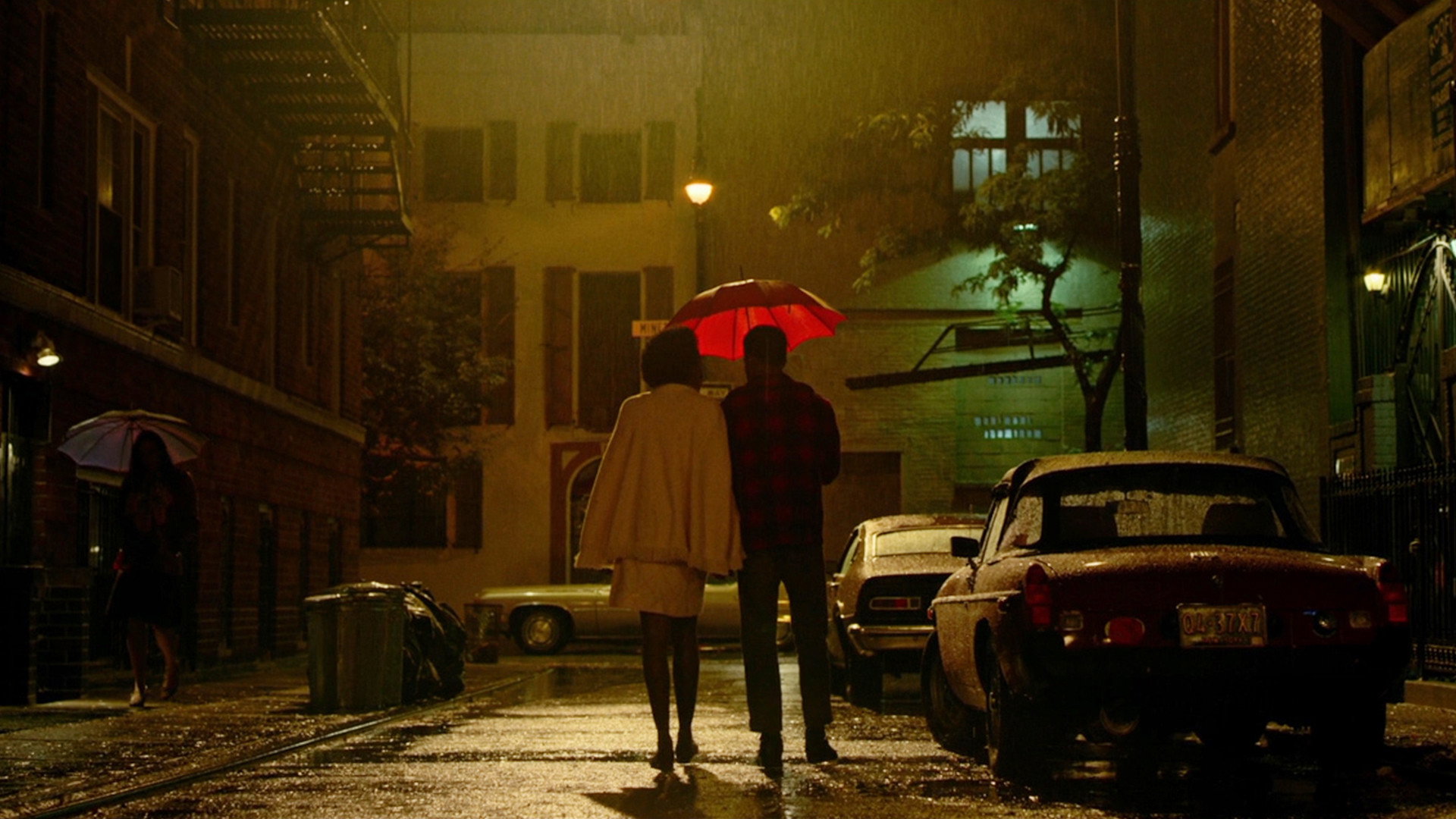
In 1970s Harlem, Tish Rivers (KiKi Layne) and Alonzo “Fonny” Hunt (Stephan James) are a young Black couple separated by his false arrest. Tish Rivers wants them to be together, but their future now depends on a legal system shaped by racial prejudice. Moving between their romance and their separation, the story brings Sharon Rivers (Regina King) and the couple’s families into view. The lovers’ time together sits alongside the pressures facing the Black working-class community around them. Their relationship is no longer a matter for two people alone.

Plays from YouTube when you press play; nothing loads from them until then.

Fi1m review

Barry Jenkins’s romance is moving, beautifully acted and sometimes too slow. Its attention to a young Black couple and their families makes the injustice personal, though the narration can labour what the faces already tell us.

Barry Jenkins gives the young lovers in If Beale Street Could Talk time to look at each other, and expects us to look properly too. His adaptation of James Baldwin’s novel is deeply affecting, though its patient pace sometimes becomes a problem. The aim is to make us understand what this couple have together before asking us to reckon with the racism that keeps them apart. A romance can become dutiful when every moment must prove how important love is; this one mostly avoids that through its actors.

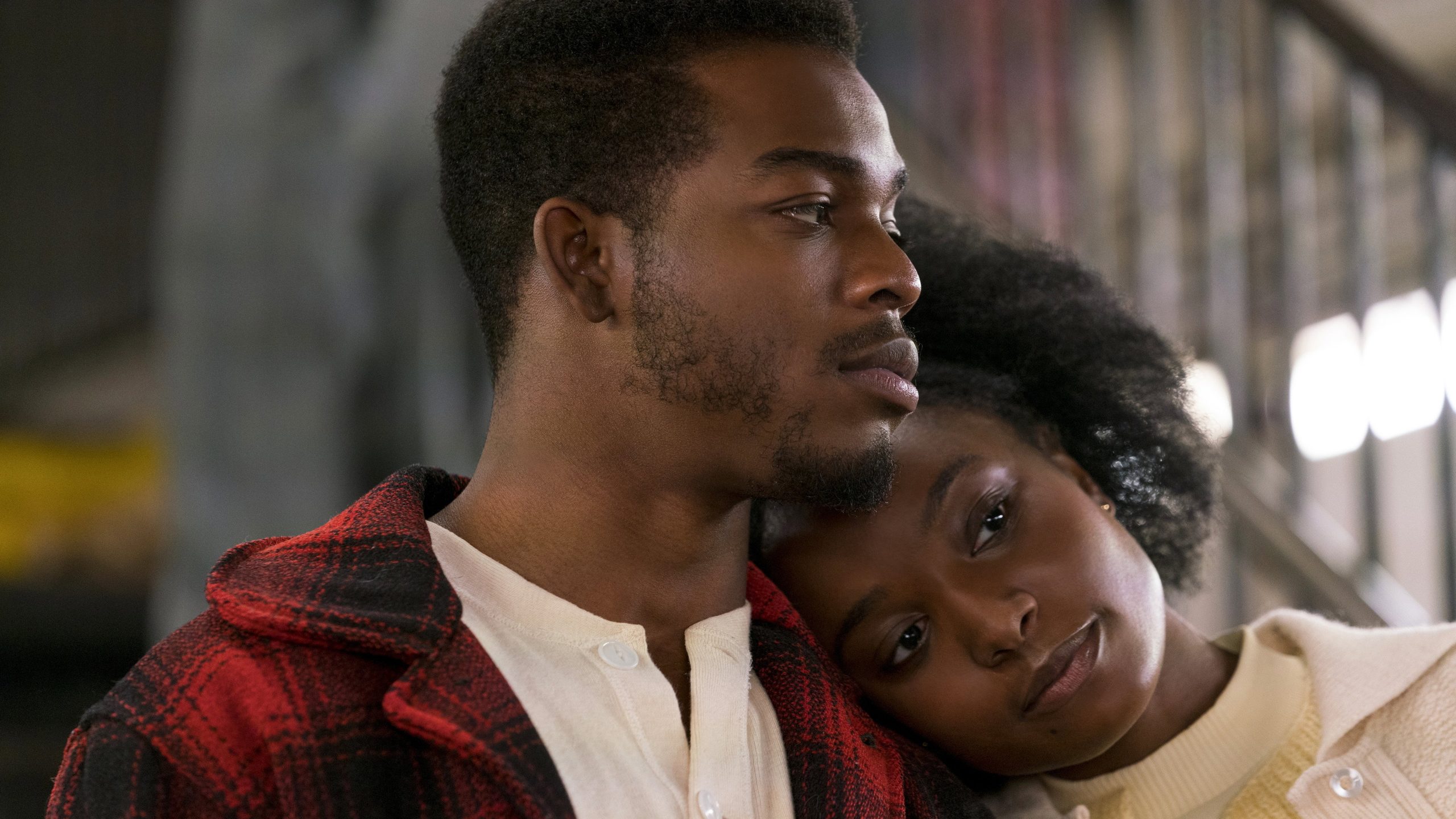
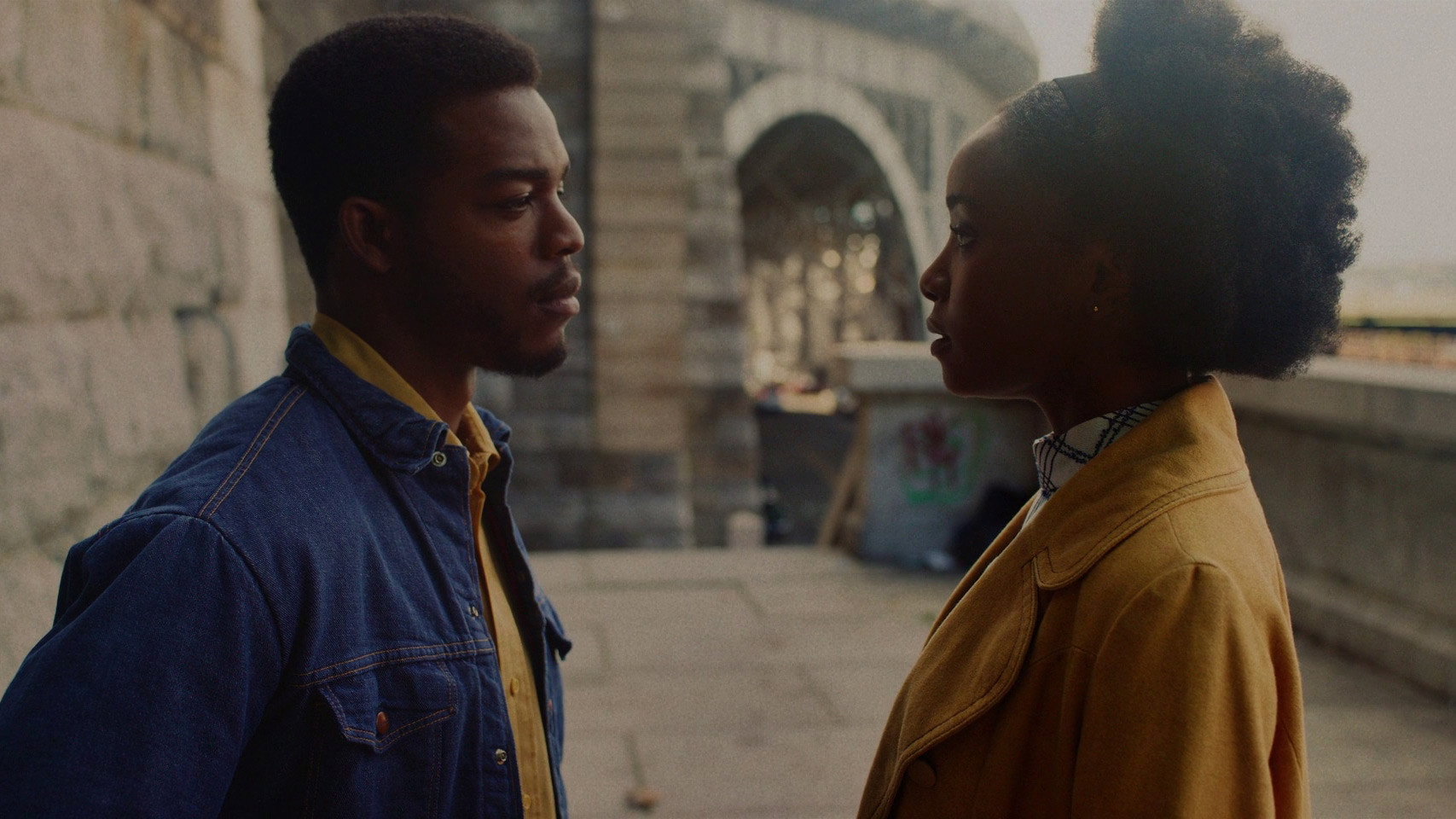
Tish Rivers (KiKi Layne) and Alonzo “Fonny” Hunt (Stephan James) are a young Black couple in 1970s Harlem, separated by his false arrest. KiKi Layne gives the devotion a steadiness that makes it easy to believe in, even when the film’s treatment of the relationship becomes idealised. Stephan James is equally persuasive in the quiet exchanges, where both actors suggest the comfort of knowing someone well. The more formal dialogue does not always sound like speech these two would use with each other.

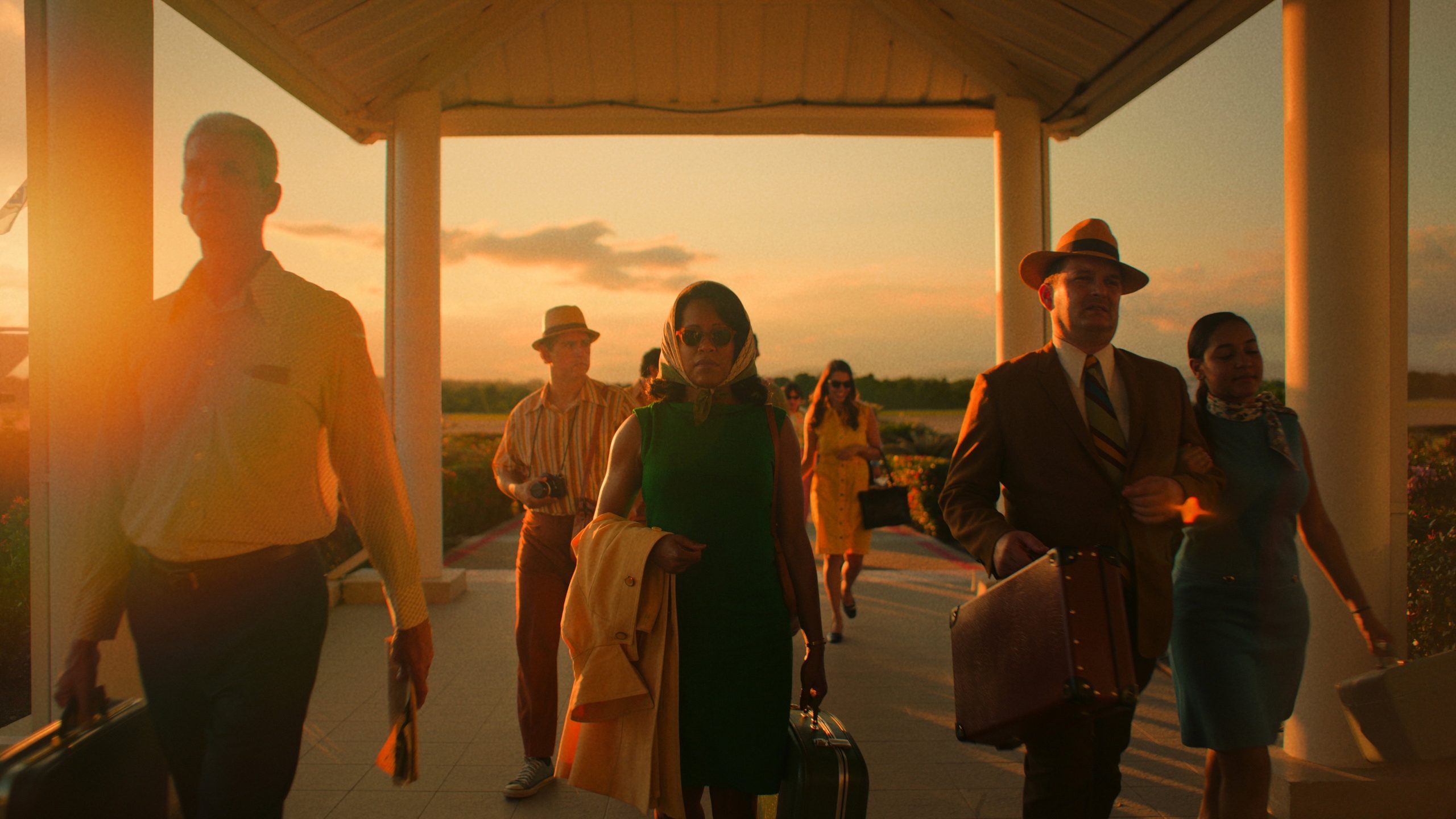
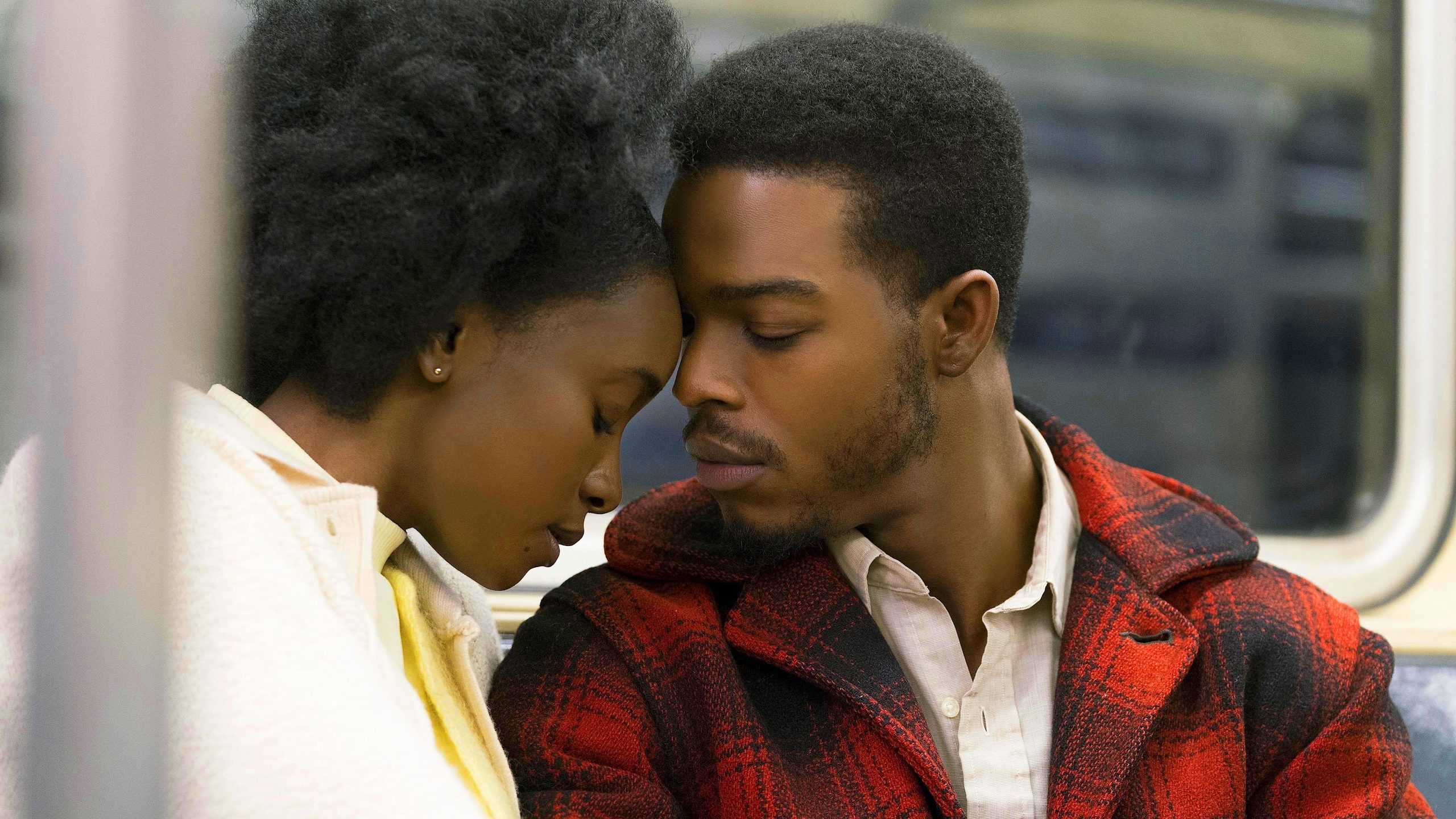
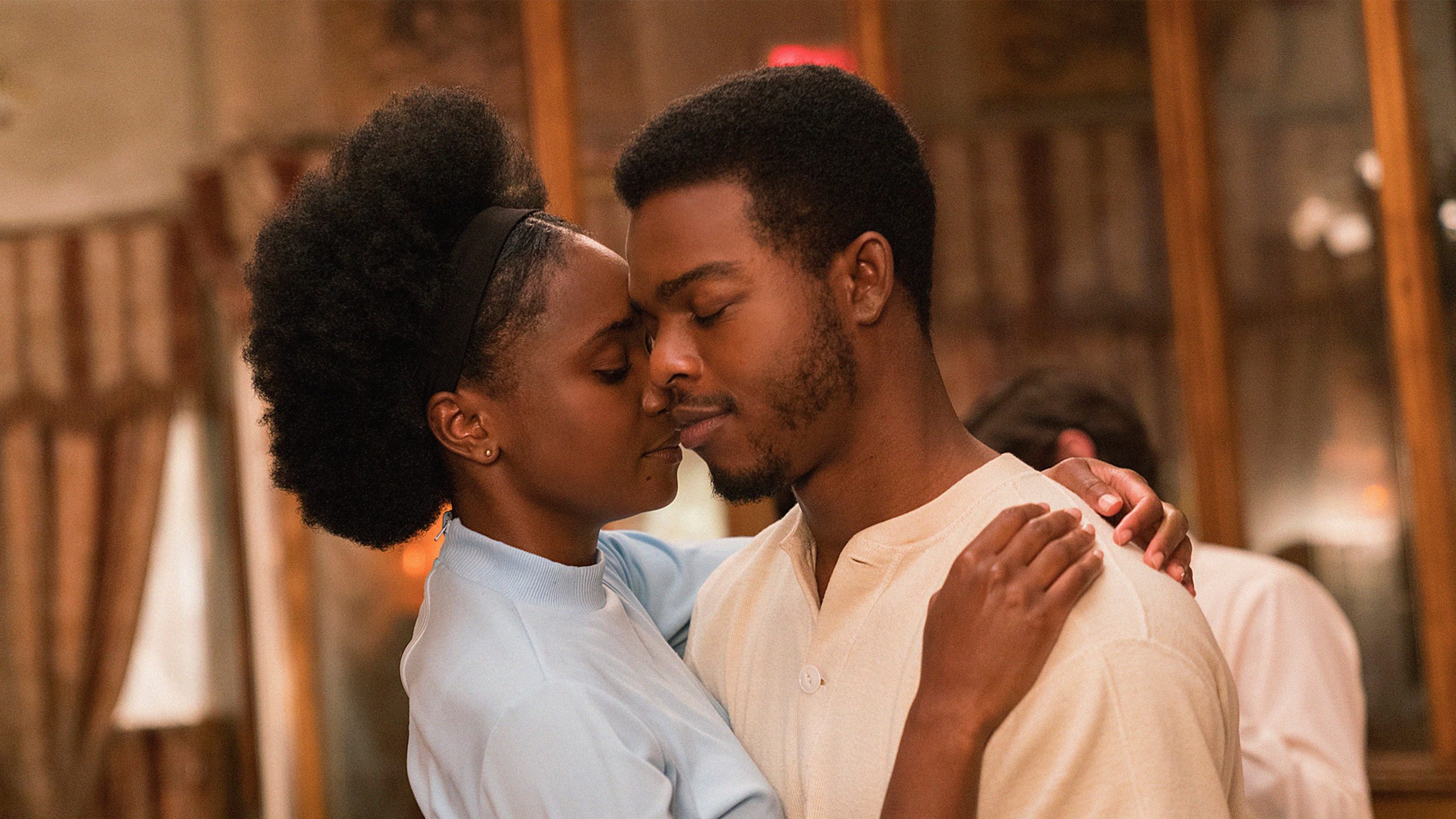
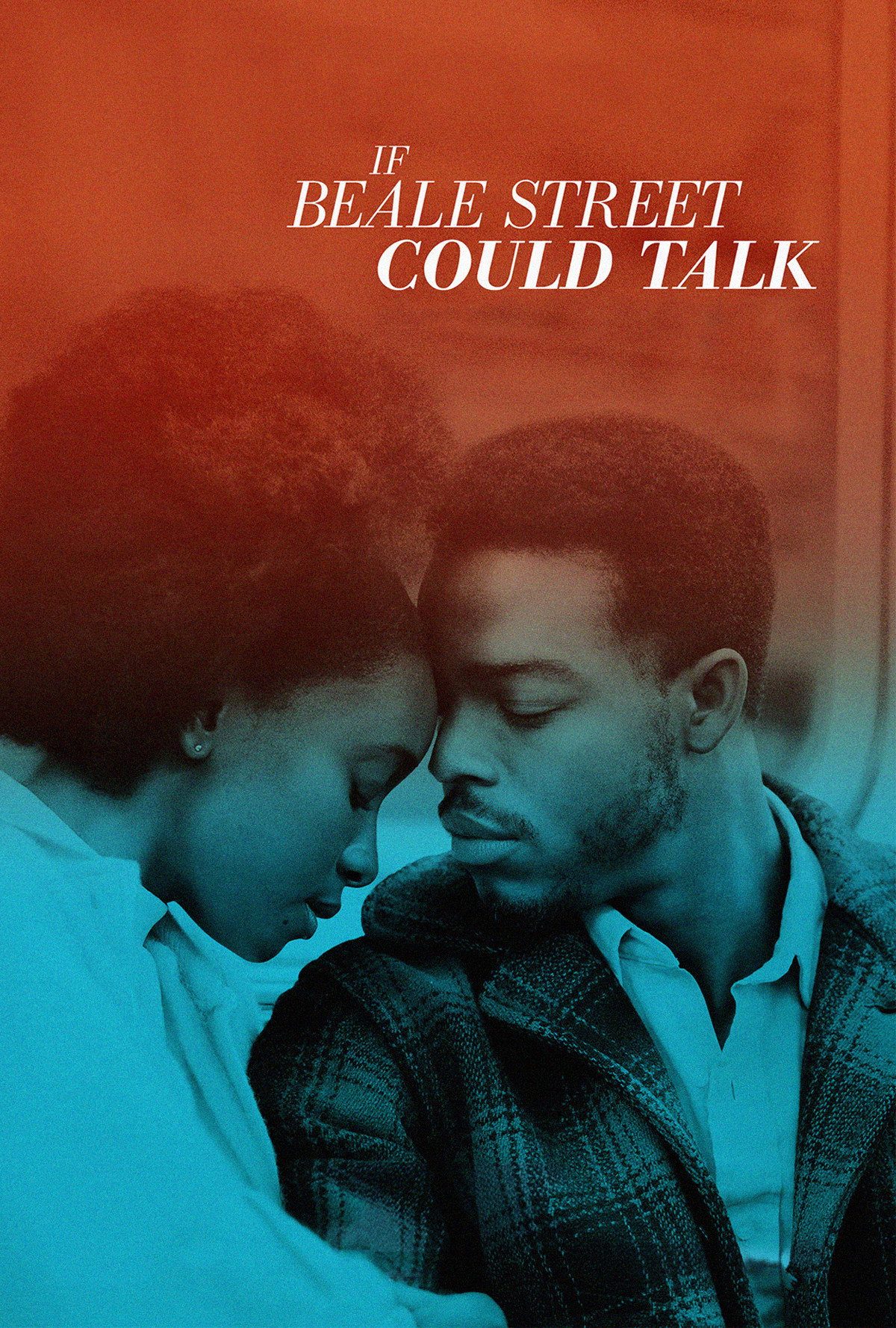
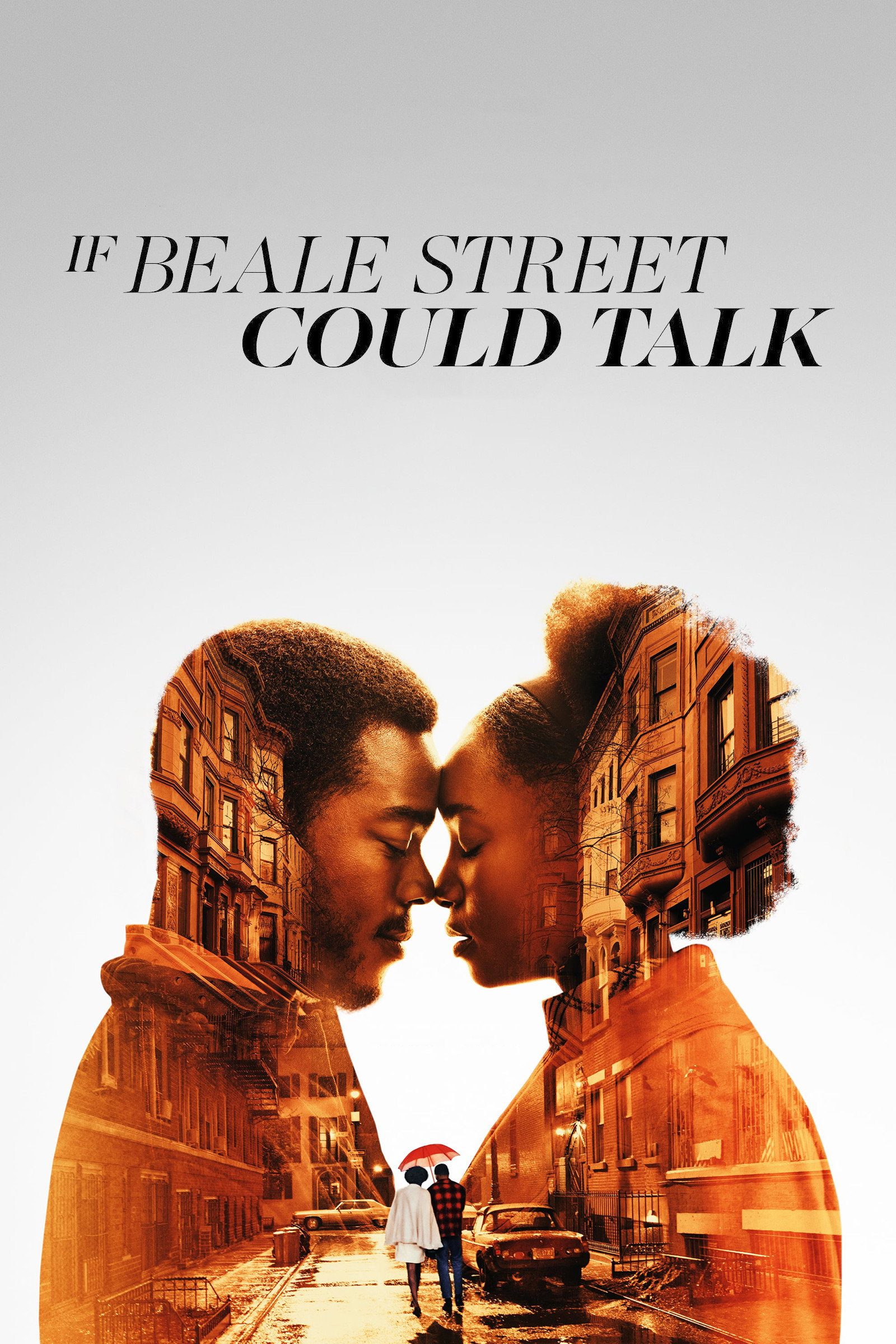
James Laxton photographs faces with a patience that pays off, giving us time to study an expression before moving on. The brown-and-gold colours and soft focus draw us towards the actors, while their direct gazes make the attention feel returned. We were moved by the lovers looking straight towards the camera. The length of those looks matters: we can see how much they want each other, without a speech explaining it.

Mark Friedberg’s production design is restrained enough to let those faces hold our attention, even within the film’s carefully coordinated colour. The period setting has a polish that occasionally makes the hardship look a little too comfortable. Regina King, as Sharon Rivers, helps keep the family scenes from becoming too sweet. Her performance has a firmness that makes affection feel useful, something that can sustain people through the next difficult conversation.

Joi McMillon and Nat Sanders cut between different periods of the relationship, so that the separation repeatedly interrupts our growing sense of the couple together. That works, although the movement through time does not always change the emotional pace. Nicholas Britell’s score gives the romance room to swell and allows unease to remain audible beneath it. We liked its generosity, but there are stretches when image, music and performance all linger on a feeling we have already understood.

The weaker passages come when Barry Jenkins’s screenplay keeps explaining what his images have made clear. The narration can compete with the faces, and some dialogue sounds more composed than spoken. Compared with a romance built around quarrels and reconciliations, this is unusually committed to making tenderness interesting in itself. That is a worthwhile choice, but the tempo needs more variation; at 120 minutes, the film sometimes asks us to remain moved simply because it has not finished being solemn.

The family performances give the story much of its warmth, extending our concern beyond the central couple. Its account of racism never requires these people to exist only as victims, and their affection is convincing enough to make the interruptions hurt. Give it an uninterrupted evening, and some patience when it takes longer than it needs.

Critical consensus AI synthesised

83
Positive
28
Mixed
4
Negative
0

Most critics warmly endorse Barry Jenkins’s adaptation of James Baldwin, praising its tender account of Black love and family alongside its anger at institutional racism. The reviews repeatedly single out the cinematography’s warm colours and expressive close-ups, as well as the score. Praise for the ensemble is widespread, with Regina King and Brian Tyree Henry drawing particular attention. For most critics, the romantic treatment gives the injustice greater emotional force without diminishing the characters’ everyday lives.

Reservations concern pace, cohesion and how successfully Baldwin’s prose becomes screen drama. The spread runs from enthusiastic approval to a small mixed minority, with no wholly negative assessments. Sight and Sound admires individual scenes but finds the unvarying tempo monotonous. Collider praises the craft and performances while finding the romance and social critique poorly joined. Elsewhere, doubts about narration and excessive polish suggest that the qualities which move most critics leave some at a distance.

Little White Lies
5 February 2019 · 5/5/5 · Tayler Montague
100

The review praises the film's intense melancholy and blissful romance masking political outrage, highlighting its authentic depiction of Black love, family, and community as a powerful, rhapsodic adaptation.

Read the full review →
Radio Times
4 February 2019 · ★★★★★
100

An achingly romantic but hard-centred slice of life, beautifully shot with deep emotional resonance, idealised yet effective in depicting love and institutional racism.

Read the full review →
Film Comment
festival review · Michael Koresky
90*

The critic praises Jenkins' gorgeously sculpted imagery and patient, expressive use of shadow, light, and color in this TIFF festival screening. They highlight the film's tender depiction of romance and love alongside its acknowledgment of painful historical realities.

Read the full review →
IndieWire
10 September 2018 · festival review · Eric Kohn
90*

Barry Jenkins crafts a masterful, poetic romance adapting Baldwin's novel with fidelity and emotional depth. The review highlights the film's romantic focus and strong central performances following Moonlight.

Read the full review →
Los Angeles Times
13 December 2018 · Justin Chang
90*

Jenkins delivers a gorgeous, radically empathetic follow-up to Moonlight with lush visuals and performances that affirm kindness and love against oppression. The critic highlights the film's expressionist beauty and its generous embrace of its characters.

Read the full review →
Screen Daily
10 September 2018 · festival review
90*

A profoundly moving exploration of romance, family and racism that is a stirring, absorbing experience articulating something ineffable about everyday life.

Read the full review →

Cast

Awards

Academy Awards, 2019

Won
Best Supporting Actress

If you liked this, try…

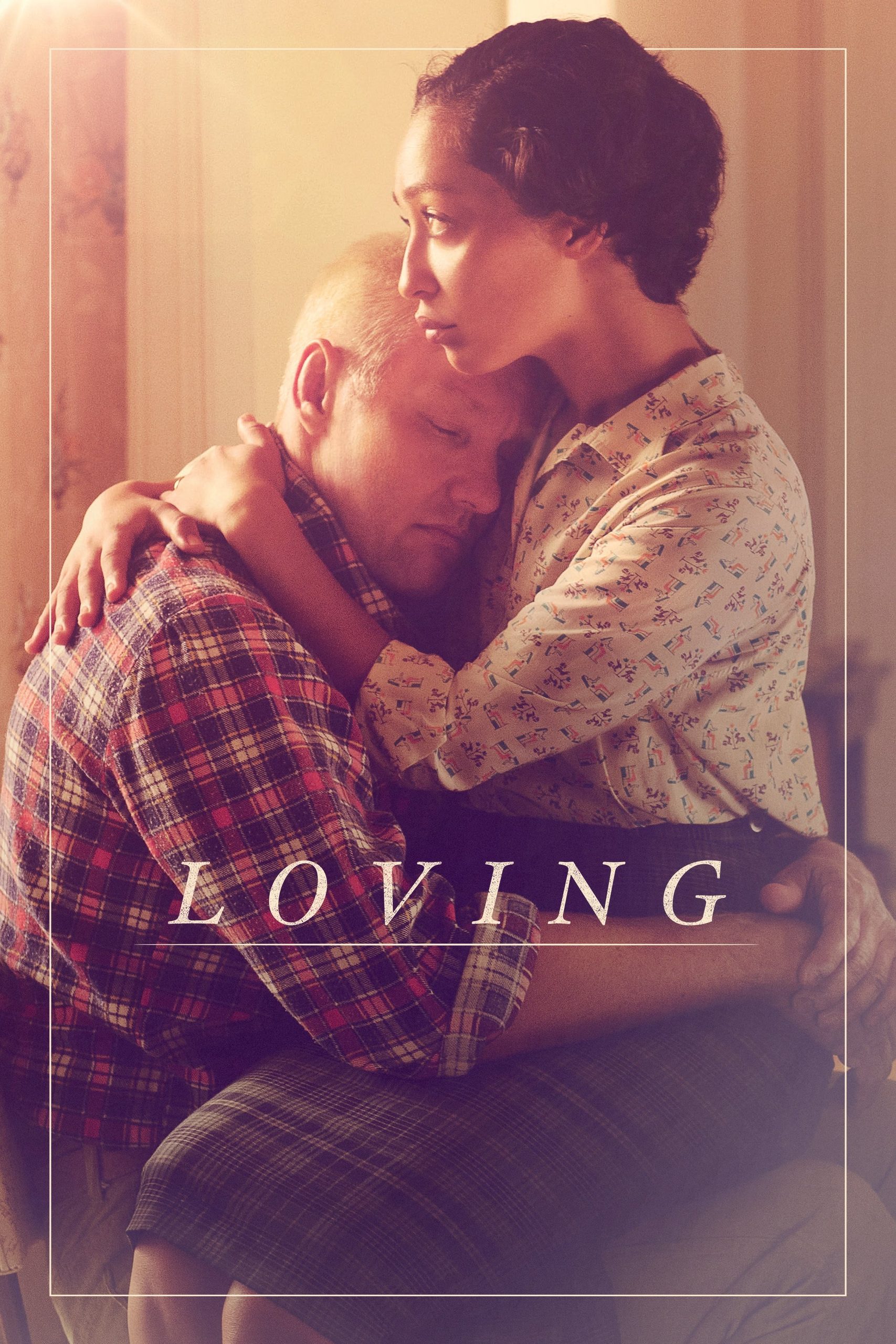
Loving poster

Loving

2016 · A patient romance about ordinary affection under the pressure of racist law.

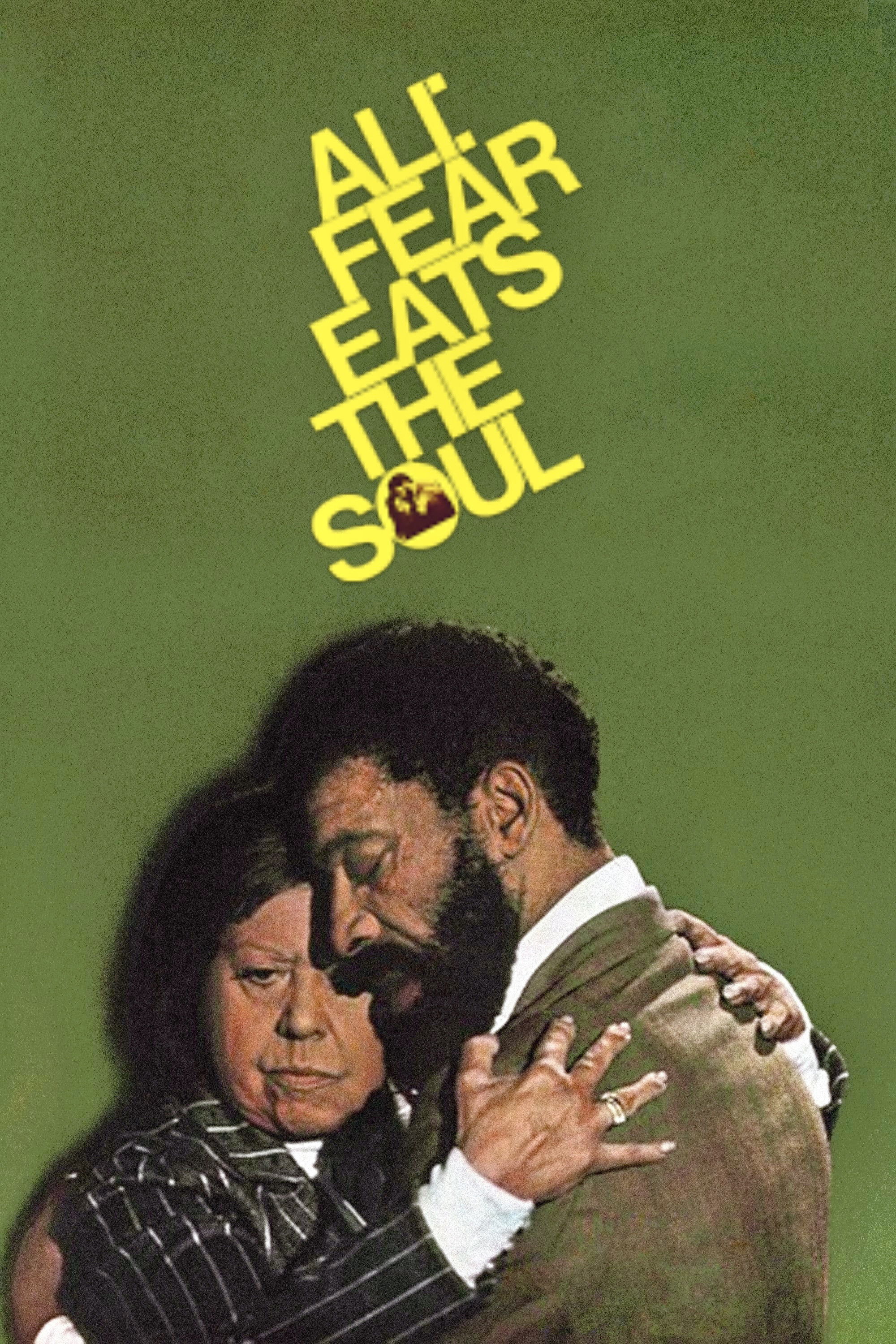
Ali: Fear Eats the Soul poster

Ali: Fear Eats the Soul

1974 · An unlikely couple find that private tenderness offers little protection from public prejudice.

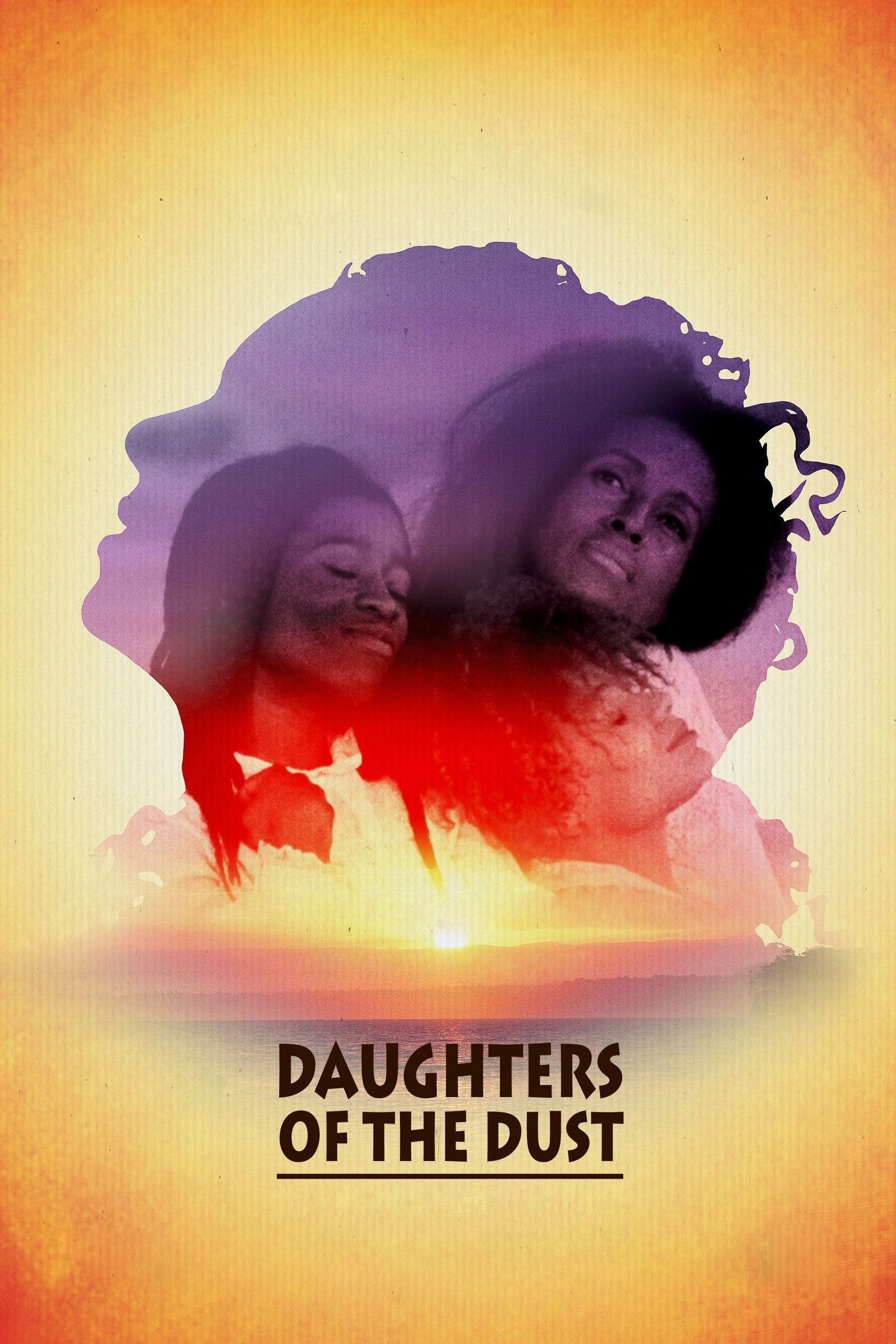
Daughters of the Dust poster

Daughters of the Dust

1991 · Family, memory and Black history, told through images that reward close attention.

The Lunchbox poster

The Lunchbox

2013 · A misdelivered lunch opens a careful romance between two lonely people.

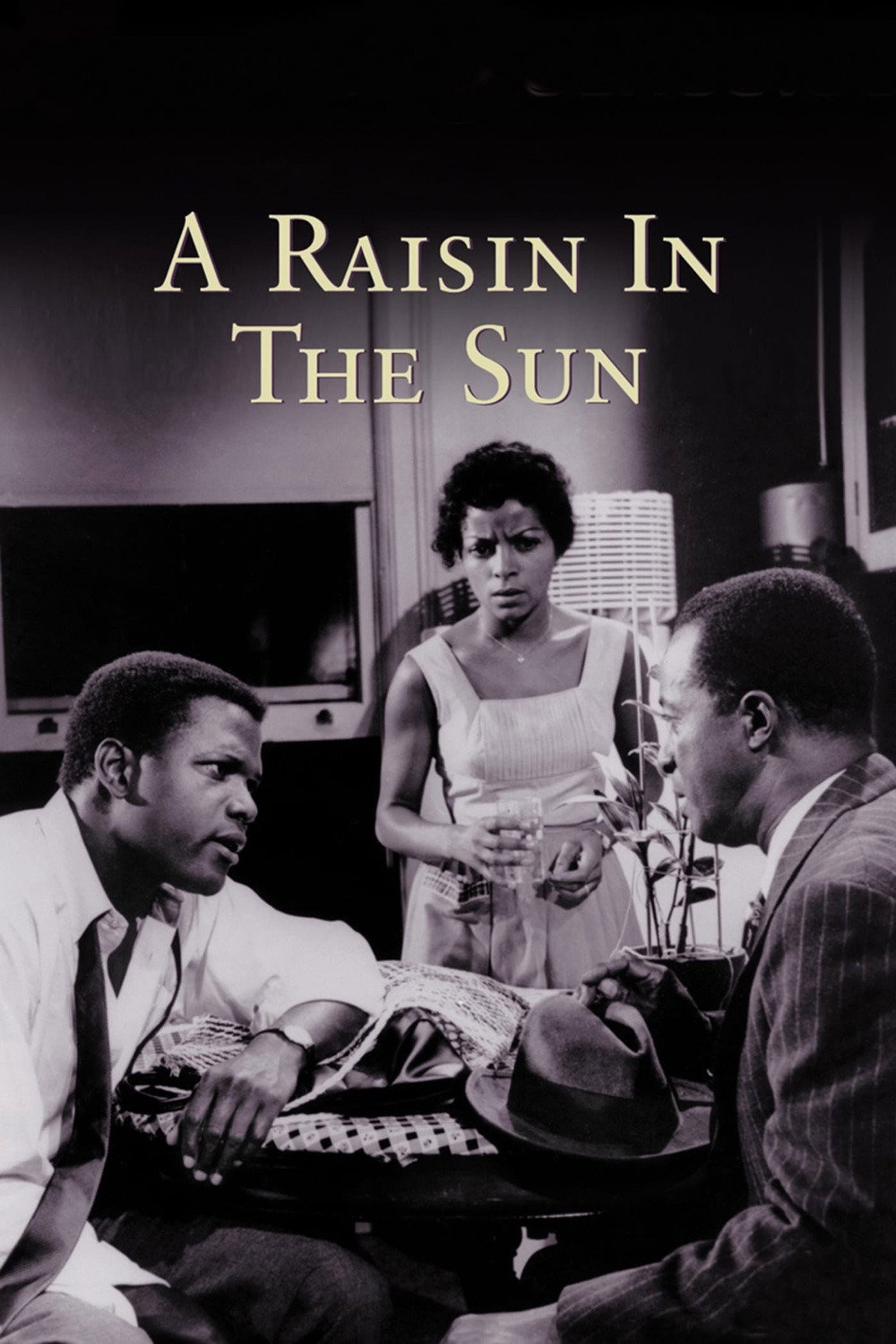
A Raisin in the Sun poster

A Raisin in the Sun

1961 · Another family’s hopes meet racism, with domestic conversations carrying the weight.