Film review

Jacob's Ladder

1990 · Directed by Adrian Lyne · 1h 53m · MPA R

In a sentenceA subway nightmare that makes walking home seem a reasonable precaution

DramaMysteryHorror

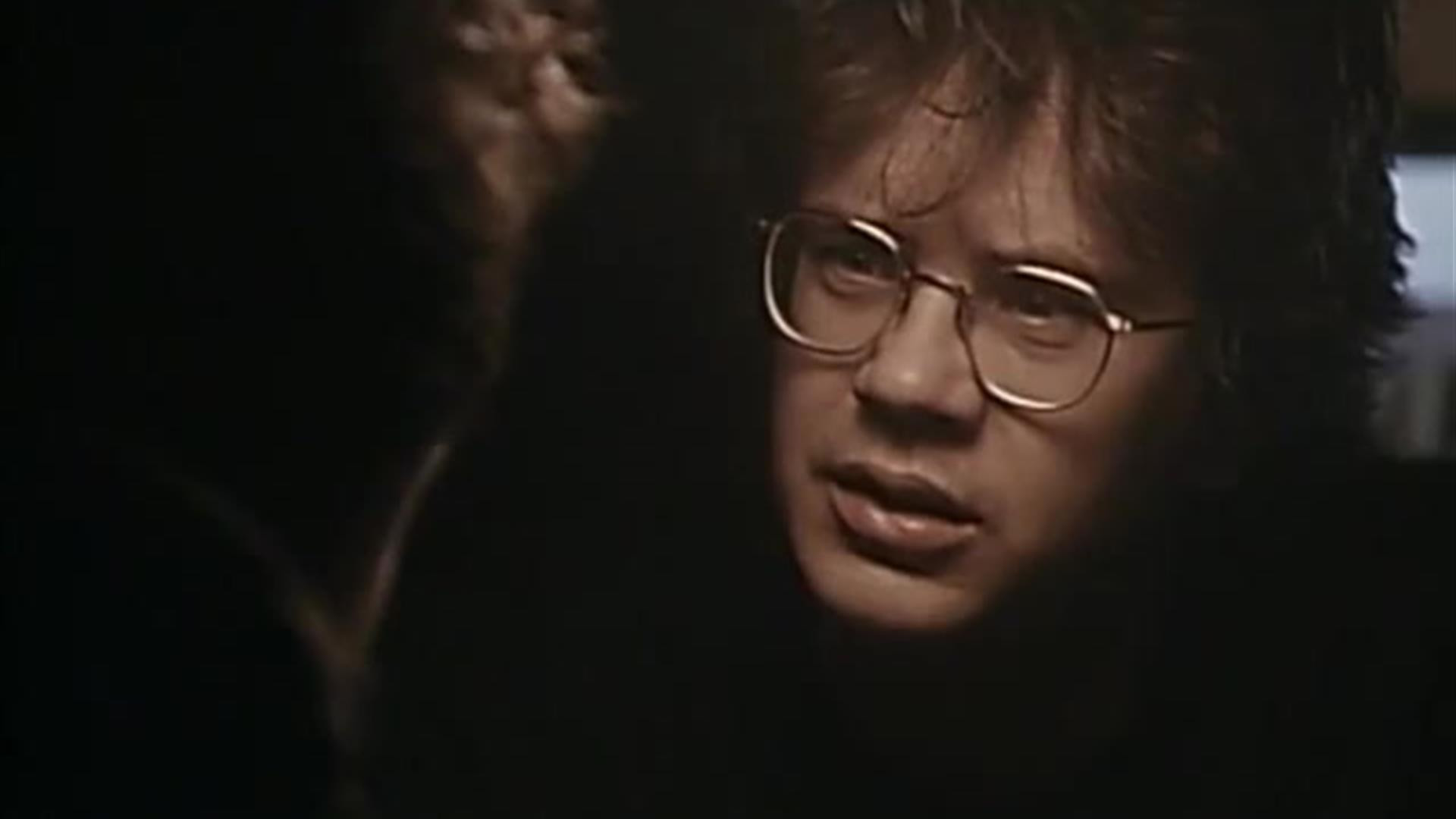
Jacob (Tim Robbins) cannot trust what he sees. Ordinary surroundings give way to grotesque visions, and the boundary between waking life and nightmare becomes increasingly difficult to place. His attempts to understand what is happening draw together fears of death, questions of belief and the effects of trauma. Adrian Lyne directs this mixture of drama, mystery and horror from a screenplay by Bruce Joel Rubin. The cast includes Elizabeth Peña as Jezzie, Danny Aiello as Louis, Patricia Kalember as Sarah and Matt Craven as Michael.

Plays from YouTube when you press play; nothing loads from them until then.

Fi1m review

Adrian Lyne’s Jacob’s Ladder is frightening, tender and occasionally too eager to explain itself. Tim Robbins gives its nightmare a human centre, though Bruce Joel Rubin’s script presses its religious ideas harder than it needs to.

Jacob’s Ladder works because Adrian Lyne takes a frightened man seriously, even when the things surrounding him threaten to become a gruesome distraction. It is an effective, often moving horror film, with a script that sometimes talks too earnestly about matters the images have already made us feel. Bruce Joel Rubin brings war, trauma and religious questions into the nightmare, asking for more than a succession of scares. The film is strongest when those concerns remain close to Jacob and his trouble believing what is in front of him.

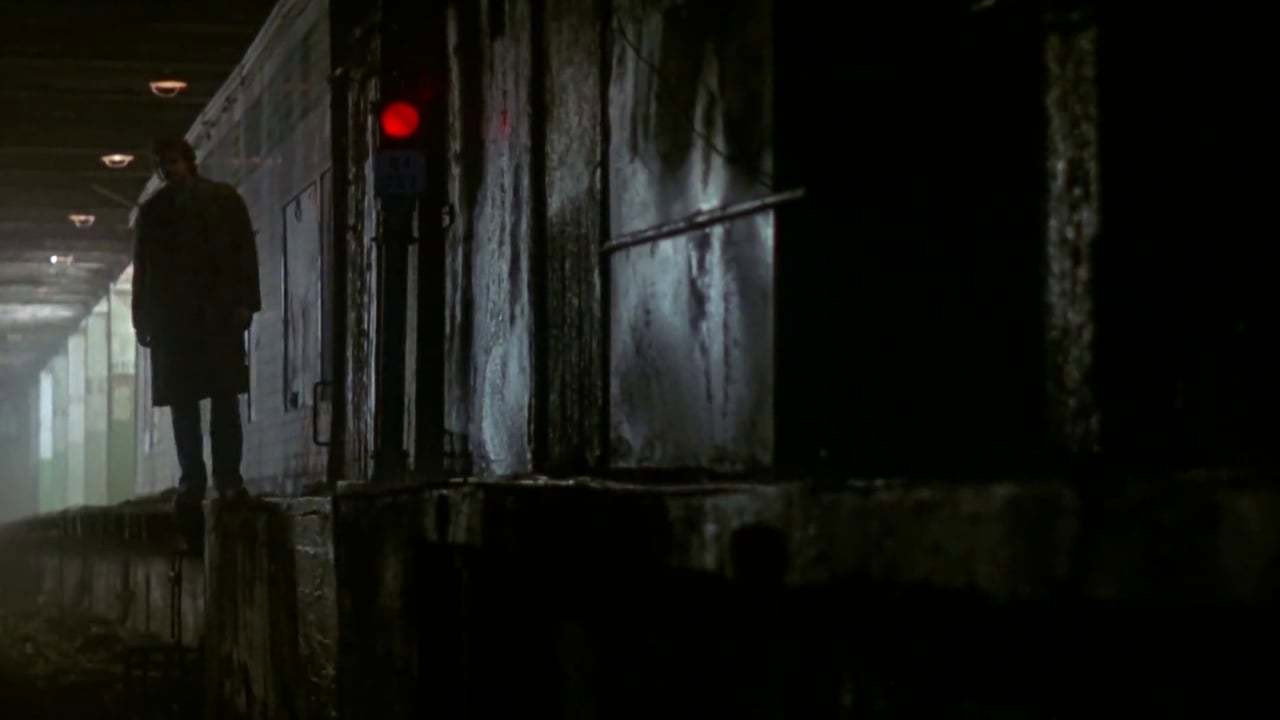
The subway sequence is a good measure of Lyne’s control. Jeffrey L. Kimball’s cinematography makes the space oppressive without stripping away its familiarity, and Brian Morris’s production design gives the grotesque effects a credible setting. We were frightened because an ordinary journey had become unsafe before we could work out what was wrong. The effects sharpen that fear, but the setting has already done much of the work. The sequence makes the journey itself an ordeal.

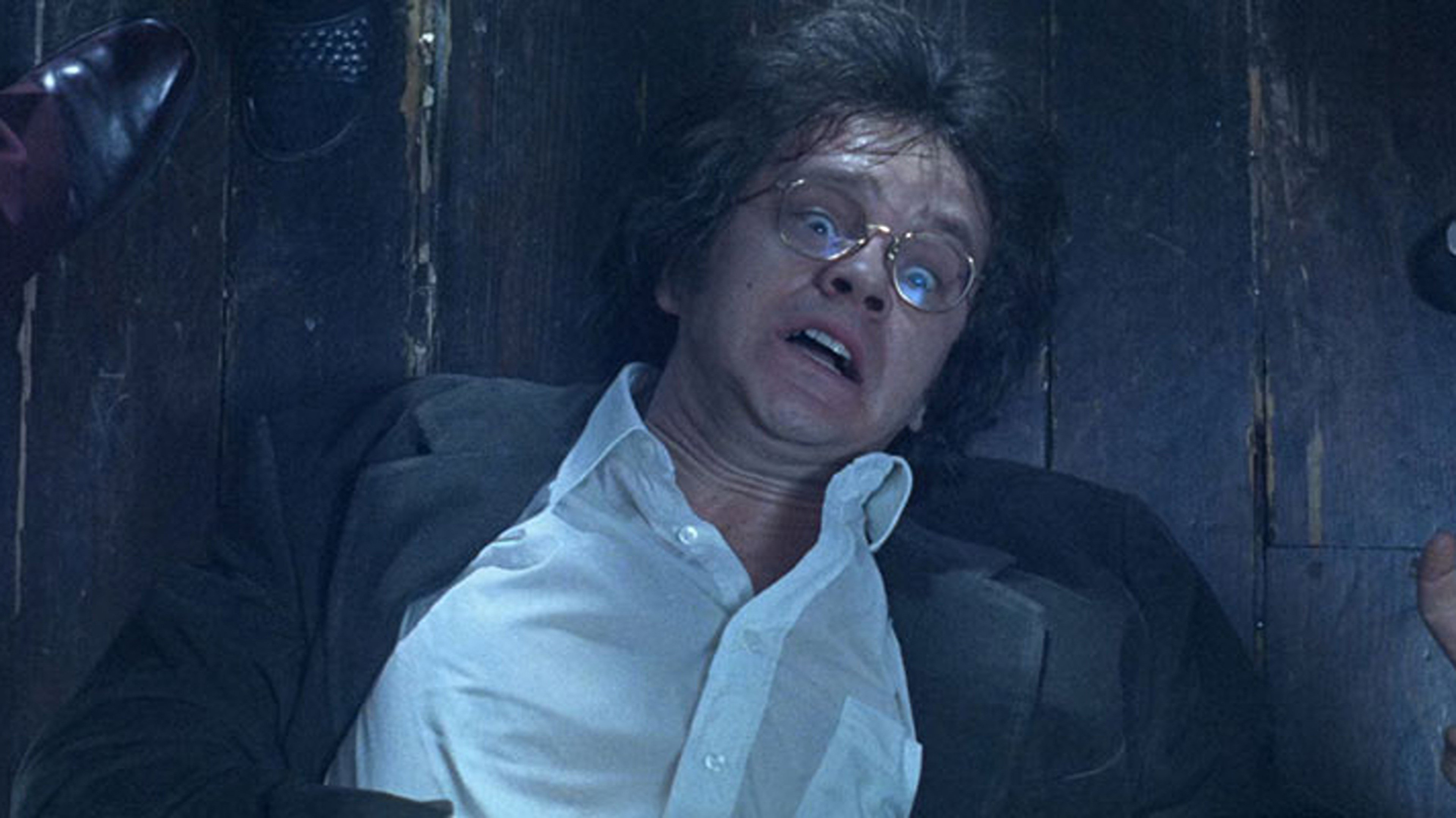
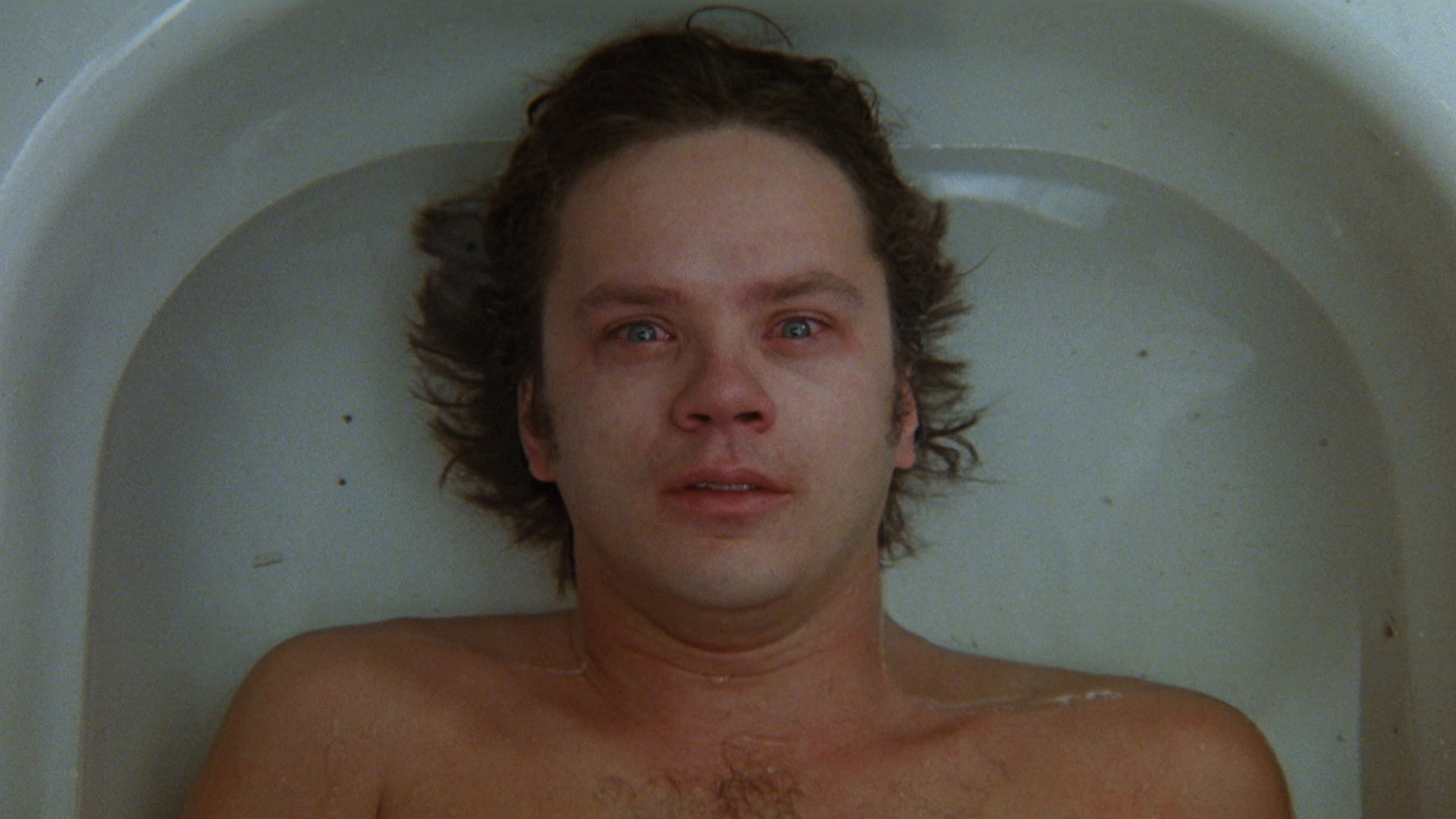
Robbins is the reason to stay with Jacob when the film risks becoming a collection of alarming sights. He makes confusion credible without playing every moment as a prelude to panic, allowing his fear to build. We believe that this man is trying to understand what he experiences, which matters more than making him an efficient guide through the mystery. His vulnerability also lets the film deal with trauma without reducing Jacob to a case for us to diagnose.

Tom Rolf’s editing makes the changes between reality and nightmare difficult to anticipate. A cut can deny us the chance to settle, and uncertainty about what we are watching becomes part of the fright. The quick glimpses of demons are more contentious: sometimes the speed increases their menace, and sometimes we become aware of being prodded into a reaction. Rolf handles the larger shifts more persuasively, letting the film stay disorientating without requiring Robbins to explain each change for us.

Rubin’s biblical references can be insistent, and the dialogue sometimes seems to be instructing us in how seriously to take the film. Maurice Jarre’s music is effective at sustaining unease, though its contribution to the more solemn passages feels less necessary. We have already been given ample reason to care about Jacob, so the additional prompting can become a nuisance. Religious ideas belong in this story, but Rubin does not always give them room to be questioned by the people speaking.

Psychological horror can become tiresome when the only pleasure left is solving the puzzle. Lyne largely avoids that by keeping bodily fear and grief present alongside the uncertainty, so that working out what is happening never becomes the only reason to watch. The practical effects help: their grotesqueness feels close enough to human bodies to be upsetting, even when the cutting is aggressive. There are passages where the script’s solemnity requires patience, but the fear remains persuasive after we have had time to examine it. Watch it with someone prepared to stay quiet during the film and talk afterwards.


Critical consensus AI synthesised

66
Positive
4
Mixed
1
Negative
1

Most critics respond favourably to Jacob’s Ladder, with praise concentrated on Adrian Lyne’s direction, its nightmare imagery and the uneasy movement between apparent reality and hallucination. The reviews repeatedly credit the practical effects and editing with making those transitions frightening, while several find emotional weight in the treatment of trauma, death and grief. Tim Robbins’ credible, empathetic performance also draws praise. The New York Times singles out the subway sequence as especially effective in its atmosphere and effects.

The spread is wide, however, and the same visual force impresses some critics while exhausting others. Empire finds lasting power in the imagery but considers the script overambitious. The Los Angeles Times offers the sharpest dissent, arguing that the fragmented structure lacks psychological resonance and that the rapid demonic cuts become an assault. Even favourable reviews acknowledge messiness, familiarity or sentimentality; the disagreement concerns how much the scares and emotional pull compensate.

The AV Club
6 June 2018 · Clayton Purdom
80*

The film is an underappreciated horror classic that masterfully deploys dream logic and unsettling transitions from reality to nightmare, with standout grotesque sequences that cement its cult status. Lyne's outlier foray into the genre elevates a script heavy on biblical references through artistic influences and subtle tension.

Read the full review →
The New York Times
2 November 1990 · Janet Maslin
80*

The film is a slick, riveting and viscerally scary thriller about death. The critic singles out its effective, unsettling subway sequence for its atmosphere and effects.

Read the full review →
Time Out
10 September 2012 · SGr
75*

The film is a truly scary and unsettling experience that transcends simple war or horror tropes, thanks to its hallucinogenic power and giddying direction, even if some elements feel messy and maddening.

Read the full review →
Empire
1 January 2000 · Ian Nathan
50*

The critic sees the film as wavering between profound meditation and pretentious smudge, with a script too ambitious for its own good. Powerful imagery and themes of death are singled out as what sticks with the viewer despite the flaws.

Read the full review →
Los Angeles Times
2 November 1990 · Peter Rainer
35*

The puzzle-like structure leaves the viewer with too many loose pieces and lacks psychological resonance. The critic singles out the rapid-fire cuts to demons and the overall bludgeoning, assaultive visuals as detracting from its impact.

Read the full review →
Slant Magazine
14 September 2010 · Chris Cabin

Jacob's Ladder is a powerful but imperfect head trip and Lyne's best film, blending war movie, horror, and character study with masterful editing and prosthetics-driven imagery, though familiarity and sentimentality prevent it from being truly great. The nightmare visions and themes of death and grief make it singular and emotionally draining.

Read the full review →

Cast

Stills

If you liked this, try…

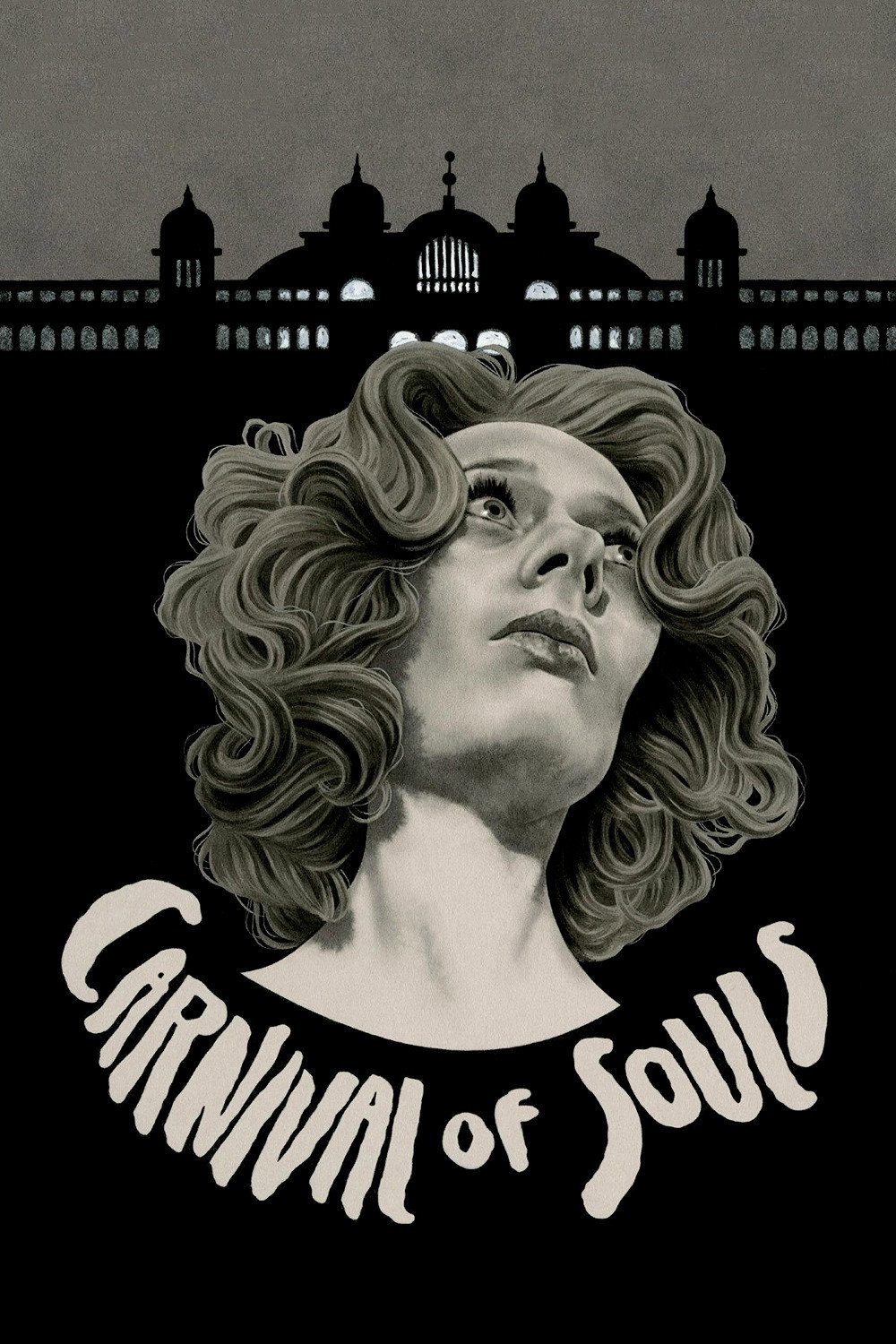
Carnival of Souls poster

Carnival of Souls

1962 · Everyday places become threatening, and the fear persists between the shocks

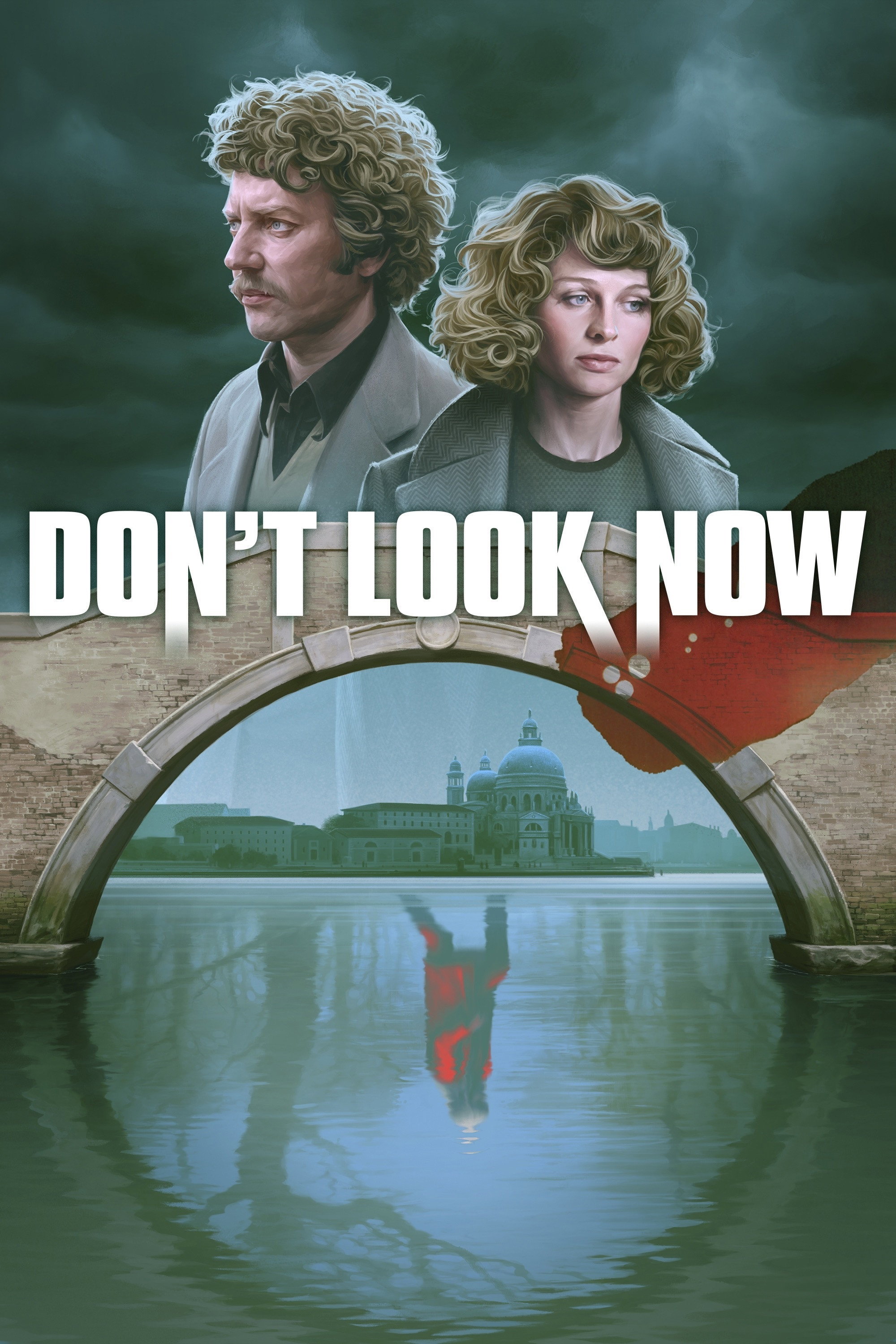
Don't Look Now poster90

Don't Look Now

1973 · Grief makes every strange detail matter in another carefully controlled psychological horror

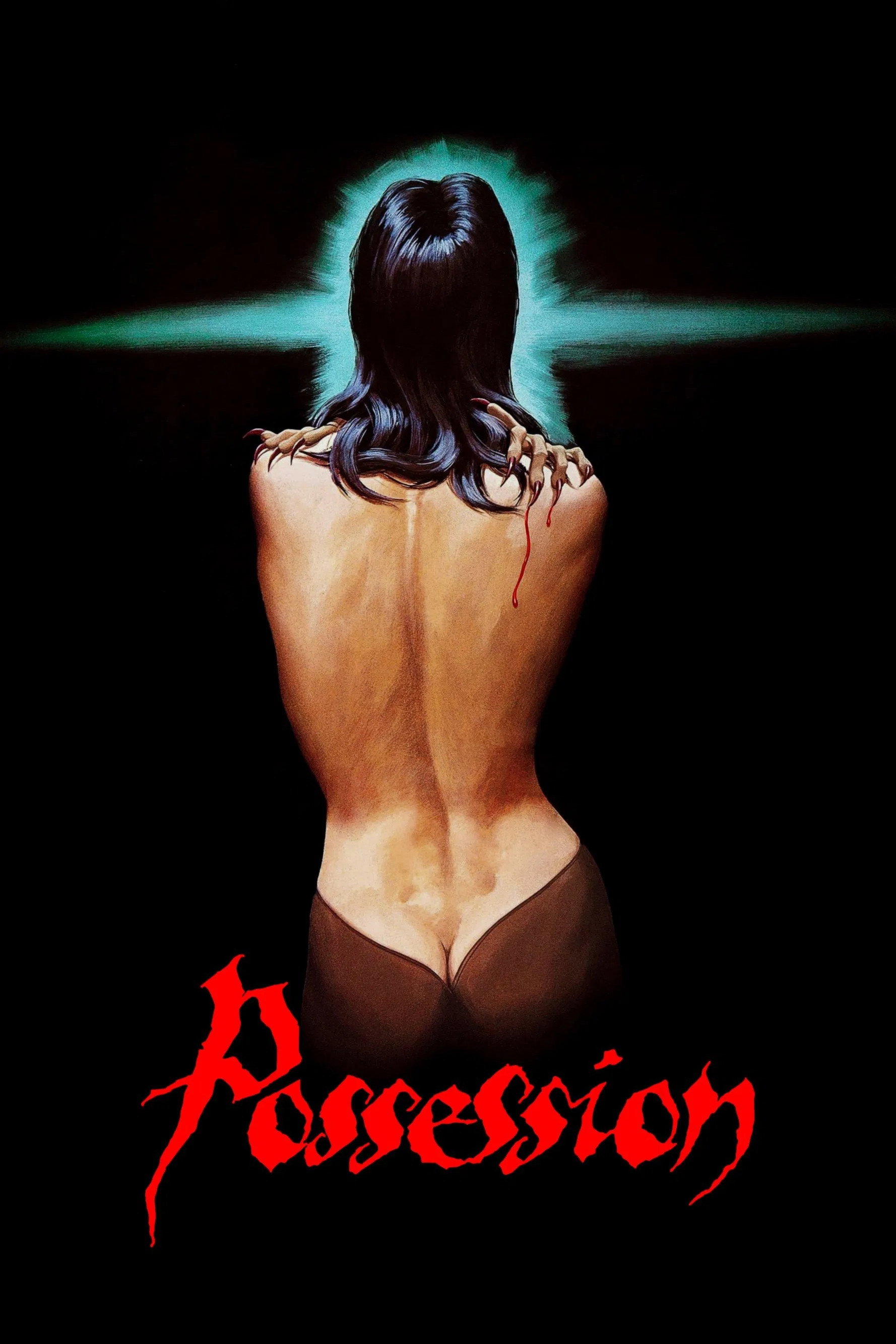
Possession poster

Possession

1981 · Domestic misery becomes physical horror, with performances far less restrained than Robbins’s

Cure poster

Cure

1997 · Patient questioning and ordinary rooms produce a similarly persistent sense of dread

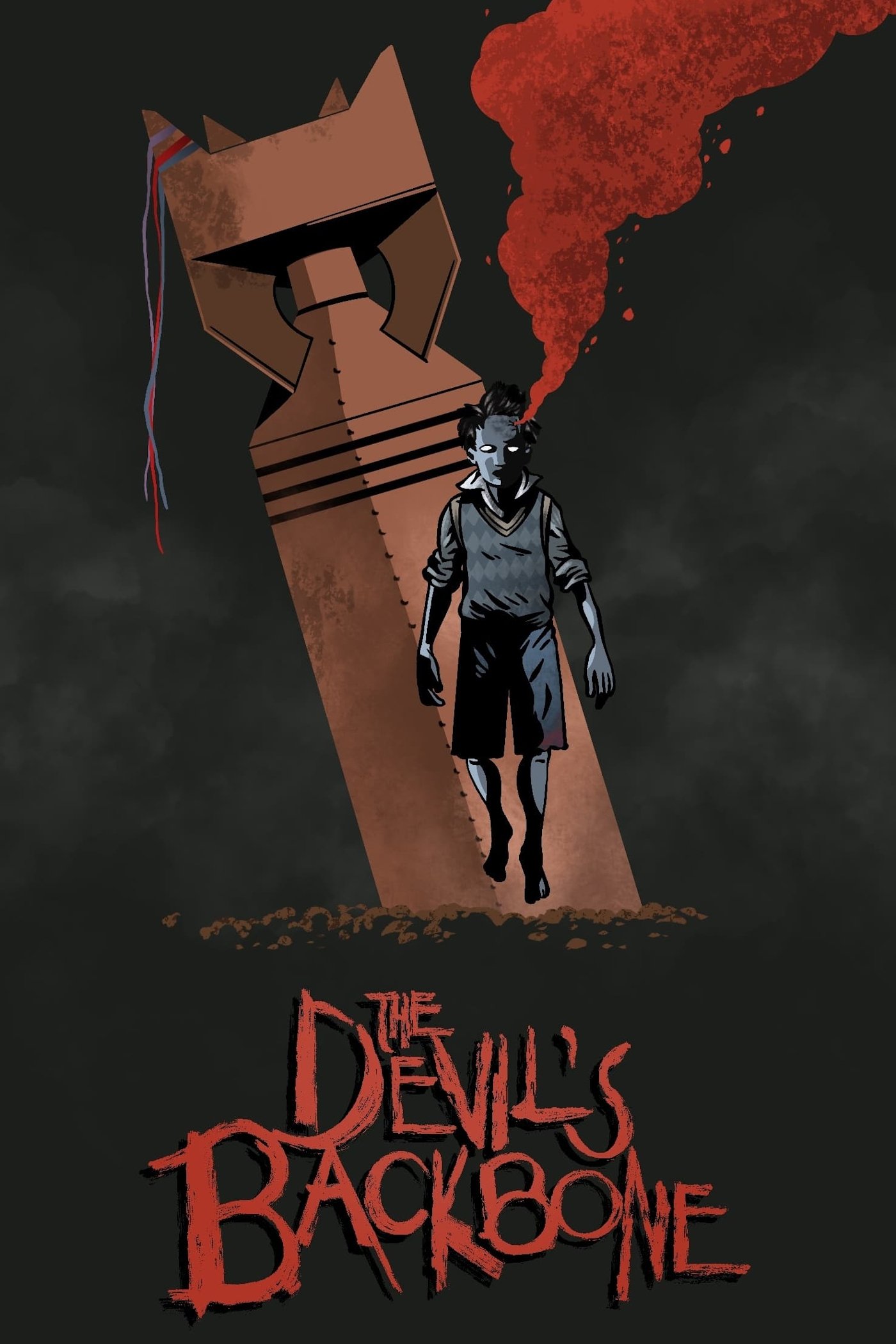
The Devil's Backbone poster

The Devil's Backbone

2001 · War and private grief share a haunted space, with the children taken seriously