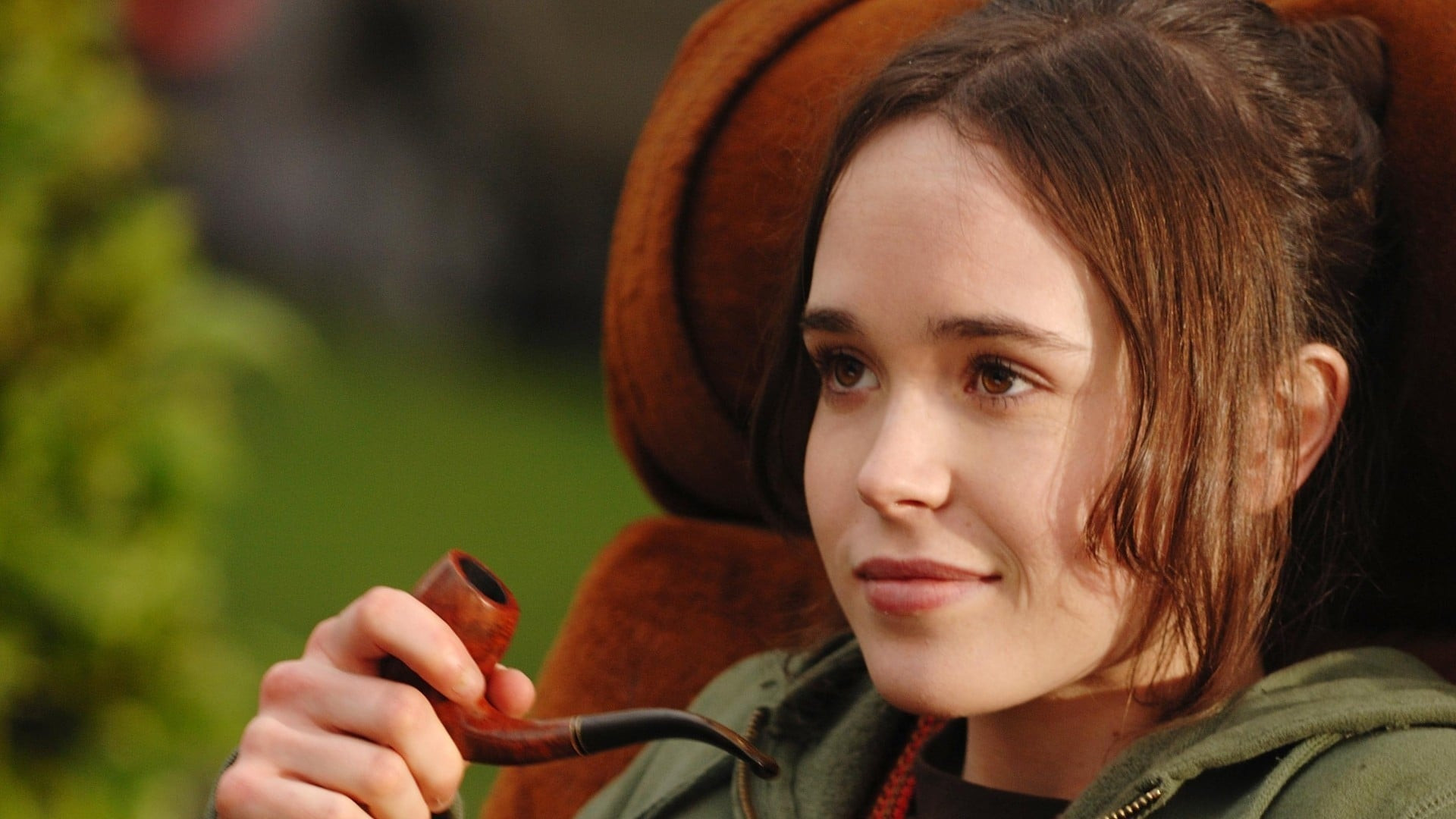
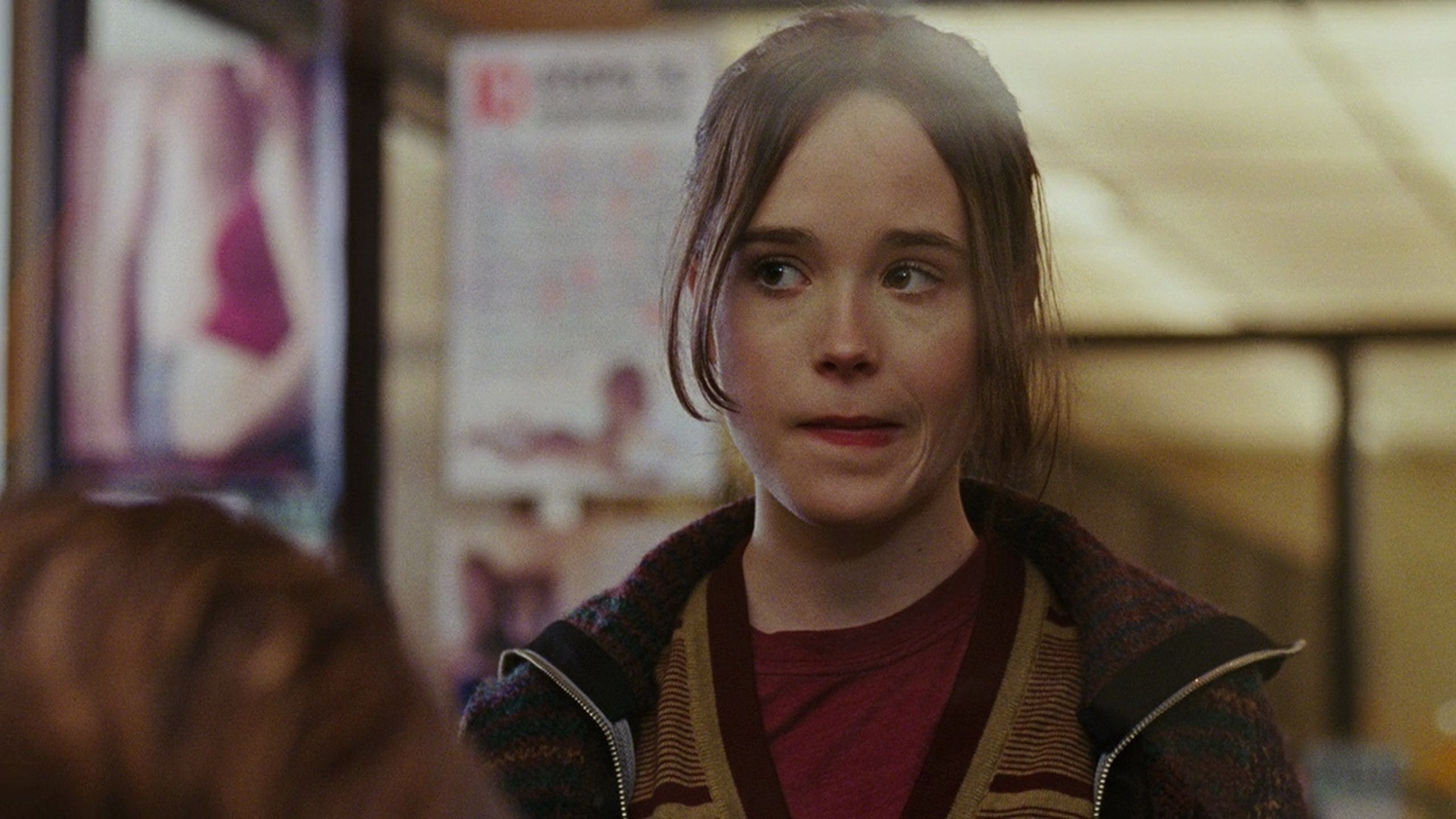
Elliot Page makes Juno funny and unexpectedly affecting, even when Diablo Cody’s dialogue seems determined to prove its cleverness. Jason Reitman gives the actors enough room to make the pregnancy comedy feel personal.
At first, Juno seems prepared to make cleverness compulsory. Diablo Cody gives its pregnant teenage heroine a ready supply of quips, and Jason Reitman makes sure we hear them. We recommend it warmly, despite some dialogue that sounds too pleased with itself, because Elliot Page lets us see how much of Juno’s confidence is put on. The film understands the awkward business of sounding grown-up before knowing quite what growing up involves.
Page plays Juno MacGuff as someone who likes being difficult to impress, and who can use a joke to keep another person at a safe distance. That makes the performance funny, but it also gives the quieter moments something to work against. We were moved when Page let the uncertainty show beneath the quick replies; suddenly we were conscious of how young Juno was. The change works because Page does not ask for our sympathy every time the confidence falters.
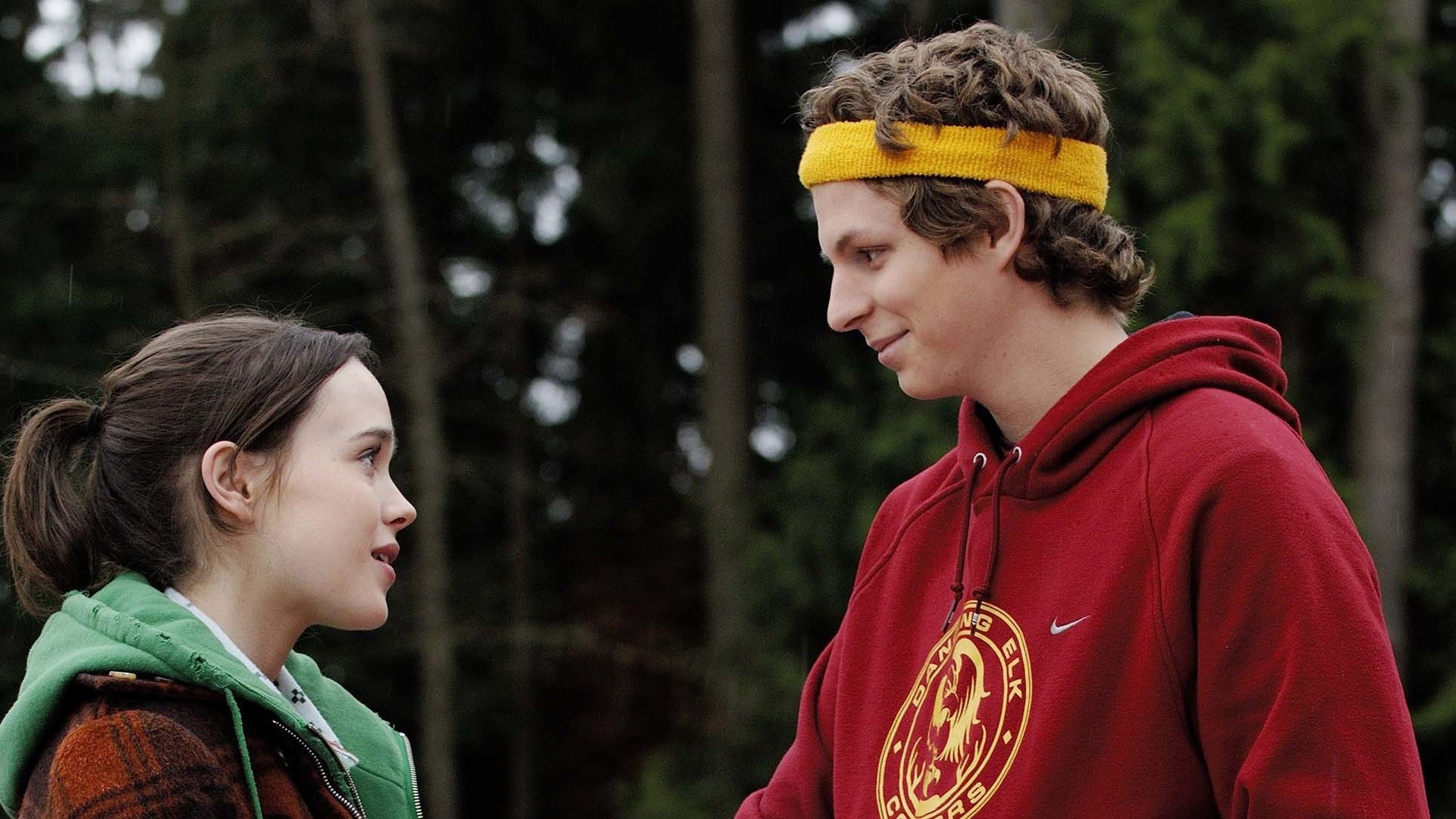
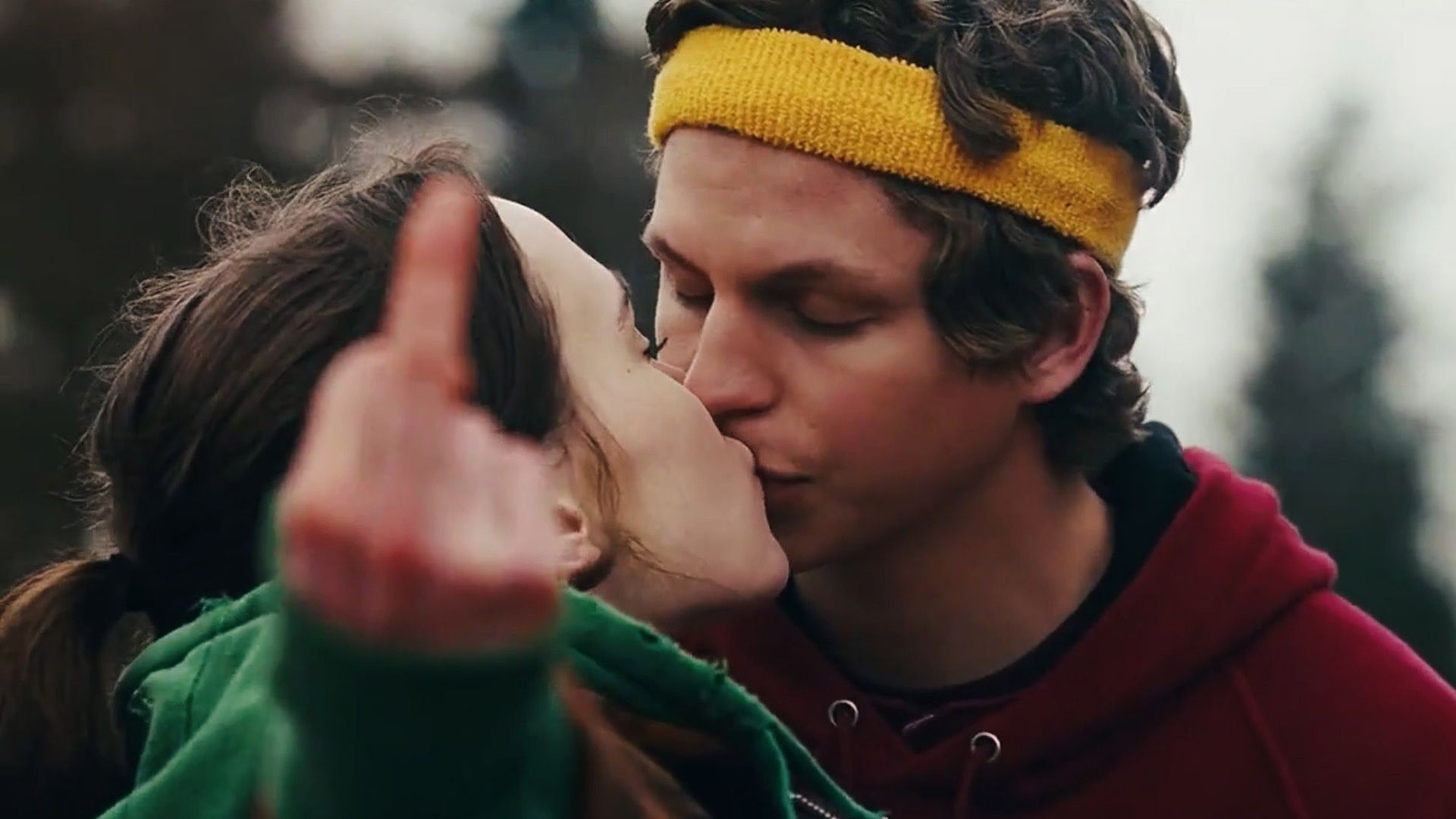
Michael Cera’s Paulie Bleeker gives Page a useful contrast: his hesitation makes Juno’s verbal confidence feel less like the only possible way to be young. Jennifer Garner, as Vanessa Loring, brings a seriousness that the comedy needs. Jason Bateman’s Mark Loring has an easier manner, and the difference between the two performances is worth watching. J.K. Simmons and Allison Janney, as Mac and Bren MacGuff, help keep the surrounding adults from becoming a collection of obstacles. Reitman gives these supporting performances weight without losing sight of Juno.
Cody’s weakness is her reluctance to let an ordinary sentence pass unadorned. Some exchanges sound written to be repeated afterwards, and there are moments when we become more aware of the writer enjoying a phrase than of the person speaking it. This is especially noticeable early on, before we have much reason to care about the people delivering the lines. These are irritations rather than reasons to give up on the characters, though the opening tests our patience.
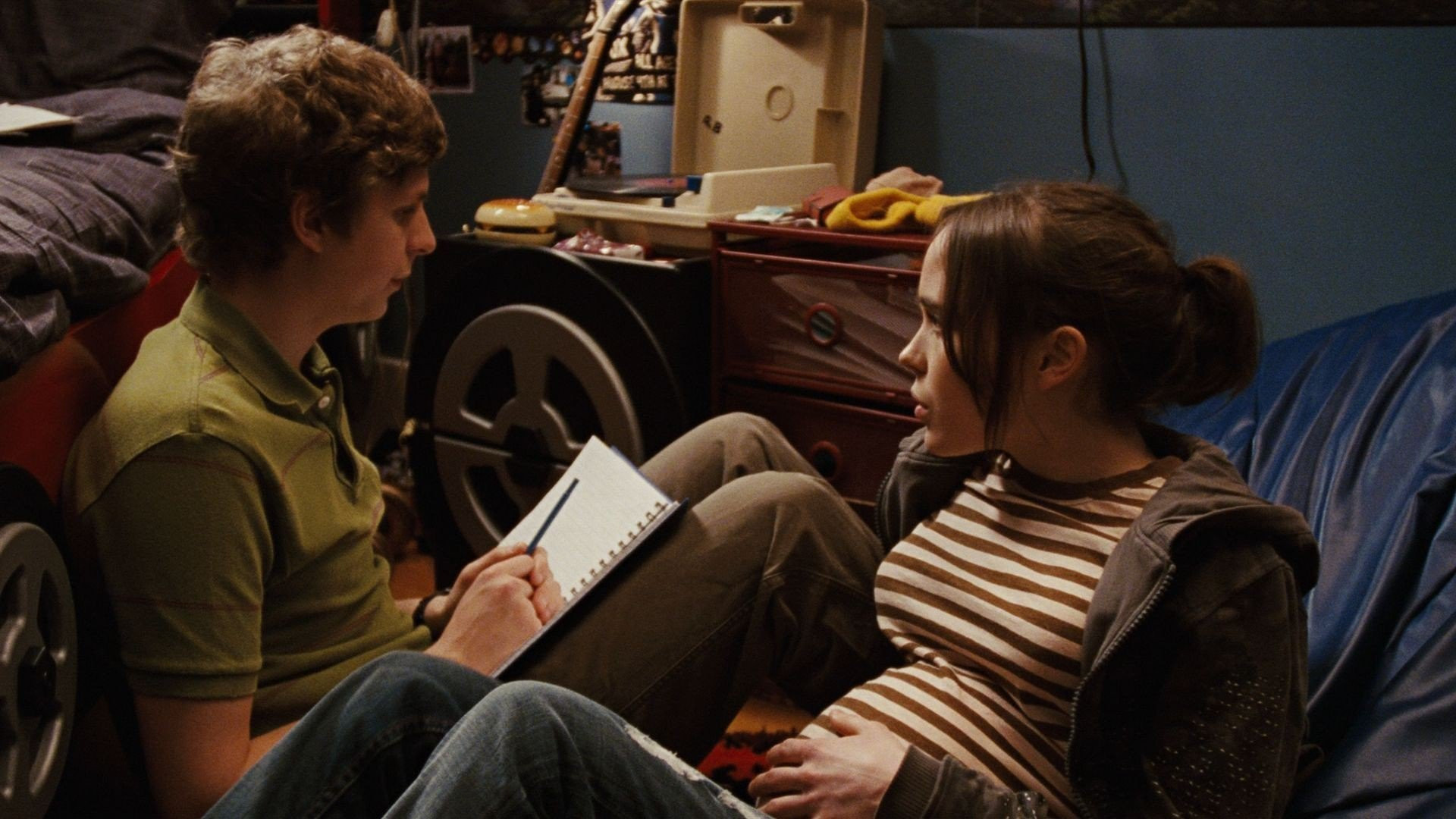
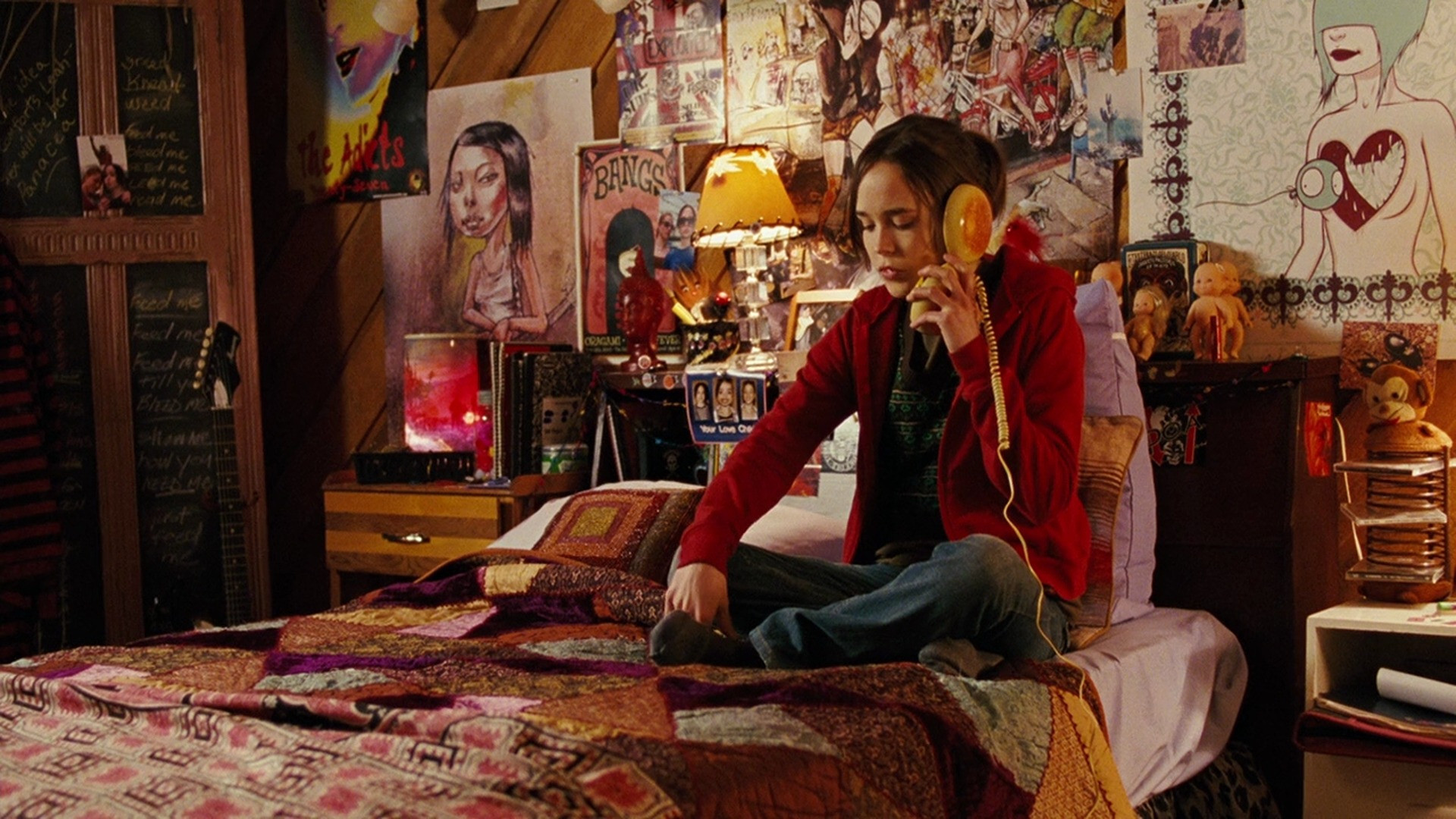
Eric Steelberg’s cinematography keeps our attention on the actors, which is where this film earns it. Steve Saklad’s production design is similarly attentive to personality; the surroundings feel chosen for these people, rather than borrowed from a generic teenage comedy. Dana E. Glauberman’s editing keeps the brisk exchanges moving, then allows the more hesitant reactions to count. Mateo Messina’s music fits the film’s warmth without making the vulnerable moments feel like a demand for tears.
Where Reitman succeeds is in taking the feelings seriously without treating Juno as someone who needs to be punished. We tend to expect a teenage comedy to put all the foolishness on one side of the age divide. Cody notices how people use wit to gain an advantage in a conversation, and how quickly that advantage can disappear. The relationships become more absorbing because the film lets us change our minds about people instead of telling us whom to approve of.
For all our irritation with the more laboured lines, we liked spending time with these people. The warmth comes from allowing them to be awkward, funny and occasionally wrong, with Page keeping Juno recognisably young through it all. Give it time to get past its eagerness to impress.