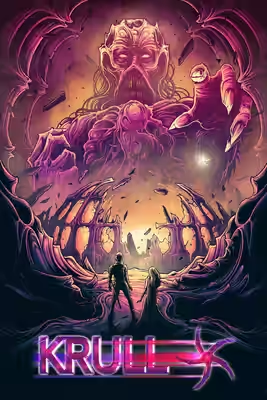
Peter Yates gives this science-fiction fantasy some dignity, and the creatures occasionally unsettle us. But thin characters and faltering momentum make Krull a mixed prospect, even for viewers inclined to forgive an unconvincing effect.
Krull is a patchy fantasy adventure with enough curious sights to make its thin storytelling frustrating. Peter Yates approaches the combination of science fiction and fairy tale without embarrassment, which helps when the material threatens to look faintly ridiculous. There is pleasure in being invited to accept it all so earnestly. Stanford Sherman’s screenplay, however, does too little to make us care about the people moving through this world, or persuade us to follow them for two hours.
Kenneth Marshall gives Prince Colwyn the requisite earnestness, but little that makes the character feel particular. Lysette Anthony has much the same problem as Lyssa: the performance cannot supply the emotional connection missing from the writing. Freddie Jones brings more interest to Ynyr, while Alun Armstrong gives Torquil a welcome firmness. The supporting actors help the film maintain its dignity, though we kept wishing the leads had something less dutiful to do than carry the adventure.
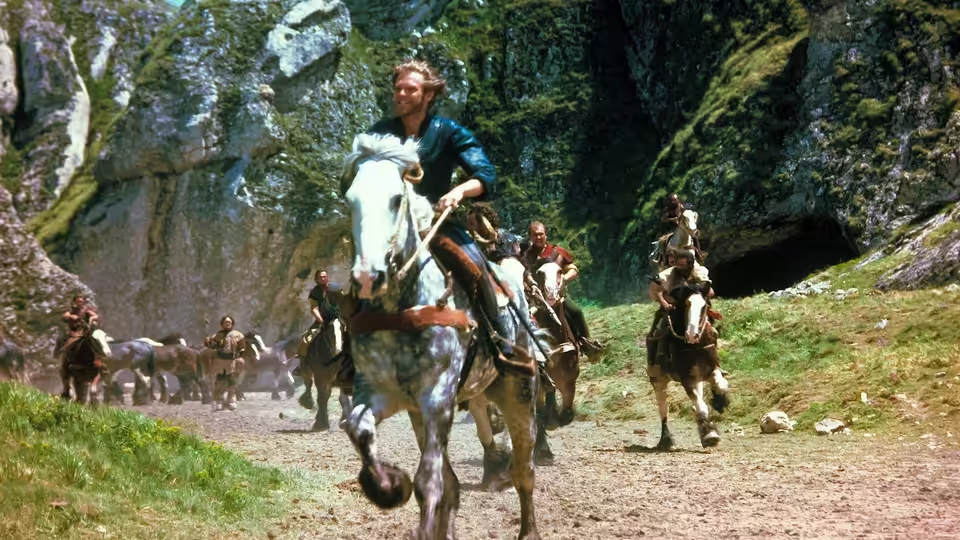
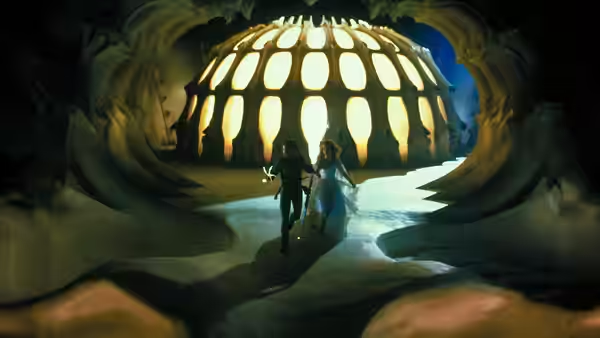
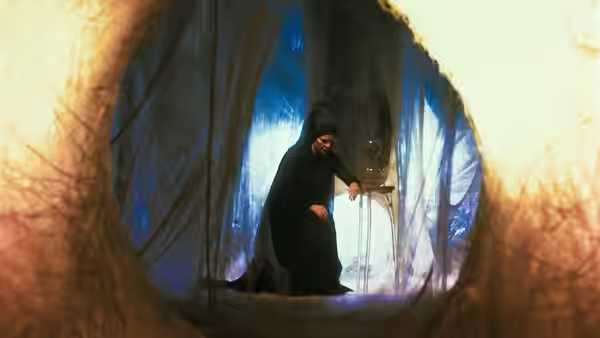
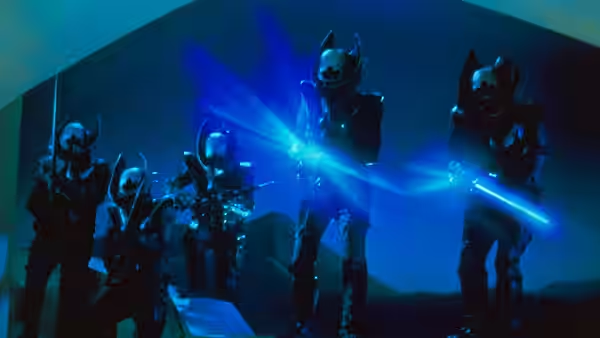
Stephen B. Grimes’s production design is rewarding to inspect, particularly the miniature fortress. Its visible craftsmanship is part of the pleasure; we need not mistake every surface for reality to enjoy looking at it. Peter Suschitzky’s photography gives the fantasy settings enough weight to keep them from feeling merely decorative. The effects are uneven, but their more successful images remain worth studying through passages when the human drama has gone slack.
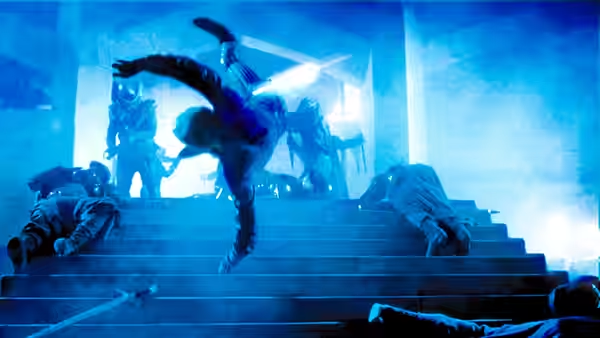
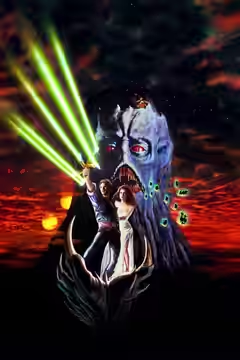
We were unsettled by the spider imagery, which makes the danger feel unpleasantly close in a way the broader action rarely manages. The creature gives us something specific to recoil from, and the film briefly stops feeling so polite. Such moments explain why we cannot dismiss its practical effects as an embarrassment. They also make the less convincing effects harder to excuse, because there is evidence here of how much a carefully chosen creature can contribute.
Ray Lovejoy’s editing keeps individual stretches moving, but the action does not accumulate into much suspense. Each new passage seems to require another effort to get us interested, rather than benefiting from what came before. At 121 minutes, that repeated loss of momentum becomes wearing, especially when Stanford Sherman’s characters remain so thinly drawn. We do not need complicated psychology from this sort of adventure, but we do need a reason to worry about the people undertaking it.
James Horner’s music supplies enthusiasm that the drama often fails to earn. It helps the spectacle, lending the images a conviction we sometimes wish the performances shared, though it cannot repair the weak character writing. By the standards of quest fantasy, a familiar story is hardly a disqualification; the lack of urgency is a more serious fault. A strange creature can renew our attention for a scene, but this film asks that trick to work too often.
An interest in handmade fantasy will help, provided that interest runs deep. We would be cautious about choosing it simply for an evening’s adventure: the pleasures are intermittent, and the long stretches between them matter. Those already fond of this sort of film may be more forgiving of the thin characters. Everyone else should be prepared to spend rather more time inspecting the scenery than fearing for anyone in it.