The boys’ romance is reason enough to watch Adrian Chiarella’s unsettling horror film. Joe Bird and Stacy Clausen make the attraction convincing, though some blunt dialogue and a late dip in tension need forgiving.
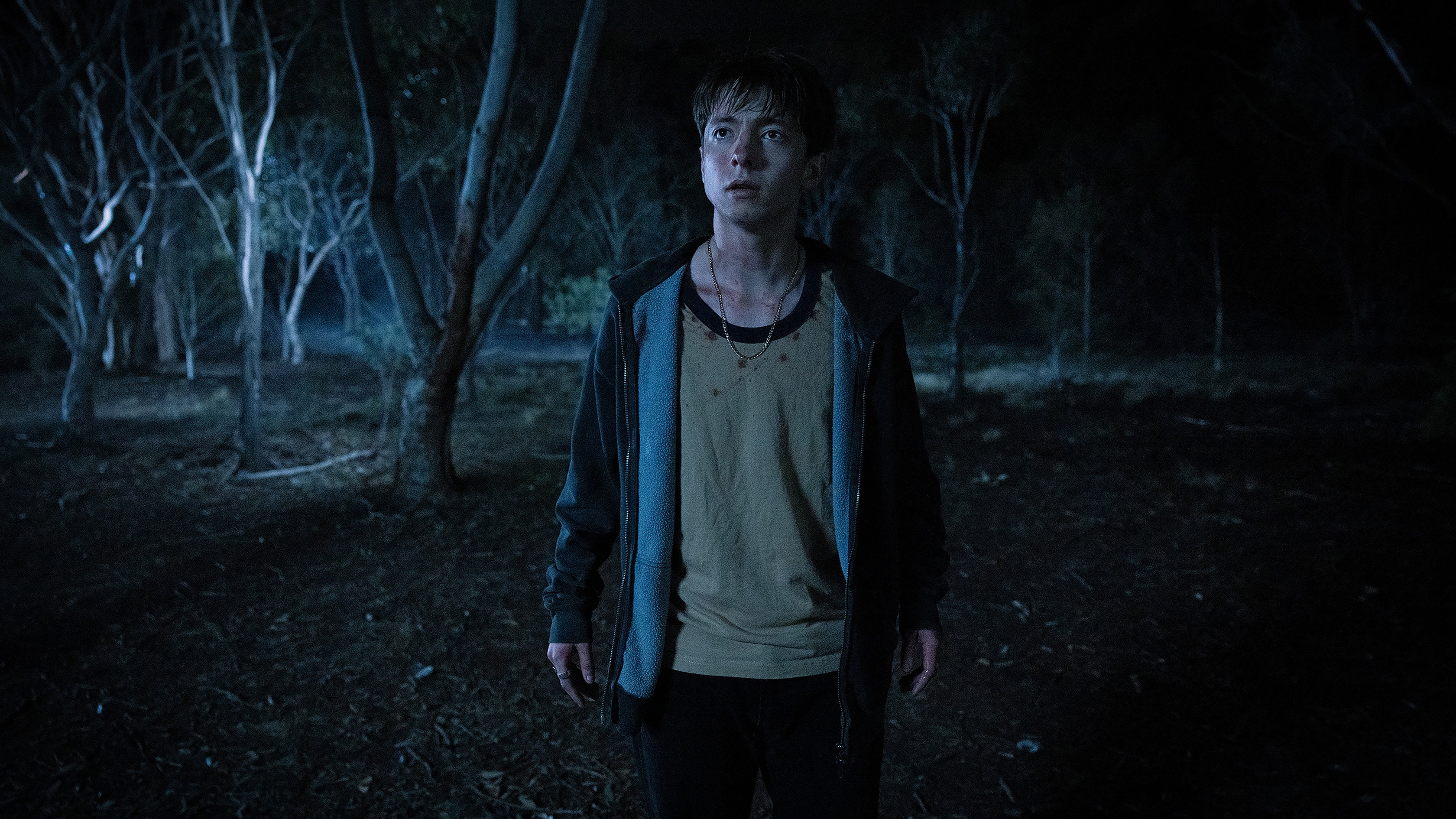
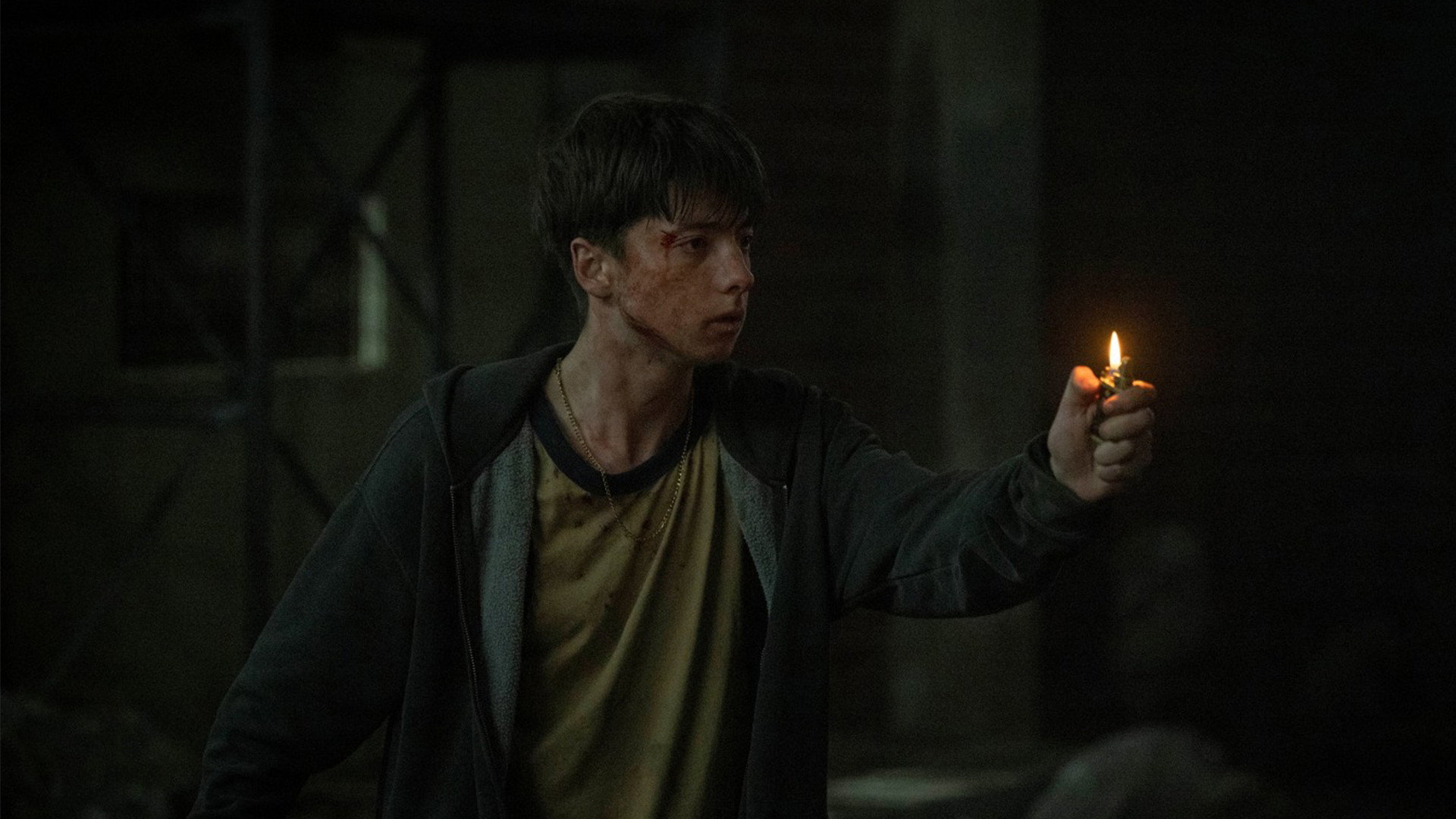
Leviticus is a frightening, tender horror film about two boys whose community treats their attraction as an illness. Writer-director Adrian Chiarella turns conversion therapy into a supernatural pursuit, with an exorcism intended to suppress queer desire bringing a stalking presence into the boys’ lives. The idea is direct, and Chiarella has the good sense to take the romance as seriously as the danger. A few blunt stretches of dialogue get in the way, but we recommend it for the care it takes with the people being frightened.
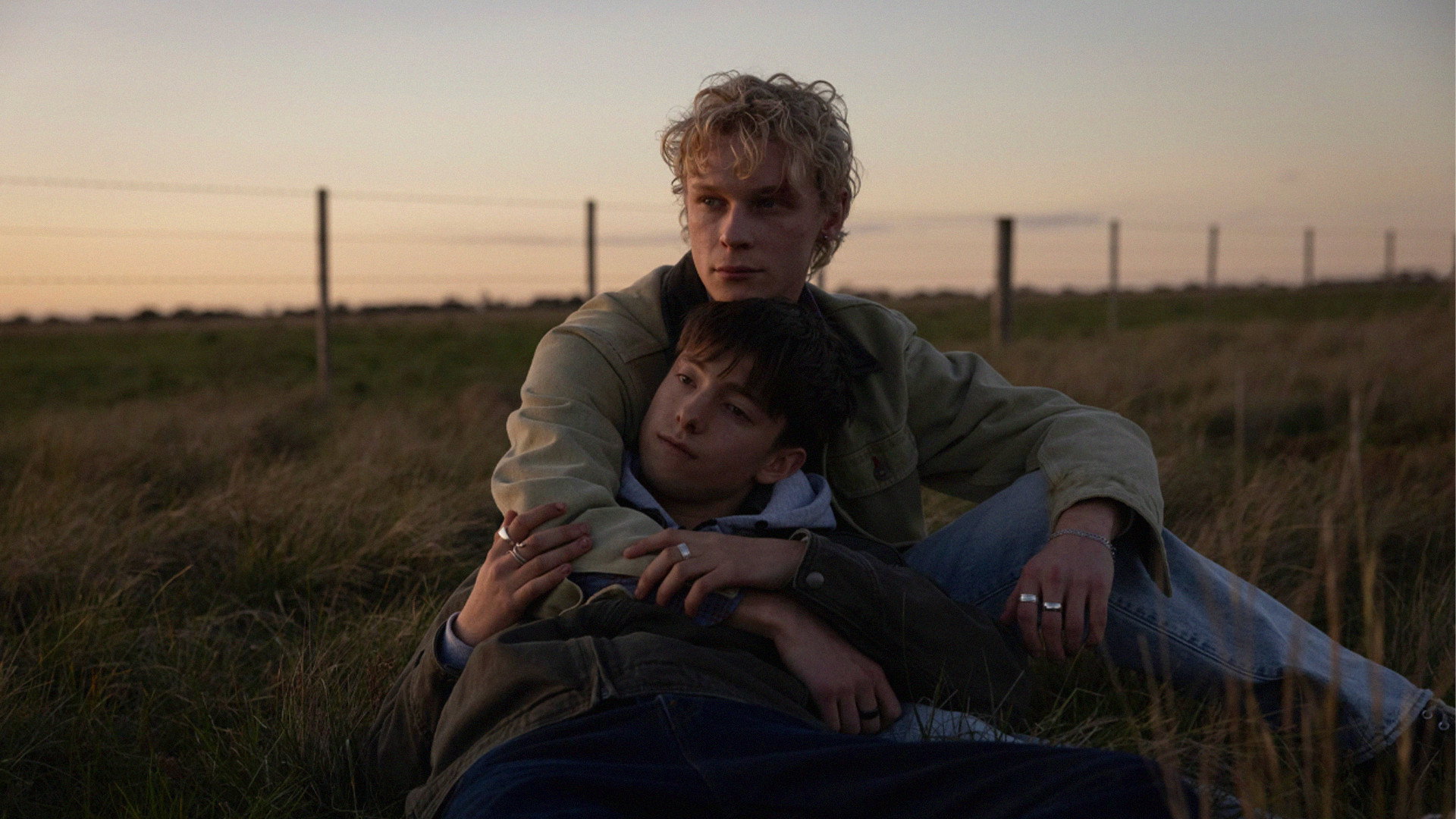
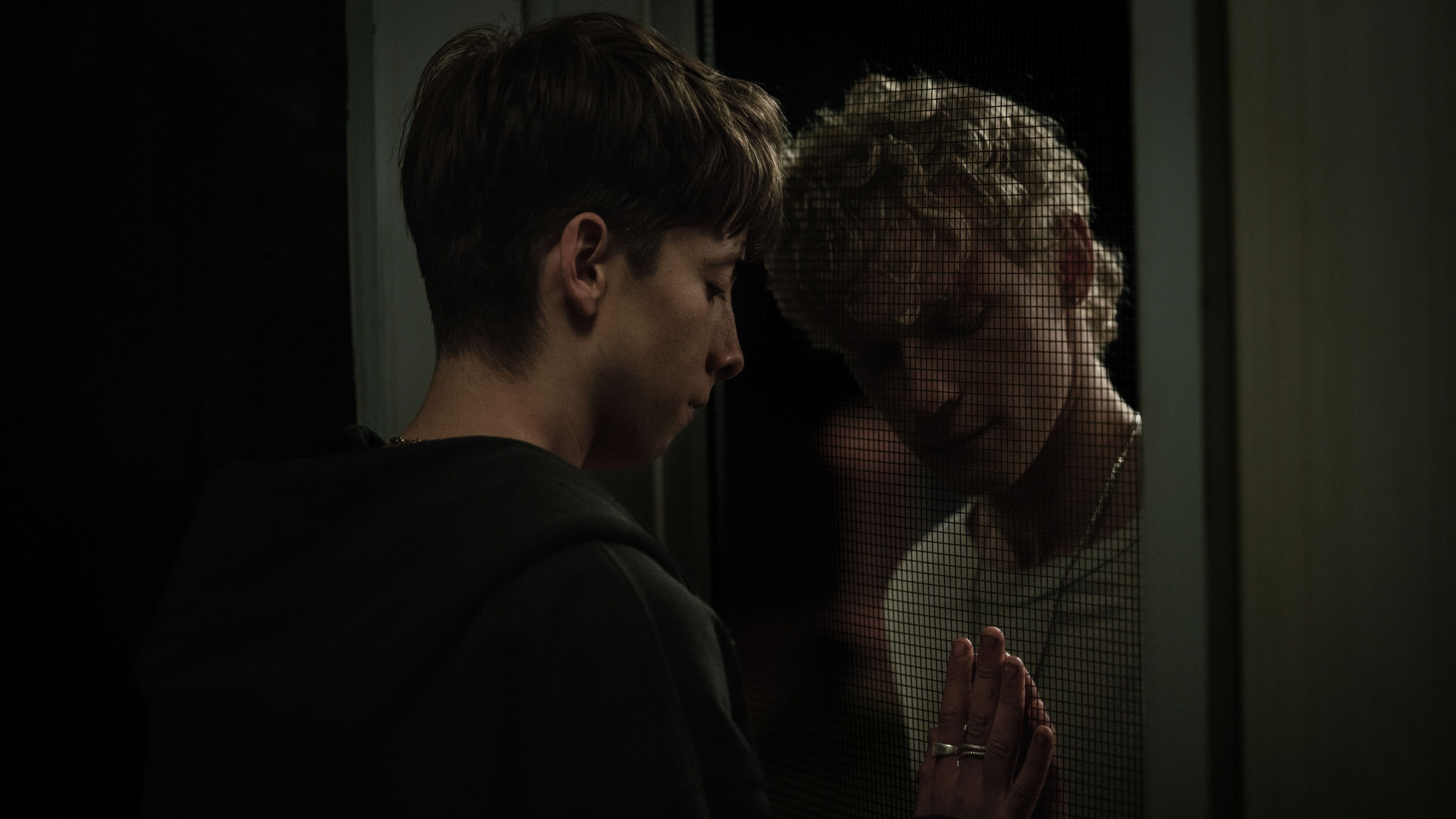
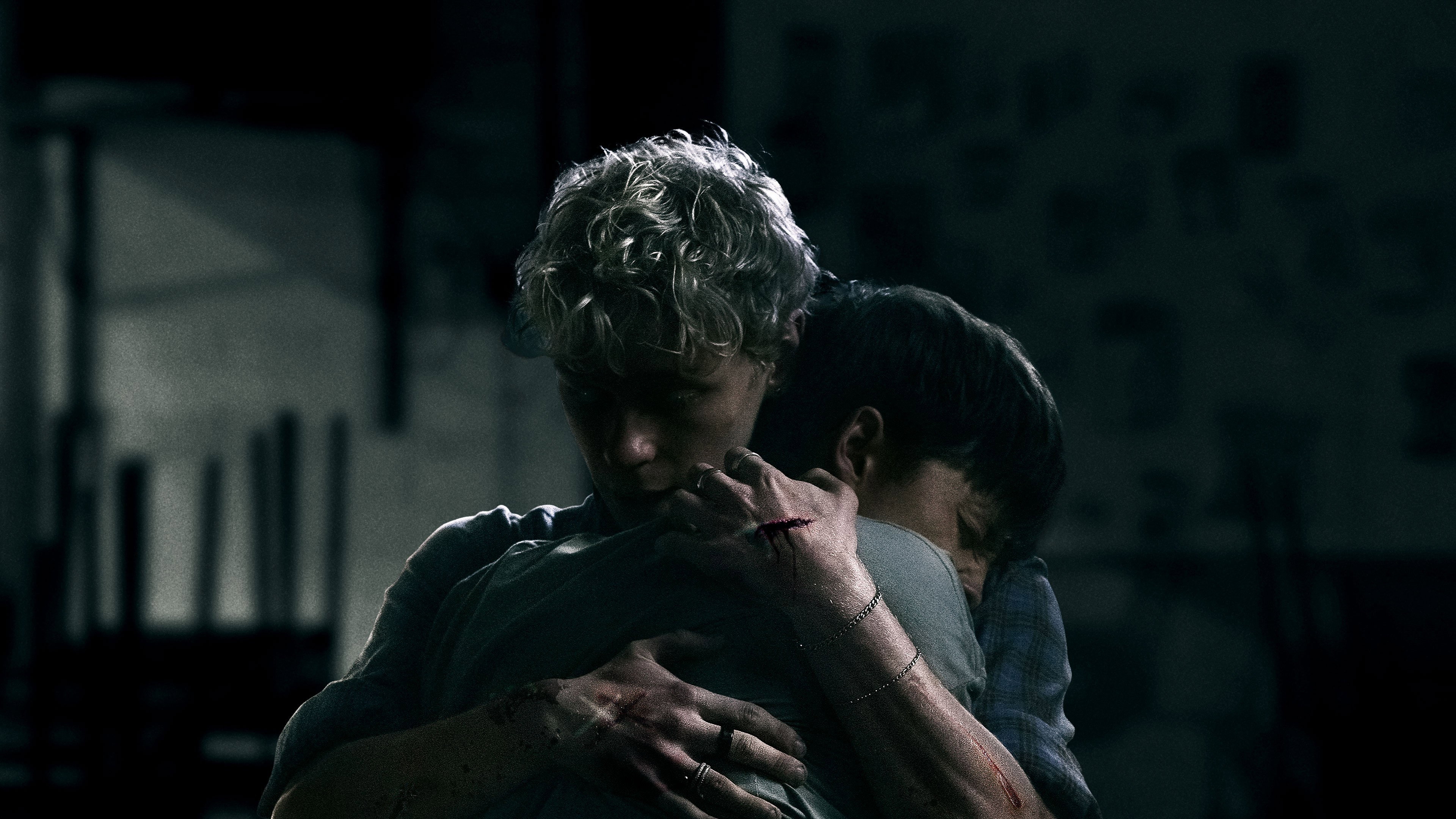
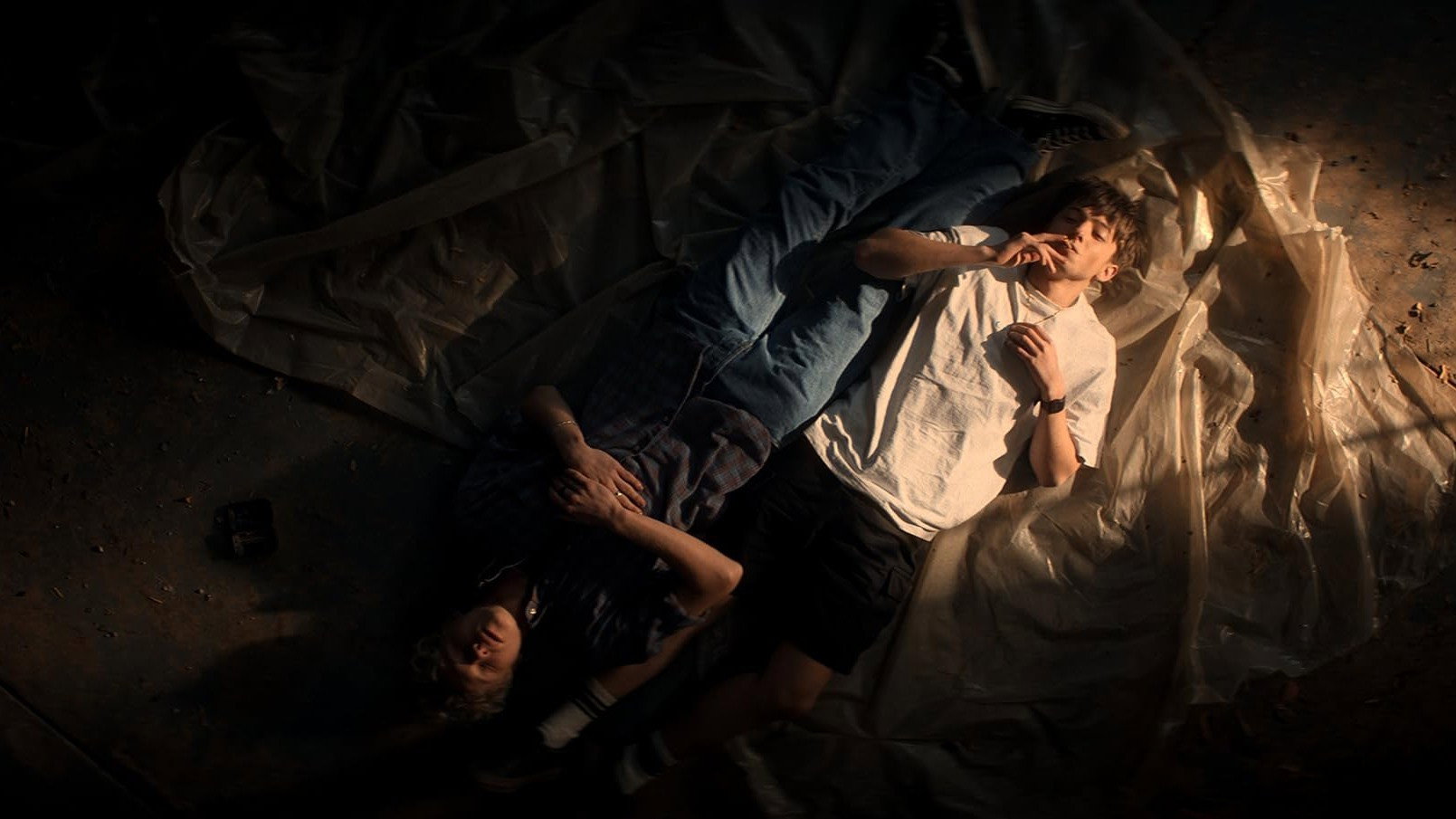
Joe Bird’s Naim Reid and Stacy Clausen’s Ryan Whelan are easy to care about. Their first-love chemistry makes the premise painful: wanting to be close to someone becomes another thing to fear. Bird and Clausen give the attraction an awkwardness and urgency that make sense for teenagers, while allowing some pleasure in it too. We want them to have time together, which makes the intrusion of the horror properly unwelcome.
We were horrified by the exorcism intended to cure the boys of their desire. The promised help consists of treating their attraction as something that must be driven out. Mia Wasikowska’s Arlene Reid adds to the discomfort, and Chiarella makes room to consider the adults’ motives without asking us to excuse them. Wasikowska makes the character’s conflict worth watching even when our sympathies lie firmly with the boys.
Tyson Perkins’s cinematography makes the rural setting feel confining, with little sense that the boys can escape the community’s scrutiny. Bethany Ryan’s production design helps make that community feel inhabited rather than assembled solely to menace its younger residents. The ordinary surroundings matter because they keep the intolerance recognisable. Chiarella gets considerable unease out of the prospect of growing up here, before the supernatural pursuer has much work to do.
Nick Fenton’s editing keeps the pursuit urgent, and at 88 minutes there is little room for the film to drift away from its two leads. Jed Kurzel’s music helps sustain the unease between scares. The restraint suits a story in which intimacy is already so fraught, although a little more variation in pace might have helped. The tension does slacken in the final stretch, when the central threat has become familiar.
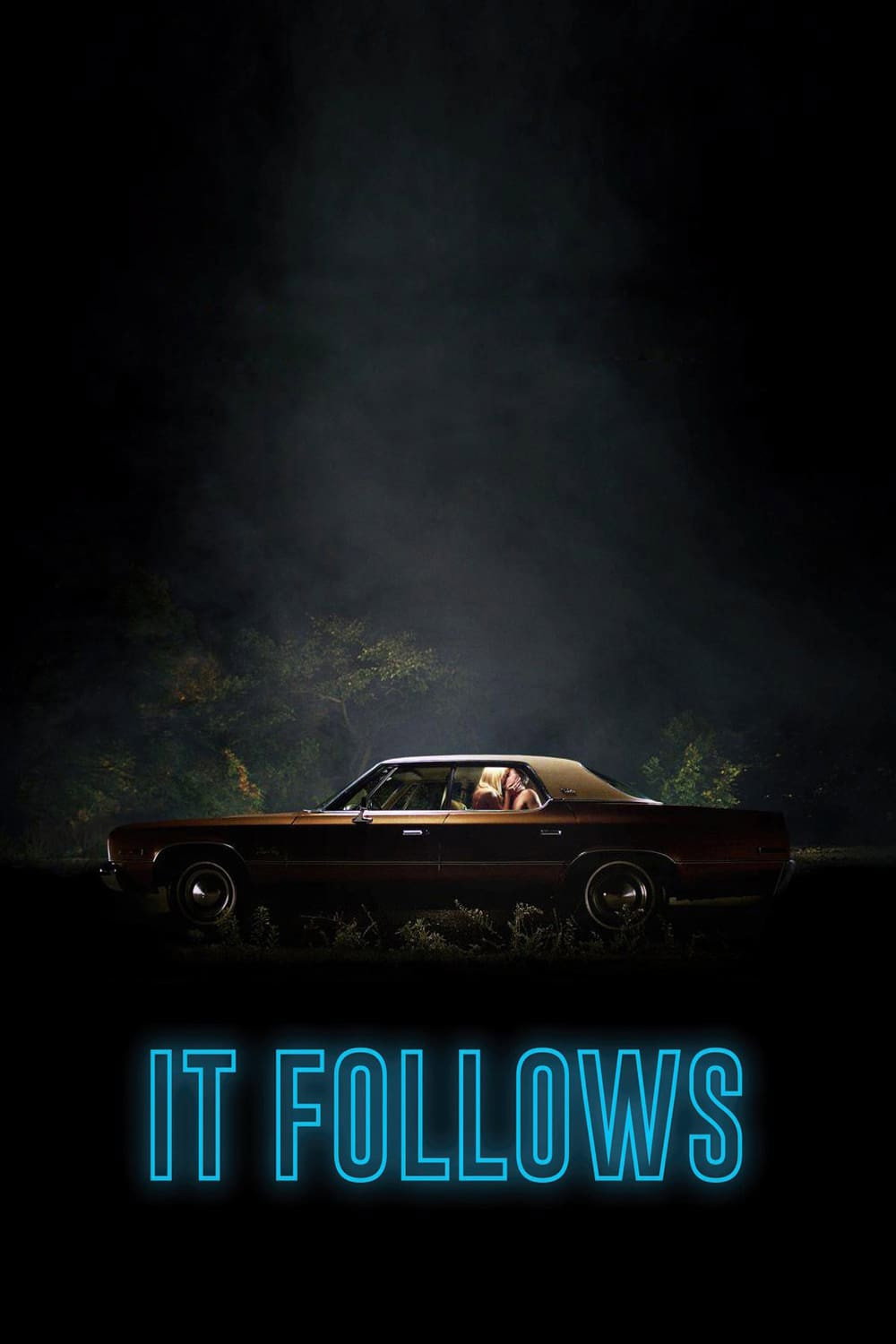
The debt to It Follows is easy to spot, particularly in the use of a pursuing force that makes desire dangerous. Chiarella gives that device a specific purpose here: the boys are being punished for feelings that the film treats with tenderness. His screenplay is less persuasive when the dialogue spells out what the performances have already made clear. Bird and Clausen have made the cost of the community’s hostility apparent without that help. Allow for the blunt writing, and do not choose it for a few easy jumps before bed.