Film review

Life of Pi

2012 · Directed by Ang Lee · 2h 07m · MPA PG

In a sentenceThe tiger is persuasive enough without anyone explaining what it means

AdventureDrama

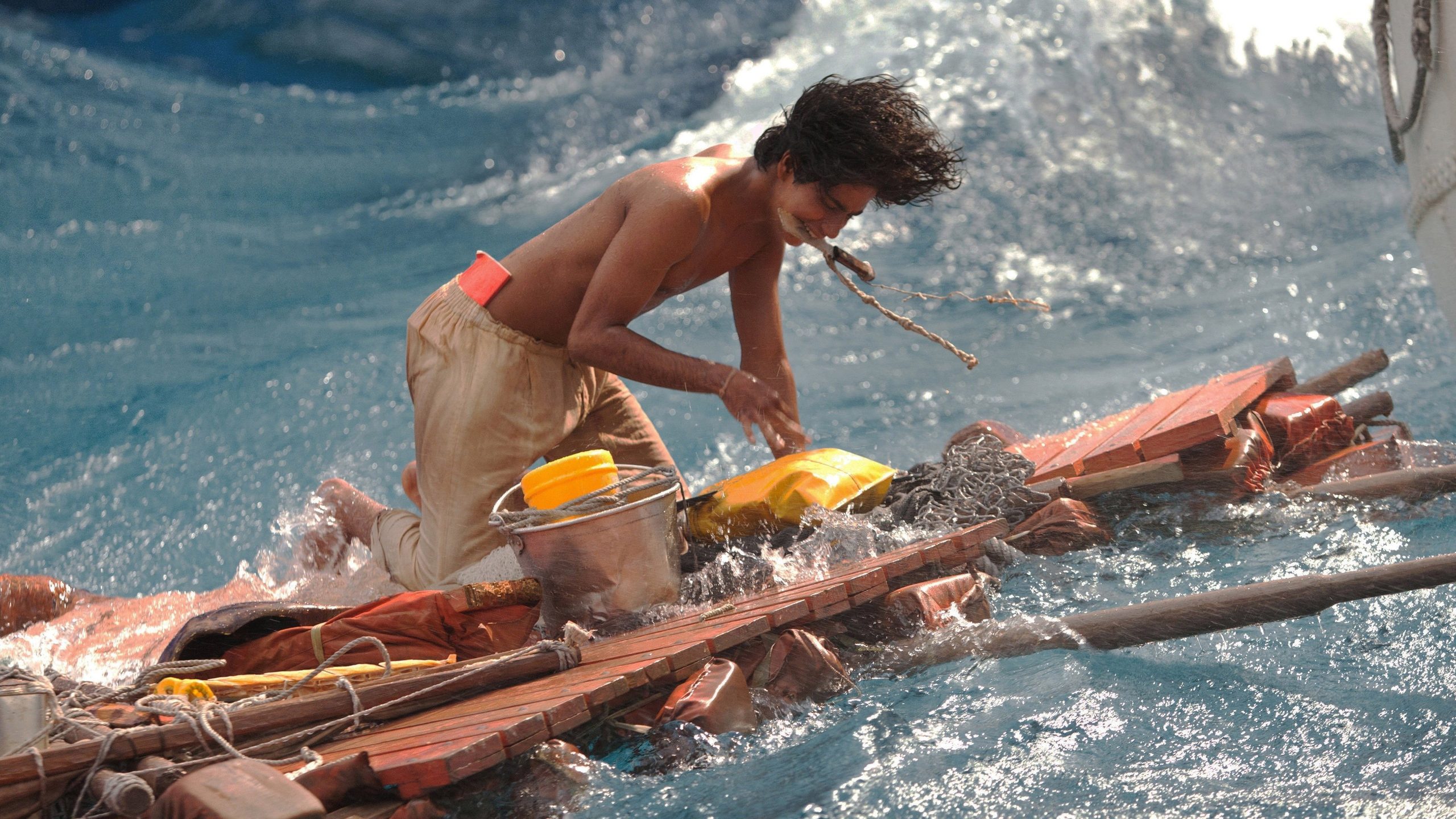
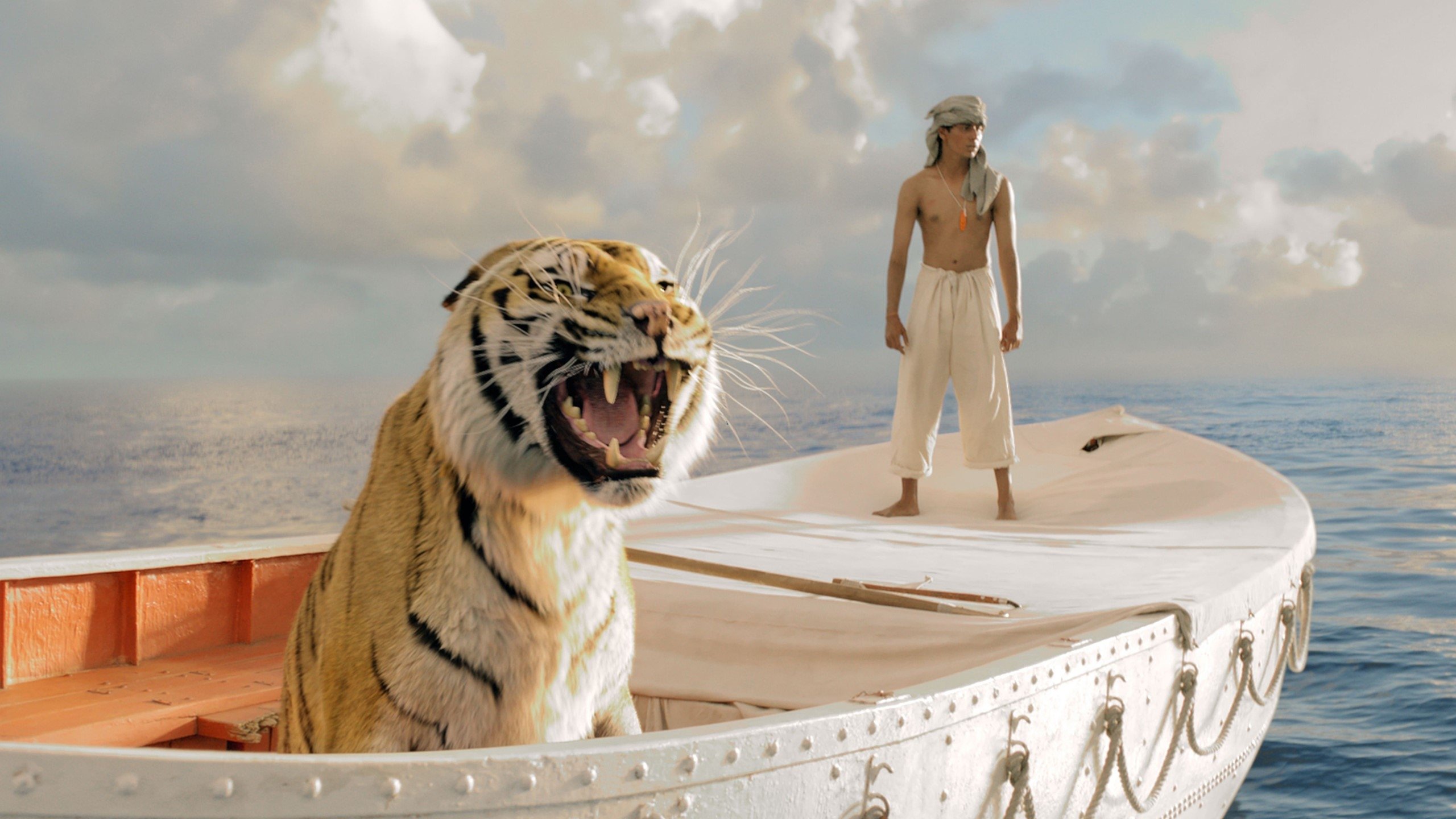
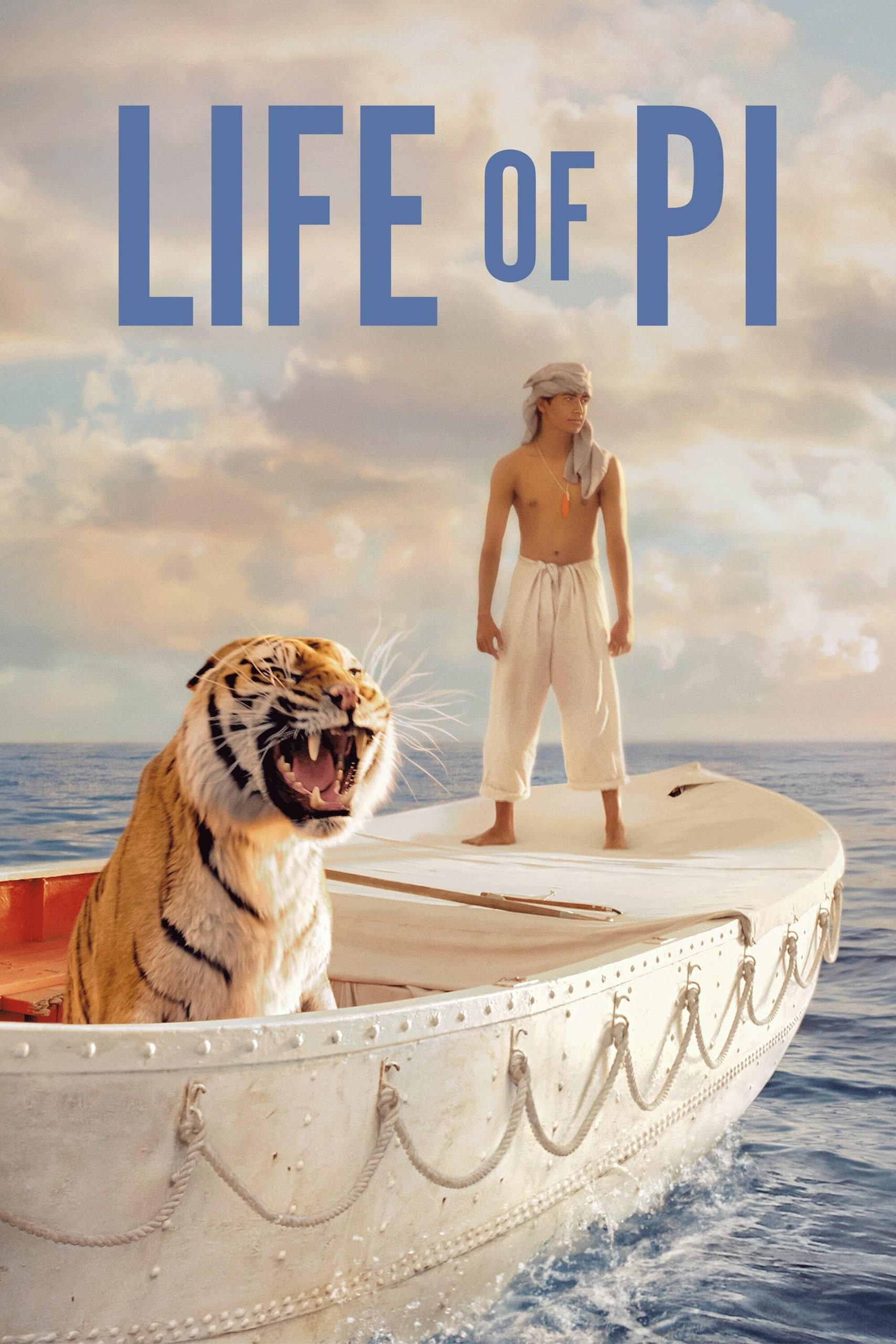
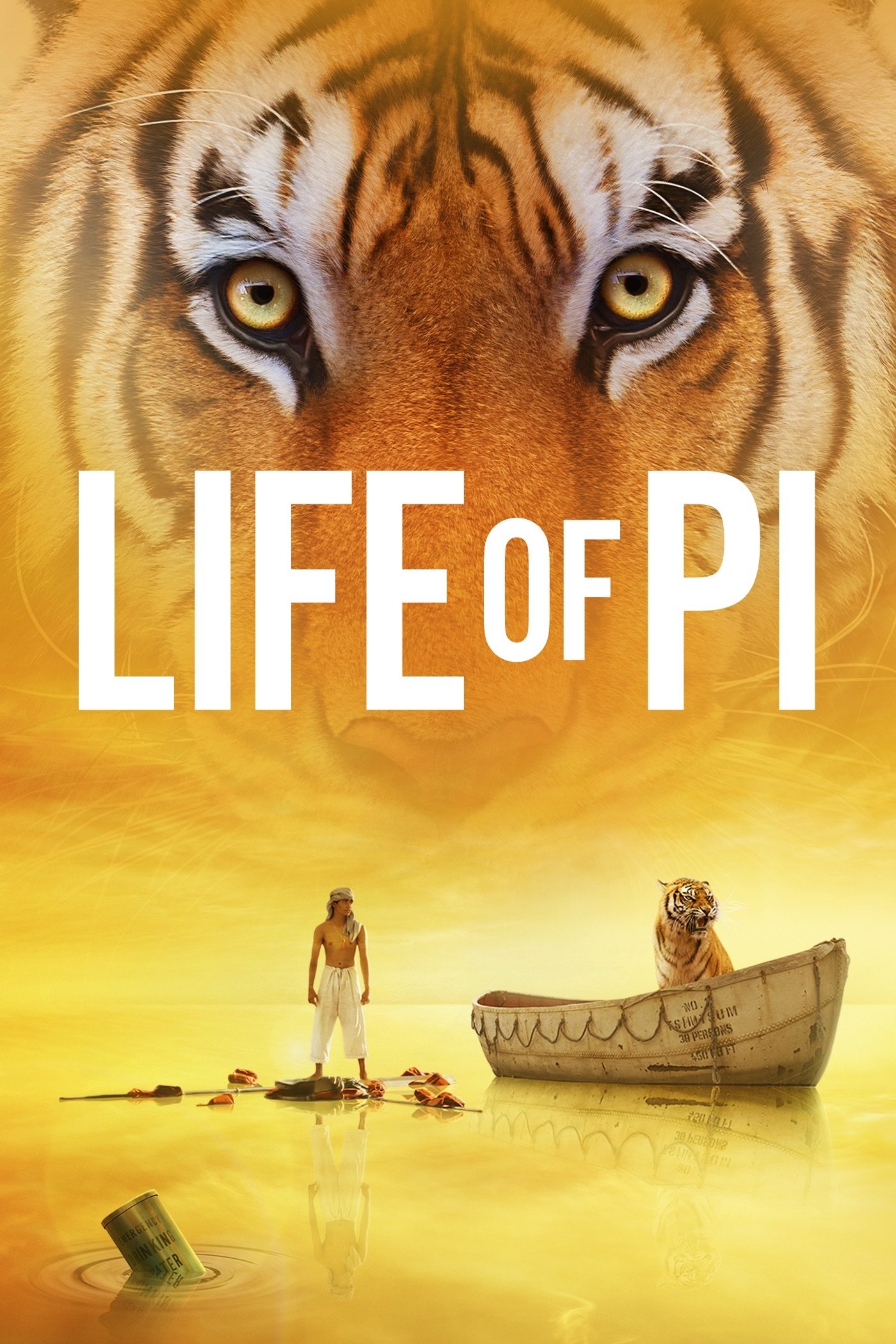
Adult Pi Patel (Irrfan Khan) tells a writer (Rafe Spall) about his childhood and a struggle to survive at sea. His account includes Santosh Patel (Adil Hussain) and Gita Patel (Tabu), as well as his own early encounters with religion. The young Pi Patel (Suraj Sharma) is eager to believe, but a shipwreck makes survival his immediate concern. He finds himself stranded with a tiger, facing the sea and an animal that has no reason to protect him. Pi needs to keep himself alive without treating the creature beside him as a friend.

Plays from YouTube when you press play; nothing loads from them until then.

Fi1m review

Ang Lee makes a gripping sea adventure out of a boy and a tiger, with Suraj Sharma keeping the spectacle human. The religious explanations are less convincing, and too often interrupt what is already working.

Ang Lee’s Life of Pi is a gripping survival adventure that becomes less convincing when it tells us how to think about faith. Adapting Yann Martel’s novel, screenwriter David Magee gives the boy’s ordeal a running explanation that the images rarely need. The attraction is plain enough: Pi, played by Suraj Sharma, has to survive at sea alongside a tiger that has no reason to take his side. Lee makes that predicament absorbing, even when the philosophical commentary asks for more agreement than it has earned.

Irrfan Khan, as Adult Pi Patel, brings a welcome calm to the framing story, and Rafe Spall’s Writer gives him someone to address. Khan speaks with an ease that helps dialogue which can sound too ready for quotation. The childhood passages establish Pi’s religious curiosity, but Magee keeps telling us what to take from it. We understand early that belief matters, and the repeated reminders slow down an already leisurely introduction.

Once the survival story takes over, Sharma gives the film the immediate purpose it needs. He makes Pi’s vulnerability convincing, and the tiger’s independence is essential to the suspense. We were frightened for Pi because the animal beside him never acquires the reassuring expressions of a pet. The effects work succeeds in the difficult business of making us study a digital creature’s behaviour without constantly searching for the joins, and Sharma’s performance helps sustain that attention.

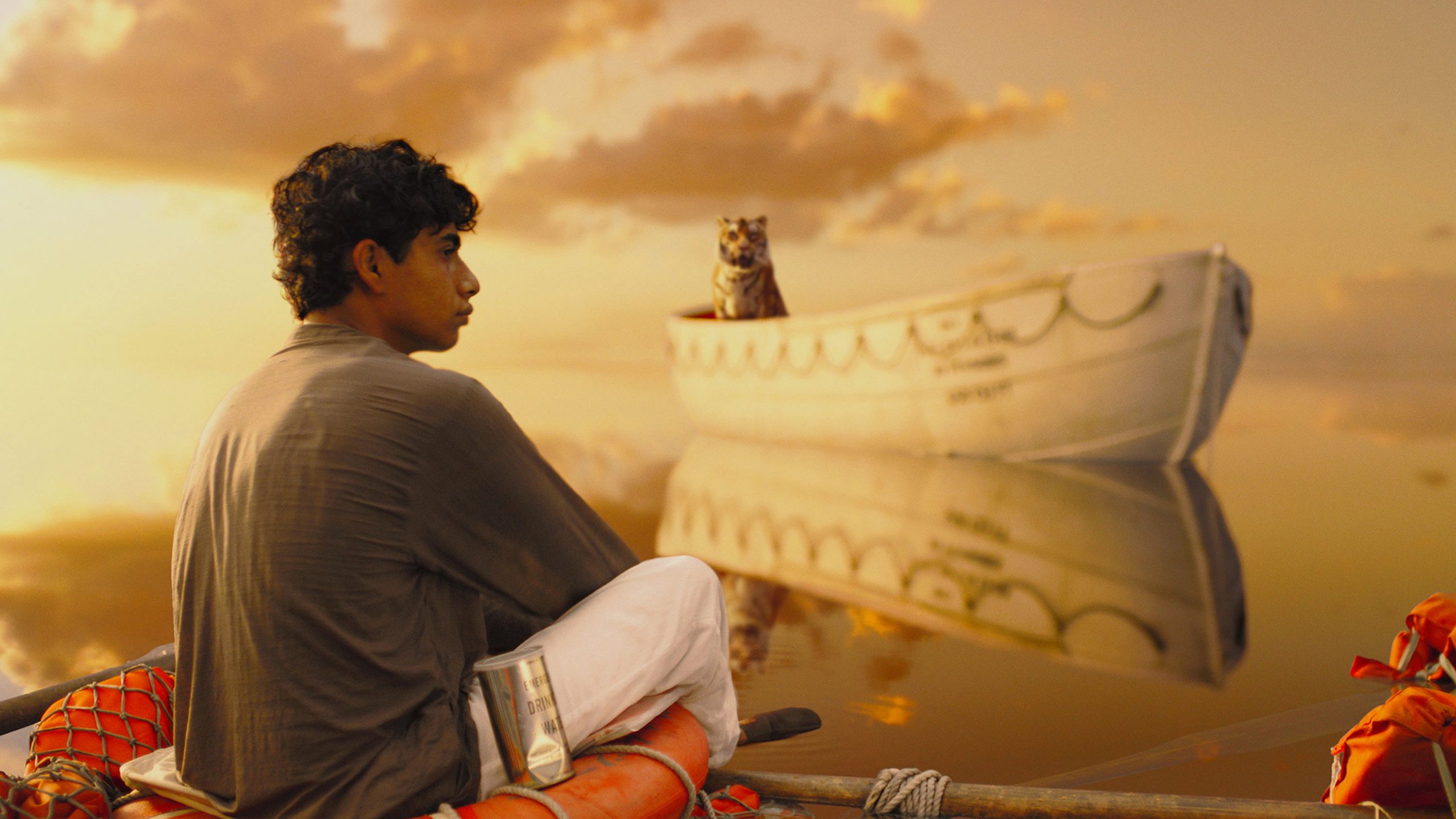
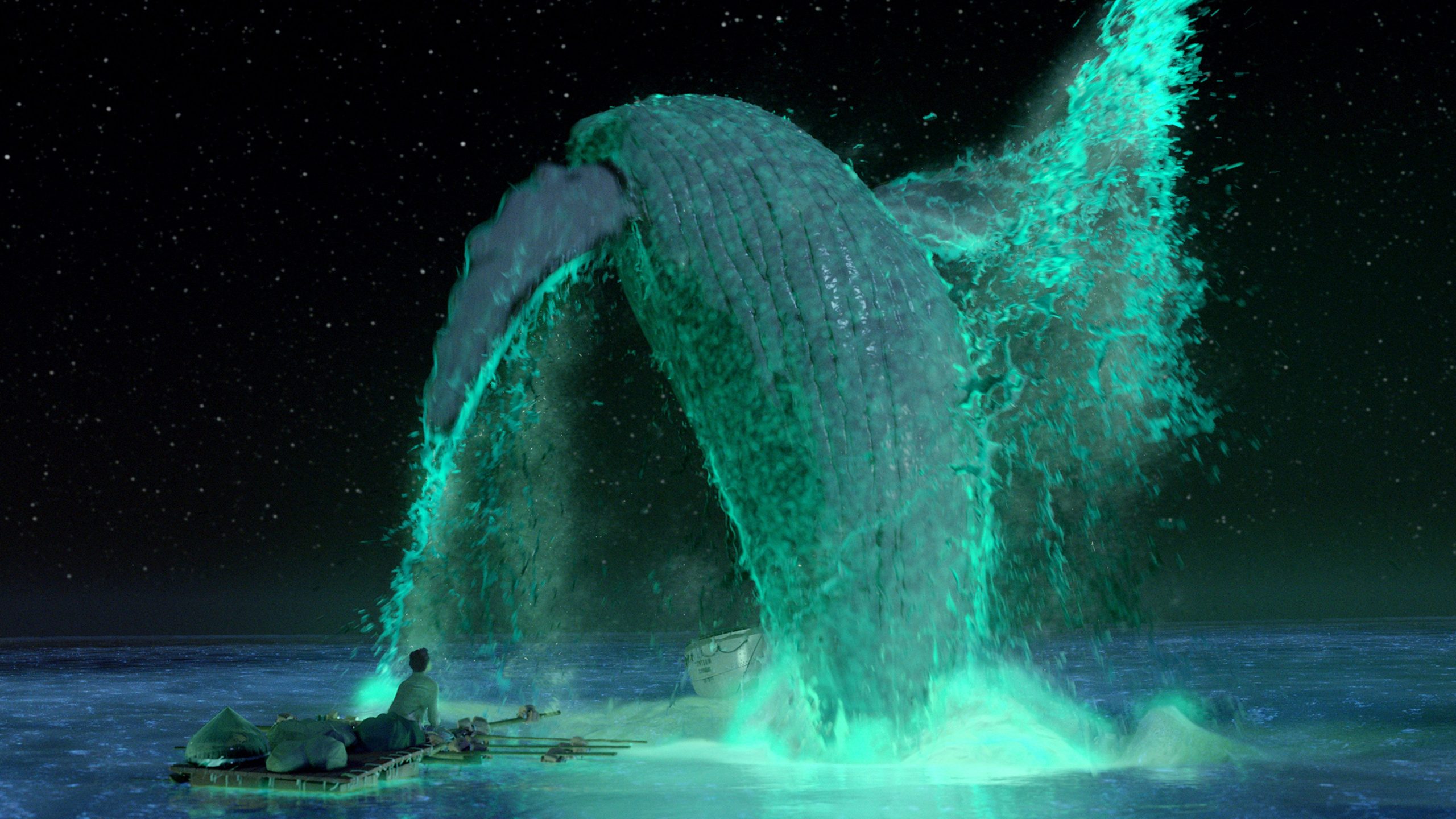
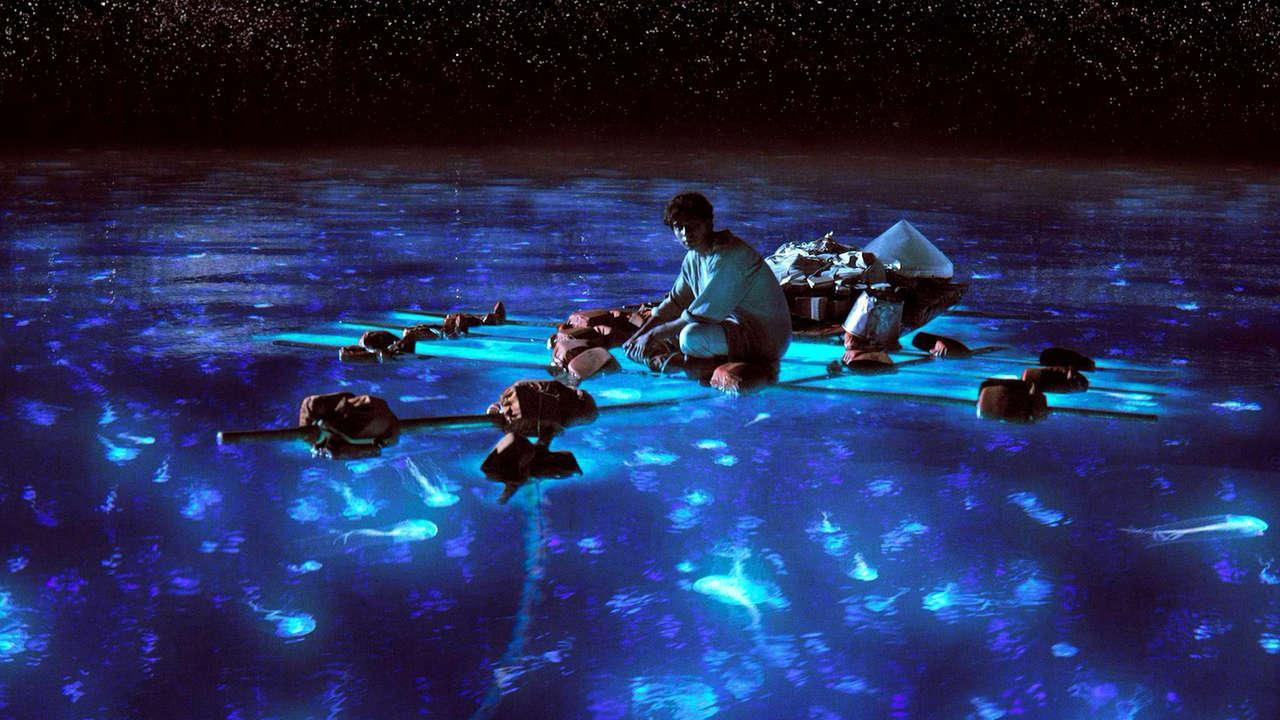
Claudio Miranda’s cinematography makes open water a place worth looking at for more than the promise of rescue. The scale of the sea keeps Pi small, while the careful framing stops the spectacular images from losing him altogether. Lee gives these expanses time to register, allowing us to take pleasure in looking even while the boy’s situation remains precarious. Occasionally the beauty becomes too comfortable, and the physical hardship seems further away than it ought to be.

The production design, credited to David Gropman and Marcelo Pont Vergés, keeps the shared space clear enough for us to judge the distance between boy and tiger. Tim Squyres’s editing is most effective in the quieter stretches, where patience makes us attend to the difficulty of simply remaining alive. There is no need to manufacture another emergency whenever the pace settles. For a survival film, this willingness to let us watch its central character endure, without demanding constant incident, is a considerable strength.

Mychael Danna’s score supports the adventure warmly, though its encouragement to feel reverent can be harder to accept. The same goes for the dialogue, which keeps explaining how Pi’s experience relates to his faith. Magee’s insistence on telling us what matters reduces the uncertainty that Sharma and the tiger make so compelling. There should be room for Pi’s beliefs without quite so much instruction about our own response, especially when the images have already held our attention so thoroughly.

It is worth giving these images a large screen, though Sharma’s performance matters at least as much as their scale. He gives this 127-minute adventure a reason to keep watching even when the talk grows laboured. Take it as a survival film and leave yourself free to disagree with the theology.

Critical consensus AI synthesised

74
Positive
17
Mixed
4
Negative
3

Most critics respond warmly to Life of Pi, with the strongest agreement around Ang Lee’s use of 3D, the sea sequences and the convincing digital tiger. The reviews repeatedly praise the animal’s weight and presence, while several also single out Suraj Sharma’s lead performance. Admirers find that Lee gives the survival story both emotional force and a sense of wonder, making the effects serve the boy’s precarious life at sea.

The spread is wide, however, and the treatment of faith and storytelling divides critics much more than the imagery does. Collider praises the film’s layered exploration of stories and perception; Film Comment finds it emotionally inert, with thin characterisation and an unconvincing framing story. Even some favourable reviews object to heavy-handed voiceover and themes spelt out too plainly, while the sharper dissenters find the spiritual claims shallow rather than persuasive.

Empire
22 February 2011 · Olly Richards
90*

The critic calls it a miraculous extraction of something beautiful and wise from a tricky novel, praising Ang Lee's confident control, stunning spectacle on a blank-canvas ocean and Suraj Sharma's unforgettable lead performance.

Read the full review →
Los Angeles Times
20 November 2012 · Betsy Sharkey
90*

The critic calls the film a masterpiece, praising Ang Lee's bold use of 3-D and CGI to create a grand, visually stunning adventure and profound spiritual voyage centered on the boy's survival with the tiger.

Read the full review →
The Hollywood Reporter
2 October 2012 · festival review · Todd McCarthy
90*

Praises Ang Lee's 3D adaptation as a gorgeous accomplishment that brings a fanciful premise to vivid life with technical skill and humanistic storytelling. Singles out the convincing visual effects, especially the tiger, and the director's tact and intelligence.

Read the full review →
Vulture
20 November 2012 · David Edelstein
90*

Describes the film as transcendent, with vivid 3D imagery and meticulous framing that captures the transformative power of storytelling. Singles out the lifelike tiger and the avoidance of anthropomorphizing for praise.

Read the full review →
Screen Daily
29 September 2012 · festival review
85*

The review commends Ang Lee's handling of the story's theological themes through credible and magical visual effects, calling it a perfect match for the material and strong family entertainment.

Read the full review →
Financial Times
20 December 2012 · Nigel Andrews
80*

Ang Lee's Life of Pi is an eye-boggling demonstration of the virtuosities available to the poetically inventive film-maker, a super-movie that re-becomes every filmgoer a child with its stunning digital effects and the dazzling digi-tiger.

Read the full review →

Cast

Awards

Academy Awards, 2013

Nominated
Best Film Editing
Nominated
Best Picture
Nominated
Best Production Design
Nominated
Best Sound
Nominated
Best Sound Editing
Nominated
Best Writing, Adapted Screenplay
Won
Best Cinematography
Won
Best Director
Won
Best Original Score
Won
Best Visual Effects

BAFTA Film Awards, 2013

Won
BAFTA's Children & Young People Award - Feature Film

TV Krant Filmposter Award, 2012

Won
TV Krant Filmposter Award

If you liked this, try…

The Black Stallion poster

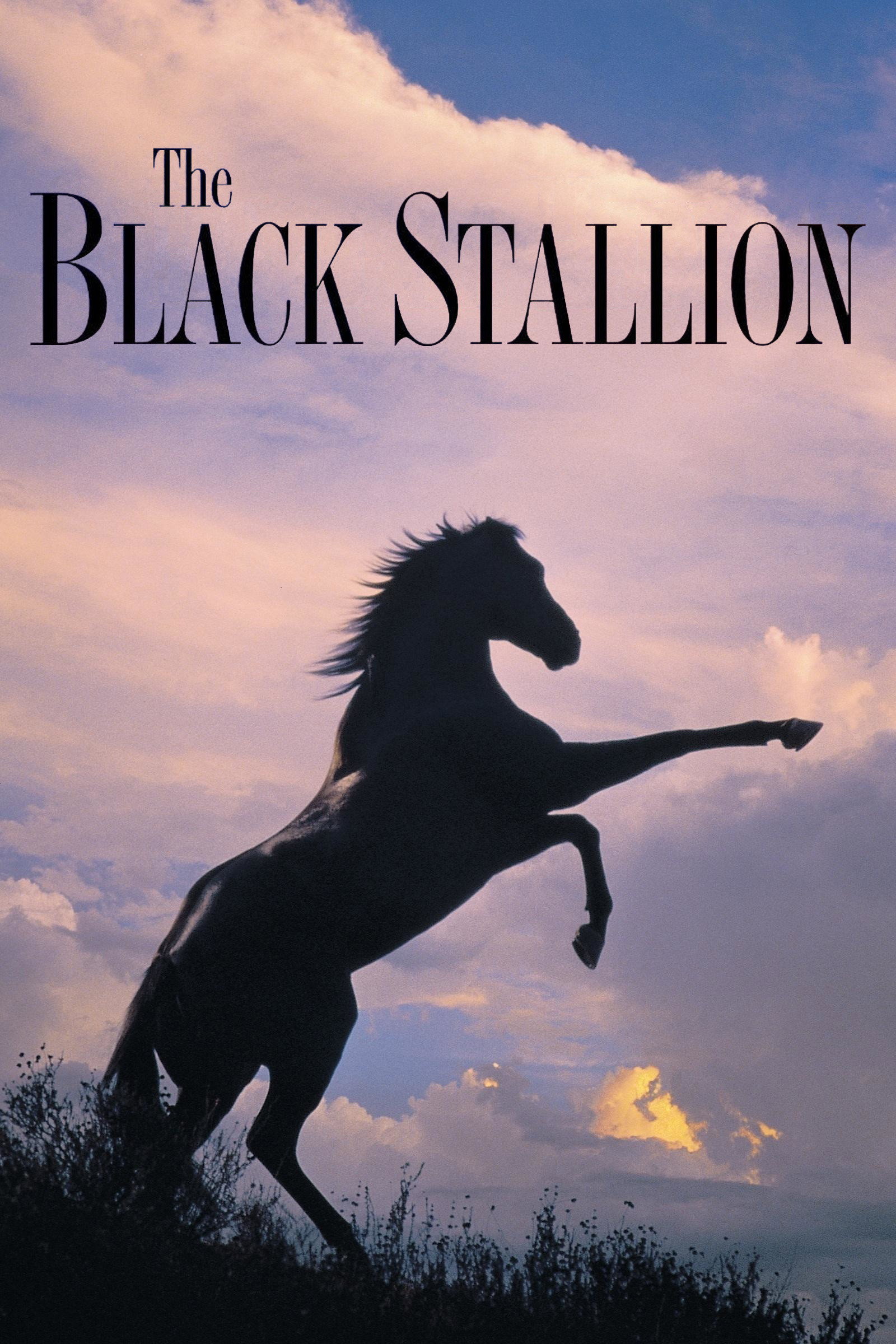
The Black Stallion

1979 · A boy and an animal share an adventure that trusts silence.

The Red Turtle poster84

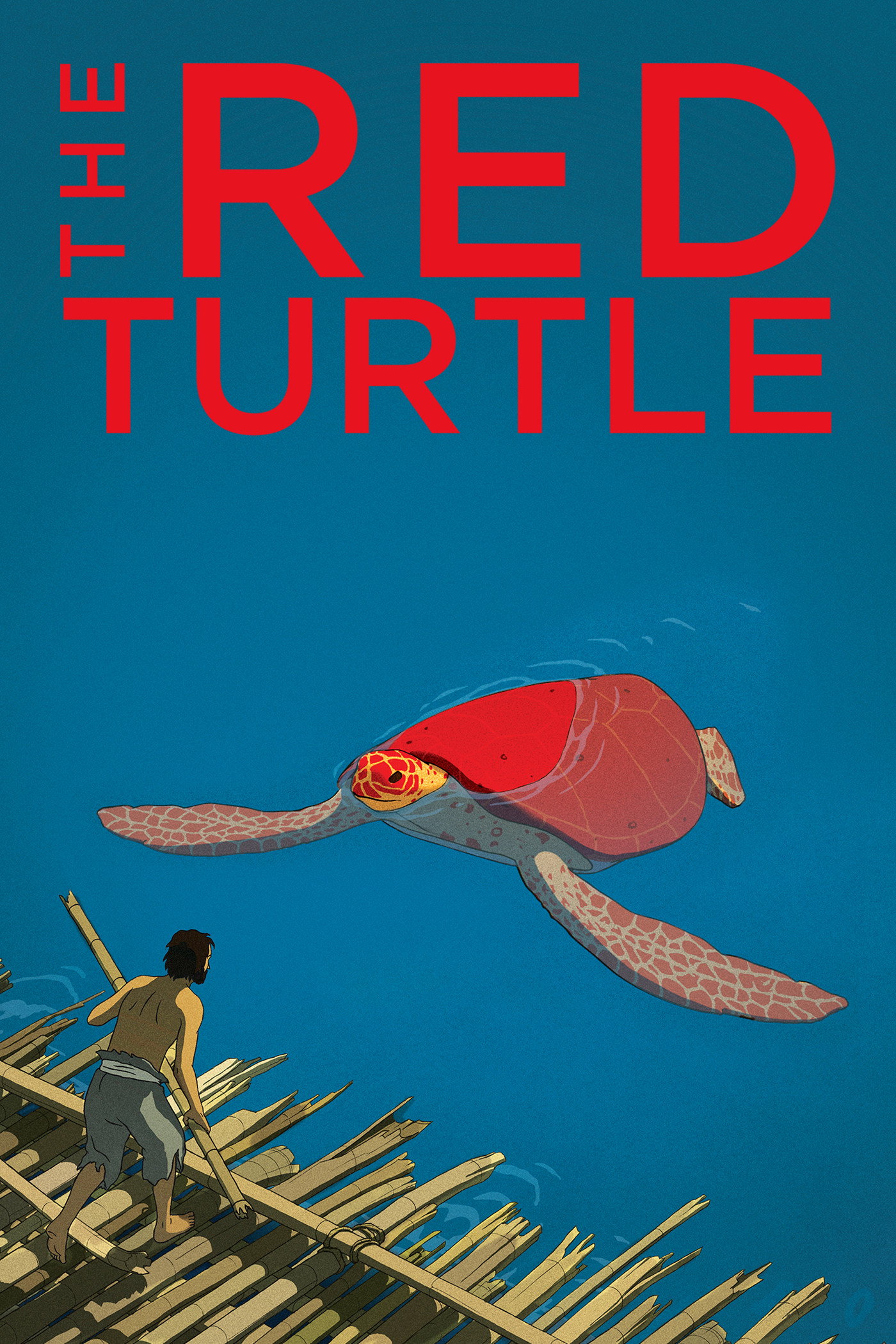
The Red Turtle

2016 · An island survival story that lets images carry its mysteries.

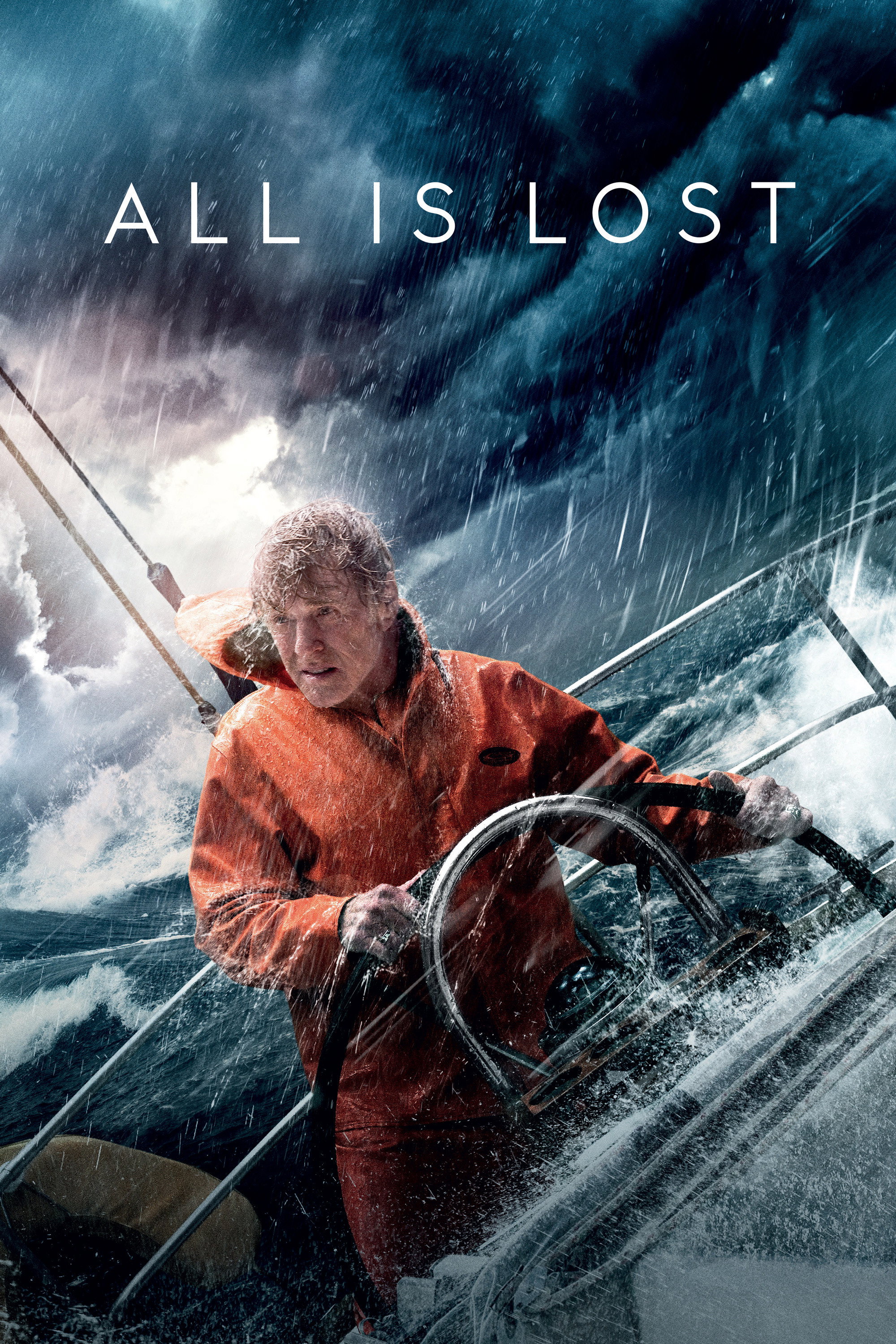
All Is Lost poster

All Is Lost

2013 · Survival at sea, with practical problems replacing most of the philosophical explanation.

Dersu Uzala poster

Dersu Uzala

1975 · A wary friendship grows through close attention to landscape and survival.

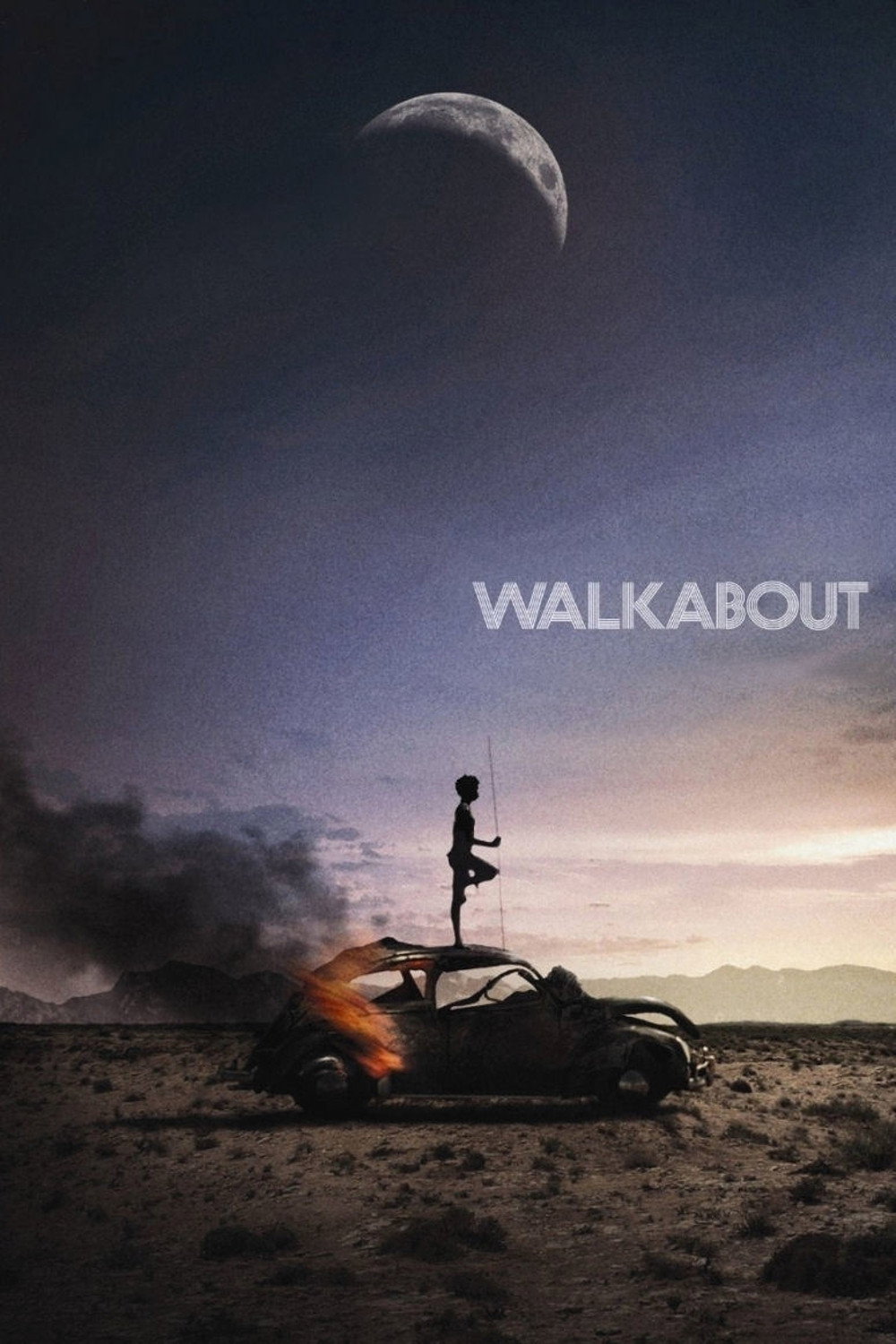
Walkabout poster85

Walkabout

1971 · Young people cross an unfamiliar landscape, with beauty offering no guarantee of safety.