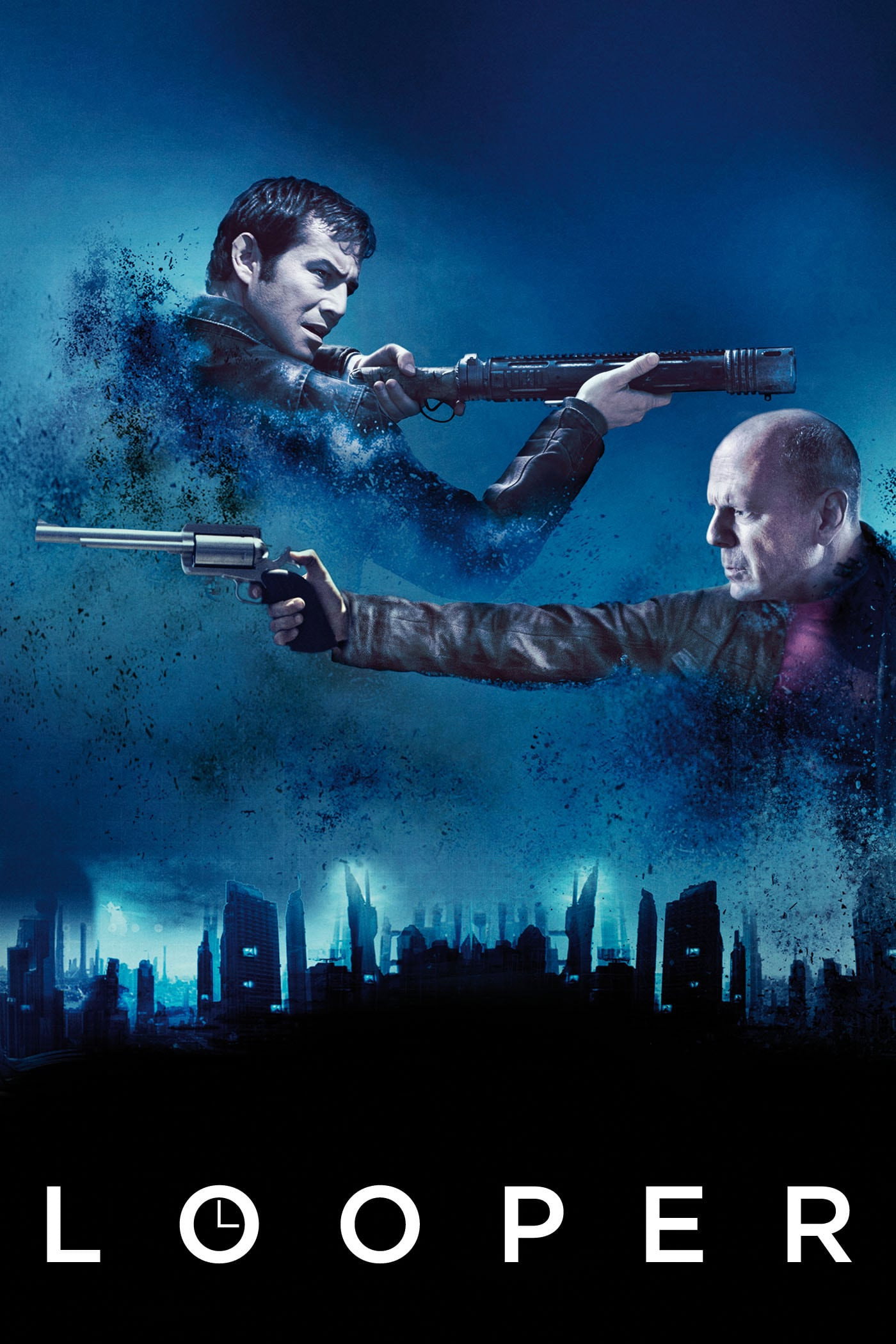
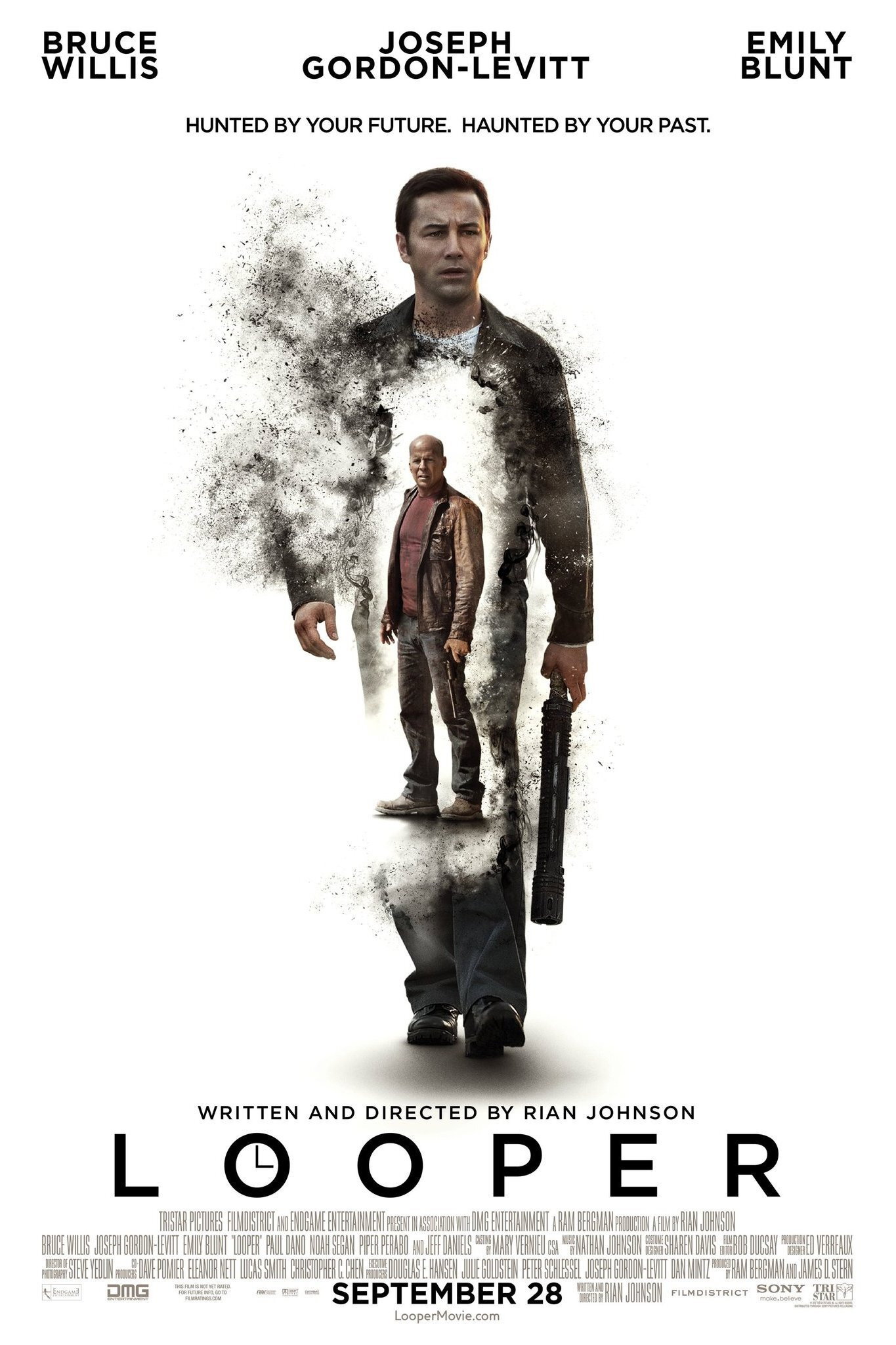
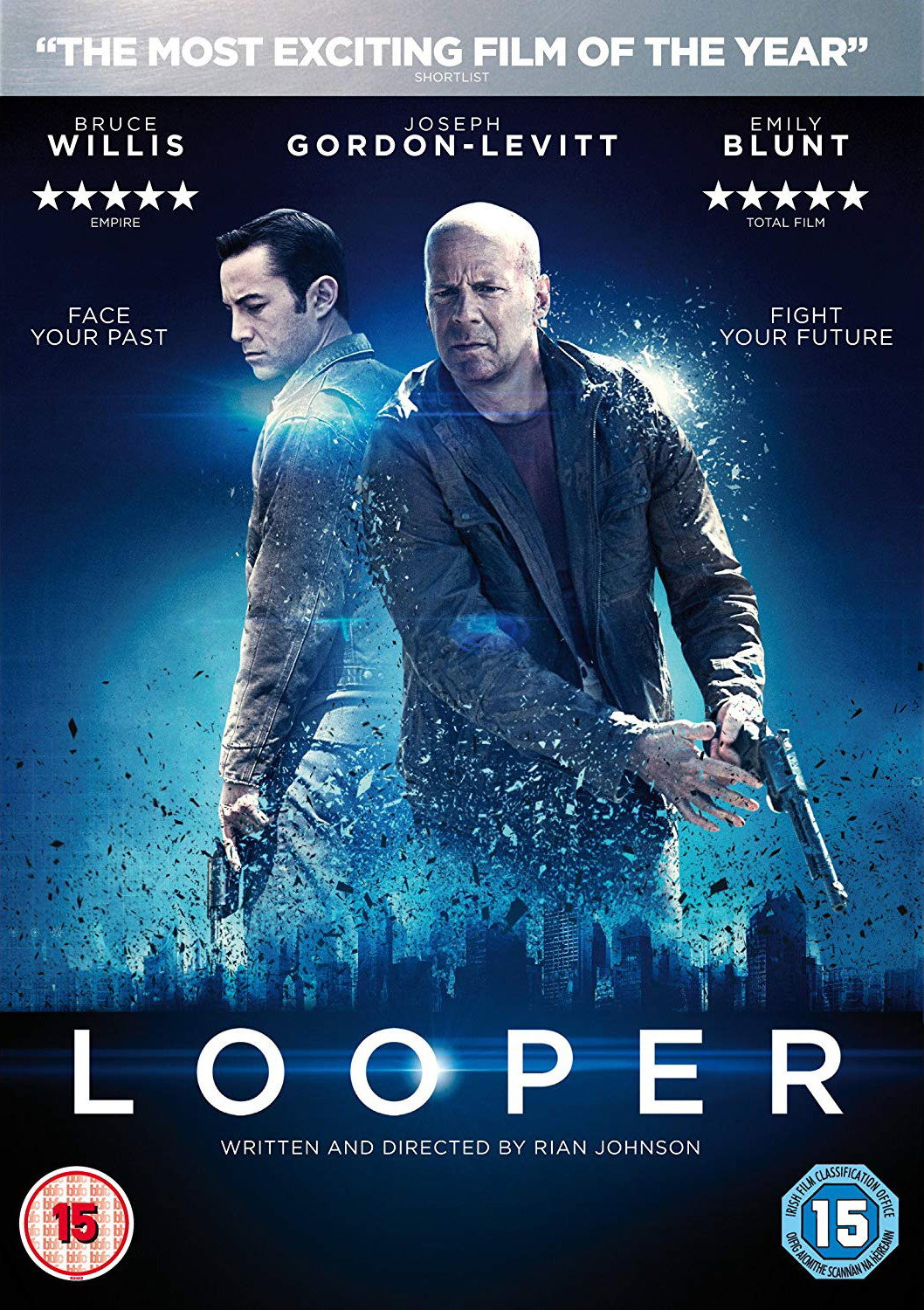
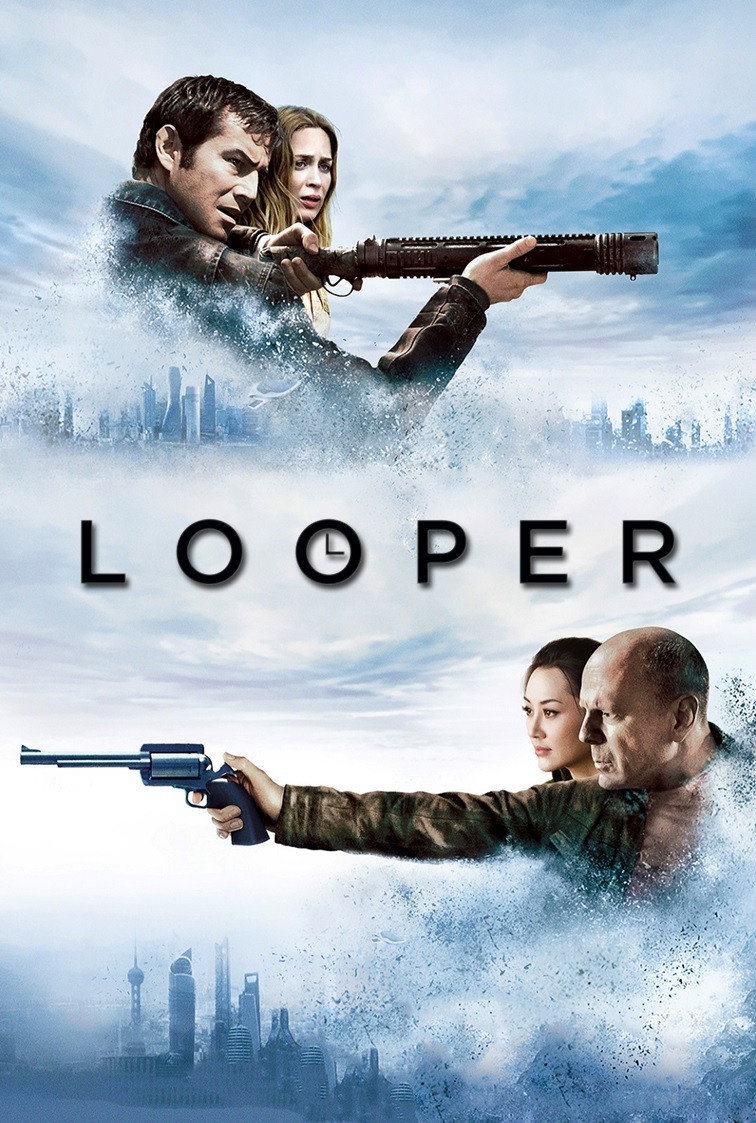
Looper is a good, bruising time-travel thriller, with Joseph Gordon-Levitt and Bruce Willis making self-preservation look increasingly ugly. Rian Johnson lets the middle slow and some rules slide, but the central conflict remains worth following.
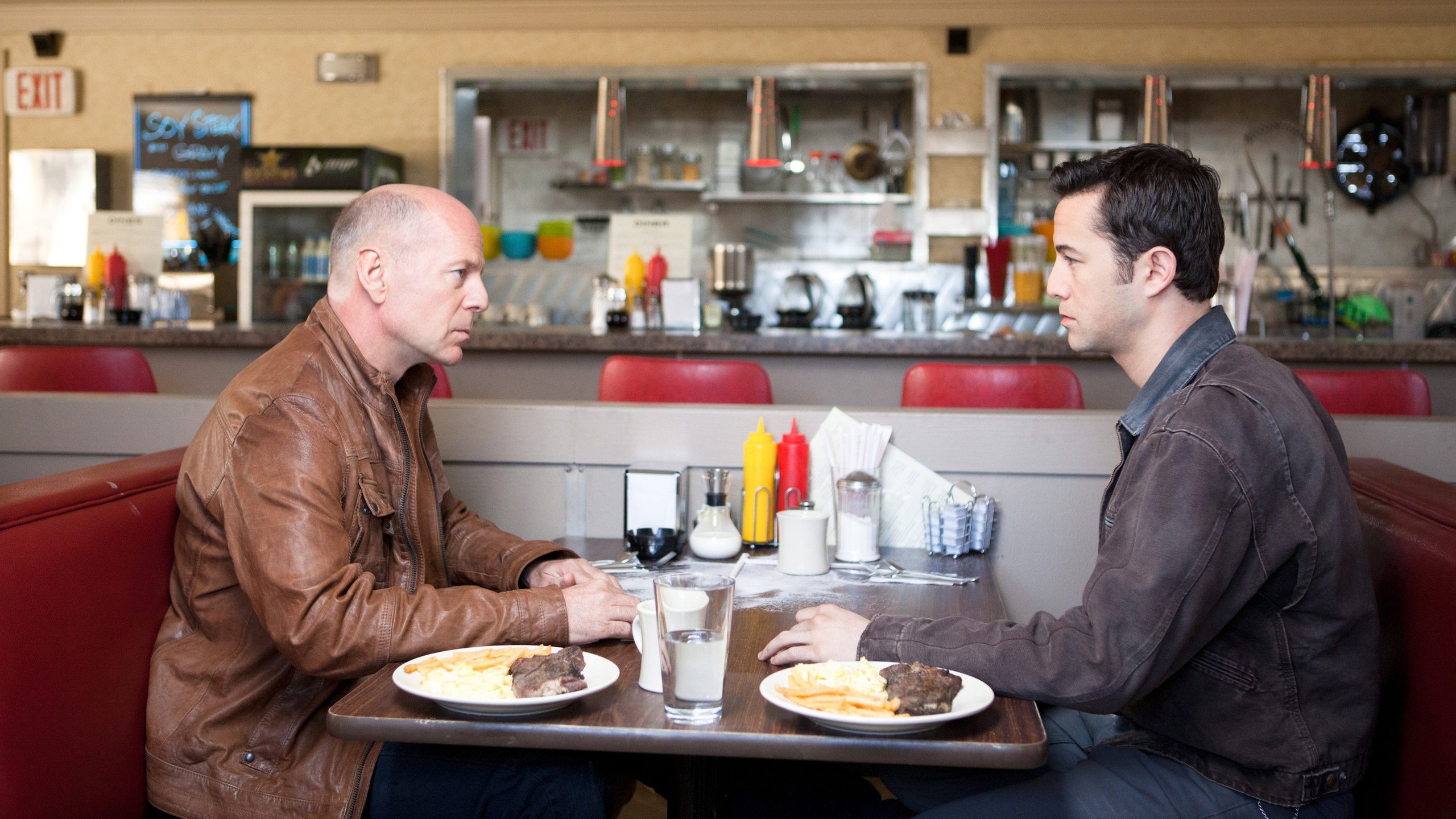
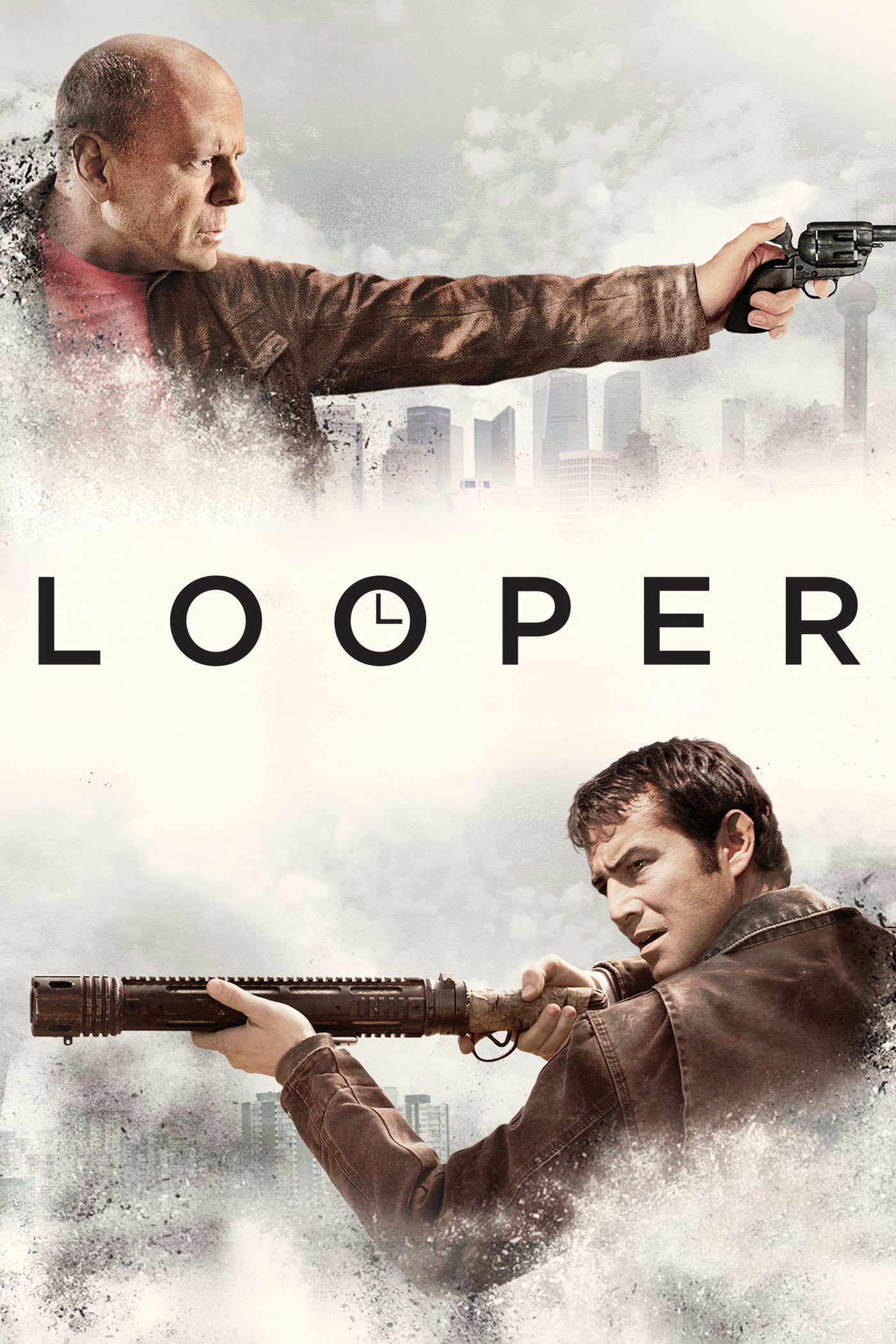
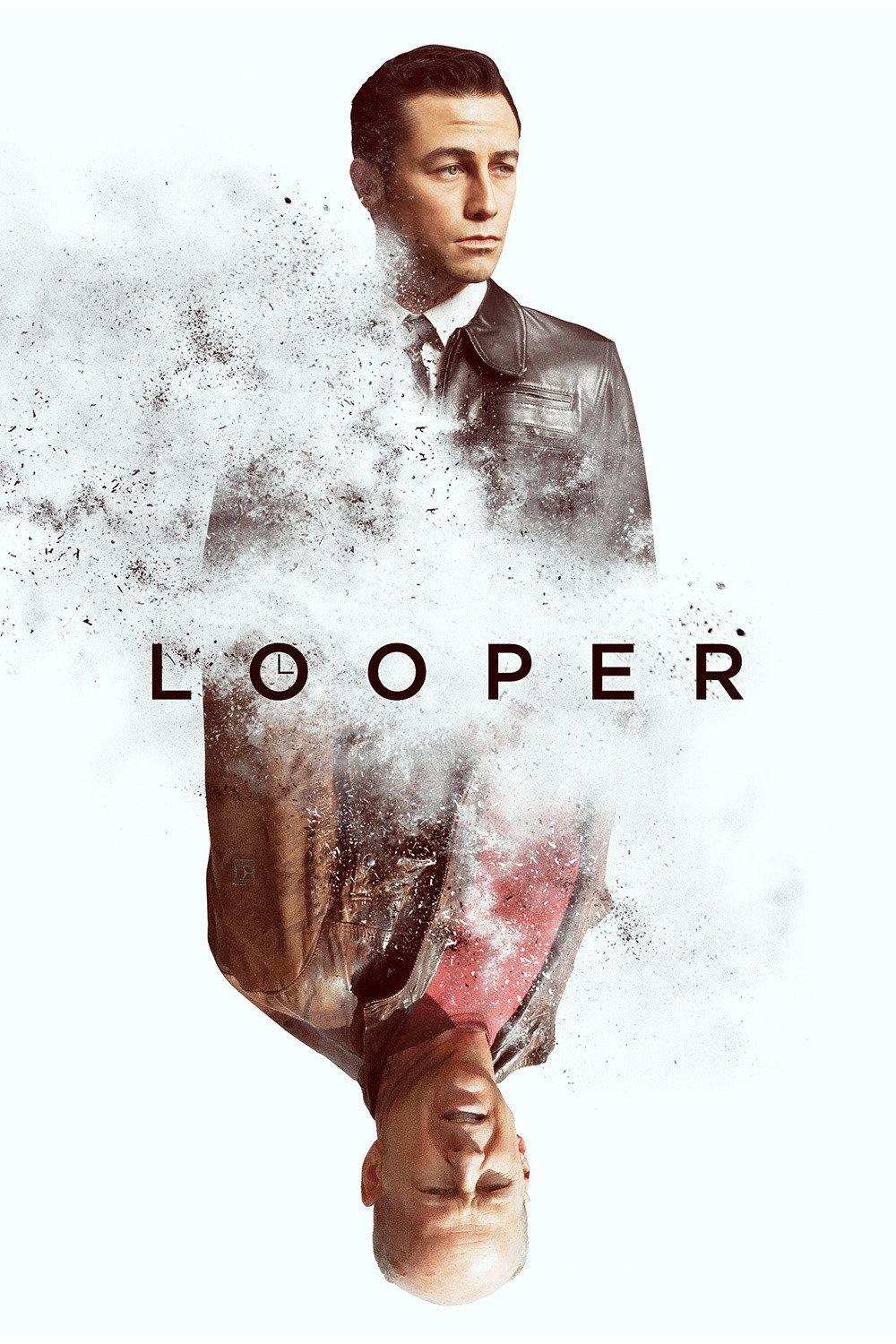
Rian Johnson’s Looper makes organised crime’s use of time travel seem grubby enough to believe. Then it sets Joseph Gordon-Levitt’s Joe against Bruce Willis’s Old Joe, giving a man determined to survive an opponent with precisely the same qualification. It is a good, sometimes vicious science-fiction thriller, and its nastiness is part of what makes it work. The plotting needs more indulgence than we would like, but the people give us a reason to stick with it.
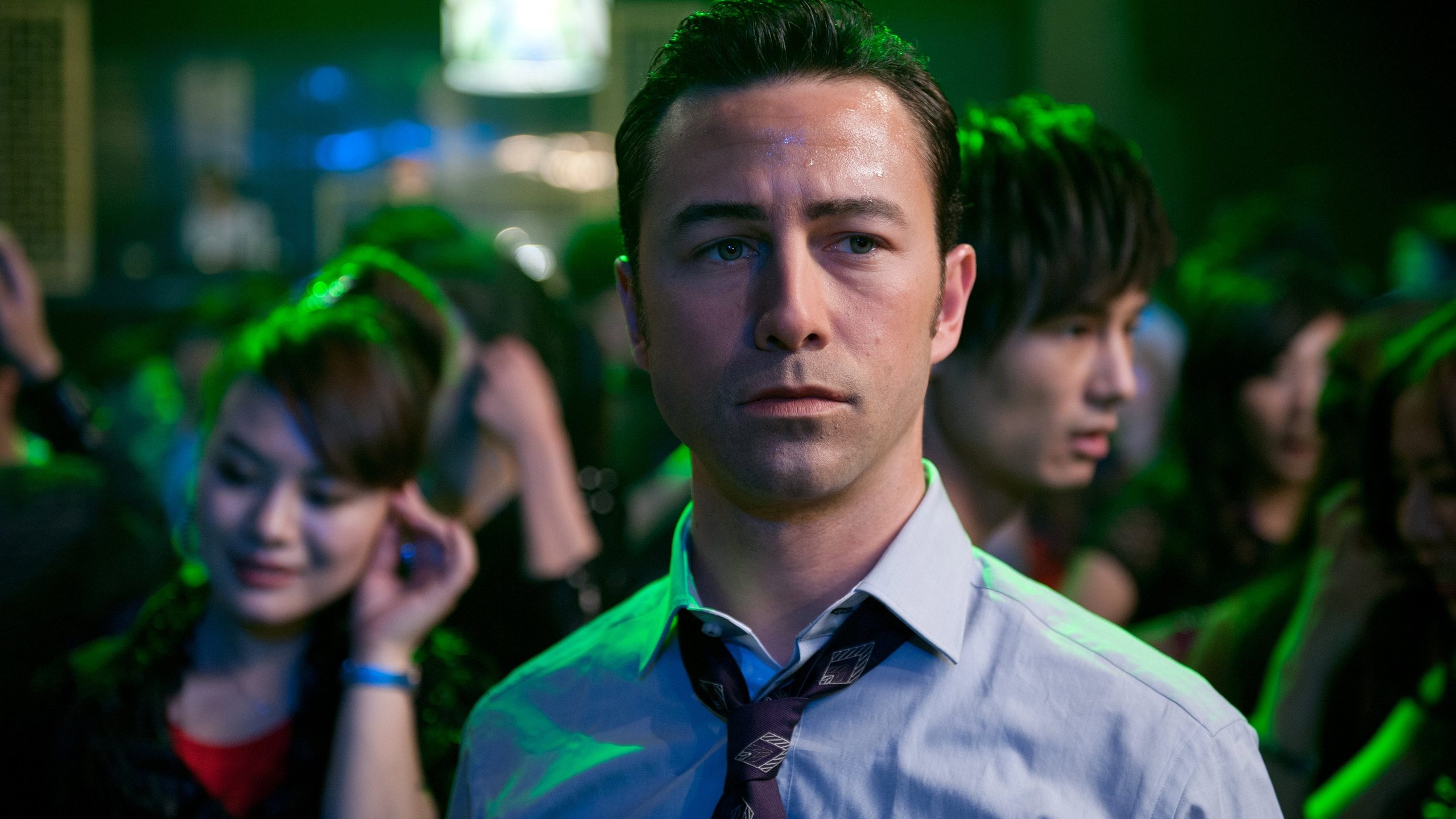
The two leads make the same man’s selfishness recognisable at different ages. Joseph Gordon-Levitt gives Joe an impatience that makes his calculations feel dangerous, while Bruce Willis makes Old Joe’s certainty about his own needs distinctly unpleasant. We felt uneasy watching both men treat survival as sufficient justification for violence. The prosthetic make-up is a distraction, though: there are stretches when we are looking for the resemblance in the younger actor’s face instead of attending to what he is doing.
Steve Yedlin’s cinematography suits the roughness of the criminal setting, and the futuristic world rarely feels too polished for its occupants. Ed Verreaux’s production design helps make that world credible without asking us to stop and admire its ingenuity. This matters in a story whose central business arrangement could easily become ridiculous: the surroundings give the actors somewhere believable to conduct it. The city passages are especially persuasive, keeping the threat of violence close to the ordinary business of getting by.
Bob Ducsay’s editing gives the first half enough speed to carry us through the explanations without making them feel like homework. Rian Johnson’s dialogue is funny enough to let us enjoy these people’s company, even when there is little reason to like them. Nathan Johnson’s score keeps the threat present, although we came away remembering the actors’ exchanges more clearly than the music. The confidence of this stretch is considerable; it is only when the pace slackens that we begin to notice how much the film has asked us to accept.
Emily Blunt brings a useful directness to Sara, making the emotional material feel less arranged than it might on the page. Jeff Daniels, as Abe, finds the humour without weakening the menace. Their work matters because the film gradually asks for more than interest in the mechanics of time travel. The second half takes a turn we will not describe, and the change of pace costs it some urgency. The slower passages give its concern with family space to develop, but they also linger over things the performances have already made clear.
The time-travel thriller invites us to test its rules, and Looper gives us plenty to query. They seem strict when danger is needed and flexible when the story needs a way forward. That weakens some of the suspense, because we cannot always tell what either man is risking. At 118 minutes, it could lose some of the slower stretches without making the people any less complicated. Give it an evening if you like science fiction with difficult people, and expect to argue about the rules afterwards.