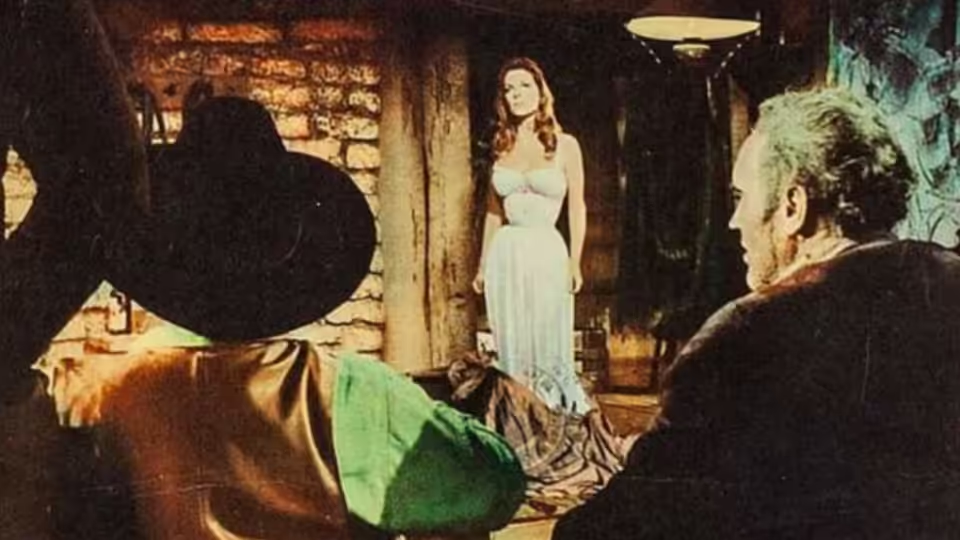
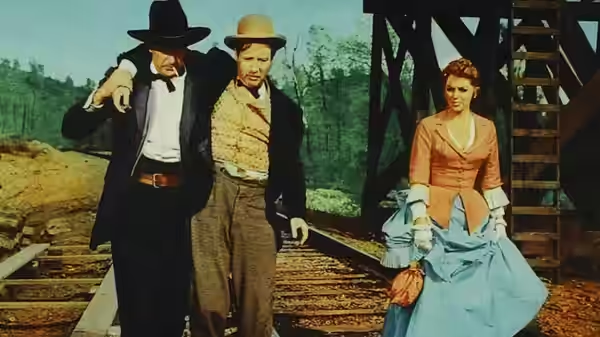
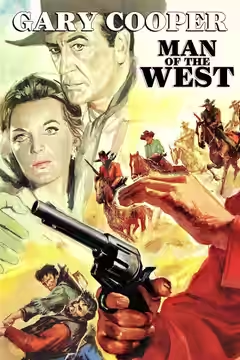
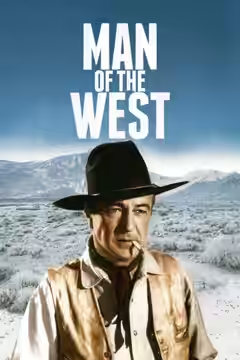
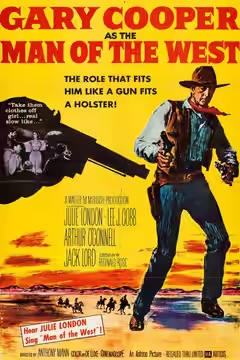
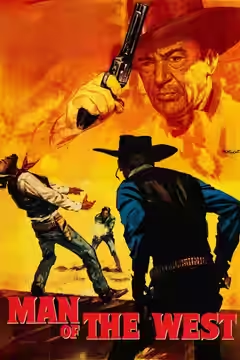
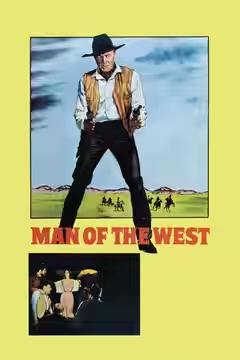
Anthony Mann’s Western is bleak, forceful and worth the discomfort, chiefly for Gary Cooper’s quiet performance. The solemnity can become oppressive, and Lee J. Cobb sometimes pushes too hard, but the film takes the consequences of violence seriously.
Anthony Mann makes the prospect of a man returning to violence feel thoroughly unpleasant. That is a virtue in a Western, where the opportunity to use a gun can so easily become a reward for patience. Man of the West is a good, troubling film whose severity sometimes becomes wearisome, and Gary Cooper gives it the restrained performance it needs. The director wants us to think about what violence requires of a person, even while the genre encourages us to enjoy the prospect of it.
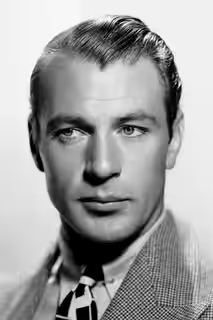
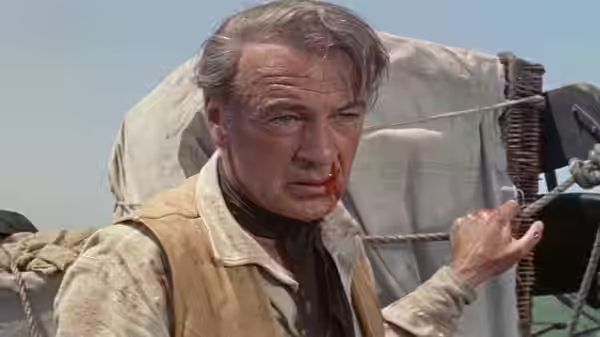
As Link Jones, Gary Cooper gives us little outward fuss to read, so we start looking harder for signs of what he might do. We found his quietness unsettling, because it makes Link’s renewed involvement in violence feel possible without making it welcome. The reserve allows us to imagine how much effort staying calm might require. There is no need for the performance to insist on its importance. Across 100 minutes, that guarded presence keeps us interested in Link even when the film’s solemnity begins to tire us.
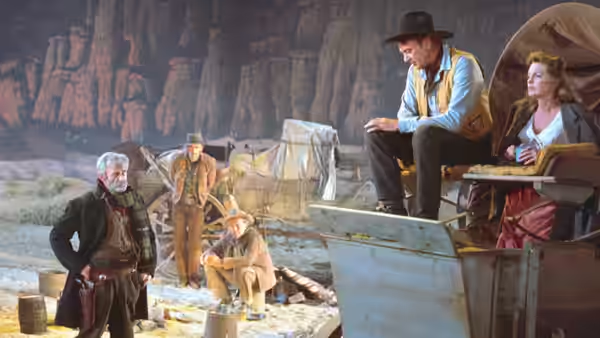
Ernest Haller’s cinematography makes the surrounding country feel equally discouraging. The CinemaScope frame gives the landscape plenty of space, while the figures within it remain our concern. We can enjoy looking at these compositions without feeling that the people in them have much reason to relax. The beauty matters: an unvaryingly ugly setting would make the film’s bleakness too easy to account for. Anthony Mann finds unease in the relationship between the people and their surroundings, and the photography sustains it without needing constant movement.
Reginald Rose’s screenplay gives the return to violence enough moral difficulty to support that approach. Link remains worth thinking about beyond the immediate question of what he will do next, and the writing accommodates the restraint of the central performance. The difficulty comes when its seriousness begins to feel too carefully prepared. We become aware of how much importance the film attaches to its subject, and that can make the drama feel laboured. A little less insistence would have allowed the harder implications to emerge more naturally.
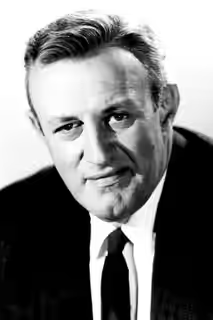
Lee J. Cobb, playing Dock Tobin, is both an asset and part of that problem. His force gives the film a welcome contrast to its guarded leading man, but the performance sometimes presses beyond what seems necessary. We wanted him to trust that he already had our attention. Even so, the excess is preferable to a supporting performance that merely supplies the required menace and waits for the next scene; there is enough conviction here to make the unevenness worth accepting.
Leigh Harline’s music contributes to the pressure, though we would sometimes have welcomed less emphasis. The film already has a landscape, a screenplay and a leading performance capable of making us uneasy. When everything bears down together, the grimness becomes tiring rather than more persuasive. This is the principal reservation: too little relief can make separate moments of distress begin to feel alike.
For all that, this is a Western willing to make its central attraction uncomfortable, and its interest in Link survives the heavier passages. Gary Cooper’s restraint is a strong reason to stay with it. We recommend it to viewers who like the genre’s difficult men and have patience for its graver moods. Choose another evening if the wide-open country is supposed to help you unwind.