Woody Allen’s Parisian fantasy is funny, inviting and carried by Owen Wilson’s wistful ease. The present-day characters are thinly written, and the lesson about nostalgia arrives too plainly, but we recommend it for its warmth and lightness.
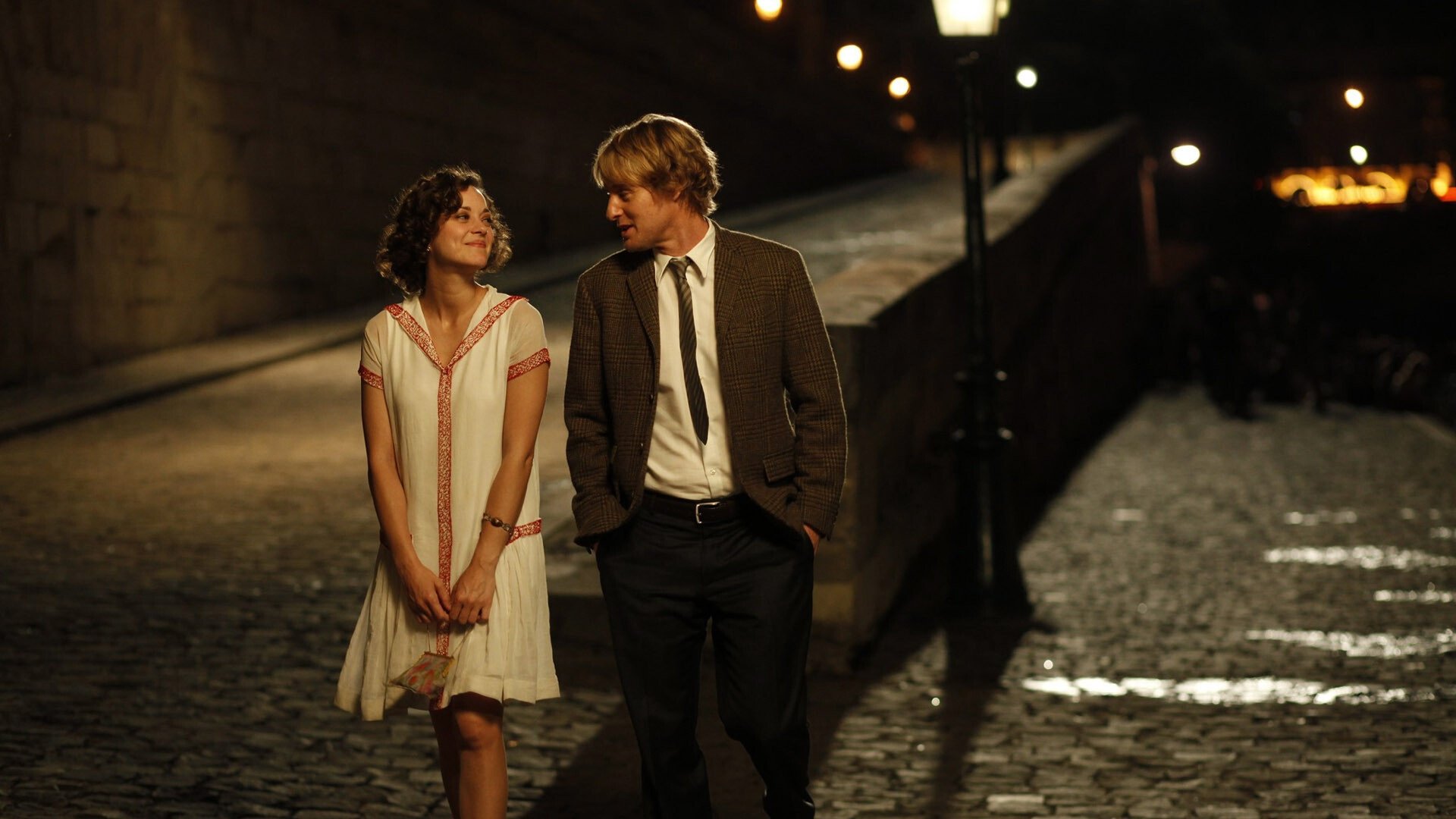
Midnight in Paris is a warm, funny fantasy with an irritating habit of spelling out what we have already understood. Woody Allen sends a dissatisfied writer into the literary Paris of the 1920s, where he can spend time with the people he admires. The attraction is easy to understand. If the people we most want to meet are all in the past, the present can seem a poor arrangement. The film gives us time to enjoy these meetings before questioning Gil’s preference for them.
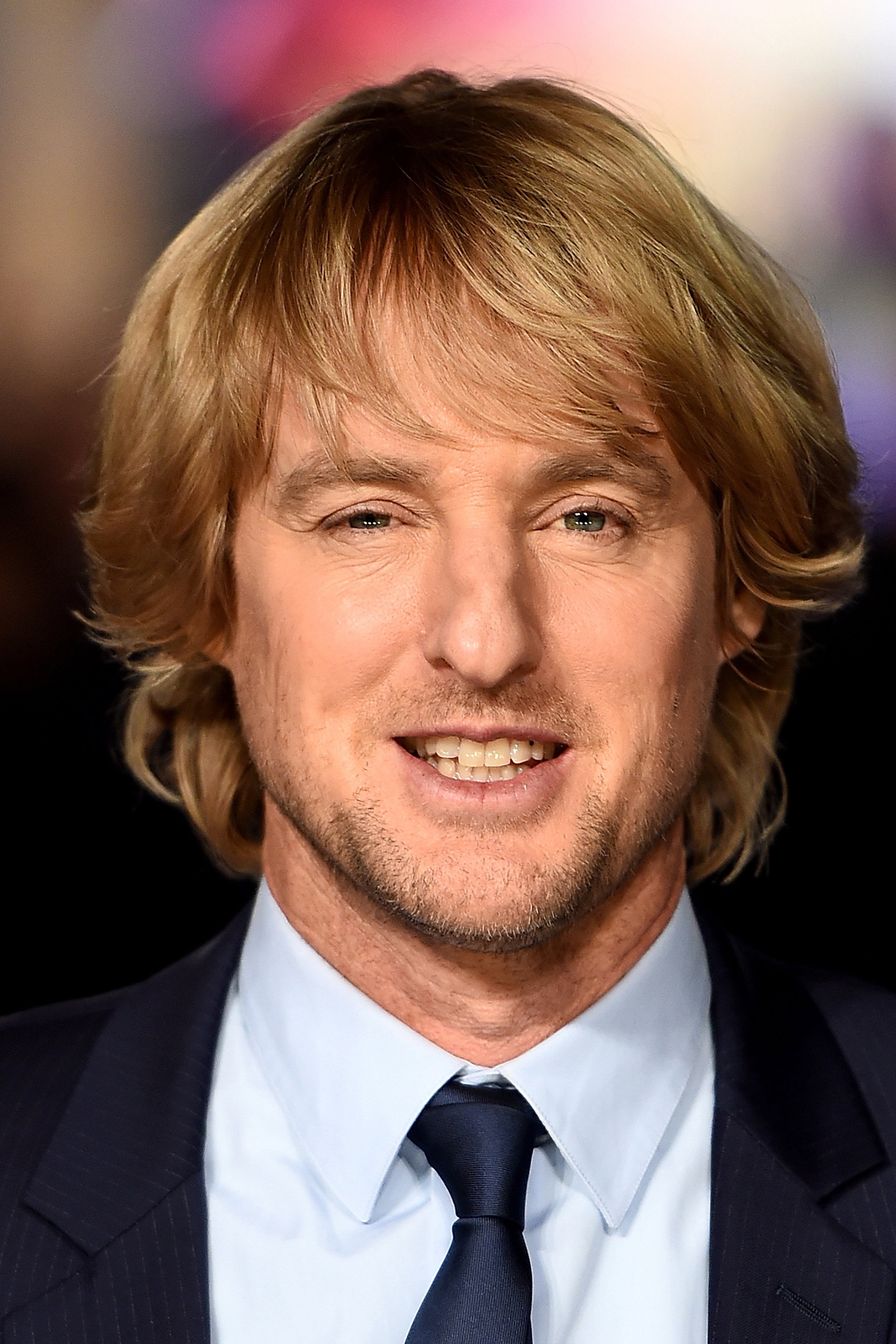
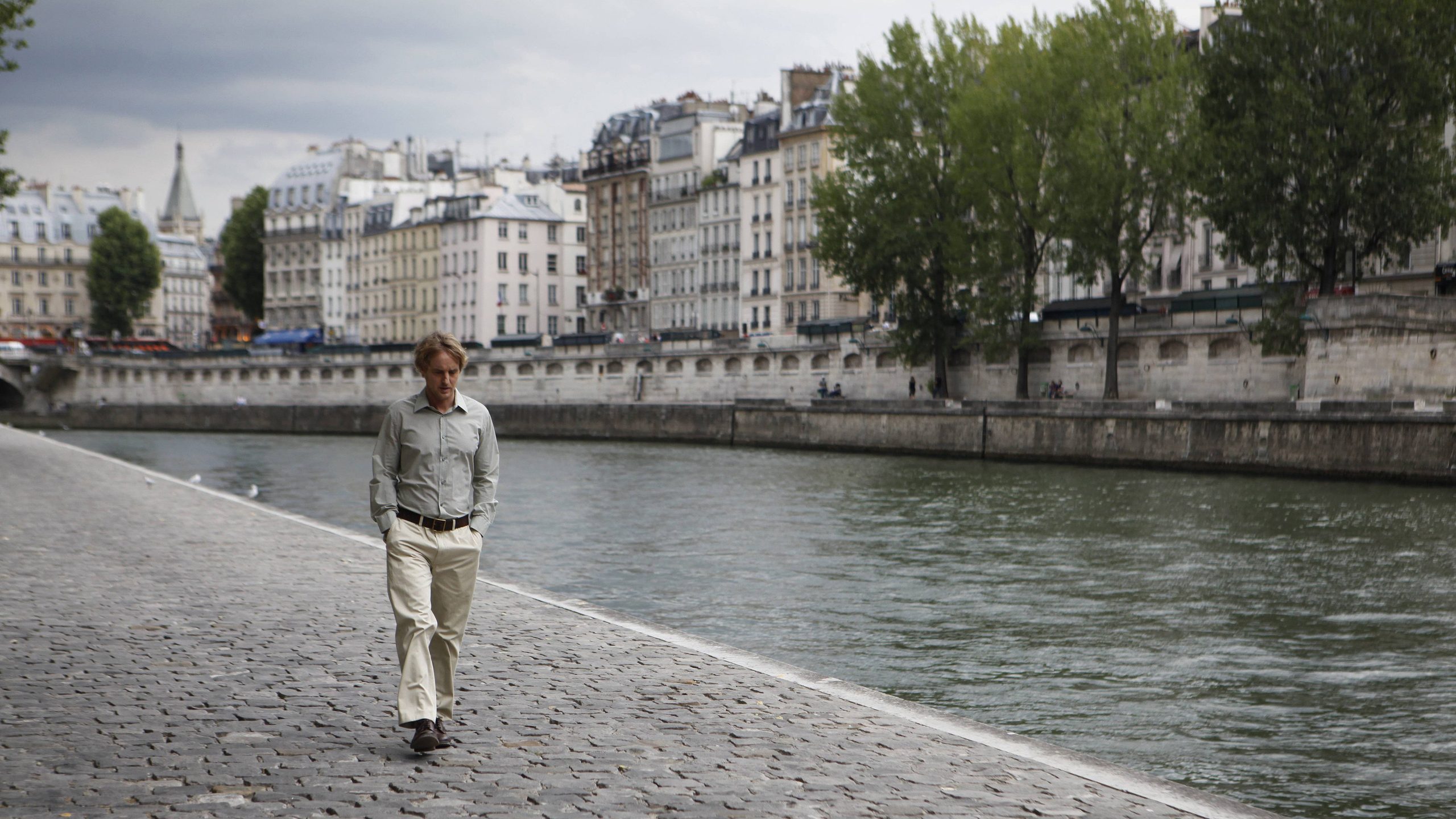
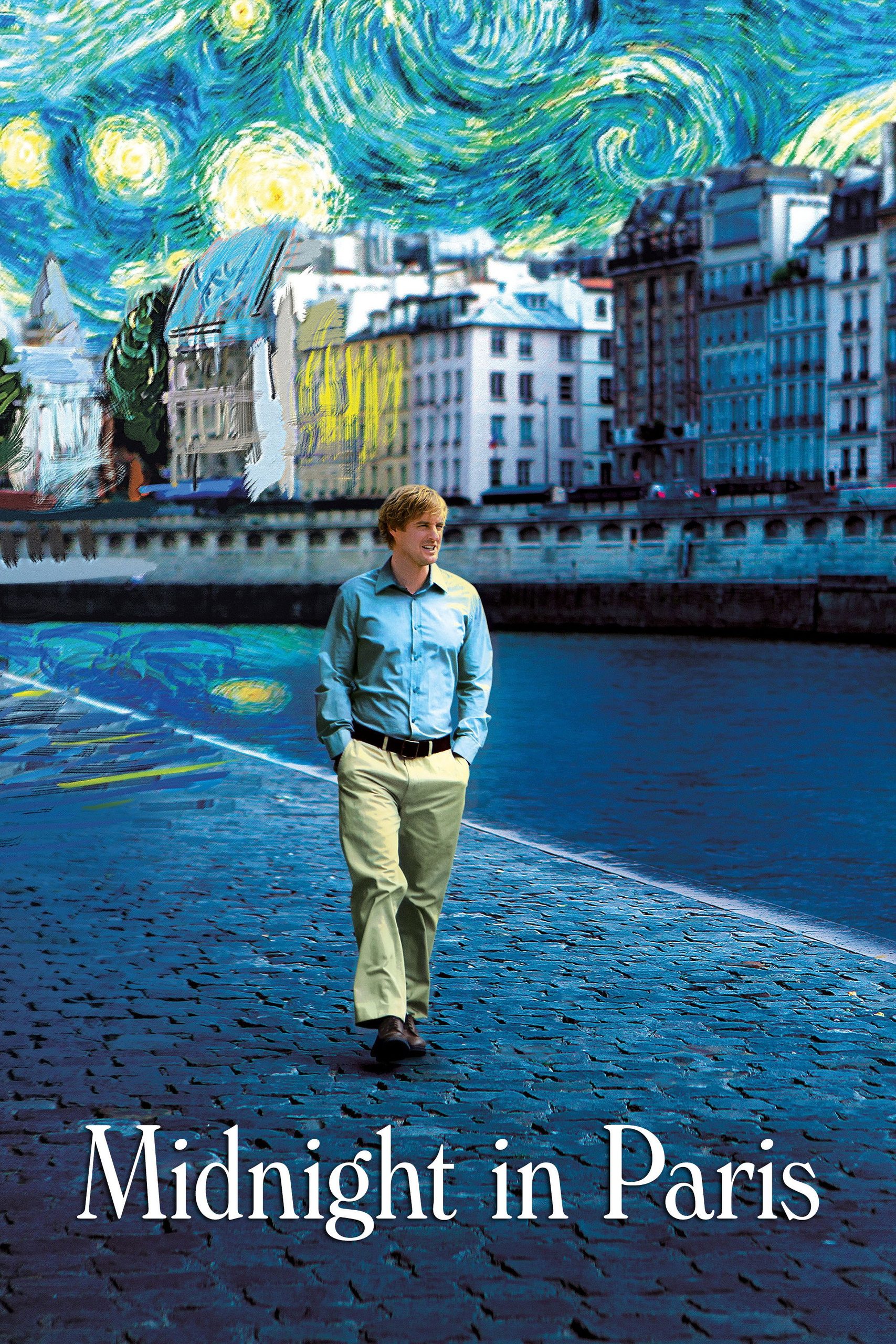
Owen Wilson plays Gil with a hesitancy that makes the longing credible. His relaxed delivery gives the anxious questions room to sound like thoughts, rather than prepared remarks. We felt unexpectedly sad at Gil’s eagerness to be among the writers he admires, because the pleasure of meeting them seems so close to relief. There is something lonely in how much he wants their company. The performance gives these encounters a feeling that a procession of famous names could easily lack.
The historical company is part of the fun, of course, and the director does not pretend otherwise. Tom Hiddleston’s F. Scott Fitzgerald and Alison Pill’s Zelda Fitzgerald offer the pleasure of recognition without requiring a preliminary course in literature. The encounters are brisk enough to keep that recognition from becoming the entire joke. The film is sensible about the time travel, too: it gives us no elaborate machinery to understand. We can concentrate on Gil’s response to the people he meets.
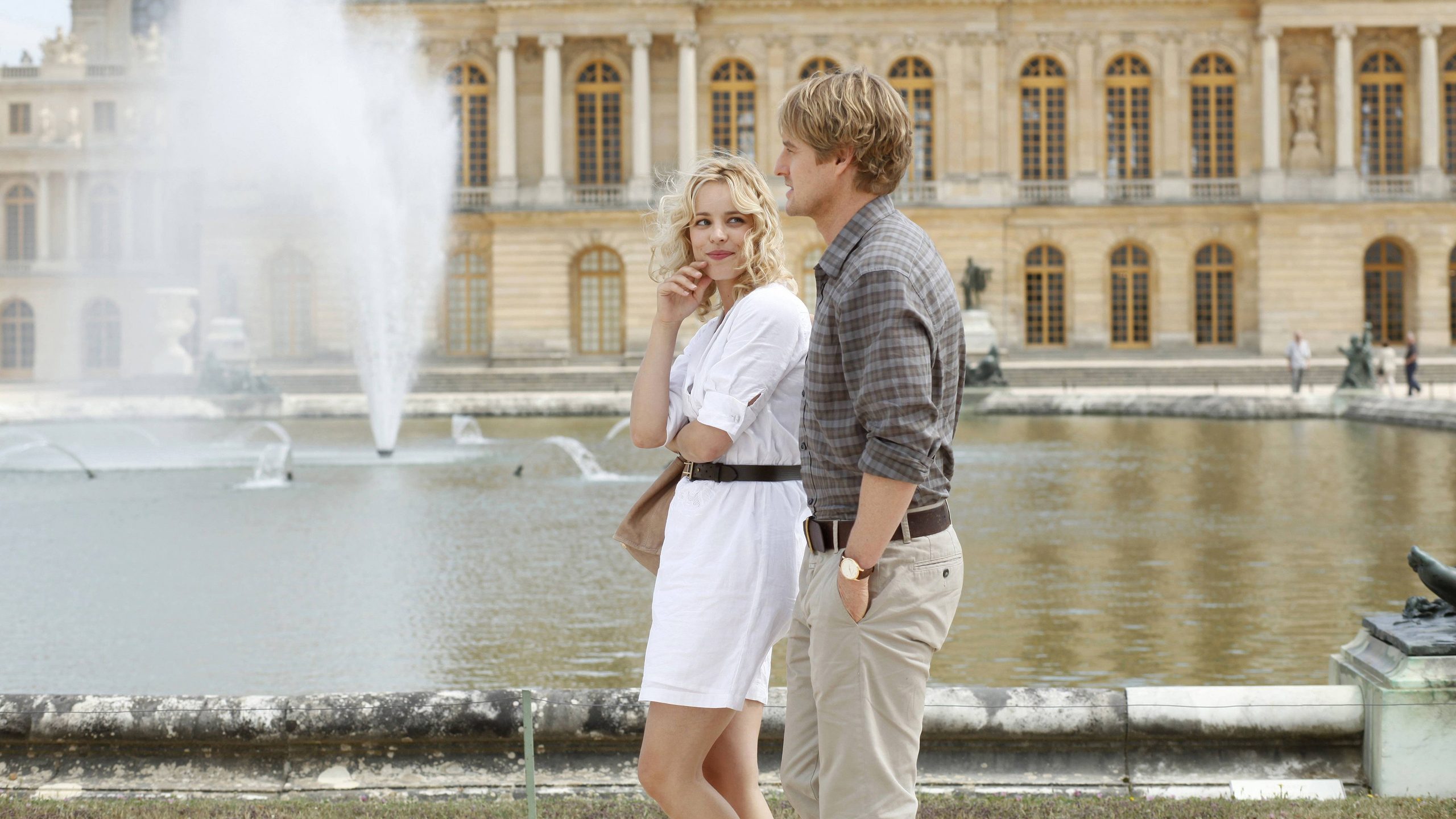
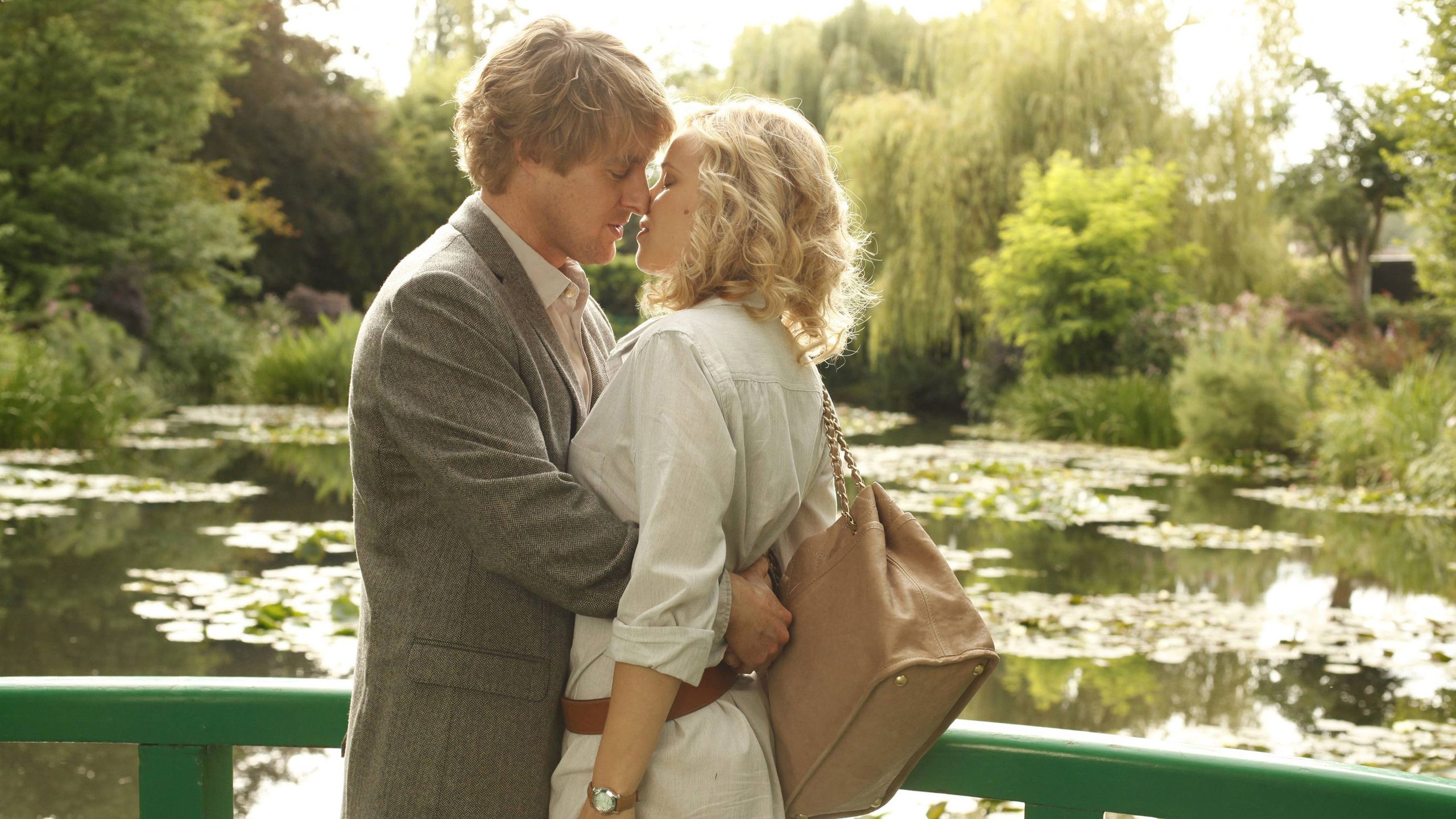
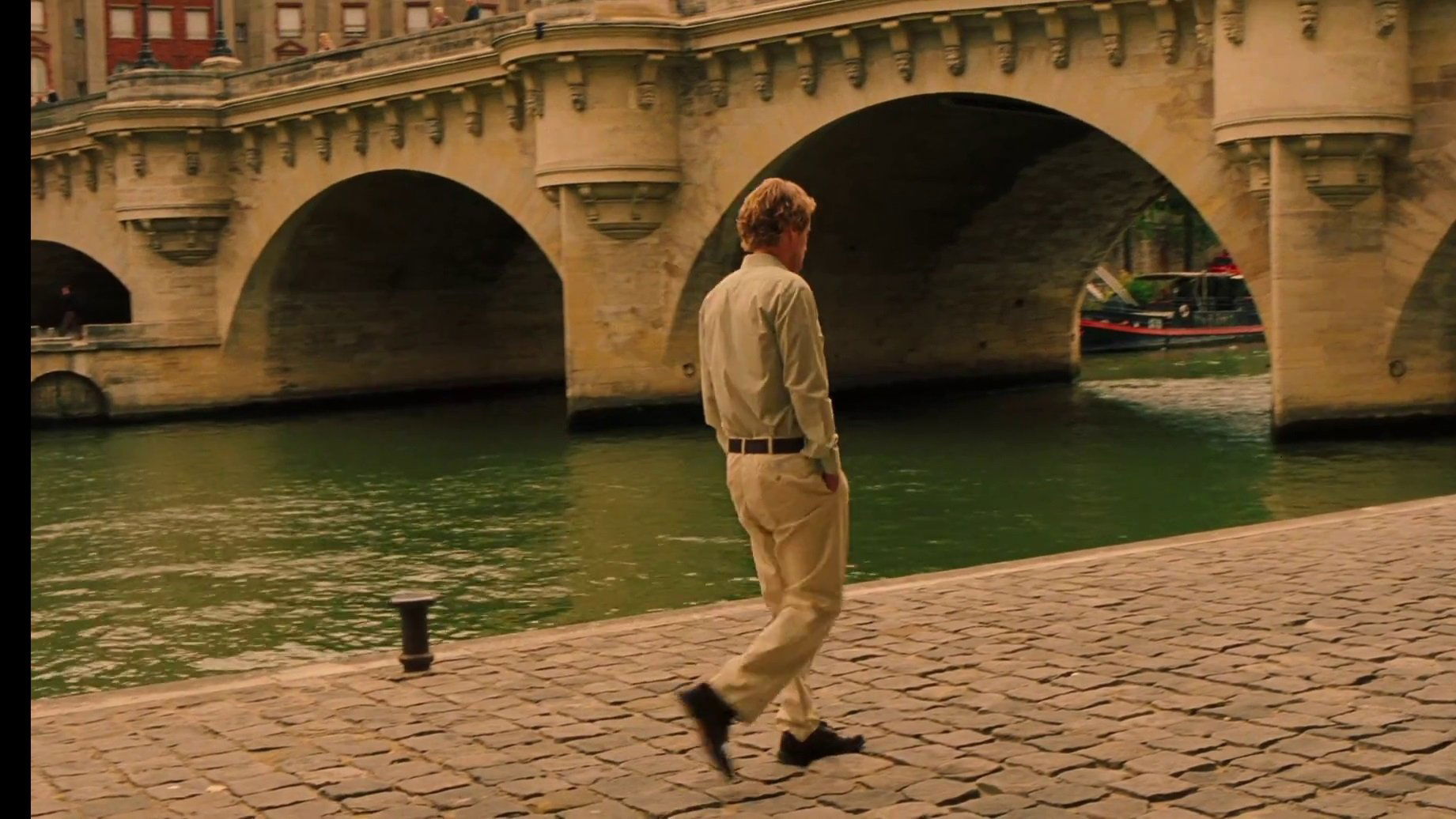
Darius Khondji’s cinematography makes Paris warmly coloured and easy to desire, while Anne Seibel’s production design gives the period settings the same welcoming quality. That prettiness has a purpose: the past must look worth visiting before Gil’s preference for it can be questioned. Sonia Grande’s costumes help the historical figures register quickly, without making every entrance feel like a display of research. Together, their work makes the fantasy immediately inviting, though it also leaves the film with some persuading to do when it questions nostalgia.
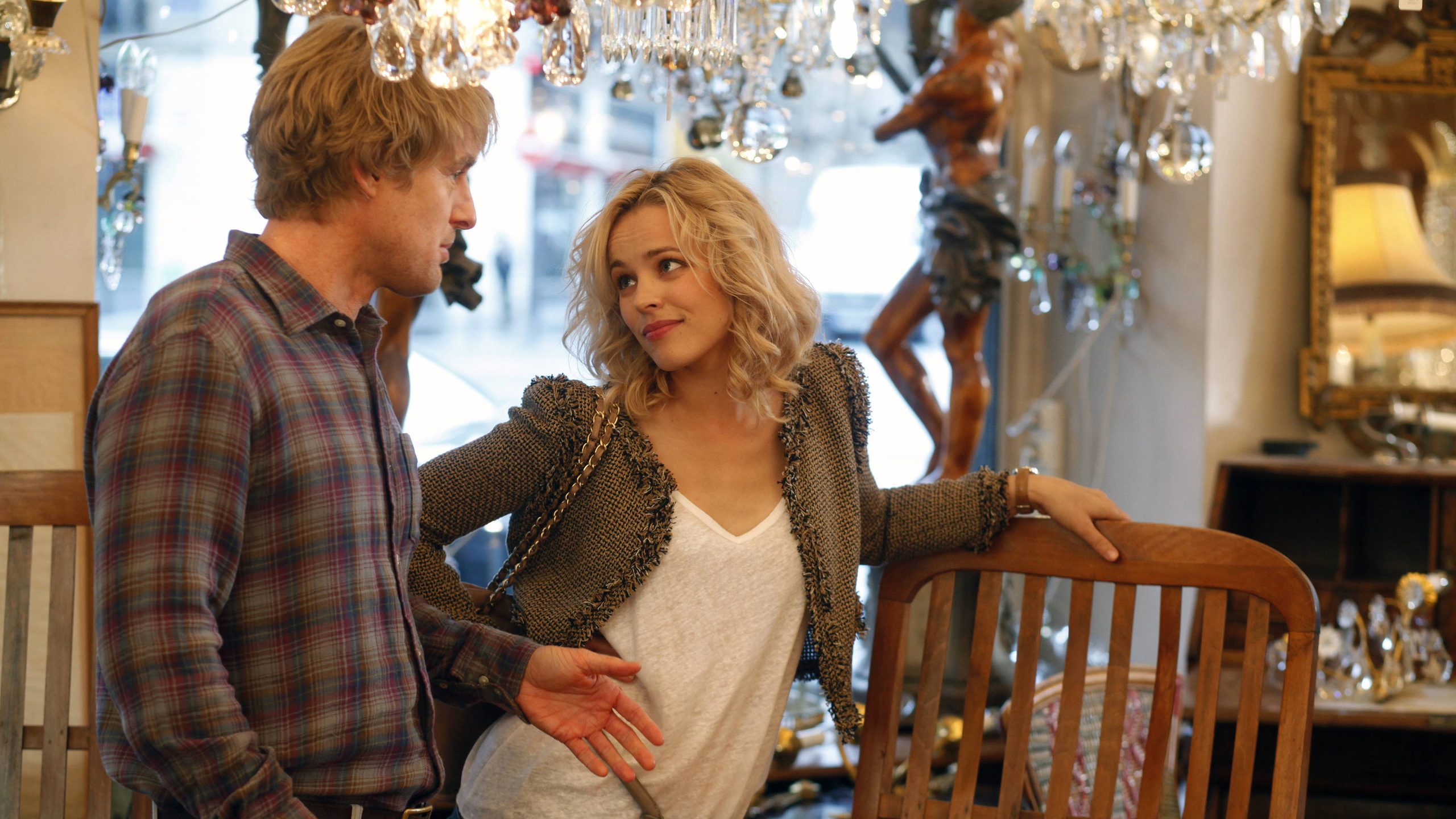
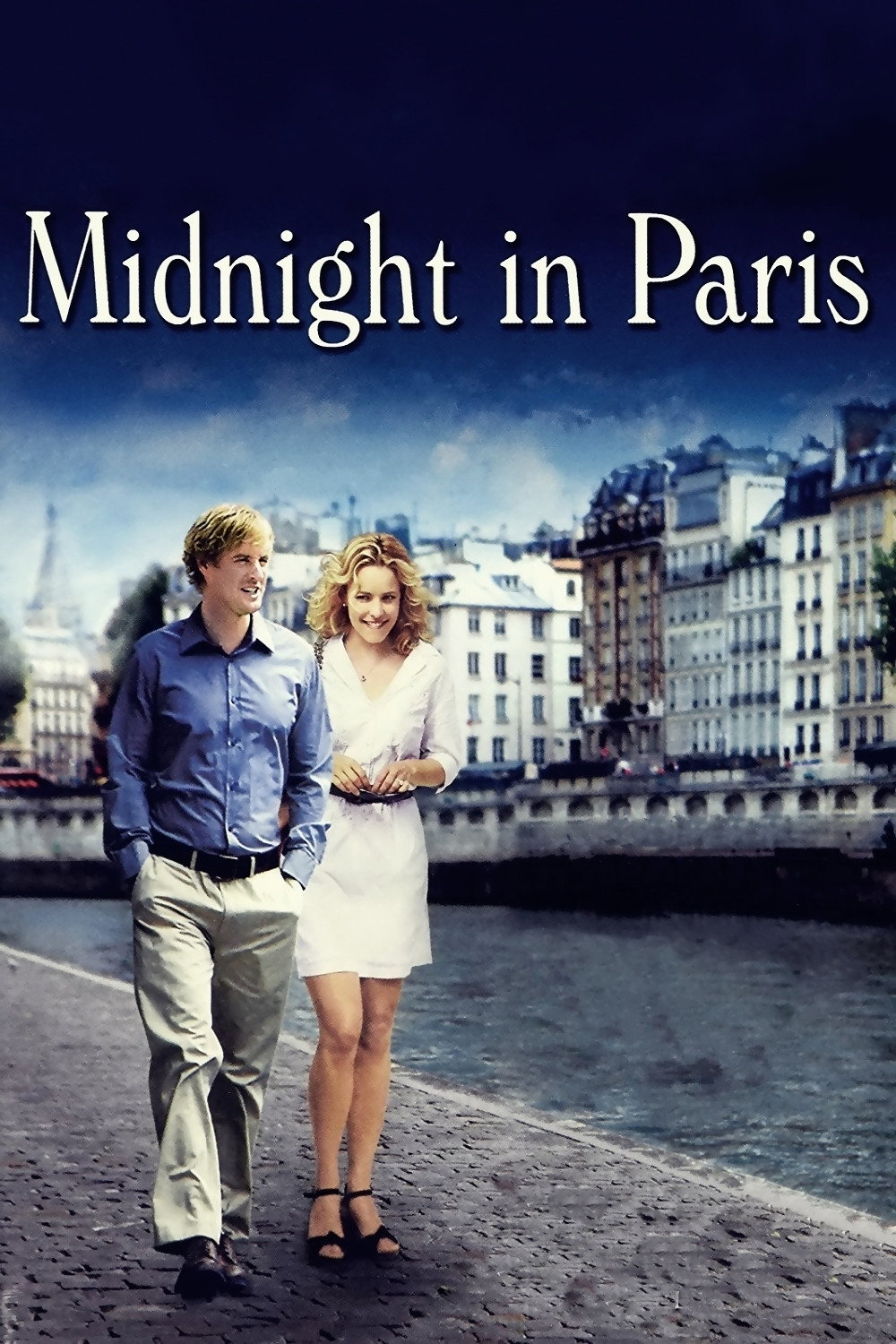
The present is much less persuasive. Rachel McAdams’s Inez and Michael Sheen’s Paul have too little room to be people whose company Gil might plausibly enjoy. The script is so insistently against them that his dissatisfaction needs scarcely any defending. Rachel McAdams, in particular, is left with a character whose limitations seem built into the writing. A better version would give the present enough appeal to make Gil’s preference for the past a harder choice.
Alisa Lepselter’s editing keeps the succession of encounters moving, and the 94-minute running time suits the modest story. The comedy seldom needs to press for a laugh. What slows it down is the urge to explain the lesson about nostalgia after the fantasy has made it clear. The dialogue becomes tidier and less interesting when people start stating what the film means. Those explanations make the comedy feel heavier than it needs to.
As a romantic fantasy, this works because it takes Gil’s wish seriously without requiring us to share it. We need not regard the 1920s as an improvement on our own lives to understand why he might. Choose it for Owen Wilson and the pleasure of impossible company, with a little patience for the explanations.