Film review

Midsommar

2019 · Directed by Ari Aster · 2h 27m · MPA R

In a sentenceThe sunshine is relentless, the welcome is warm, and the boyfriend is no help at all

HorrorDramaMystery

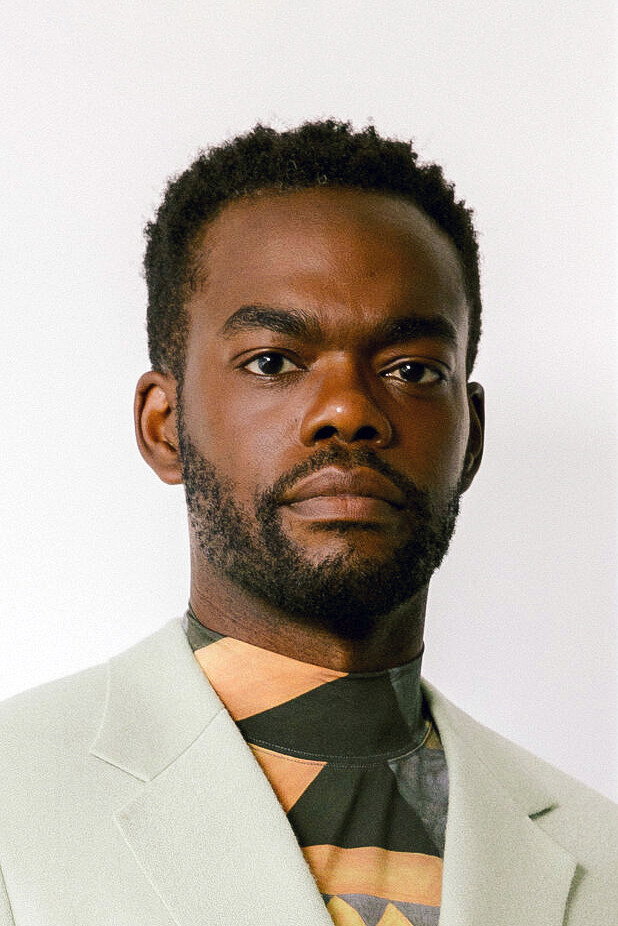
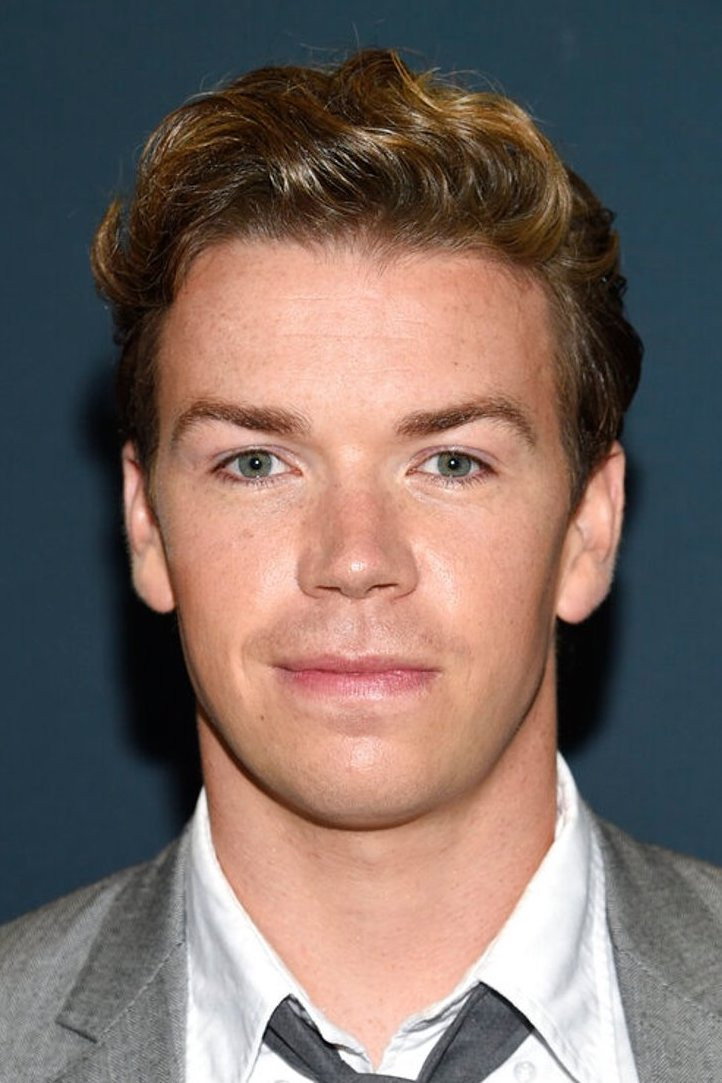
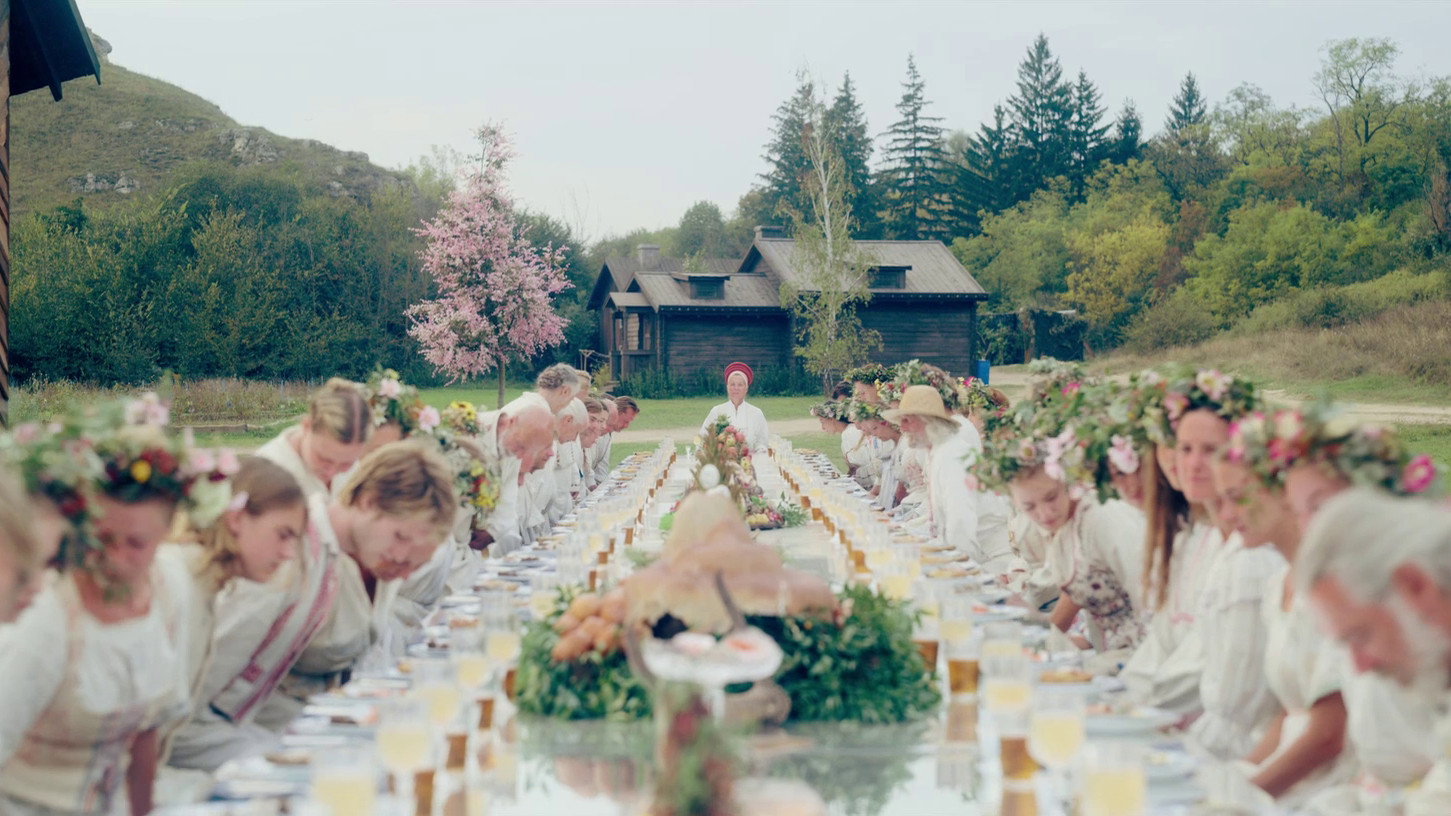
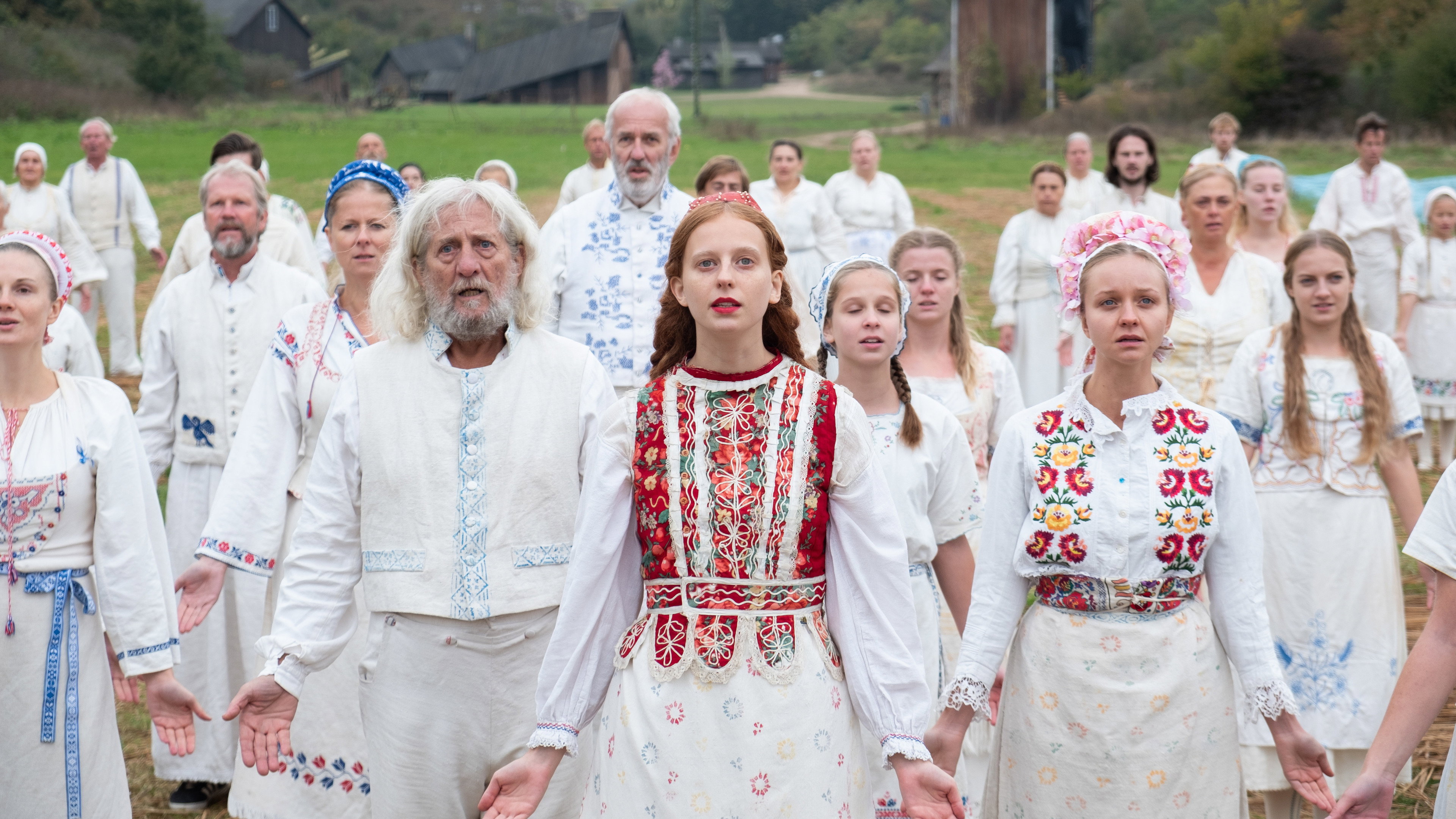
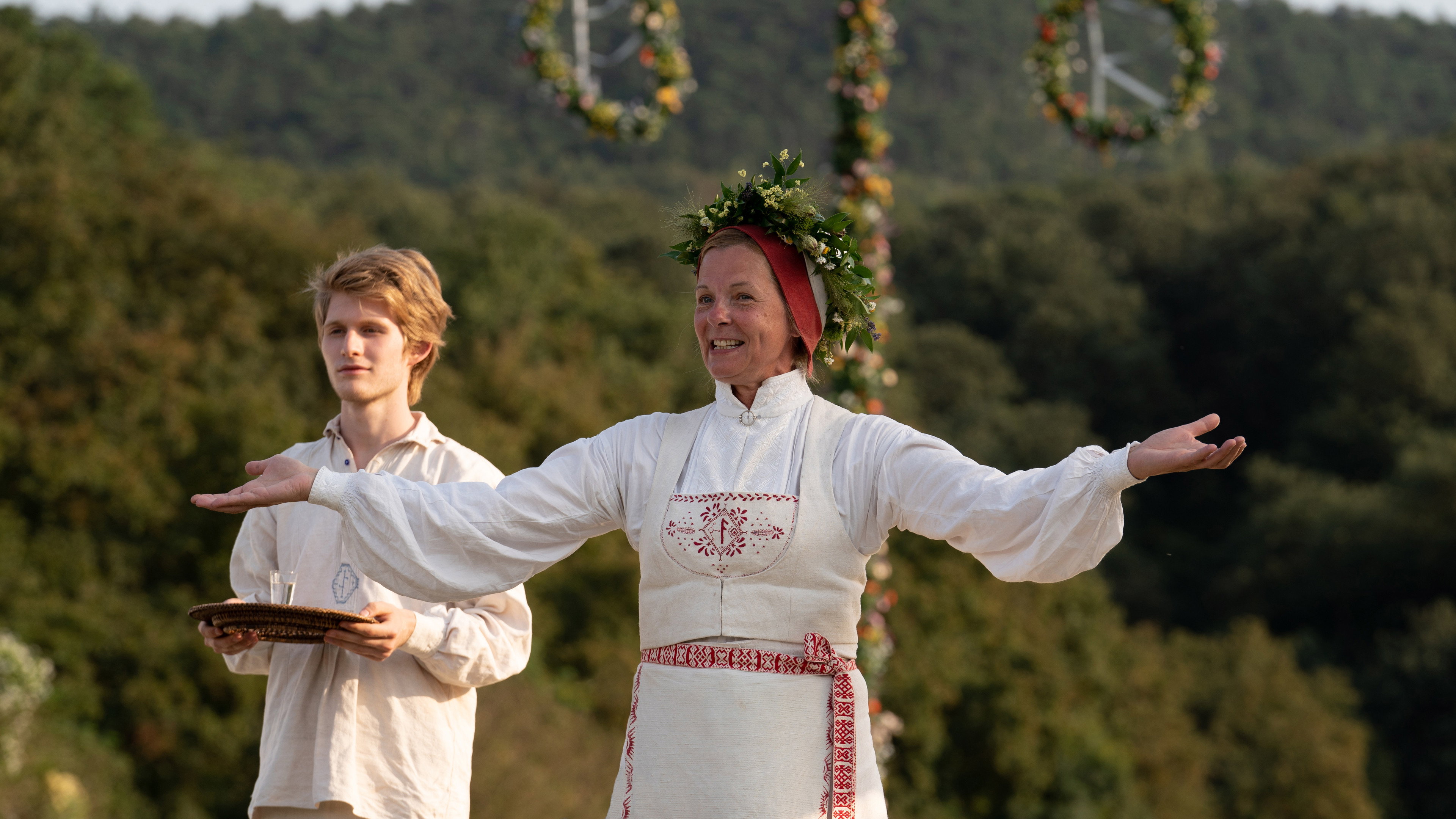
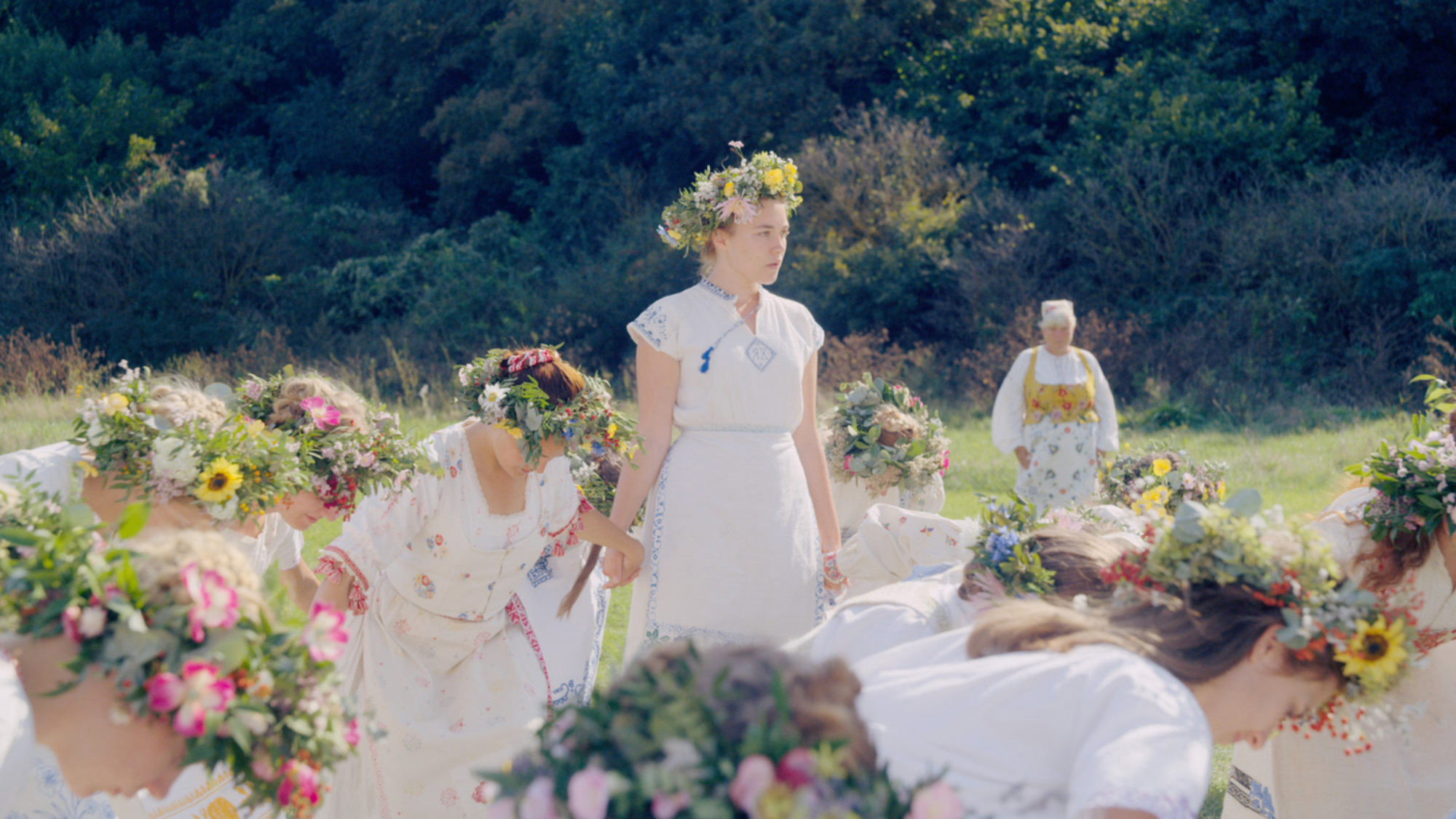
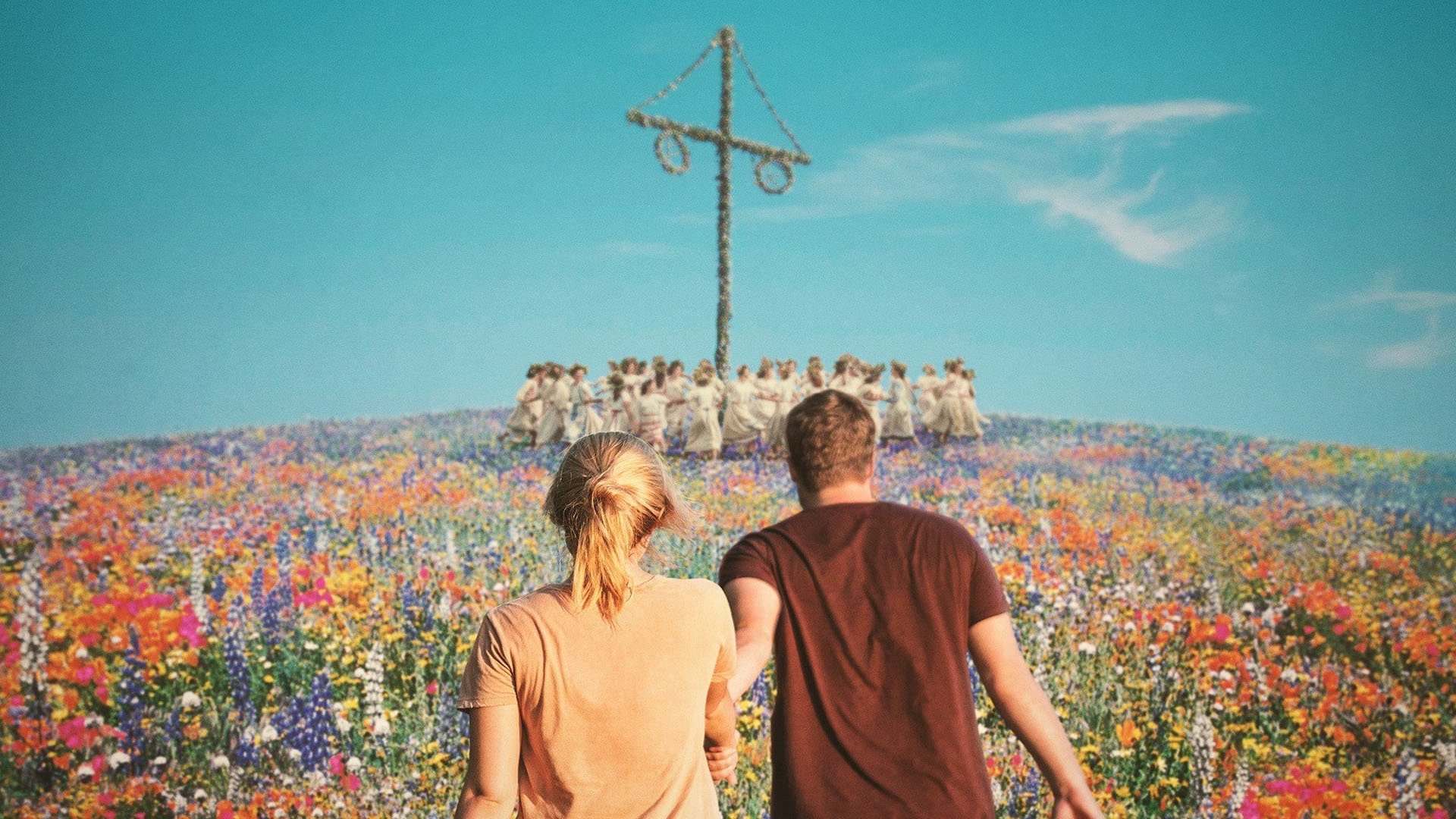
Dani (Florence Pugh) is grieving, and her relationship with Christian (Jack Reynor) is coming apart. A visit to Hårga, a Swedish commune, brings them into a midsummer celebration, with Josh (William Jackson Harper) and Mark (Will Poulter) among the visitors. In the long daylight, the community welcomes its guests with smiles and pagan festivities. Dani wants comfort and a sense of belonging, but Christian offers little reassurance and the rituals follow rules the outsiders do not understand. As the celebrations draw the visitors in, the strain between the couple becomes harder to keep private.

Plays from YouTube when you press play; nothing loads from them until then.

Fi1m review

Ari Aster makes a relationship falling apart painfully convincing inside an unnerving, sunlit folk horror. Florence Pugh gives the film its force, though the elaborate festivities run longer than they need to.

Midsommar is an unnerving, sometimes funny horror film whose strongest reason to watch is Florence Pugh. Ari Aster puts a grieving woman and her failing relationship inside a Swedish commune, then makes the welcome steadily more troubling. The daylight matters: there is no reassuring distinction between the hours when people socialise and the hours when a horror film gets down to business. We recommend it for that persistent discomfort, with a warning that 147 minutes gives the festivities rather more room than they need.

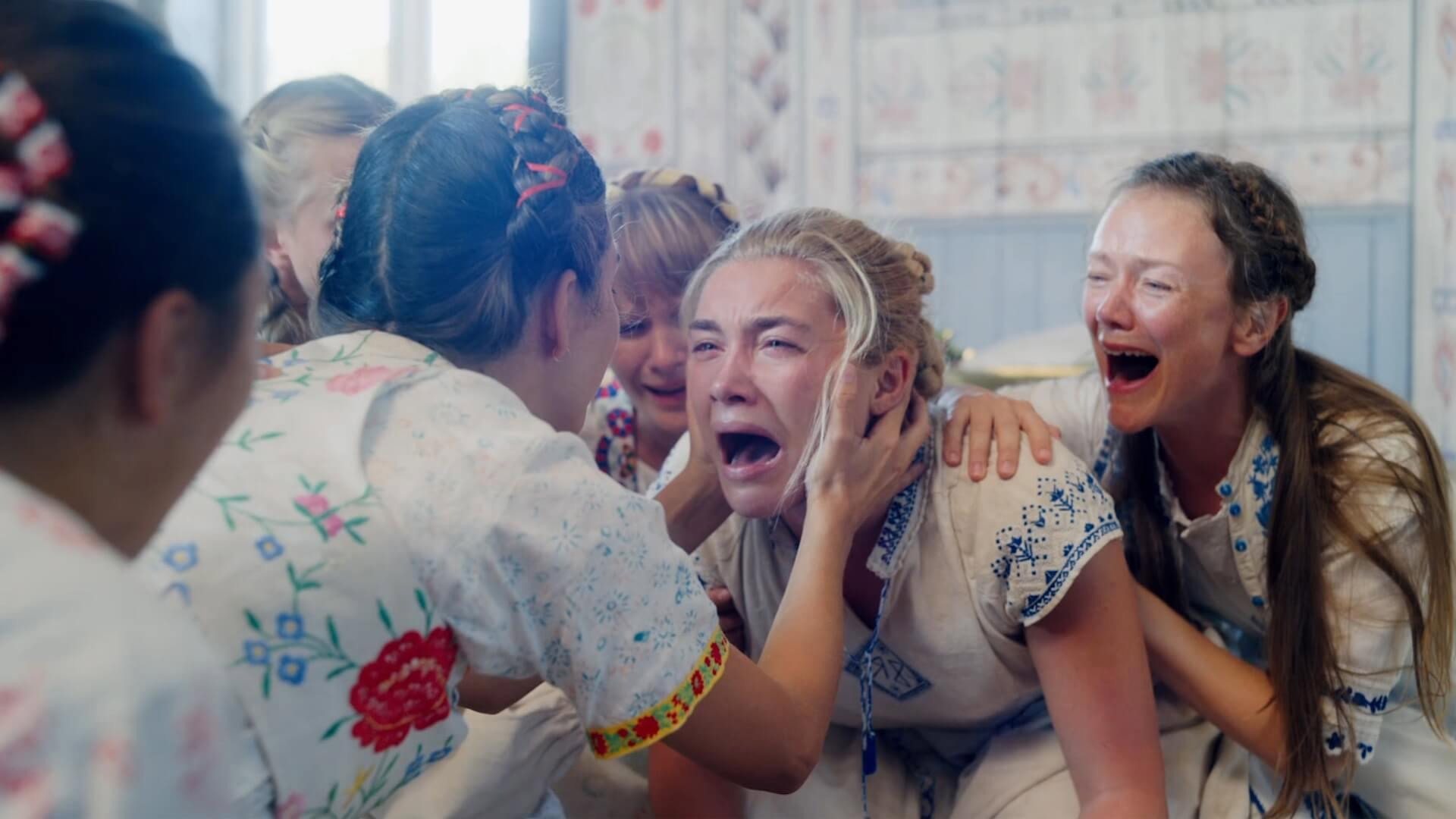
Dani needs more reassurance than Christian seems willing to give, and Florence Pugh makes that need uncomfortable to witness without making it contemptible. She lets the grief interrupt any possibility of enjoying the occasion; being somewhere pleasant cannot make it stop. We found her distress harder to watch than the gore. It is the effort of remaining among other people while feeling so isolated that got to us, and the performance keeps that loneliness present even when the ceremonies demand our attention.

Jack Reynor is effective as Christian because he does not make a bad boyfriend automatically fascinating. His lack of reassurance is ordinary enough to recognise, which makes Dani’s position more painful than a grand confrontation would. Around them, Ari Aster finds black comedy in the friction between the visitors and the people receiving them, with Will Poulter’s Mark helping to loosen the solemnity. Some of that humour is broad enough to interrupt the dread, but the film benefits from allowing us to laugh.

Pawel Pogorzelski’s cinematography makes the brightness oppressive without sacrificing the appeal of the place. We can see the village clearly and still struggle to judge it; those welcoming smiles do not settle anything. Henrik Svensson’s production design makes the commune convincing as somewhere people live, with customs that matter to them. The surroundings hold our attention, and the care given to the ceremonies makes the outsiders look unprepared, although occasionally we wish the film would spend less time asking us to inspect everything.

Lucian Johnston’s editing lets the discomfort accumulate, but the slow pace also makes the film’s intentions too easy to anticipate. Once the hospitality has begun to feel wrong, further reassurance from the hosts does not always make it more frightening. Bobby Krlic’s music helps hold the unease through these longer stretches, though it cannot make every pause necessary. There are stretches when we have understood the danger and are simply waiting for the visitors to catch up.

Ari Aster’s writing is less persuasive when it moves away from Dani. The other visitors too often seem to be there because a folk-horror story needs outsiders, and their responses can feel arranged to keep the festivities going. That weakness matters because the film asks us to take emotional injury seriously, then gives some of its people little emotional life. Florence Pugh prevents the central story from becoming merely another item on the programme, but she has more work to do than she should.

Within folk horror, the commune and its rituals are familiar territory; the film cannot depend on their presence alone to surprise us. What distinguishes Midsommar is the attention paid to Dani’s grief, and the discomfort of seeing communal warmth offered to someone who needs it badly. That makes the long stretches of ceremony worth sitting through, even when we can feel the film labouring. Choose it for a horror evening when there is time to be unsettled slowly, and do not expect the daylight to soften the experience.

Critical consensus AI synthesised

72
Positive
14
Mixed
6
Negative
2

Most critics respond warmly to Midsommar, with praise clustering around Florence Pugh’s performance and Ari Aster’s use of bright daylight to sustain dread. Pugh gives the story of grief and relationship breakdown an emotional centre that even several sceptical reviews value. The cinematography, detailed commune setting and uneasy mixture of ritual horror and black comedy also draw broad approval, though several admirers find it less frightening than Hereditary.

The spread is wide, with disagreement chiefly over pacing, character depth and how much the elaborate horrors have to say. Supporters find a rewarding account of trauma and belonging; others see thin subplots, familiar motifs and a film that lingers too long over its rituals. Polygon praises the early relationship drama but finds little meaningful development once the festival begins, while The New Yorker takes a harsher position, arguing that striking images substitute for developed characters and convincing psychology.

Time Out
19 June 2019 · ★★★★★ · Joshua Rothkopf
100

Aster delivers a savage, evolved slice of Swedish folk horror that proves him a master of the genre, with hypnotic choreography, strong performances from Florence Pugh and others, and a stealth revisionist take on horror conventions. The constant sunlight setting and sound design heighten the unnerving effect.

Read the full review →
Empire
28 June 2019 · Nick de Semlyen
90*

Aster has conjured an even madder and more ambitious nightmare set in sunny Sweden, the polar opposite of Hereditary yet every bit as unsettling, with clinical precision in its descent from paradise. It is a visceral, unique, utterly fucked-up experience that demands to be seen on the big screen, with extraordinary performances from Pugh and Reynor.

Read the full review →
Evening Standard
3 July 2019 · Charlotte O'Sullivan
85*

Ari Aster’s follow-up to Hereditary is another morbid masterpiece full of electrifying performances, dialogue and camerawork that encourages rethinking suicide, euthanasia, mental illness and urban existence. It is the feel-mad movie of the decade, with Florence Pugh never better and a feminist classic ending.

Read the full review →
The Guardian
3 July 2019 · Peter Bradshaw
85*

The critic calls the film an outrageous black-comic carnival of agony and a thoroughly enjoyable crescendo of paranoid trippiness that builds to an uproarious grossout. Florence Pugh's performance as the grieving Dani and the film's sensual, self-aware folk-horror atmosphere are singled out for praise.

Read the full review →
The AV Club
20 June 2019 · B+ · A.A. Dowd
83

A deranged and funny folk-horror nightmare with sprawling ambition and a stunning ending that achieves terrible transcendence. The critic praises the film's willingness to embrace the darkest aspects of human desire but notes it is less perfectly crafted than Hereditary.

Read the full review →
Film Comment
2 July 2019 · Madeline Whittle
80*

The critic highlights Florence Pugh’s compelling performance as the anchor for a story of grief and relationship breakdown that leads the protagonist toward a Swedish commune’s rituals. Aster’s film is praised for its tonal range, visual precision, and thematic focus on alienation and tribal belonging, surpassing his previous work in dexterity.

Read the full review →

Cast

Stills

If you liked this, try…

The Wicker Man poster90

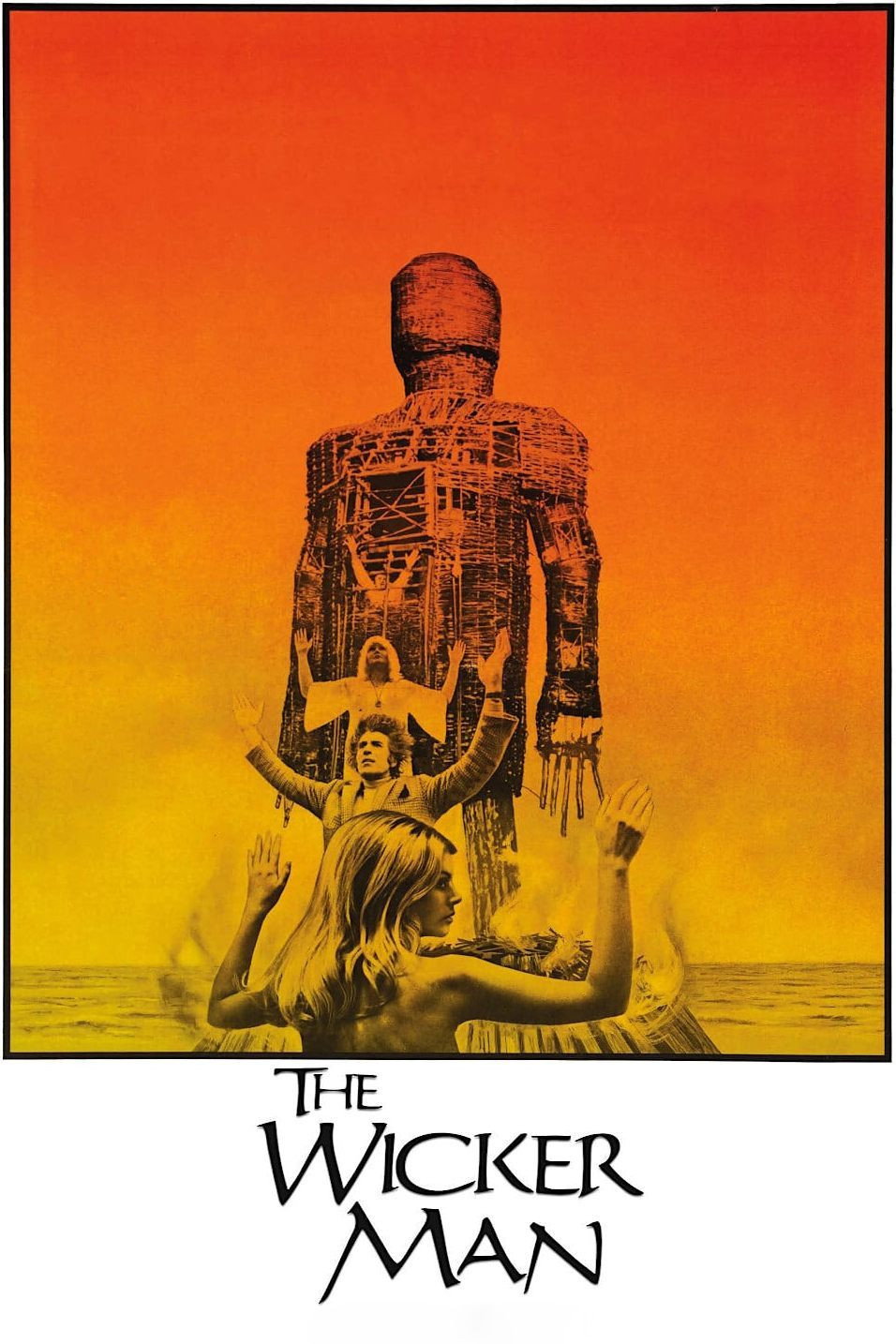
The Wicker Man

1973 · A wary outsider meets a community whose hospitality comes with conditions.

Picnic at Hanging Rock poster

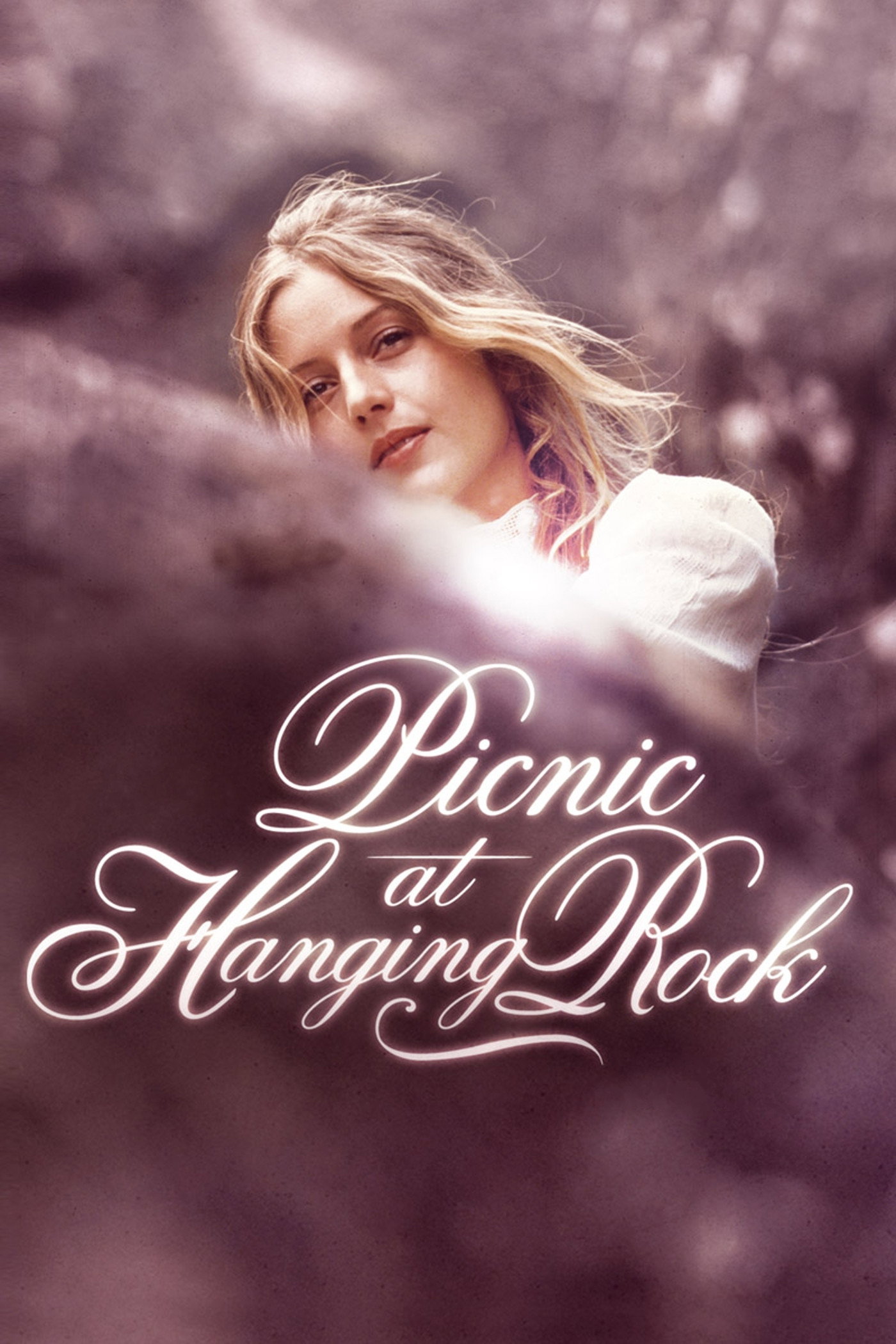
Picnic at Hanging Rock

1975 · Bright daylight and immaculate manners offer little protection from gathering unease.

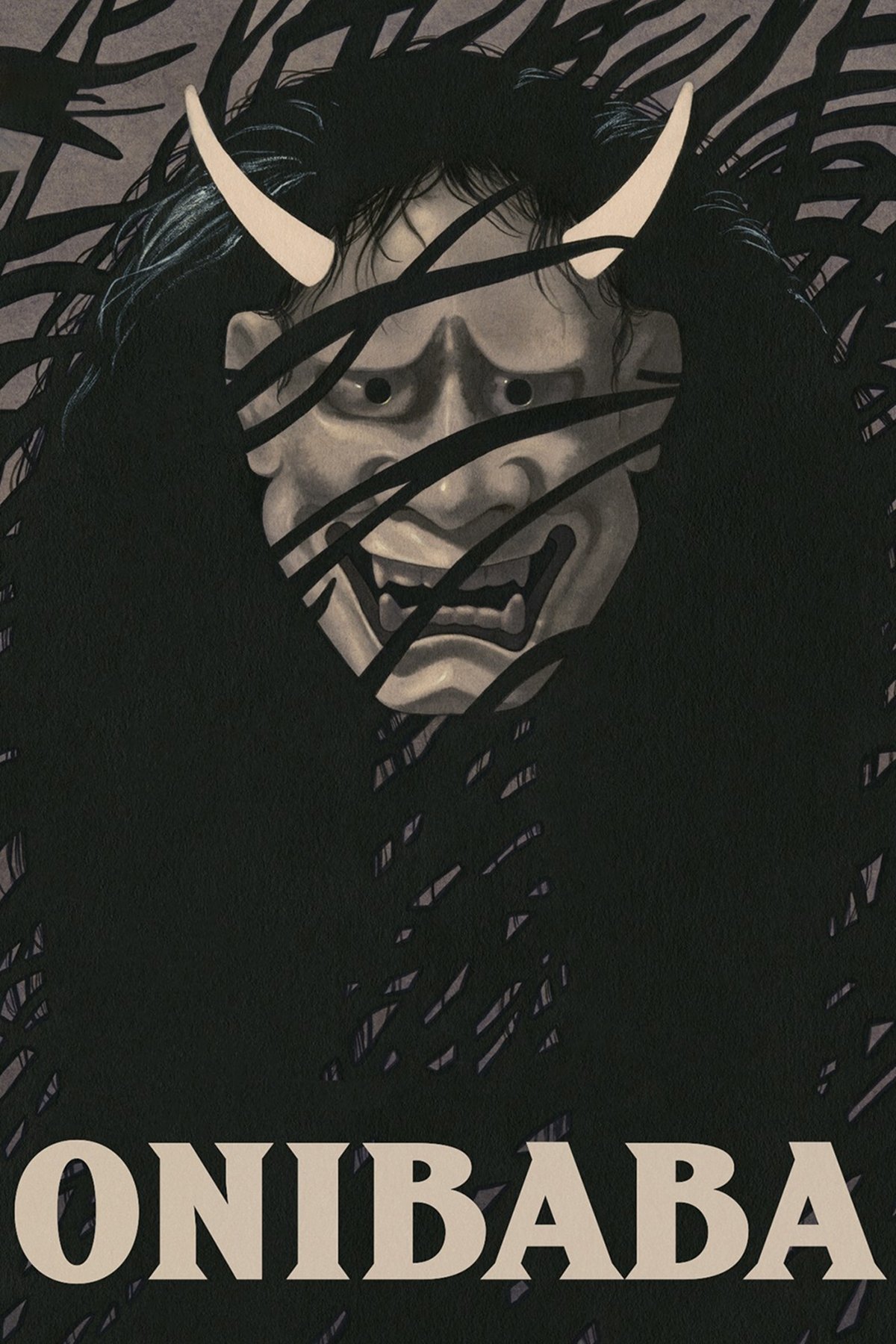
Onibaba poster

Onibaba

1964 · Rural isolation, sexual jealousy and practical cruelty make the horror feel uncomfortably close.

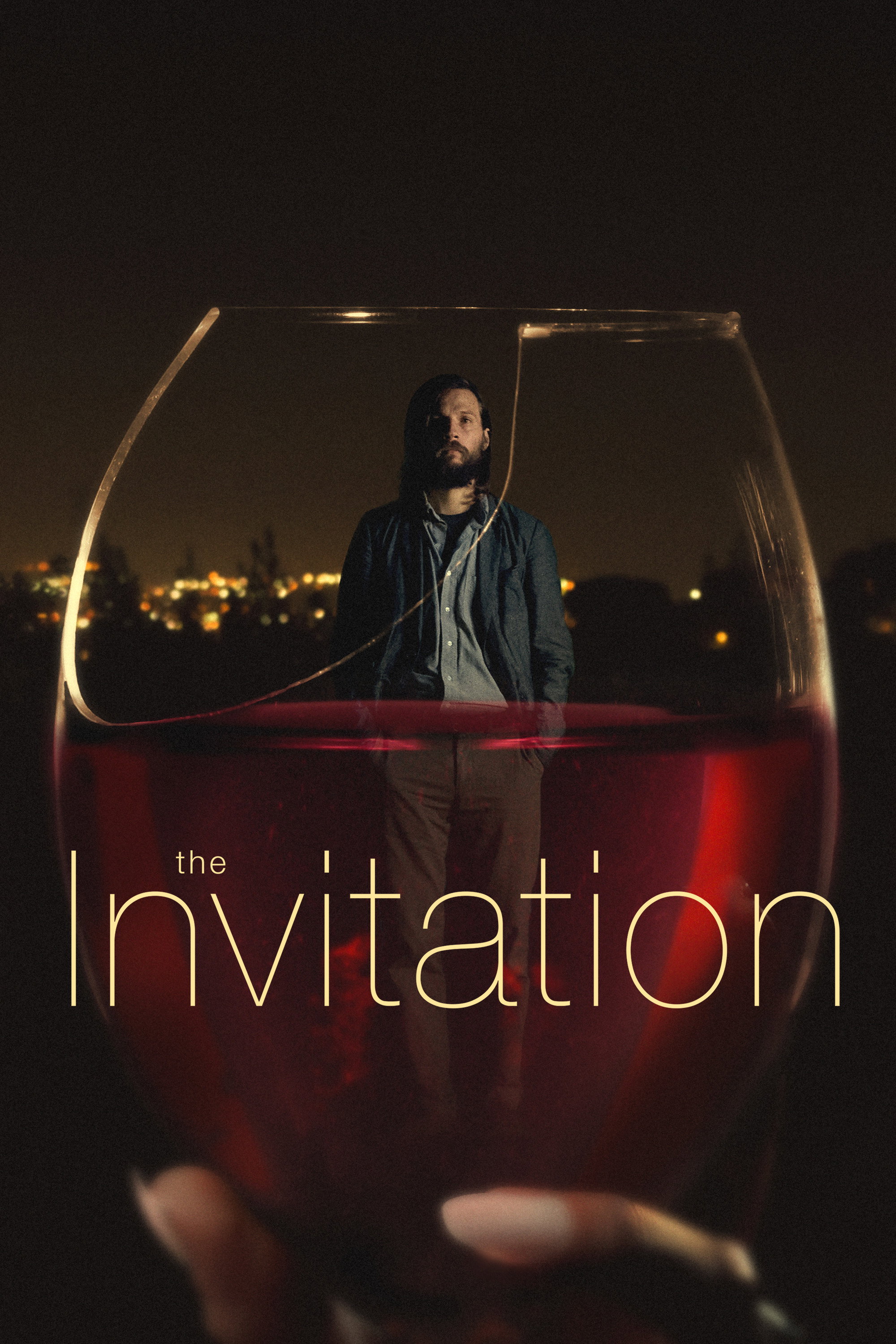
The Invitation poster

The Invitation

2015 · A social gathering turns strained politeness into a reason to stay afraid.

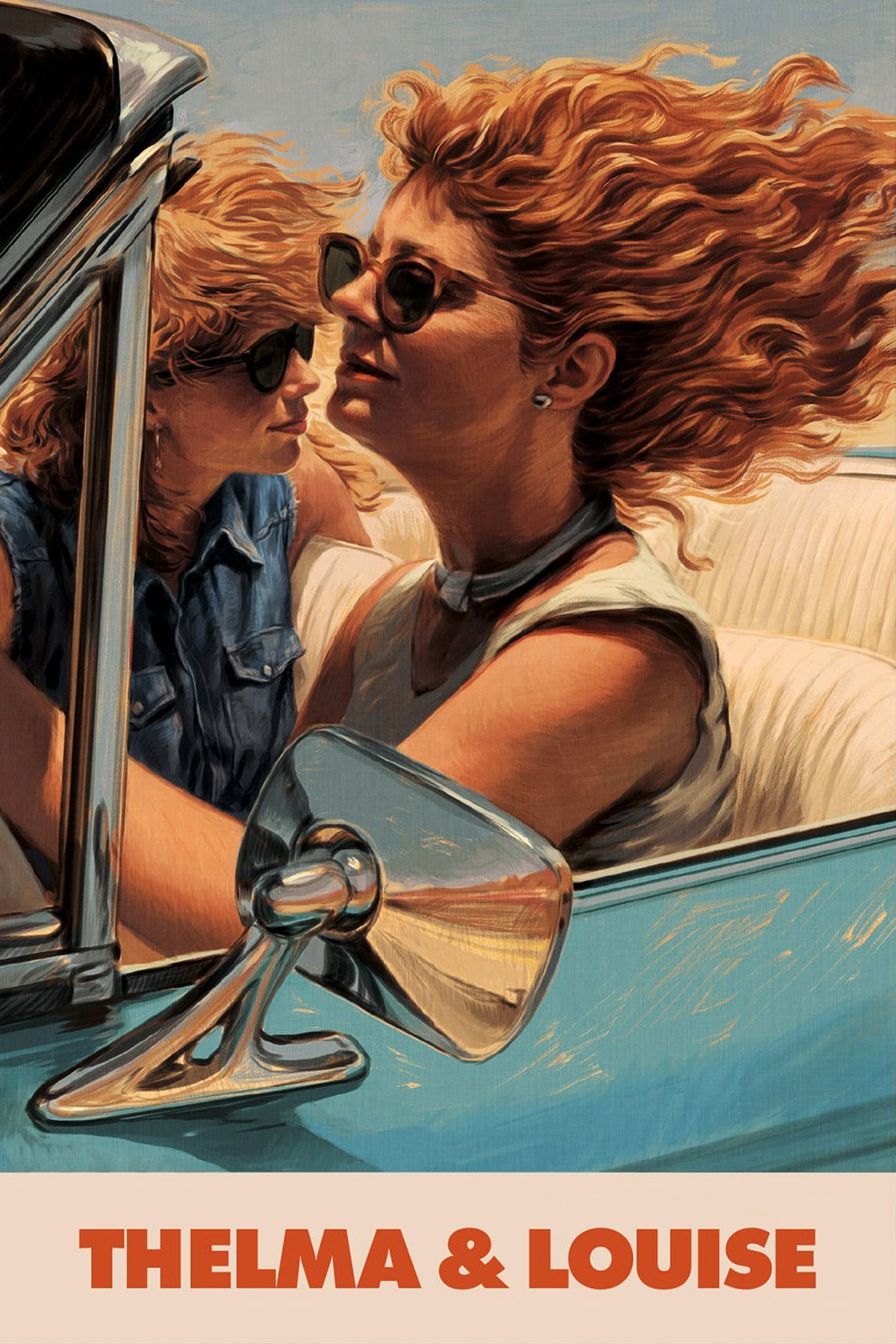
Thelma poster85

Thelma

2017 · Desire, repression and supernatural dread converge around another young woman in distress.