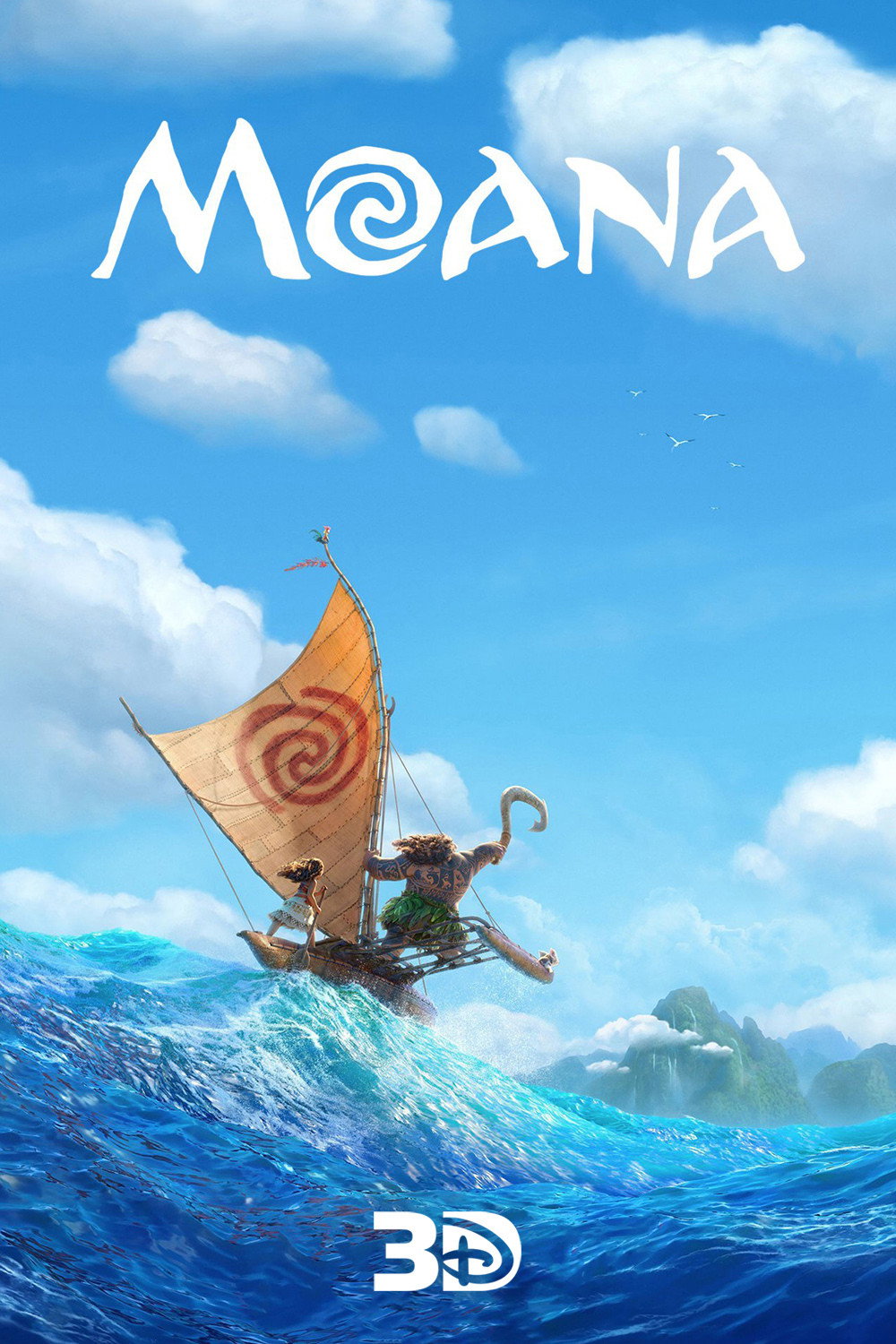
An engaging heroine, lively songs and unusually expressive water make Moana an easy family recommendation. The story follows a familiar pattern, but the voices and the affection between generations keep it from feeling dutiful.
Moana is a warm, funny adventure with a heroine worth following, even when the route feels familiar. Directors Ron Clements and John Musker put a young woman’s growth as a leader at the centre of a musical built around family, the sea and the difficulty of deciding for herself. That is a sound starting point for a family film. It gives the songs something to express and the comedy something to interrupt. The weakness is that the story reaches for familiar lessons more often than it finds an unexpected complication.
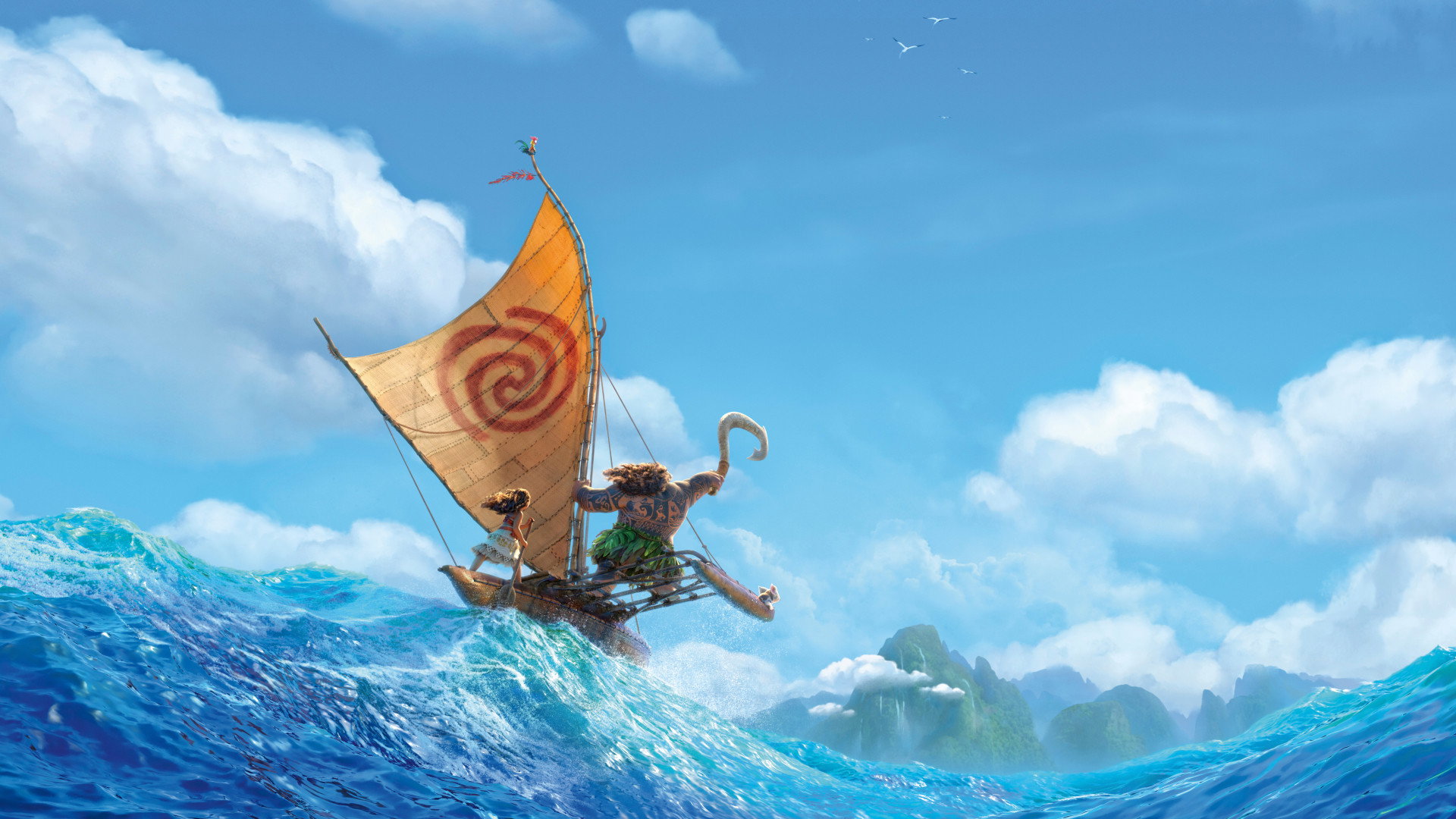
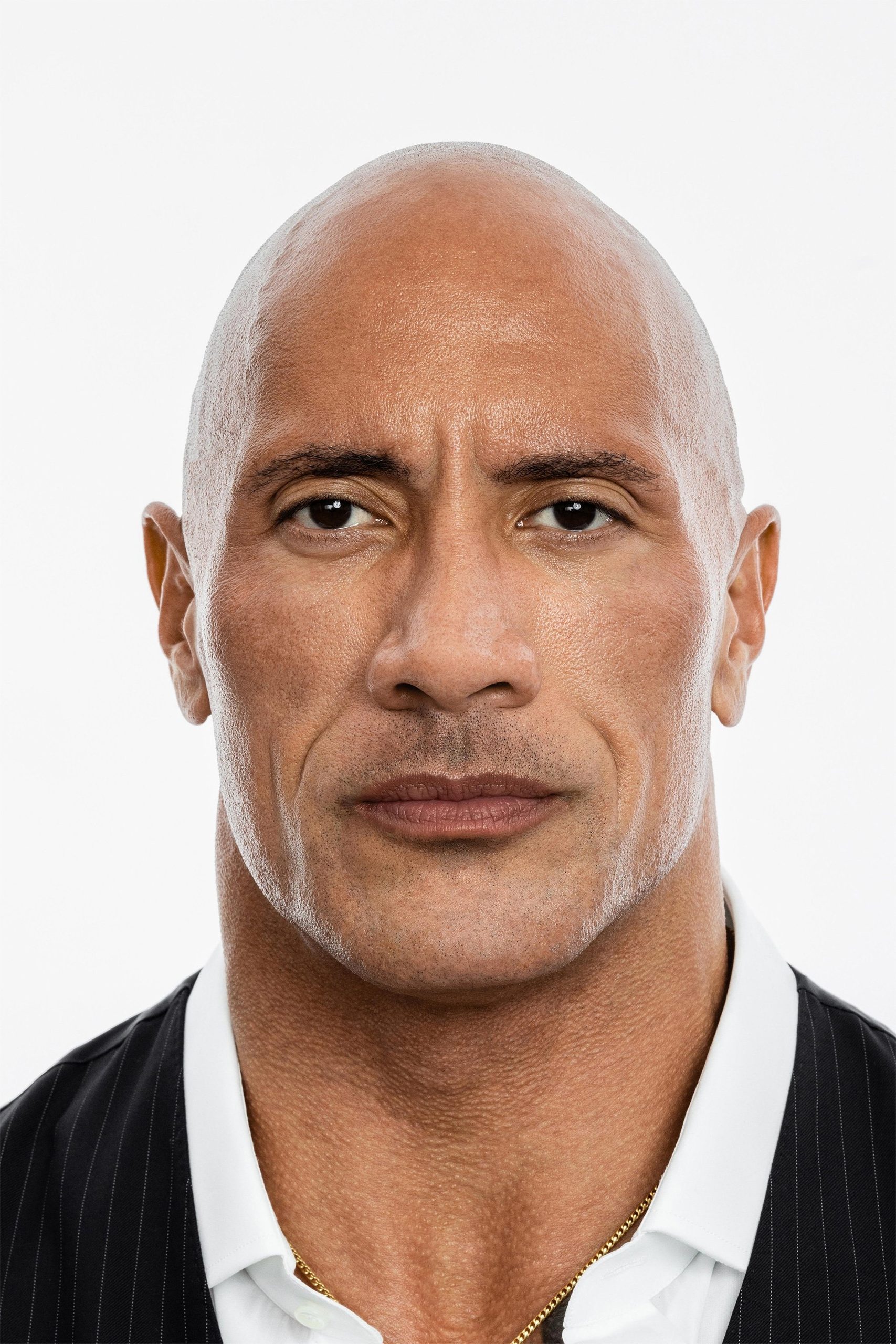
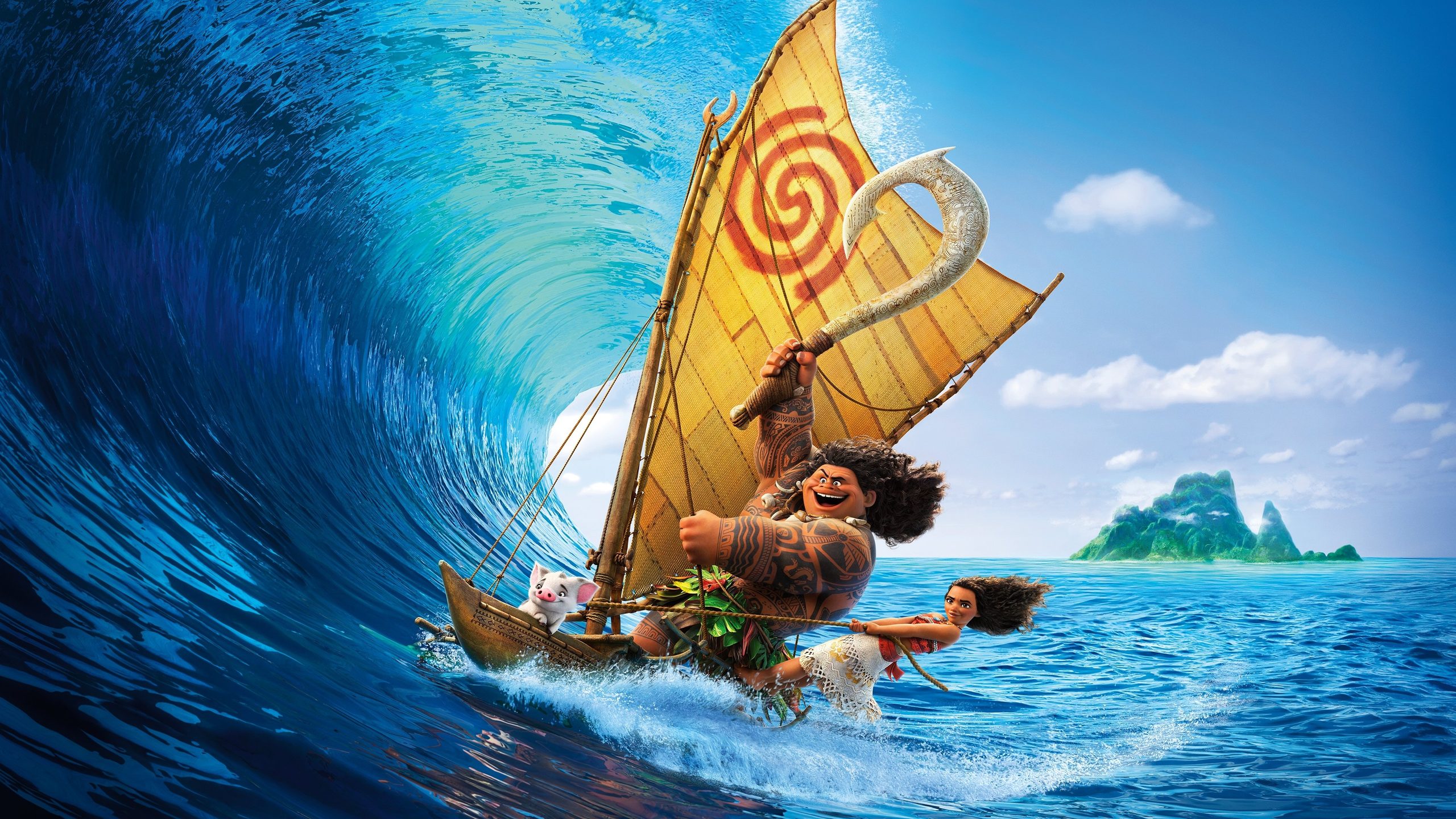
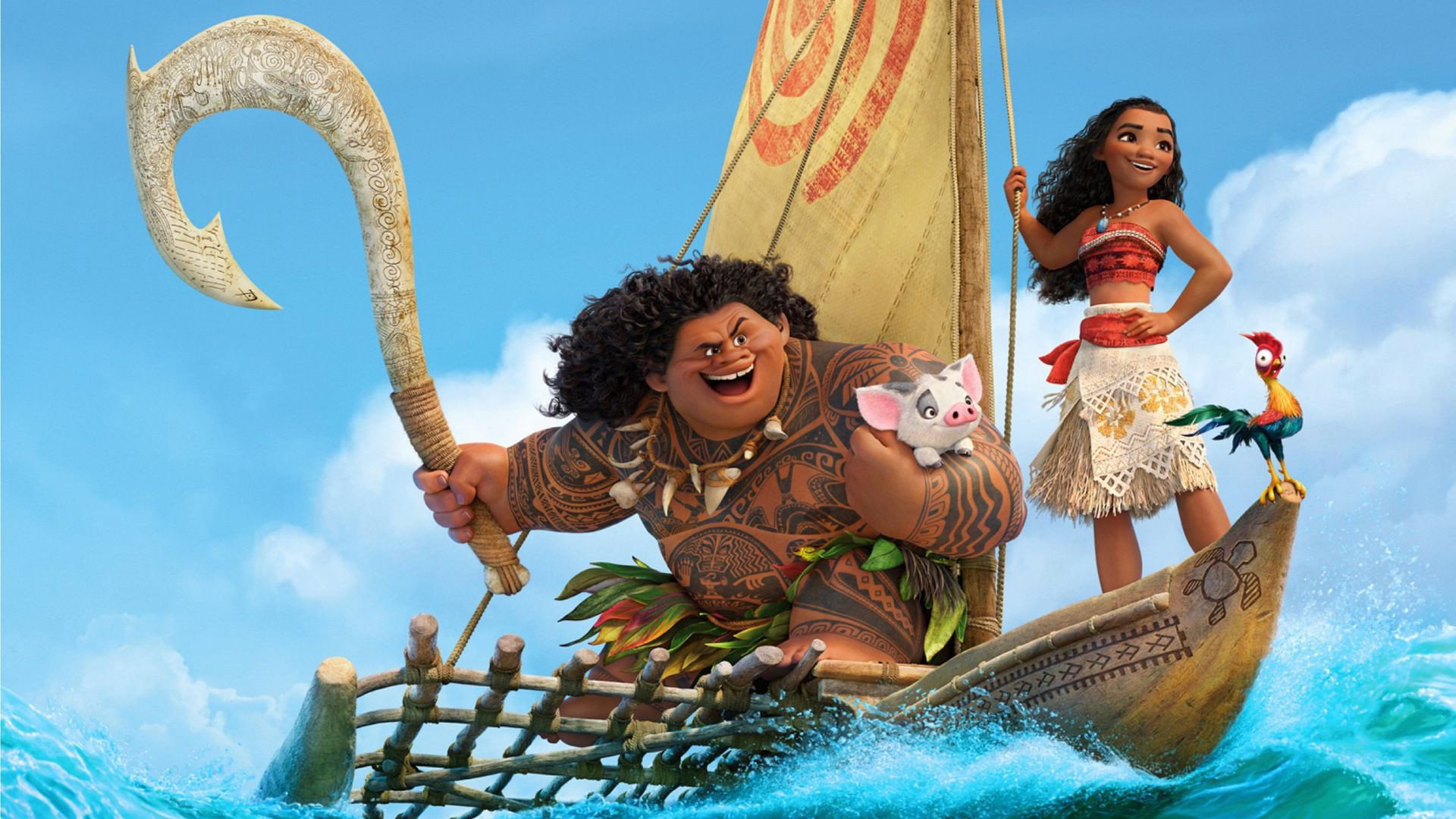
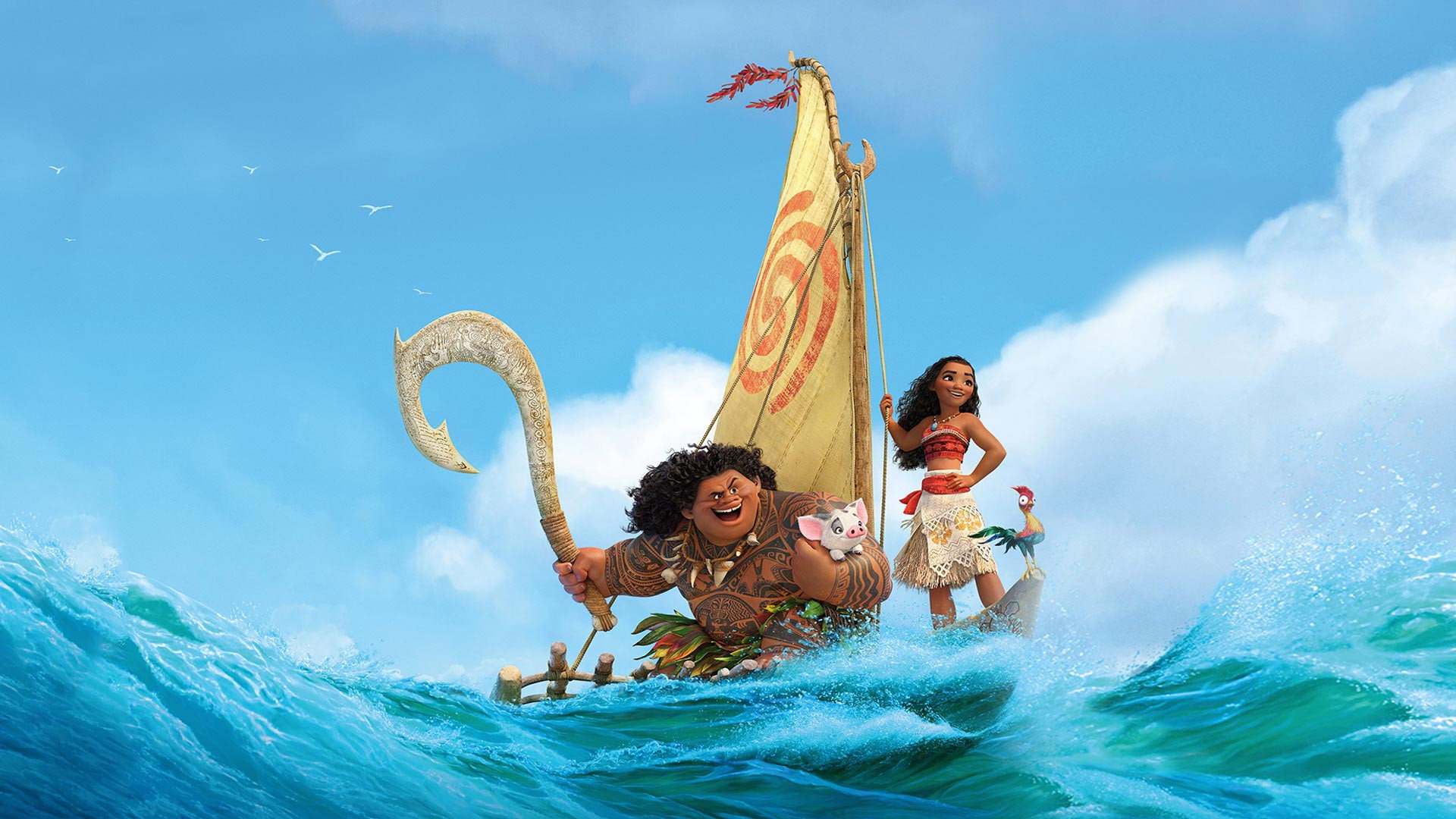
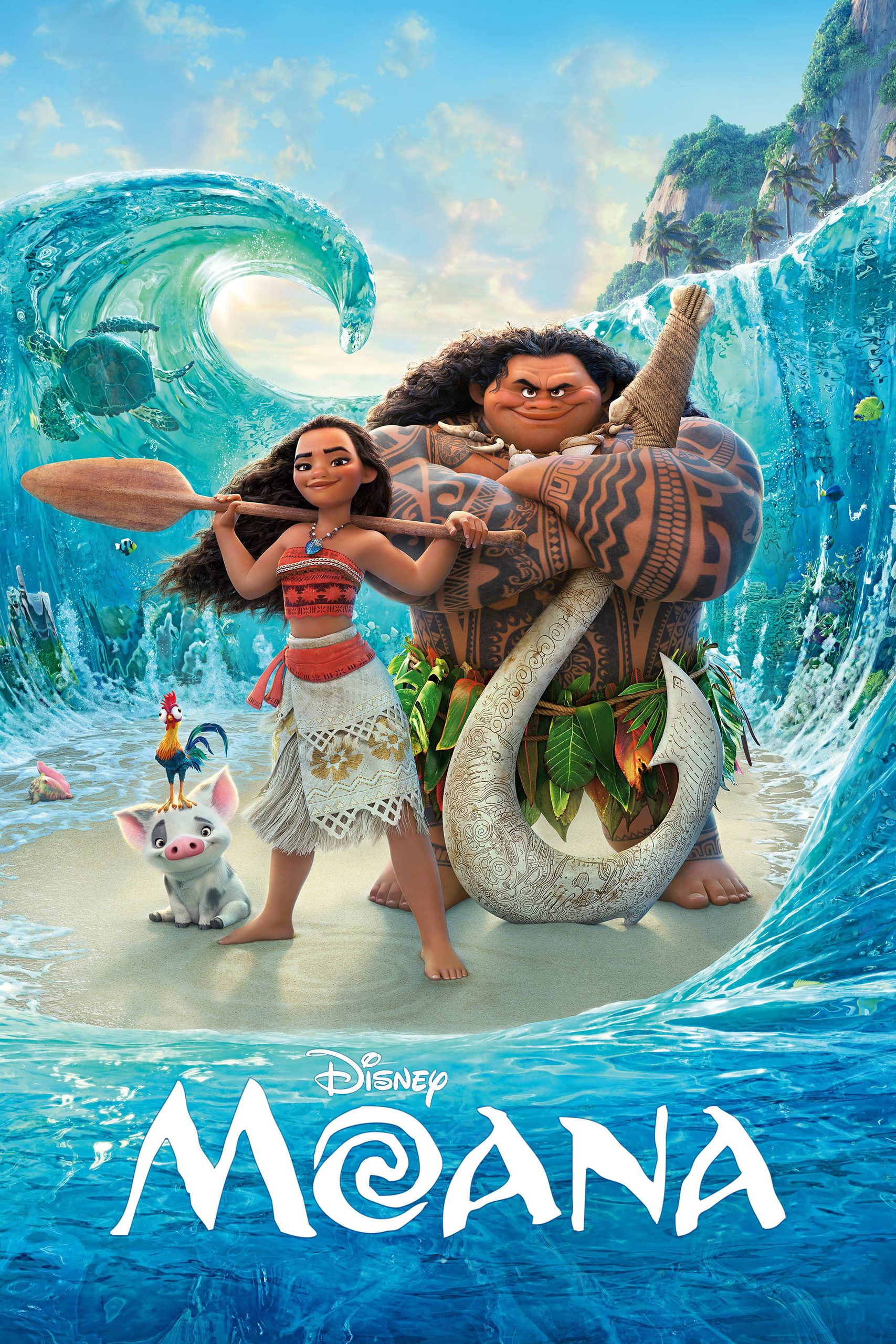
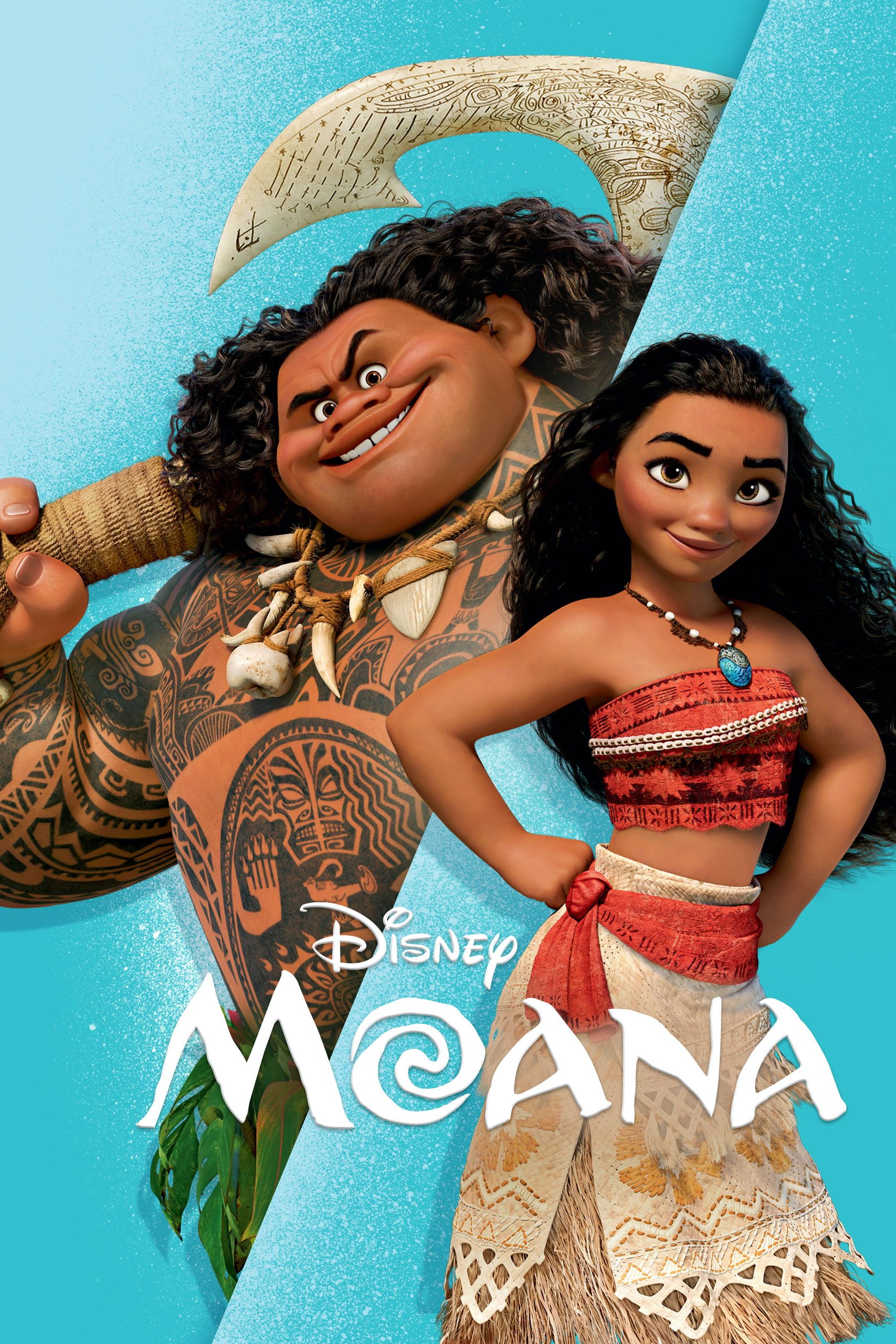
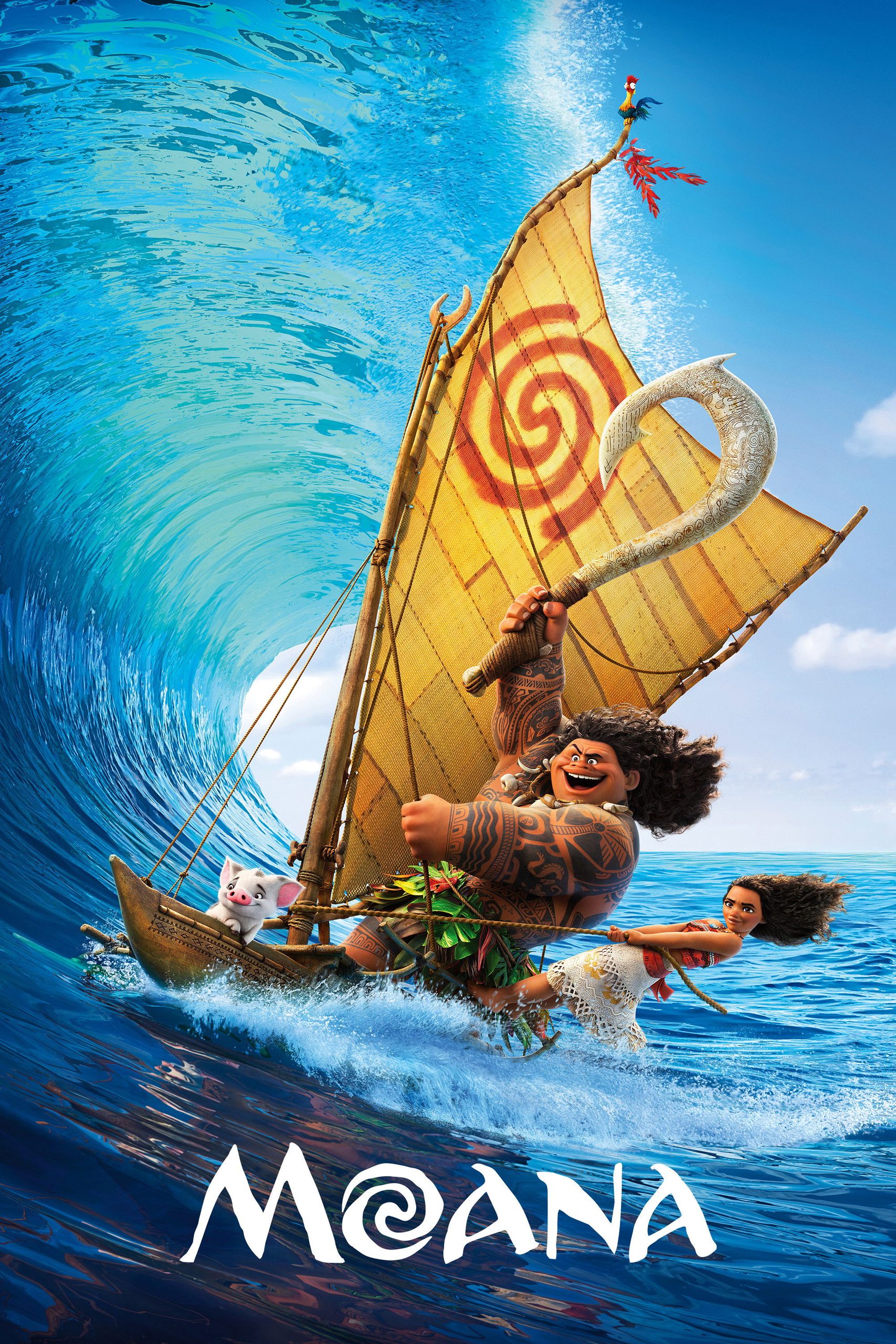
Auliʻi Cravalho voices Moana with enough assurance to hold her place beside Dwayne Johnson’s Maui. The difference in their scale and temperament makes the partnership funny: his tattoos and self-importance make him hard to ignore, but she has other things to do besides admire him. The bickering gives both performances room to be playful without making Moana seem smaller. She sounds young, determined and capable of answering back, rather than permanently equipped with the right answer.
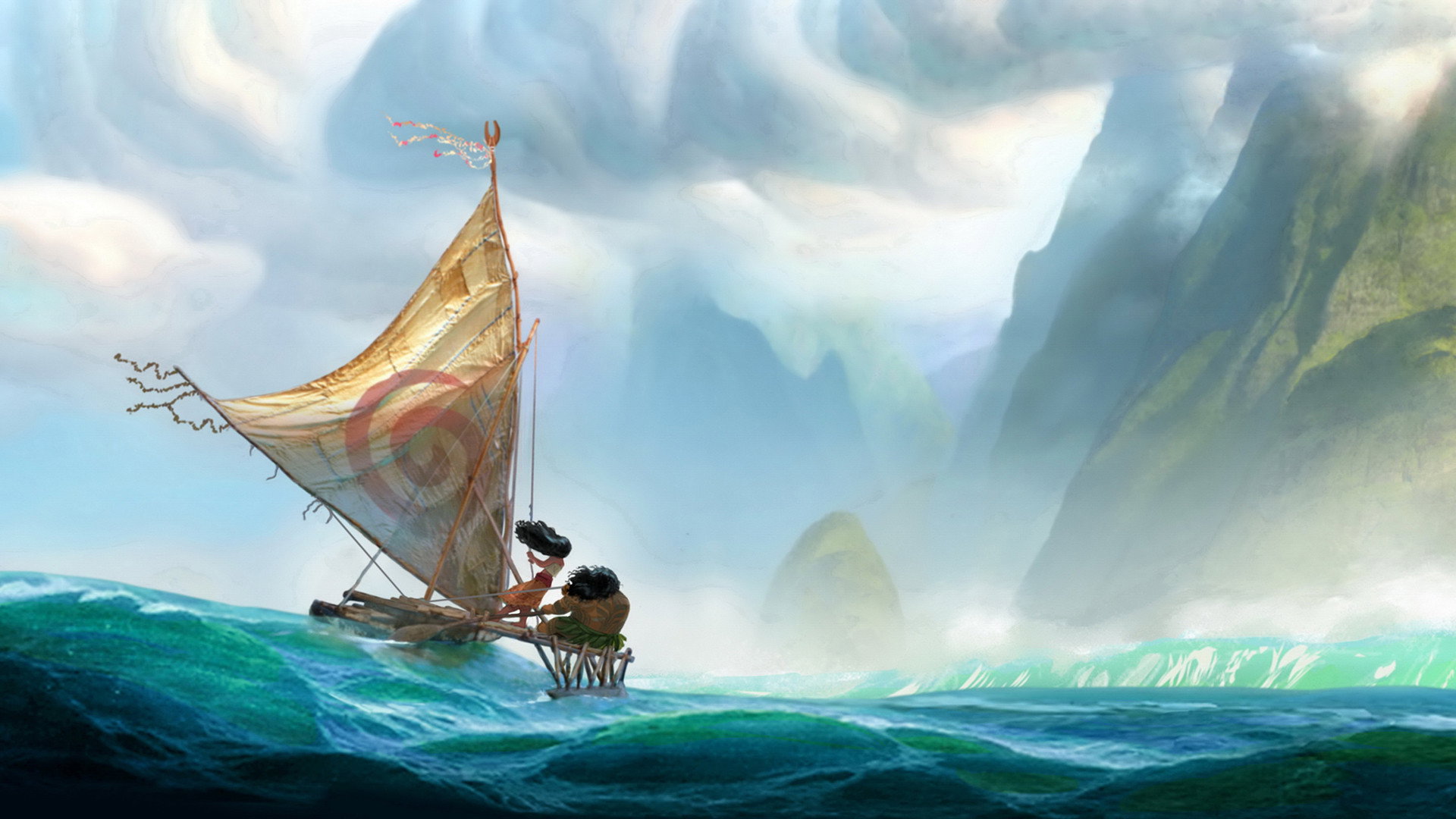
Ian Gooding’s production design benefits from the use of Polynesian art in the film’s shapes and character designs. Those details prevent the setting from becoming an interchangeable tropical backdrop, though they cannot make the plot less predictable. The water animation is especially effective because the sea has to be both an expanse to cross and a helpful presence. It stays fluid and substantial even when behaving like a companion. Giving it a personality could have been unbearably cute; the movement keeps the idea funny.
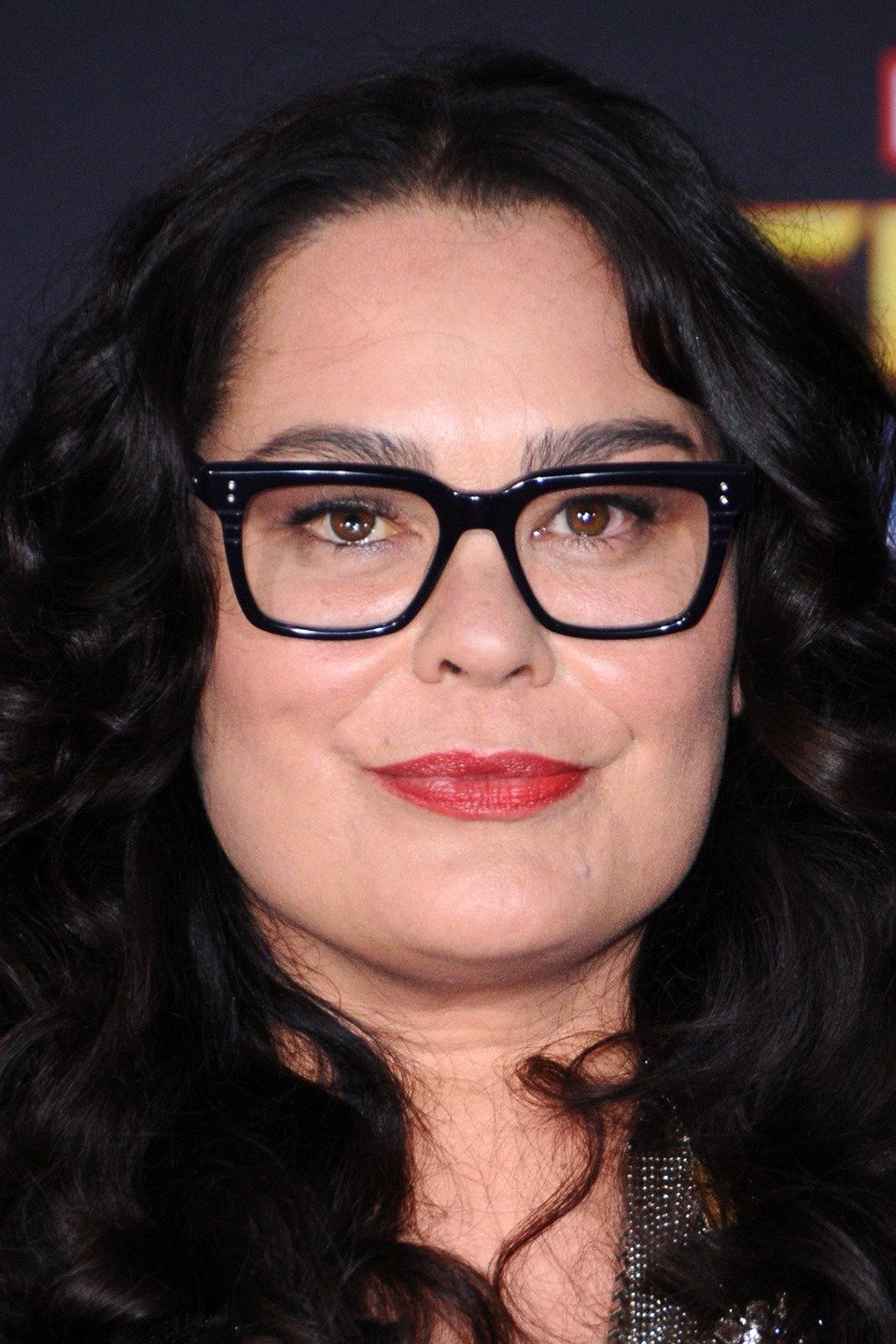
The relationship with Gramma Tala gives Moana’s independence a welcome family context. Rachel House brings warmth and a little mischief to the voice, so that this older woman registers as a person rather than someone included to deliver advice. We were moved by their bond because the affection in these exchanges makes Moana’s future matter beyond the demands of an adventure plot. These quieter passages give us time to care about what she wants before the film gets busy again.
Mark Mancina’s music supports the scale of the adventure without flattening the lighter passages. The songs are catchy, but their more useful quality is that they make a character’s wants easy to grasp; a tune can carry this material more lightly than another explanation. Jeff Draheim’s editing keeps the bickering and action moving while allowing the musical numbers to establish their own pace. The film rarely feels hurried. At 107 minutes, it gives its performers time to be funny without turning every exchange into an extended comedy routine.
The limitation is Jared Bush’s screenplay, which is more individual in its conversations than in the broad shape of its story. The question of whether Moana can become the person she wants to be seldom feels open, and the familiar father-daughter friction is less interesting than her exchanges with Maui. Some of the childish jokes also arrive after the scene has already made us smile. None of this breaks the film, but it stops the adventure feeling as fresh as its setting. The voices and music do much of the work whenever the writing settles for the expected.
Against the family musical’s usual habits, the attention paid to Moana as a leader is a worthwhile change. She shares the screen with a louder character without becoming his audience, and the film takes her responsibilities seriously without becoming solemn. There is enough good humour here for adults, and enough purpose to make the adventure matter to children. Give the songs decent speakers, and forgive the occasional joke aimed at the youngest person on the sofa.