Terry Jones and Terry Gilliam’s Arthurian comedy is persistently funny and more carefully made than its horse substitutes suggest. A few sketches outstay their welcome, but the cast’s straight faces make the nonsense worth taking seriously.
Monty Python and the Holy Grail is a richly funny attack on the seriousness of Arthurian adventure, with a few sketches that should have stopped sooner. Directors Terry Jones and Terry Gilliam understand that a king who expects respect is useful company for comedians determined not to give him any. Their film finds room for jokes about bravery, religious belief and the business of making a medieval film at all. It also gives Graham Chapman the sensible task of playing King Arthur as though there might still be some dignity in the job.
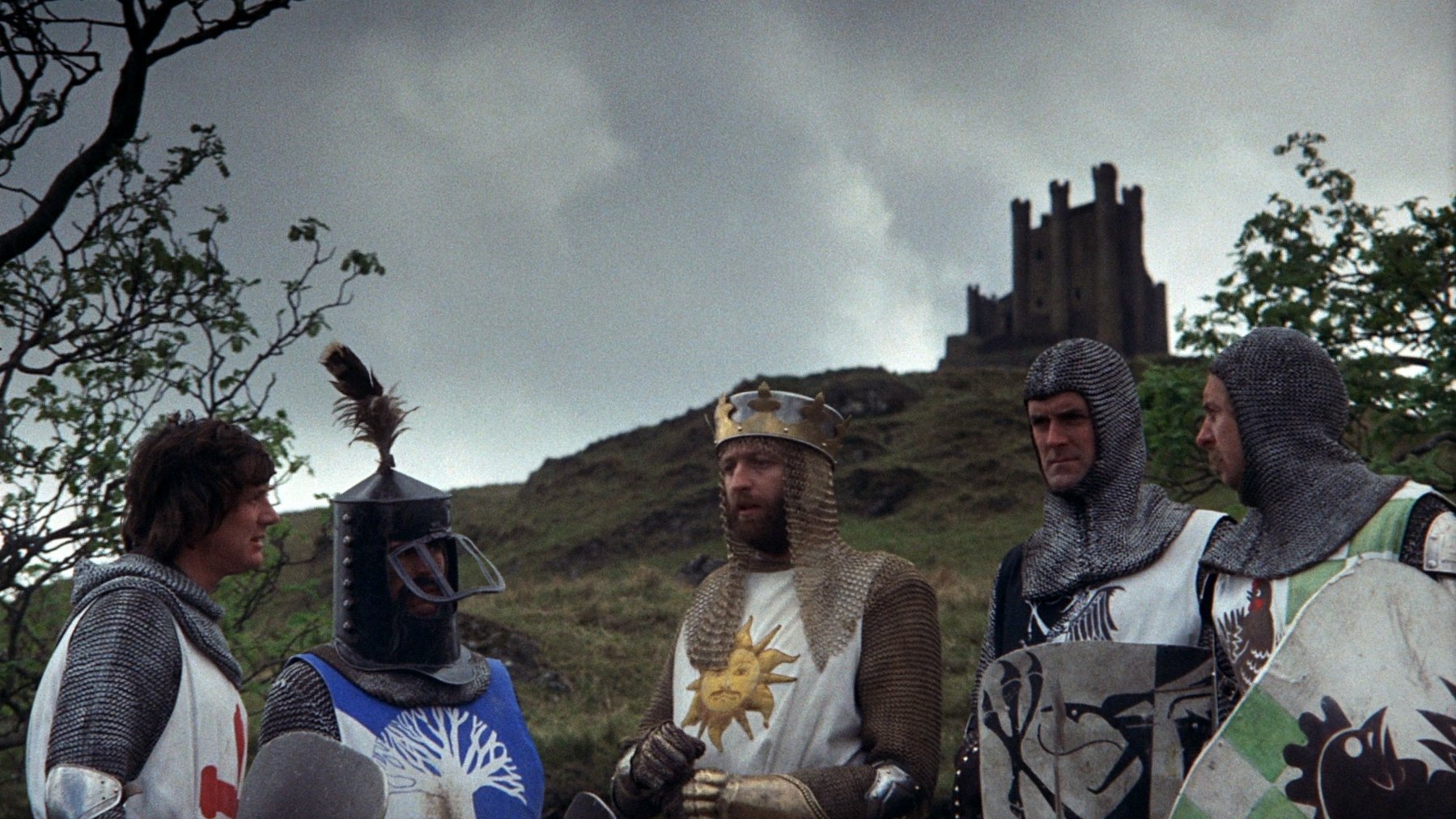
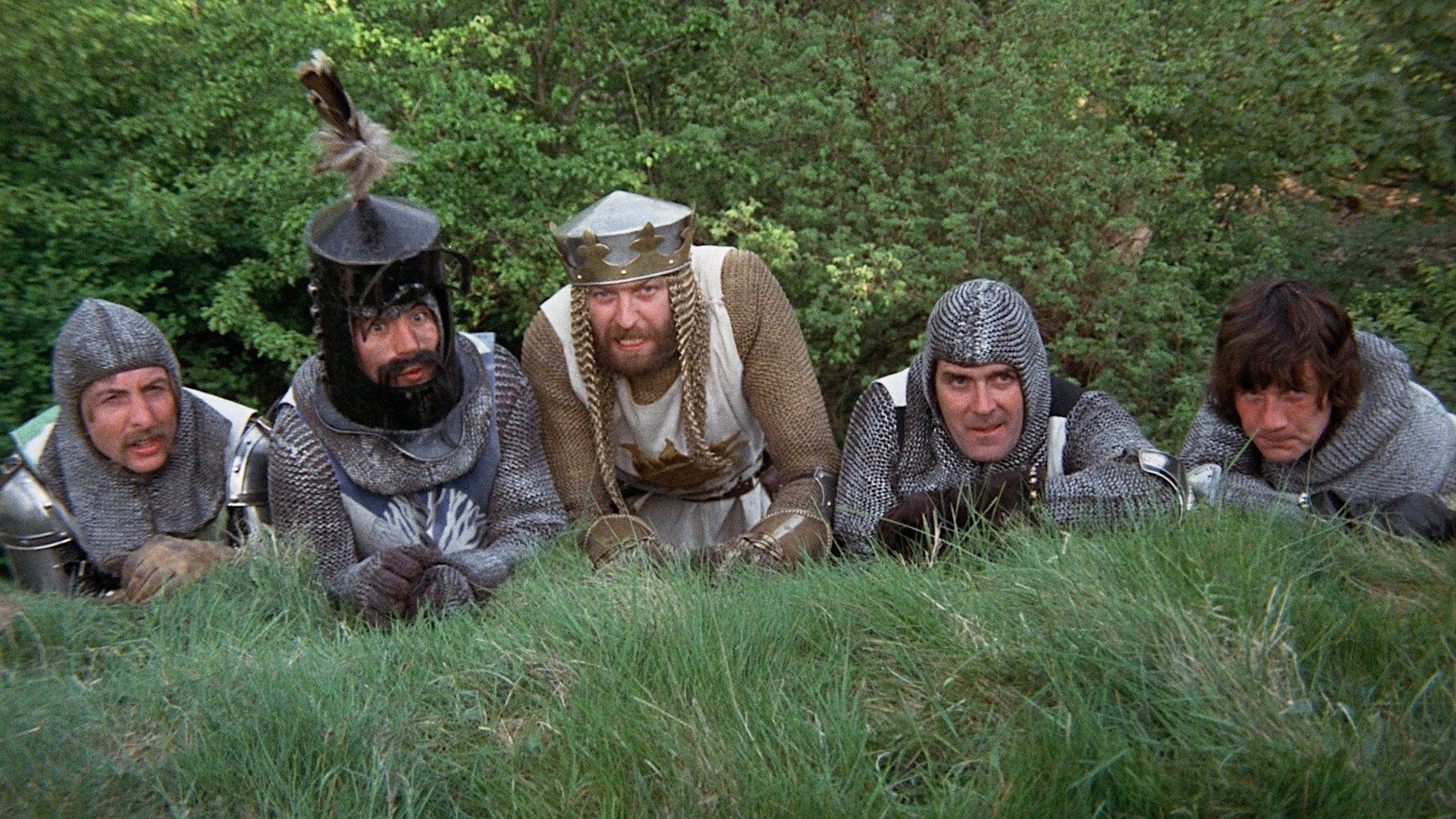
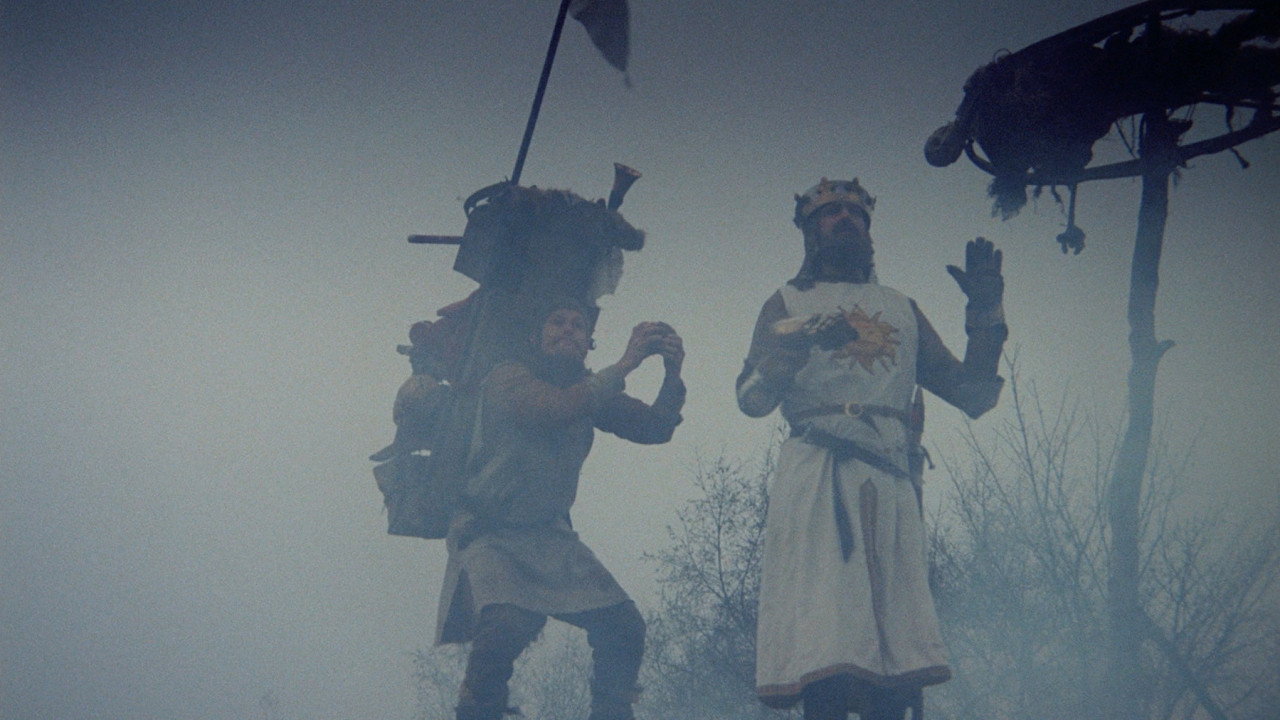
Chapman is the reason the silliness does not become exhausting. His earnest Arthur gives the others someone solid to work against, and the performance keeps asking us to recognise a king even when the film will not supply a horse. We laughed at the coconut shells because the pretence is so bare and the royal seriousness remains intact. The joke would be thinner if Chapman seemed pleased with it; by not advertising the comedy, he lets an absurd piece of business become ordinary transport.
Terry Bedford’s cinematography gives the landscapes a scale that would suit an adventure played straight. Roy Forge Smith’s production design keeps the medieval surroundings credible even when the means of getting about are plainly ridiculous. The visual care matters because the coconut shells are funnier against a convincing setting. Making every image look foolish would leave the performers with less to do, and the countryside is allowed to remain impressive without being made into another gag.
The witch trial shows how well the group can organise its foolishness. With Connie Booth as the accused and Jones as Sir Bedevere, the scene makes a public display of people treating bad reasoning as a sufficient reason to punish someone. We found it funny and unpleasant for the same reason: the certainty of the people conducting it. The satire works because the scene lets their reasoning expose them, rather than pausing to offer a sensible explanation of why they are wrong.
John Hackney’s editing is especially important in a film assembled from loosely connected set pieces. The pauses and abrupt changes are part of the comedy, and much of the pleasure comes from being denied the continuation a scene appears to promise. Gilliam’s animation extends that freedom, allowing another kind of visual nonsense to interrupt the actors. These interruptions are funny in their own right, though we sometimes wished the live-action sketches had been cut with the same impatience.
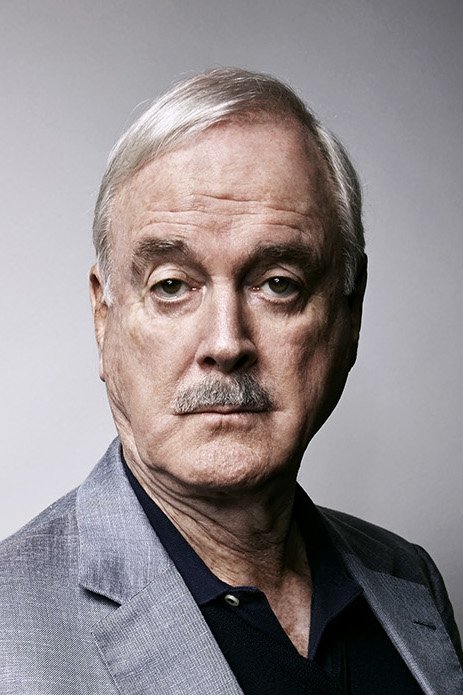
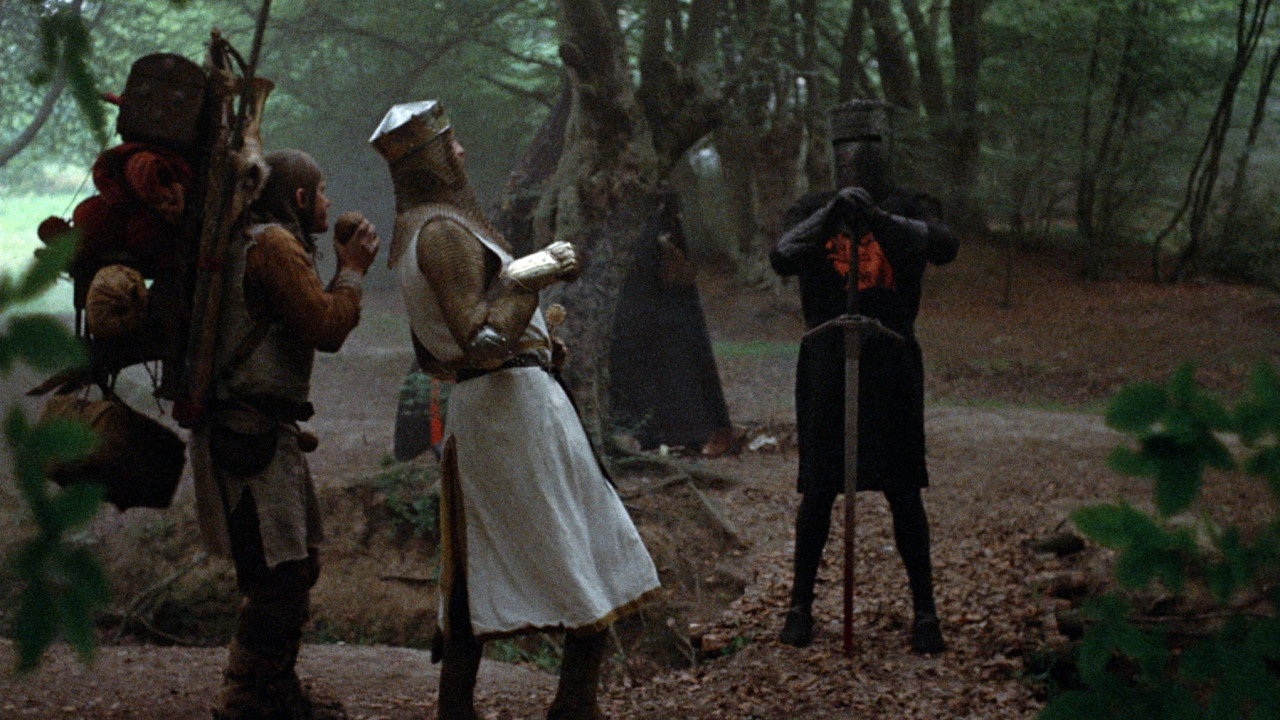
Not every exchange deserves the time it gets, and some of the talkier passages make the next interruption feel overdue. Jones and Gilliam occasionally seem too fond of a joke to notice that it has already worked. John Cleese’s Black Knight makes stubbornness amusing, but the gruesome fighting asks for an appetite for repetition that we do not always share. At 91 minutes, the film can afford these irritations without becoming a chore.
The film gets further with Chapman’s affronted dignity than many adventure spoofs get with a succession of familiar scenes and altered names. He gives the jokes someone to inconvenience, which keeps them funny even when the story barely advances. A taste for disconnected sketches helps, and a tolerance for arguments that have long since lost their original subject helps more. Watch it with someone who will let the cast finish the lines.