John Ford’s Western is patient and moving, with Henry Fonda making courtship worth our close attention. Some supporting characters deserve more room, but its care for people learning to live together makes it warmly recommended.
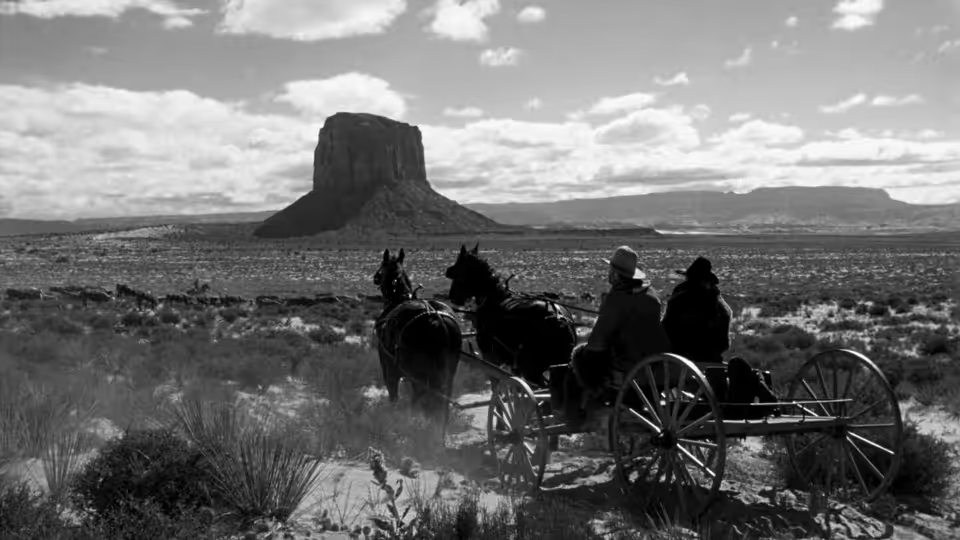
John Ford’s My Darling Clementine is a patient, moving Western that gives ordinary social behaviour the attention a genre audience might expect from a confrontation. Its frontier community becomes interesting because we see people trying to make a life together. At 97 minutes, it has room for hesitations, embarrassment and affection. We recommend it warmly, with a reservation about how much less room some of the supporting characters get.
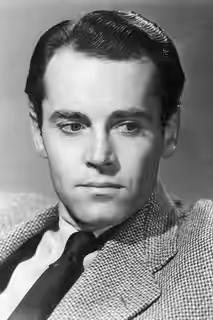
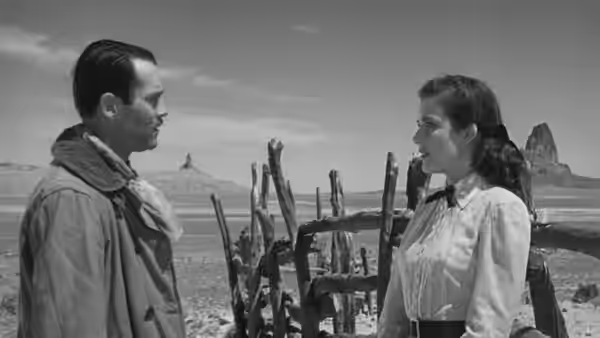
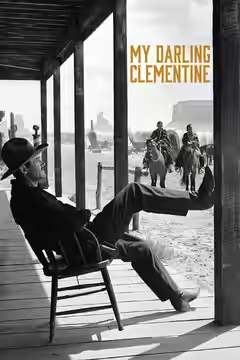
Henry Fonda’s Wyatt Earp is the chief reason that patience remains pleasurable. His sincerity could easily look stiff in a story so conscious of its own importance, yet there is a welcome awkwardness in the courtship. He makes Earp seem capable of handling other people and less certain what to do with his own feelings. That uncertainty gives the romance more life than a series of declarations would have done.
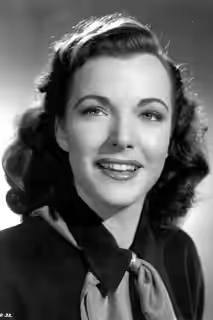
The dance in the unfinished church gives that uncertainty somewhere to go. Cathy Downs plays Clementine Carter with a directness that keeps the courtship from turning coy, while Joseph MacDonald’s cinematography lets us register the pair within the gathering. We were moved by Earp’s awkwardness here, because his effort to take part makes the affection seem hard won. The unfinished building is an effective piece of production design, making clear how much the community still has to build. Ford gives the occasion time to matter.
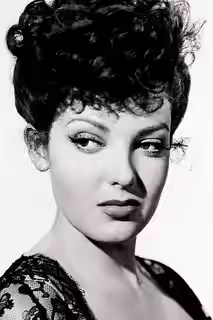
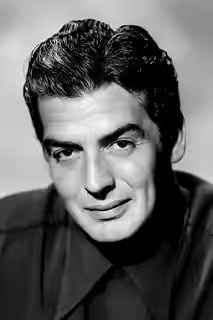
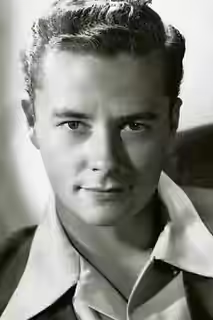
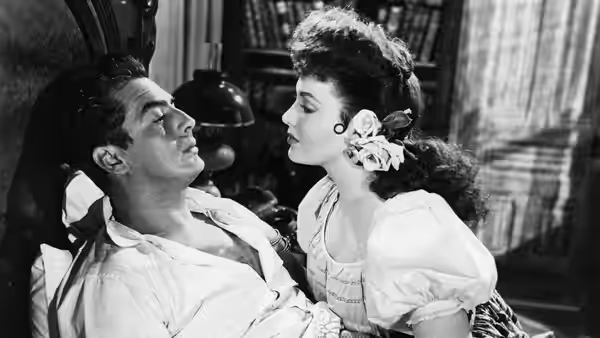
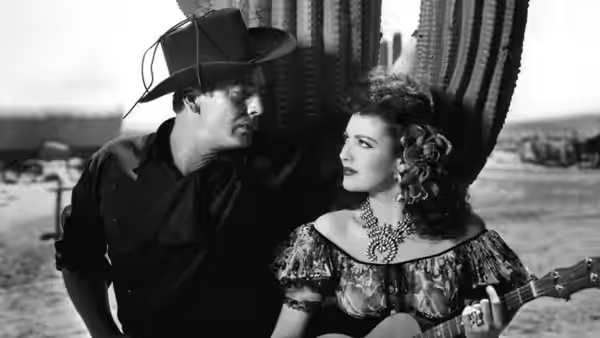
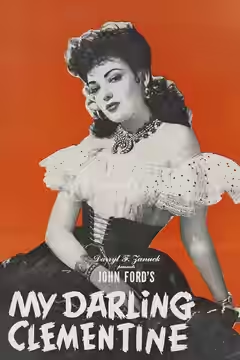
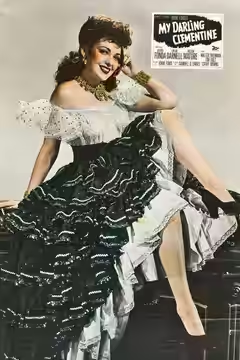
Victor Mature gives Dr. John ‘Doc’ Holliday a discomfort that usefully unsettles Fonda’s steadiness. His presence keeps the film’s warmth from becoming too comfortable, and the friction between the performances makes their shared scenes worth watching. Linda Darnell brings a welcome force to Chihuahua, although the writing gives her less space to be complicated. Both she and Downs can feel limited by what their characters are required to mean to the men.
Dorothy Spencer’s editing is important to the film’s ease. She leaves space for an exchange to settle, so we have time to consider behaviour that a more impatient Western might hurry past. Cyril J. Mockridge’s music helps sustain the tenderness, though the performances seldom need much help in that department. There are stretches when the pace feels overindulged, but the pauses usually leave us more interested in the people than we were when the scene began.
Samuel G. Engel and Winston Miller’s screenplay is strongest when a conversation can hold both warmth and irritation. The characters have enough stubbornness to resist being made agreeable simply because the film likes them. Against the Western’s usual rewards of physical confidence and decisive action, this interest in hesitant courtship feels unusually generous. The writing is less satisfying when the supporting characters seem to have been assigned a function and left with little opportunity to surprise us.
The romance alone makes this worth an evening, even if Westerns rarely appeal. There is no need to accept every solemn pause to enjoy the care given to people finding their way towards one another. Watch it when there is time to notice Fonda’s smallest hesitations.