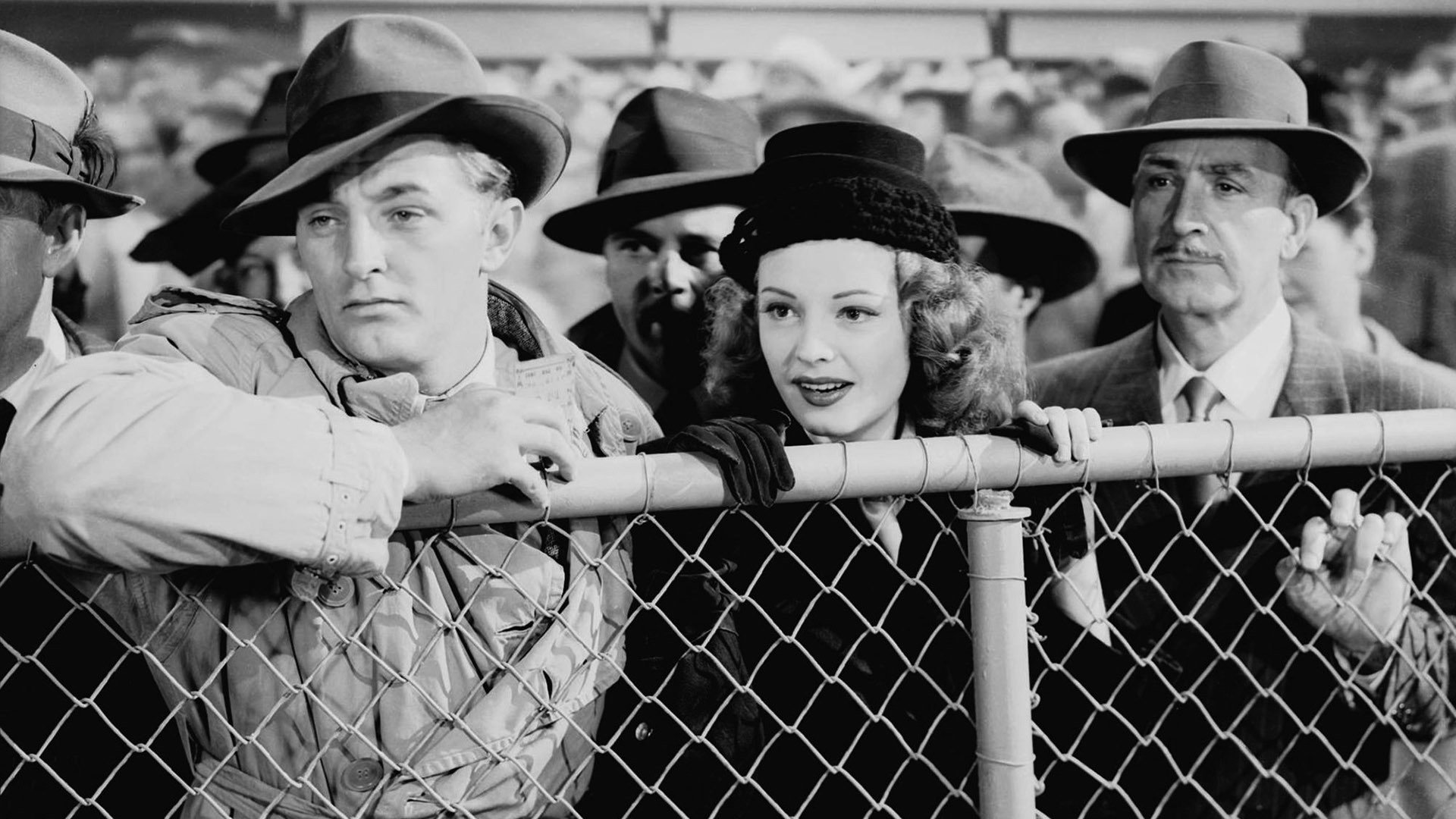
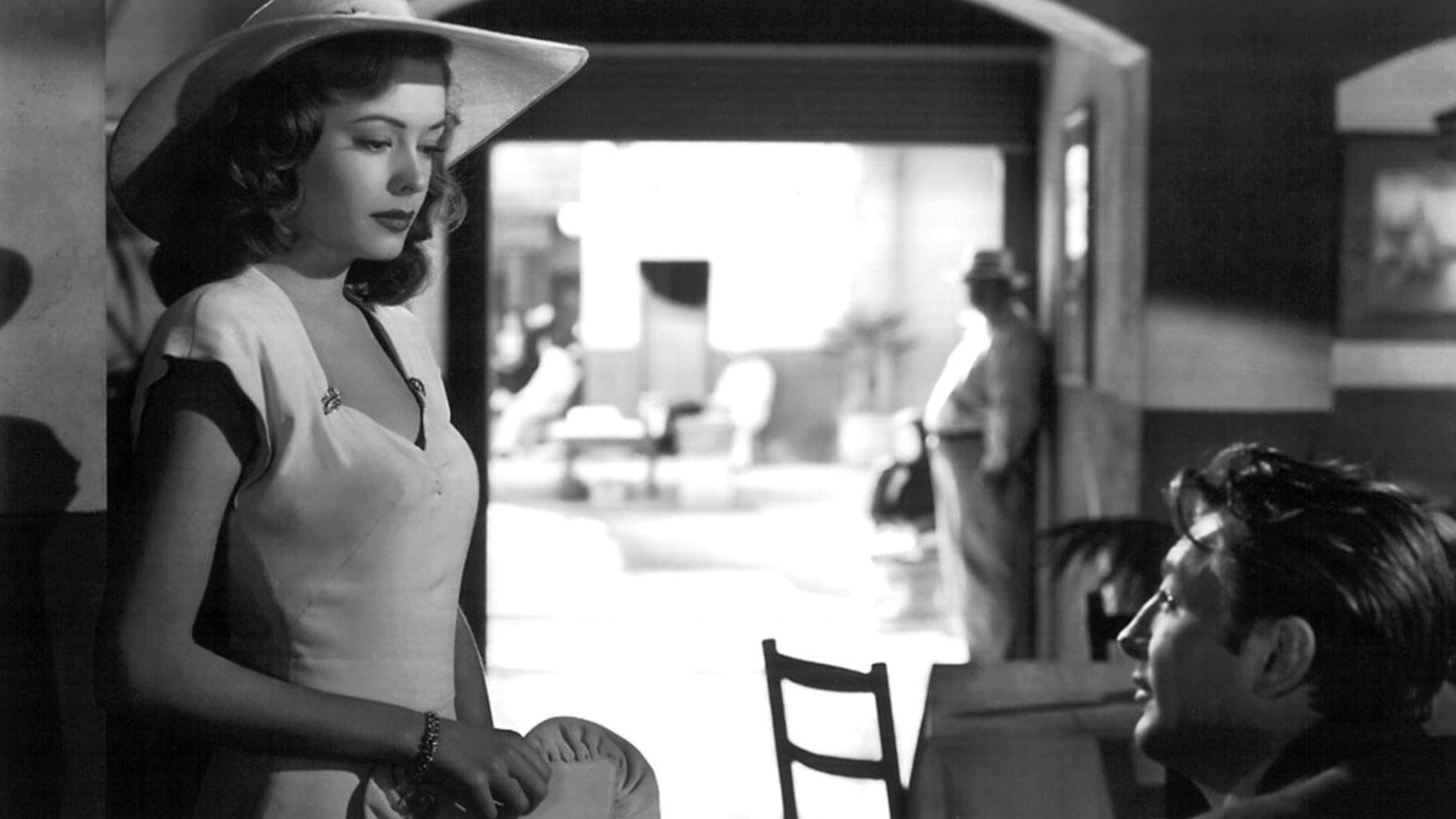
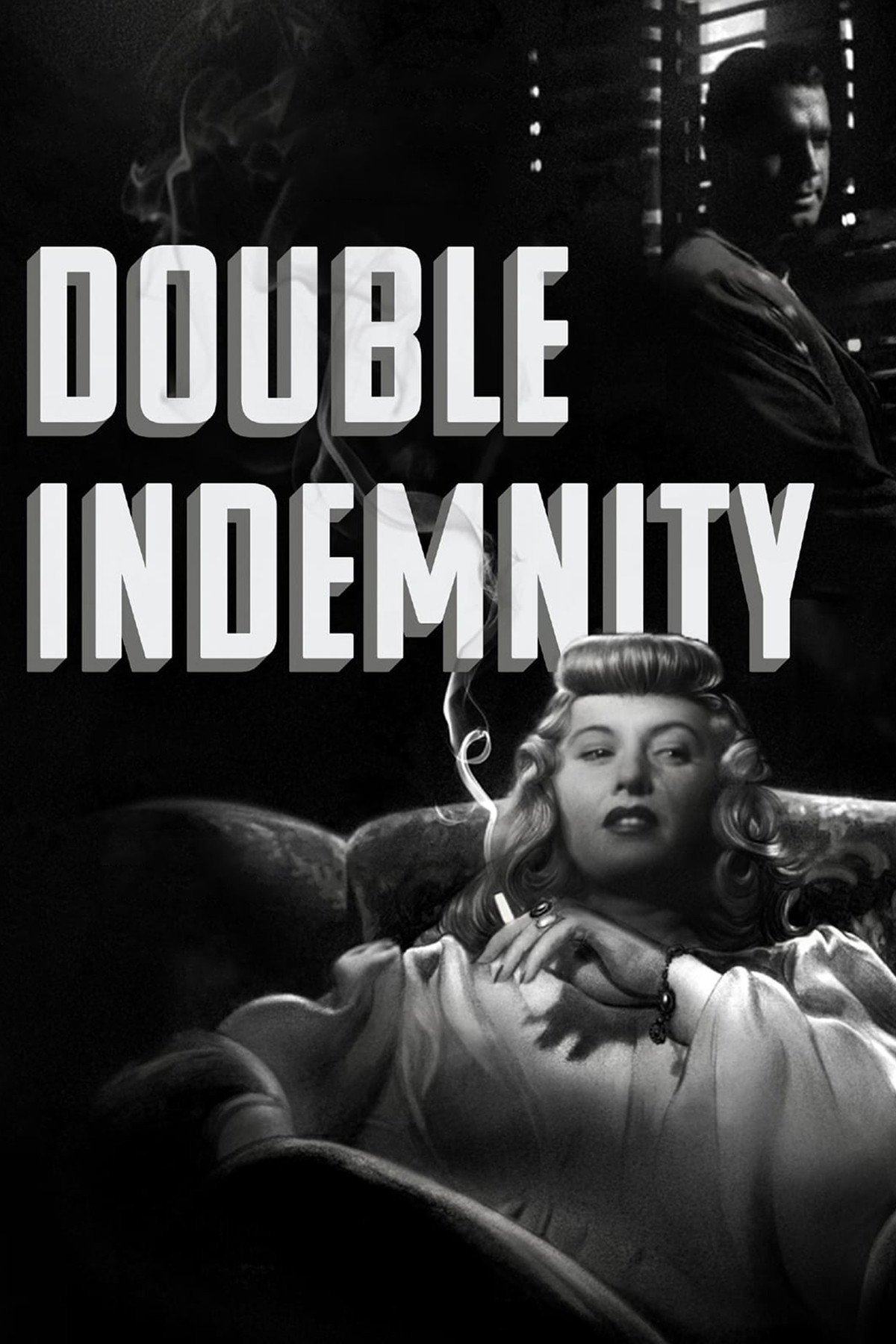
Jacques Tourneur’s excellent crime thriller makes bad judgement painfully understandable, with Robert Mitchum and Jane Greer giving its tangled story people worth caring about. Nicholas Musuraca’s photography supplies much of the unease; keeping track of the plotting takes more effort.
Out of the Past is an excellent crime thriller, with one reservation: its complicated plotting occasionally gets in the actors’ way. Jacques Tourneur is interested in a man who wants to escape his past and may be less willing to change than he admits. The flashbacks give Jeff Bailey time to explain himself, and plenty of opportunity to make excuses. That makes his account absorbing even before we start to question it.
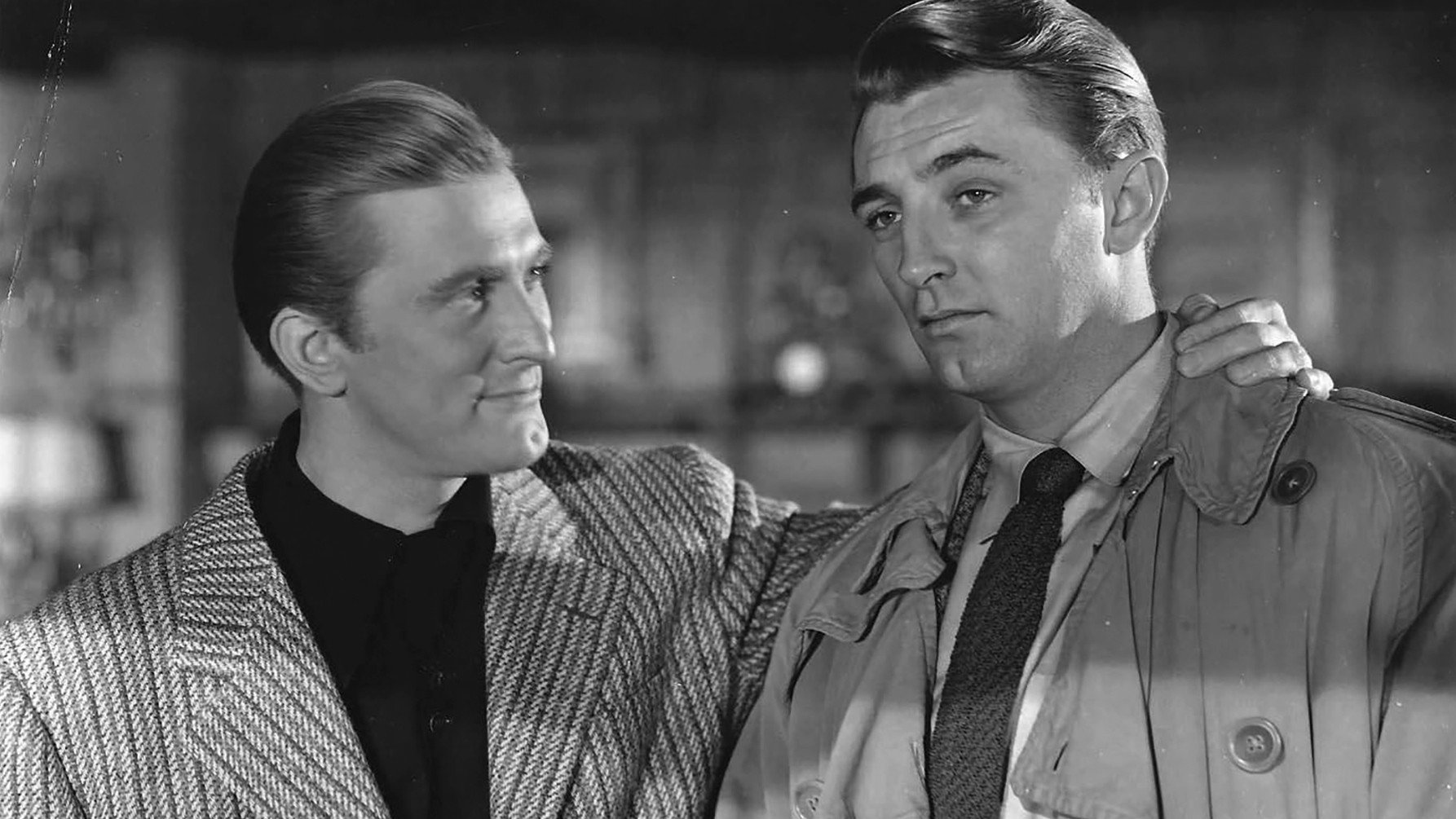
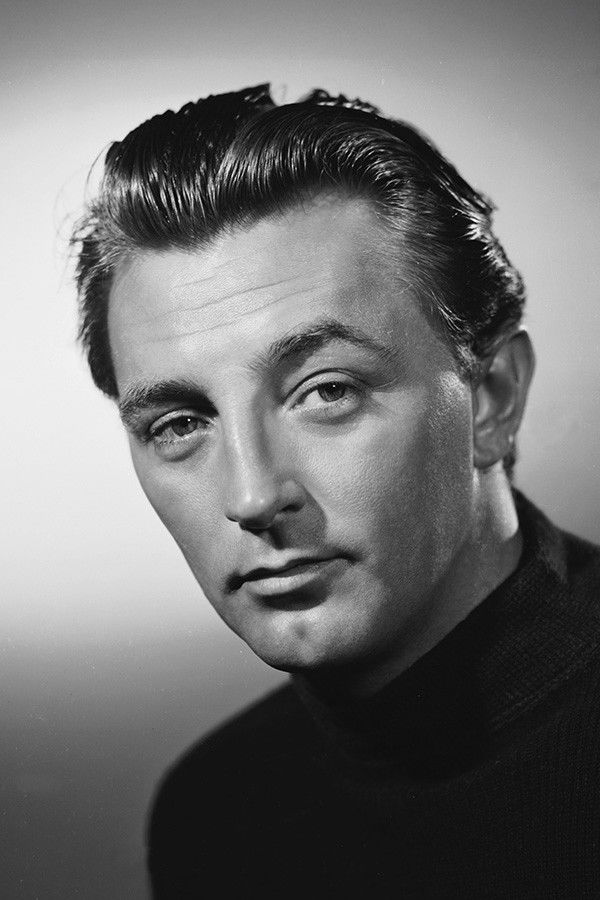
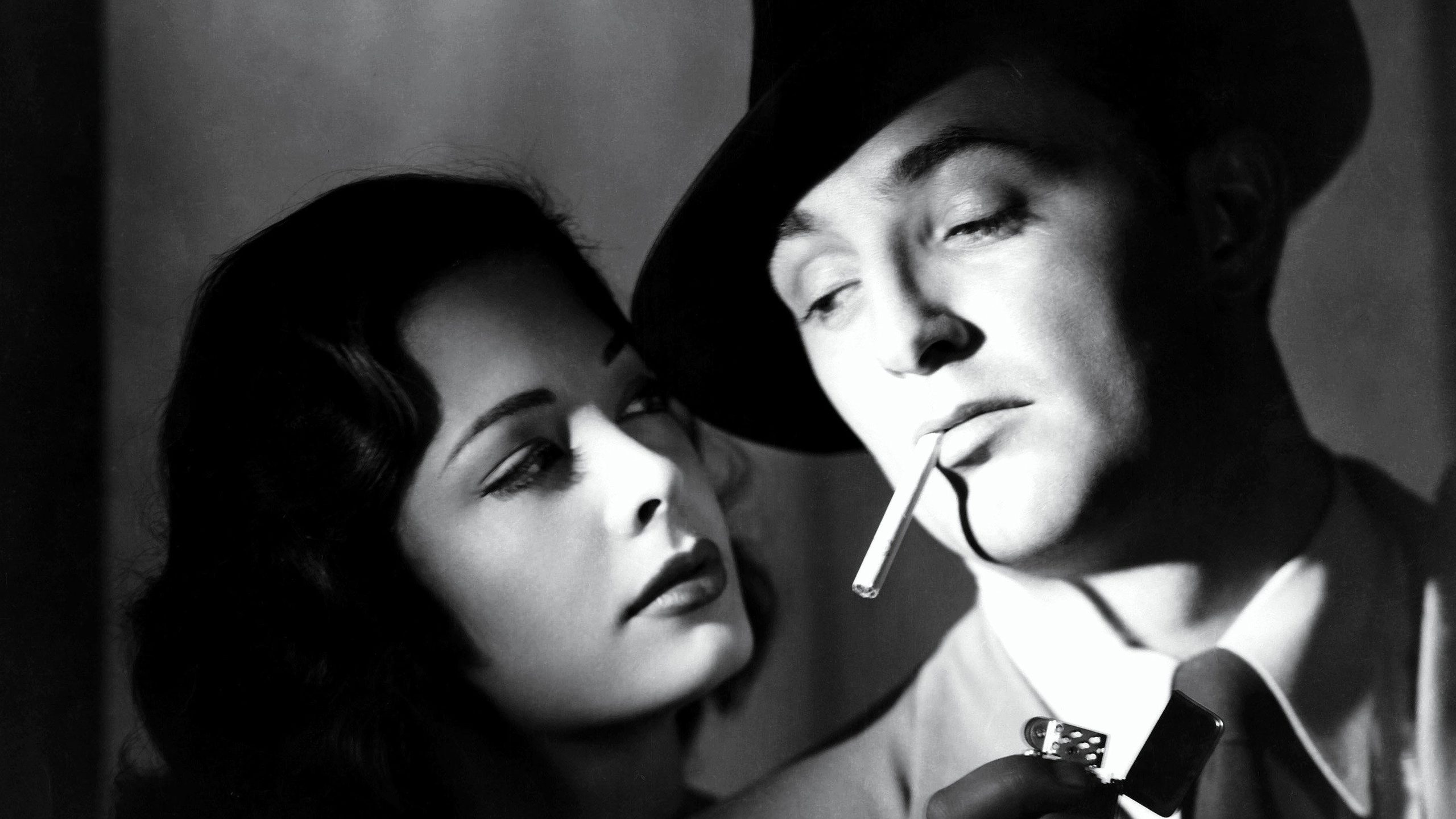
Robert Mitchum gives Jeff a weariness that makes even his cynicism seem like an effort. We felt sorry for him sooner than we expected, because that tiredness makes his longing for another life credible. The sympathy does not require us to accept his version of events. His voice-over draws us close, while the performance suggests a man who has had plenty of practice telling himself this story. That small doubt is useful whenever the plotting grows dense.
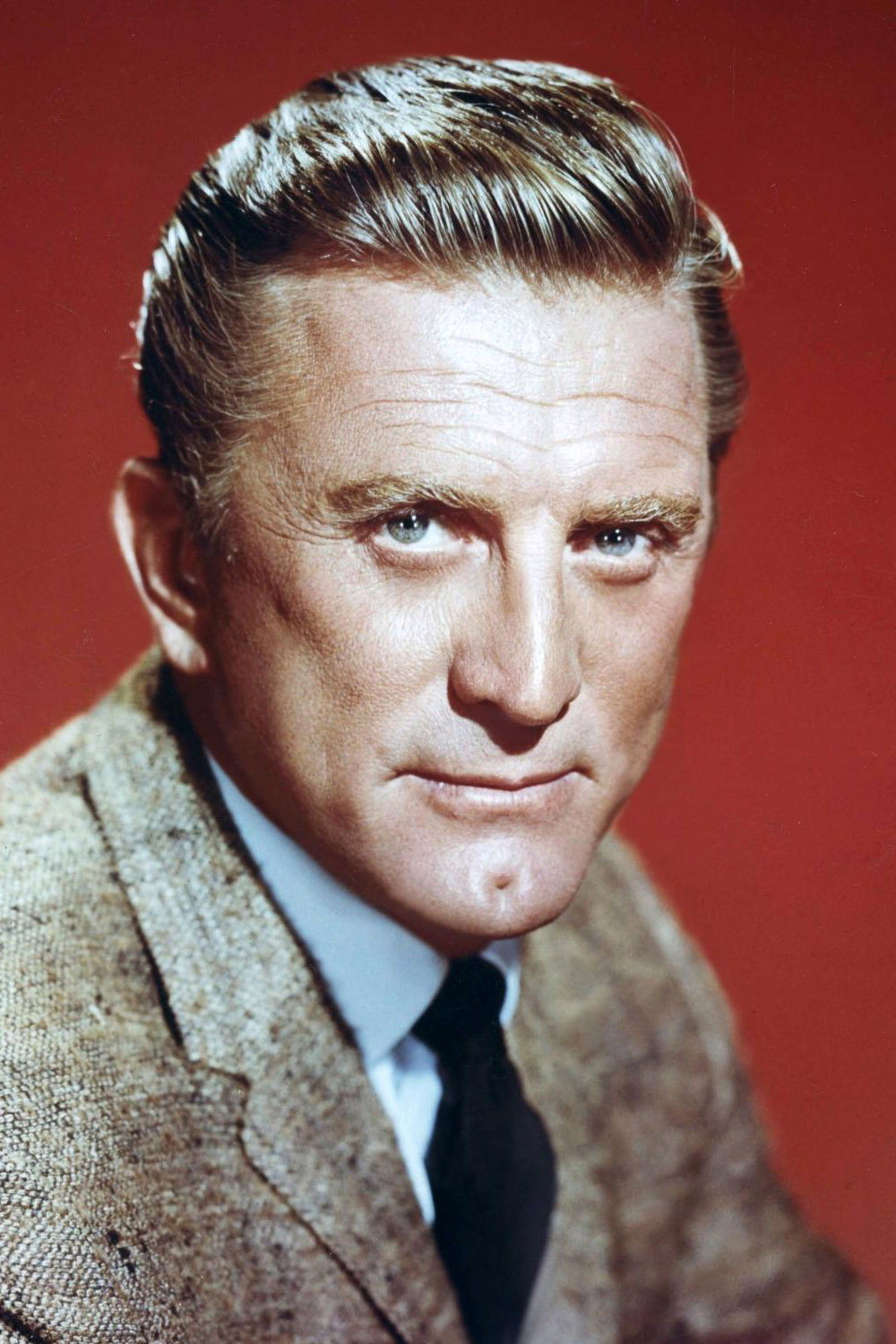
Jane Greer makes Kathie Moffat difficult to read without making her remote. Her composure gives Jeff something to mistake for reassurance, and the attraction between them is persuasive enough to make his poor judgement uncomfortable to watch. Kirk Douglas gives Whit Sterling a pushy charm, making ordinary politeness feel like a demand for something. Both performances leave us alert to what a courteous exchange might conceal.
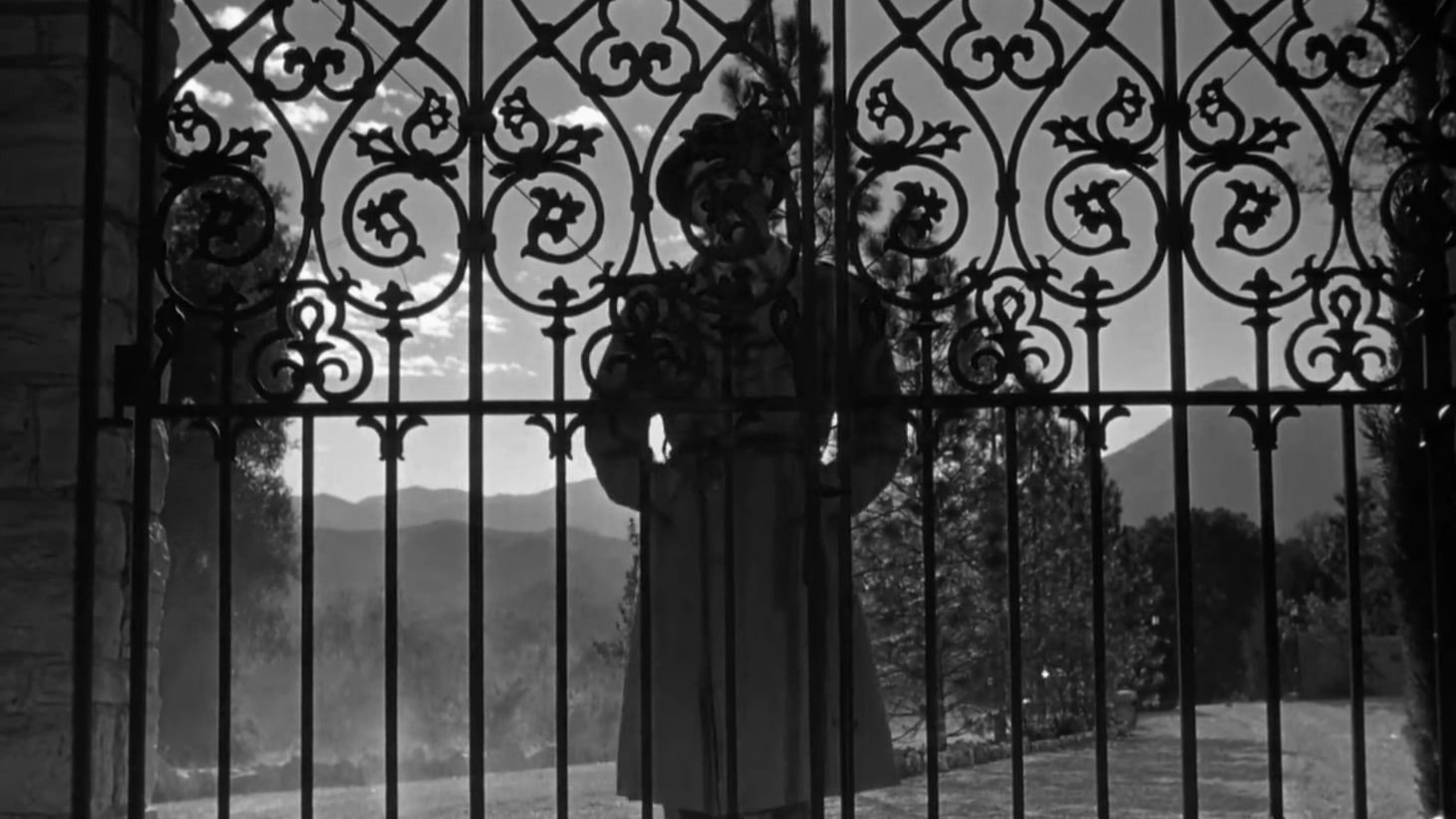
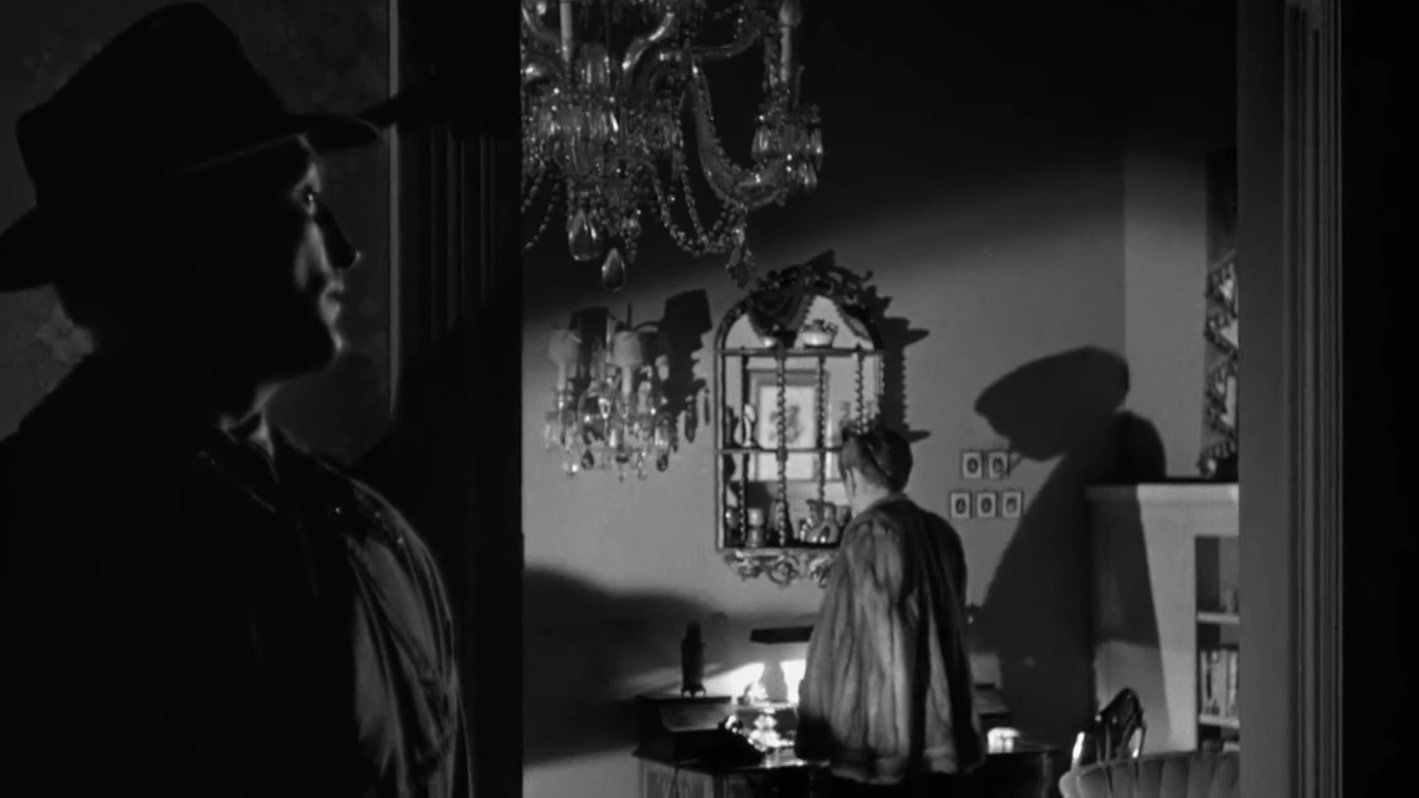
Nicholas Musuraca’s cinematography makes light, shadow and smoke active parts of the drama. Darkness breaks up the image, while smoke gives the light an almost palpable presence; faces can seem difficult to read before anyone has said anything evasive. The range of locations keeps the film from becoming a succession of enclosed, nocturnal spaces, and the settings have a convincing solidity. Jacques Tourneur finds unease across that variety, so the film never depends entirely on a dark corner to make us suspicious.
Daniel Mainwaring’s screenplay is sharp enough to make a conversation enjoyable before we have sorted out every competing interest. The hard-boiled dialogue occasionally sounds a little too ready for quotation, but the actors generally keep it from becoming a display of cleverness. The larger reservation is the density of the plotting, which can make us spend too long working out an arrangement instead of watching a face. Samuel E. Beetley’s editing gives the flashbacks a useful forward pull. It cannot make every complication equally interesting, and there are stretches when we would welcome one fewer explanation.
Roy Webb’s score sustains the anxious mood, working comfortably alongside the photography without making the encounters feel small. The music helps, though the faces supply the feeling we remember. A fatalistic crime story can offer its people the convenient excuse that nobody has a choice. This one keeps us wondering whether Jeff has become too fond of that explanation.
At 97 minutes, it rewards close attention without demanding an entire evening. There is ample pleasure in the dialogue and performances even when a particular connection escapes us. Give it a quiet room, and resist the temptation to consult a plot summary halfway through.