Film review

Phantom Thread

2017 · Directed by Paul Thomas Anderson · 2h 10m · MPA R

In a sentenceBeautiful dresses, difficult company, and no guarantee that being in love will improve anyone’s manners

DramaRomance

In 1950s London, couturier Reynolds Woodcock (Daniel Day-Lewis) wants to make dresses without interference. His sister, Cyril Woodcock (Lesley Manville), shares a life organised around his work. When he meets Alma Elson (Vicky Krieps), he finds a muse and begins a romance, expecting her to accommodate his habits. Alma has wishes of her own, and admiration does not make her willing to accept every condition he imposes. Between Reynolds’s exacting standards, Cyril’s authority and Alma’s determination to be heard, the couturier’s carefully managed household begins to feel crowded.

Plays from YouTube when you press play; nothing loads from them until then.

Fi1m review

Paul Thomas Anderson makes a funny, disquieting romance about a dressmaker who expects love on his own terms. The enclosed setting can grow airless, but Daniel Day-Lewis, Vicky Krieps and Lesley Manville keep us absorbed.

Paul Thomas Anderson’s Phantom Thread is a funny, unsettling romance, and we recommend it with a warning about the company it keeps. Reynolds Woodcock makes dresses and expects the people around him to accommodate the work. The film takes his talent seriously while looking closely at how he uses it to justify his behaviour. The women expected to supply the necessary patience have their own say, and we soon have reasons to listen to everyone involved.

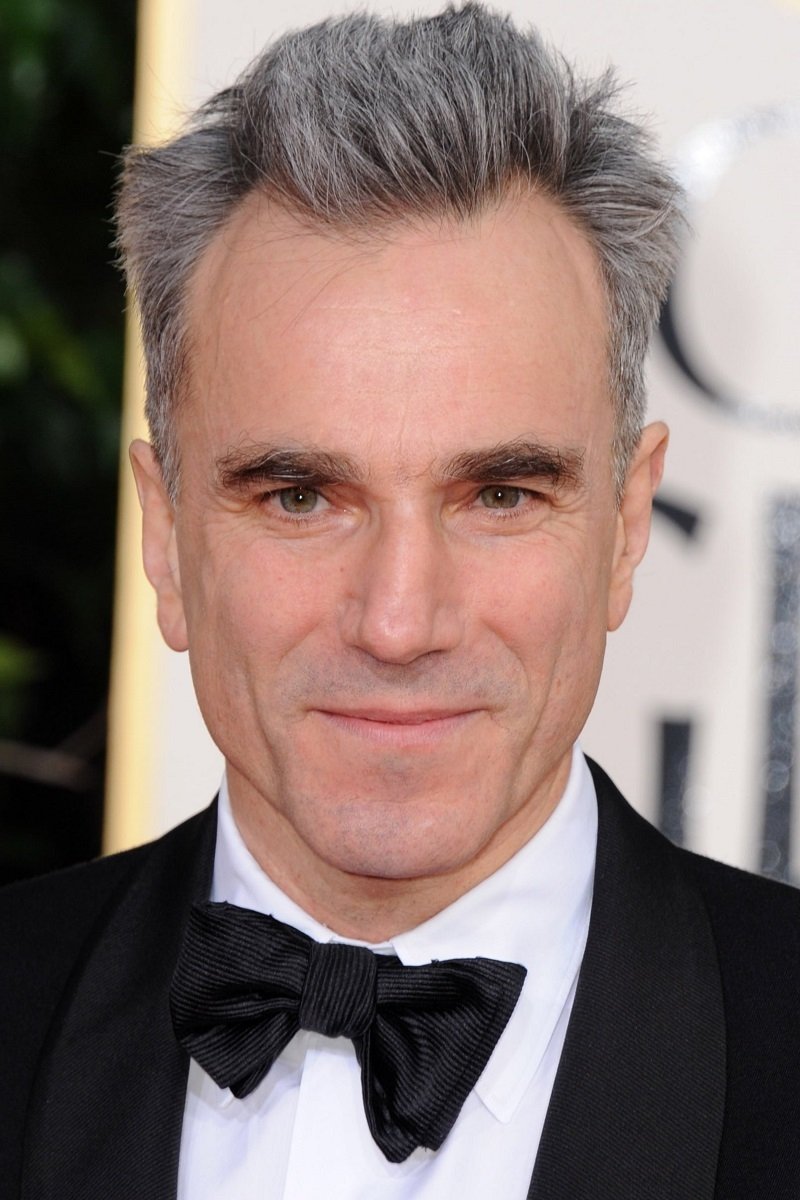
Daniel Day-Lewis gives Reynolds Woodcock a fastidiousness that can look reasonable until someone else has to live beside it. His restraint matters: a broader performance would make the man easy to dismiss, whereas here we can understand the attraction without excusing the behaviour. We laughed at his petulance, then felt uncomfortable about how much deference he could command with it. The humour comes from an accomplished adult expecting his wishes to settle a disagreement, and the actor never begs us to find that charming.

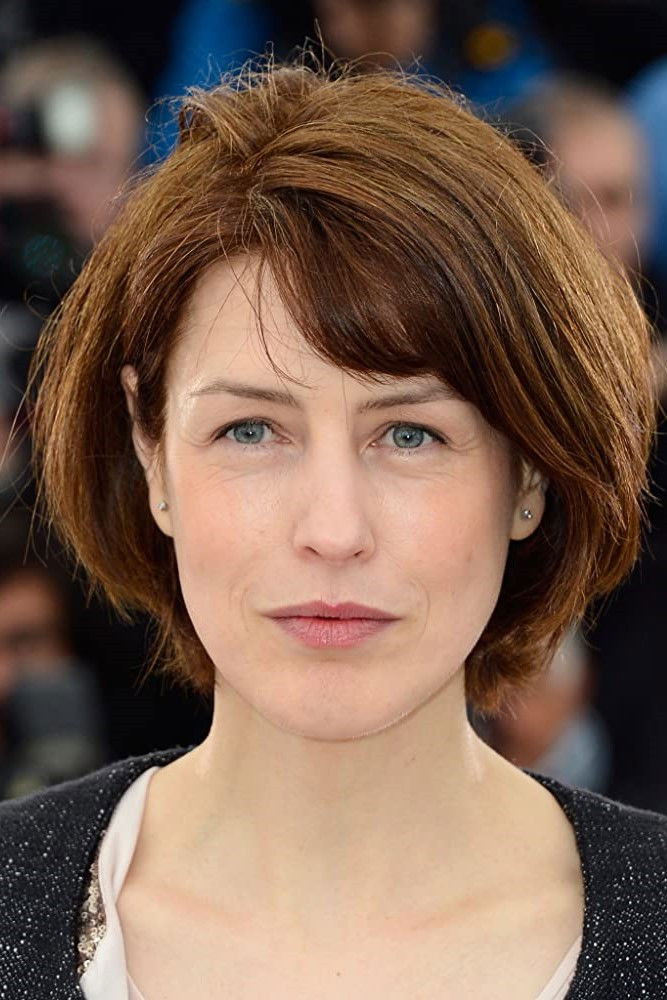
Vicky Krieps makes Alma Elson an equal presence without turning her into a ready-made corrective to a selfish man. She makes Alma’s admiration and stubbornness equally convincing, so loving Reynolds never seems to mean accepting his terms. Lesley Manville, as Cyril Woodcock, is just as important: her authority gives the romance a third person whose judgement cannot be ignored. The performances keep us interested in what each person wants, even when we would rather they asked for it differently.

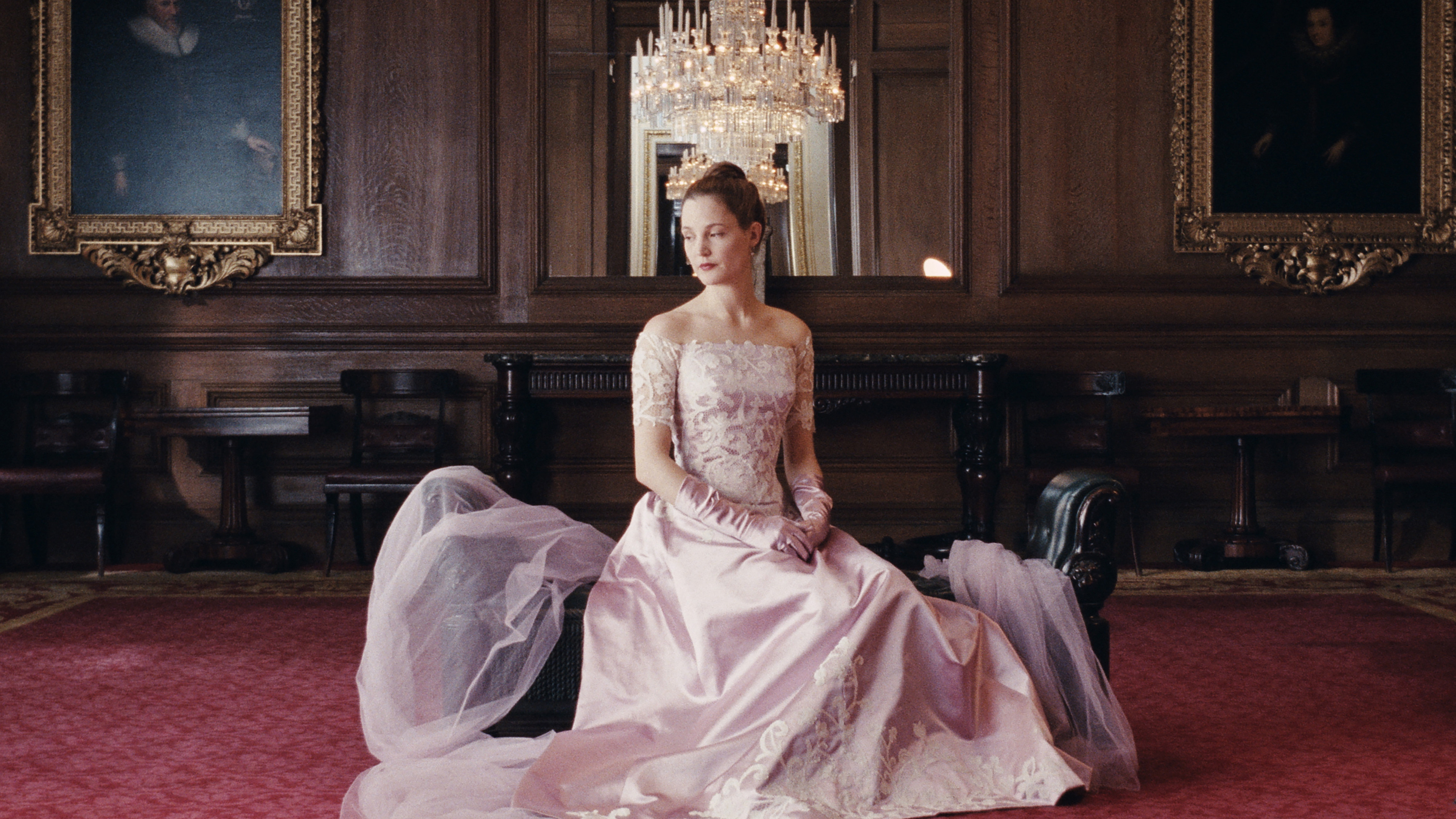
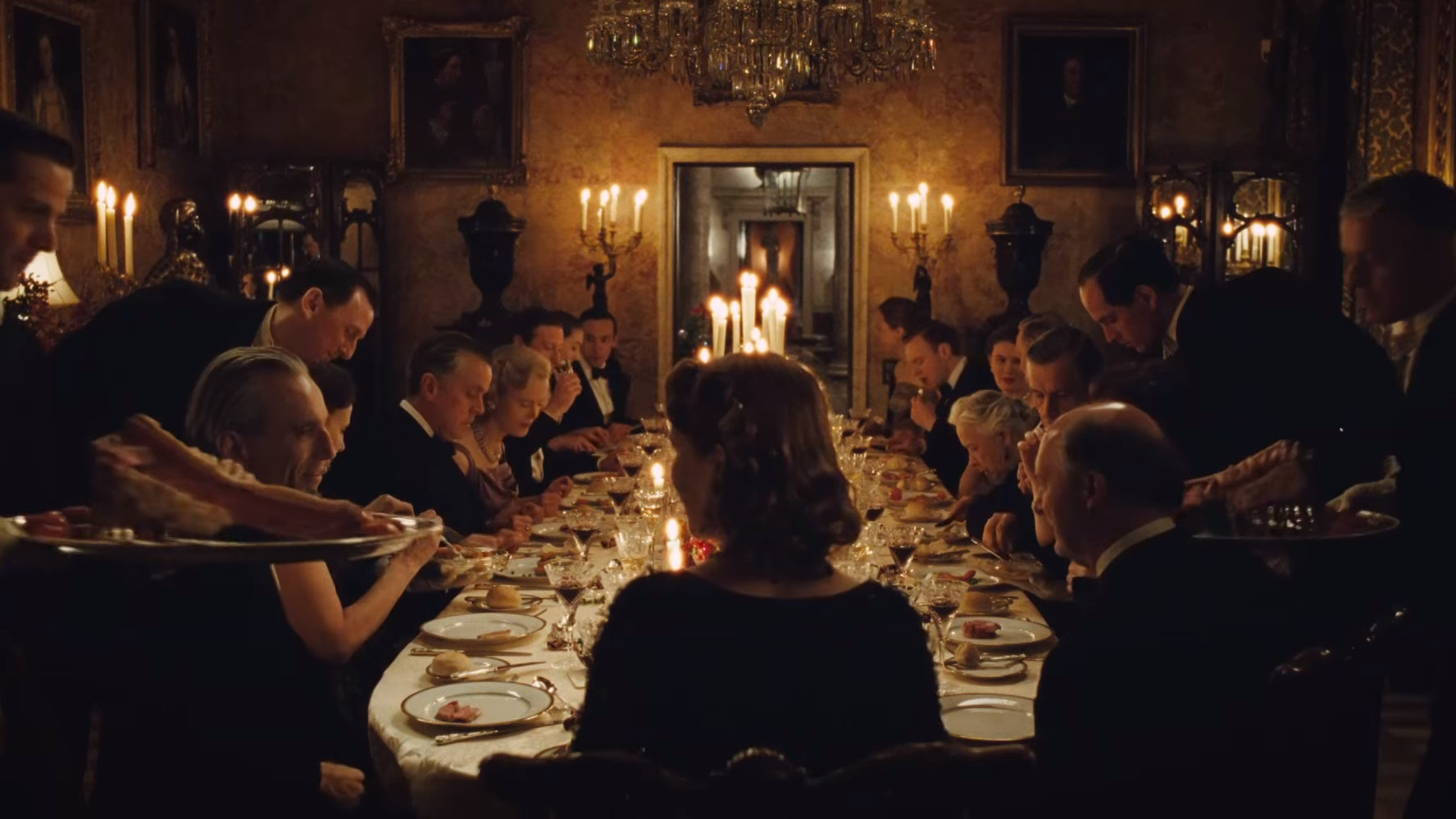
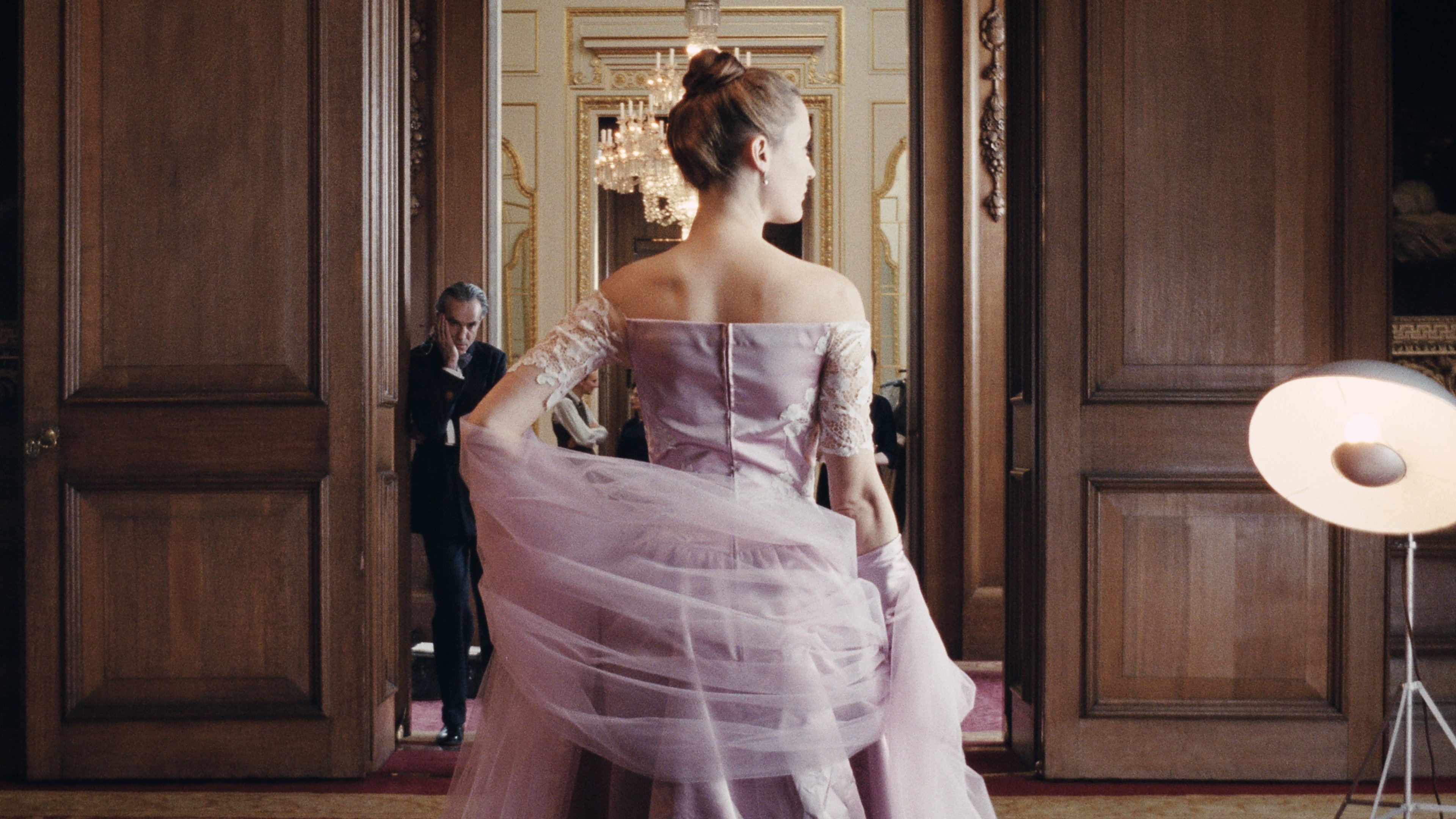
The production design by Mark Tildesley makes the couture surroundings imposing enough to explain why somebody might accept those terms, at least for a while. Mark Bridges’s costumes give Reynolds’s skill something we can actually look at, a necessary courtesy in a film asking us to take an artist seriously. Paul Thomas Anderson’s cinematography keeps those surroundings intimate, so the people remain more compelling than the finery. The enclosed compositions also make it easy to understand why someone might want a little more room.

Dylan Tichenor’s editing handles the shifts between courtship, comedy and hostility without making them feel like separate films. He allows the performances to establish the tension instead of hurrying us towards the next confrontation. Jonny Greenwood’s melodic score gives the romance an emotional warmth that its participants do not always manage between themselves. It is an important contribution: the music helps us understand why these people might stay together despite the difficulty of their conversations.

There are stretches when the enclosed setting becomes oppressive, and some disputes establish a selfishness we have already understood. Alma’s determination also feels more fully explored than her life beyond this relationship, which narrows our attachment to her. These are limits that matter, particularly in a romance asking us to invest so much in its central pair. Yet within the genre’s familiar story of the demanding artist and his muse, Paul Thomas Anderson allows an unusual amount of comedy without treating desire as a joke.

Give its 130 minutes an evening without distractions. The small changes in manner deserve attention, and the humour is liable to pass by if we are waiting only for the next declaration. We recommend it warmly, though perhaps not as a peace offering after a domestic argument.
Critical consensus AI synthesised

87
Positive
17
Mixed
1
Negative
0

Most critics warmly praise Phantom Thread as a darkly comic romance about obsession and control. Daniel Day-Lewis’s fastidious designer draws consistent admiration, while Vicky Krieps receives particular credit for making his partner equally compelling; Lesley Manville’s supporting performance also earns notice. The reviews repeatedly praise Anderson’s precise direction, detailed period setting and movement between cruelty, comedy and tenderness. Jonny Greenwood’s score attracts strong praise, with The Hollywood Reporter identifying it as the largest individual contribution to the film’s impact.

The disagreement concerns how much feeling comes through that careful construction, rather than the quality of the acting or craft. Most critics find the central relationship moving or psychologically absorbing, but Collider finds it short on emotional depth. The New Yorker offers the clearest dissent, admiring the workmanship while finding the enclosed atmosphere oppressive and sickly. Reservations remain limited within a strongly positive consensus.

Radio Times
★★★★★ · Emma Simmonds
100

The critic calls it a divine, poetically scripted melodrama that examines the artist’s vulnerability and emotional upheaval in an intimate portrait, especially fitting as a potential swan song for Day-Lewis.

Read the full review →
The i Paper
1 February 2018 · ★★★★★ · Matthew Turner
100

Day-Lewis delivers a magnificent performance as the fastidious designer Reynolds Woodcock, retiring in style, while newcomer Vicky Krieps is perfectly cast in a twisted Hitchcockian romance full of suspense from everyday details. The critic praises the strong supporting work, sumptuous score and design, calling it a cinematic treat.

Read the full review →
Time Out
20 December 2017 · ★★★★★ · Joshua Rothkopf
100

The critic lauds the film’s exploration of obsession and power shifts in the romance, noting the sophisticated script, strong performances, and the director’s fun handling of the characters’ battle of wills.

Read the full review →
The AV Club
7 December 2017 · A- · A.A. Dowd
90

The critic finds the film an exquisite, tastefully crafted intimate love story that masks a perverse and moving relationship study beneath its mannered elegance. He singles out the strong performances, especially Daniel Day-Lewis and newcomer Vicky Krieps, and Anderson's refined formal control.

Read the full review →
Evening Standard
2 February 2018 · Matthew Norman
85*

The critic hails Daniel Day-Lewis's sublime swansong performance as a fragile, neurotic perfectionist couturier and calls the film a profoundly engaging psychological examination of mutual dependency and power shifts in a warped love affair. He singles out the film's atmospheric visuals, unsaid details, and rich emotional layers for praise.

Read the full review →
Film Comment
· Jonathan Romney
85*

The critic describes the film as a classical melodrama and chamber piece about a toxic family triangle in 1950s couture, praising its opulent yet intimate execution, nuanced performances (especially the understated Day-Lewis, terrifying Manville, and mischievous Krieps), and masterful unraveling of the artist's mystique.

Read the full review →

Cast

Stills

Awards

Academy Awards, 2018

Nominated
Best Actor
Nominated
Best Director
Nominated
Best Original Score
Nominated
Best Picture
Nominated
Best Supporting Actress
Won
Best Costume Design

APRECI Award for Best International Premiere, 2018

Won
APRECI Award for Best International Premiere

FIPRESCI Grand Prix, 2018

Won
FIPRESCI Grand Prix

If you liked this, try…

Rebecca poster

Rebecca

1940 · For another imposing household where romance must contend with established loyalties.

The Piano poster88

The Piano

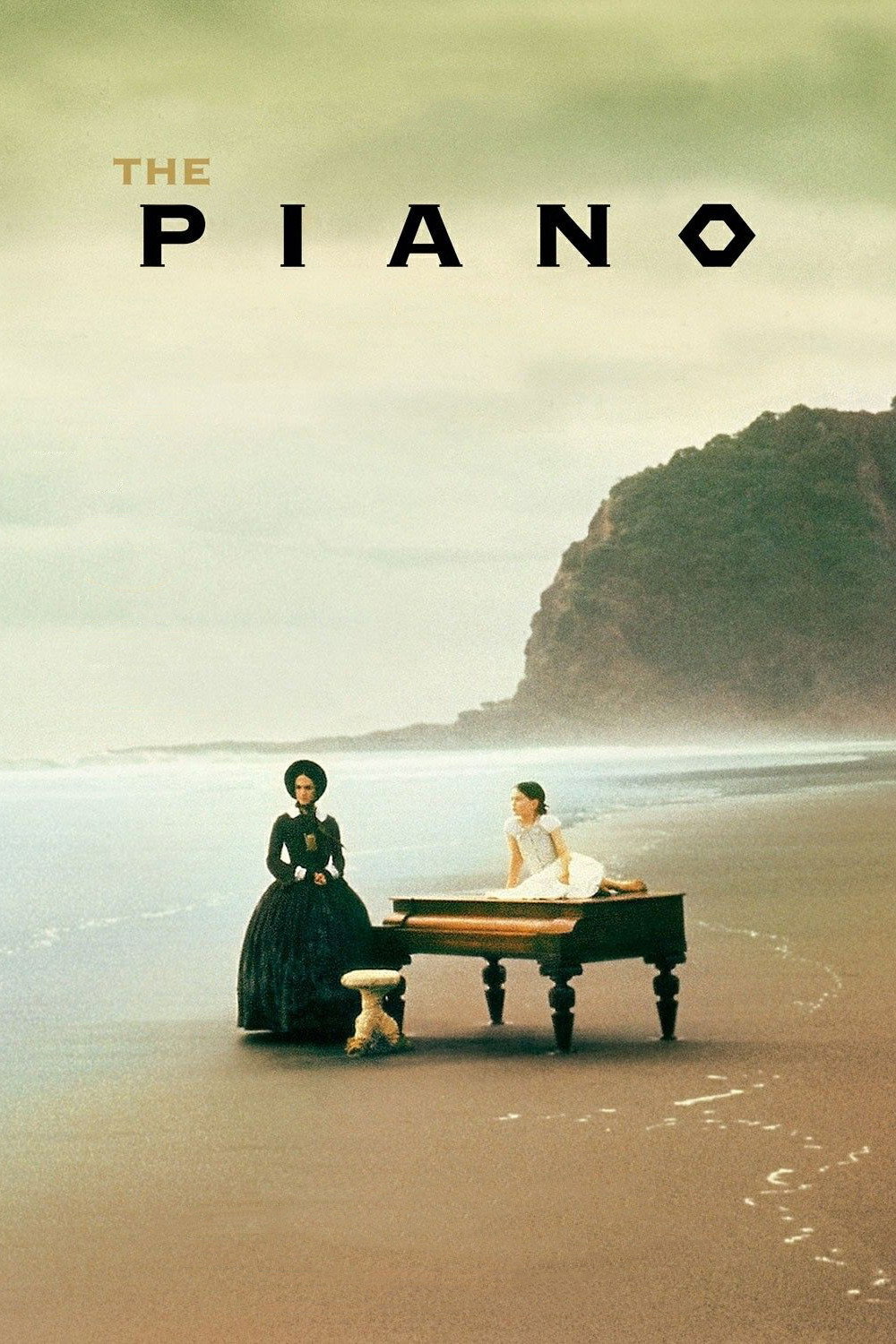
1993 · For a stubborn woman’s desires expressed through music, work and difficult intimacy.

The Servant poster

The Servant

1963 · Another elegant household where apparently settled positions become difficult to maintain.

The Bitter Tears of Petra von Kant poster

The Bitter Tears of Petra von Kant

1972 · Fashion, desire and possessiveness confined to rooms nobody seems willing to leave.

In the Mood for Love poster91

In the Mood for Love

2000 · For clothes, restrained performances and music that make unspoken longing painfully clear.