John Waters’s bad-taste comedy is frequently funny when Divine takes charge, and less rewarding when disgust does all the work. Crude images and repetitive gags make this a qualified recommendation for the curious.
Pink Flamingos is funny often enough to earn its bad manners, though not often enough to make its 93 minutes feel brisk. John Waters writes and directs with a determination to put things on screen that a more cautious comedy would leave alone. He has the performers to make that recklessness attractive. This is worth approaching for Divine and the cast’s shared appetite for misbehaviour, with patience for some weary stretches.
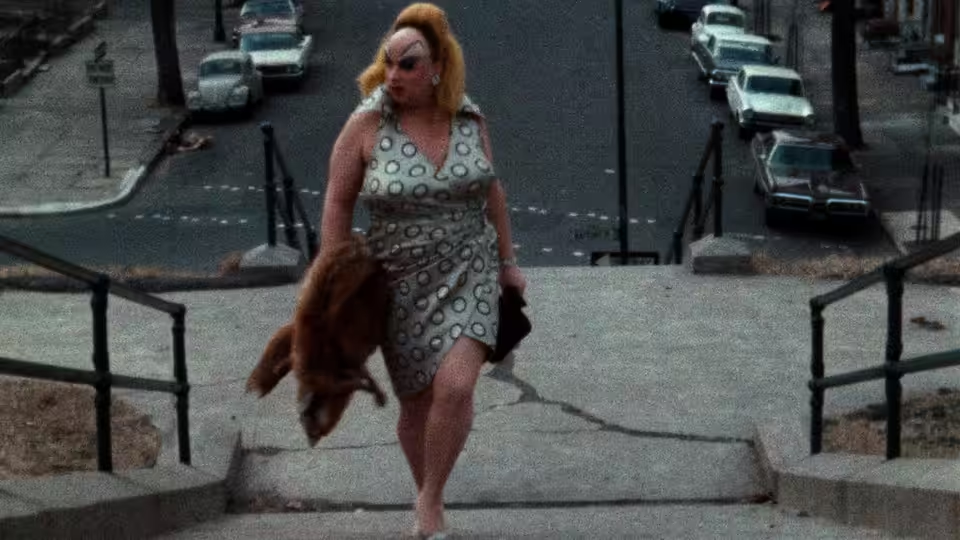
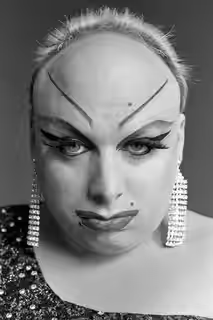
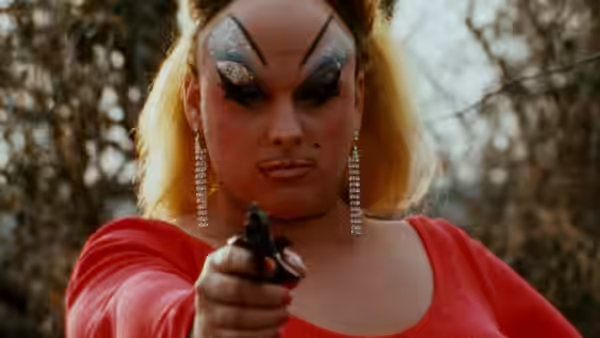
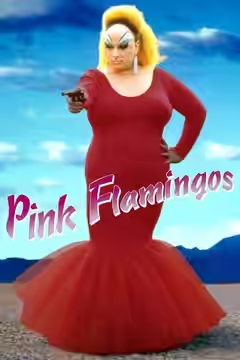
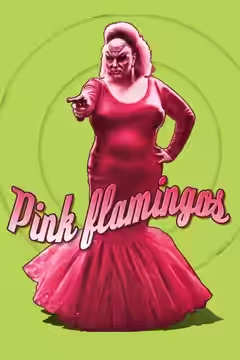
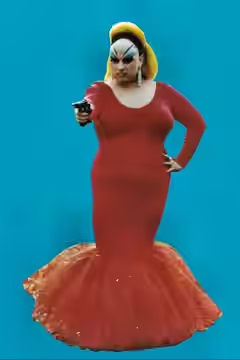
Divine plays Divine / Babs Johnson with an authority that gives the film someone worth watching even when its jokes falter. We laughed at the performance’s grand self-importance, and at the refusal to make any of it seem apologetic. There is something funny about that certainty before any particular outrage has been supplied. The other performers’ evident enjoyment helps, too: the company feels comfortable together, which makes spending time with them considerably easier than the material might suggest.
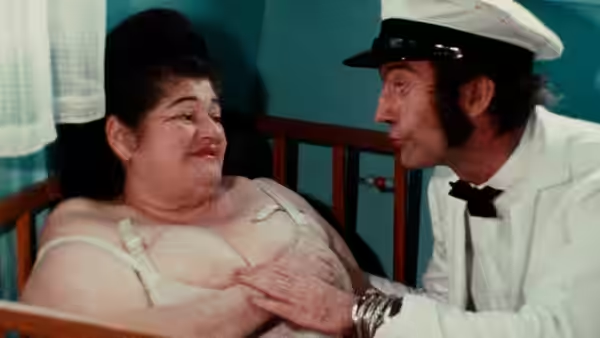
David Lochary’s Raymond Marble and Mink Stole’s Connie Marble fit the broad acting style, where restraint would scarcely get noticed. The performances can be funny simply through their commitment, but they also expose a weakness in Waters’s writing. When everybody is pushing hard, the dialogue needs more changes of pace. Too much of the comedy depends on somebody taking an already excessive idea a little further, without finding anything fresh in it.
Waters is also the cinematographer and editor, and the roughness is not always useful. The pictures can be awkward, while the cutting too often lets a joke continue after we have understood everything it has to offer. Informality suits these performances, but it does not excuse every delay or ungainly image. When a gag misses, there is little visual pleasure to sustain our interest until the next one, and at those points the film feels longer than it is.
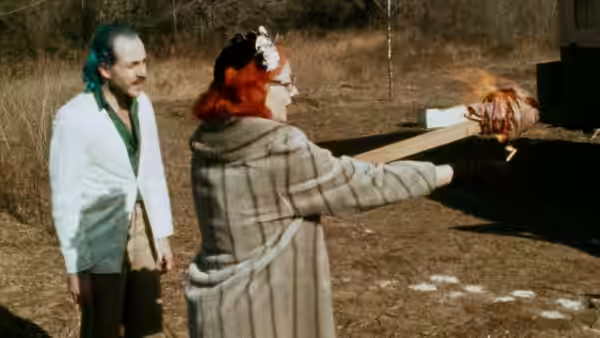
Vincent Peranio’s production design and Van Smith’s costumes are more sympathetic to the performers’ need to make an impression. They help give the film a consistent sense of people who have no interest in toning themselves down. Neither contribution needs to be tasteful to work, and neither would benefit from being made respectable. The difficulty is that Waters’s camera does not always organise what is in front of it into an effective comic image.
The more serious reservation concerns the repeated disgusting gags. Being willing to show something unpleasant is not, by itself, a comic skill; the timing and the performance still matter. Waters sometimes seems satisfied once the audience has been made uncomfortable, leaving the laughter to take care of itself. That repetition grows tiring, especially when Divine has already demonstrated how much amusement can come from a performer’s sheer confidence, without another increase in the level of offence.
As an offensive comedy, Pink Flamingos works best when we can enjoy the performers without waiting to discover what will be permitted next. It has enough of that pleasure to reward curiosity, although the slack passages make it difficult to recommend without reservations. Give it an evening if Divine and deliberate bad taste are sufficient inducements. For a relaxed comedy night, we would choose something else.