Robot Monster has a creature worth remembering and too little else to keep us interested. Phil Tucker’s science-fiction horror is intermittently amusing, but its 66 minutes still feel padded.
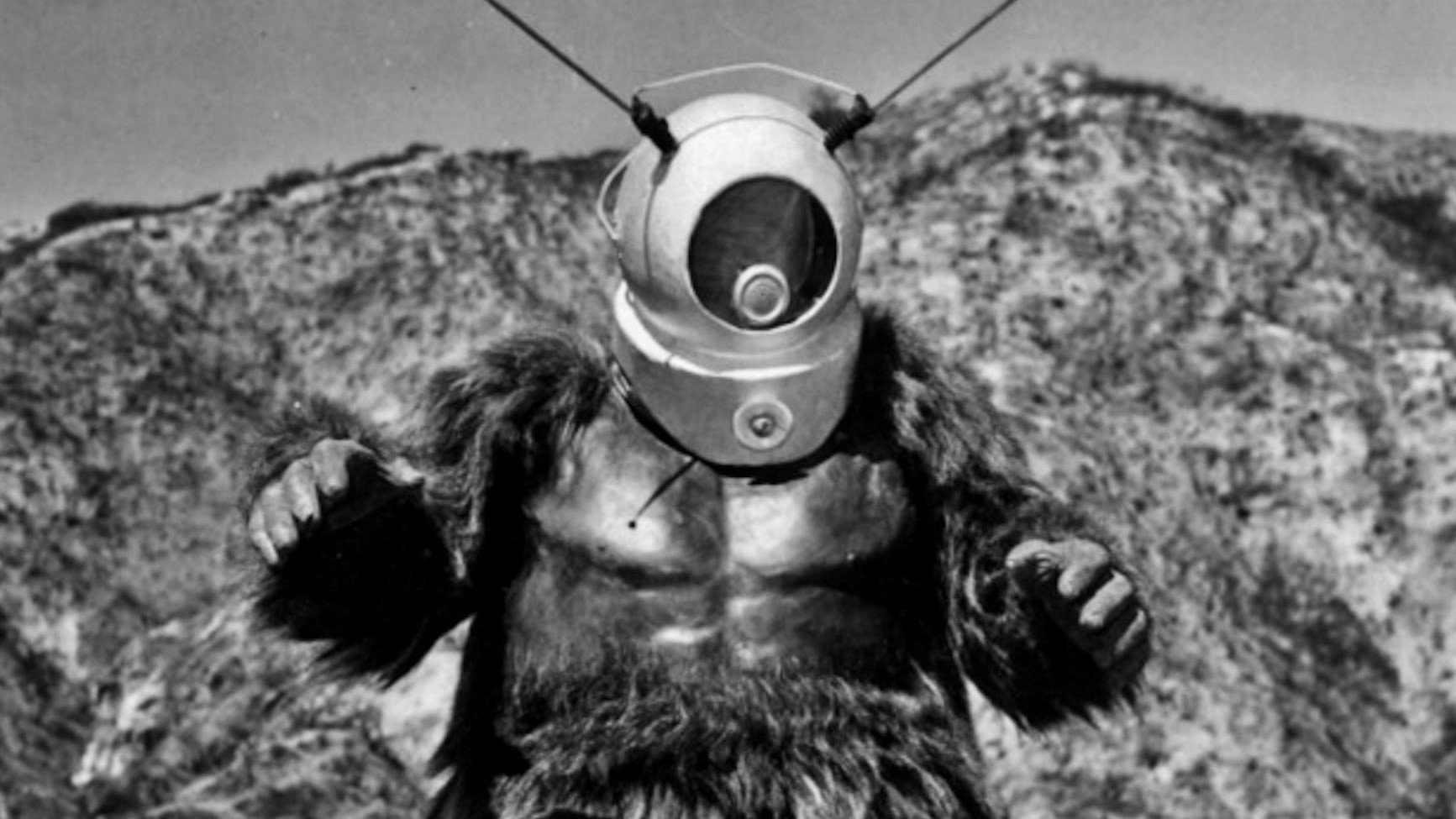
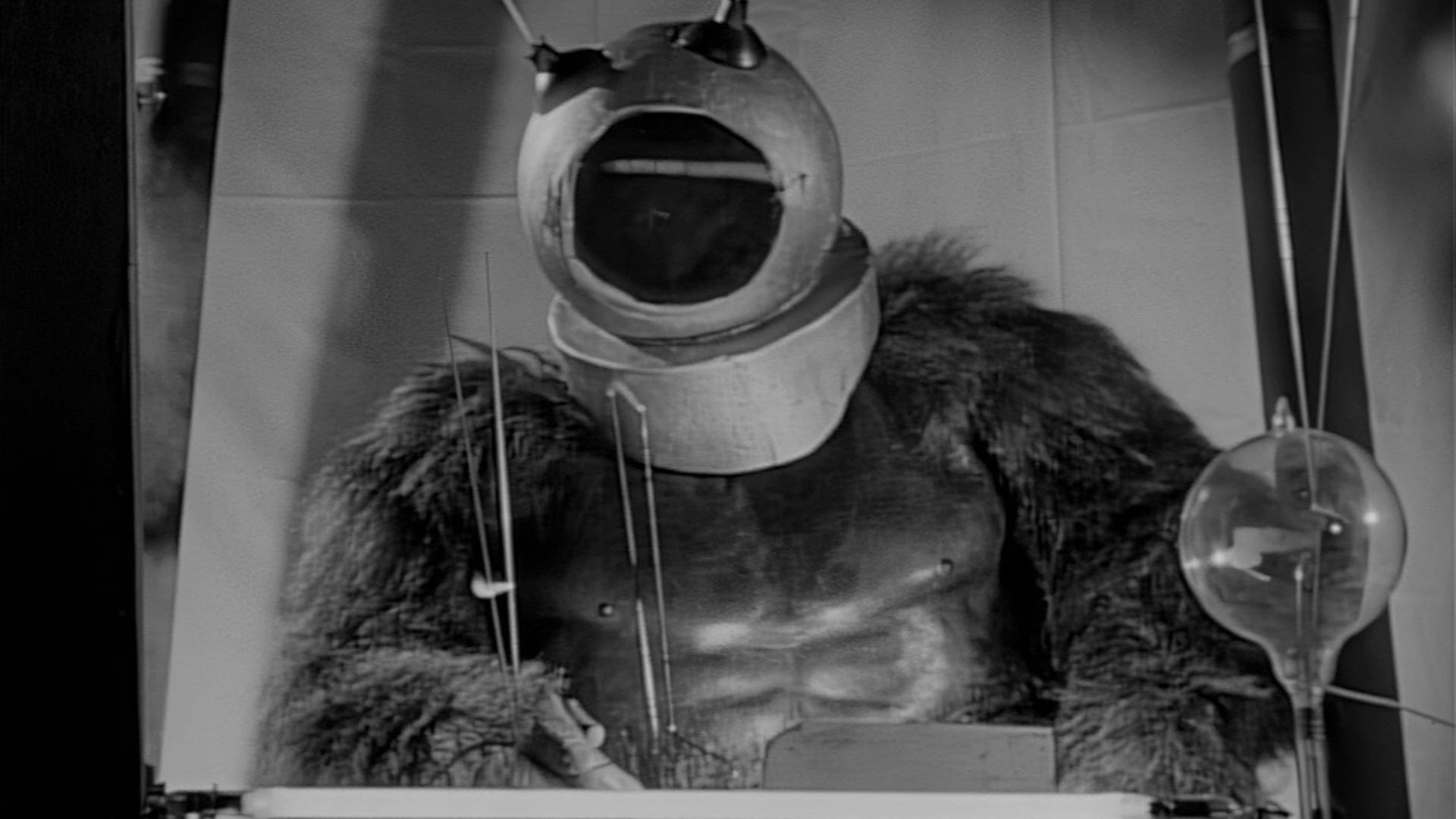
Phil Tucker’s Robot Monster has one durable pleasure: the sight of an ape-like alien entrusted with the destruction of Earth. That is enough for an amused few minutes, but it does not make this a good science-fiction horror film, even at 66 minutes. We found it intermittently funny and more often slow, with a creature considerably more interesting to look at than the people are to listen to. Its attempt at a straightforward survival story deserves to be taken seriously before its shortcomings become the entertainment.
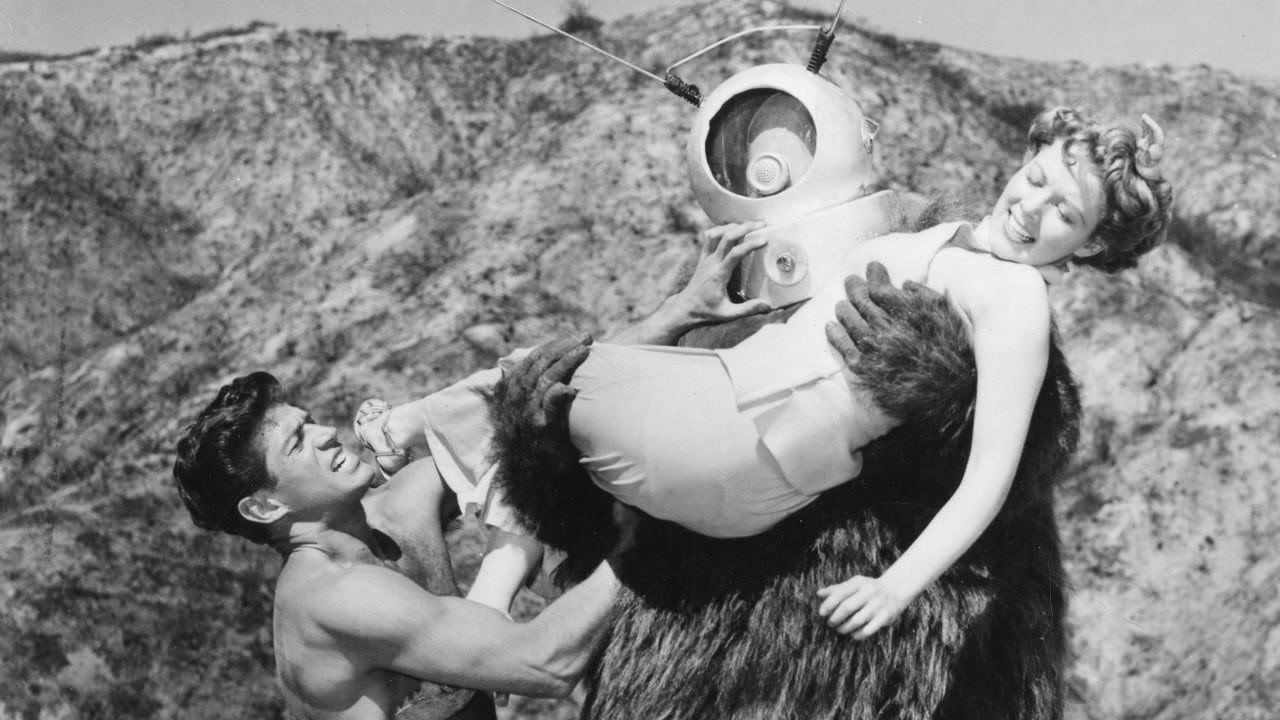
George Barrows gives Ro-Man enough physical presence to hold our attention, with John Brown providing the voice. We laughed at the ape-like body and the head that resembles a television, because the combination makes the supposed exterminator look badly equipped for his assignment. Yet there is something appealing about the creature beyond the initial absurdity. He remains worth watching after we have had time to inspect him, which is more than can be said for much of the film.
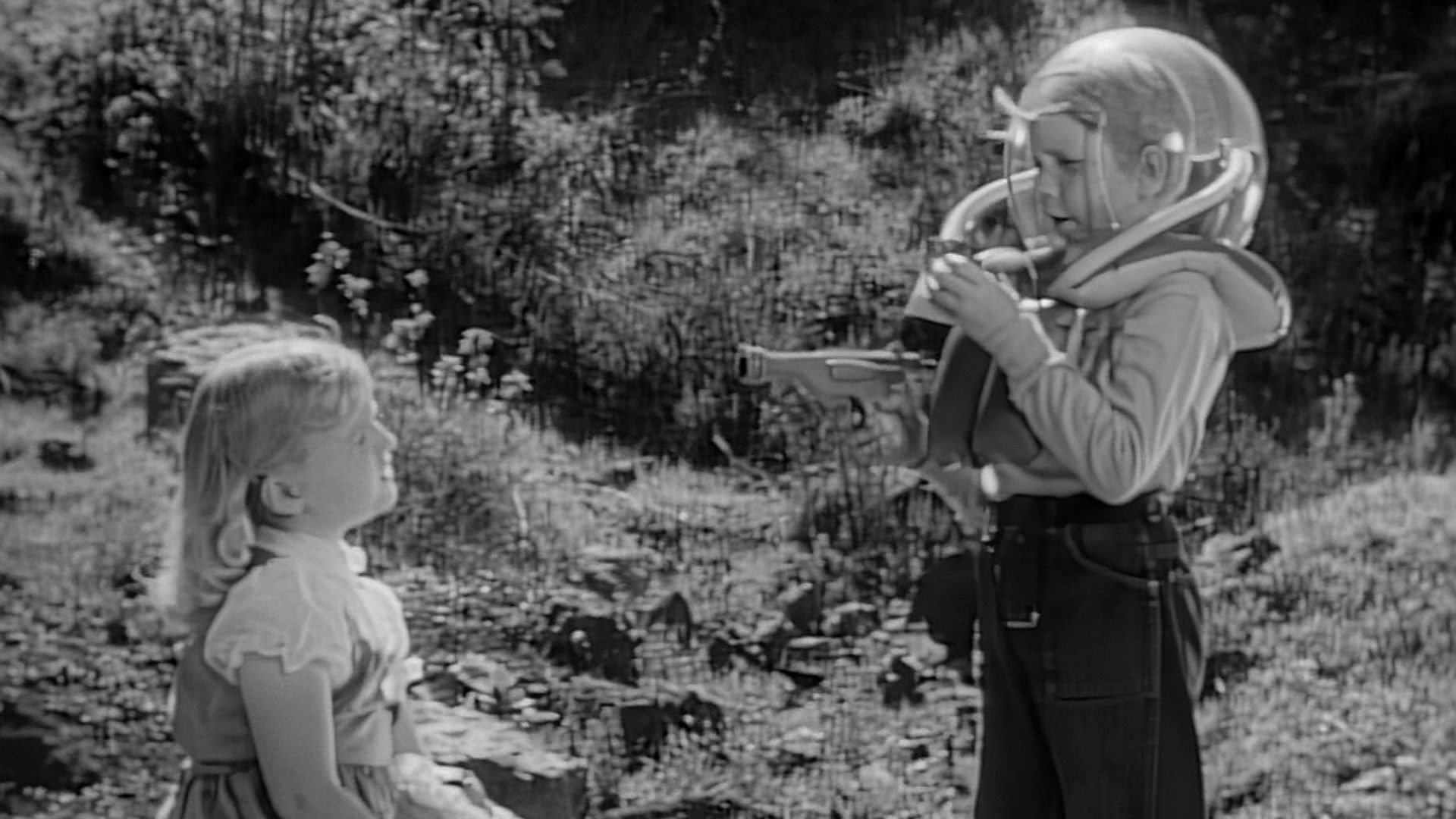
Wyott Ordung’s screenplay makes survival the immediate concern, but gives us too little reason to become attached to the survivors. George Nader as Roy and Claudia Barrett as Alice approach the danger earnestly, though their performances rarely suggest much beyond the immediate demands of the plot. Their seriousness helps preserve the possibility of a threat, and neither deserves to be dismissed merely for appearing here. The trouble is that the writing leaves them so little room to become particular people, rather than humans waiting for the next difficulty.
Jack Greenhalgh’s cinematography leaves the creature’s absurdity plainly visible, which helps the accidental comedy more than the horror. The stock footage is a greater obstacle: it suggests a scale the surrounding scenes cannot sustain and draws attention to how poorly the images fit together. Merrill G. White’s editing does not make these borrowed pieces feel necessary to the survivors’ predicament. Too much screen time passes without increasing either our concern for the humans or our enjoyment of their enemy.
Elmer Bernstein’s music gives the danger more weight than the images manage. It supplies a seriousness that the performances and effects cannot consistently support, and the effort to maintain that mood is welcome. The mismatch sometimes makes the creature funnier, although the joke becomes familiar well before the film has finished with it. Music cannot give the humans more character or shorten the waits between the amusing bits.
Most critics disagree with us, finding considerable pleasure in the cheap effects, awkward acting and Ro-Man himself. The affection is understandable, particularly for a monster who seems more individual than anyone opposing him. But those shortcomings are not equally entertaining: the creature rewards attention, whereas the weak performances and borrowed footage repeatedly make the film drag. The favourable reviews give its memorable absurdities more credit than we think they can bear across the full running time.
There is enough here for company already inclined to enjoy clumsy science fiction, provided nobody expects much fear. Watching alone makes the stretches without an amusing mistake harder to forgive, and the intended survival drama offers little compensation. Keep it for an evening when talking over the humans will not cause an argument.