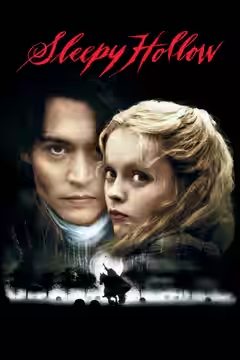
Tim Burton’s gothic mystery is worth an evening for its mist, macabre humour and Johnny Depp’s nervous hero. The detective work grows fussy, but the blood-red shocks keep their force.
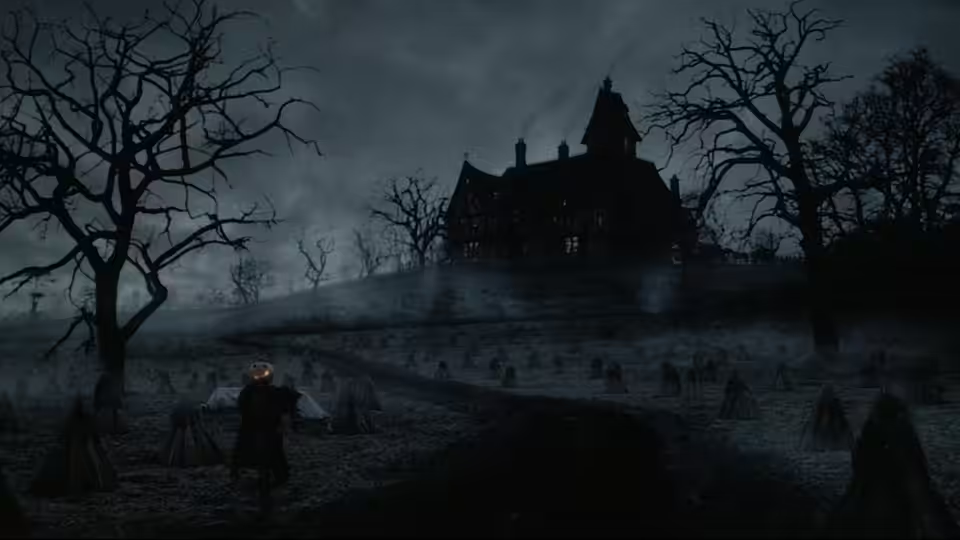
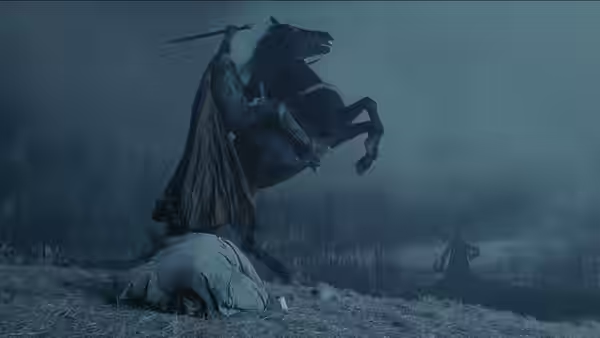
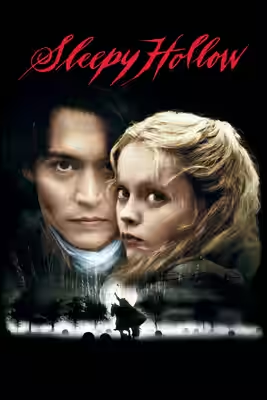
Sleepy Hollow is a good, bloody gothic entertainment with a detective story that becomes more complicated than it needs to be. Tim Burton seems most interested in how fear unsettles people who would prefer to remain respectable, and the film is liveliest when horror catches them off guard. The mist and shadows promise a ghost story; the blood soon makes clear how physical the danger is. There is plenty to enjoy before anyone starts explaining the mechanics.
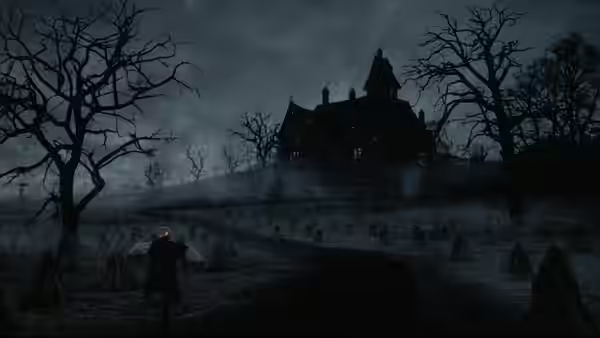
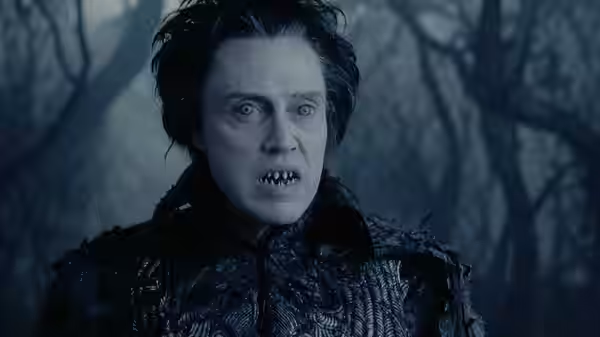
Rick Heinrichs’s production design makes the place feel inhospitable before the Horseman needs to do anything. Emmanuel Lubezki’s photography lets shadow and mist obscure its details, then gives the blood a red that is hard to ignore. That contrast works because the darkness remains oppressive even when nothing is happening in it. The elaborate surroundings hold our attention when the enquiry is taking its time, and the artificiality suits a story in which the supernatural has such a substantial presence.
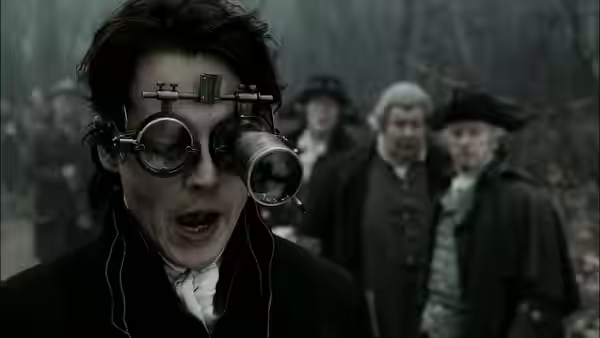
Johnny Depp gives Ichabod Crane enough nervous vanity to make the comedy part of the investigation. We laughed at his fainting because the collapse is such a complete surrender of the dignity he is trying to maintain. The trouble is that the joke keeps returning after its point is clear, and another loss of consciousness cannot always improve a scene. His unease remains engaging even when the script leans too heavily on it.
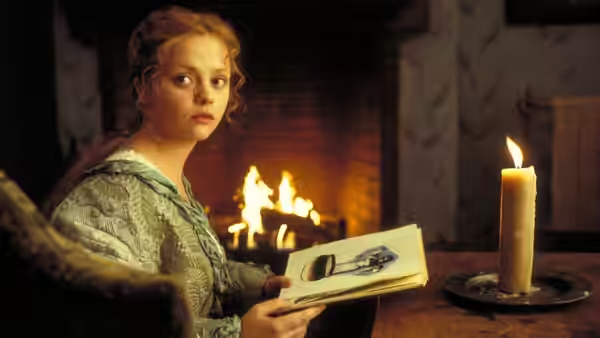
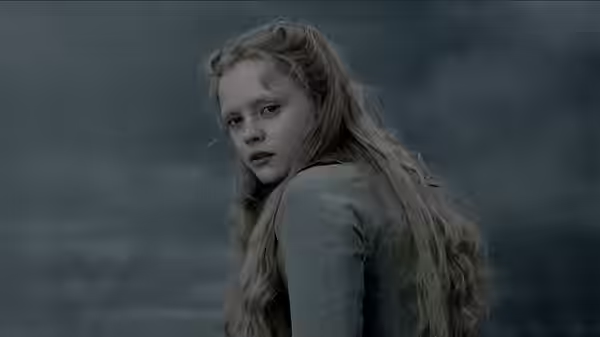
Christina Ricci gives Katrina Van Tassel a composure that stops the film becoming one long nervous fit. Michael Gambon brings useful gravity to Baltus Van Tassel, while the surrounding performances allow themselves enough exaggeration to suit the horror. This is acting for a ghost story, where a face can make an impression before a character has explained much. Some of the people remain thinly drawn, but they are rarely dull to look at.
Colleen Atwood’s costumes help sustain that heightened acting style: the characters look dressed to preserve their dignity, which makes panic more amusing. Danny Elfman’s score pushes the eeriness hard, sometimes beyond what the already threatening images need. The music is effective at keeping the film in a state of agitation, though a little less insistence would have left more room for unease. Both contributions suit the theatrical horror that Tim Burton is making.
Andrew Kevin Walker’s screenplay is less assured when the enquiry needs to make sense of everything the horror has set loose. Explanations accumulate, and following them becomes a chore just when the film should be tightening its grip. Chris Lebenzon and Joel Negron keep the individual shocks brisk, but the succession of killings grows repetitive, and cutting cannot solve that larger problem. The detective work asks for a concentration the film has not quite earned.
Do take the gore seriously when choosing company for this one. Its comic manners and elaborate appearance do not make the killings gentle, and anyone hoping for a largely bloodless ghost story should choose something else. For those who enjoy horror with theatrical excess, it is worth tolerating the occasionally tiresome explanation. Leave it for an evening when a fainting detective sounds like acceptable company.