J. A. Bayona’s survival drama is frightening, compassionate and sometimes overlong. The crash is hard to bear, and the attention paid to the survivors’ relationships earns our recommendation despite a repetitive middle.
Society of the Snow is a harrowing, compassionate survival drama that sometimes takes too long to make a point it has already made. J. A. Bayona treats the Andes plane crash as the beginning of a shared ordeal, giving disagreements and acts of care substantial attention alongside physical endurance. That is the right choice for this story. The film asks how frightened people look after one another when none of them can promise that looking after anyone will be enough.
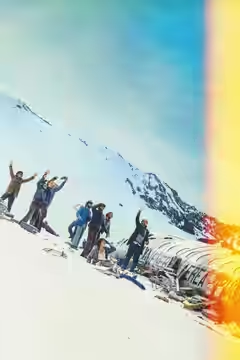
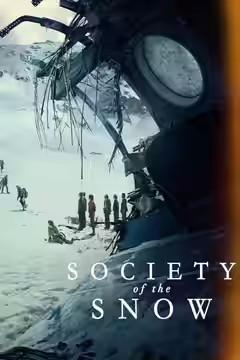
The crash is difficult to sit through, and it should be. Pedro Luque’s claustrophobic photography keeps us close to the people inside the aircraft, while editors Jaume Martí and Andrés Gil make the confusion feel immediate without turning it into an exercise in showing off. We were horrified by the violence and the lack of space in which to escape it. The sequence establishes how vulnerable these bodies are before asking us to watch them endure more.
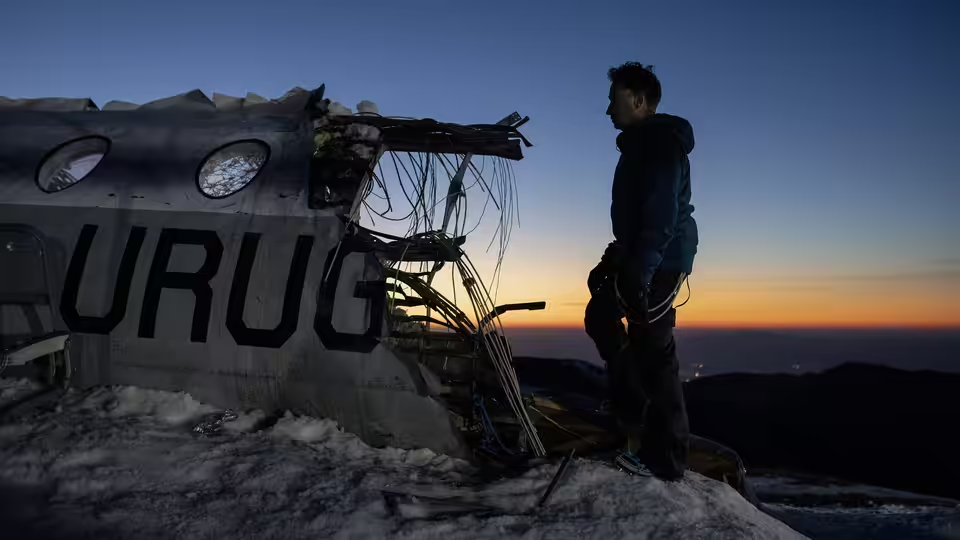
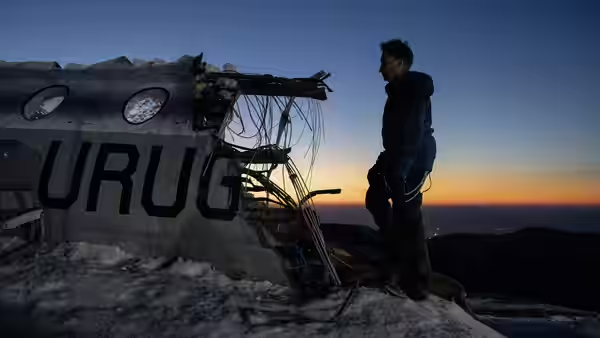
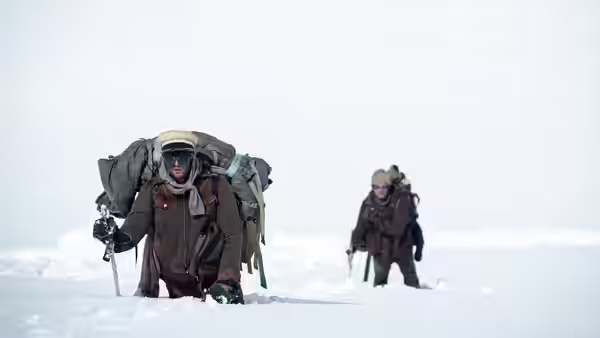
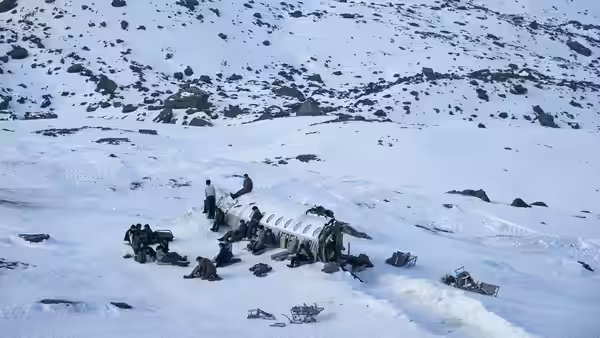
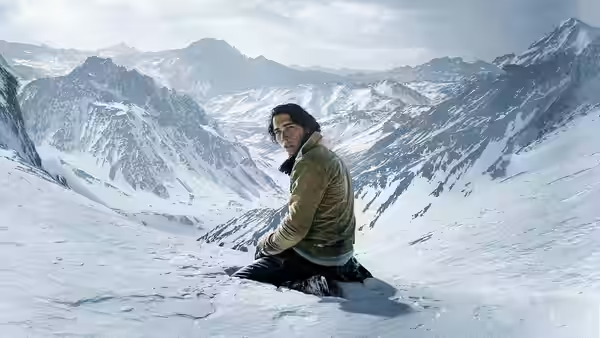
Alain Bainée’s production design makes the wreck physically convincing, an important consideration when so much depends on believing what these people are enduring. There is little comfort in the mountain views, however striking the photography becomes. Michael Giacchino’s tense score sustains the unease through passages where there is less immediate action. These contributions work together particularly well when the film lets us feel the survivors’ confinement without explaining their predicament again.
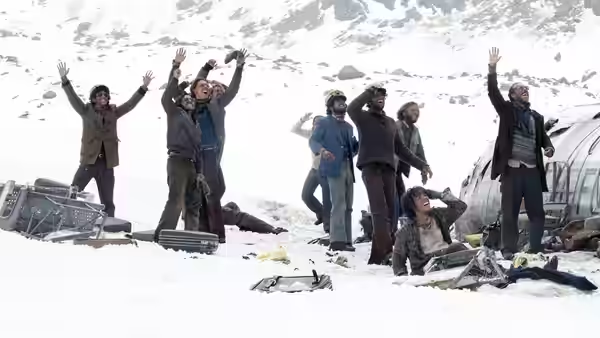
Enzo Vogrincic gives Numa Turcatti a watchfulness that helps the drama stay close to individual feeling. Around him, Agustín Pardella as Fernando “Nando” Parrado and Matías Recalt as Roberto Canessa belong to an ensemble whose relationships do much of the film’s work. Getting along becomes a practical necessity, which gives the disagreements weight beyond the usual business of creating conflict. We were moved by the tenderness between people who have so little left to offer. J. A. Bayona allows them to be caring and frightened at the same time.
Survival dramas can become exhausting in their admiration for exceptional resolve, and this film’s interest in mutual dependence is welcome. It takes faith seriously, too, allowing belief to complicate the survivors’ struggle rather than simply provide reassurance. The attention given to their doubts helps prevent the group from becoming a collection of examples of good behaviour under pressure. Occasionally the reverence makes everyone seem a little too solemn, but the performances retain enough uncertainty to hold our attention.
The difficulty comes in the extended middle, where the rhythm begins to repeat. The screenplay by Bernat Vilaplana, Nicolás Casariego Córdoba, J. A. Bayona and Jaime Marques returns too often to explanations of what the suffering means, with recurring narration leaving less for us to discover in the performances. Scenes that ought to hurt begin to feel familiar because the film has already told us how to understand them. We do not need the ordeal made tidier, but we could do with fewer explanations.
The 143-minute running time makes this a demanding evening, especially for anyone who finds screen suffering difficult. For us, the care between the survivors justifies staying with it through the slower stretches. Choose it when neither of you needs something easy.