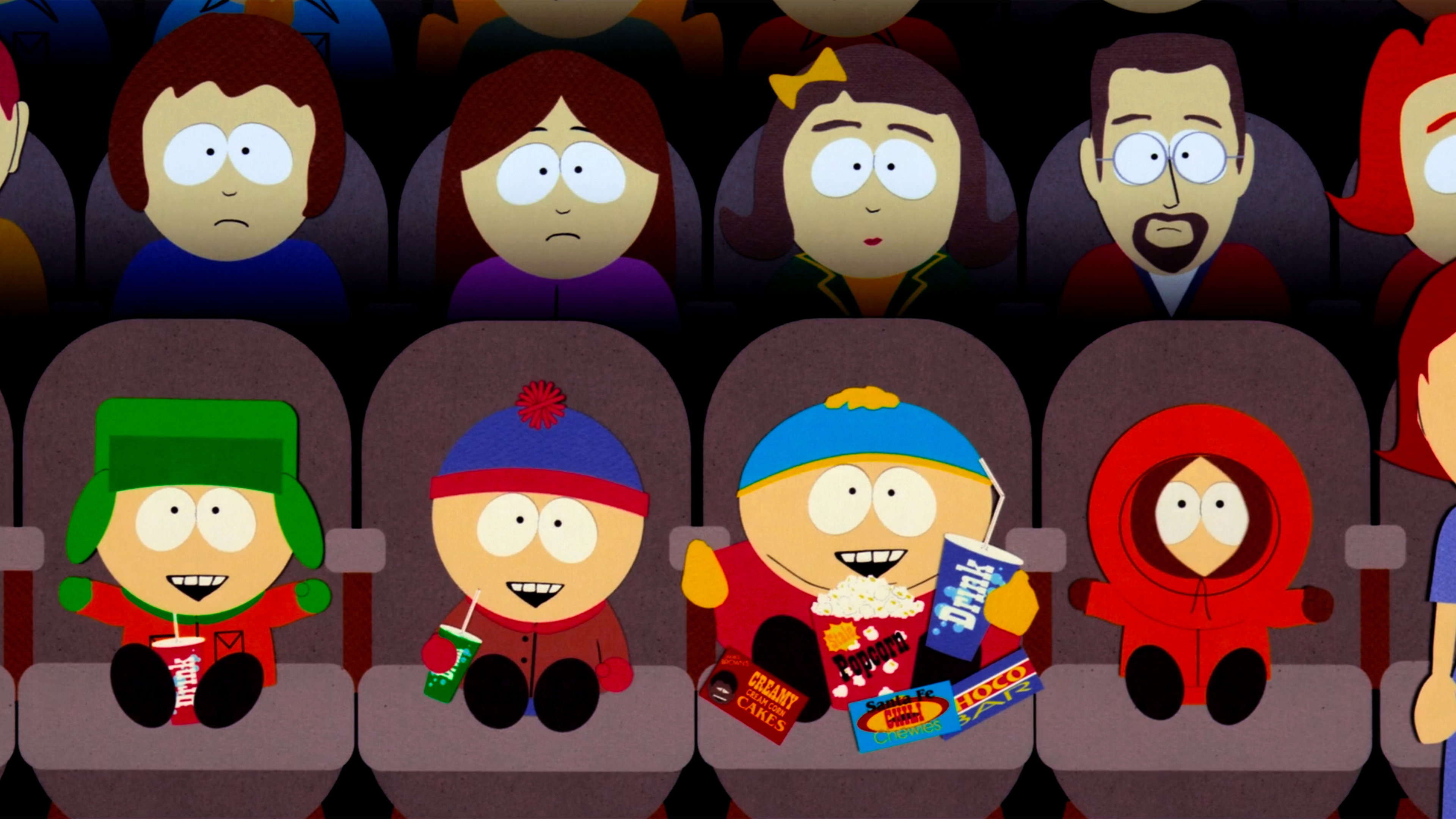
South Park: Bigger, Longer & Uncut is a sharp censorship satire and an accomplished musical. We recommend it for the songs and the jokes, with fair warning that the toilet humour sometimes outstays its welcome.
Trey Parker’s South Park: Bigger, Longer & Uncut takes a reliable source of comedy, adults behaving worse than children, and gives it enough songs to become a proper musical. The children see a forbidden film; the resulting fuss draws in Canada. It is a funny, purposeful enlargement of an animated comedy, with a serious objection to censorship beneath the swearing. We recommend it, though some of the toilet jokes carry on well after they have done their modest work.
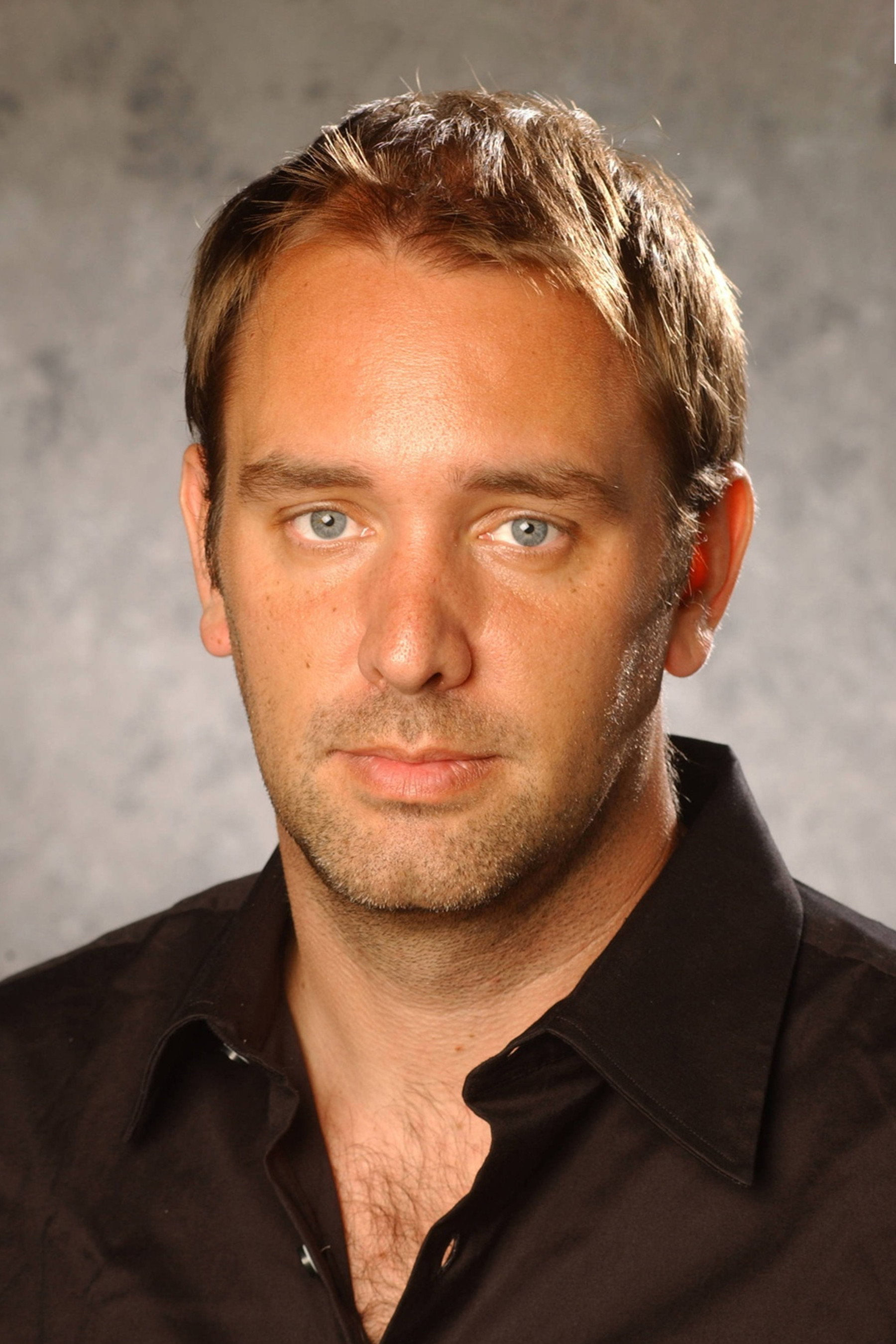
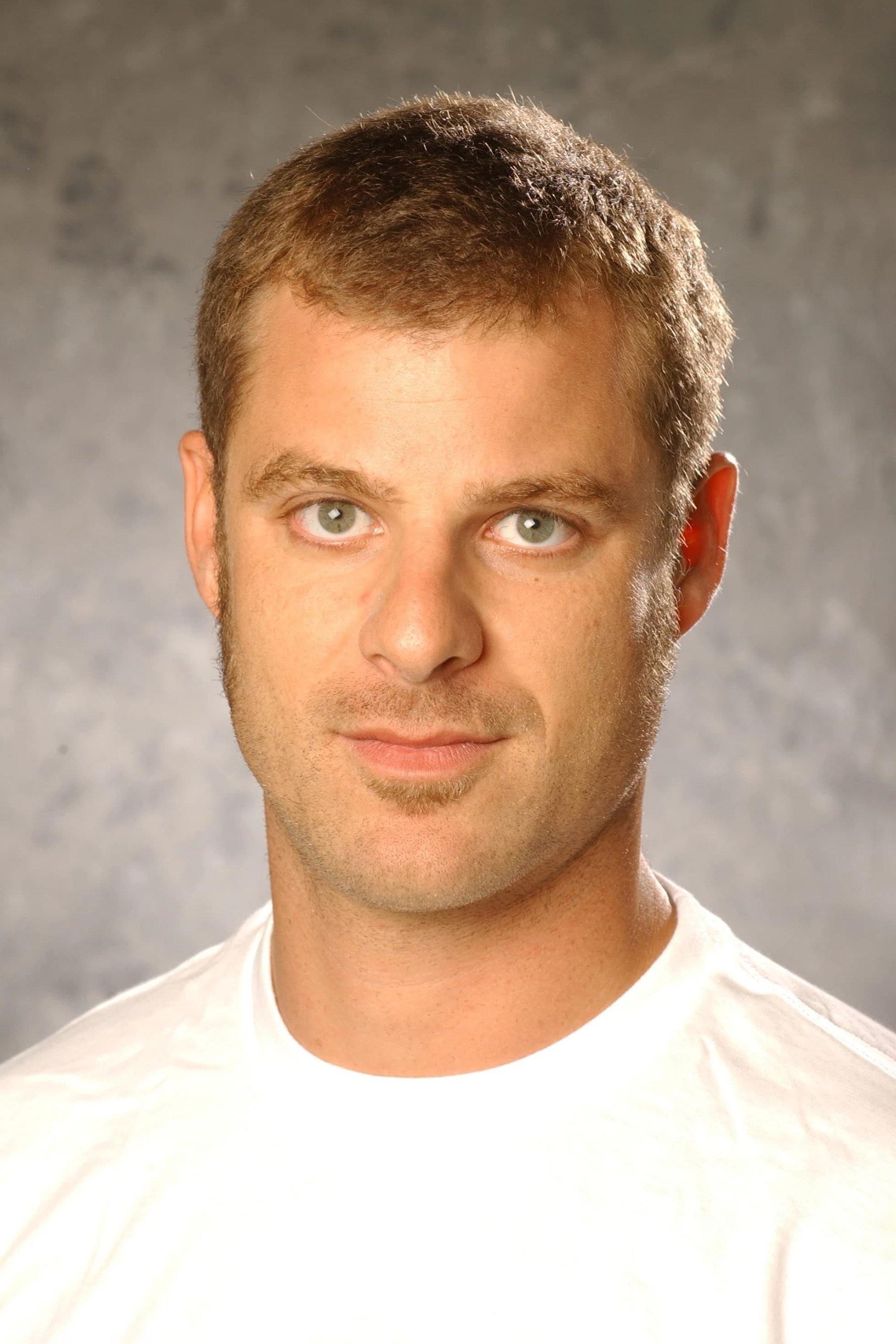
The screenplay by Parker, Matt Stone and Pam Brady understands how quickly concern for children can become an excuse for adult aggression. Its targets include intolerance and the habit of holding entertainment responsible for social problems, and it keeps those complaints simple enough to survive the surrounding noise. There is pleasure in seeing an argument about a forbidden film become so disproportionate that another country gets involved. The adults do not require much help looking foolish.
Marc Shaiman’s music is the strongest reason this works at film length. The fully orchestrated numbers reach from Disney-style sweetness to Les Misérables parody, giving the rude lyrics elaborate accompaniment. We laughed at the mismatch between those carefully arranged musical numbers and the obscenities being sung. The tunes matter here, and the film would be much less entertaining if the music were merely something to talk over while waiting for the next offensive line.
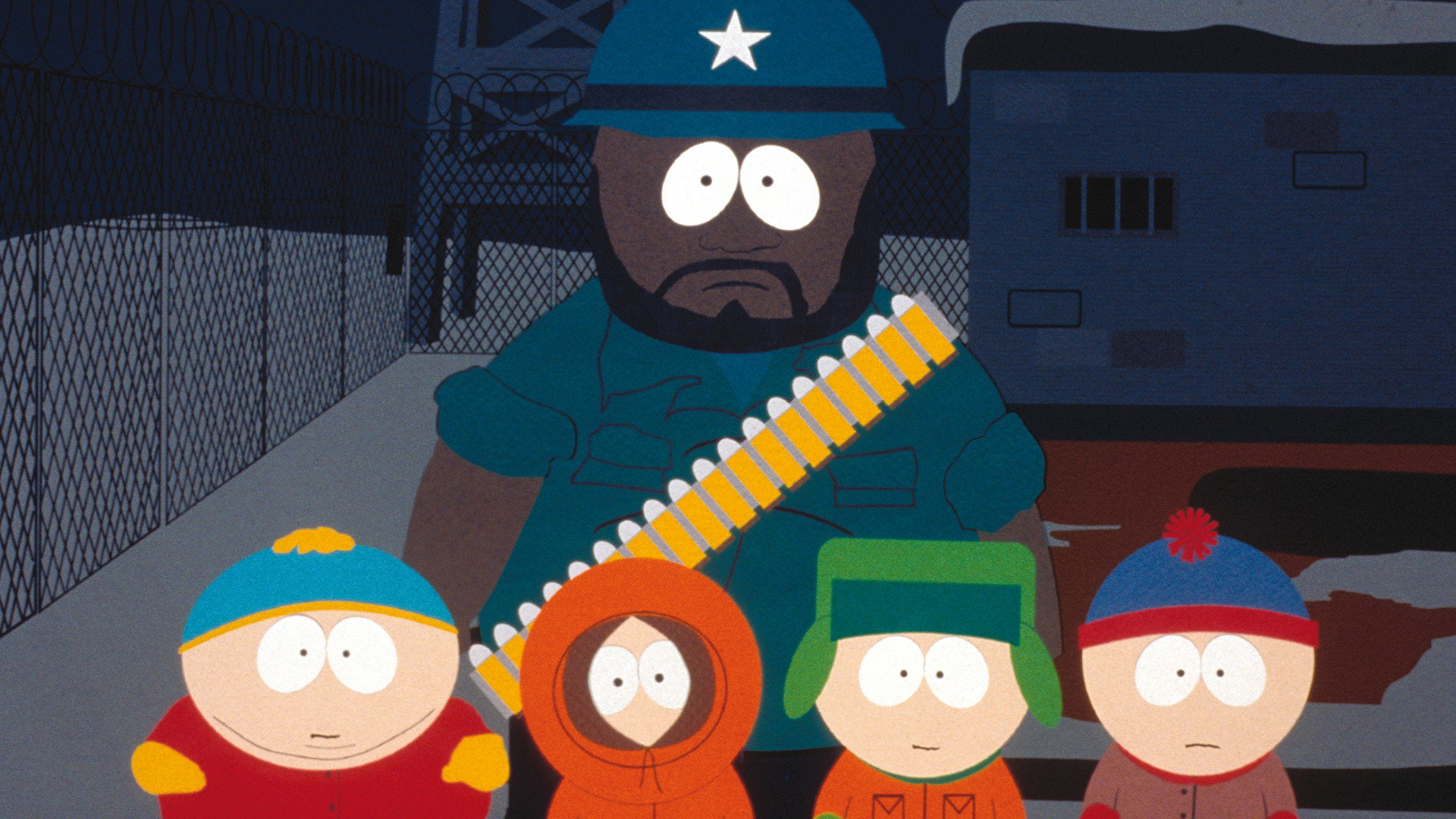
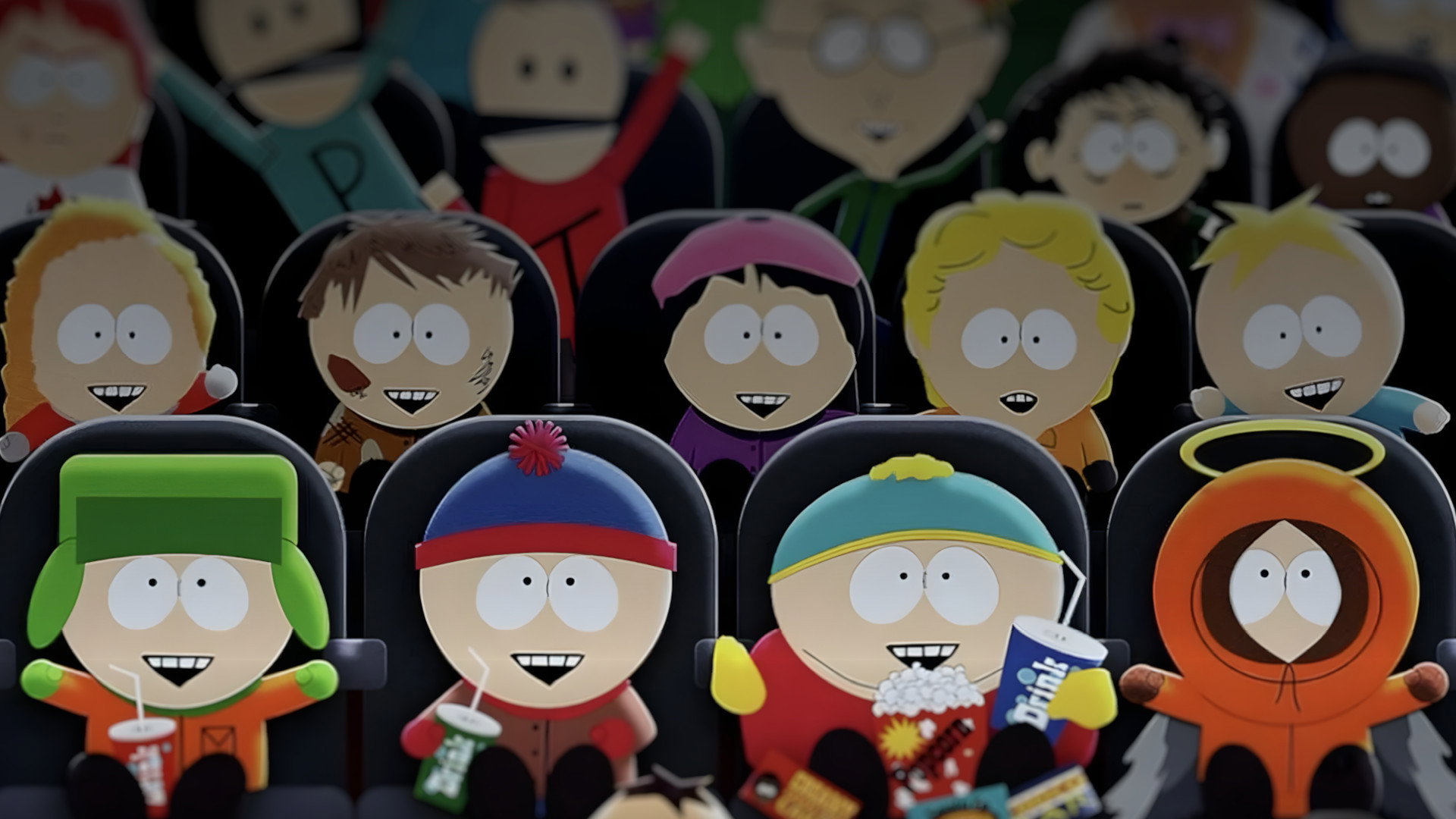
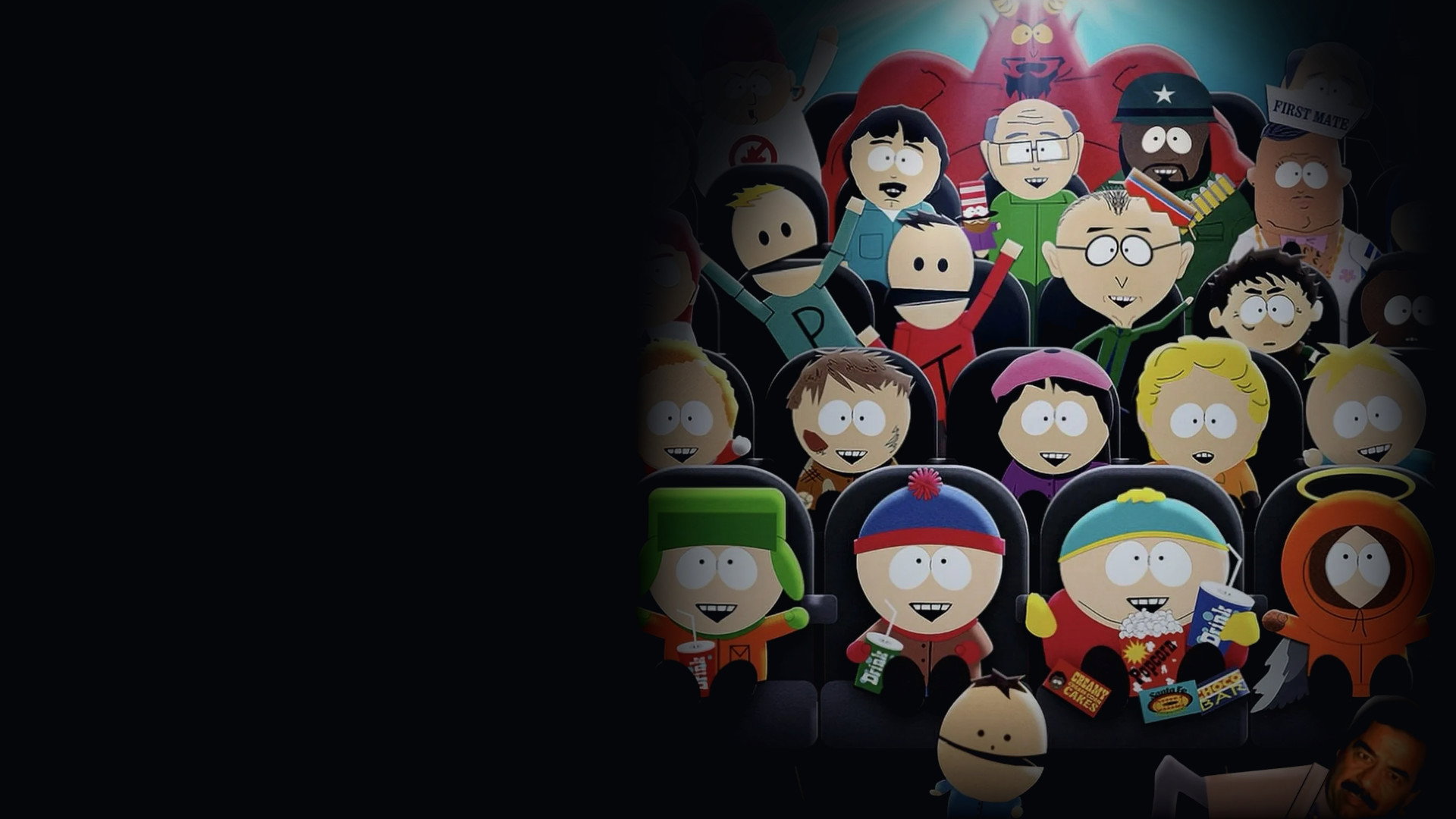
The simple animation gives the adults little help in looking authoritative, which suits the script. Parker voices Stan Marsh and Eric Cartman, while Stone provides Kyle Broflovski and Kenny McCormick; the performances keep the children abrasive enough that the defence of their freedom never becomes sentimental. This matters, because a sweeter set of children would make the adults’ intolerance easier to condemn and rather less interesting. These are useful voices for a film that refuses to accept annoyance as sufficient grounds for censorship.
John Venzon’s editing gives the early stretch a briskness that the rest cannot quite maintain. At 81 minutes, this is hardly an overlong film, but it still finds time for scatological detours that feel less sharp than the central censorship story. Parker is too willing to keep a joke going simply because it remains offensive. Once we know the film will say the forbidden thing, saying it again needs a better reason.
For a television comedy moving into cinemas, choosing the musical is a sensible way to justify the trip. Familiar characters alone would not have been enough; the songs give them something worth coming for, and the censorship plot gives their bad behaviour a purpose. The film does require an appetite for childish obscenity, and it has no interest in accommodating anyone without one. Take that warning seriously, then enjoy the singing.