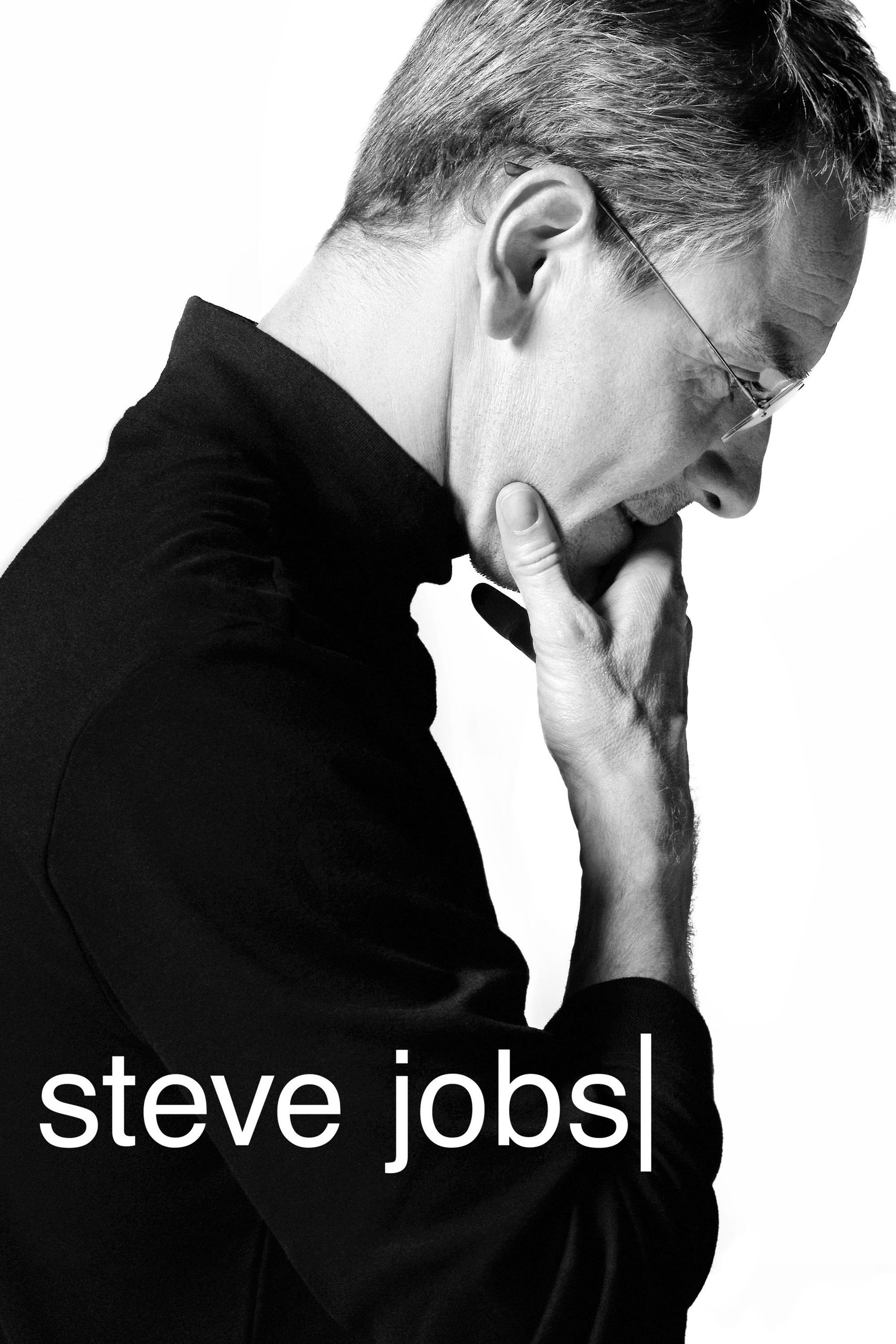
Danny Boyle makes a gripping backstage drama from Steve Jobs’s difficult relationships, with Michael Fassbender giving the arguments bite. The repeated confrontations sometimes look scheduled by the screenwriter, but the performances keep them worth hearing.
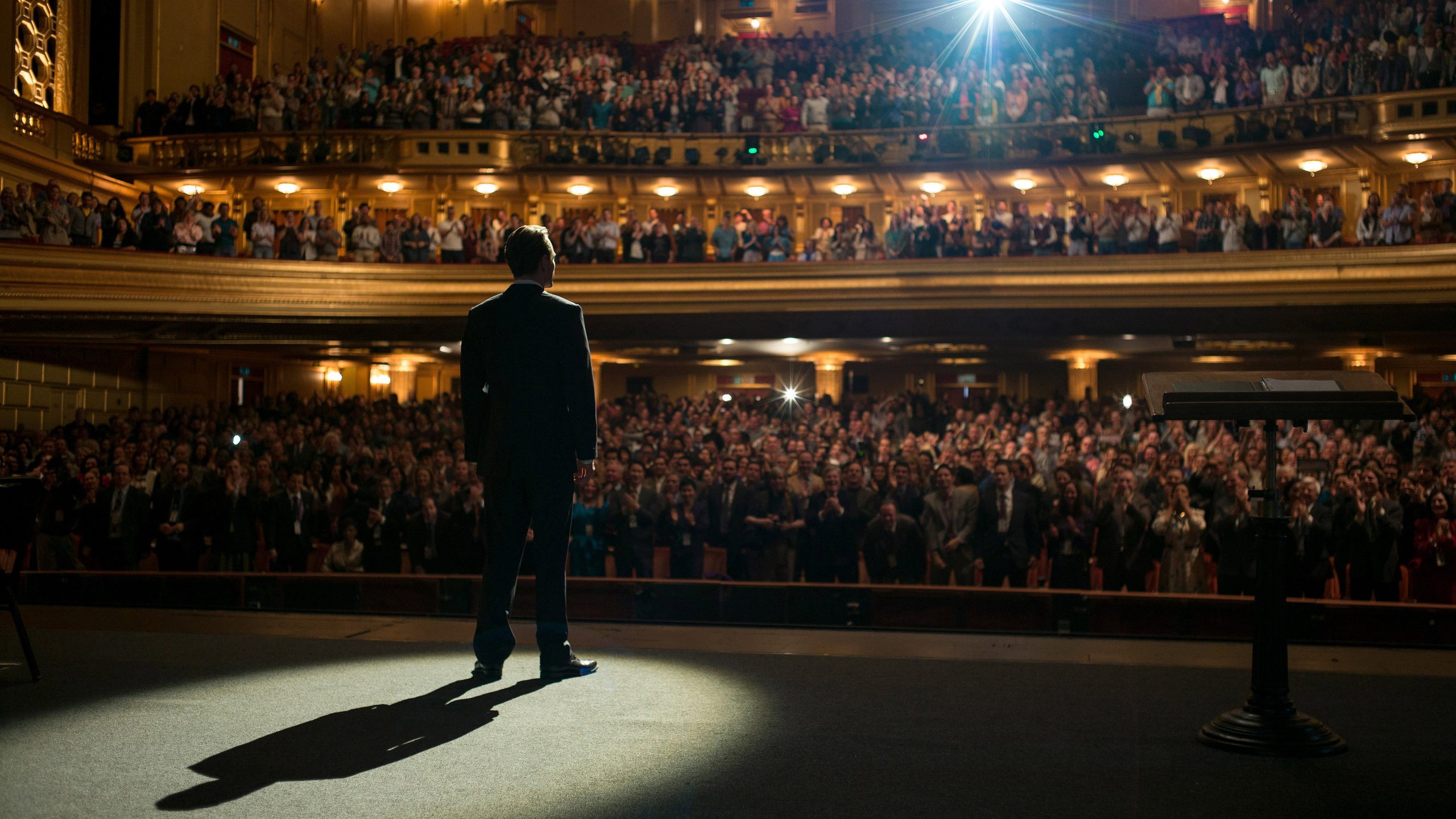
Steve Jobs is a gripping piece of dramatised biography, provided we accept that its confrontations have been arranged for maximum friction. Aaron Sorkin builds the screenplay around the private disputes preceding three product launches, giving Danny Boyle a succession of people who need something from the same difficult man. The structure leaves little room for the dutiful life-story procession that can make this genre such hard work. It also creates a useful deadline: whatever remains unsettled, there is a public presentation to prepare for.
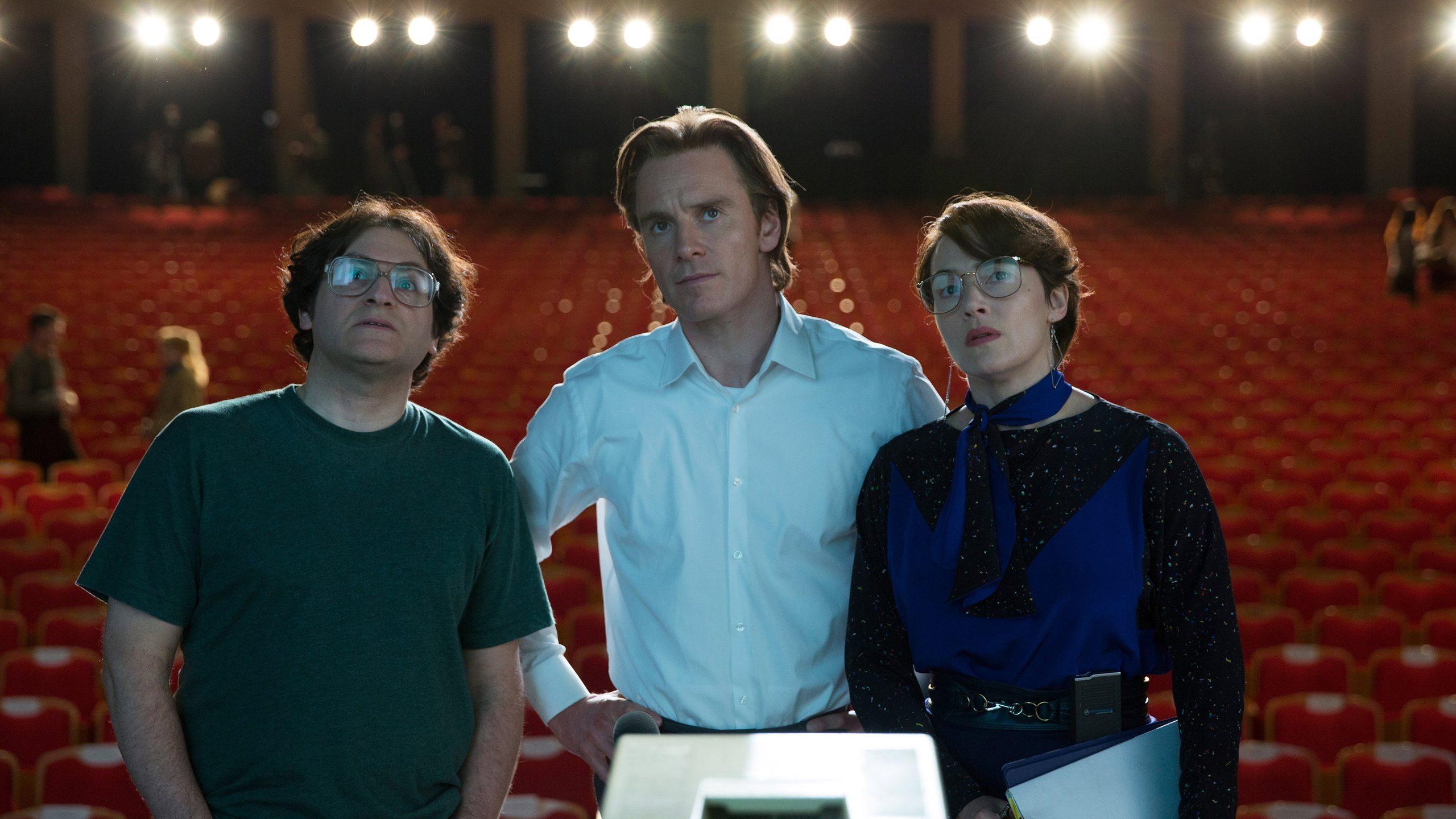
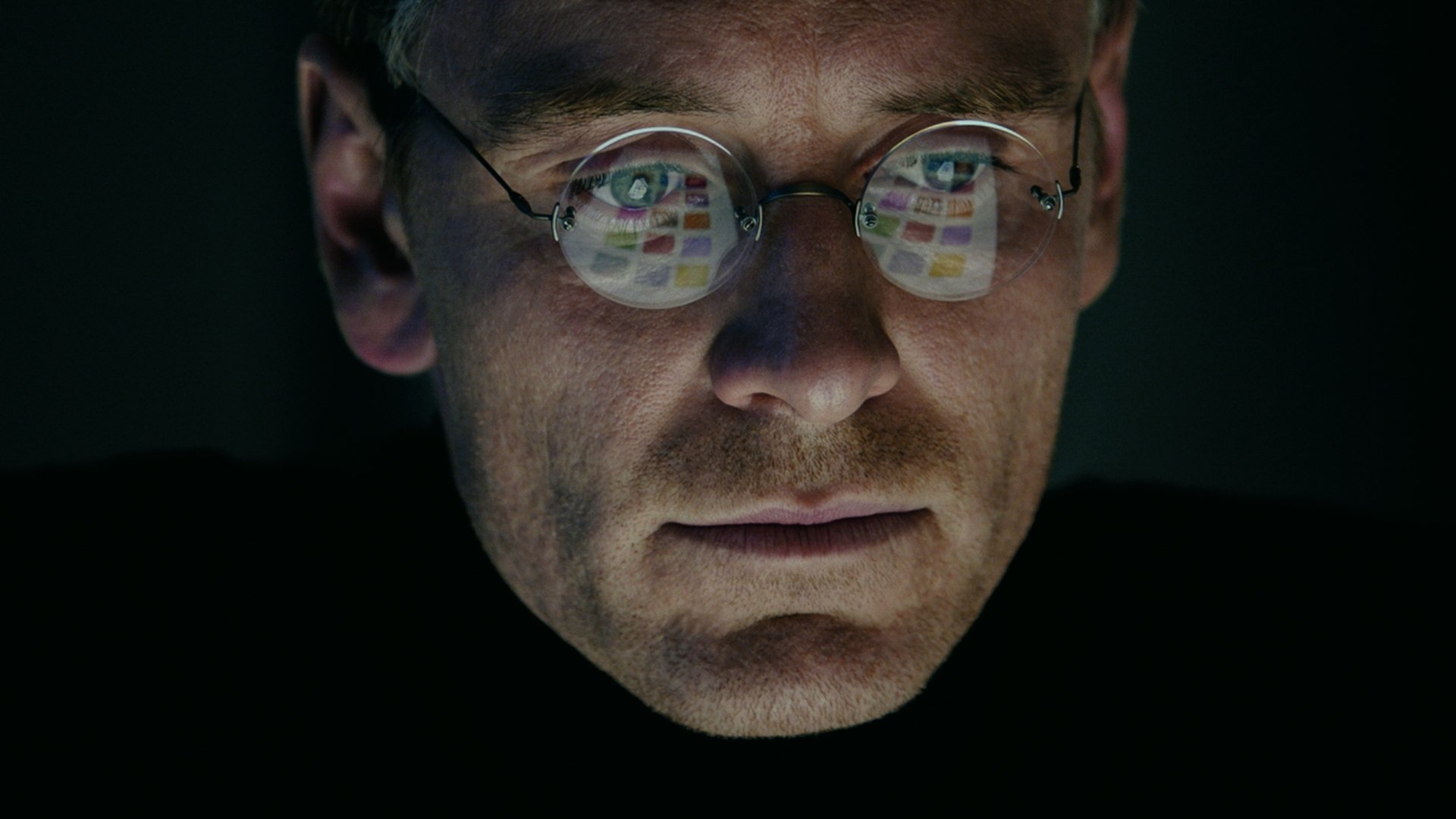
Michael Fassbender plays Steve Jobs with an impatience that makes listening seem like an imposition. He gives the man’s certainty enough force to explain why people persist in arguing with him, even when agreement looks unlikely. A less controlled performance might have made the bullying monotonous; here we can follow how Jobs adjusts his pressure according to the resistance. The film is sometimes so pleased to watch him dominate a scene that it pays too little attention to whoever is losing the argument.
Kate Winslet, as Joanna Hoffman, provides the necessary resistance, making her exchanges with him feel as though she has had to handle this behaviour before. She conveys the effort involved in staying useful to somebody who can make disagreement so punishing. Seth Rogen’s Steve Wozniak also helps by seeming unimpressed with the performance of authority, however forcefully Jobs delivers it. These actors give the grievances enough weight that we do not simply forget them whenever the central man finds a clever answer.
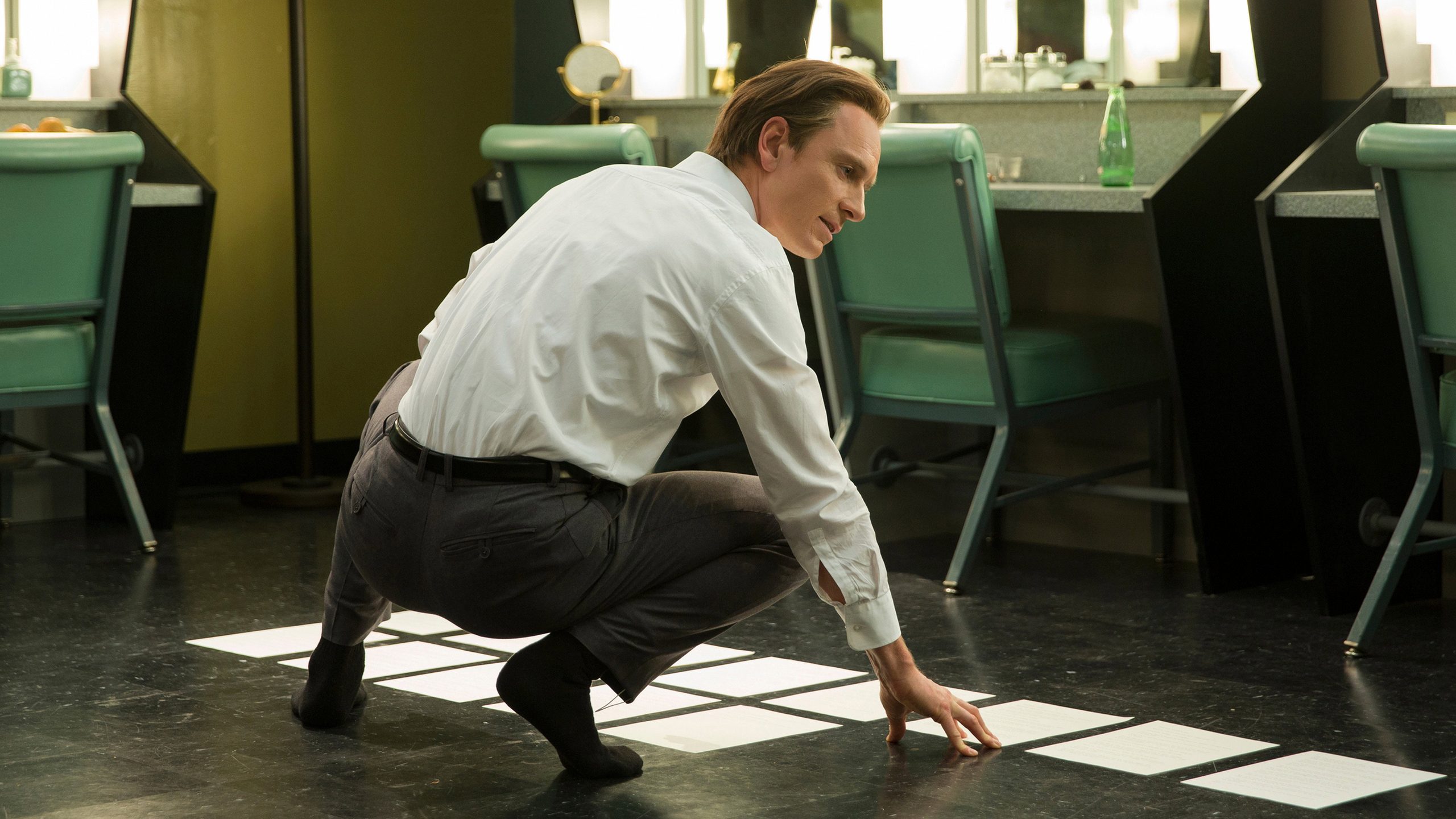
Danny Boyle gives all this talk sufficient movement without treating it as a problem to be solved by decoration. Cinematographer Alwin H. Küchler keeps our attention on the people arguing within the backstage bustle, while production designer Guy Hendrix Dyas makes the surroundings feel organised around the coming presentation. We remain aware of the public occasion pressing on the private exchanges. The result is brisk, sometimes almost too brisk: there is little opportunity to sit with a remark before somebody answers it.
Editor Elliot Graham gives the exchanges a clean rhythm, allowing a rebuttal to register before the next accusation arrives. We were exhilarated by the backstage arguments. The speed of the replies is the reason: somebody can appear to have settled a point and immediately find themselves having to defend it again. Daniel Pemberton’s score adds further urgency, though the film scarcely needs encouragement to hurry. Its insistence occasionally feels surplus to the actors’ efforts.
The problem is repetition. Sorkin’s returns to the same pre-launch pressures are initially a pleasure, because we can anticipate another round of difficult conversations, but the appointments eventually become too convenient. Characters seem to have waited for the screenplay to summon them before saying what needs saying. There is also a softness in the treatment of Jobs that sits awkwardly beside the enthusiasm for his cruel remarks: the film wants us to recognise the harm without becoming too reluctant to forgive it.
Biographical dramas often make achievement an excuse to give their subjects the benefit of the doubt, and this one does not entirely escape that habit. Its considerable advantage is that the actors let us hear how wearing such a person might be to everybody else. They make the objections to Jobs worth listening to, even when the screenplay seems impatient to settle them. It is a good choice for company that can enjoy an argument without needing to like the person who wins it.