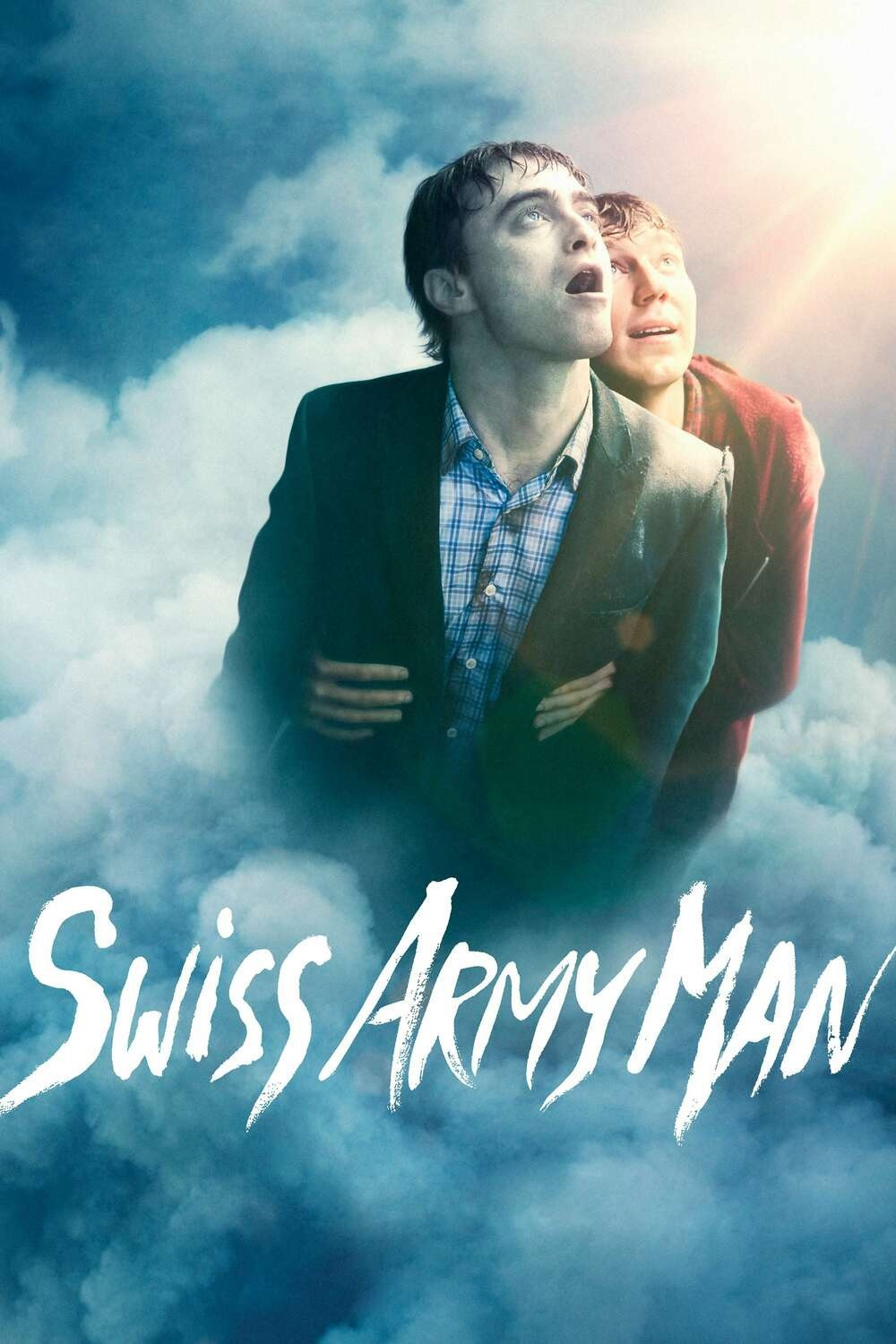
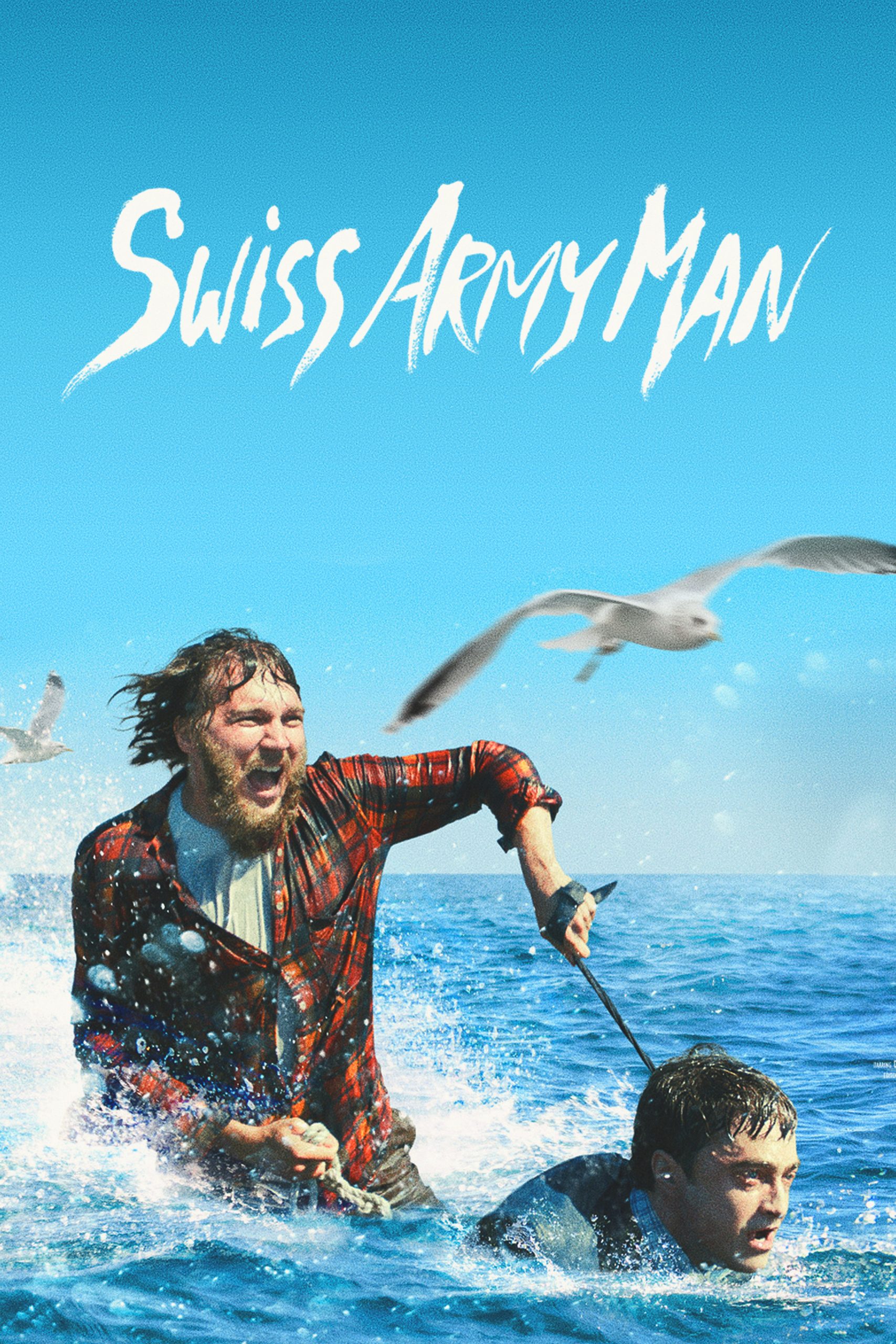
Swiss Army Man is a funny, oddly tender survival comedy, carried by Paul Dano and Daniel Radcliffe. The earnest conversations can drag, but the affection between its stranded man and useful corpse is worth staying for.
Daniel Kwan and Daniel Scheinert take a joke about a flatulent corpse seriously enough to build a friendship around it. Swiss Army Man is funny and touching, with a tiresome habit of explaining feelings that its actors have already made clear. As writers and directors, they seem determined to find something worth loving in everything most people would rather conceal about having a body. That gives the comedy a purpose, although there are stretches when we would happily settle for another practical use for the corpse.
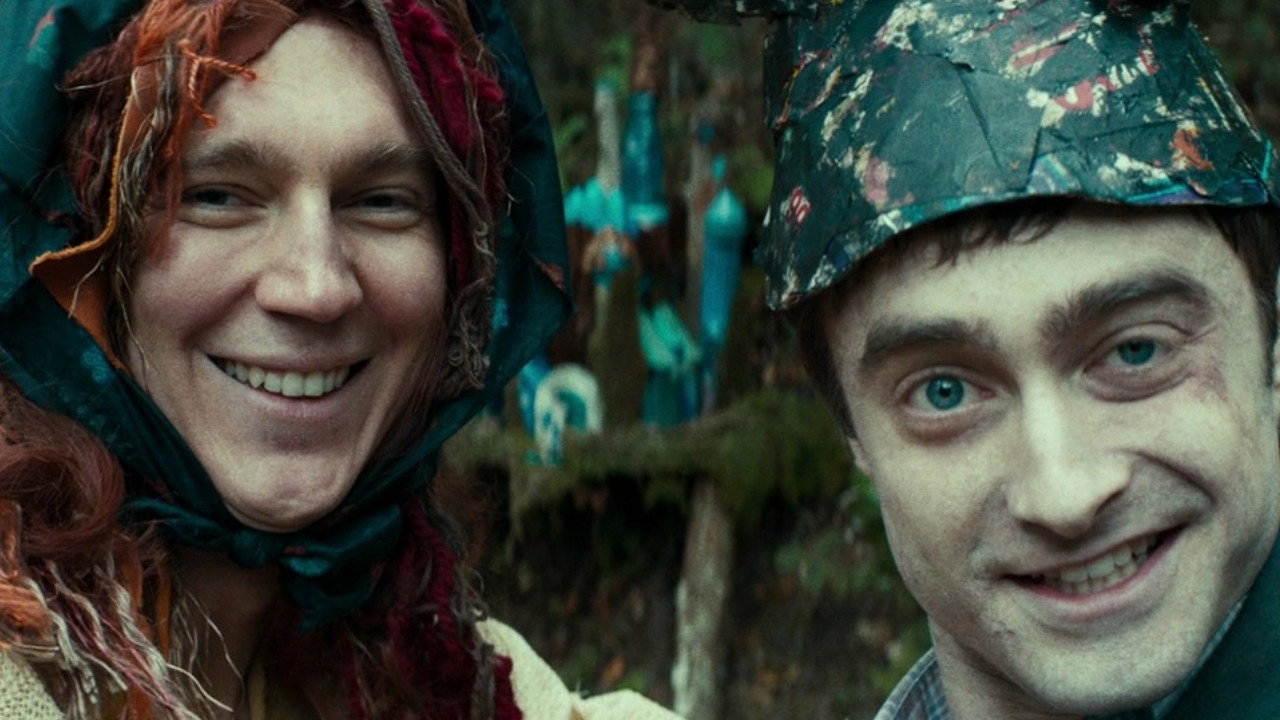
Hank, played by Paul Dano, needs to survive in the wilderness; Manny, played by Daniel Radcliffe, supplies an assortment of bodily functions that prove unexpectedly useful. The indignity of treating a dead man as outdoor equipment is enough to sustain the first joke, and the actors make it possible to care about the arrangement. We laughed at Hank’s dependence on this absurd body, then felt unexpectedly protective of the pair. Their companionship gives the physical comedy a tenderness that the premise cannot prepare us for.
Daniel Radcliffe has the harder physical assignment, making a corpse expressive without losing the awkwardness that makes it funny. He gives Manny enough vulnerability for the jokes at the body’s expense to feel faintly uncomfortable, and enough comic precision to keep them enjoyable. Paul Dano supplies the more recognisable distress, allowing Hank’s loneliness to be unattractive as well as pitiable. Neither actor stands outside the film to reassure us that he knows how peculiar it is.
Larkin Seiple’s photography finds enough visual interest in a man hauling a corpse through the wild to keep that image from wearing out its welcome. The body’s awkward presence is funny before anyone supplies another line of dialogue. Jason Kisvarday’s production design gives the film a hand-made look that suits Hank’s need to improvise with what is available. That roughness helps the fantasy feel personal, even when the bodily tricks become elaborate.
Matthew Hannam’s editing has a less forgiving task, since a succession of discoveries about Manny must also sustain a feature-length journey. The film drags when it pauses to discuss what bodies, embarrassment and human connection mean, and another inventive sequence cannot quite hide the repetition. Andy Hull and Robert McDowell’s music adds warmth, though its folk sweetness sometimes urges a tender response before the scene has earned one. We do not need every strange encounter softened for us, especially when the performances have already made these men sympathetic.
Buddy comedies need their odd couples to seem worth the trouble, and this one makes its most unpromising character surprisingly easy to love. The friendship is engaging enough to justify a few uneasy shifts between the ridiculous and the sorrowful. At 97 minutes, the film still has passages that could lose a little talking. See it if physical comedy and open-hearted fantasy sound like reasonable companions, and allow for some lecturing along the way.