Joel Coen and Ethan Coen make the Old West funny, cruel and unexpectedly sad. The stories vary in strength, but Tim Blake Nelson’s singing cowboy and the patient attention to detail make the unevenness worth accepting.
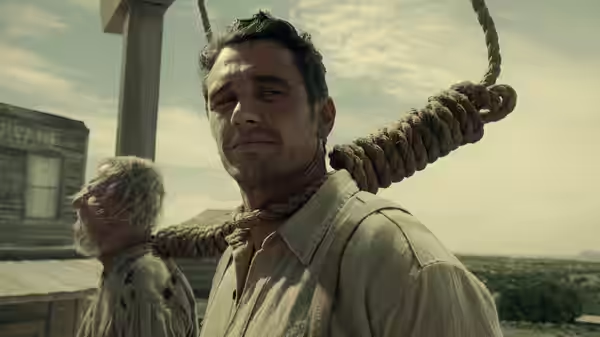
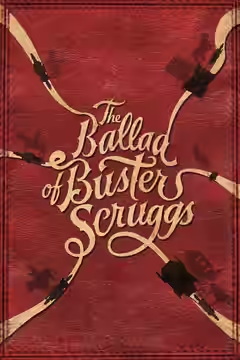
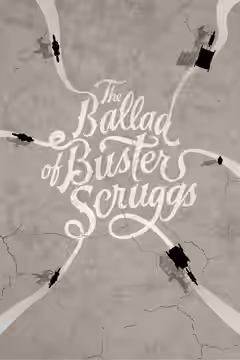
Joel Coen and Ethan Coen’s The Ballad of Buster Scruggs is a good Western anthology with an exceptional opening and some stretches that cannot sustain our interest. Its six stories appear as chapters in an illustrated book, giving each a fresh start without pretending they belong to one continuous adventure. The brothers use that freedom to move from broad comedy into cruelty and sadness. At 132 minutes, the collection asks for more patience than every chapter earns, though enough of it works to justify the evening.
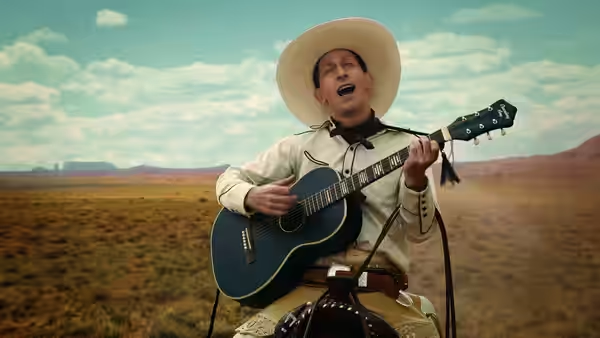
Tim Blake Nelson makes Buster Scruggs such agreeable company that the opening’s musical violence is harder to resist than it should be. His performance treats singing and aggression as equally reasonable ways of passing the time, without pausing to acknowledge how outrageous this is. We laughed, then felt slightly ashamed of ourselves, because the musical timing makes the brutality so easy to enjoy. The performance sets a level of comic assurance the other stories cannot consistently match.
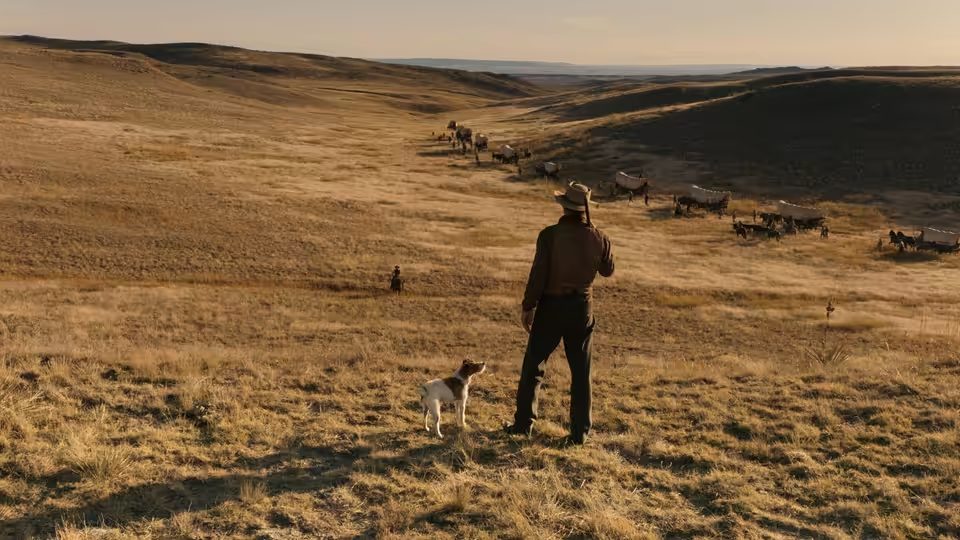
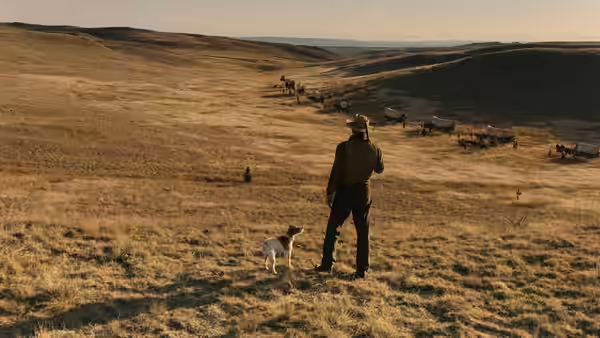
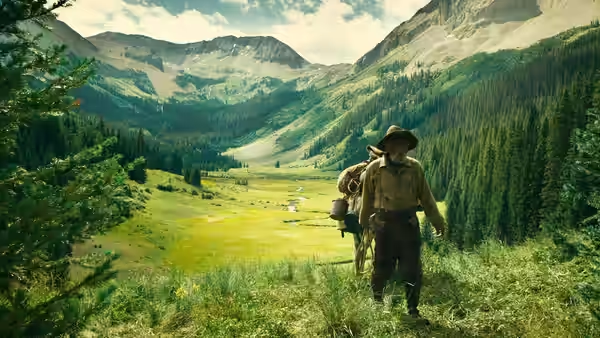
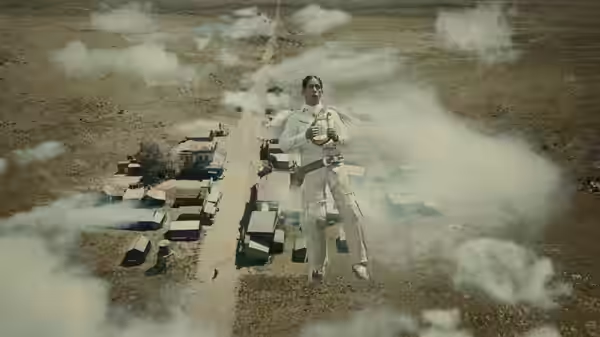
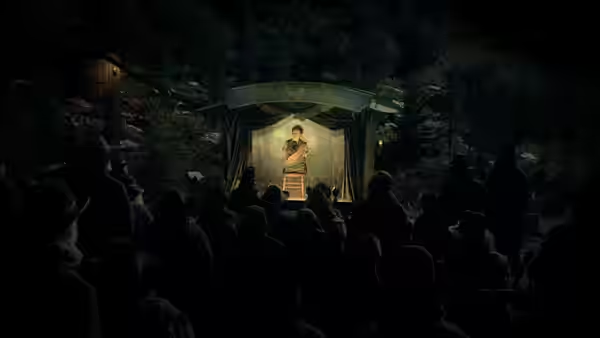
Bruno Delbonnel’s cinematography makes the Western scenery feel expansive even when a story is over almost before we have settled into it. Those broad views deserve the attention they receive. Jess Gonchor’s production design gives the drinking and card-playing spaces the carefully arranged look of illustrations, fitting the book that introduces the tales. The artificiality is a pleasure, although the polish sometimes keeps the harsher material at a comfortable distance.
As editors, Joel Coen and Ethan Coen are especially good at letting a change of tone arrive before we have prepared for it. A comic passage can become unpleasant without an announcement, and the chapter breaks let them begin again without forcing a connection between stories. Carter Burwell’s score gives the sadder passages enough weight to stand alongside the comedy. It helps us accept the changes without making every sombre moment feel like an instruction to stop enjoying ourselves.
The trouble is that we begin to anticipate the cruelty. Once the collection has taught us to distrust a pleasant situation, waiting for it to sour can become less interesting than the brothers seem to think. Some chapters feel stretched around a grim joke whose direction is already clear, and the handsome settings cannot entirely disguise the wait. Slowness itself is not the problem; the problem is having time to lose interest in what happens to the people.
For all that, the film understands how much a Western can contain. Songs, bad manners, suspicion and sentiment belong here without every tale having to handle them in the same way. The performances are most persuasive when they make the people worth caring about before the film asks us to fear for them. There is enough tenderness to complicate the humour, and enough humour to keep the persistent attention to mortality from becoming a lecture.
Do not mistake the singing cowboy for a promise of a cheerful evening. The changeable pace is part of the appeal, provided a less compelling chapter does not send us reaching for a distraction before the next one starts. Choose it when a laugh turning uncomfortable sounds like an acceptable way to spend the night.