Robert Wise’s science-fiction warning remains tense and persuasive. Michael Rennie’s restraint and Bernard Herrmann’s unsettling music carry it through the passages where the supporting characters have to work too hard to explain the message.
Robert Wise’s The Day the Earth Stood Still remains a thoughtful, tense science-fiction film, with a warning worth hearing. It gives its visitor enough authority to make the prospect of a peaceful conversation feel uncomfortable. Its weakness is a tendency to make people explain things when we would rather watch them respond. At 92 minutes, though, it makes room for serious talk without asking us to settle in for a lecture.
Edmund H. North’s screenplay treats the arrival from space as an occasion to consider whether Earth can live peacefully. A warning comes with an ultimatum, which makes the visitor’s position more uncomfortable than a simple appeal to goodwill. We can accept the need for peace and still be troubled by the confidence of someone telling an entire planet how to behave. The dialogue sometimes presses the point too firmly, leaving little for a performance to suggest.
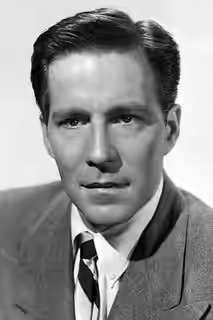
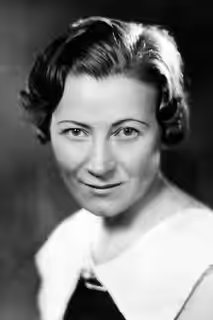
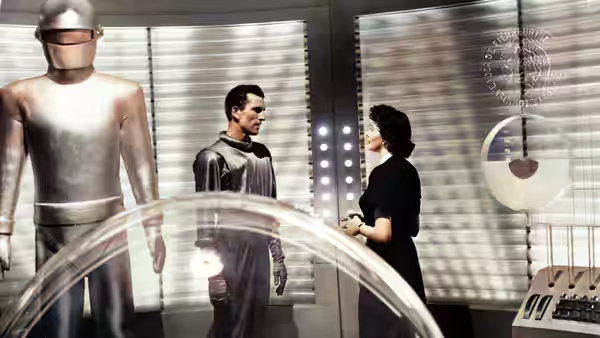
Michael Rennie gives Klaatu / Mr. Carpenter the measured manner the film needs. He sounds as though he expects to be understood, and the lack of fuss makes him persuasive without making him entirely reassuring. Patricia Neal gives Helen Benson a directness that helps when the screenplay threatens to turn everyone into a spokesperson. Even so, the supporting characters are often less interesting than the visitor, and the cast has to supply the ordinary human interest that the writing sometimes passes over.
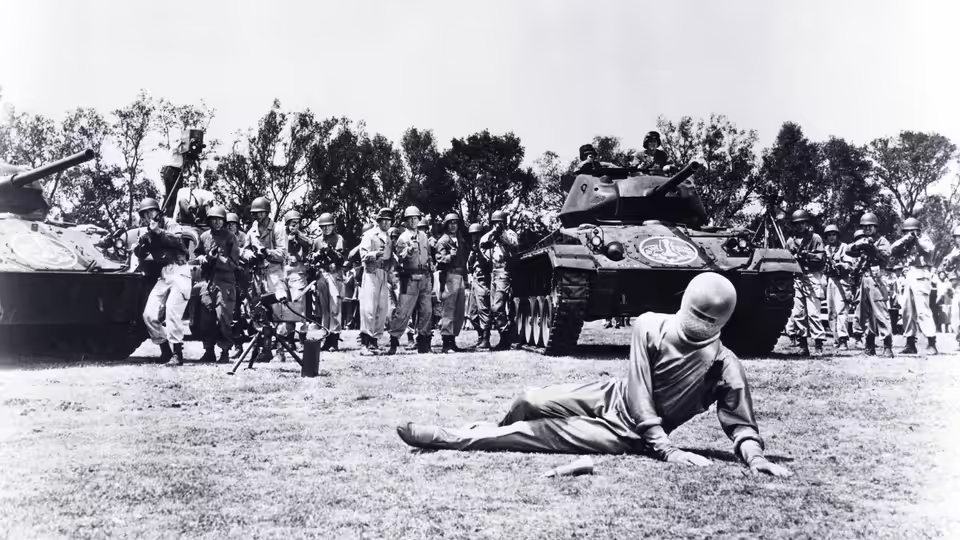
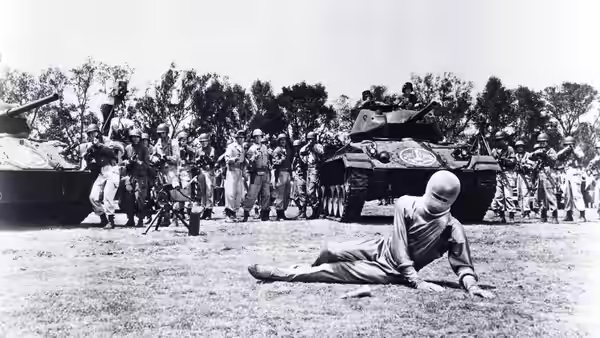
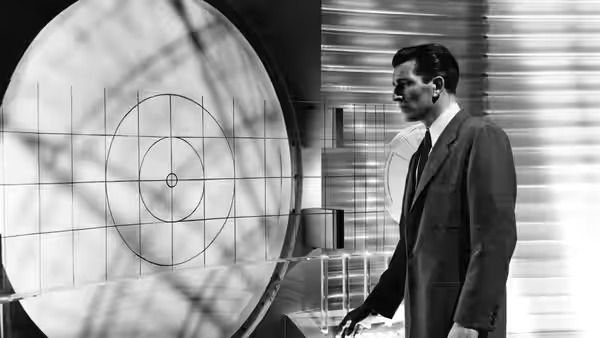
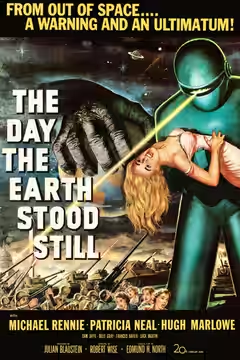
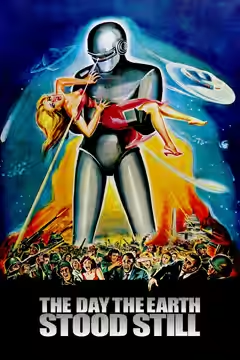
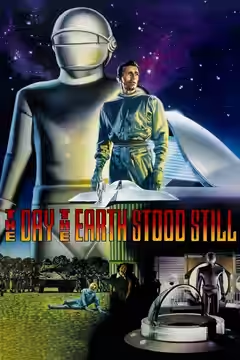
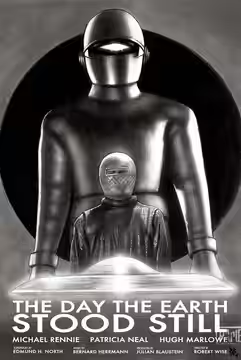
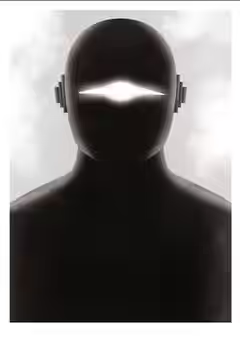
Leo Tover’s black-and-white photography gives Robert Wise’s realistic staging a firmness that helps the stranger details register. The image of light beneath Gort’s visor holds our attention with remarkably little information. We were unsettled by it: there is no expression to read, and nothing that invites reassurance. That narrow patch of light makes us examine the image closely, waiting for something that will tell us more. The effects can show their age without spoiling the tension of looking at Gort.
Bernard Herrmann’s score does a considerable share of the frightening work. Its unfamiliar sound keeps the visitor strange even when Michael Rennie’s delivery is at its most composed; the music prevents his calm from settling the whole film. It also disturbs the sober presentation enough to keep the picture from becoming merely an earnest discussion of good behaviour. There are passages where the music supplies more unease than the dialogue, and the film benefits from letting us hear something its speakers cannot explain away.
William H. Reynolds’s editing keeps the discussions moving, although it cannot give every supporting character an independent life. We can sometimes hear the screenplay arranging its next explanation before the conversation has finished. The measured pace nevertheless gives us time to study the visitor and remain uncertain about him. Hurrying would risk losing the sustained attention that Michael Rennie’s performance earns, particularly when his composure is itself a reason to feel nervous.
For a science-fiction thriller, this is unusually willing to ask for patient attention to what people say. The effects have dated, and anyone wanting constant action will need to adjust to the weight placed on speech and stillness. We recommend it with that reservation, especially for the unease beneath the visitor’s courtesy. Give it an evening when there is room for an uncomfortable conversation afterwards.