James Franco makes filmmaking incompetence funny without treating ambition as a joke. His performance gives this comedy warmth and discomfort, but the thinly drawn friendship and forgiving script keep it from cutting much deeper.
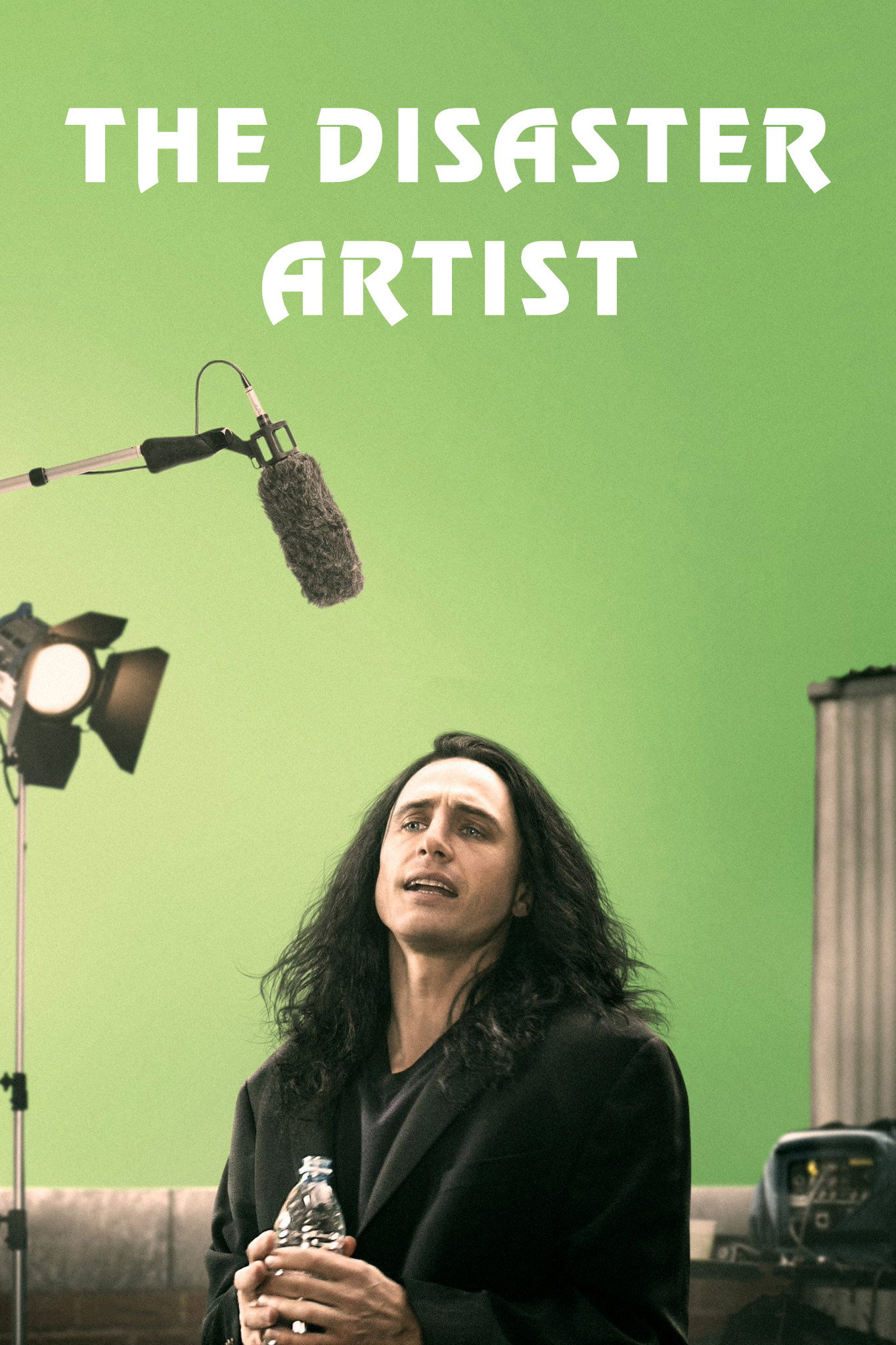
The Disaster Artist is a funny, warm account of filmmaking incompetence, weakened by its eagerness to find something admirable in almost everybody involved. James Franco directs and plays Tommy, the would-be filmmaker whose certainty carries him into making The Room. The comedy comes from watching that certainty survive contact with actors and crew who have to put it to practical use. Franco understands the appeal of someone who keeps trying, although he is less curious about what everybody else owes such a person.
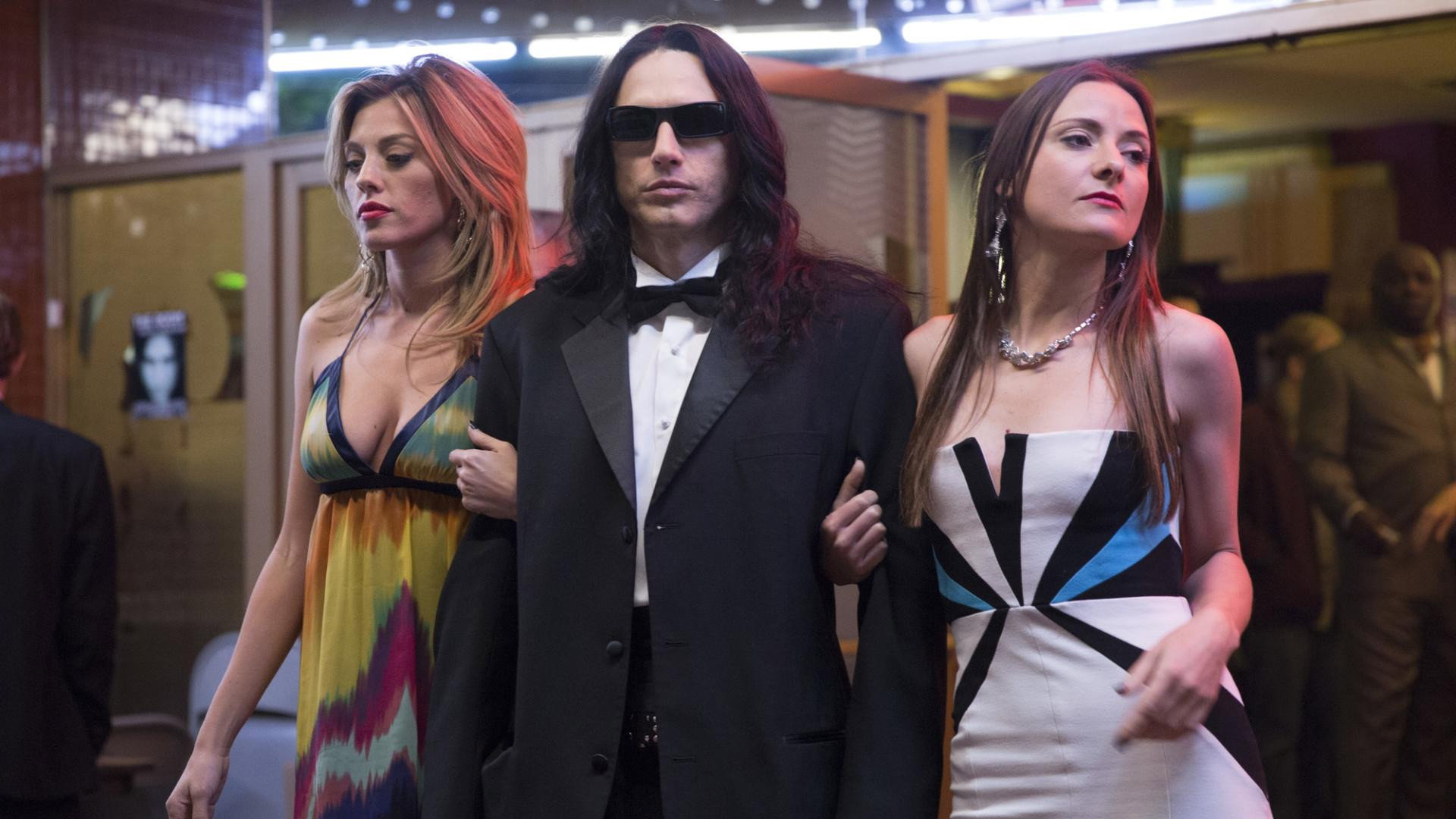
The accent, the appearance and the abrupt changes of mood give Franco plenty to work with, and he does not rush to make Tommy likeable. His performance makes the man’s belief in himself both funny and awkward to watch. We laughed at the voice, then felt uncomfortable about laughing at the man. The discomfort comes from Franco’s earnestness: Tommy takes his attempts at filmmaking seriously, even when the people around him cannot. Franco gives us time to feel bad about it.
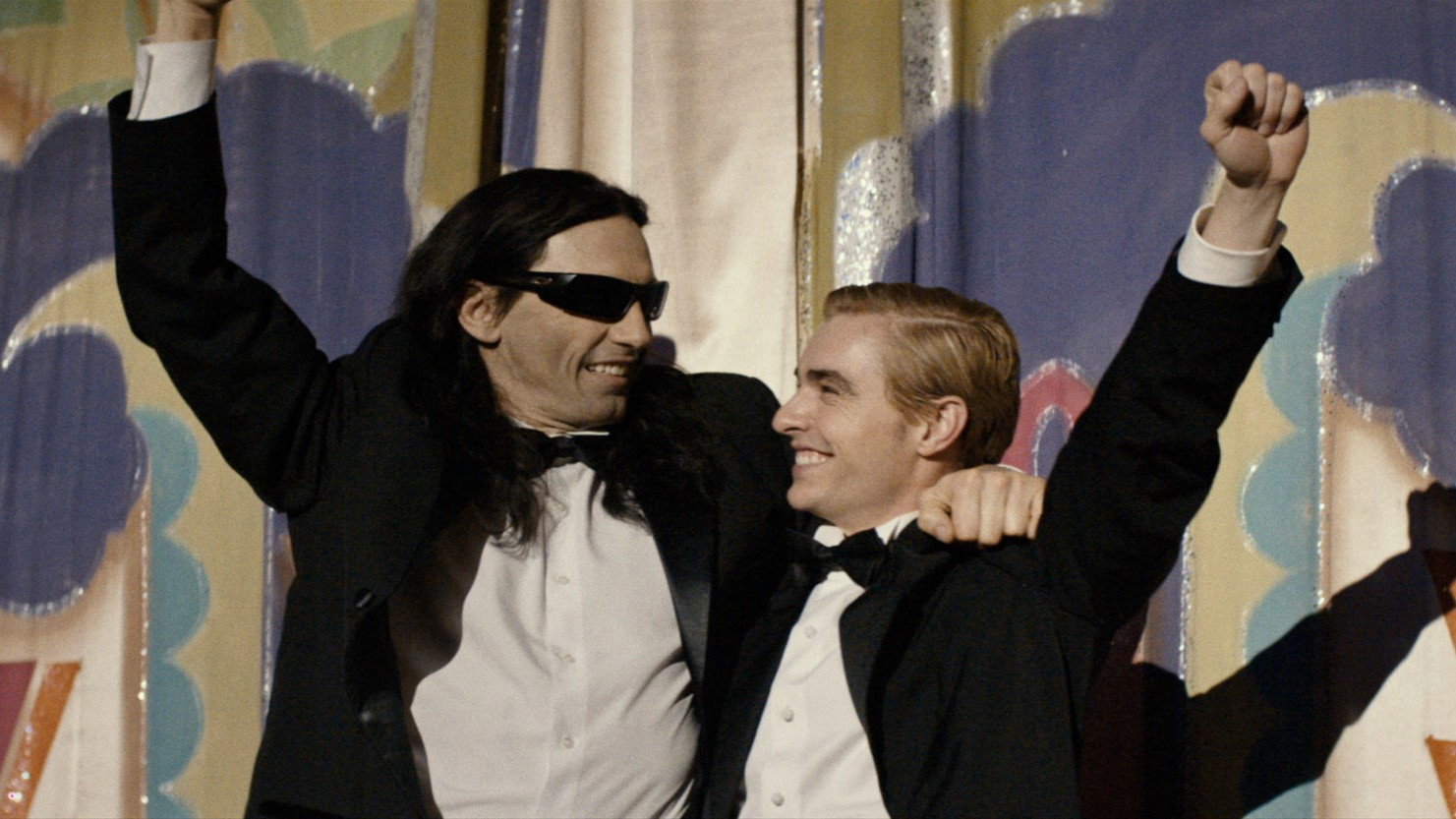
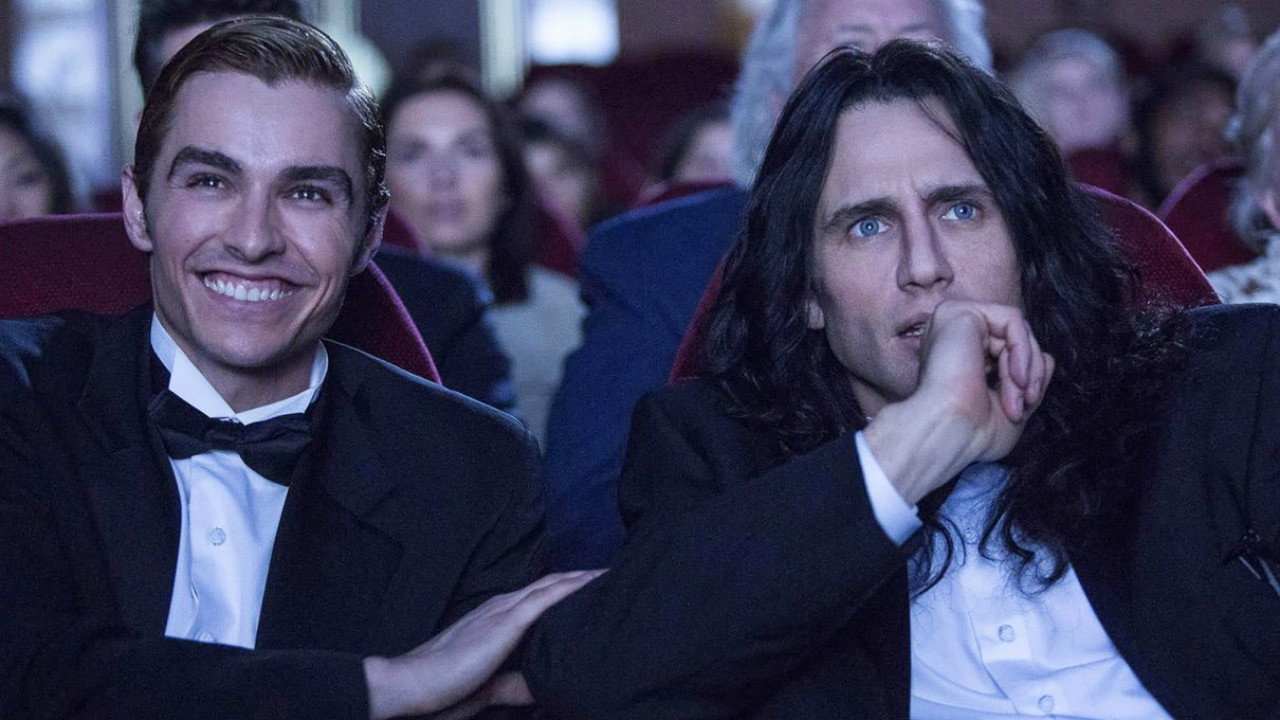
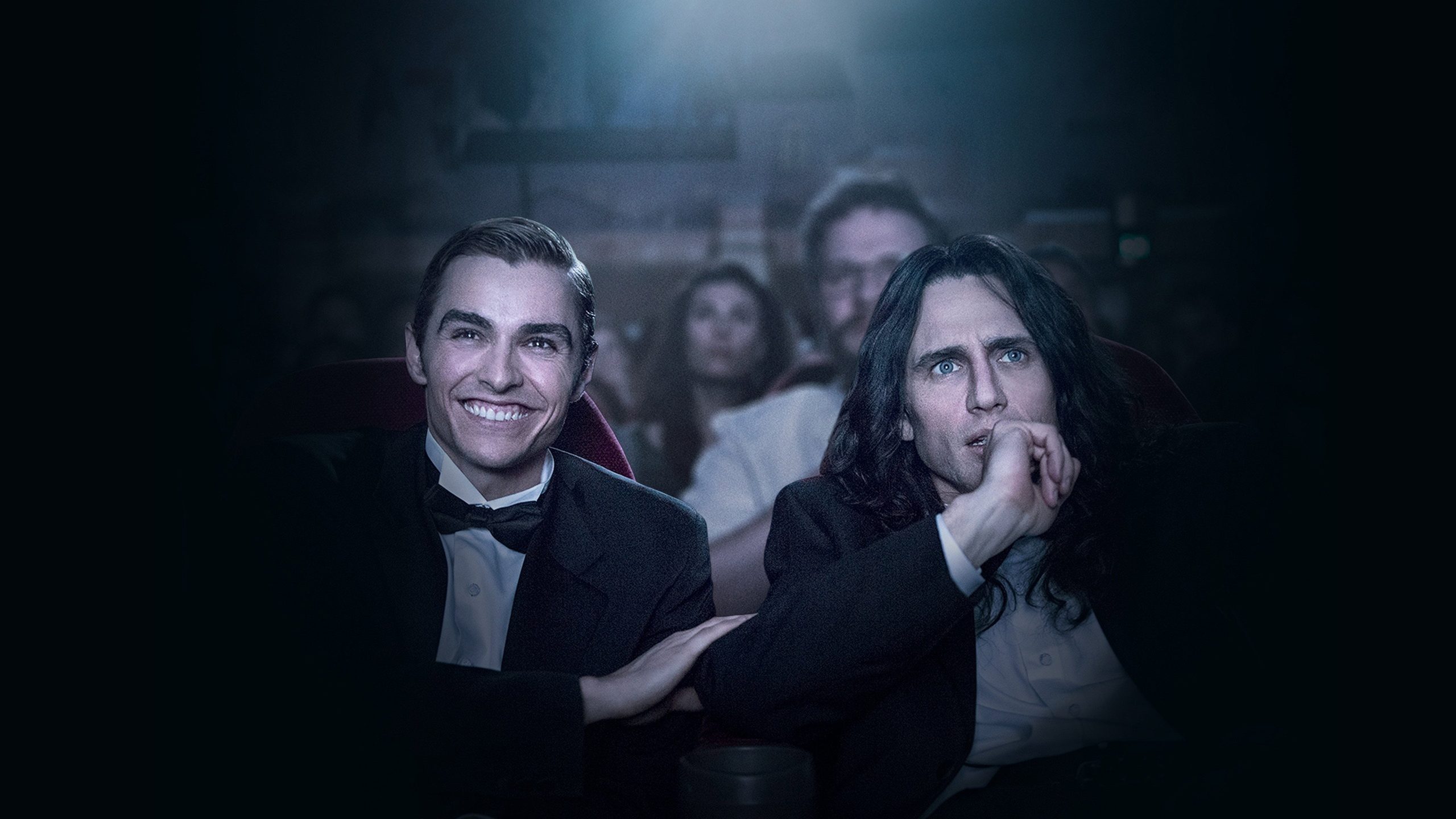
Dave Franco’s Greg gives Tommy somebody to impress and somebody whose approval matters, and the quieter performance calms scenes that might otherwise become exhausting. Yet Scott Neustadter and Michael H. Weber’s screenplay is too content to let this friendship explain itself. Shared ambition gets the men together; the film needs a clearer sense of why Greg remains so invested in Tommy when being his friend becomes hard work. Dave Franco is sympathetic, but Greg is too often left responding to the more conspicuous performance.
Chris L. Spellman’s production design makes the recreations of The Room convincing enough to be funny without requiring a running explanation. Brandon Trost’s cinematography keeps attention on the performers, a sensible choice when the trouble is usually a person attempting something beyond him. The images are not especially memorable on their own, but they serve the comedy. Seth Rogen’s Sandy adds welcome impatience to scenes that could otherwise become too indulgent towards Tommy.
Stacey Schroeder’s editing gives the production mishaps a brisk rhythm, with enough time to register the discomfort as well as the joke. At 104 minutes, the film does not exhaust its supply of absurd behaviour, though the emotional passages feel more familiar than the business of getting a scene made. Dave Porter’s music is less helpful when it encourages us to feel fond of Tommy. The actors have already given us enough reason to care.
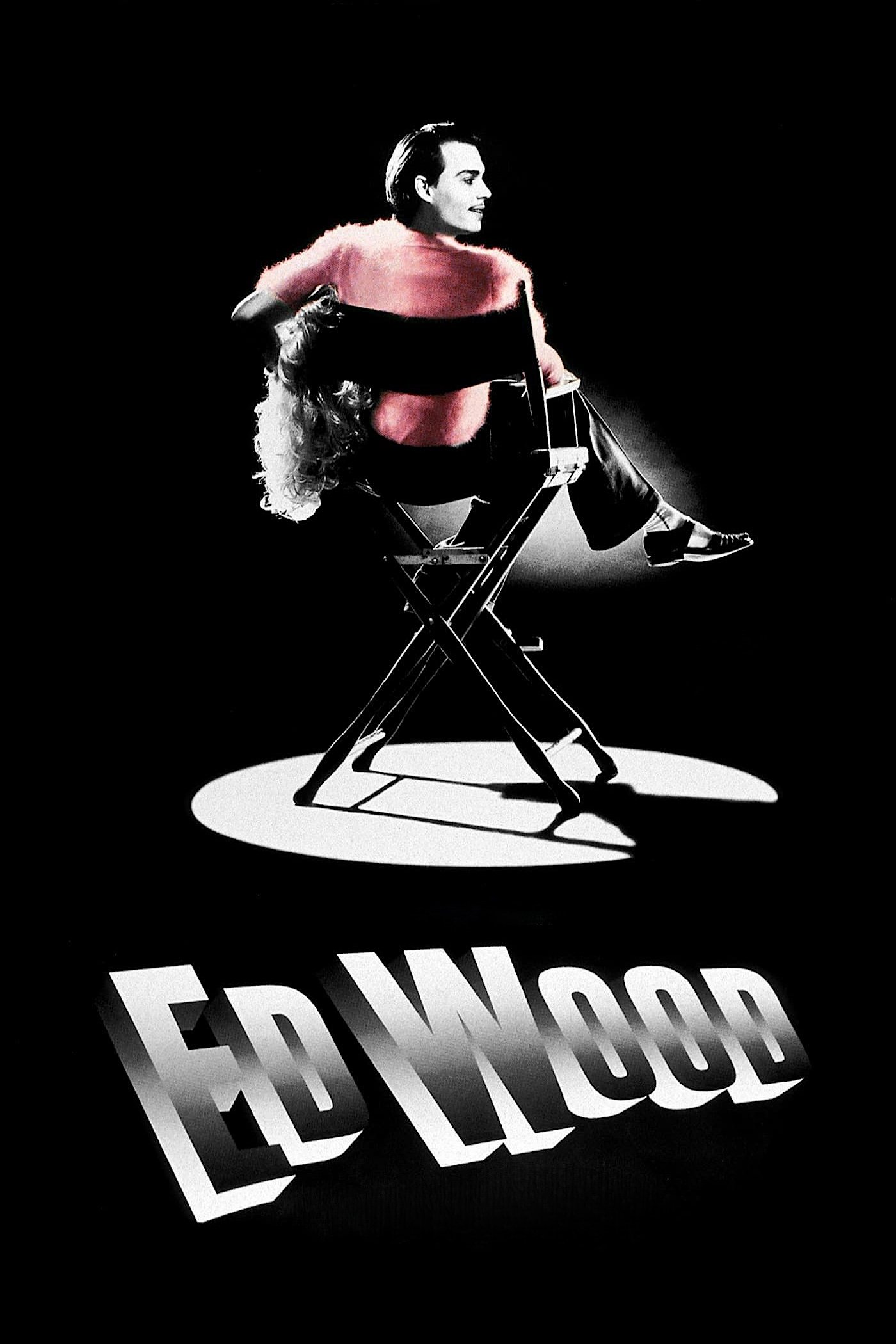
Ed Wood is the obvious comparison, but the more useful question is how far a comedy about bad filmmaking should protect its subject. Franco does show jealousy and delusion, and there is enough unpleasantness here to stop Tommy becoming merely a lovable eccentric. Yet the film keeps treating persistence as a reason to forgive behaviour it has just made us question. The supporting characters could have carried more of that discomfort if the script had given them the time.
Knowing The Room will make the recreations more rewarding, but prior study is not necessary. The recognisable problem is somebody with unchecked confidence making a job difficult for everybody else, and that needs little introduction. We would choose this for an evening when affection and embarrassment sound like a workable mixture. Just do not expect it to ask much of the man causing the trouble.