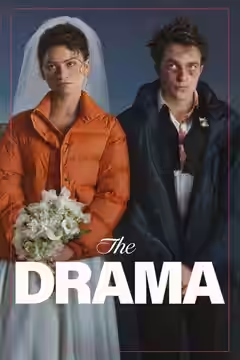
Kristoffer Borgli’s wedding comedy has one scene that will make you want to walk out and two leads who make you stay. What follows is smaller and safer than the thing that set it off, and the film seems to know it.
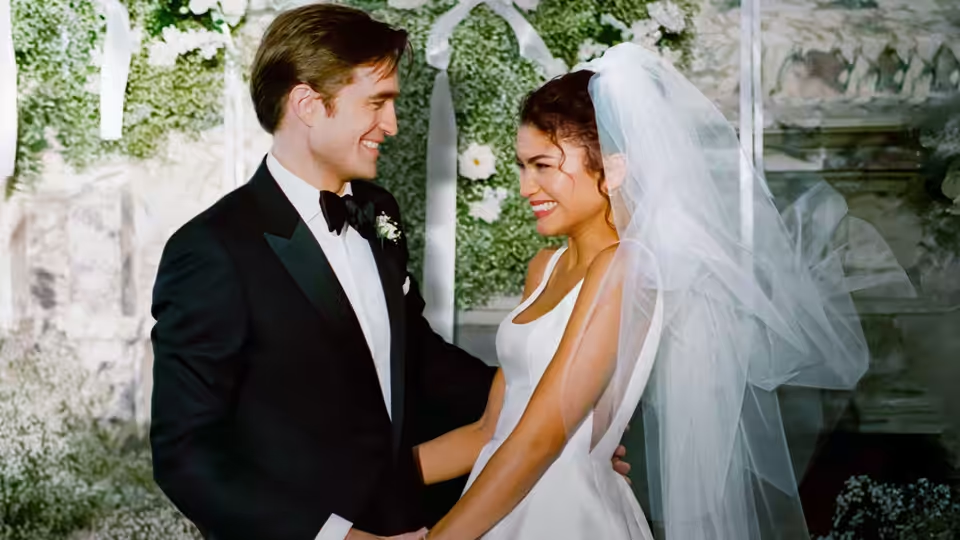
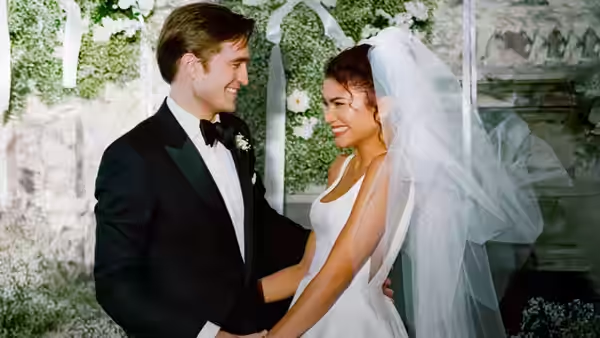
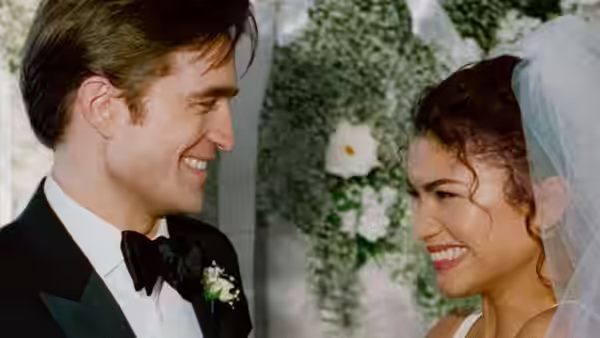
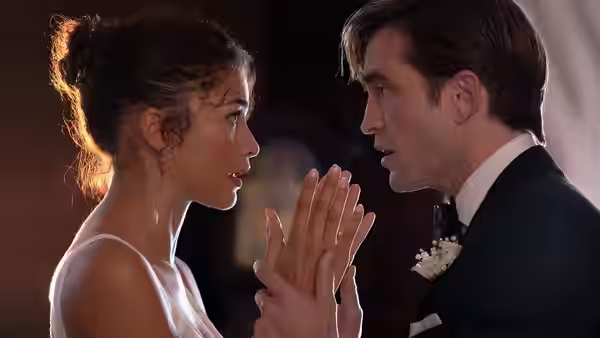
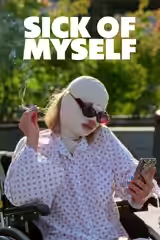
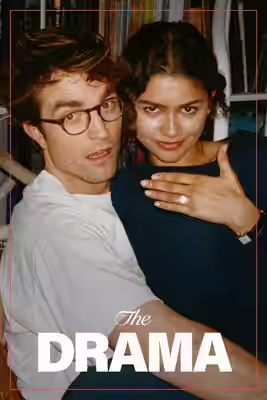
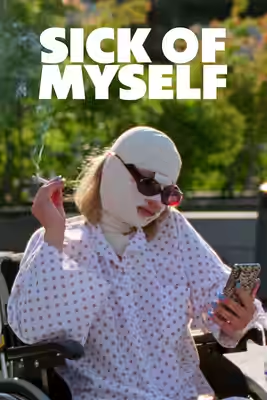
Kristoffer Borgli, after Sick of Myself (2022) and Dream Scenario (2023), has made a romantic comedy with a hole in the middle, and the hole is the point. Emma (Zendaya) and Charlie (Robert Pattinson) are days from their wedding, well off, well liked, plainly fond of each other. A game with friends and a few drinks too many lead Emma to tell Charlie something about her past. We will not say what it is. For about forty minutes The Drama is the sharpest thing Borgli has made. Then it starts to look after itself.
The confession scene is the reason to go. Borgli writes it as a party game that runs one round too long, and he and his co-editor Joshua Raymond Lee hold on the silence after each line for longer than is comfortable, then longer again. Arseni Khachaturan keeps the camera close enough that we can watch people decide what their faces should do. We watched it through our fingers and laughed, and did not much like ourselves for laughing; the laugh comes from the friends, not the couple, from a table of adults working out in real time whether they are allowed to leave. Daniel Pemberton’s score is a nervous, plucked thing that never quite settles, and it is used sparingly, mostly well.
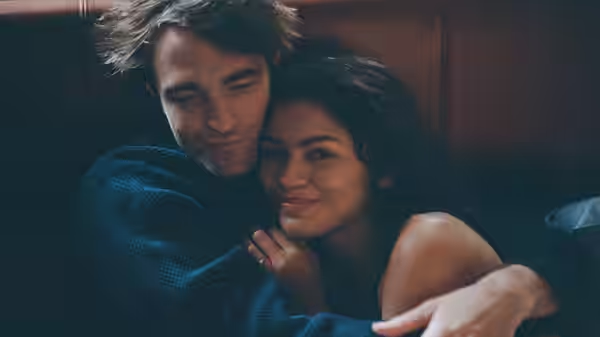
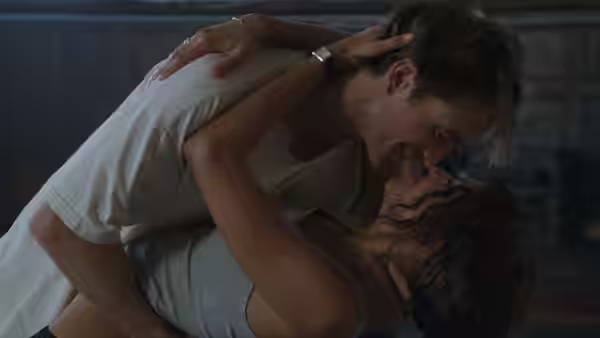
Pattinson plays Charlie as a man who has to go on being reasonable while every part of him objects. He agrees to things and then re-runs the agreement in his head in the next shot; he keeps smiling at people who have nothing to do with any of it. It is a twitchy performance in a film that needs one, and it is funny without asking to be. Zendaya has the harder job. Emma will not apologise in the way Charlie wants, and Zendaya plays her as someone who did her thinking about this years ago and is watching him catch up. We believed they had been together a long time.
Alana Haim’s Rachel is pitched to grate, and does; she says out loud what the rest of the table is thinking, and the film brings her in whenever the temperature drops. Mamoudou Athie’s Mike is the steadier presence, a man who would like everyone to calm down and knows they will not. Zosia Mackenzie gives the couple the pale, wide rooms of people who have never worried about money, and Katina Danabassis dresses the wedding party in clothes that look expensive and are meant to. The Boston locations are handsome, and we could have done with more of the city and less of the kitchen.
The trouble is what the film does with what it has done. Having set off something unforgivable, it spends its second half asking whether it can be forgiven, and it asks in the shape of an ordinary wedding comedy, with the beats arriving roughly where you would expect them. There is a speech late on that had the people around us groaning, and it is a good scene, but by then the film has been arguing with itself for half an hour and arriving at the conclusion a gentler film would have reached without the argument. The confession raises things about who is allowed a past and who is not, and Borgli picks them up, looks at them, and sets them down. Around the seventy-minute mark we noticed we had stopped being uncomfortable and were merely interested.
Against his own record this is a middle result. Sick of Myself took one ugly idea and followed it all the way down without once looking away. Dream Scenario went soft in its last act, and this does too, though from a higher starting point. Ari Aster is among the producers, and you can see why the material appealed to him.
See it with someone you have argued with; you will argue again on the way home, and that is a good part of the pleasure. Go in knowing as little as you can, and do not let anyone tell you the thing Emma says, because the film’s better half depends on hearing it cold. It runs 105 minutes and carries a 15.