Film review

The Interrupters

2011 · Directed by Steve James · 2h 09m · MPA NR

In a sentenceFormer gang members talking teenagers out of shooting each other, one corner at a time, in a city that keeps supplying corners

Documentary

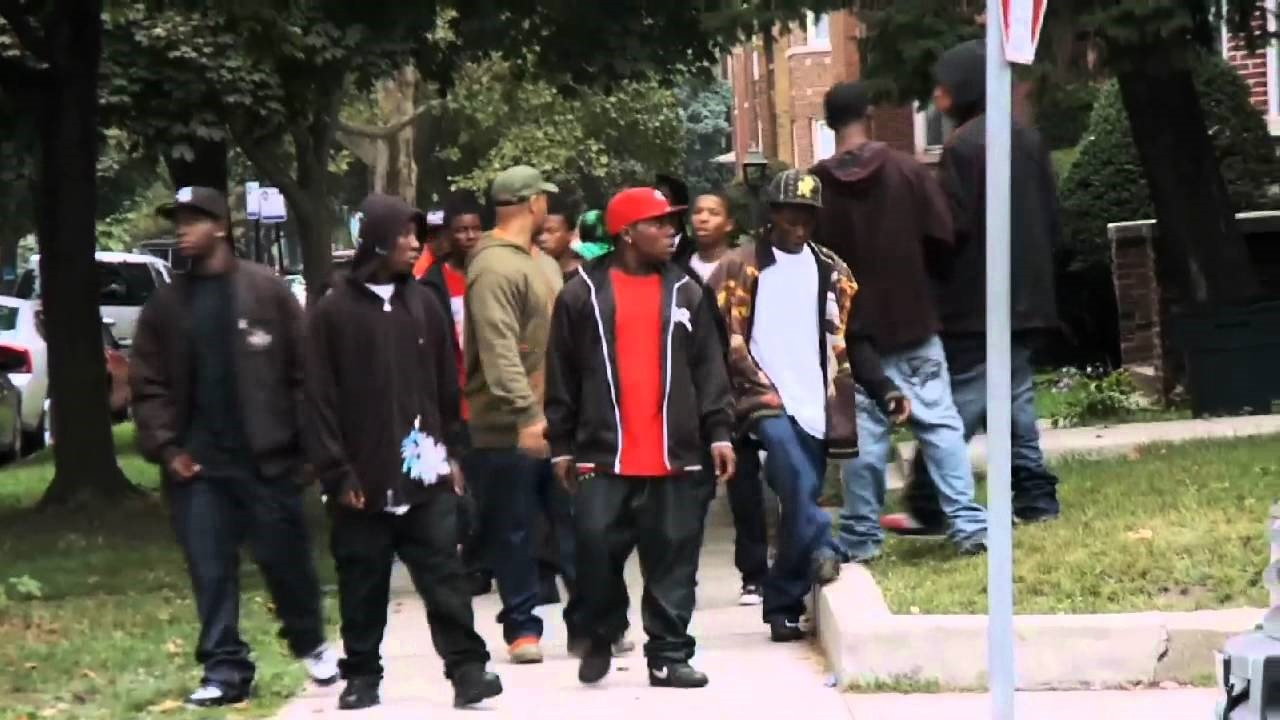
Chicago, one year. CeaseFire is a programme that treats street shootings as an epidemic, and its founder Gary Slutkin hires people to break the chain. They are called violence interrupters, and most of them used to be the ones with the guns. Ameena Matthews, headscarved and impossible to talk over, works the corners and the funerals. Cobe Williams sits in kitchens with men who want revenge by nightfall. Eddie Bocanegra, out of prison after a killing he committed as a teenager, works with children. Tio Hardiman sends them out each week. The first months bring a teenager’s funeral, a man raging after a police raid, and Caprysha Anderson, a girl Ameena is trying to keep alive.

Plays from YouTube when you press play; nothing loads from them until then.

Fi1m review

Steve James follows three former gang members who step into Chicago’s street fights and talk people out of killing each other. It is patient, frightening and often moving, and it goes on longer than it needs to. Ameena Matthews alone is worth the evening.

Steve James has made a film about people whose job is to walk into an argument that is about to become a shooting. They work for CeaseFire, a Chicago programme that treats gun violence as a disease passed from person to person, and they are called violence interrupters. Most of them used to be the people doing the shooting. James and the writer Alex Kotlowitz follow three of them through a year, and the film is very good: careful, tense, often moving, and long enough that its shape goes soft in the middle. That is the verdict. The rest is detail.

Ameena Matthews is the detail most people will remember. She is a small woman in a headscarf who walks into a group of young men on a corner and does not stop talking until they do. Early on there is a funeral for a teenager, and James keeps his camera on her as she works the boy’s friends, who are already deciding who to blame. She does not plead and she does not lecture. She tells them what will happen next if they do what they are planning, in the voice of someone who has watched it happen. Her scenes with Caprysha Anderson, a girl she is trying to keep off the street, are the film’s most painful, because Ameena is very good at this and it is still not clear it will be enough.

Cobe Williams is the gentle one. He has a big laugh and he uses it, and his method is to sit in a man’s kitchen for as long as it takes. There is a scene where he goes to see a man whose house has just been raided by police, who is furious and has said out loud what he means to do about it. Cobe sits down, asks about his mother, and waits. We were frightened through the whole of it, and not for Cobe. It was the man’s hands we were watching, and James, who does not cut away, was watching them too. Eddie Bocanegra, the third, served a long sentence for a killing he committed as a teenager, and he carries it into every room; his work is with children, and he is quieter than the other two.

James edits the film with Aaron Wickenden, and their choice is to keep the camera where the talking is and let it run. There is no narration and nobody is asked to re-enact anything. Joshua Abrams’s music is low and spare and mostly keeps out of the way, which in a film about grief is harder than it sounds. Gary Slutkin, who founded the programme, and Tio Hardiman, who runs the interrupters, supply the theory in short bursts, and the film does not linger on either of them. It is more interested in the corner than the office.

The length is the problem. At 129 minutes this is already a shorter version than the one shown at festivals, and it still has a middle hour in which an intervention is followed by a meeting, which is followed by a memorial, which is followed by another intervention. Some of that is the point; the work is repetitive and the city keeps producing new cases. But a film can make that point and then move on, and this one makes it three or four times. Some of the talk also goes by fast and low, and we lost a few exchanges we would have liked to hear. And the film never asks whether the programme works across a city rather than one kitchen at a time. Slutkin’s claim is stated. It is not tested.

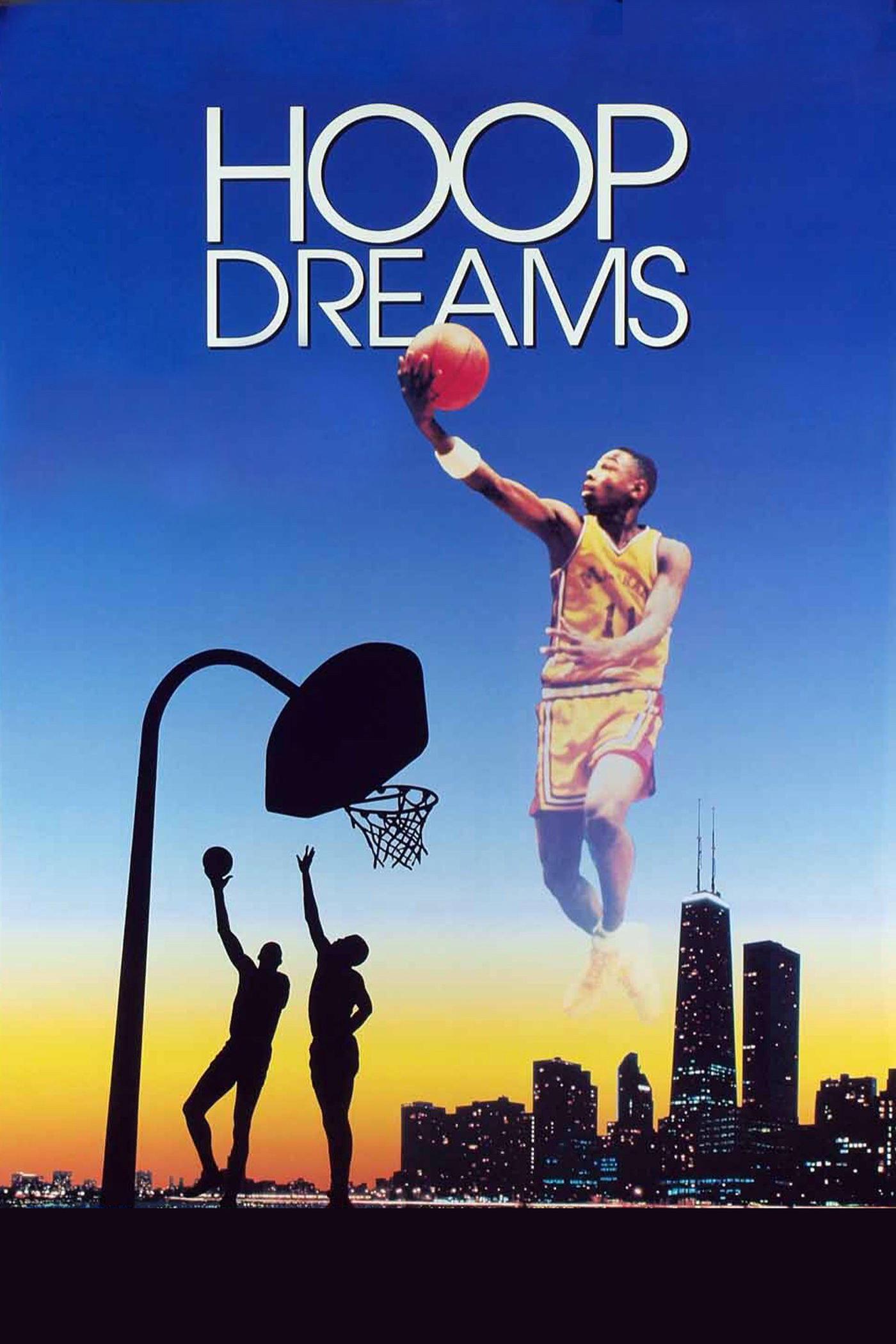
Set against James’s own Hoop Dreams (1994), which followed two boys for years and found a story in them, this has the same patience and less shape. It does not build; it accumulates. That is honest about the work, and it is also why the second hour feels like the first.

Watch it at home, where you can go back for the sentences you missed, and where you will not have to be anywhere afterwards. It is not a film to leave quickly.
Critical consensus AI synthesised

77
Positive
14
Mixed
2
Negative
0

Most critics recommend The Interrupters, and the praise lands in the same place: the three former gang members Steve James follows through Chicago’s CeaseFire programme. Ameena Matthews is named again and again as the standout, for her composure and for how plainly she gets results. Reviewers credit James with the closeness of his access and with declining to tidy the story into a lesson; two reach for Hoop Dreams and The Wire as points of comparison.

The reservations are almost all about length. Critics who saw the longer festival cut call it repetitive and slack, and Collider, the coolest of the reviews, marks it down for that. The AV Club, reviewing the shorter release cut, finds it rushed instead. The Guardian would like more on the programme’s founder, and the Evening Standard finds some of the speech hard to follow. The spread is narrow: nobody dislikes it, and the argument is over how much of it there should be.

RogerEbert.com
10 August 2011 · Roger Ebert
90*

Ebert calls the film Steve James's most important work, praising its focus on the brave ex-convicts who intervene in Chicago street violence. He highlights the film's depiction of their trust-building efforts amid a national epidemic of senseless killings.

Read the full review →
Sight and Sound
1 September 2011 · Michael Brooke
90*

The critic praises the film as a compelling, street-level documentary on Chicago's CeaseFire violence interrupters, comparable to The Wire but entirely true. It highlights the program's innovative approach through the detailed, courageous work of three former gang members.

Read the full review →
Slant Magazine
24 July 2011 · Lauren Wissot
90*

The critic finds the documentary an inspirational and heartbreaking nail-biter that follows the Sisyphean task of gang mediators with novelistic scope akin to Hoop Dreams. It singles out the interrupters' street credibility, personal transformations, and moments of tension and humanity for particular praise.

Read the full review →
The New York Times
28 July 2011 · NYT Critic’s Pick · Manohla Dargis
90*

Dargis describes the documentary as a hard-hitting look at violence interrupters in Chicago who put themselves in harm's way. She singles out the intimate access to the interrupters' personal stories and their work as giving a face to an American tragedy.

Read the full review →
The AV Club
15 February 2012 · B+ · Scott Tobias
83

The review calls the film a powerful extension of Steve James's earlier work, embedding with CeaseFire mediators who use their criminal pasts for credibility in halting violence. It praises the inspiring subtlety of the interventions but notes the 125-minute cut feels rushed compared to longer festival versions.

Read the full review →
The Times
12 August 2011
80*

The Interrupters is a remarkable report from the frontline of Chicago's violence epidemic, following three charismatic interrupters who save lives one at a time through intervention and persuasion. Ameena Matthews stands out as a vivid, endlessly watchable character.

Read the full review →

Cast

If you liked this, try…

Hoop Dreams poster92

Hoop Dreams

1994 · James’s earlier Chicago film, five years with two boys and a basketball

Streetwise poster

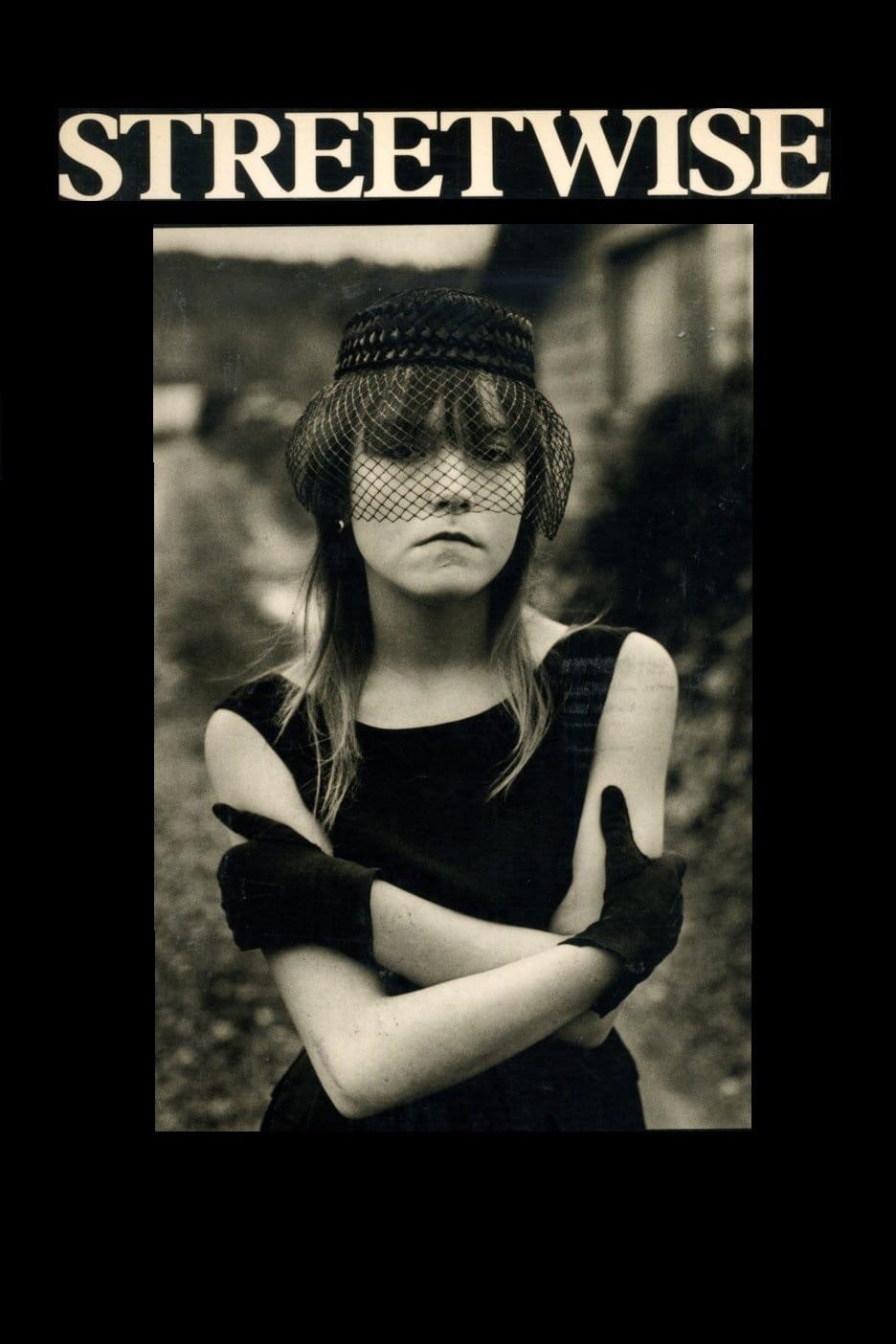
Streetwise

1984 · Seattle’s street children, filmed close and without comment, as bleak as it sounds

The Wire poster

The Wire

2002 · Baltimore’s corners as a system, and the people who keep trying to change it

Bus 174 poster

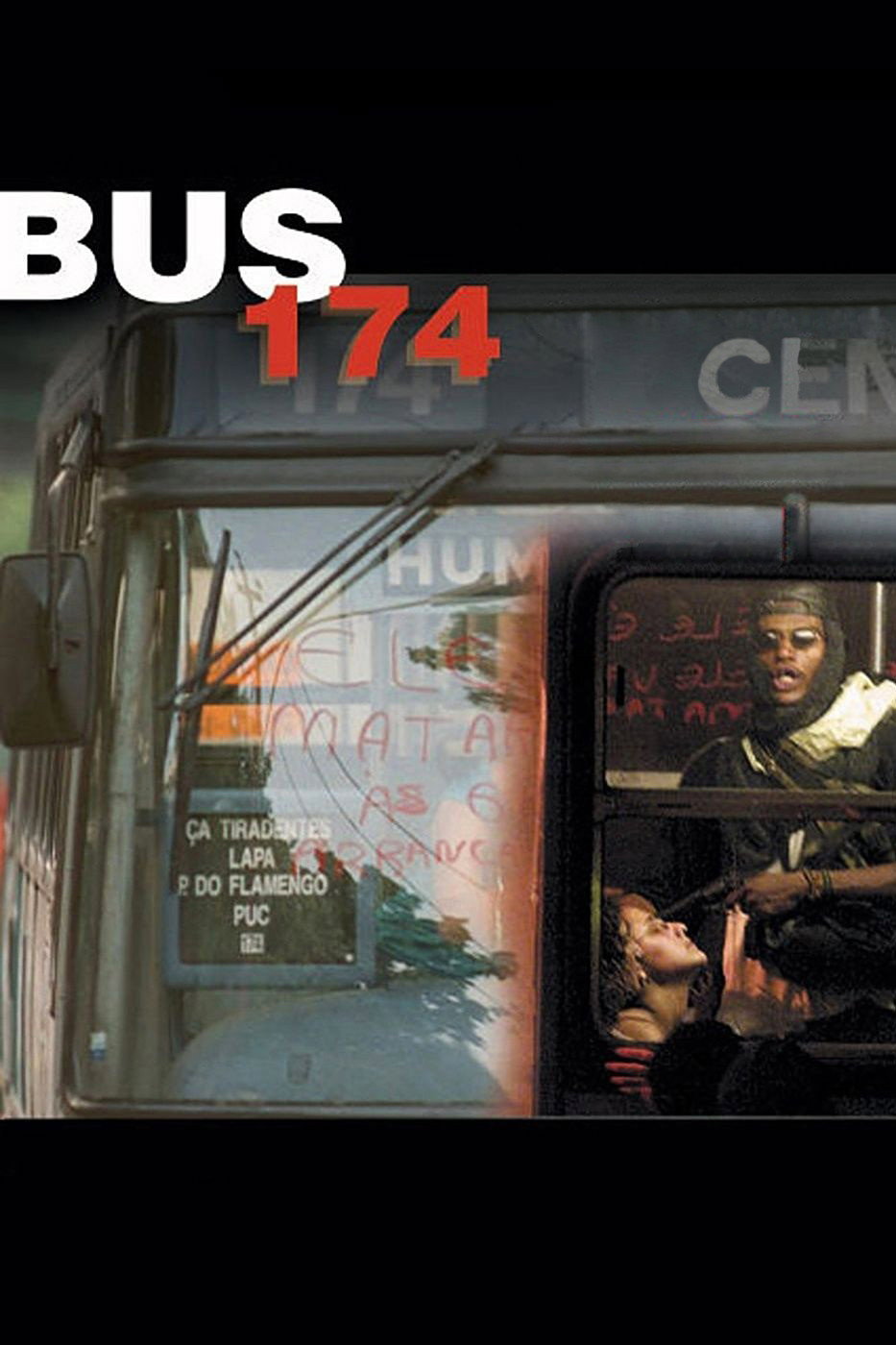
Bus 174

2002 · A Rio hijacking, traced back to the street child who did it

Les Misérables poster

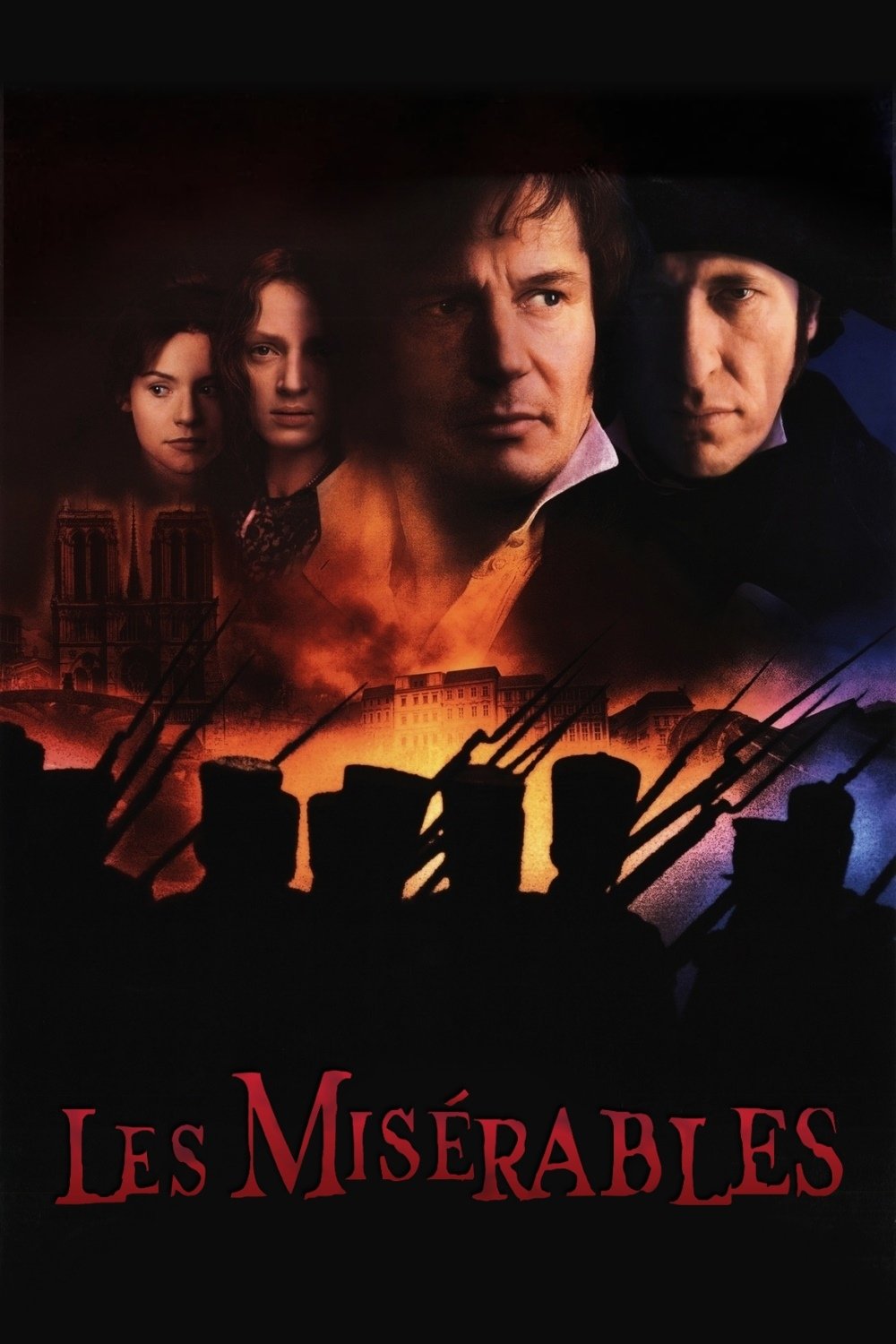
Les Misérables

2019 · A Paris estate, one bad day, and the police who make it worse