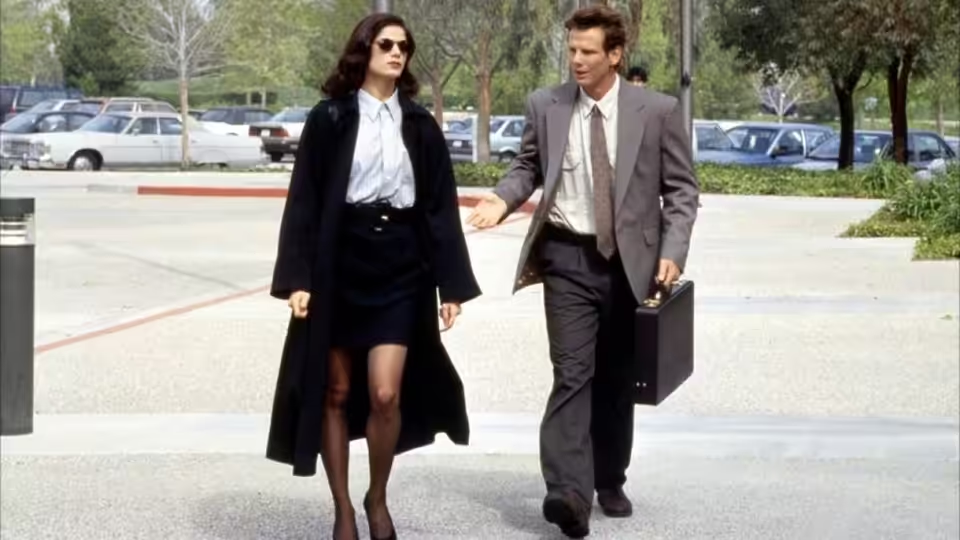
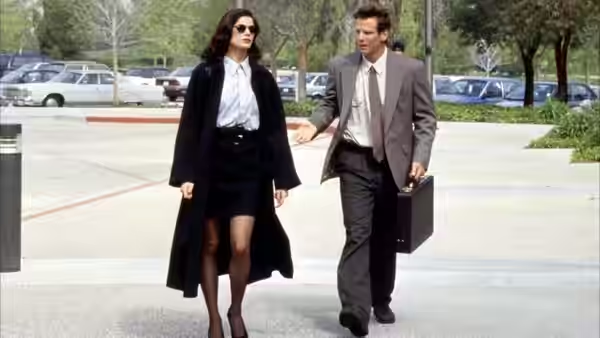
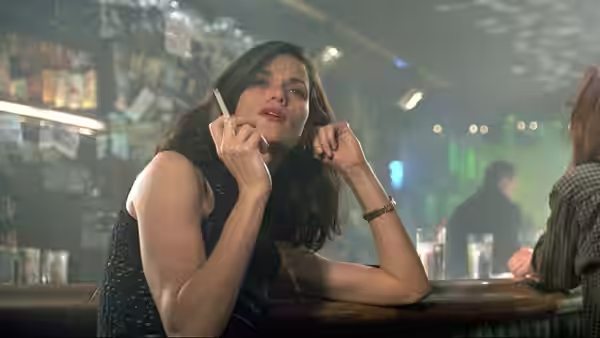
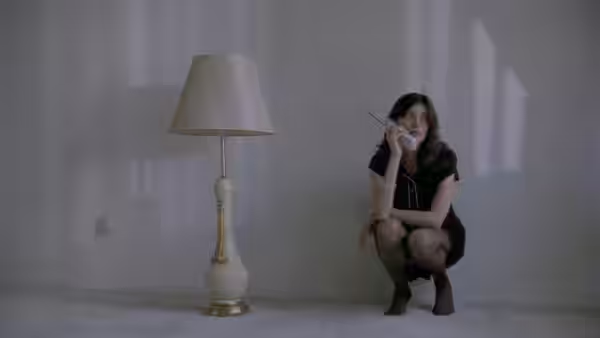
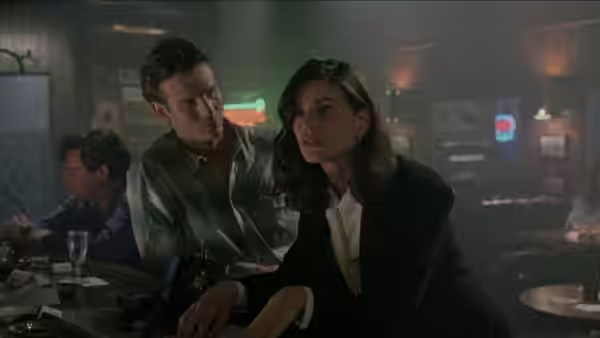
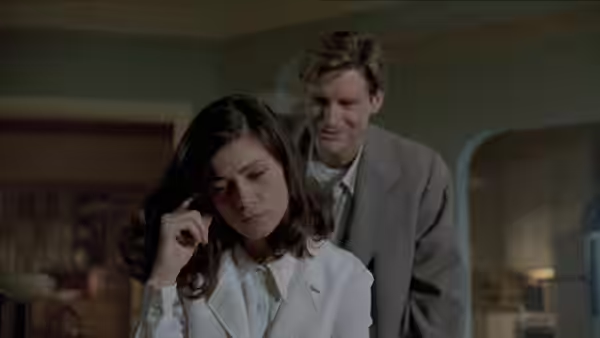
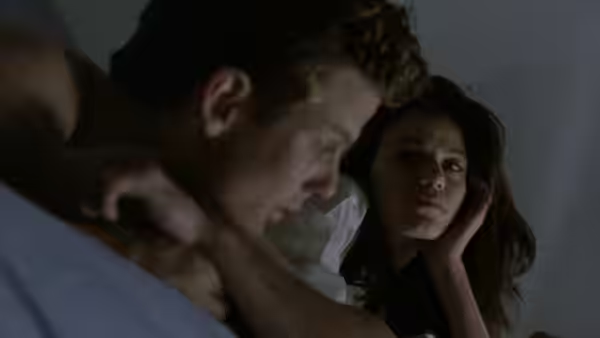
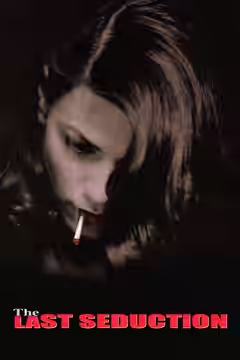
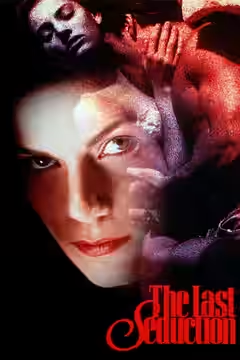
Linda Fiorentino gives this dry, nasty thriller its considerable pleasure. John Dahl handles the noir machinery with assurance, though the plotting asks for more indulgence than Bridget Gregory would ever grant anyone else.
The Last Seduction is a sharp, funny thriller with a central performance strong enough to carry its less convincing calculations. John Dahl understands the pleasure of watching somebody behave appallingly without asking us to diagnose or forgive them. As Bridget Gregory, Linda Fiorentino makes that pleasure slightly uncomfortable, which improves it considerably. We recommend it, with a reservation about a screenplay that sometimes needs its cleverness to go unexamined.
Fiorentino’s chief achievement is to make Bridget’s ruthlessness funny without making it harmless. There is no appeal for affection built into the performance, and no suggestion that approval would interest her much. We laughed at her callousness, then felt slightly ashamed of ourselves: Fiorentino makes the disregard for other people so entertaining that it takes a moment to register its ugliness. That delayed discomfort gives the humour a bite that simple wisecracking would not have.
Steve Barancik’s screenplay gives her the right material, particularly in its hard-edged dialogue. The writing allows an unpleasant thought to remain unpleasant rather than tidying it into something reassuring. Its weakness is plausibility: the intricate plotting occasionally asks us to accept a calculation because the resulting surprise is satisfying. That is a familiar thriller bargain, but the confidence of the writing makes its demands more noticeable when we stop to consider them.
Dahl’s direction is persuasive enough to keep those doubts from becoming the whole evening. His affinity for noir lies in the willingness to let an amoral character command our attention without providing a more respectable companion to explain how we ought to feel. Peter Berg plays Mike Swale and Bill Pullman plays Clay Gregory, but Fiorentino sets the standard by which the surrounding performances register. The film’s balance depends heavily on our appetite for Bridget, and that is both its strength and a genuine limitation.
The craft supports that emphasis without making the film feel like an illustrated lesson in noir. Jeffrey Jur’s cinematography contributes to its hard-boiled appeal, while Linda Pearl’s production design belongs to the same controlled approach. Neither is the principal reason to watch, but the polished presentation helps Dahl sustain the confidence on which this kind of thriller depends. The danger would be a handsome exercise with nobody worth following; Fiorentino prevents that.
Eric L. Beason’s editing has the difficult task of making Barancik’s complicated plotting feel persuasive as it unfolds. The film remains entertaining even when the mechanics become questionable, although pace cannot settle every objection to probability. Joseph Vitarelli’s music likewise forms part of the film’s assurance rather than its chief attraction. The strongest impression remains the performance and the writing, with the supporting craft serving them rather than demanding equal attention.
Within the noir tradition, the distinctive pleasure here is the freedom given to a woman’s unsoftened selfishness. Dahl and Fiorentino trust us to stay interested without being offered much comfort, and that trust largely pays off. Anyone requiring a thriller to withstand patient cross-examination should keep the qualification in mind. Watch it for Fiorentino, and save the objections until she has finished speaking.