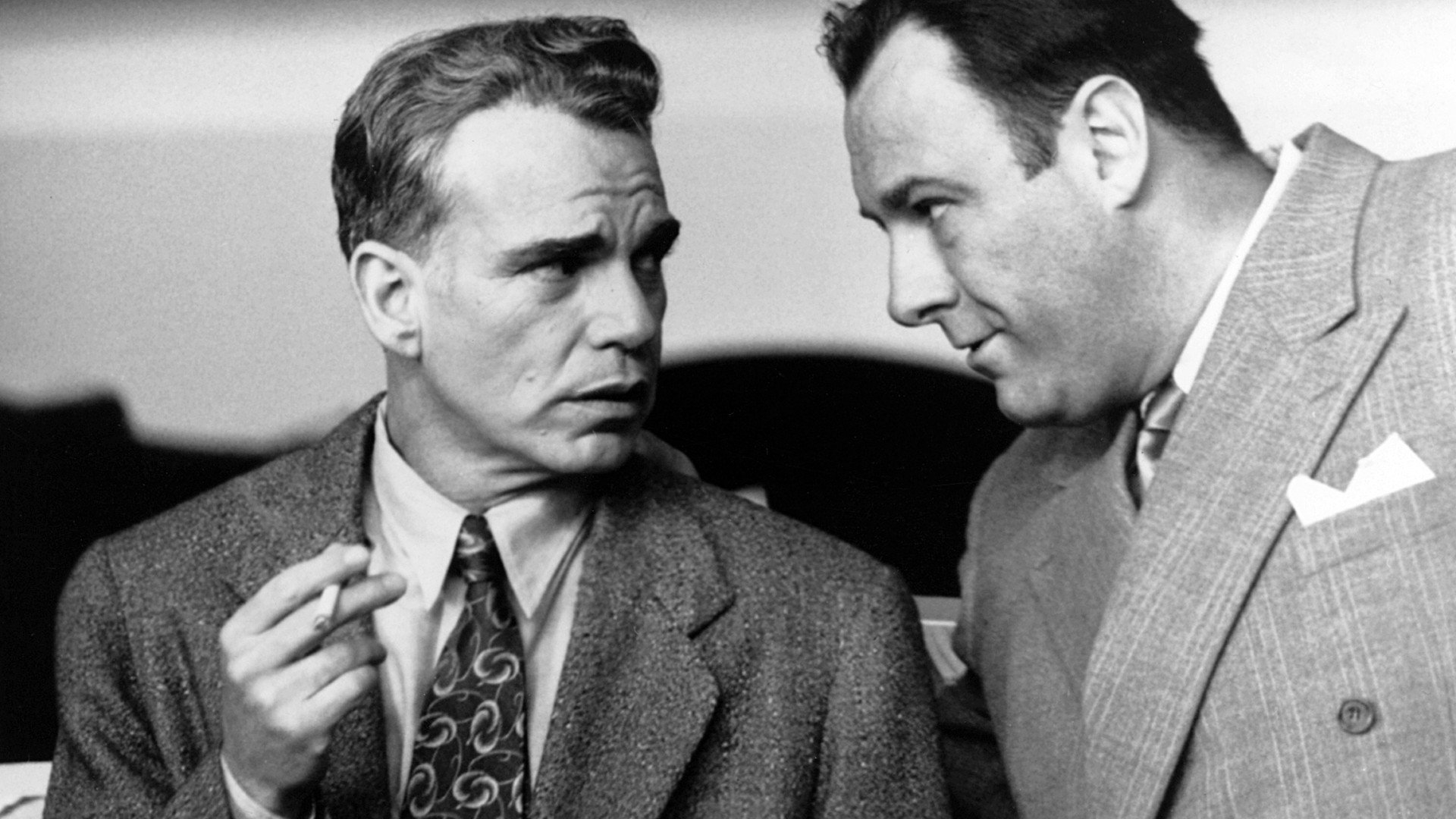
Billy Bob Thornton’s withdrawn barber holds our attention through a fine, deliberately slow crime film. The Coens’ taste for eccentricity occasionally gets in his way, but Roger Deakins’ black-and-white images give us ample reason to stay.
The Man Who Wasn’t There is a fine, slow crime film whose chief attraction is a man who scarcely seems inclined to participate. Joel and Ethan Coen build their story around Ed Crane, a small-town barber played by Billy Bob Thornton, and give his passivity an uncomfortable amount of room. The adultery and blackmail promise familiar pleasures. The Coens are interested in how little Ed appears to feel, even when we badly want him to respond.
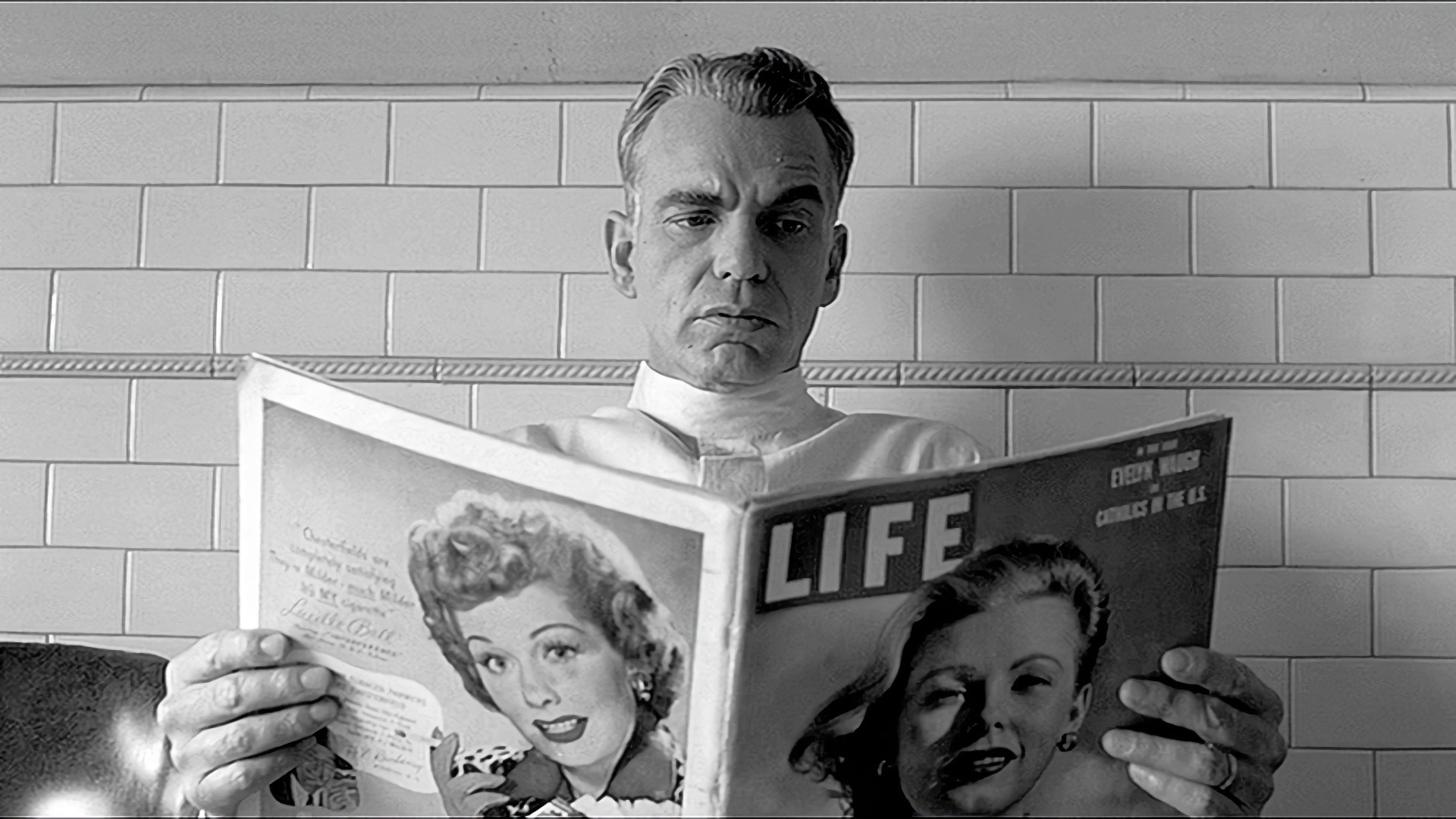
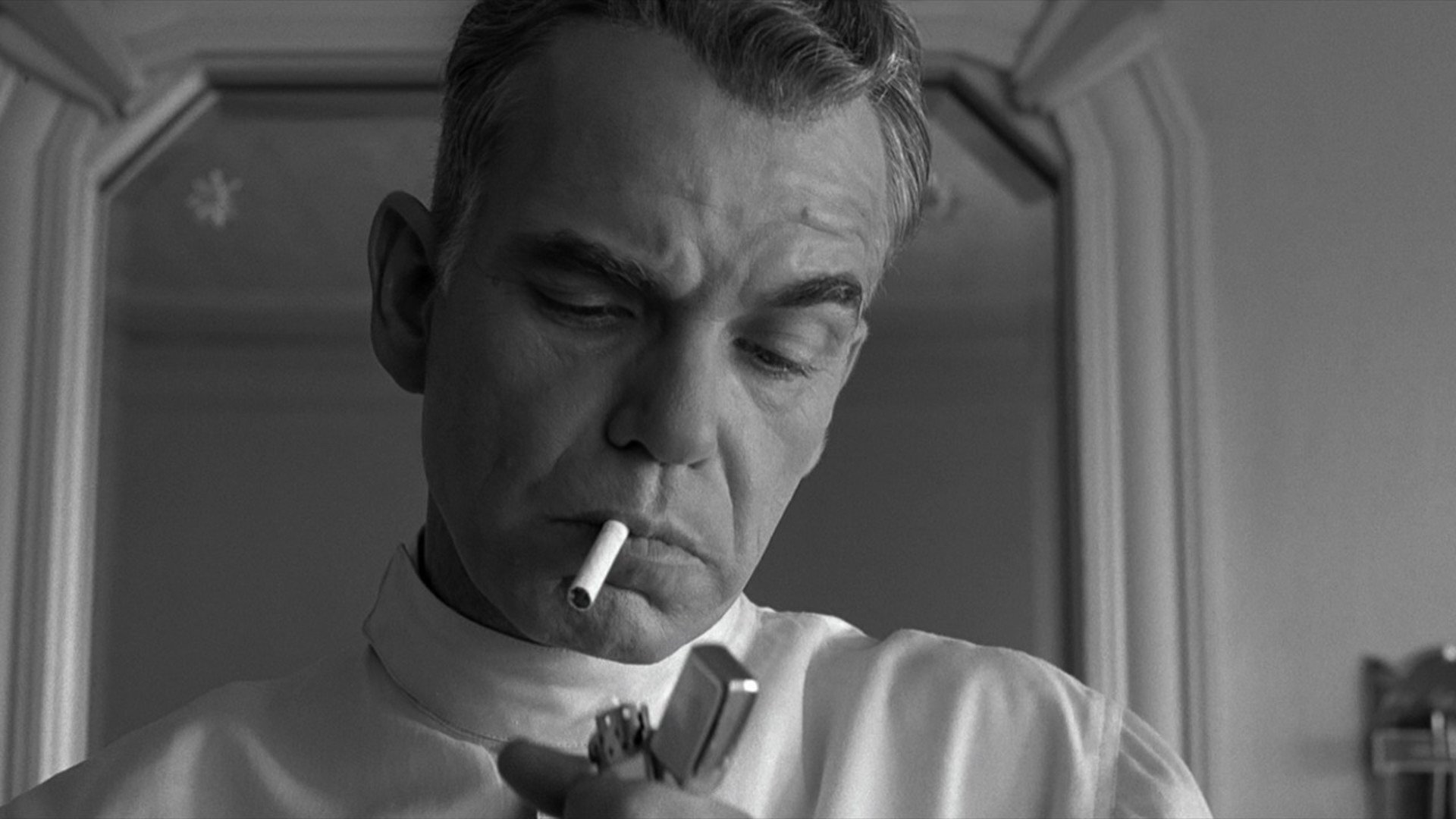
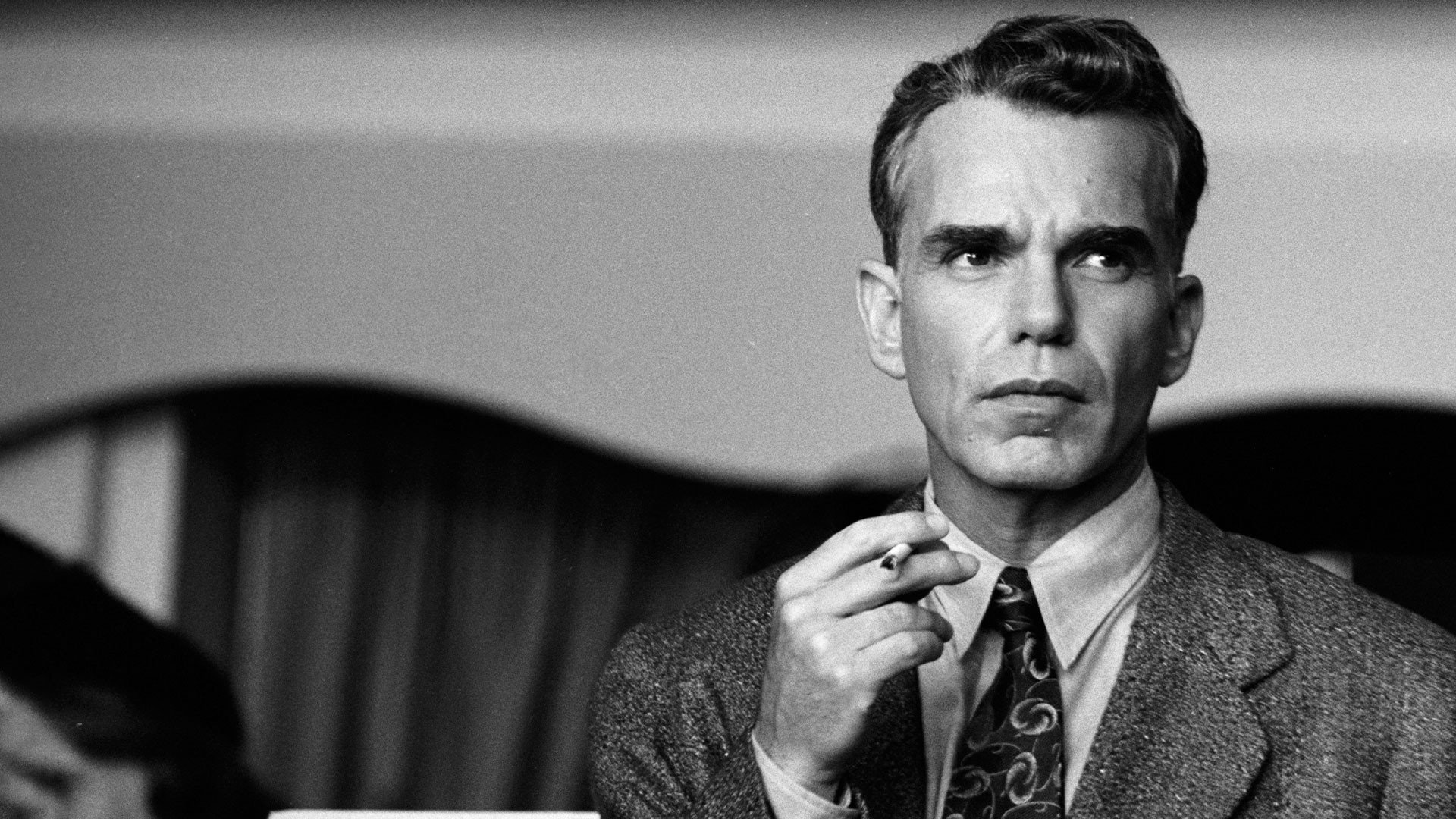
Thornton is the reason this works. His reticence never feels like an actor withholding a performance until a more rewarding scene arrives. We felt unexpectedly sorry for Ed, because Thornton’s mournful stillness makes even ordinary company look like an effort. He allows us to see loneliness without requiring Ed to recognise it. That is a difficult performance to build a crime story around, and the film is right to let us study it.
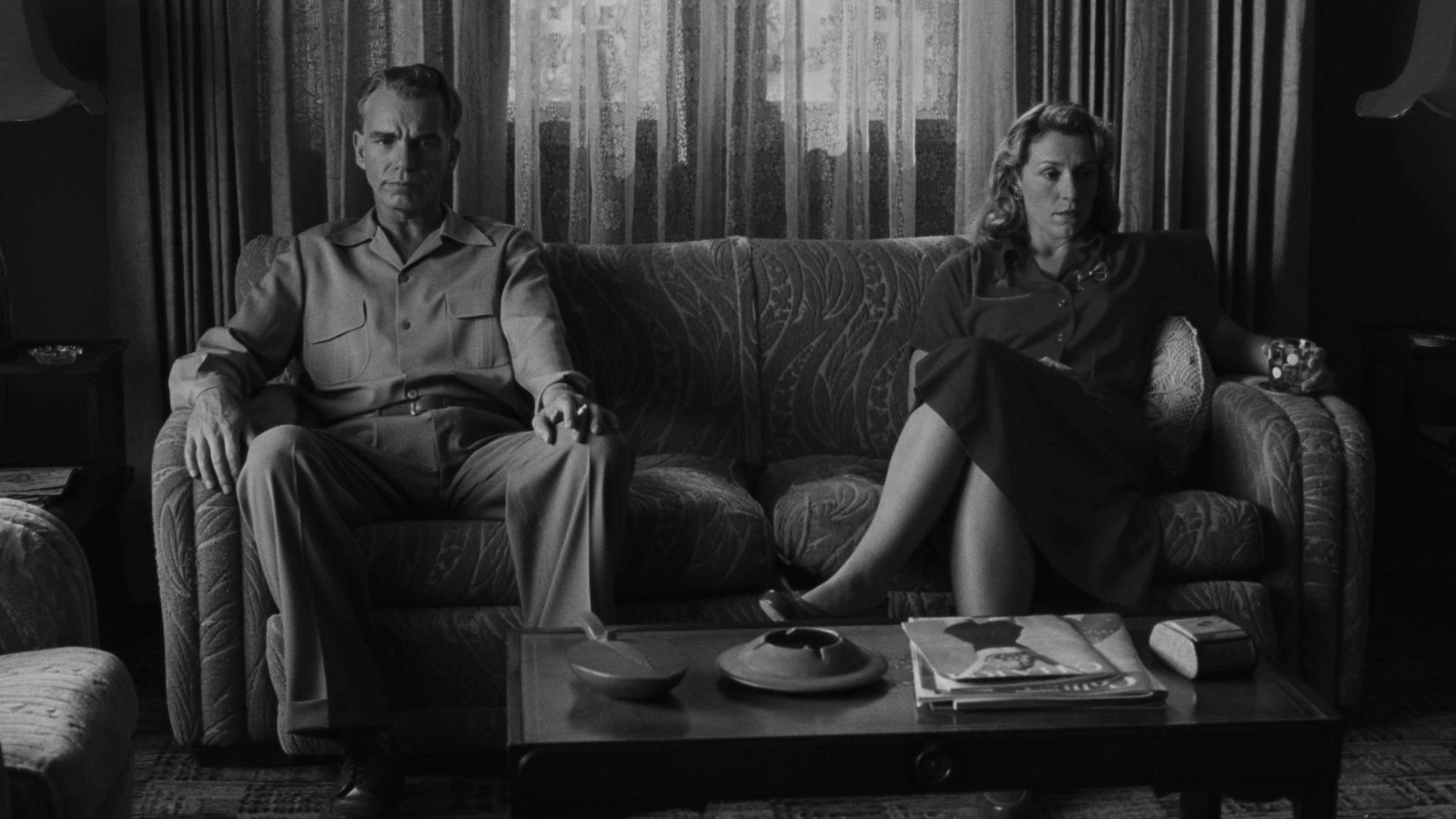
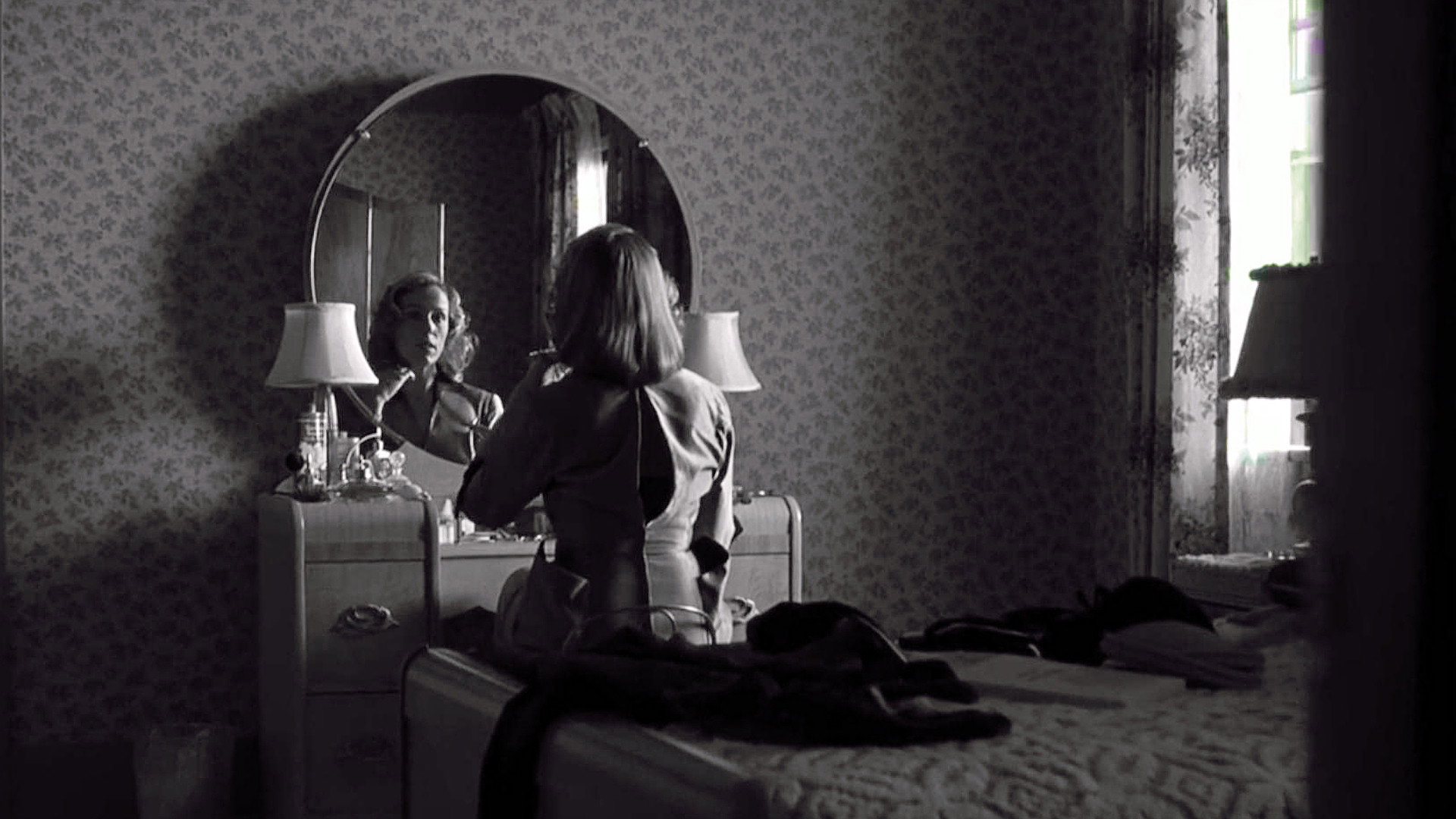
Roger Deakins’ black-and-white cinematography gives the small-town setting a severity that suits Ed, without making every image feel like an instruction to despair. The precision is pleasurable in itself, which matters in a film this unhurried. Dennis Gassner’s production design helps make those everyday surroundings feel confining. We occasionally find ourselves admiring the period detail when we ought to be worrying about the people in it.
Frances McDormand, as Doris Crane, supplies a welcome warmth beside Thornton’s withdrawal. Their different acting styles give us something to watch beyond the careful handling of the plot, and McDormand helps prevent the film from becoming an exercise in admiring its leading man. Some of the broader supporting performances are less helpful. Joel and Ethan Coen can be too fond of an eccentric turn, and here that fondness occasionally distracts from the quieter behaviour they have made so absorbing.
Tricia Cooke edits with Joel and Ethan Coen, and their willingness to linger is mostly an asset. We have time to look at Thornton rather than simply register what happens next. Carter Burwell’s music is effective company for that melancholy, though Thornton needs little help persuading us to feel it. The trouble comes later, when the same patience is extended to material that has already made its point. At 116 minutes, the film has stretches in which we start wishing the editors had been less accommodating.
We come to crime films expecting somebody to want something badly enough to do harm. Ed’s reluctance makes this one an awkward fit, and that is part of its appeal. The Coens ask us to take an apparently negligible man seriously, even while making his detachment funny. Their attention to him justifies the experiment, though the surrounding story sometimes grows too elaborate for the slight shifts in feeling that hold our interest.
Watch it when there is time to concentrate and nobody is waiting for the next burst of action. Thornton rewards that attention, even when the plotting does not. Anyone already feeling restless should choose something brisker.