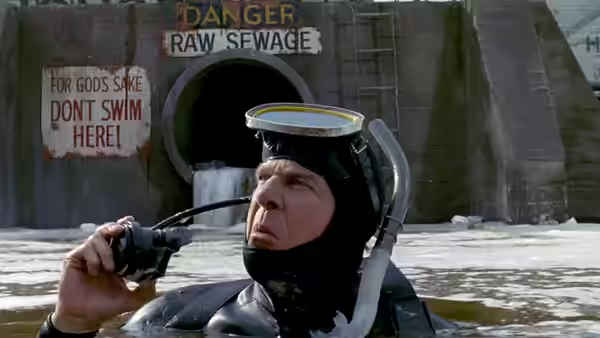
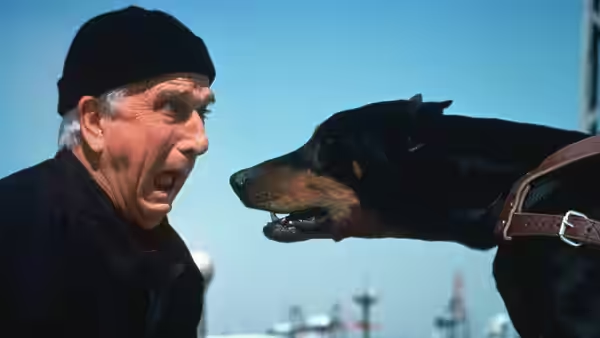
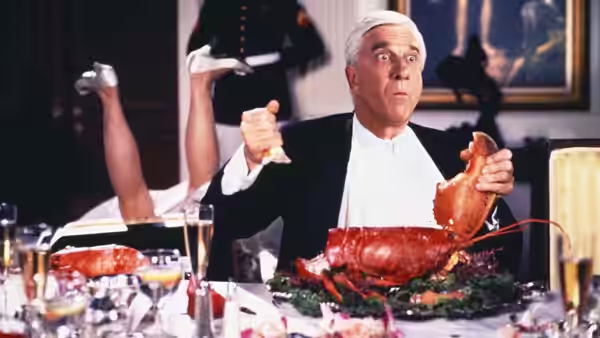
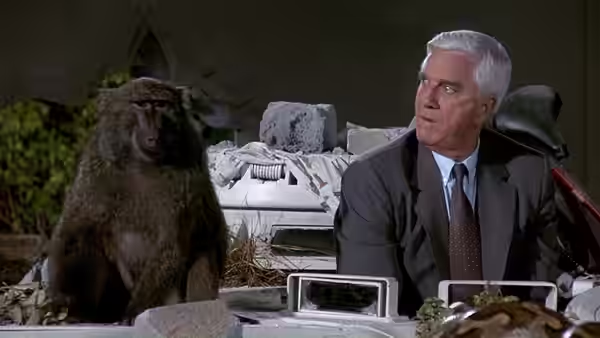
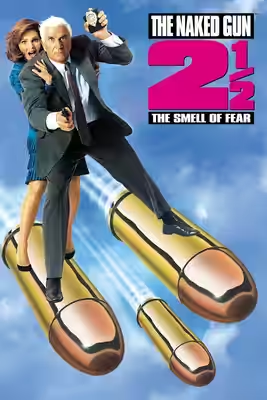
Leslie Nielsen’s solemn stupidity keeps this uneven sequel funny even when the jokes look second-hand. The slapstick is overworked and the surprises are fewer, but there is enough good nonsense to justify 85 minutes.
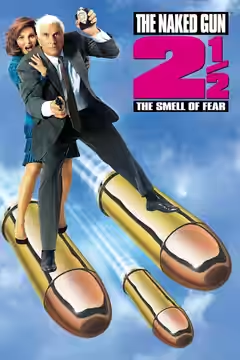
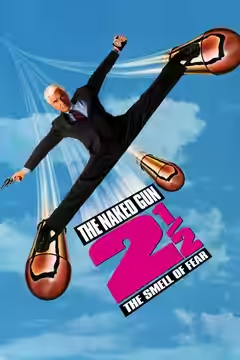
The Naked Gun 2½: The Smell of Fear is funny enough to recommend to anyone with a taste for straight-faced foolishness. David Zucker directs with the sensible understanding that Leslie Nielsen need only believe what he is saying for much of this to work. The sequel asks more of that performance than it should, and a fair number of jokes arrive looking used. Its reliance on familiar routines becomes harder to overlook whenever the physical comedy takes over.
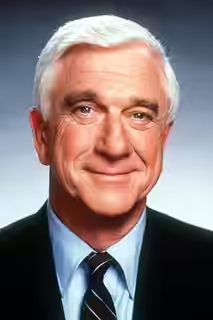
Leslie Nielsen plays Lt. Frank Drebin with such undisturbed conviction that he appears entirely unaware of his own stupidity. He is not waiting for permission to be funny, and he does not seem to hear the nonsense in his own words. His composure is particularly useful when the sexual jokes grow laboured; a knowing glance would make them harder to bear. The performance gives even weak material a chance, though some of it requires more assistance than any actor can provide.
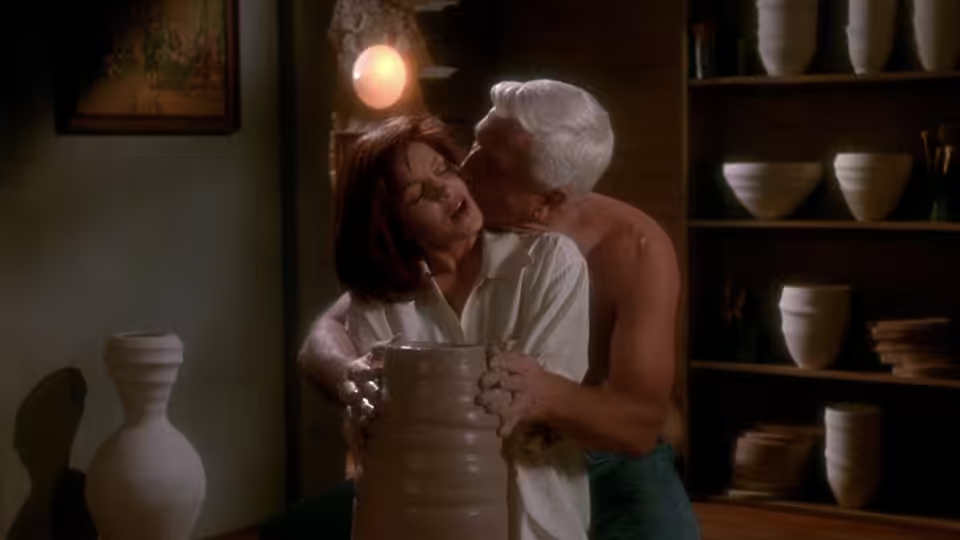
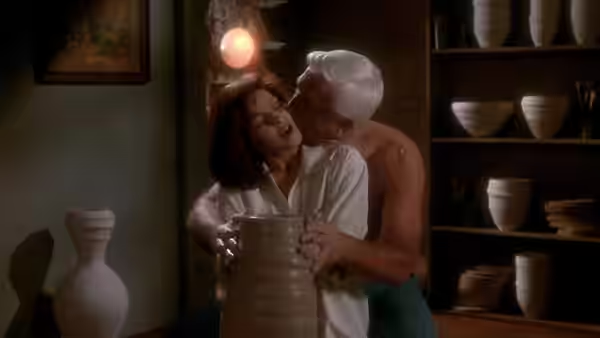
David Zucker and Pat Proft write as though a failed joke can always be repaired by the next one, which is a serviceable policy rather than a guarantee. We laughed at the pottery-scene parody of Ghost, because the earnestness surrounding the vulgarity is so disproportionate. There is something recognisable there for the silliness to interrupt, and the scene benefits from having that starting point. Other sexual jokes seem satisfied merely to have mentioned sex, and those need considerably more help from the actors.
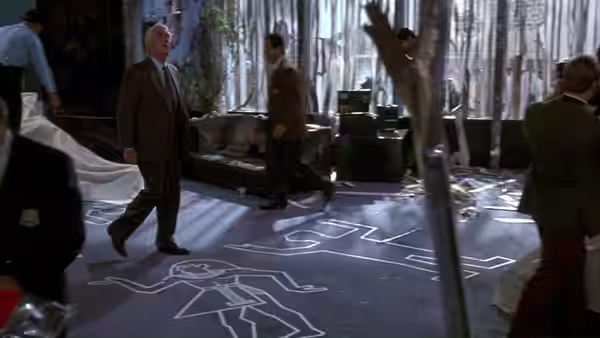
Robert M. Stevens’s cinematography helps by keeping a sober appearance. The pictures give the performers room to be ridiculous without making the comedy feel visually frantic. John J. Lloyd’s production design has a similarly useful air of respectability, although it seldom feels distinctive in itself. Both contributions suit a spoof that depends on its surroundings looking more sensible than the people occupying them.
Editors James R. Symons and Christopher Greenbury keep the film moving, but speed cannot make every pratfall worth keeping. The physical comedy is where the repetition grows most wearing: another tumble can feel like an instruction to laugh harder at something that did not quite work before. Ira Newborn’s music understands the value of playing this sort of nonsense seriously. The score’s conviction helps, although there are stretches when a little less insistence from the film would have been welcome.
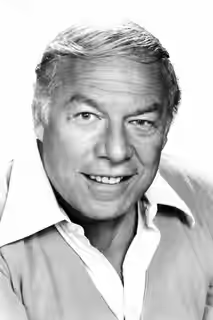
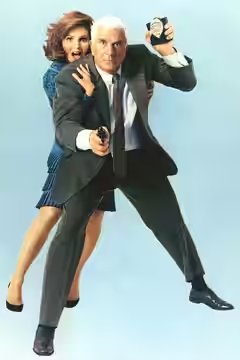
The supporting cast does not get an equal share of the useful material. Priscilla Presley’s Jane Spencer is less rewarding company than Lt. Frank Drebin, and the stiffness that helps him can make her scenes feel slow. Yet her reluctance to chase a laugh belongs in this sort of comedy; replacing it with busy mugging would hardly solve the problem. George Kennedy, as Ed Hocken, offers a firmer supporting presence, but Leslie Nielsen remains the main attraction.
Against the standards of broad slapstick, this is efficient work with less surprise than we would like. The complaint that the formula is wearing thin is fair, especially whenever a physical gag is repeated past its useful life. At 85 minutes, though, it does not ask us to live with those weaknesses for long. Choose it for Leslie Nielsen, and be prepared to wait through a few jokes that he cannot rescue.