Florian Zeller’s family drama is disappointingly shallow about teenage depression. Hugh Jackman finds moments of painful parental uncertainty, but the script gives the adults’ guilt more attention than the boy they are trying to help.
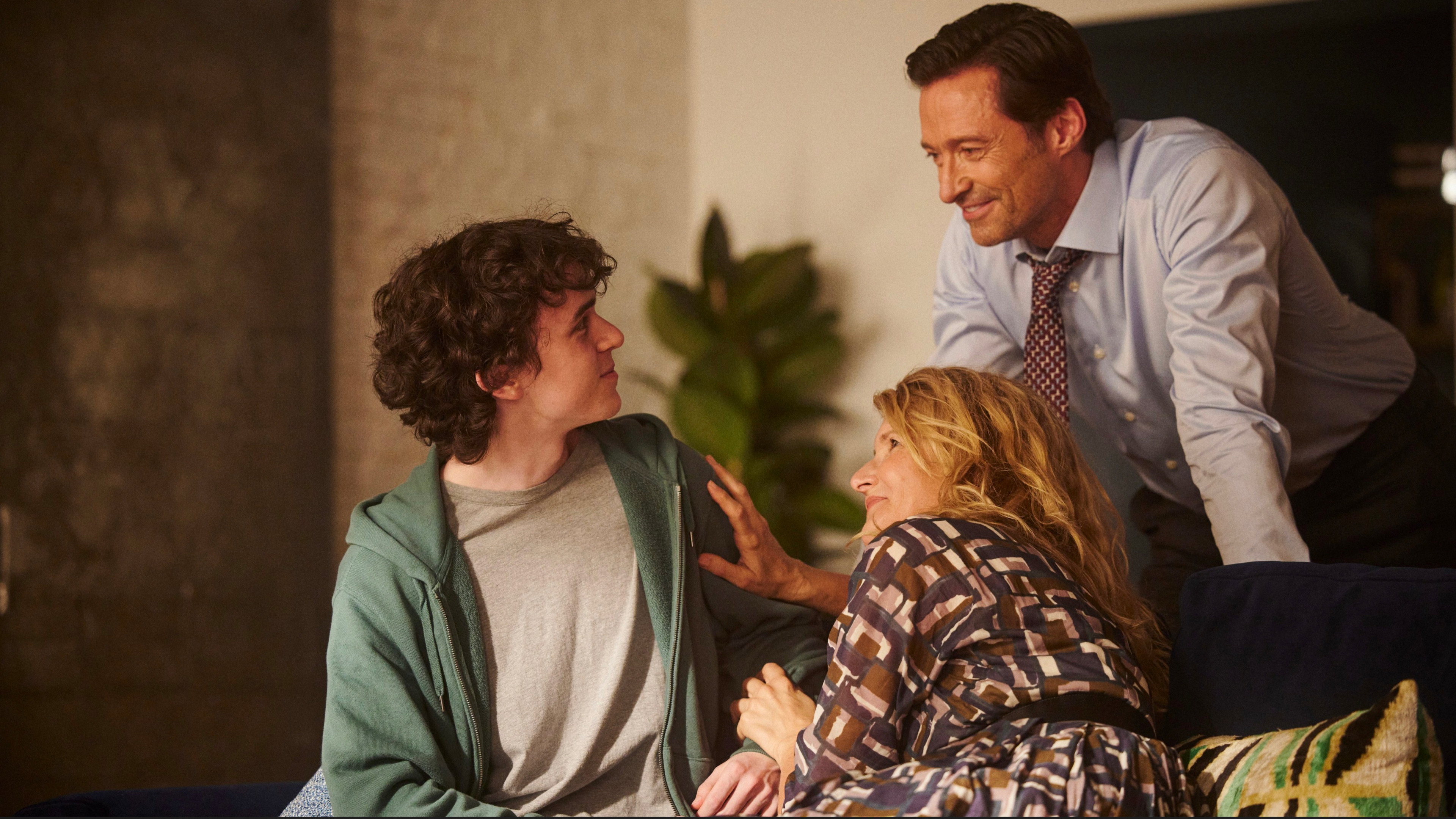
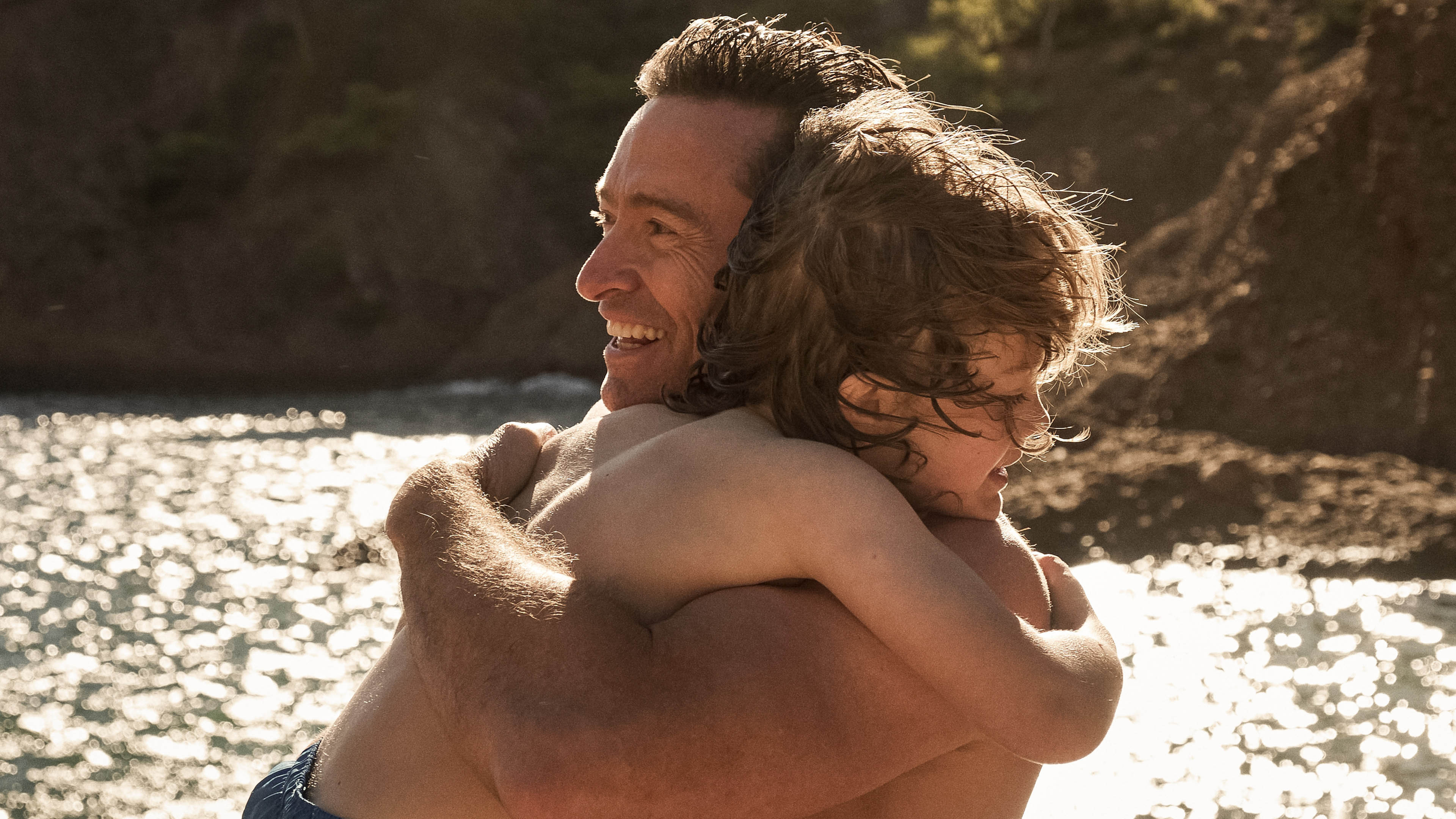
Florian Zeller’s The Son is a poor family drama built around a serious and worthwhile subject: a parent trying to help a teenager with depression. Peter, played by Hugh Jackman, is a high-achieving lawyer whose confidence is of limited use when dealing with his son Nicholas, played by Zen McGrath. There is plenty to explore in that failure of understanding. At 123 minutes, though, the film spends too long expressing the adults’ distress without bringing us much closer to the boy.
Zeller and co-writer Christopher Hampton have a sound starting point in Peter’s guilt and his wish to be a good father. Those are credible concerns, and the film is right not to offer a neat explanation for Nicholas’s illness. But the dialogue keeps explaining feelings that the actors have already made clear. The adults repeatedly articulate their anguish, while Nicholas remains so thinly written that his pain becomes something for the others to respond to.
Jackman gives Peter enough uncertainty to make that imbalance frustrating. We were moved by his effort to keep the guilt from showing, because the strain makes Peter’s wish to be a capable father painfully clear. His composure seems to require work, and Jackman lets that effort show without making Peter entirely aware of it. When the performance becomes more openly anguished, it is less persuasive; the writing asks for an intensity that the relationships have not earned.
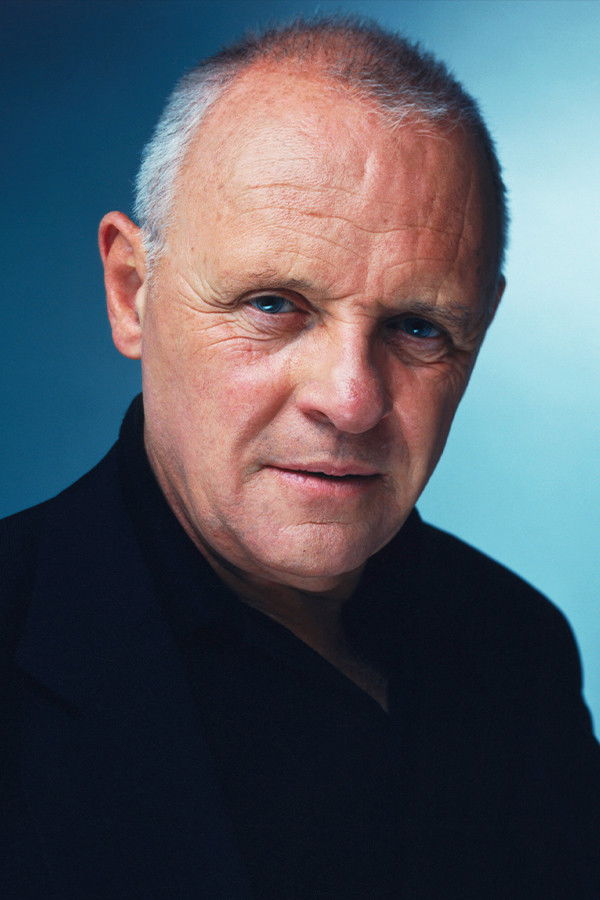
McGrath has the harder assignment, and blaming him for Nicholas’s remoteness would let the screenplay off too easily. He gives the teenager’s distress credibility, but there is too little of a person beyond it for him to play. Laura Dern as Kate and Vanessa Kirby as Beth make some stiff lines sound briefly human, though their parts do not sustain that relief. Anthony Hopkins brings an unpleasant coldness to Anthony, adding some force to the film’s interest in what one generation passes to another.
Ben Smithard’s cinematography and Simon Bowles’s production design give the everyday rooms a degree of menace, an effective choice for a story in which family life has become frightening. The polished look can also make the distress feel sanitised. Yorgos Lamprinos’s editing does little to relieve the script’s repetitive emphasis on parental worry. Hans Zimmer’s music adds to the pressure to feel something that the dialogue has not earned, making already heavy scenes harder to sit through.
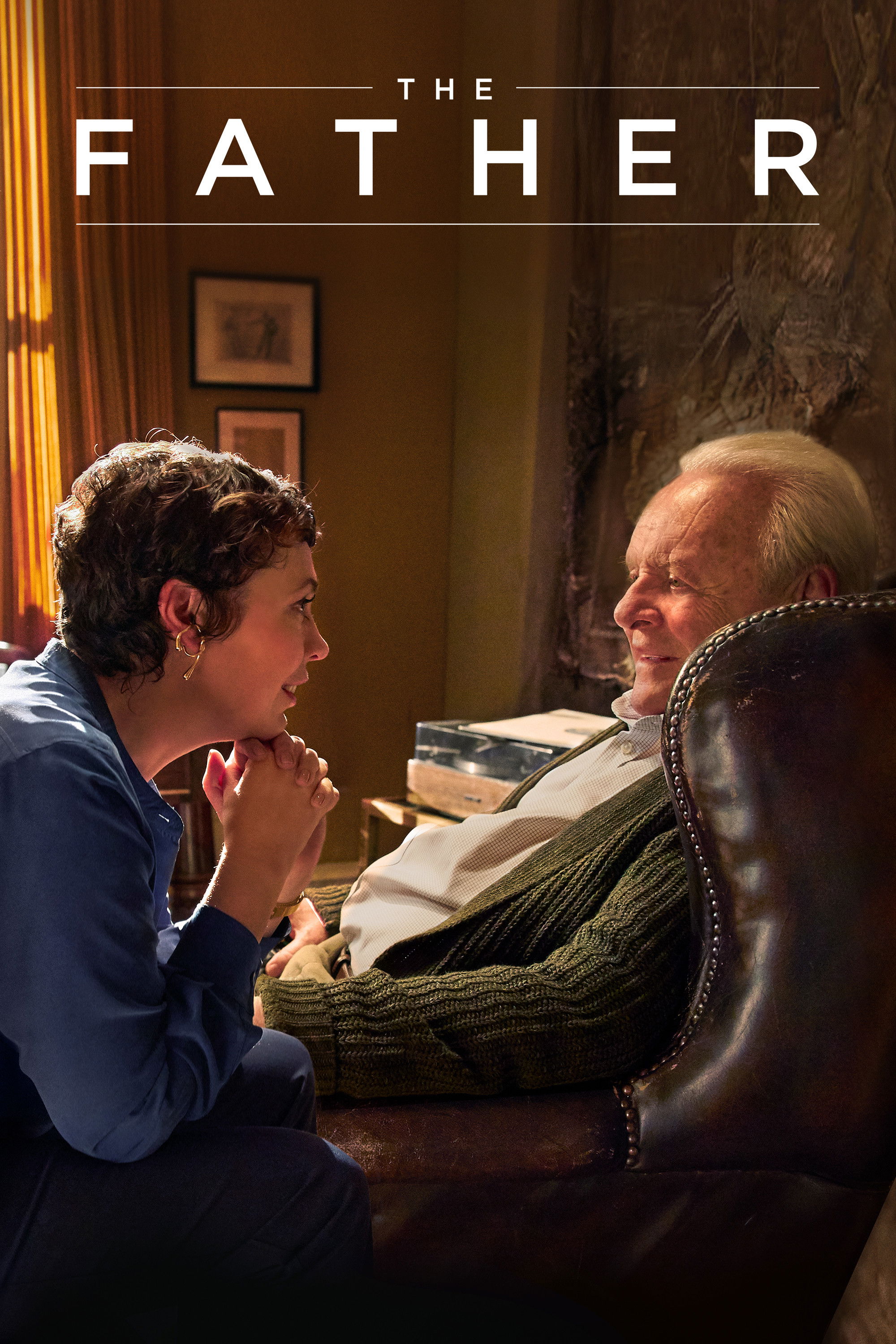
The comparison with Zeller’s earlier The Father is hard to avoid, although this film does not need elaborate storytelling to justify itself. A straightforward family drama can be exact about the small differences between what people say and what they understand. Here, the lack of access to Nicholas leaves the adults’ bewilderment doing most of the dramatic work. Zeller’s simpler approach needed a fuller account of Nicholas as a person, including something that might help us imagine him outside these conversations.
There is a place for films about parents who cannot understand what their children are experiencing, and they need not provide solutions. They do need to give the child a life beyond the crisis, particularly when that crisis is the reason everyone else has a part. Jackman’s admirers will find passages worth their attention here. For an evening spent with a family who feel like people beyond their suffering, we would choose something else.