Florian Zeller’s dementia drama is frightening and compassionate, with Anthony Hopkins and Olivia Colman giving painfully precise performances. A few repetitions feel overworked, but the shifting flat makes Anthony’s confusion distressingly immediate.
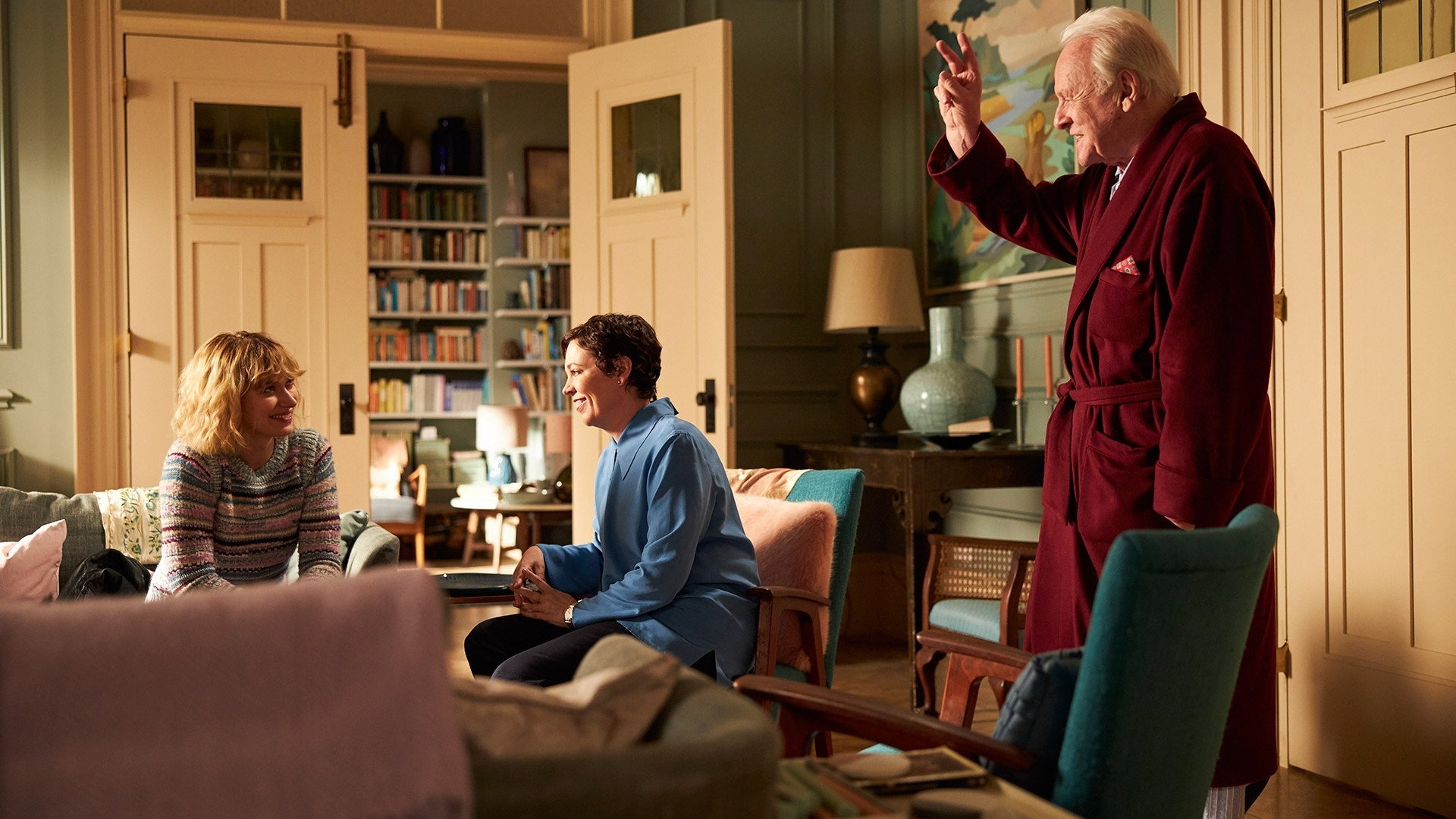
The Father asks us to follow a man who can no longer rely on his memory, without giving us a dependable version of events to keep in reserve. Florian Zeller, directing a screenplay he wrote with Christopher Hampton, makes that uncertainty frightening without treating Anthony as a curiosity. We recommend it for the acting and the way it makes an ordinary flat difficult to recognise. At 97 minutes, it is also about as much of this particular fear as we can bear at once.
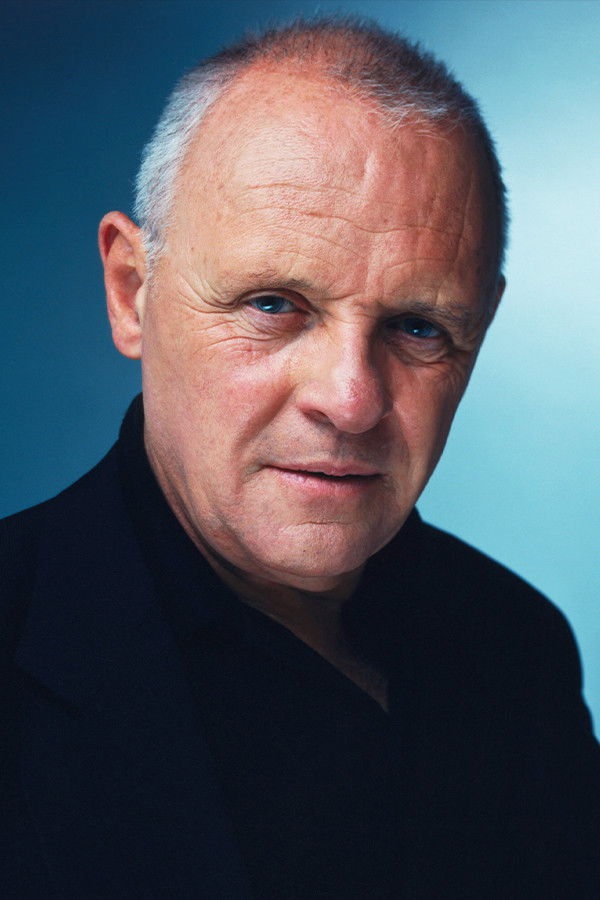
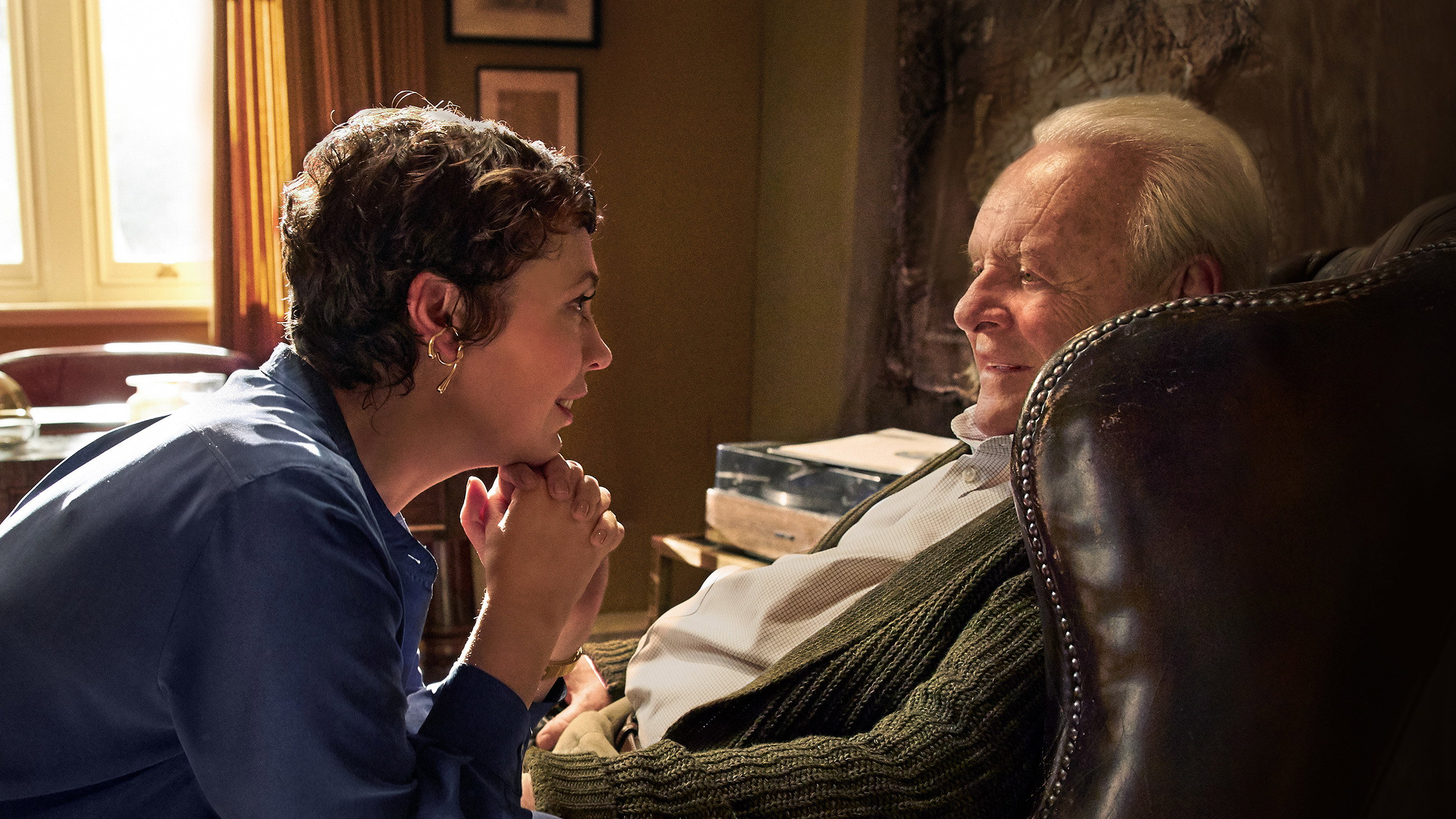
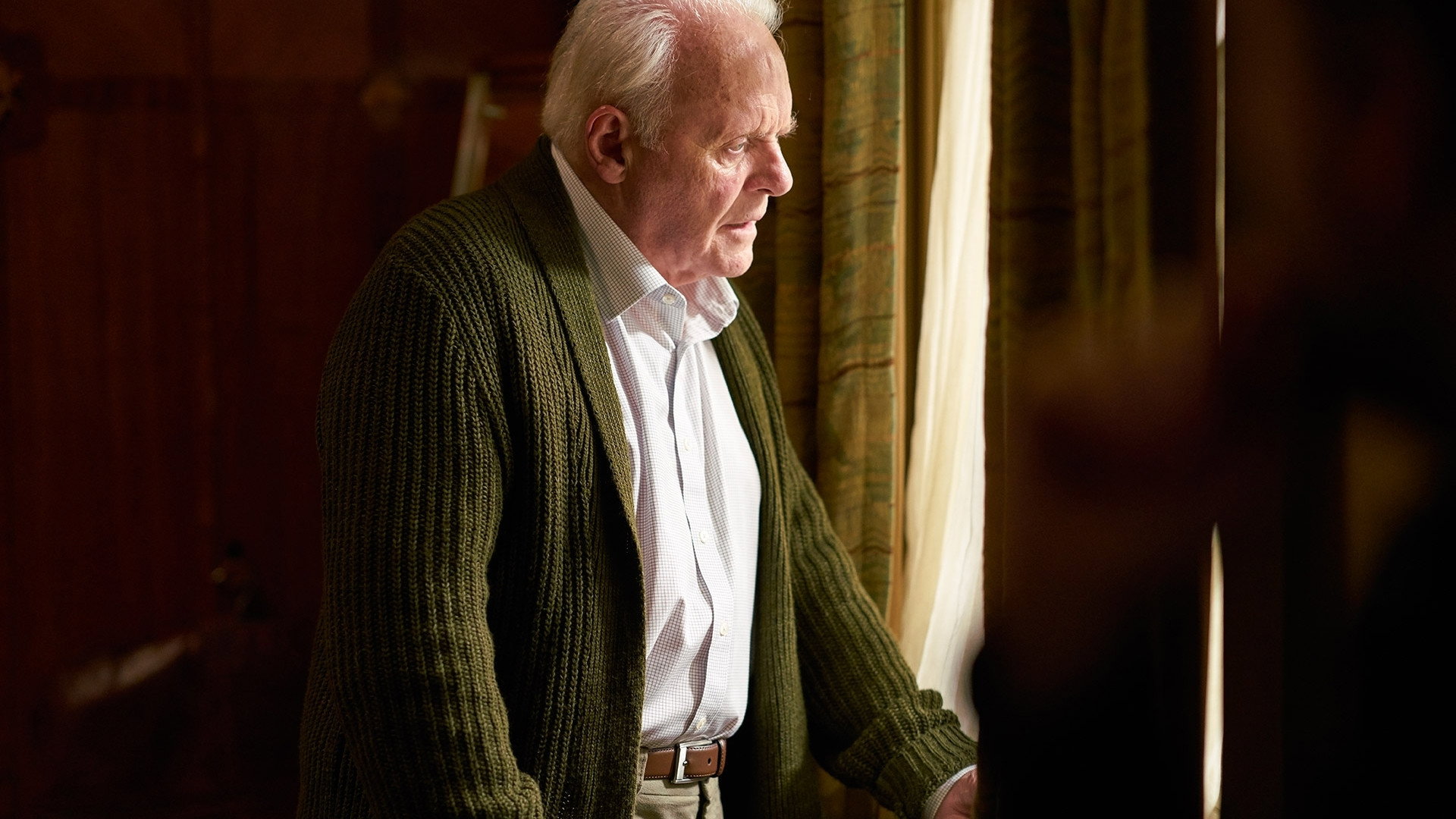
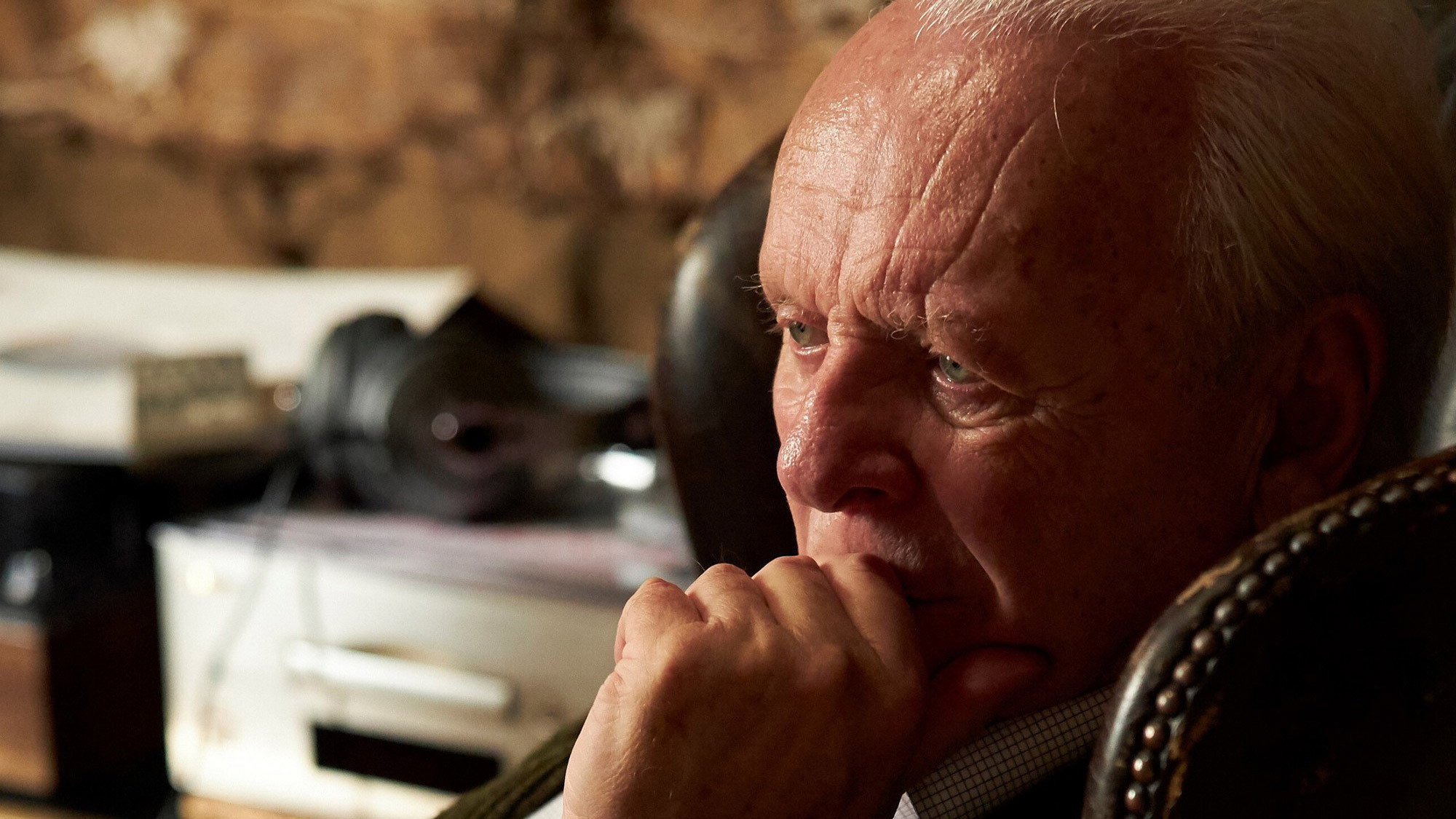
Anthony Hopkins gives Anthony enough pride and charm for us to understand why he resists anyone else’s account of what is happening. His anger can be ugly, and Hopkins does not soften it simply because its cause deserves compassion. What makes the performance hurt is the speed with which his authority becomes uncertain: the man insisting he knows better suddenly cannot be sure. We are allowed to find him difficult without being allowed to dismiss his fear.
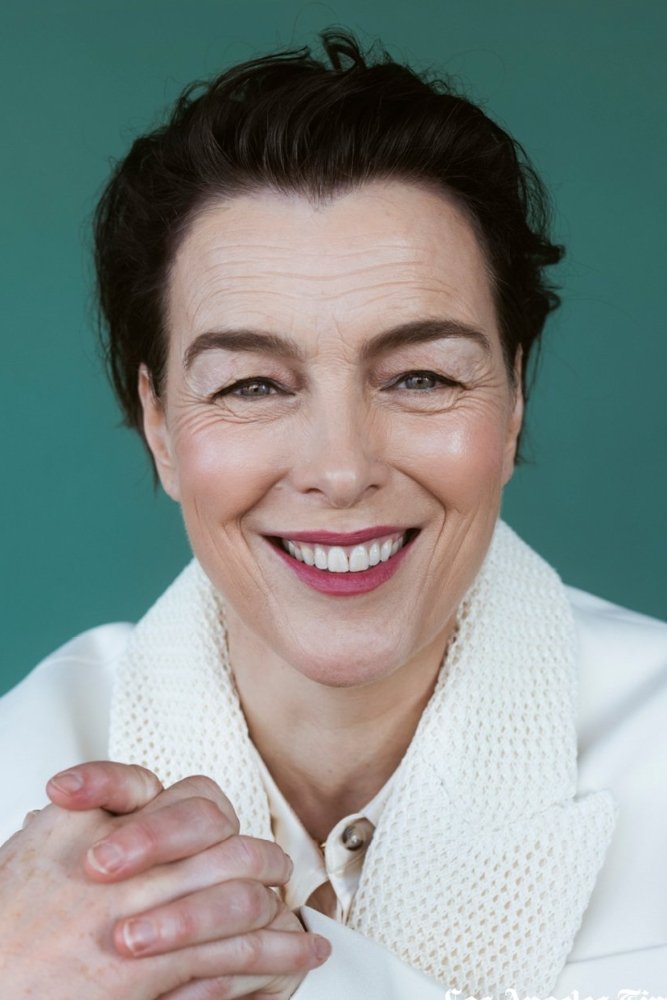
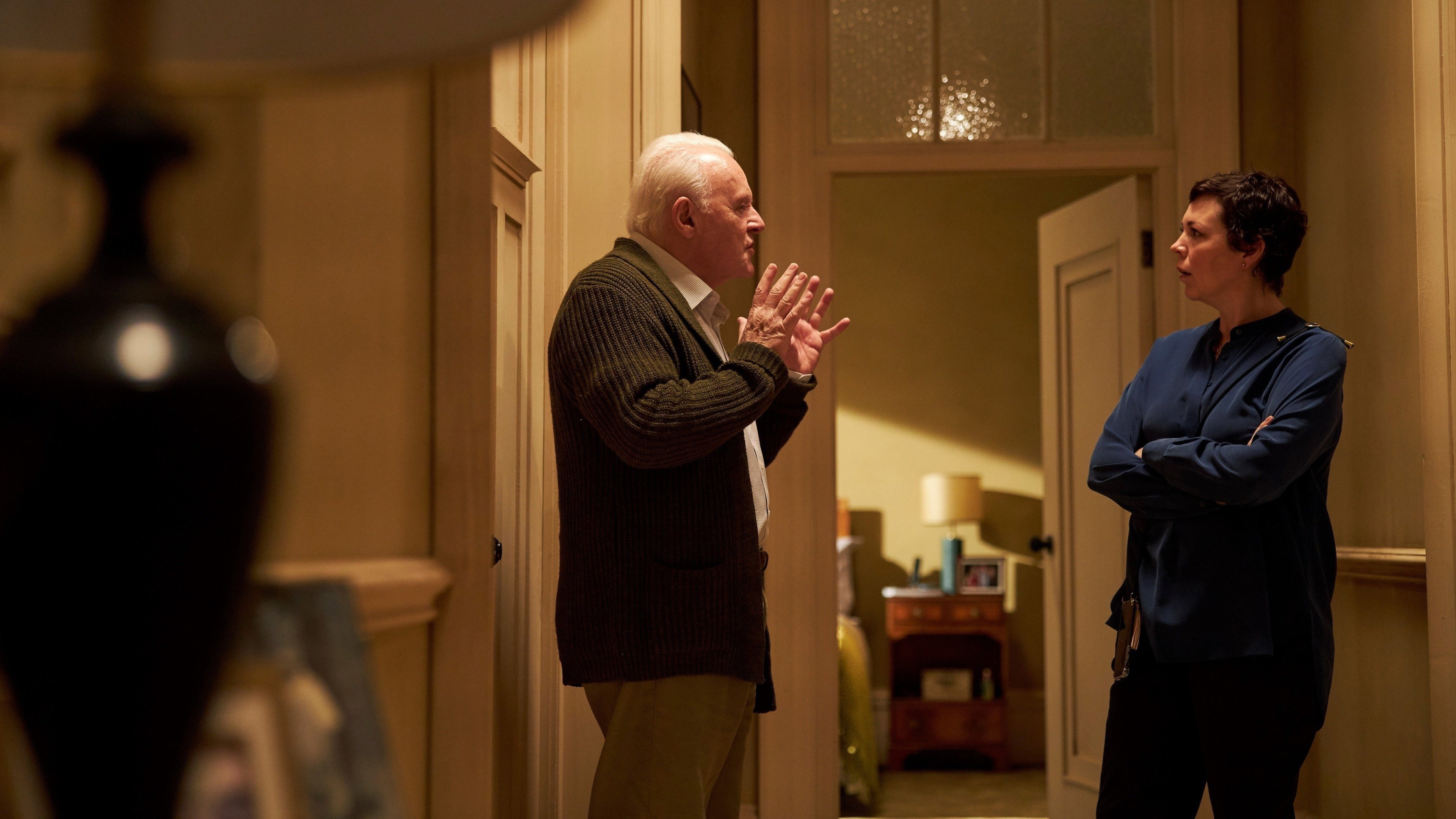
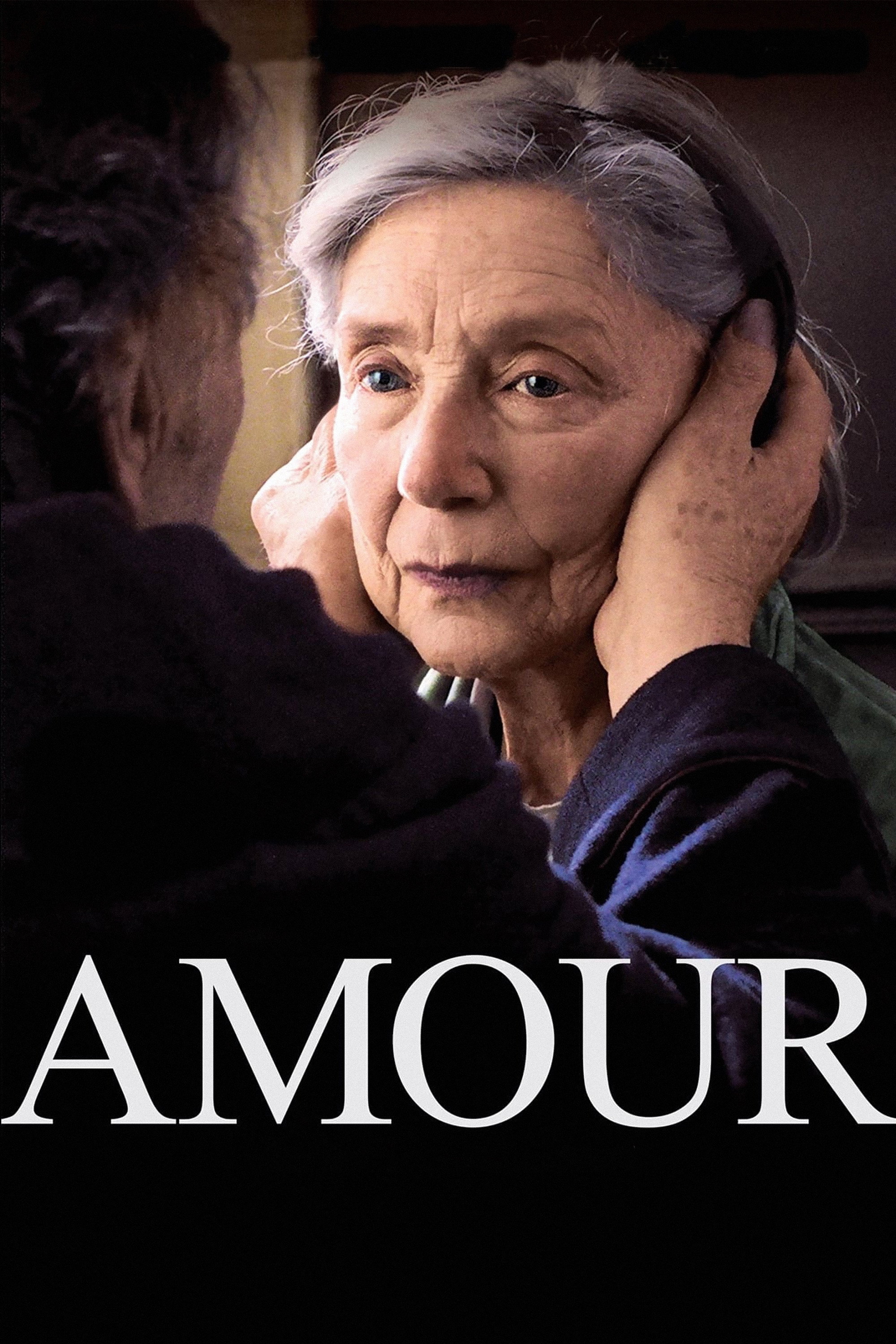
Olivia Colman’s Anne gives the film someone else whose distress matters, even when Anthony cannot take it in. Colman makes the effort of dealing with him visible without asking us to applaud her patience. There is love here, but also the strain of having to remain attentive to someone who may turn mean. Their scenes together hurt because neither performance reduces this relationship to a patient and a dutiful daughter.
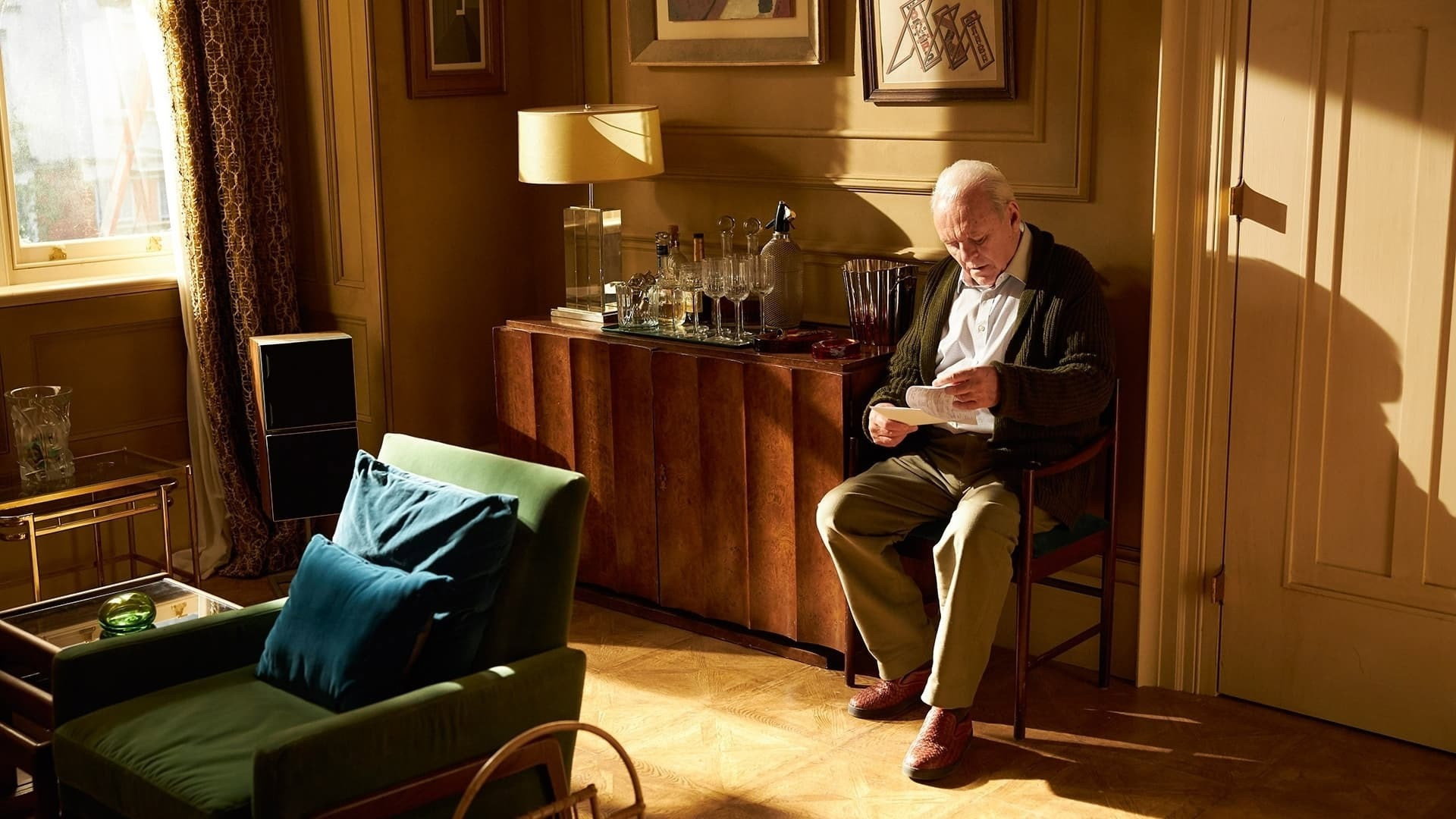
Peter Francis’s production design does much of the frightening work. Details in the flat change, and a place we thought we knew stops helping us understand what is happening. We were frightened by how little it took to make us distrust an ordinary flat. Ben Smithard’s cinematography gives those domestic surroundings enough attention for us to start examining the rooms as closely as the people.
Yorgos Lamprinos’s editing makes conversations and changes of time difficult to fit into a secure sequence. A cut cannot be relied upon to take us where we expect, and we begin to share Anthony’s suspicion that something has gone wrong around him. The technique belongs as readily to psychological horror as to a family drama. Each time we try to put the events in order, Hopkins makes us attend to what the confusion is doing to Anthony.
There are moments when the construction becomes too noticeable. Some repeated conversations prompt us to work out the trick, and for a while that feels like the wrong thing to be doing in the company of these people. The flat itself remains disturbing enough to justify the limited setting. Ludovico Einaudi’s music encourages sympathy for Anthony, but Hopkins has already made his fear plain enough.
A drama about illness can become a long wait for an actor to make the speech that tells us how to feel. Zeller asks more of us: to keep attending to Anthony when understanding him becomes difficult. That makes this a demanding choice for anyone who has known dementia at close quarters. Leave some quiet time afterwards.