Film review

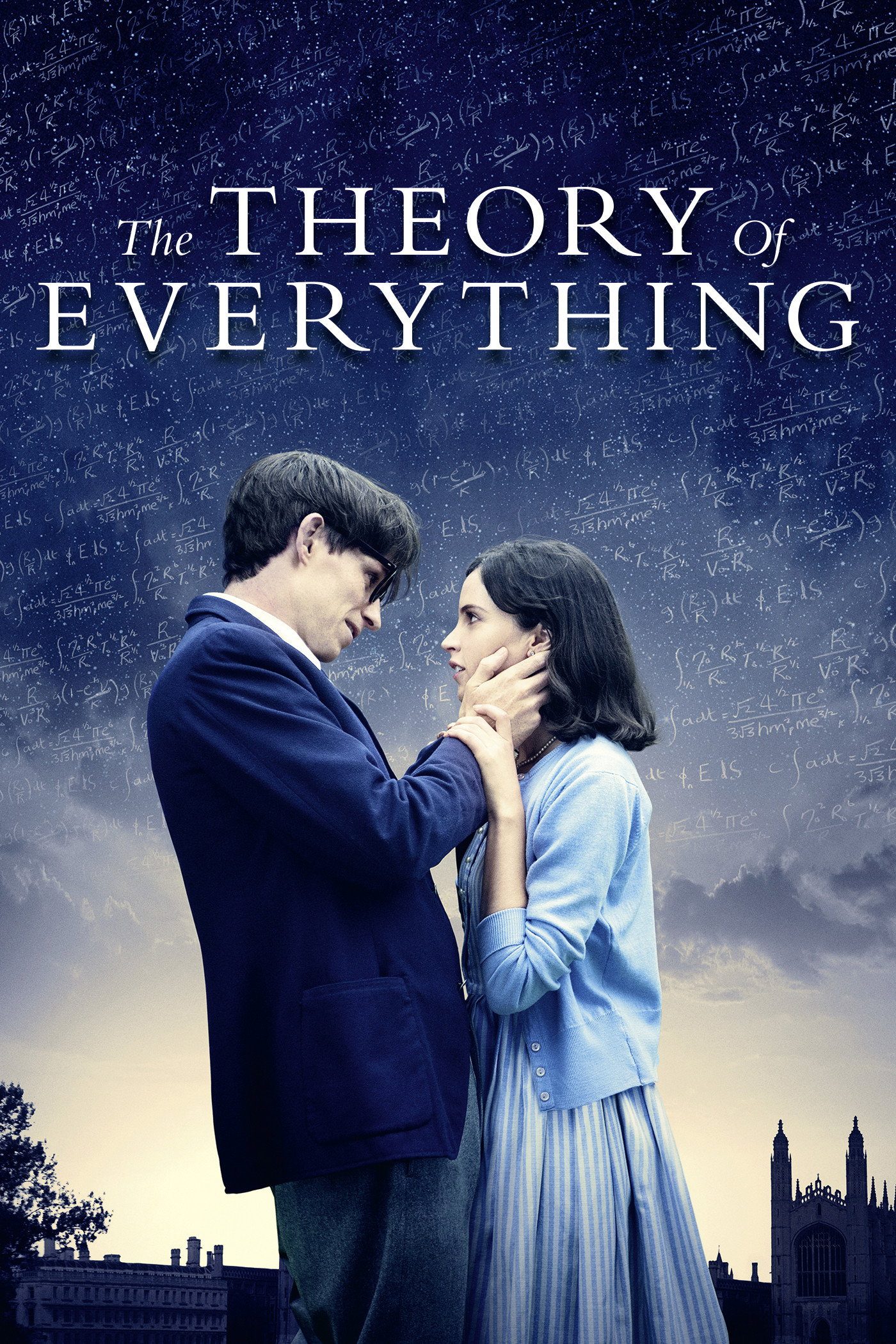
The Theory of Everything

2014 · Directed by James Marsh · 2h 03m · MPA PG-13

In a sentenceEven Stephen Hawking cannot make marriage look simple

DramaRomance

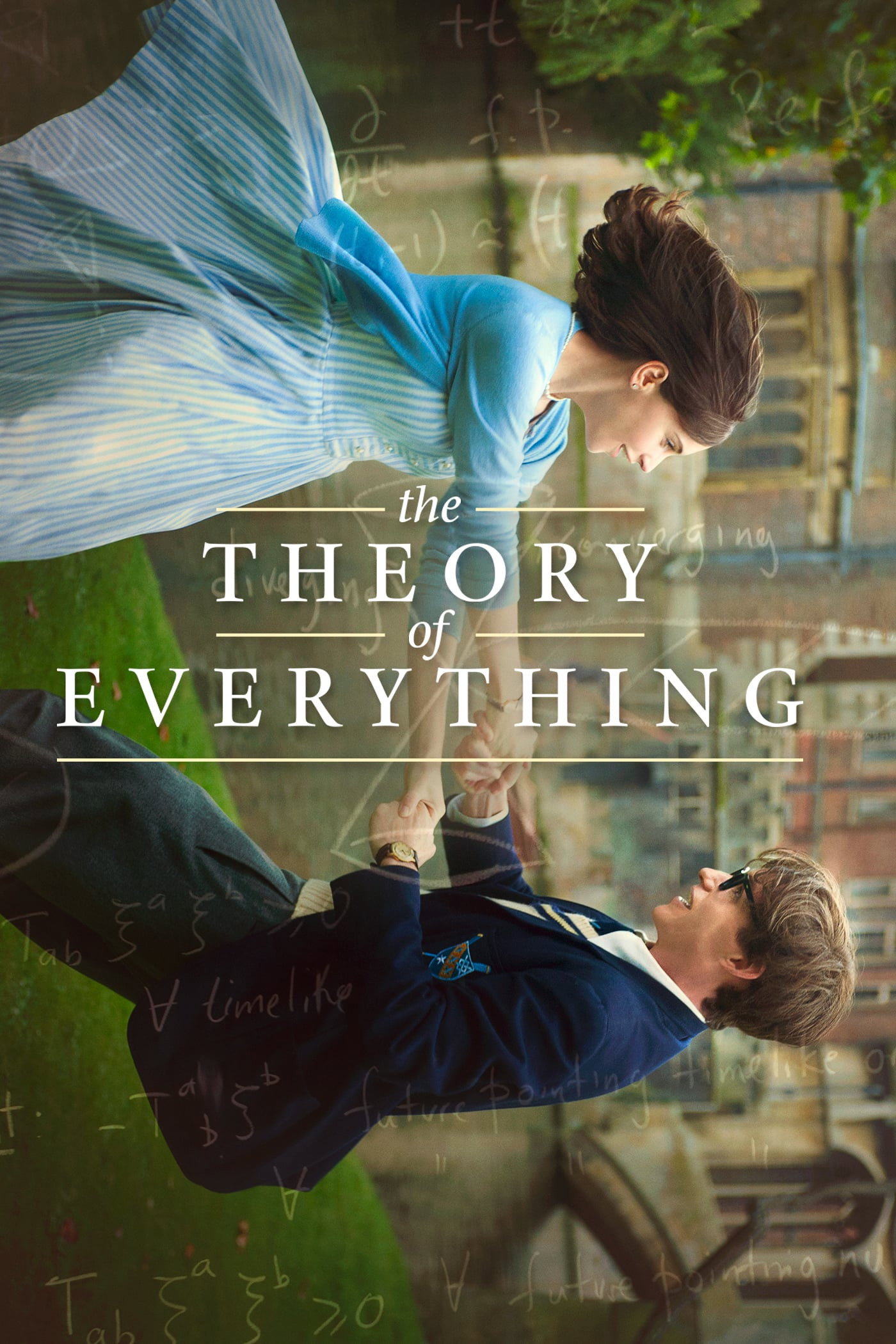
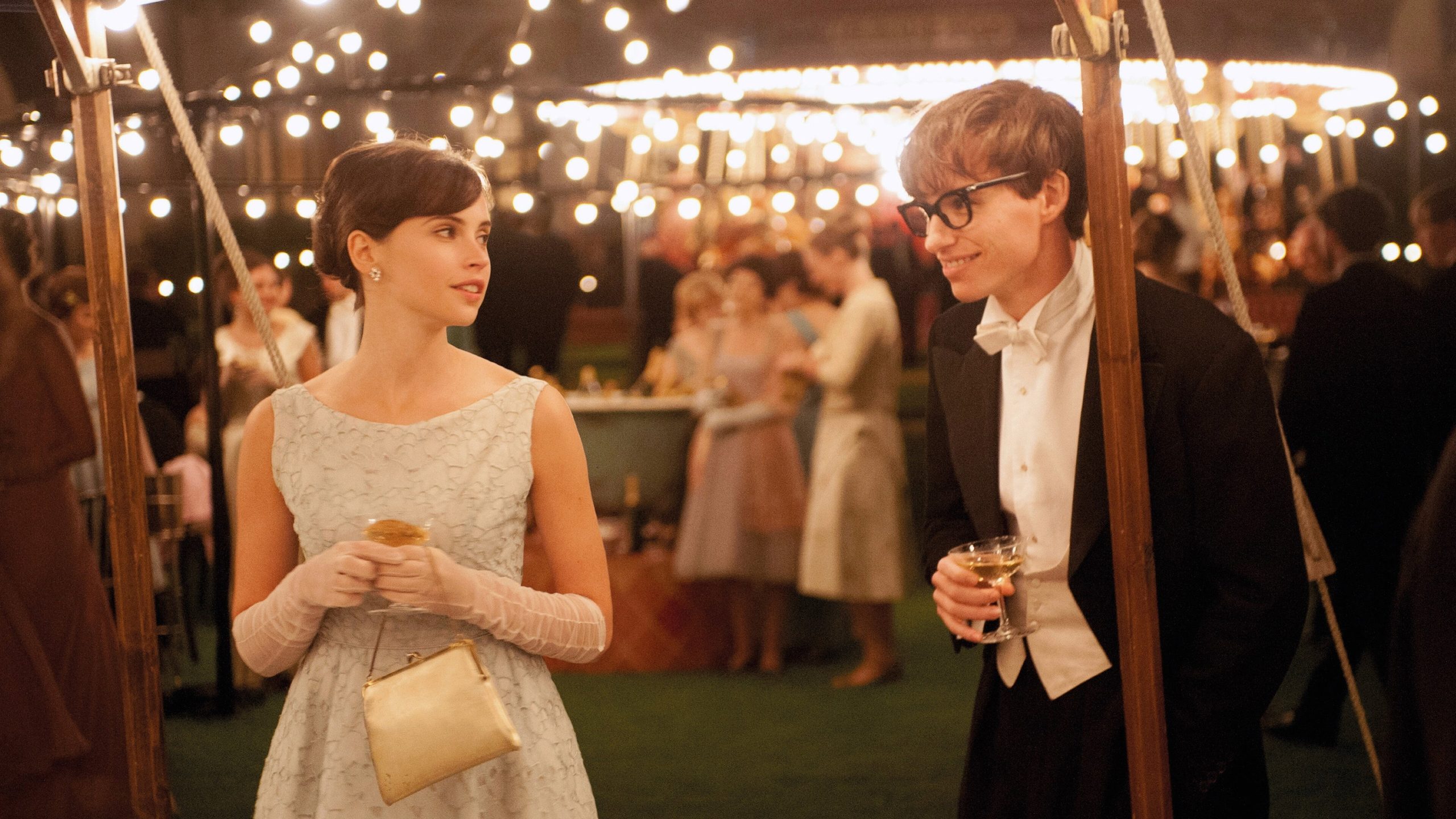
Stephen Hawking (Eddie Redmayne) pursues theoretical physics, with Dennis Sciama (David Thewlis) among the people around him. His relationship with Jane Hawking (Felicity Jones) promises a shared future, but motor neurone disease begins to limit his movement. He wants to continue his work and his life with Jane Hawking; she must consider what that life will ask of her. As the couple confronts the illness, their relationship takes on practical demands alongside the expectations of romance. Scientific ambitions, physical dependence and the prospect of caring for a partner begin to compete for their attention.

Plays from YouTube when you press play; nothing loads from them until then.

Fi1m review

Eddie Redmayne and Felicity Jones make The Theory of Everything worth seeing for the marriage alone. James Marsh’s drama is touching and often funny, though it is too polite about the pressures that marriage places on Jane Hawking.

James Marsh makes the right decision in treating The Theory of Everything chiefly as a story about a marriage. The science matters, but the daily business of loving someone with a progressive illness gives the film its weight. We recommend it for Eddie Redmayne and Felicity Jones, who make the affection convincing and the strain difficult to dismiss. The familiar biographical shape and a reluctance to be unkind limit what the film can tell us about either person.

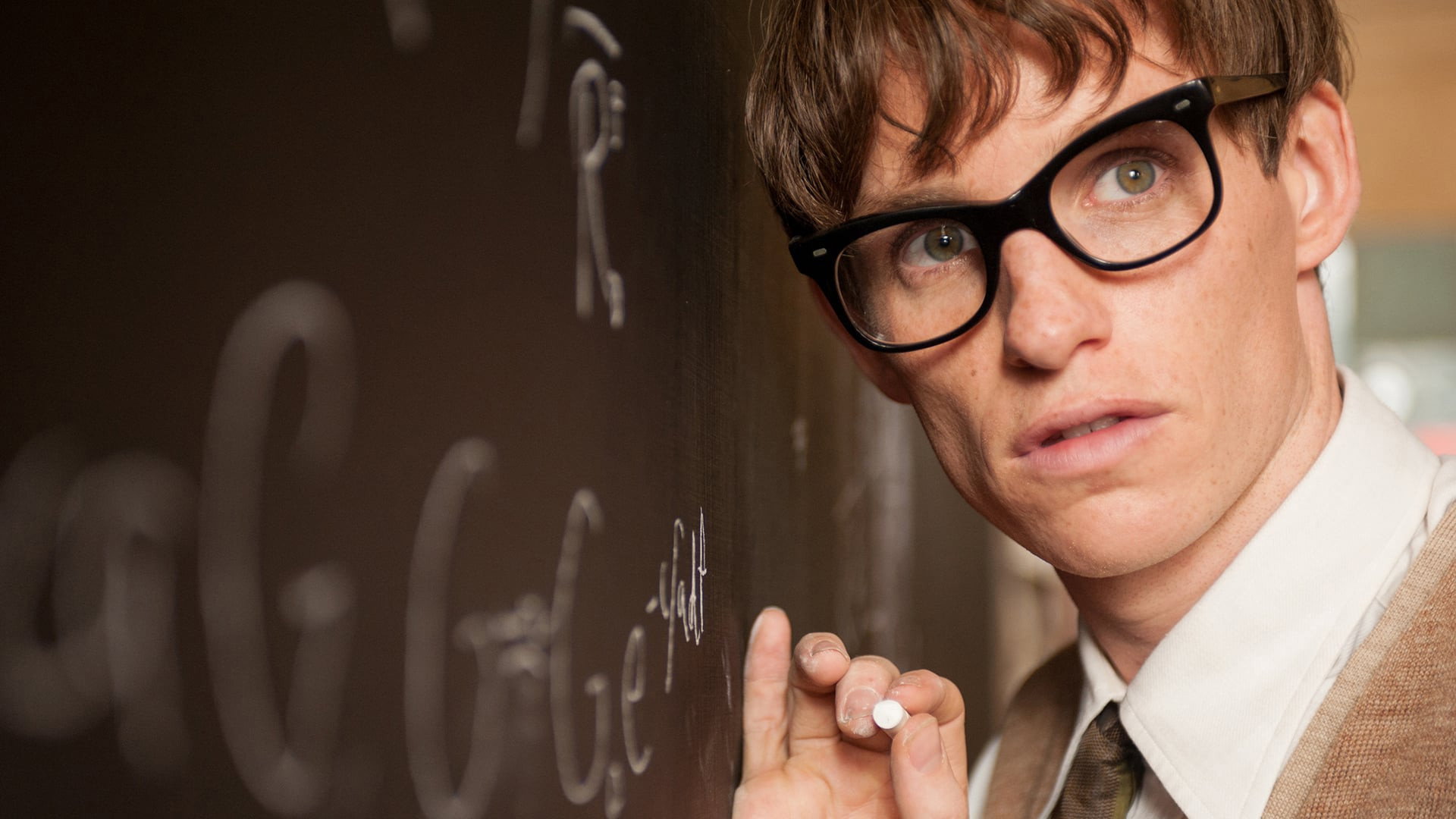
Eddie Redmayne’s Stephen Hawking retains humour and charm as movement becomes harder. The performance makes room for the pleasure he takes in other people, so that we never feel we are being asked merely to admire an actor’s control of his body. That matters in a drama about disability, where physical technique can attract so much attention that character gets forgotten. His humour makes him good company, and gives the romance something more persuasive than admiration to work with.

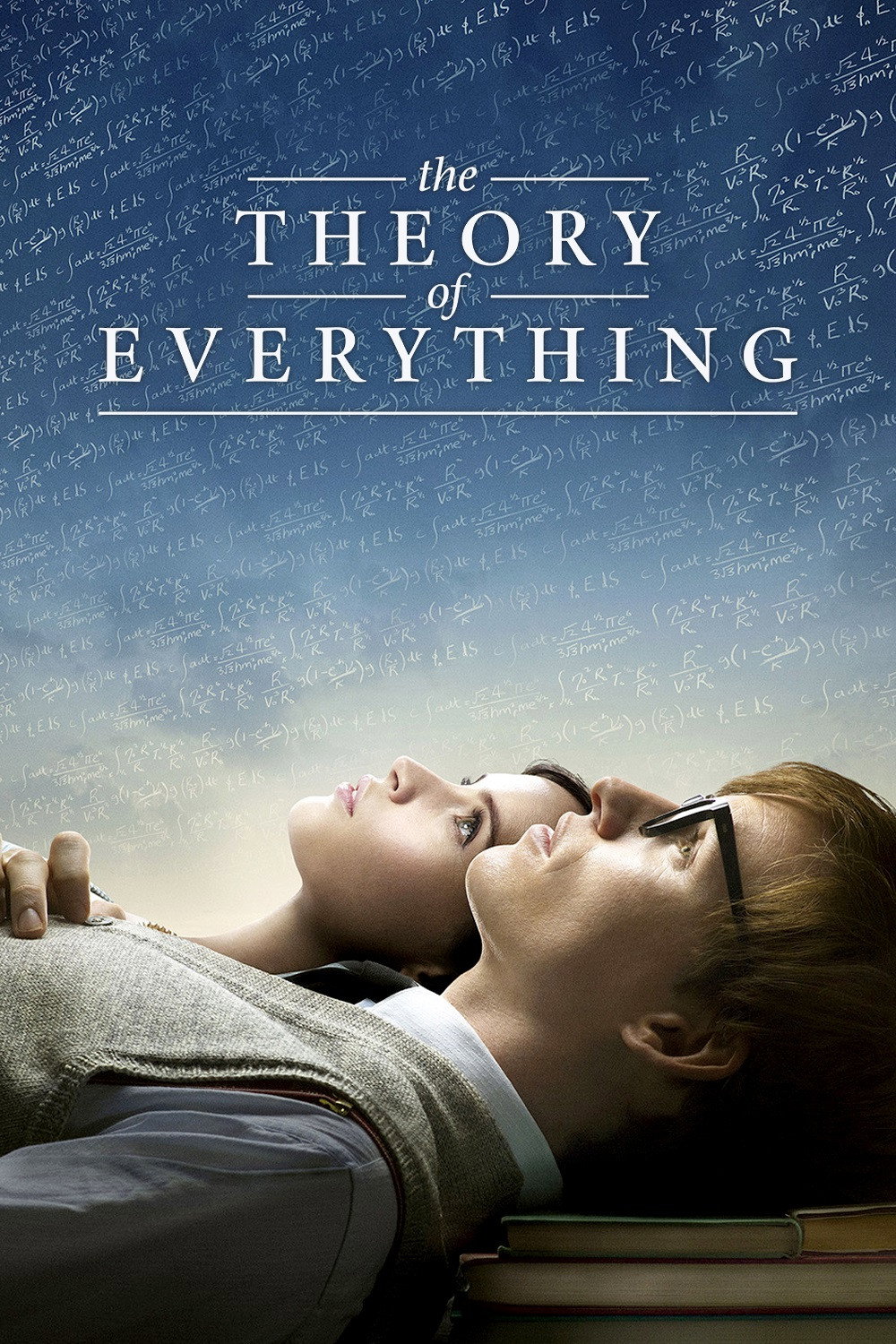
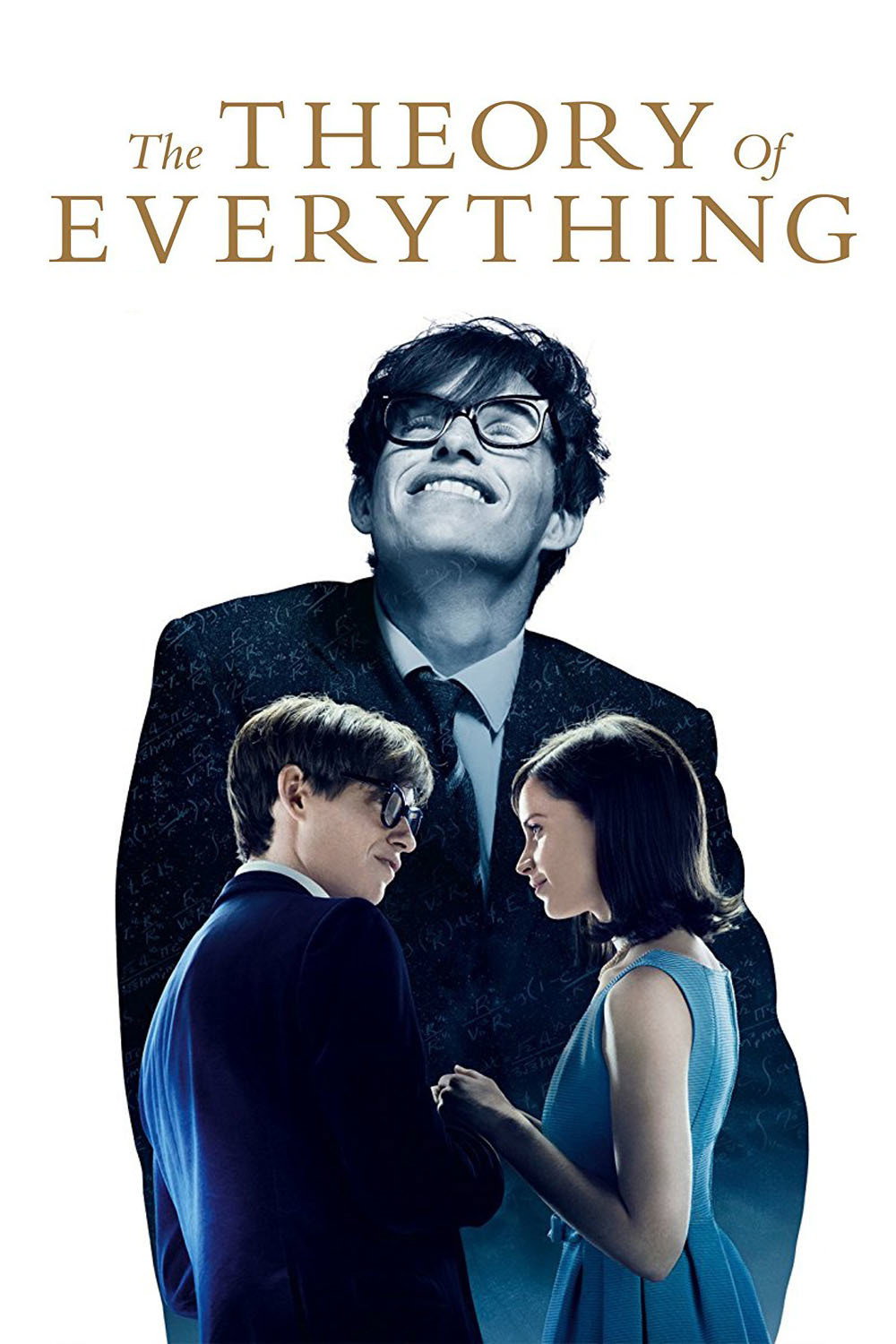
Felicity Jones gives Jane Hawking the attention that a more reverential film might have reserved for her husband. Her affection takes effort, and the performance allows us to see how much being supportive can require without making her endlessly patient. We were moved by the tiredness in her attentive face, because she makes caring look like work even when she is being kind. The chemistry between the leads is strong enough for their difficulties to hurt, and neither seems to be waiting politely while the other acts.

Benoît Delhomme photographs the couple with a warmth that helps us believe the attraction, although the polish sometimes makes their difficulties look too presentable. John Paul Kelly’s production design shares that tidiness: everything looks carefully chosen, and we miss the sense that living together might leave a mess. Jóhann Jóhannsson’s music encourages tenderness, occasionally more insistently than the performances need. These are skilful contributions, but James Marsh could have let the film look and sound less reassuring.

Anthony McCarten’s screenplay is less comfortable with the unpleasant parts of devotion. It acknowledges the strain, then too often moves on before either person has to spend much time being difficult or unreasonable. Jinx Godfrey’s editing keeps the account moving, but the pace contributes to that feeling of being ushered past an uncomfortable conversation. A biographical romance does need to choose what to leave out; here we wanted less ground covered and more time with the couple.

The modest place given to theoretical physics is not, in itself, a fault. A marriage need not become a lecture simply because one spouse is a scientist. Yet the film gives us too little sense of why the work absorbs him, which weakens our understanding of the man whose working life the marriage has to accommodate. This is a familiar problem in biographical dramas: we are given enough to recognise someone’s importance without getting much opportunity to share their excitement about the work.

There is enough humour here to prevent the suffering from becoming oppressive, and enough tenderness to make the romance worth following. Its politeness is frustrating because the actors seem capable of handling a less flattering account. They still give us two people worth spending time with. Choose it for a thoughtful, accessible romantic drama; anyone hoping for a substantial account of the physics should make other plans.
Critical consensus AI synthesised

70
Positive
19
Mixed
5
Negative
2

Most critics find The Theory of Everything moving, with praise centred on Eddie Redmayne and Felicity Jones as Stephen and Jane Hawking. The reviews repeatedly credit their chemistry with making the marriage’s affection, strain and compromises convincing; Redmayne’s physical performance draws particular attention, while Jones is often judged essential to the emotional weight. Several critics also admire the cinematography and James Marsh’s sensitive direction, accepting the emphasis on the relationship rather than the physics.

The main disagreement is over how much those performances overcome a conventional script. Supporters see restraint and an adult account of a difficult marriage; more qualified reviews find the storytelling formulaic, too polite or reluctant to explore its complications. The spread reaches from warm approval to outright rejection: Time Out praises the avoidance of schmaltz, whereas Eye for Film finds the film sentimental and superficial, with both the science and the characterisation underserved.

Evening Standard
5 February 2015 · David Sexton
85*

The film is deeply affecting thanks to astounding performances from Redmayne and Jones that make the unusual marriage into a love story speaking to all. It prioritises the relationship over theoretical physics in a conventional biopic structure elevated by inventive cinema techniques.

Read the full review →
Total Film
29 December 2014 · Kevin Harley
85*

Marsh's biopic honours both brain and body in a poignant, probing portrait of an ordinary marriage sustained in extraordinary circumstances, driven by the chemistry between the lead performances. It avoids awards-season clichés while balancing science, emotion and support turns.

Read the full review →
Empire
18 December 2014 · Helen O'Hara
80*

The film offers a compassionate and inspiring look at an extraordinary life, anchored by two of the best performances of the year from Redmayne and Jones. It focuses on the couple's mutual respect and the strains on their marriage amid Hawking's illness.

Read the full review →
Radio Times
★★★★ · Andrew Collins
80

Highlights Redmayne's Oscar-winning transformation but credits Jones's performance as key to the film's success in foregrounding the relationship. It's a grandly photogenic work based on Jane's memoir.

Read the full review →
The Guardian
1 January 2015 · Peter Bradshaw
80*

The critic finds the film an unexpectedly charming and moving portrait of a difficult marriage, crediting strong performances especially from Eddie Redmayne and Felicity Jones for creating a grown-up study of compromises under unique pressures.

Read the full review →
Time Out
22 December 2014 · ★★★★ · Joshua Rothkopf
80

It smartly avoids schmaltz while delivering approachable science and focusing on the couple's relationship with painful strains below the surface. Praises the extraordinary performances, especially Jones's strong portrayal.

Read the full review →

Cast

Awards

Academy Awards, 2015

Nominated
Best Actress
Nominated
Best Original Score
Nominated
Best Picture
Nominated
Best Writing, Adapted Screenplay
Won
Best Actor

If you liked this, try…

Away from Her poster

Away from Her

2006 · Another marriage tested by illness, with room for uncomfortable feelings.

My Left Foot poster

My Left Foot

1989 · A sharper, less decorous portrait of talent, disability and family dependence.

A Beautiful Mind poster62

A Beautiful Mind

2001 · For another romance negotiating the demands of an exceptional mathematical mind.

The Lunchbox poster

The Lunchbox

2013 · A quieter romance that gives practical kindness the attention it deserves.

Late Spring poster92

Late Spring

1949 · Family duty and private wishes, observed with patience and little fuss.