Film review

There Will Be Blood

2007 · Directed by Paul Thomas Anderson · 2h 38m · MPA R

In a sentenceDaniel Day-Lewis makes financial success look like grounds for a restraining order

Drama

Daniel Plainview (Daniel Day-Lewis) is an oilman pursuing wealth and power in the early American oil industry. As his ambitions grow, the people around him become caught up in a struggle shaped by money, competition and his distrust of others. Paul Dano plays Paul and Eli Sunday, with Dillon Freasier as H.W. Plainview, Kevin J. O’Connor as Henry and Ciarán Hinds as Fletcher Hamilton. Written and directed by Paul Thomas Anderson, and drawing on a novel by Upton Sinclair, the drama centres on the cost of acquiring money and the struggle to command other people’s respect.

Plays from YouTube when you press play; nothing loads from them until then.

Fi1m review

Paul Thomas Anderson’s oilman drama is gripping and frightening, with Daniel Day-Lewis making greed feel horribly personal. Later storytelling gaps are a frustration, but the acting, images and music make its 158 minutes worth the discomfort.

There Will Be Blood is a gripping study of a man whose ability makes his cruelty more alarming. Paul Thomas Anderson takes the familiar story of a self-made oilman and allows little hope that success will make him generous. Anderson lets us see how hard Daniel Plainview works before asking us to recoil from his treatment of other people. We understand why people might follow him, which makes watching him harder.

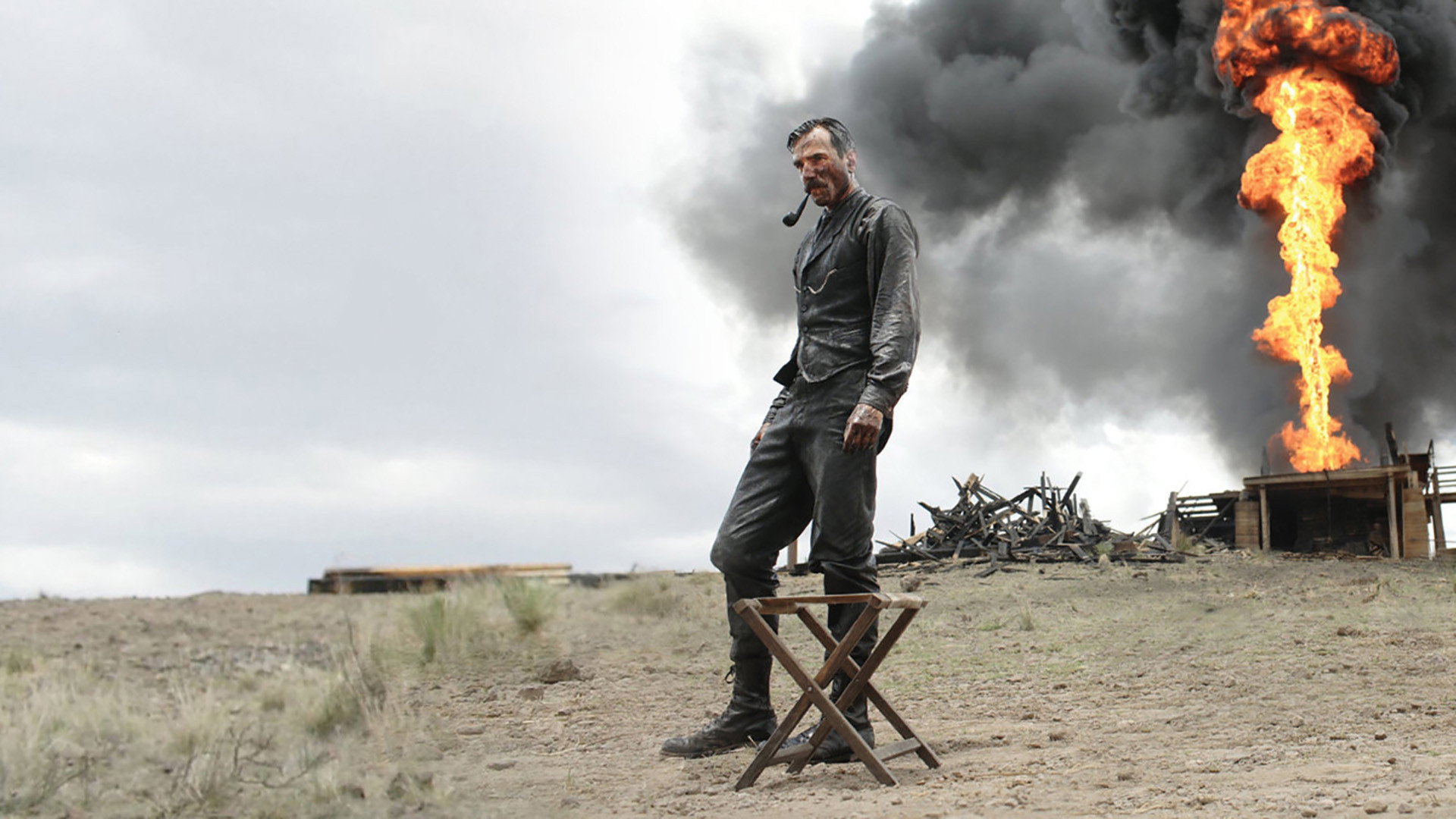
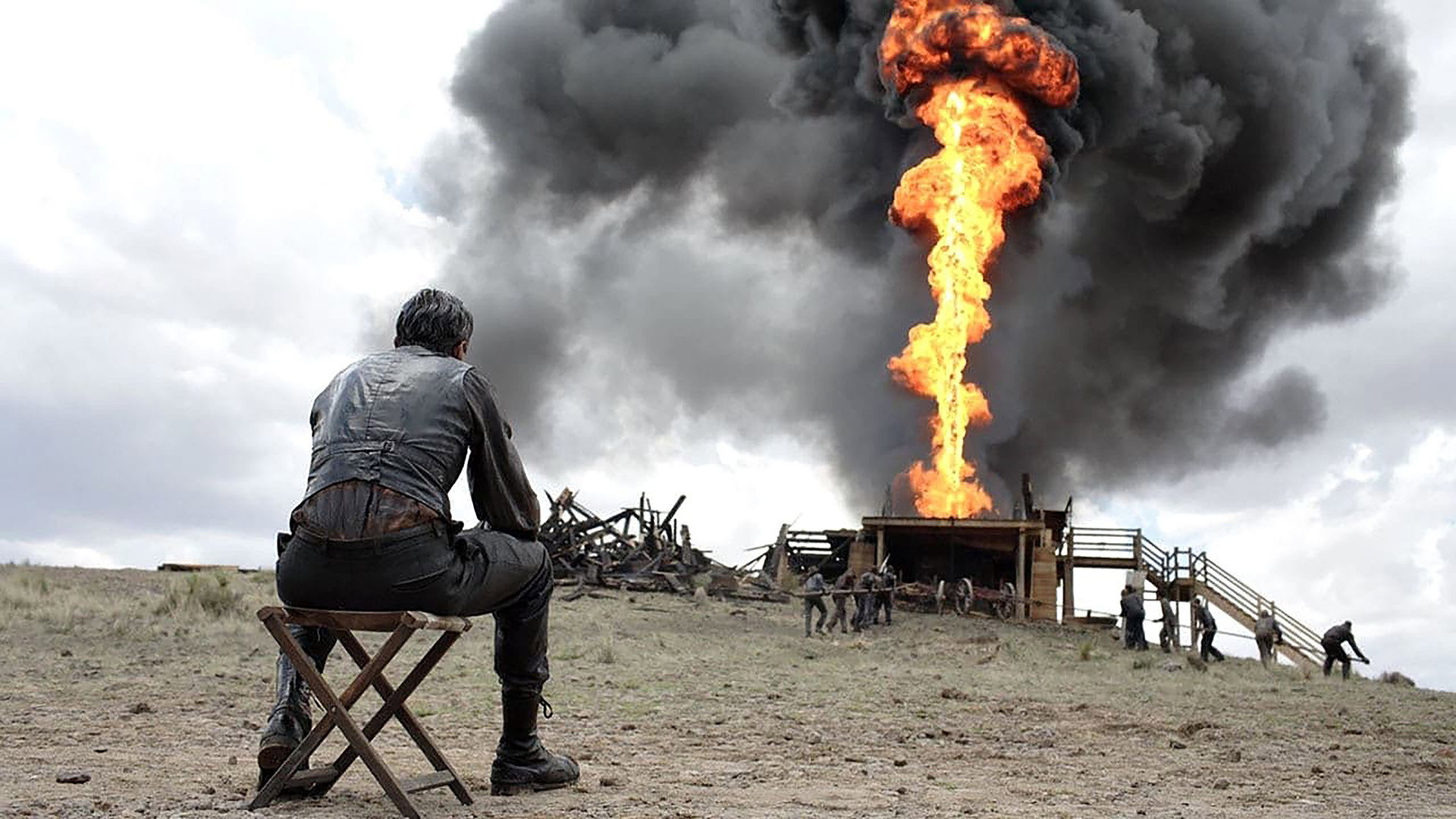
The wordless opening is a good test of Anderson’s confidence. He asks us to watch physical effort closely, letting Plainview’s persistence establish the character before speech can explain him. We felt uneasy before anyone said a word. The effort is impressive, but the concentration Day-Lewis brings to it already seems unhealthy, as though stopping might be beyond him. Robert Elswit’s cinematography makes the work look difficult and the surroundings unwelcoming, giving us little encouragement to admire Plainview comfortably.

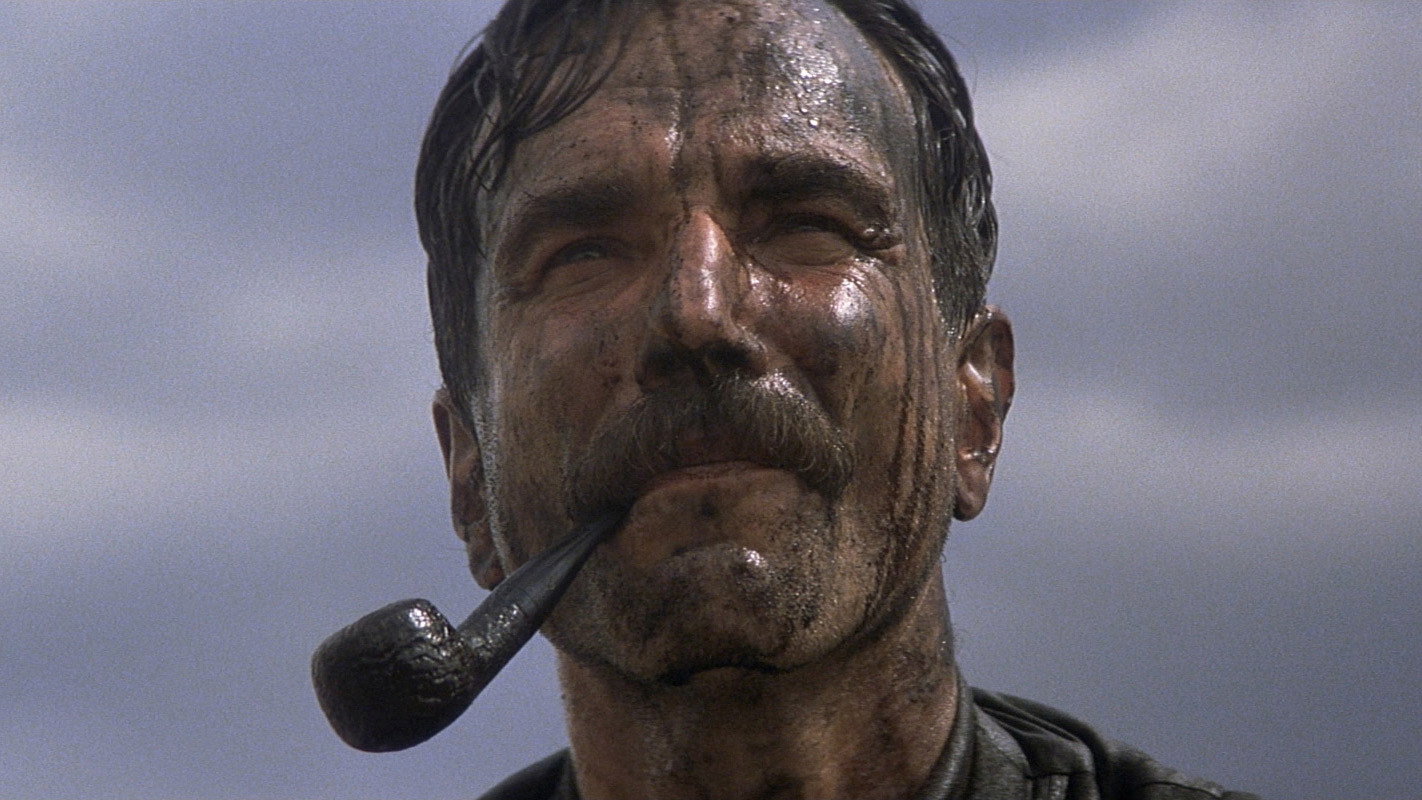
Day-Lewis gives Plainview a voice that makes ordinary conversation sound like a negotiation already going badly. He can make an offer seem considered and courteous while leaving us in little doubt about his contempt for the person hearing it. The performance is large, and Anderson is sensible enough not to try to disguise that. Its fascination lies in the control: the aggression is there even when Plainview appears to be behaving reasonably. We found ourselves listening for hostility in the most civil exchanges.

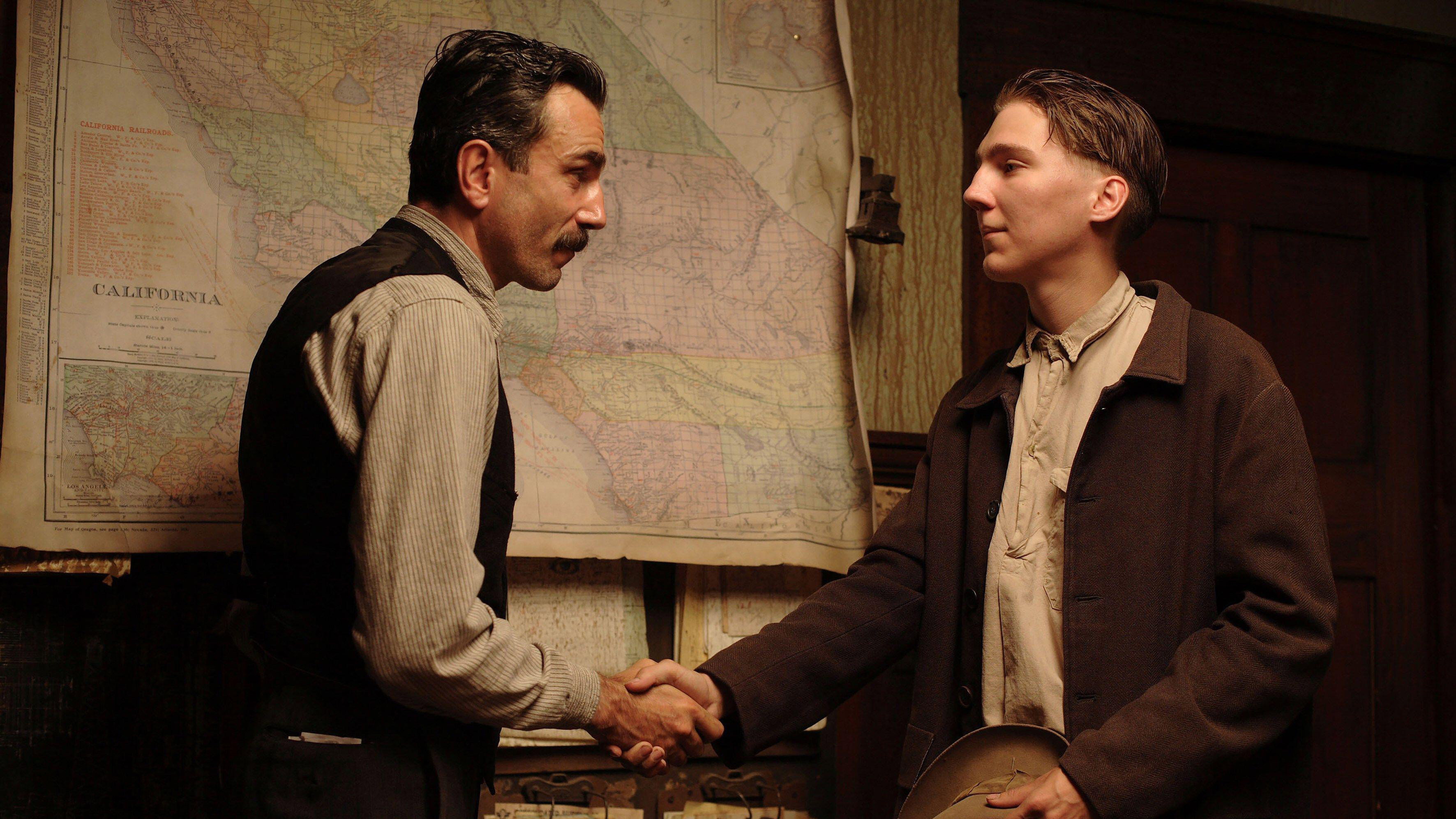
Paul Dano provides useful resistance because he does not try to match Day-Lewis in the same way. His insistence has a different, needling quality, and their contest can be as embarrassing as it is threatening. Dano is most interesting when we can see the effort involved in maintaining his authority. There is something uncomfortable about watching each man need the other’s acknowledgement so badly. These clashes give the film some welcome uncertainty about who will make whom look small.

Jonny Greenwood’s score is crucial to the unease. It makes the drive to succeed feel feverish, and its insistence can disturb a scene before the performances have done anything openly alarming. Jack Fisk’s production design keeps the business of extracting wealth physically convincing, giving Elswit’s images something more substantial to offer than imposing views. The places of work look capable of wearing people out. That matters in a film where making money involves so much visible effort, and where the ability to endure it can seem dangerously admirable.

Dylan Tichenor’s editing is particularly effective in the opening, where the absence of dialogue never becomes an excuse for slackness. Later, the storytelling skips over connections we would have liked to see made. Plainview remains compelling, but some of the people around him seem to exist chiefly to confirm what we already know about him. That matters in a film of 158 minutes. Anderson has room for more of those people, and sometimes seems impatient to get back to Plainview.

As a drama about money and power, it preserves the familiar pleasure of watching a capable man get ahead long enough to make our interest uncomfortable. The film does not assume that we will dislike Plainview simply because we recognise his greed. Anderson lets Day-Lewis make the hostility increasingly difficult to overlook, without pretending that this makes the man any less fascinating. Give it an uninterrupted evening, and do not expect much relief from the company.
Critical consensus AI synthesised

88
Positive
8
Mixed
0
Negative
0

The reviews are strongly positive, with praise centred on Daniel Day-Lewis’s performance as Daniel Plainview and Paul Thomas Anderson’s treatment of greed, power and American ambition. Critics repeatedly single out the opening sequence, finding its largely wordless storytelling a forceful introduction to Plainview’s character. Jonny Greenwood’s score also draws praise, while Anderson’s command of scale allows the film to work as both a close character study and a broader account of wealth pursued without moral restraint.

The differences are chiefly matters of enthusiasm rather than outright dissent, and the reservations cluster around the later storytelling. The Skinny admires the first hour but finds narrative gaps thereafter; Den of Geek likewise questions the later stretch and the final scene. Eye for Film raises a separate concern about the simplicity of the religious opposition, though treats it as minor: none of these reservations overturns the critics’ broadly favourable view.

The Guardian
8 February 2008 · ★★★★★ · Peter Bradshaw
100

The critic calls it a dark, uncompromising film that is thrillingly original and distinctive, with visionary passion. He singles out the extraordinary opening scenes and Daniel Day-Lewis's mesmeric, virtuoso performance as the misanthropic oilman Daniel Plainview.

Read the full review →
The AV Club
26 December 2007 · A · Nathan Rabin
95

Calls it a stunningly powerful epic and uncompromising masterpiece that fully realizes Anderson's promise. Singles out Day-Lewis's towering performance as a rapacious oilman descending into monstrousness and the film's vision of capitalism divorced from morality.

Read the full review →
Total Film
8 February 2008
90*

The review hails Anderson's film as possibly his finest, a hefty meditation on money and madness that is intense and immense, with standout performances from Day-Lewis and Dano and a towering ambition that points to Oscars.

Read the full review →
Empire
1 February 2008 · Helen O'Hara
85*

The critic finds the film an uncompromising and intelligent work that may be a masterpiece, praising its searing portrait of greed and power through Day-Lewis's incredible performance and the clash of two titanic egos.

Read the full review →
Screen Daily
19 November 2007 · festival review
85*

The review describes the film as a vivid, sprawling parable about greed and moral corrosion, hailing Daniel Day-Lewis's volcanic performance as the monstrous rags-to-riches oil man while noting its anti-Western stance and parallels to classic moral dramas.

Read the full review →
Variety
1 November 2007
85*

Paul Thomas Anderson delivers a boldly strange and magnificent departure with this intense character study of a turn-of-the-century oil man, distinguished by its physicality, linguistic distinction, and original score.

Read the full review →

Cast

Stills

Awards

Academy Awards, 2008

Nominated
Best Director
Nominated
Best Film Editing
Nominated
Best Picture
Nominated
Best Production Design
Nominated
Best Sound Editing
Won
Best Actor
Won
Best Cinematography

Amanda Award for Best Foreign Feature Film, 2008

Won
Amanda Award for Best Foreign Feature Film

If you liked this, try…

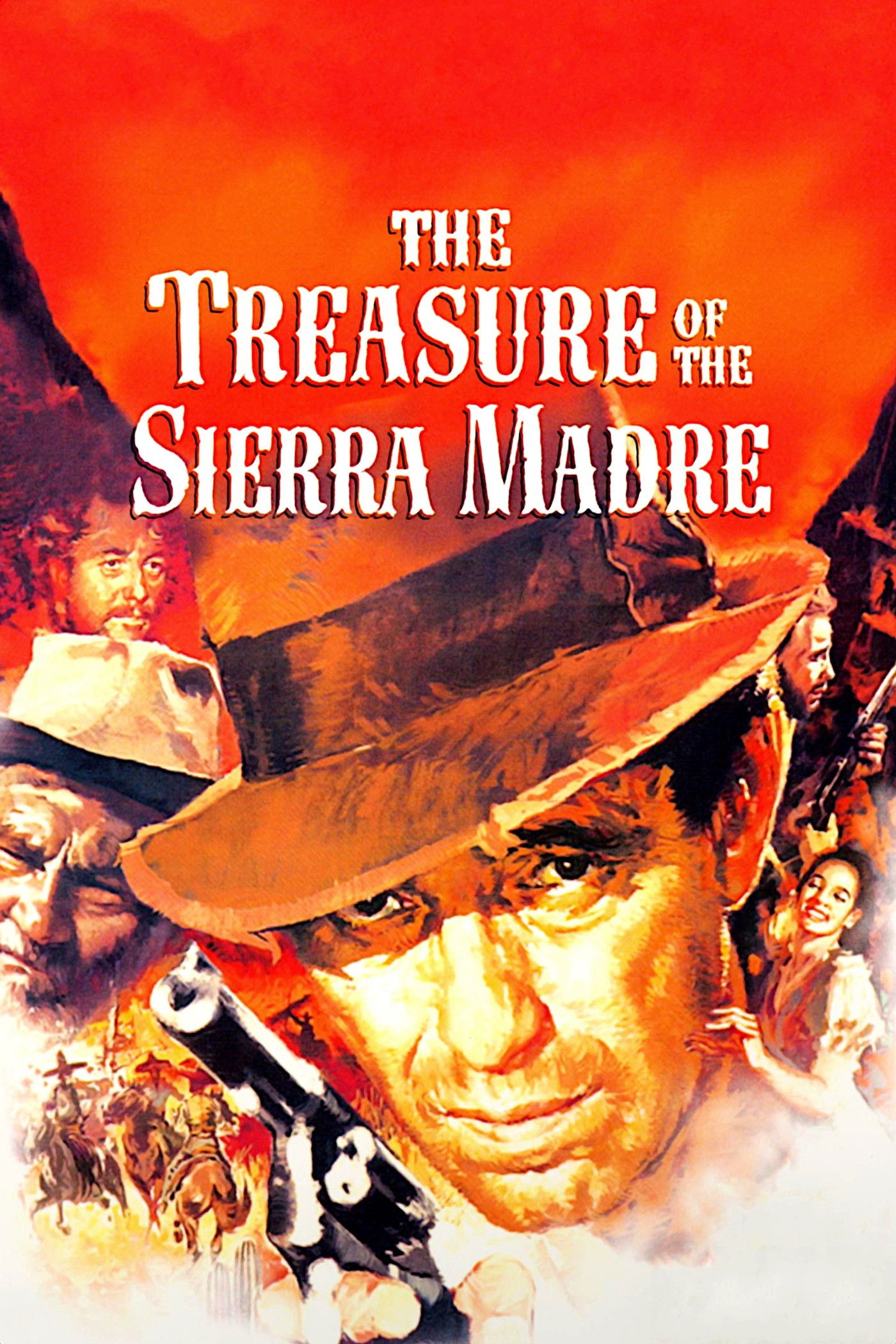
The Treasure of the Sierra Madre poster

The Treasure of the Sierra Madre

1948 · Men chase wealth and discover how quickly suspicion makes cooperation impossible.

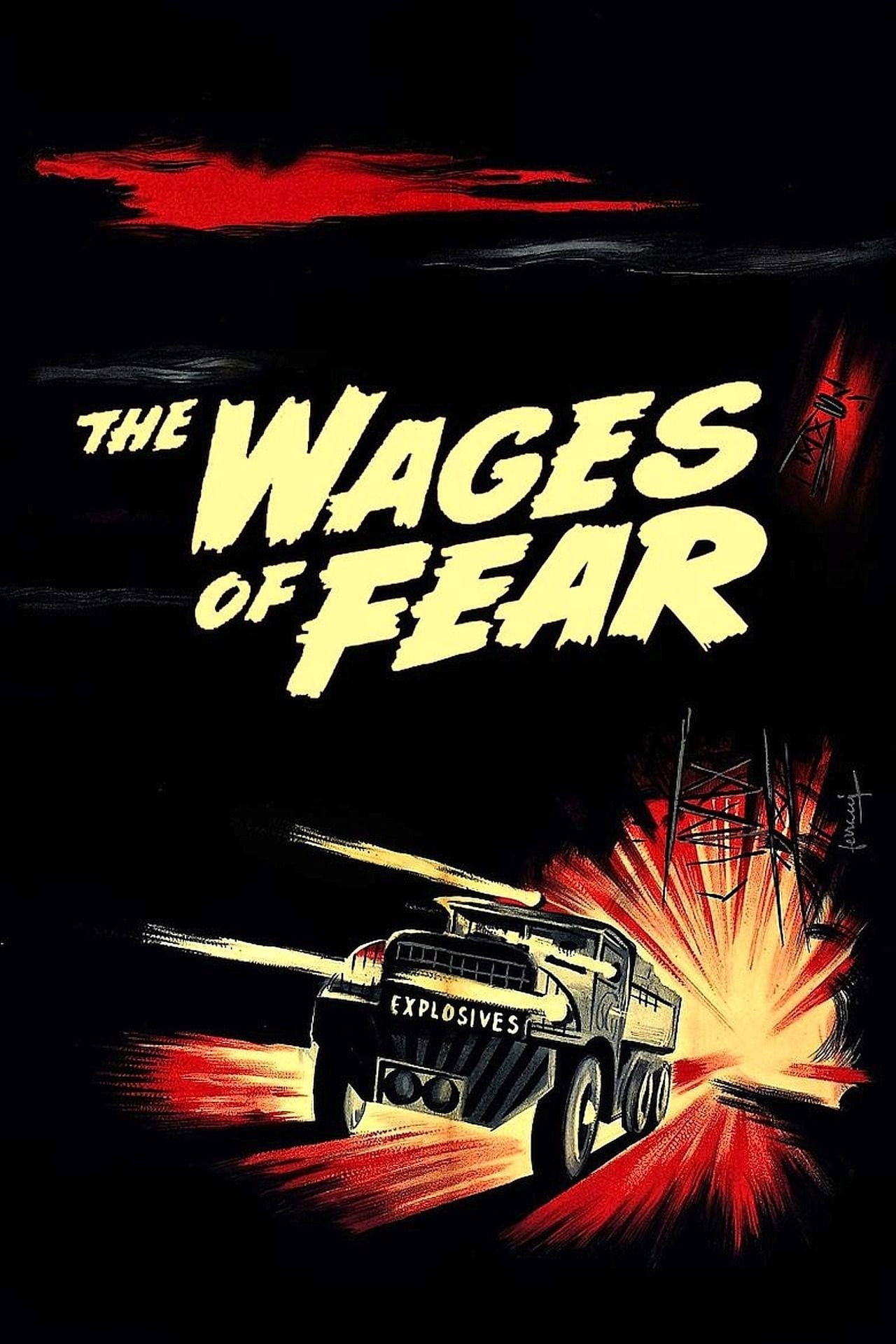
The Wages of Fear poster

The Wages of Fear

1953 · Dangerous work, desperate men and physical suspense with no comforting distance.

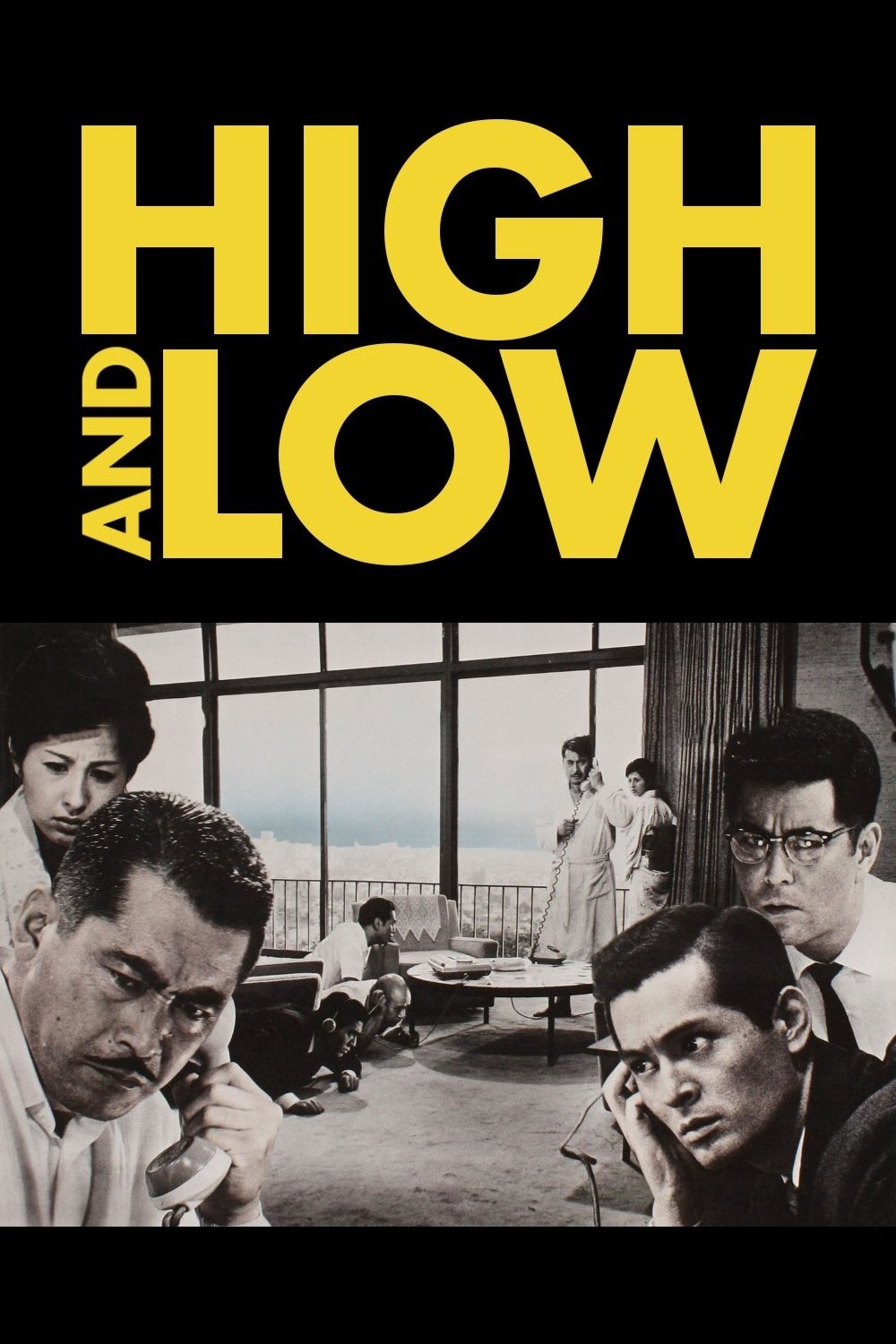
High and Low poster

High and Low

1963 · A businessman’s wealth becomes the basis of a precise, troubling moral examination.

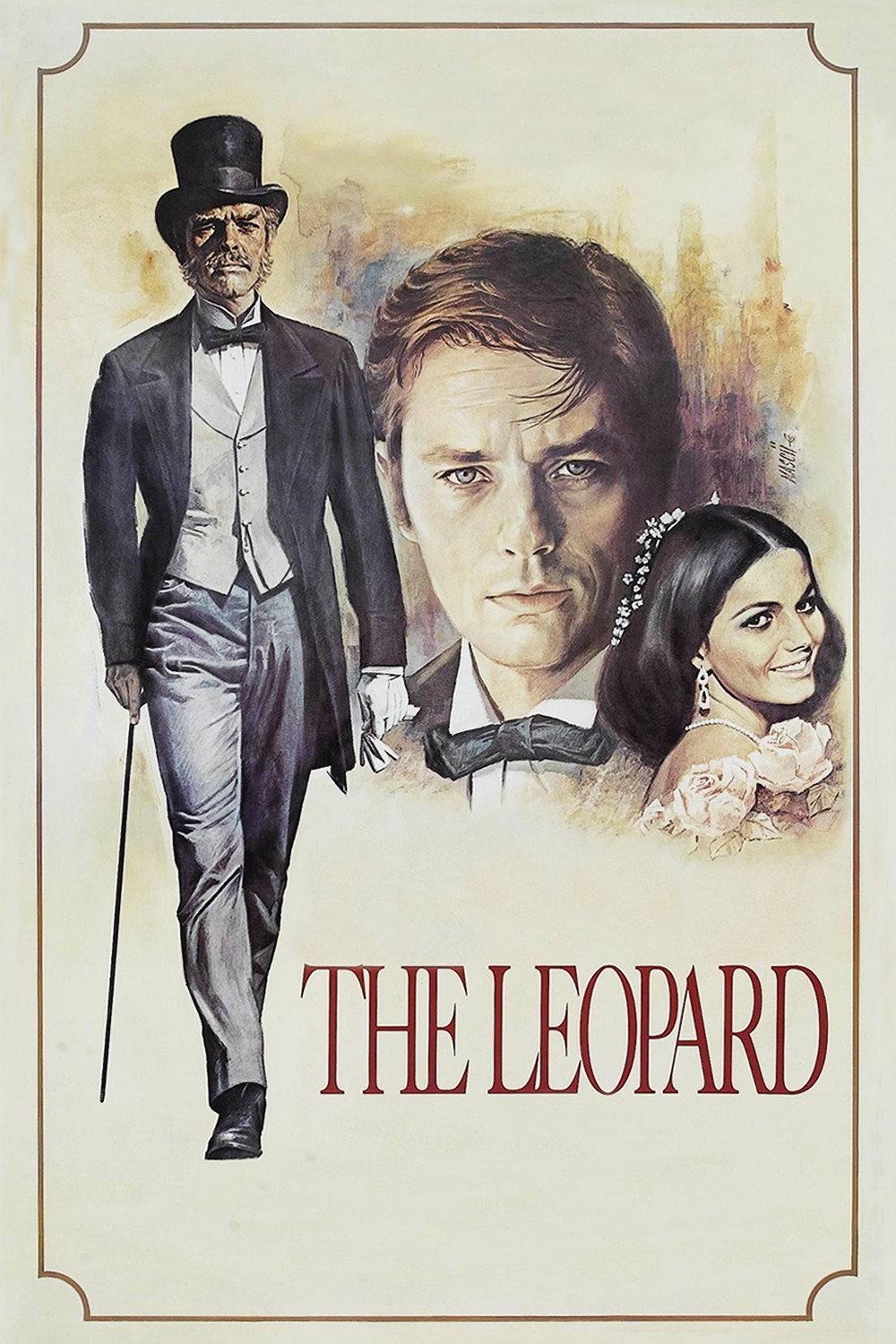
The Leopard poster

The Leopard

1963 · For another patient account of power, with more social grace and comparable bitterness.

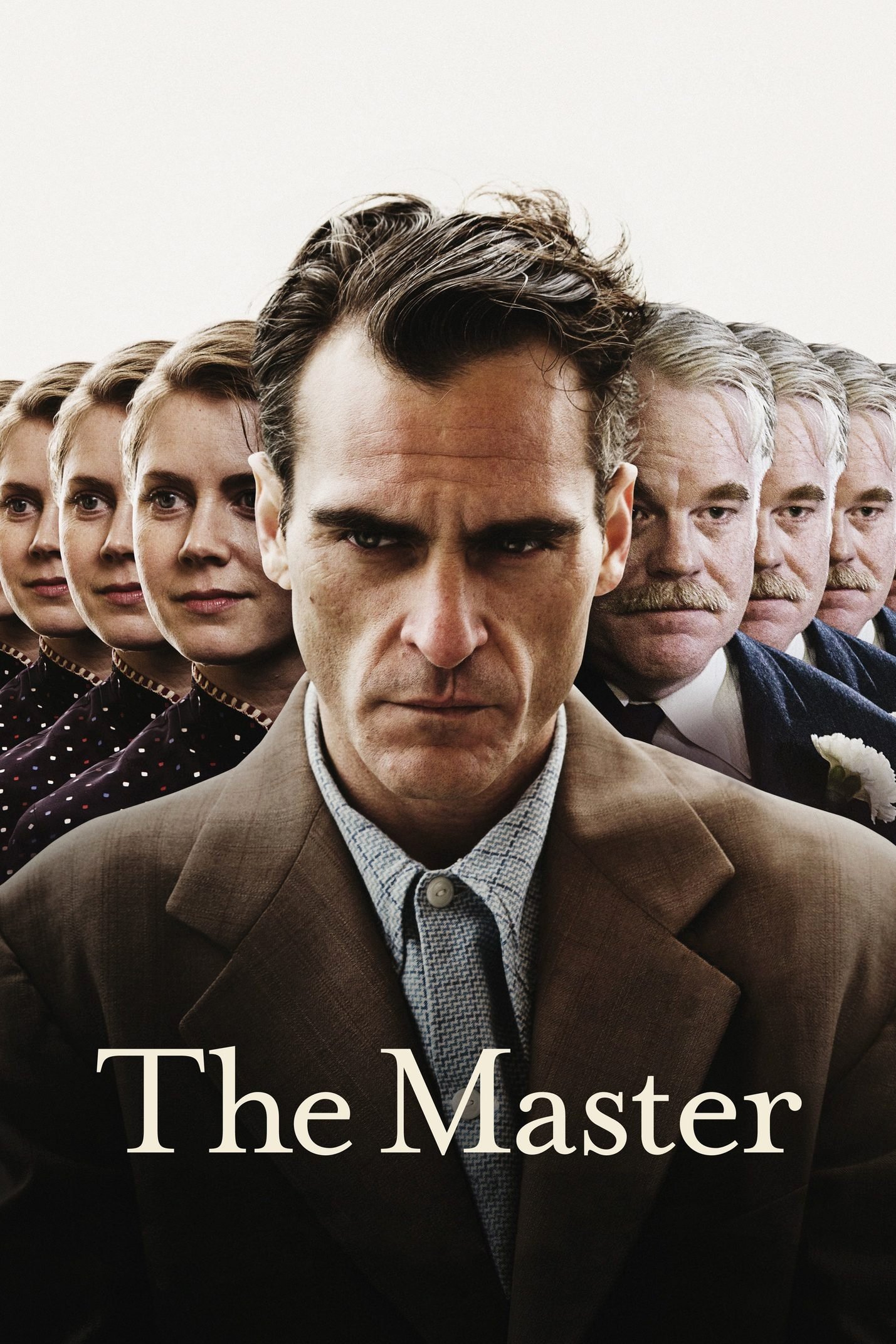
The Master poster

The Master

2012 · Anderson studies another struggle for authority through two forceful, painfully needy men.