David O. Russell makes a funny, angry war film whose violence is difficult to shrug off. The moral lessons grow too tidy, but the performances and abrasive images make Three Kings well worth the discomfort.
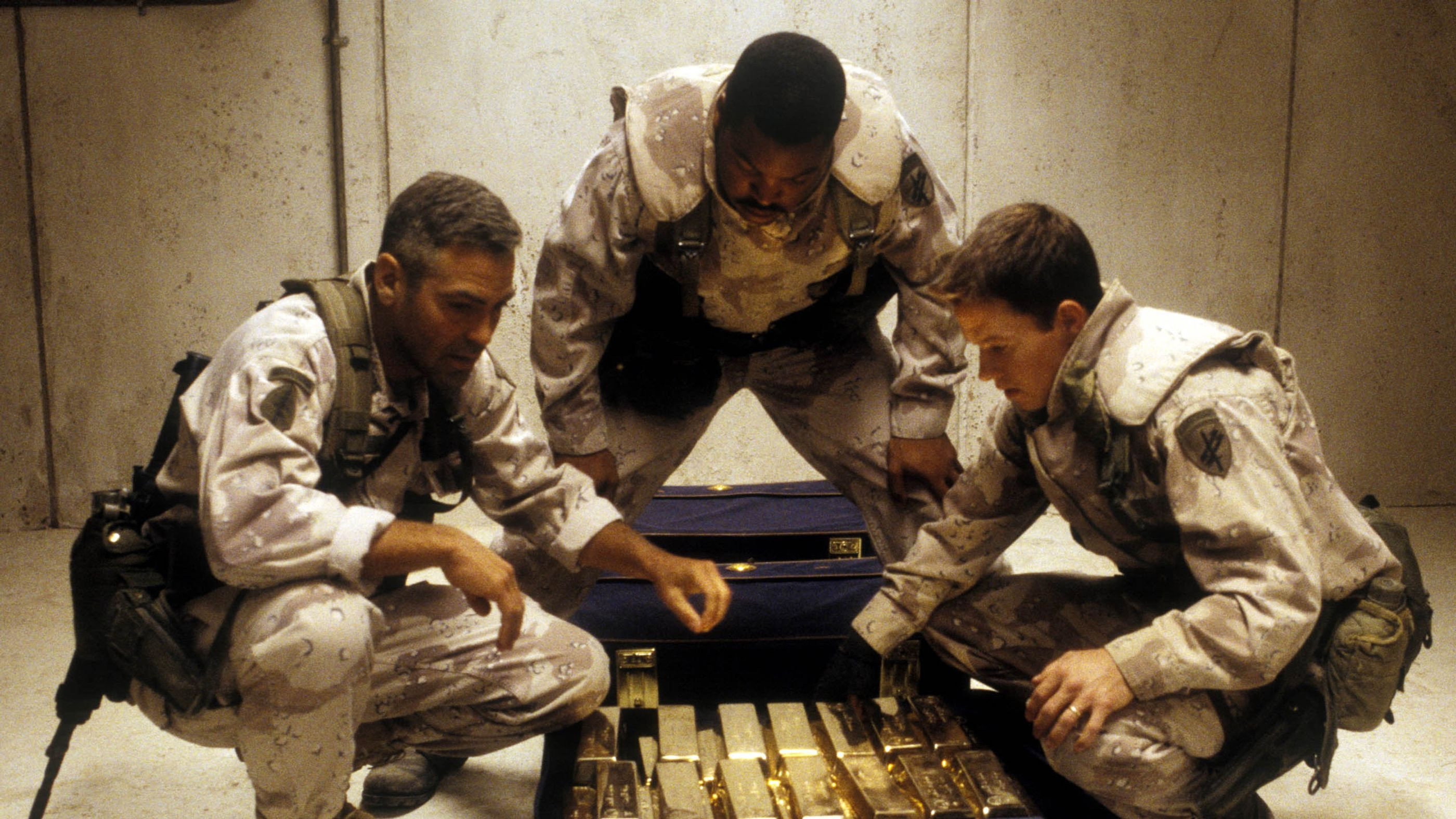
Three Kings starts with soldiers looking for gold after the Gulf War and asks how long their greed can remain funny. David O. Russell, directing his own screenplay from a story by John Ridley, makes the joke uncomfortable without pretending it was never a good joke. We recommend it warmly, with reservations about how insistently it explains the decency it wants from its men. At 114 minutes, it has room for absurdity, violence and anger at American policy. Russell is willing to let a laugh be interrupted by something painful.
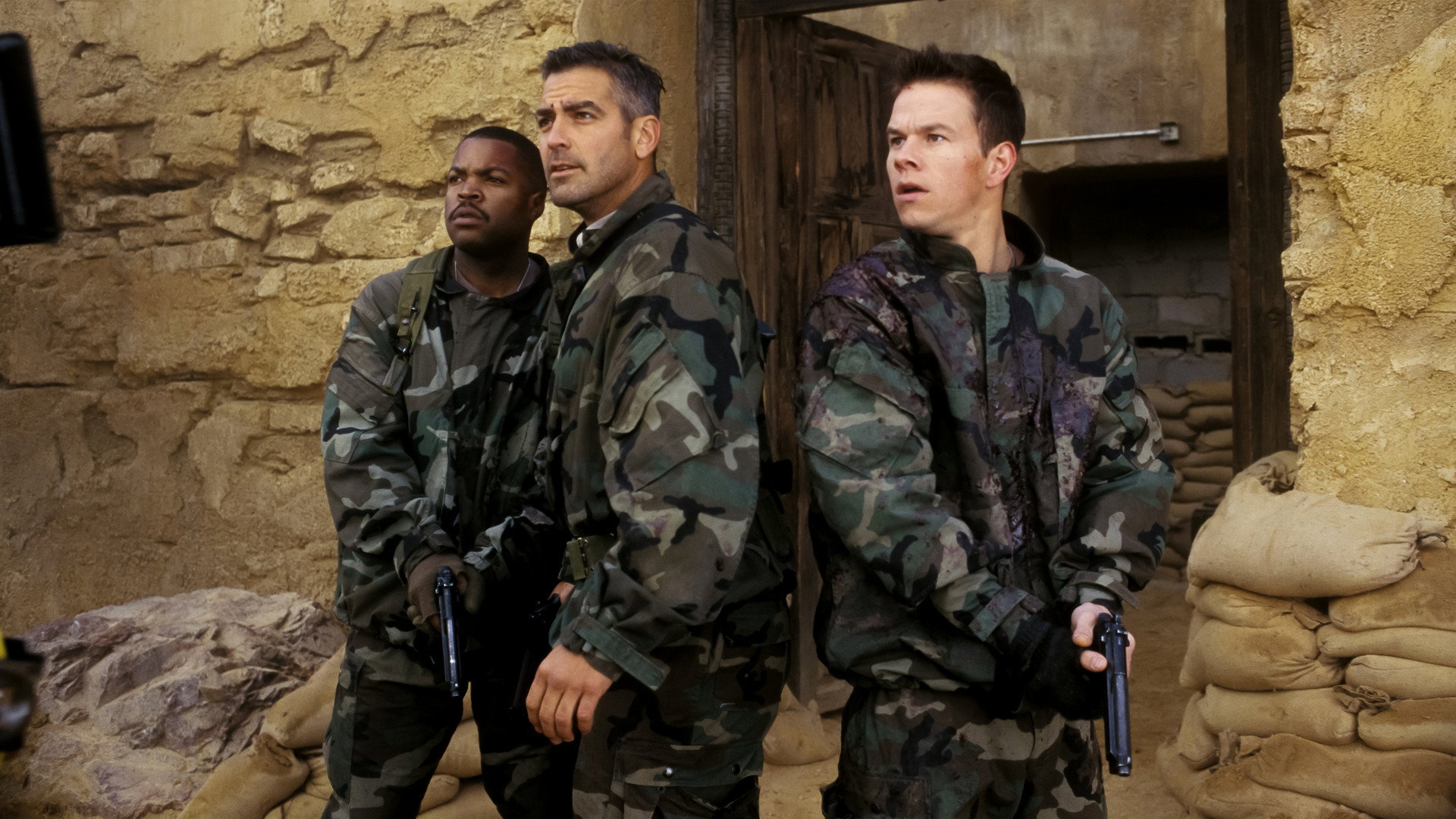
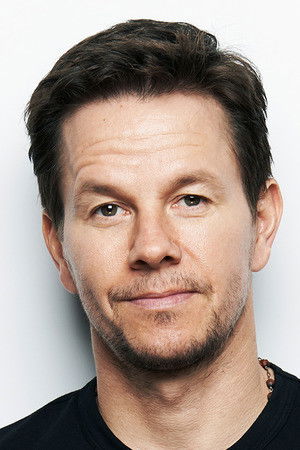
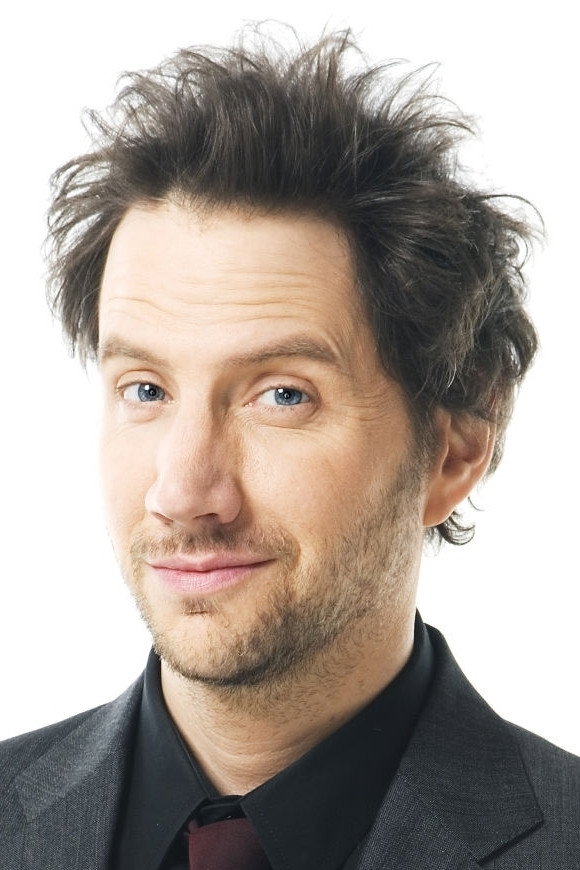
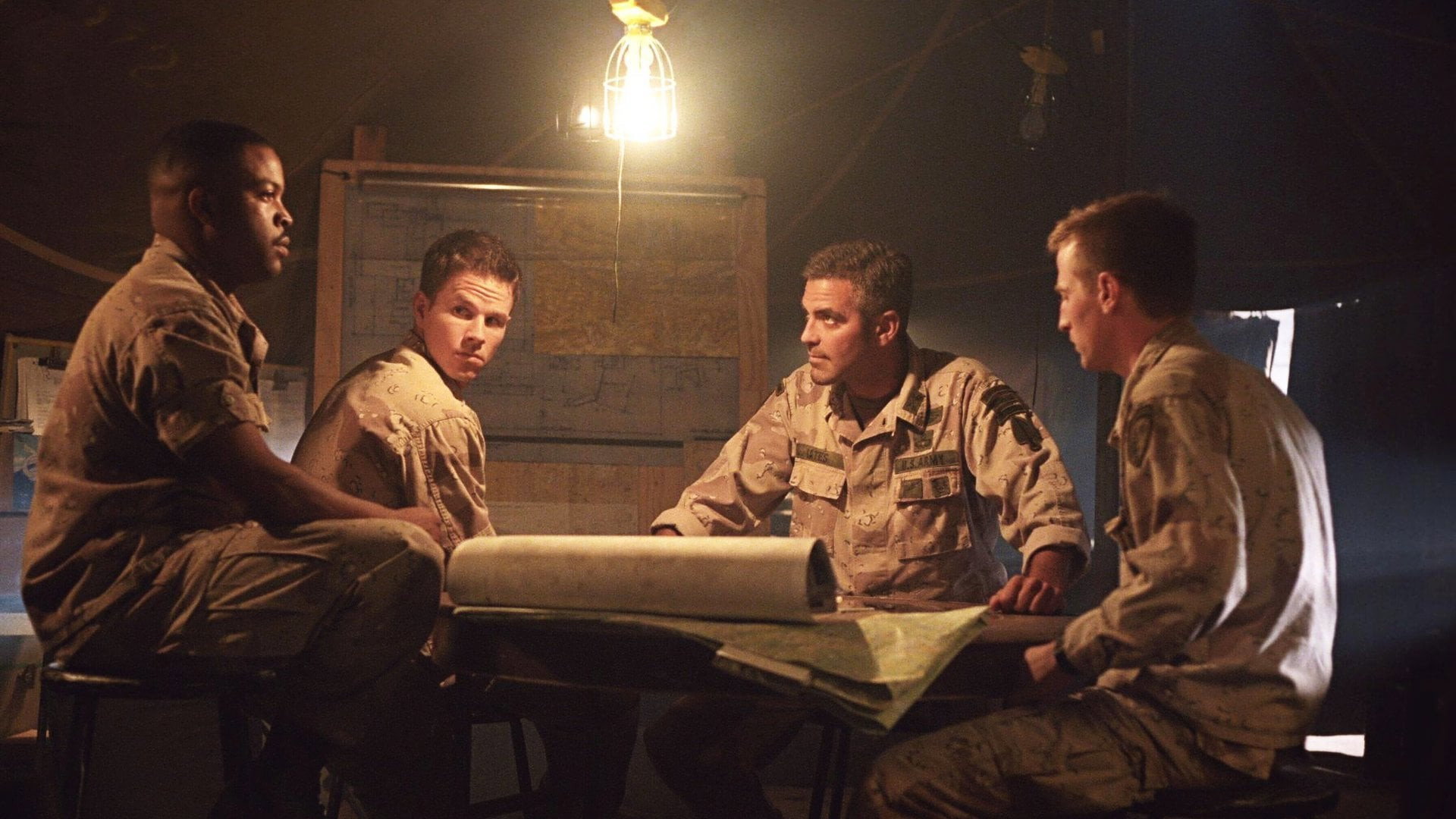
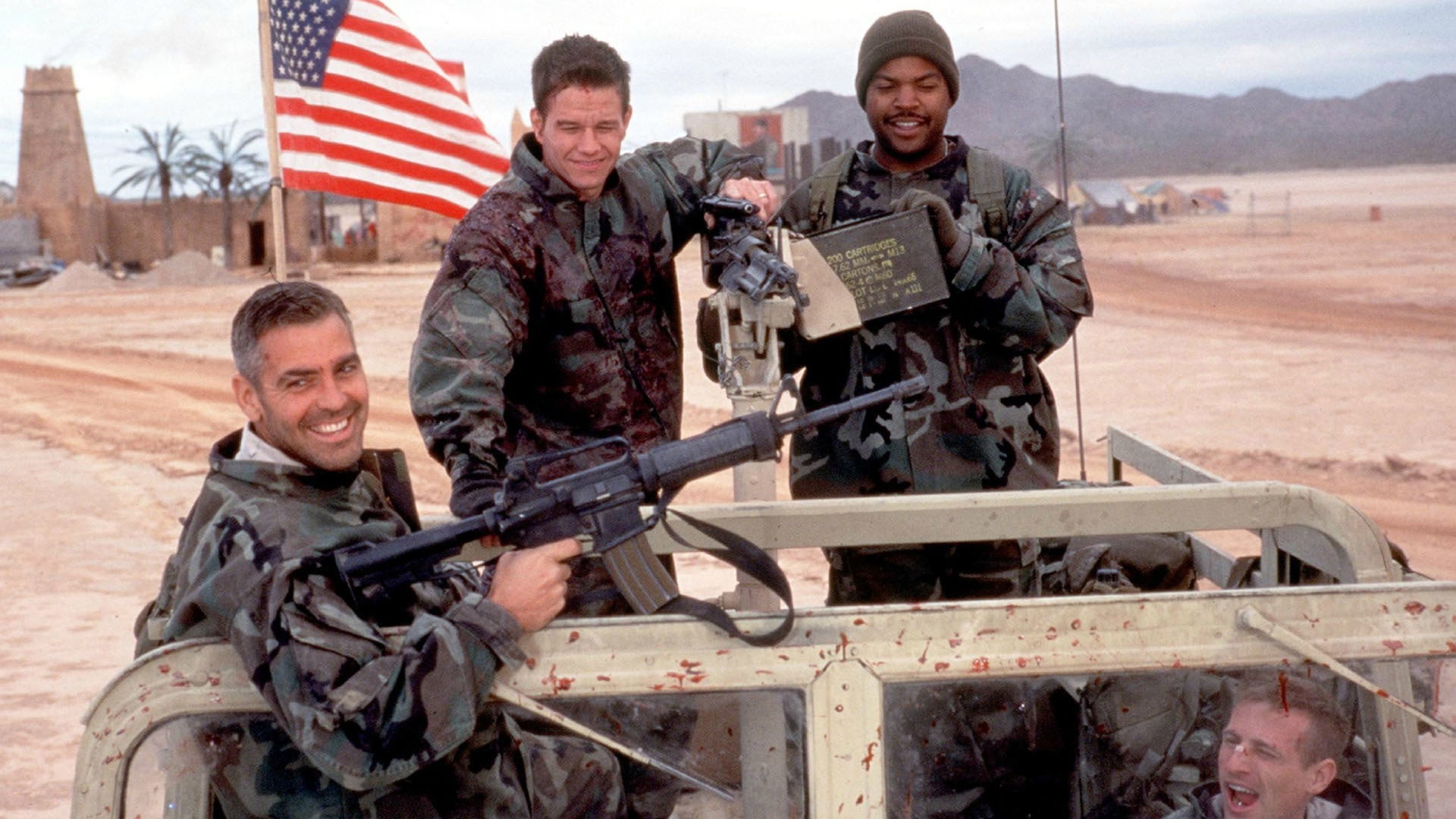
George Clooney’s Archie Gates gives the film a steady centre without smoothing away its selfishness. Mark Wahlberg, as Troy Barlow, is especially useful to Russell because he can make confusion and vulnerability register without demanding our sympathy in advance. Ice Cube’s Chief Elgin and Spike Jonze’s Conrad Vig keep the group from settling into an exchange between the star and his supporting players. The four performances make the soldiers’ appetite for gold credible enough that the comedy has something unpleasant to work on.
Newton Thomas Sigel’s cinematography is aggressive enough to risk becoming the attraction in itself. The film’s graphic look inside a body to show a bullet damaging intestines is the clearest justification for that aggression. We winced. The damage is specific, ugly and difficult to dismiss as the usual action-film business of people falling down. Russell makes us look at what gunfire does, and for once an elaborate visual device makes violence harder to enjoy.
Robert K. Lambert’s editing has to accommodate screwball dialogue and bodily horror, and the changes of pace are often exhilarating. Occasionally the insistence on jolting us becomes distracting: Russell can seem unwilling to let a disturbing idea stand without another stylistic prod. Carter Burwell’s score contributes to the unease of laughing at armed men whose chief concern is getting rich. It works, although the image of internal damage stays with us more sharply than anything on the soundtrack.
Catherine Hardwicke’s production design helps make the gold hunt feel uncomfortably close to the Iraqi suffering. The setting never becomes a playground conveniently cleared for the Americans, which matters in a film challenging the version of war packaged for television. The soldiers want something for themselves, while the Iraqi dissidents need help, and Russell keeps those competing concerns visible. His criticism of American policy works best at this practical level, where someone else’s need gets in the way of an attractive plan.
The weakness is Russell’s urge to make the moral lesson easier than the behaviour that precedes it. His screenplay becomes too eager to confirm what we should think about these men. The requests for approval feel forced after comedy that has been so cheerfully willing to offend. A film this alert to selfishness should trust us to recognise decent behaviour without quite so much encouragement.
As a war adventure, though, Three Kings does something difficult: it offers the pleasures of greed, danger and bad behaviour while allowing Iraqi suffering to interrupt them. The humour survives the politics because the soldiers remain selfish and recognisable for long enough to matter. That puts it above war adventures content to treat every casualty as another obstacle on the way to the prize. Watch it if your appetite for action can survive being asked what happens to the people being shot.