Martin Campbell stages several effective scares in the snow, but the thin characters and crowded screenplay make the stretches between them drag. The climbing is considerably more persuasive than the conversations.
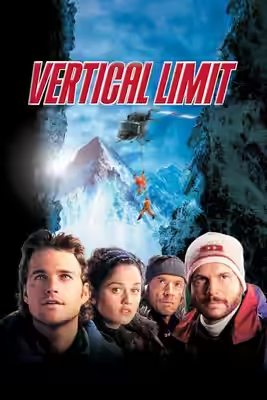
Vertical Limit is a patchy climbing thriller whose action is good enough to make its weaknesses frustrating. Martin Campbell knows how to frighten us with height, and several stretches work through the simple prospect of someone losing their grip. The trouble comes when the film gives its climbers more to explain than to do. At 124 minutes, it has room for complications that add little urgency and conversations that add little character.
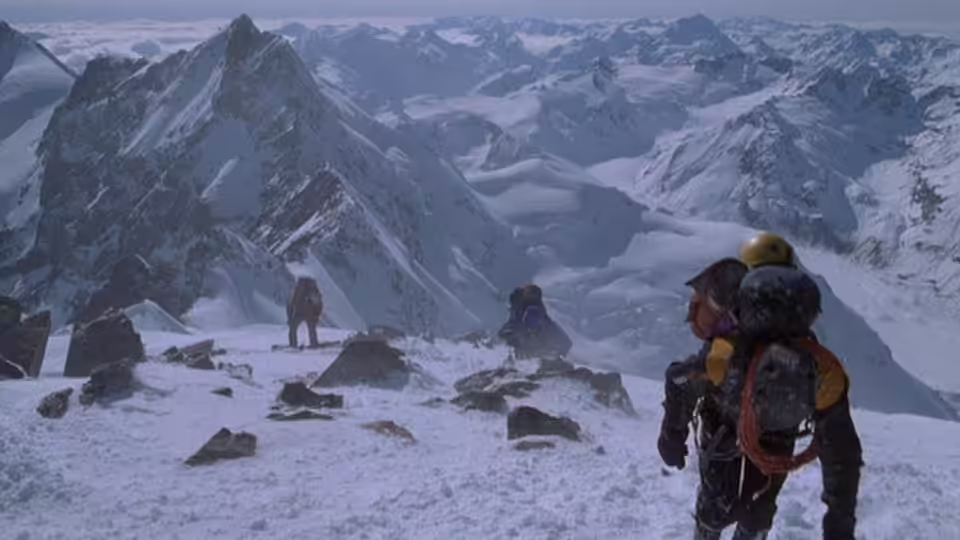
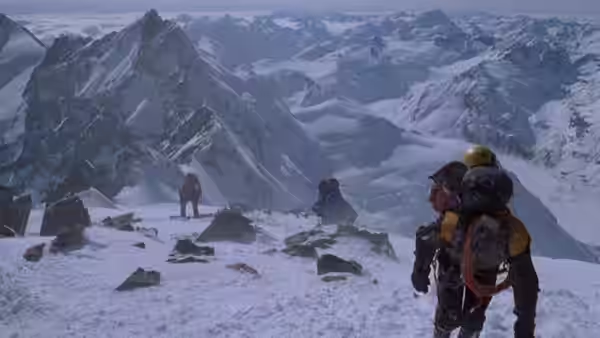
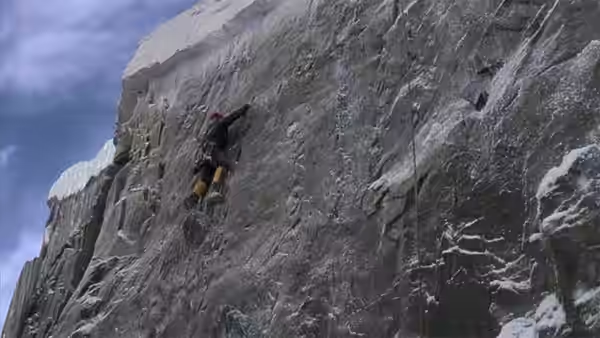
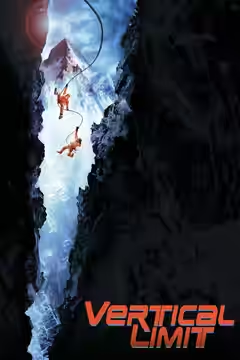
David Tattersall’s mountain photography gives the snow and ice an imposing scale, and the aerial views are worth the attention the film pays them. We felt our stomachs tighten at the drops, because the pictures make the distance below the climbers easy to understand. Martin Campbell makes good use of that response without needing the people in danger to be particularly interesting. For a while, the action has enough force to make us stop minding how little we know about them.
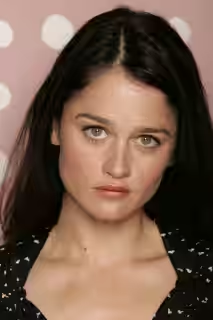
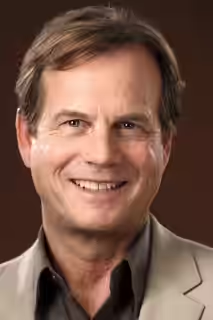
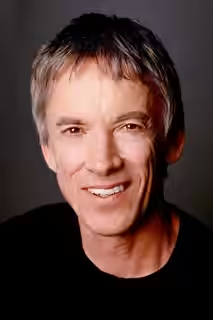
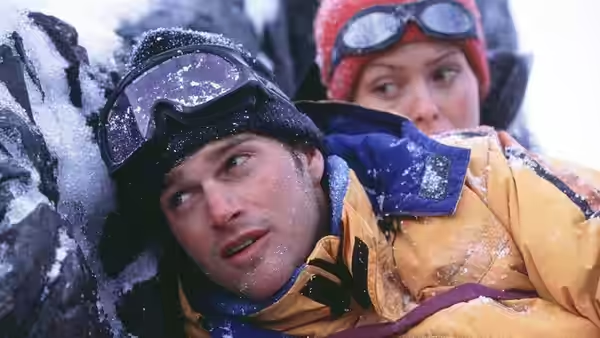
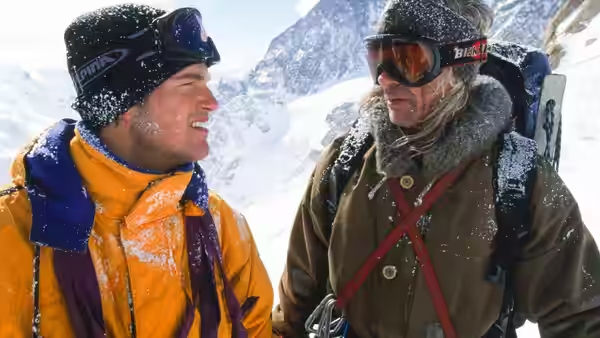
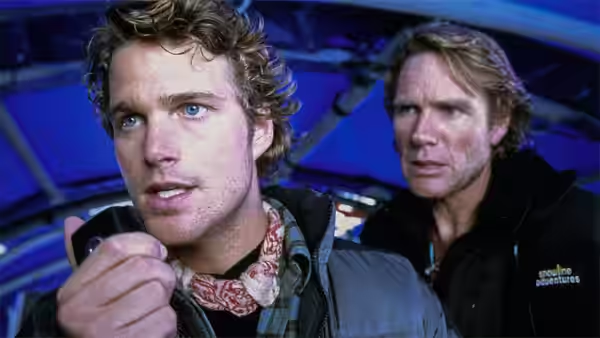
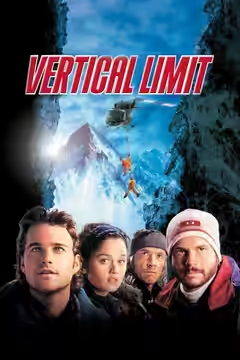
Chris O’Donnell is an earnest but rather blank centre as Peter Garrett, and the screenplay gives that earnestness more work than it can manage. Robin Tunney and Bill Paxton have the same underlying difficulty: their characters are easy to place and hard to become curious about. Scott Glenn does better as Montgomery Wick, the brooding mountain man, suggesting a life beyond the immediate demands of the plot. His performance offers some of the human interest that the rest of the cast have to struggle to provide.
Terry Hayes and Robert King load the screenplay with additional business when the climbing should be supplying enough trouble. The subplots make the film feel busy, but they also keep drawing attention to how mechanically the people have been written. Thom Noble’s editing is more convincing within the action than across the story, where the competing concerns make it harder to sustain momentum. Too many of these people remain familiar types throughout the dialogue scenes, however much danger the script supplies.
The effects create another problem, because their unevenness makes the danger harder to believe. Jon Bunker’s production design cannot always make the mountain sets feel like part of the landscape; some passages look artificial enough to loosen the tension. James Newton Howard’s score helps keep the excitement going, and is one of the more dependable contributions here. It can support the action, but it cannot do much about a scene whose surroundings have stopped looking convincing.
A mountain adventure is entitled to be improbable, and there is pleasure in watching a director commit to physical jeopardy with this much energy. Martin Campbell earns several scares even when the writing is doing little to help him. What wears us down is the amount of routine drama surrounding them, particularly when the characters offer so little reason to follow their separate concerns. Climbing-thriller enthusiasts may get enough from the heights, the photography and Scott Glenn to forgive the rest. Anyone coming chiefly for the people should lower their expectations.