Wayne’s World is thinly plotted and occasionally tiresome about women, but Mike Myers and Dana Carvey make its foolishness worth sharing. Penelope Spheeris keeps enough jokes moving to carry the weaker stretches.
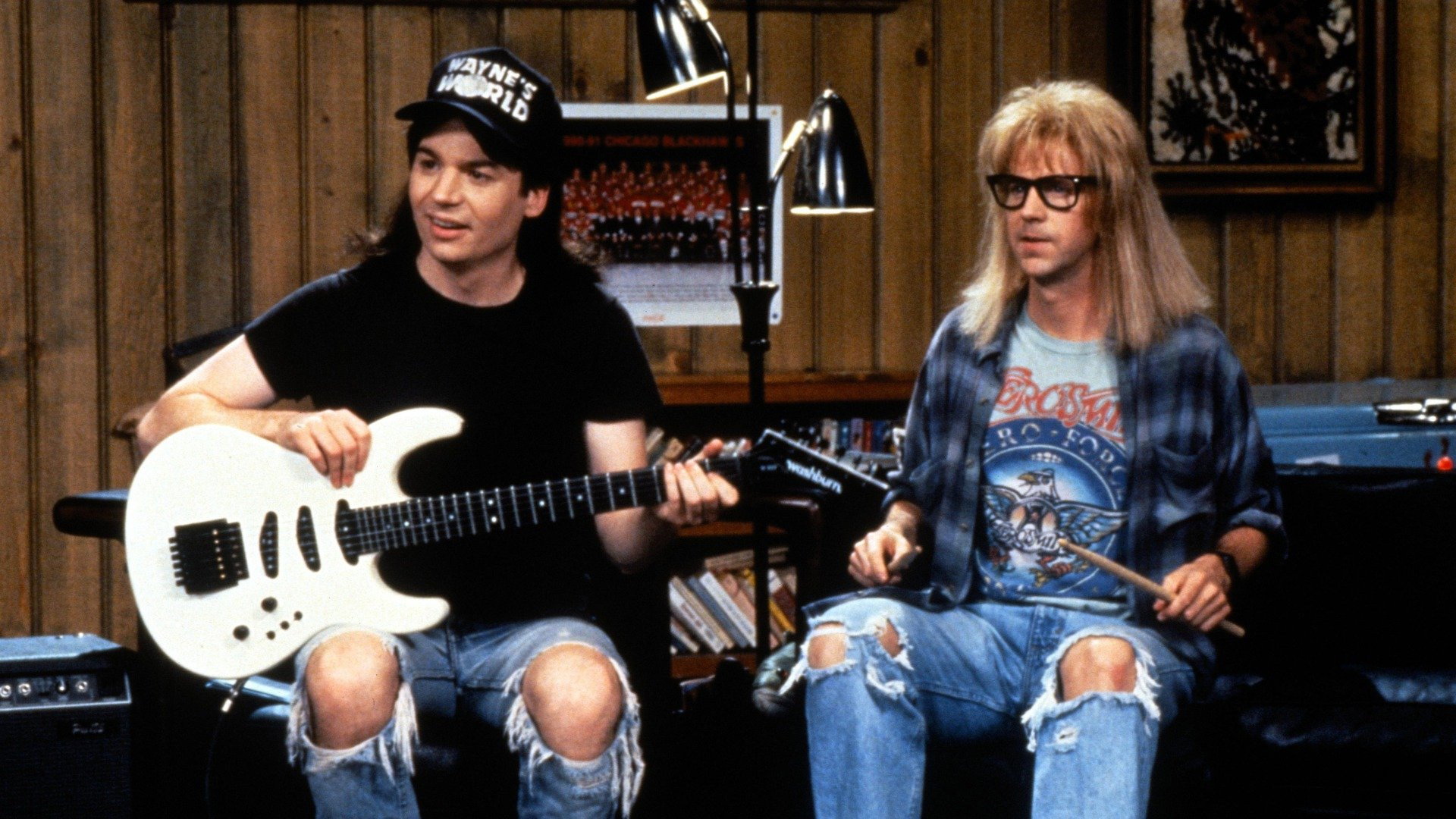
Wayne’s World has enough laughs and affection for its two leads to make a good evening, provided their company appeals early. Penelope Spheeris directs as though the essential job is to let Wayne and Garth enjoy themselves without letting them exhaust everyone else. This is a comedy about heavy-metal enthusiasts that allows their enthusiasm to be funny without making it something shameful. The trouble arrives whenever the screenplay needs them to do more than amuse themselves.
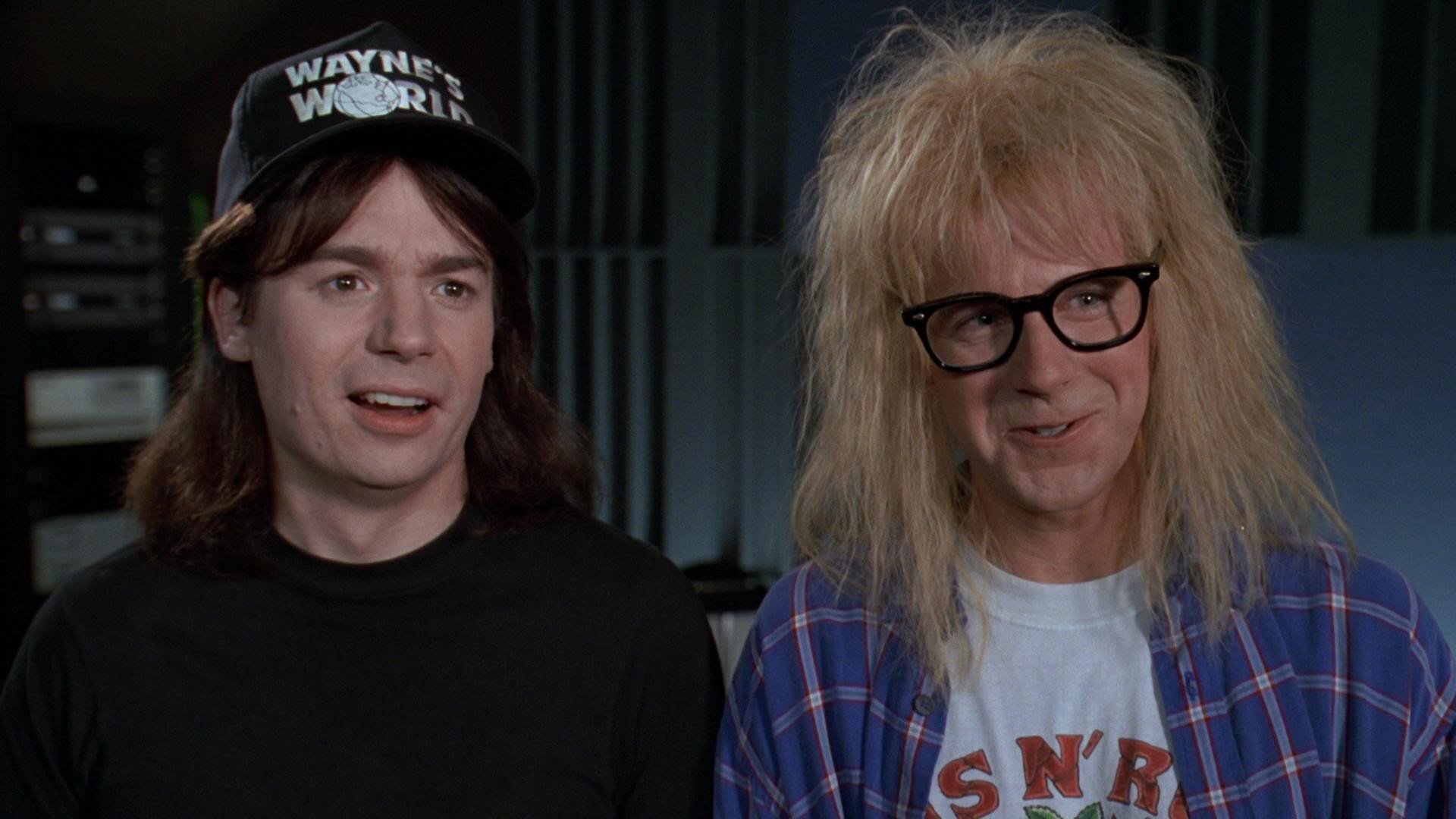
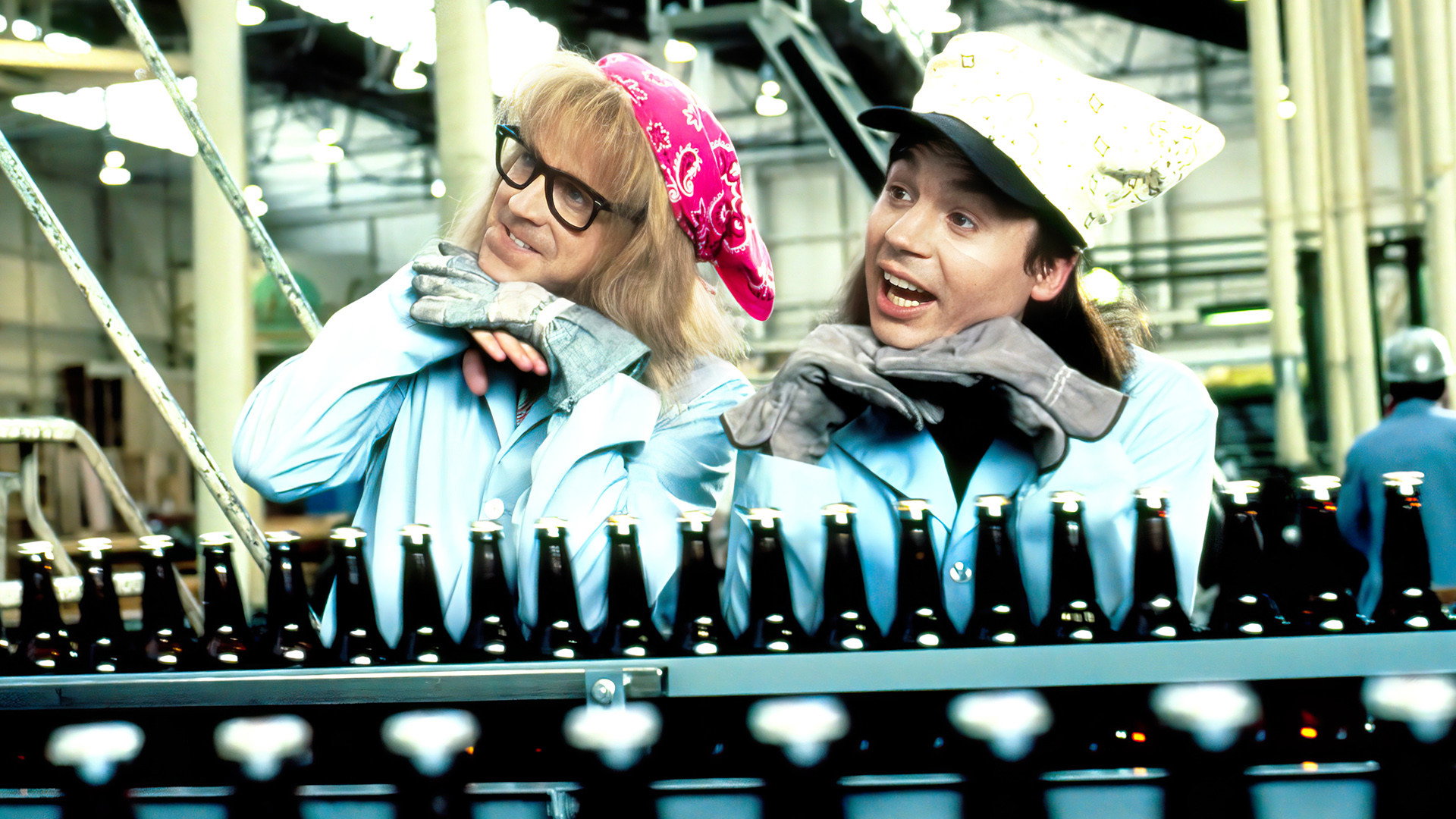
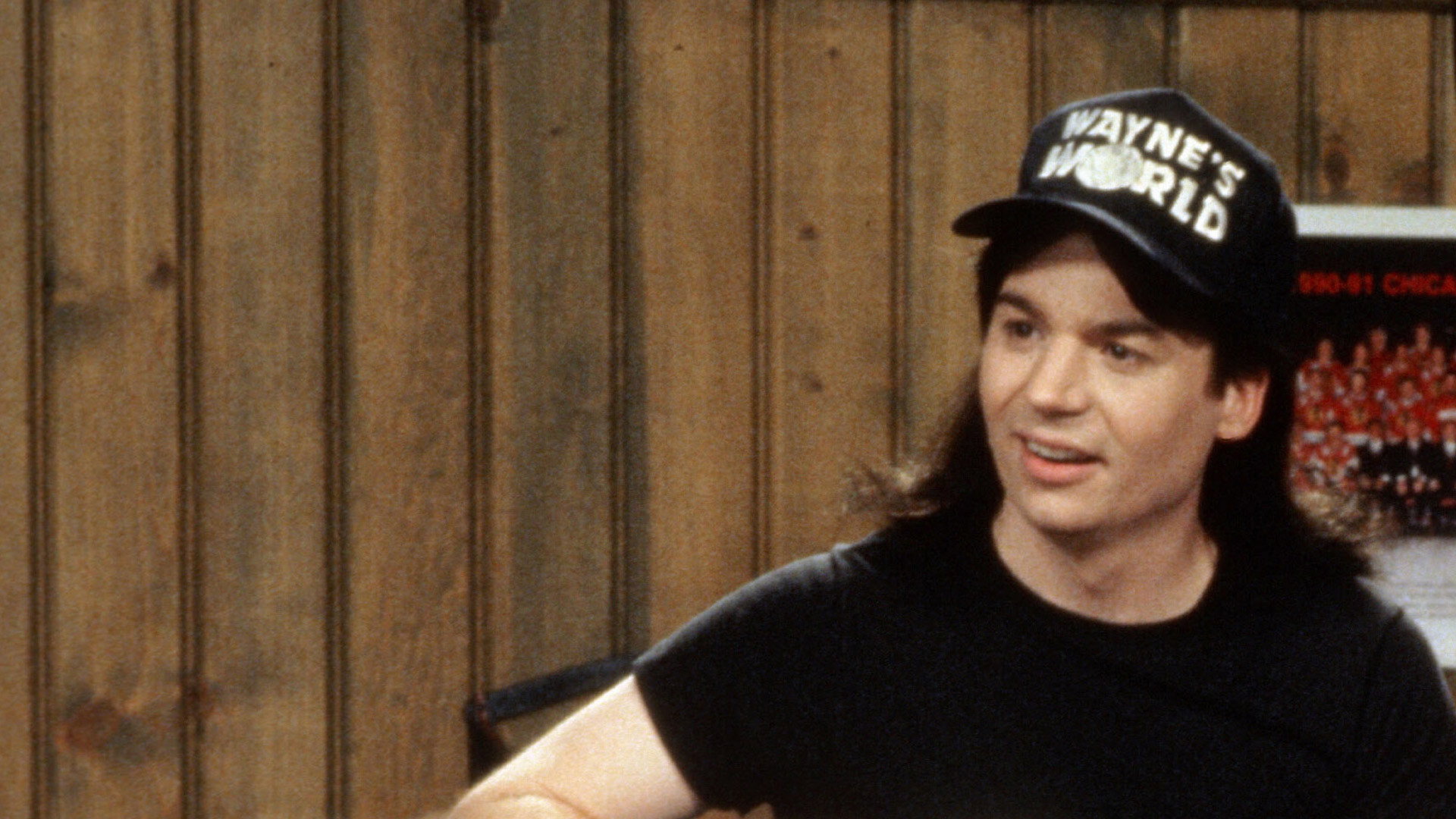
Mike Myers’s Wayne Campbell is the more forceful presence, forever seeming to expect agreement before he has finished speaking. Dana Carvey’s Garth Algar gives that confidence something to bounce against, with a hesitancy that makes even a small response worth watching. Myers can push a joke until we wish he would leave it alone; Carvey is often funny simply sharing the shot. Their partnership supplies much of the continuity that the screenplay by Myers, Terry Turner and Bonnie Turner neglects to provide.
We laughed at the ‘Bohemian Rhapsody’ car sing-along, and its unembarrassed commitment made us rather fond of the people doing it. Everyone has something to contribute, so the pleasure continues between the obvious opportunities for a laugh. The film lets the routine run long enough for their enjoyment to become infectious, without requiring anyone to explain why this matters so much. J. Peter Robinson’s music provides serviceable accompaniment elsewhere, though the car stereo gets the musical moment we remember.
Theo van de Sande’s cinematography is particularly effective in the direct addresses to camera, giving a conspiratorial look the same importance as a spoken joke. Gregg Fonseca’s production design stays unobtrusive around the performers, a sensible choice when an awkward face can hold our attention without assistance. Malcolm Campbell’s editing keeps those interruptions from bringing everything to a halt. The cutting gives the exchanges an agreeable looseness, although it cannot disguise every gap between worthwhile jokes.
The weaker material has an unfortunate habit of treating women as another opportunity for the men to congratulate themselves. Tia Carrere, as Cassandra, brings enough presence to make the shortage of comparable comic opportunities frustrating. Rob Lowe’s Benjamin Kane adds a welcome change of manner, but the supporting cast cannot do much about routines that begin with an obvious target and stop there. Several parodies arrive with more confidence than invention. Another piece of slang is sometimes asked to do the work of a fresh joke.
Most critics are less taken with it than we are, chiefly because the material can feel stretched to feature length. We agree about the padding, but think those complaints give too little weight to Myers and Carvey making idle company enjoyable. A sketch-based comedy needs variety, and Spheeris finds some in the to-camera interruptions, the sight gags and the changes of pace. She cannot make every passage funny, but she generally moves things along before a failed routine becomes an ordeal.
At 94 minutes, the film does not require an enormous investment in its characters’ habits. It does require some tolerance for recycled jokes and a willingness to enjoy a conversation going nowhere useful. We would recommend it for an evening when amiable stupidity sounds more inviting than a carefully engineered plot. If the car sing-along leaves you cold, there is little sense in waiting for these men to grow up.