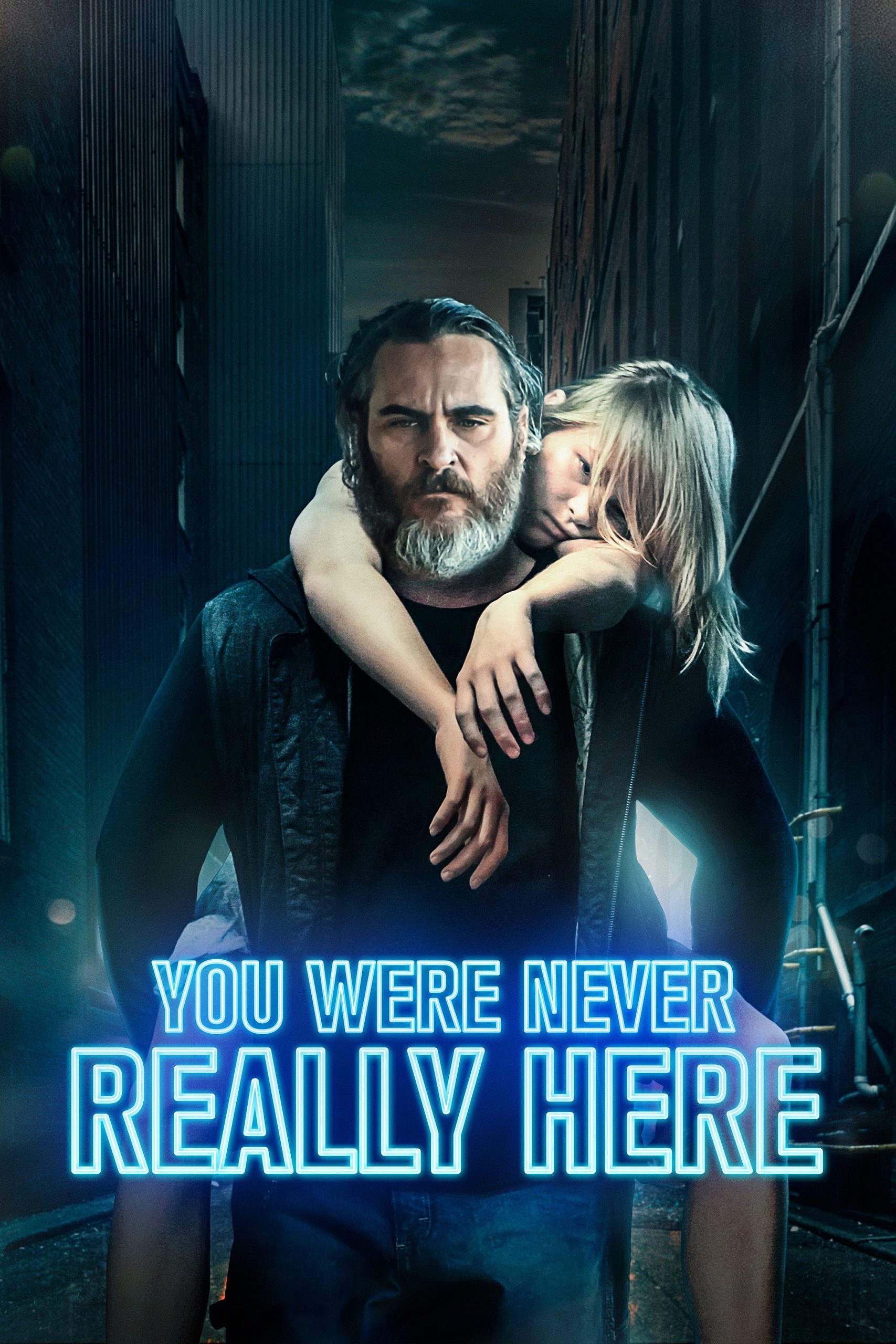
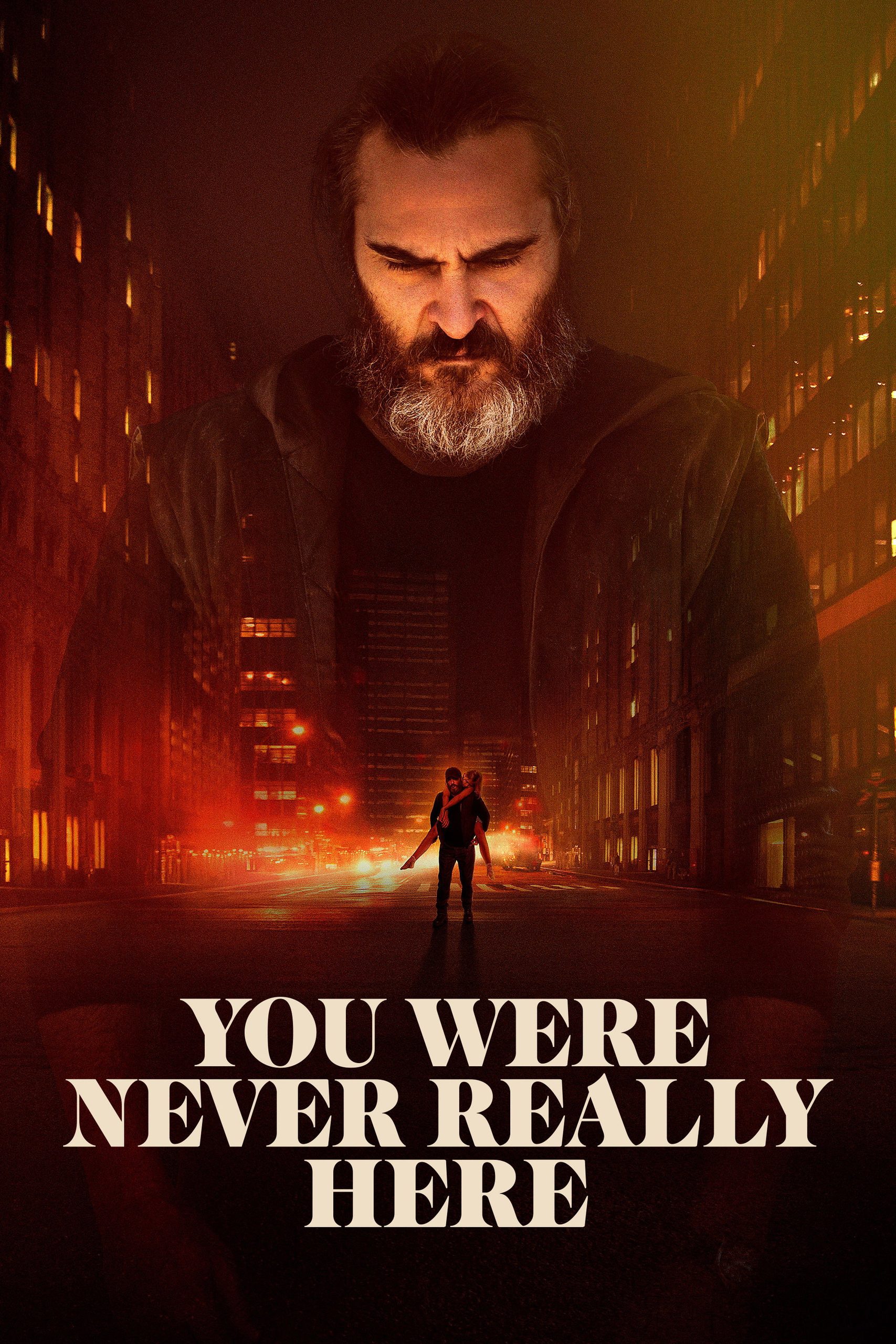
Lynne Ramsay’s rescue thriller is tense, upsetting and worth the discomfort, largely because Joaquin Phoenix makes its hired enforcer so painfully vulnerable. The story can be needlessly obscure, but the violence never feels like an invitation to applaud.
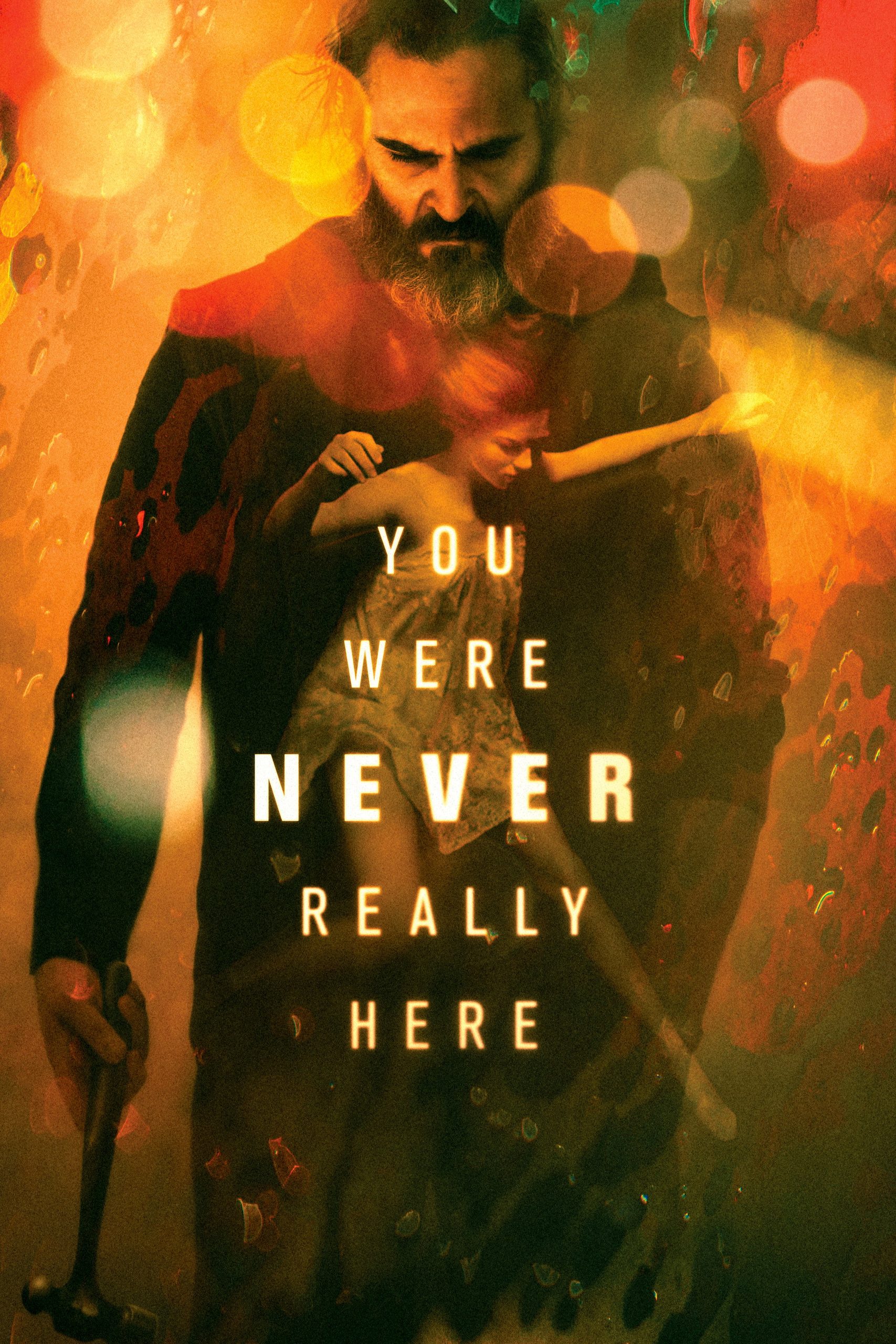
Lynne Ramsay is interested in what it costs a man to keep doing violence for a living. The job in You Were Never Really Here involves rescuing a girl from criminals, but she gives the enforcer’s disturbed state most of the attention. It is a tense, compassionate film worth seeing, provided a tidy plot is not essential to the evening. At 89 minutes, it leaves little room for the practical explanations that usually make this sort of assignment easy to follow.
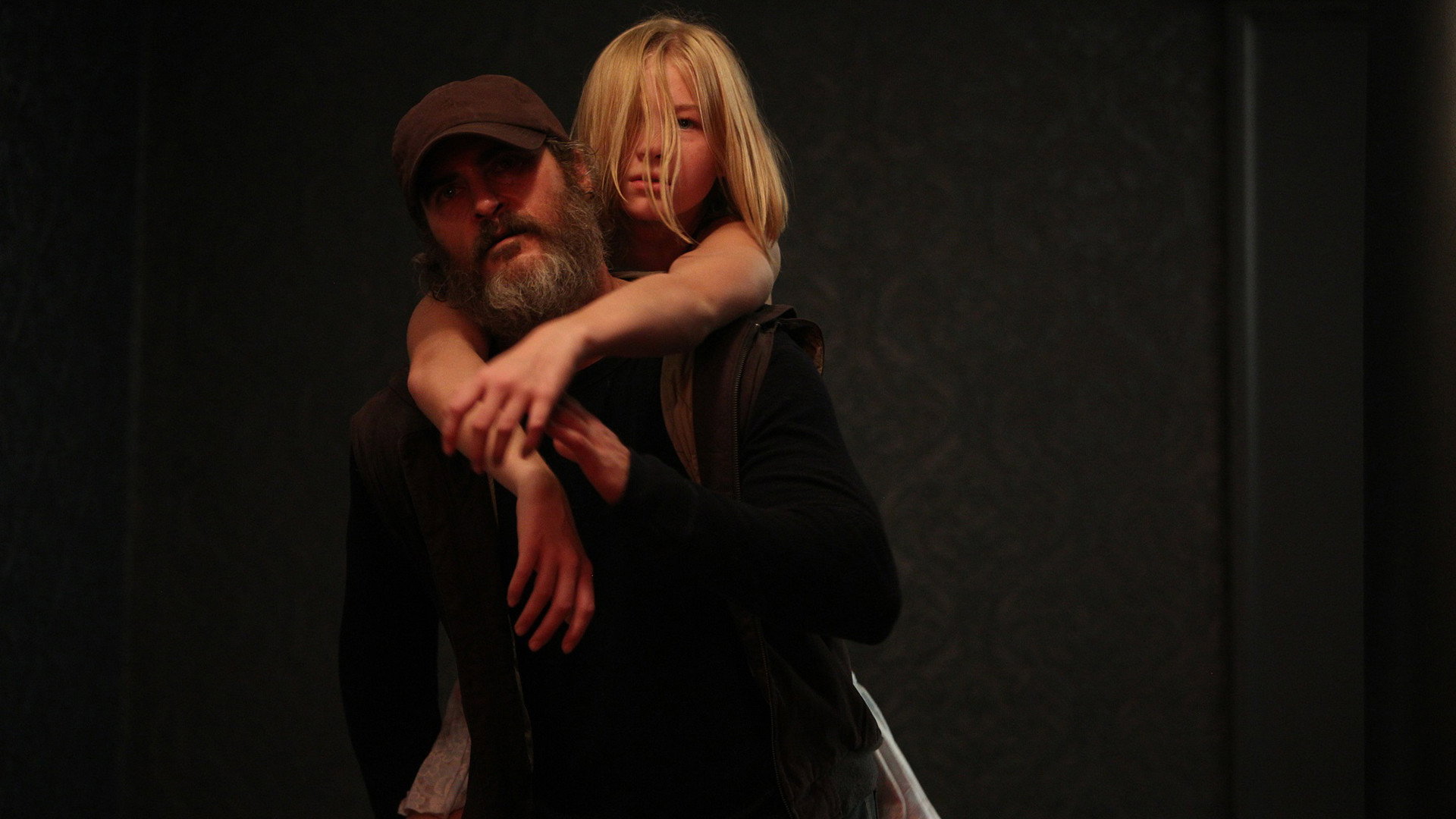
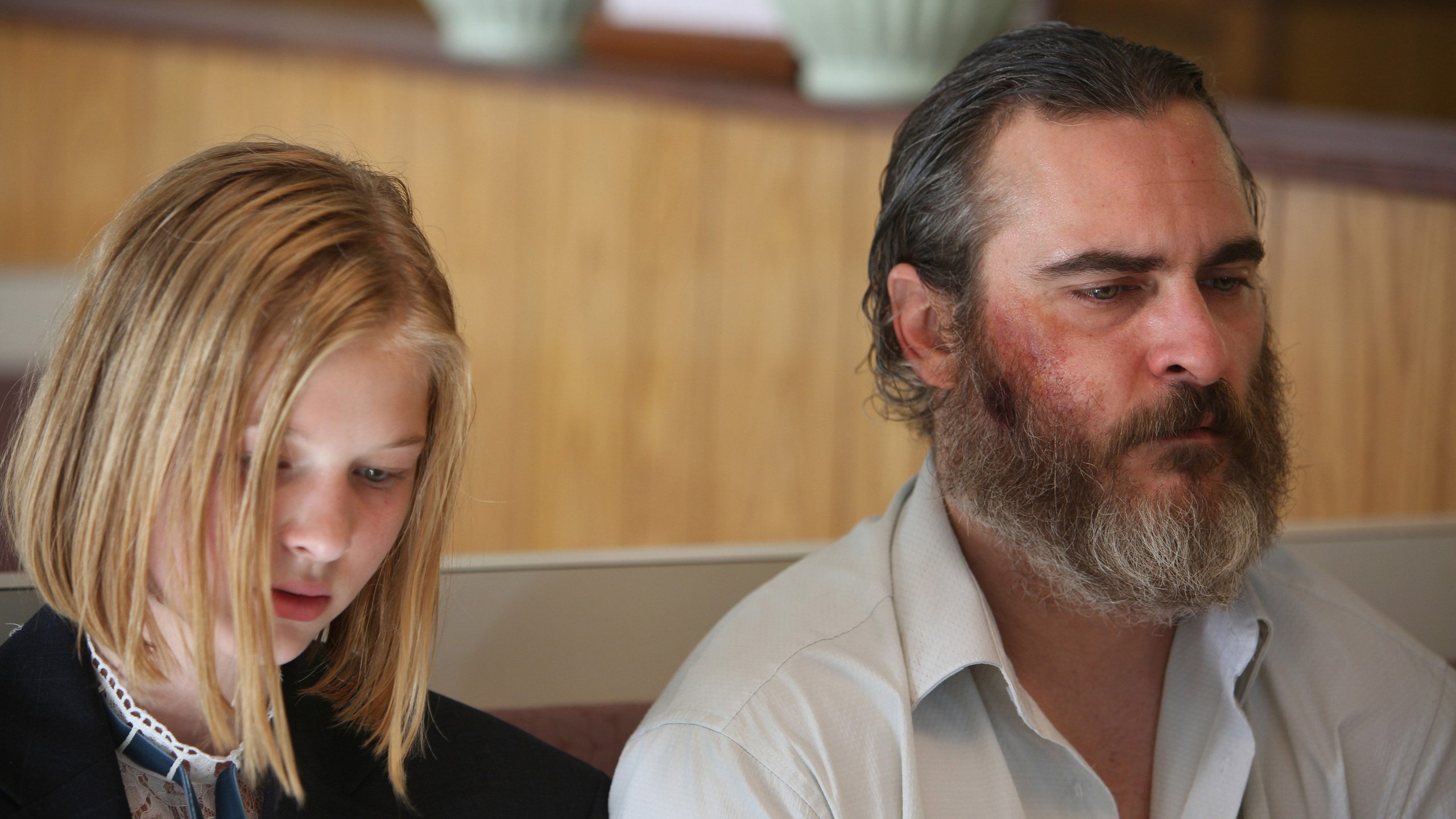
Joaquin Phoenix gives Joe a heaviness that makes the usual efficient hired killer seem faintly ridiculous. His physical presence is formidable, but the performance is full of difficulty: this man seems to have to work at remaining in the present. His limited speech helps, because we watch for changes that a more talkative thriller would have explained. There is nothing reassuring about his strength, and the effort of carrying on makes his distress hard to dismiss.
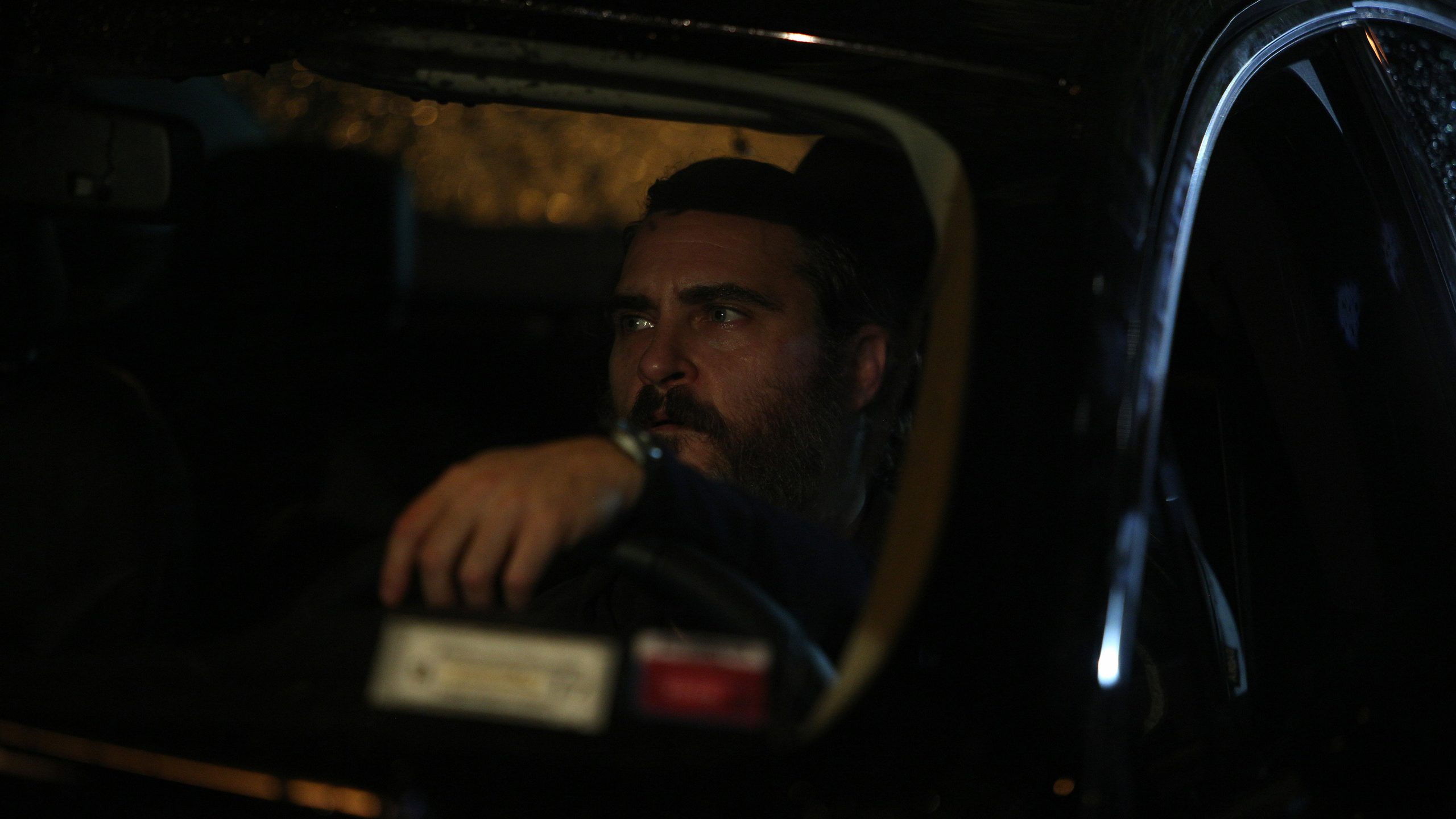
Joe Bini’s editing lets brief flashbacks intrude without arranging them into a neat account of how Joe became this way. The abrupt cuts make the past feel difficult to shut out, and the missing links keep our attention on his condition. We were horrified by how much of the violence we had to imagine: attacks kept out of sight left us waiting for harm without the reassurance of watching a fight play out. There is no comfortable rhythm of confrontation followed by a chance to recover.
Thomas Townend’s cinematography uses intensified colour and awkward viewpoints to prevent us settling into the business of watching a dangerous man at work. Even a moment without visible violence can feel threatening because our view never seems quite sufficient. Tim Grimes’s production design is seen through that same restricted attention: the surroundings register in fragments, with the man occupying them taking priority. The effect is claustrophobic, though the places themselves are less memorable than the disturbance of moving through them.
Jonny Greenwood’s score adds to the agitation, with the sparse dialogue leaving plenty of room for it. Alongside the intrusive sound, the music makes pauses in the action feel unsettled rather than restful. It can become too insistent when the images are already telling us that Joe is suffering. For the most part, though, the sound sustains the tension without depending on another act of violence to get our attention.
The weakness is the amount left vague around him. Ekaterina Samsonov’s Nina Votto belongs to a rescue story that gets less attention than Joe’s distress, and the supporting characters struggle for definition. Some flashbacks also underline damage that Joaquin Phoenix has already made clear, repeating an explanation we scarcely need. The sparse storytelling often works, but there are stretches where another plain piece of information about the job would help more than another glimpse of his suffering.
The vigilante thriller usually offers some pleasure in watching a capable man take charge. Here, Joe’s ability to do the work offers little comfort, and the compassion towards him gives us a reason to stay through the brutality. Its grimness did not exhaust our interest, because the performance keeps making his struggle matter. See it when you can give it your full attention, and leave something undemanding to do afterwards.