Ruben Fleischer’s zombie comedy is funny, brisk and better company than its flimsy plot deserves. Jesse Eisenberg and Woody Harrelson supply most of the pleasure, though anyone after sustained fear should lower their expectations.
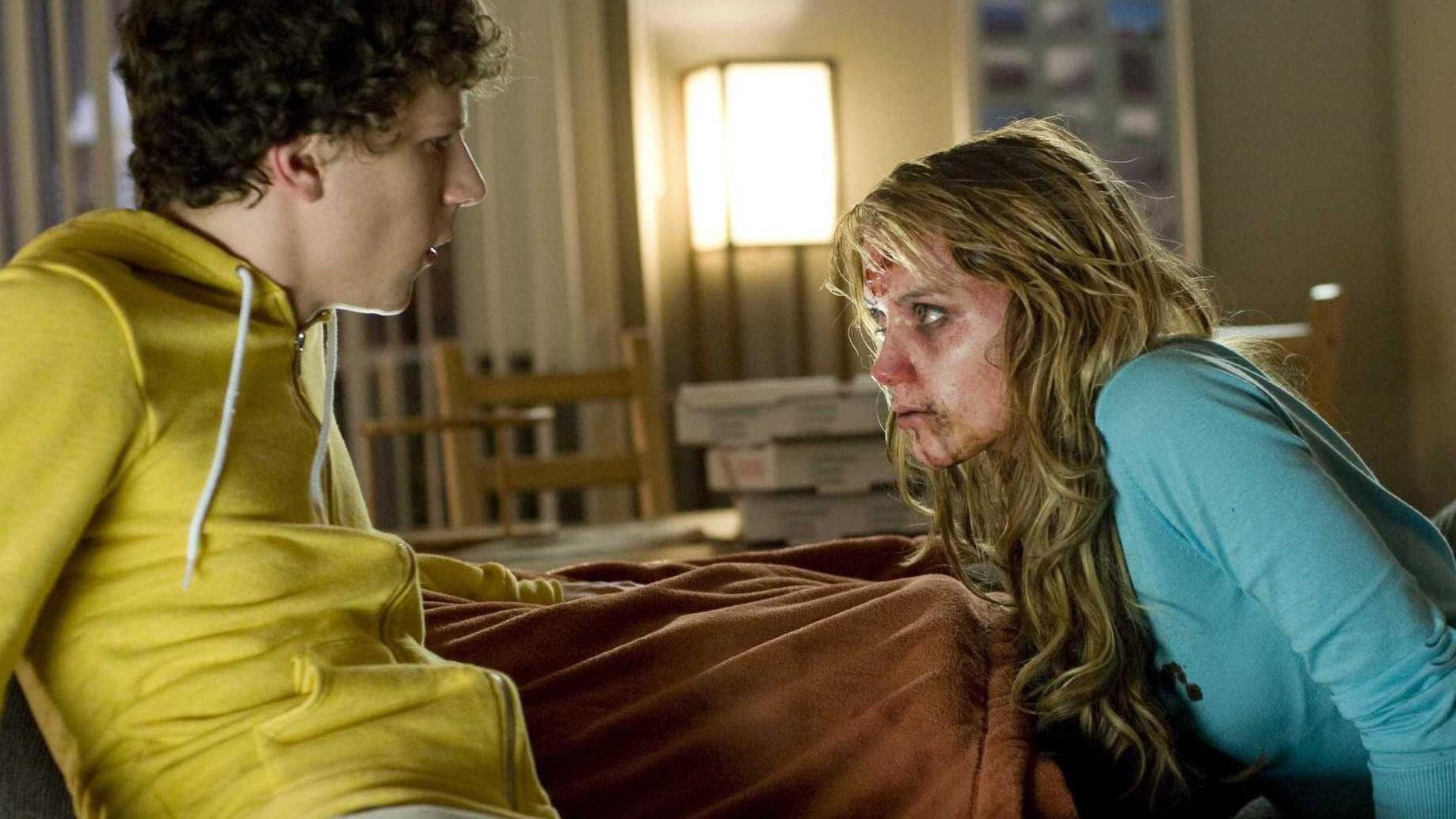
Ruben Fleischer’s Zombieland is a good, bloody comedy whose chief attraction is the people still alive. It takes the zombie road trip as an excuse for comic friction, with survival rules, physical gags and little interest in making the apocalypse feel unbearable. The plot is thin enough to notice, even at 88 minutes, but the cast can make an ordinary exchange worth staying for. We would choose it for an undemanding evening, provided the comedy matters more than the horror.
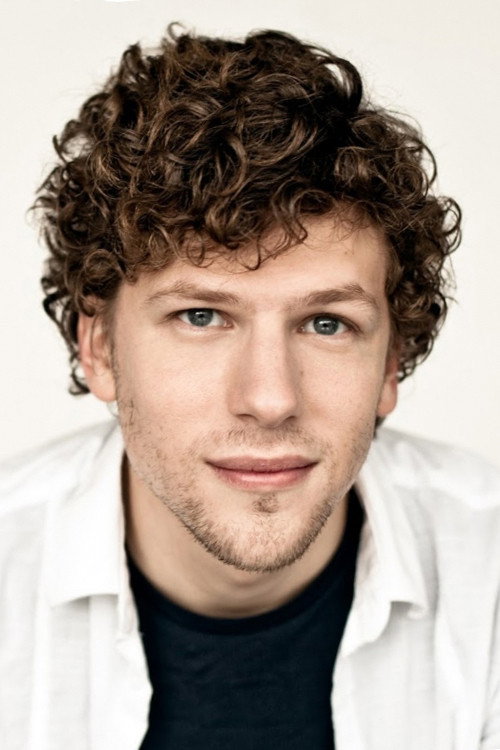
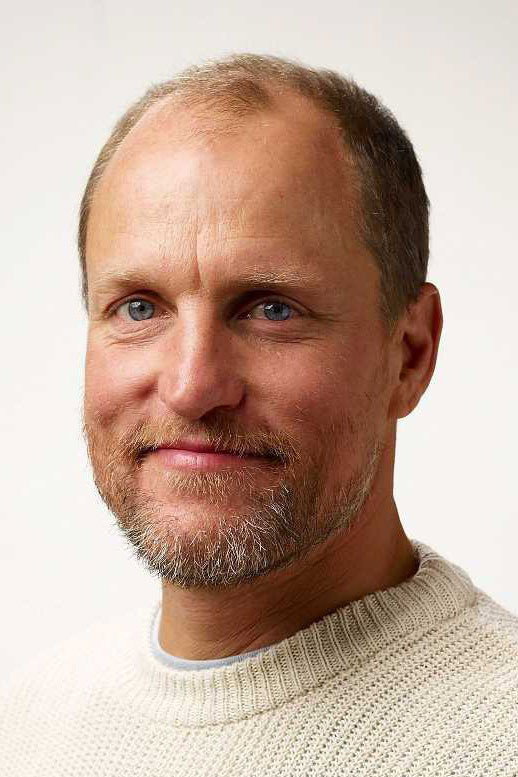
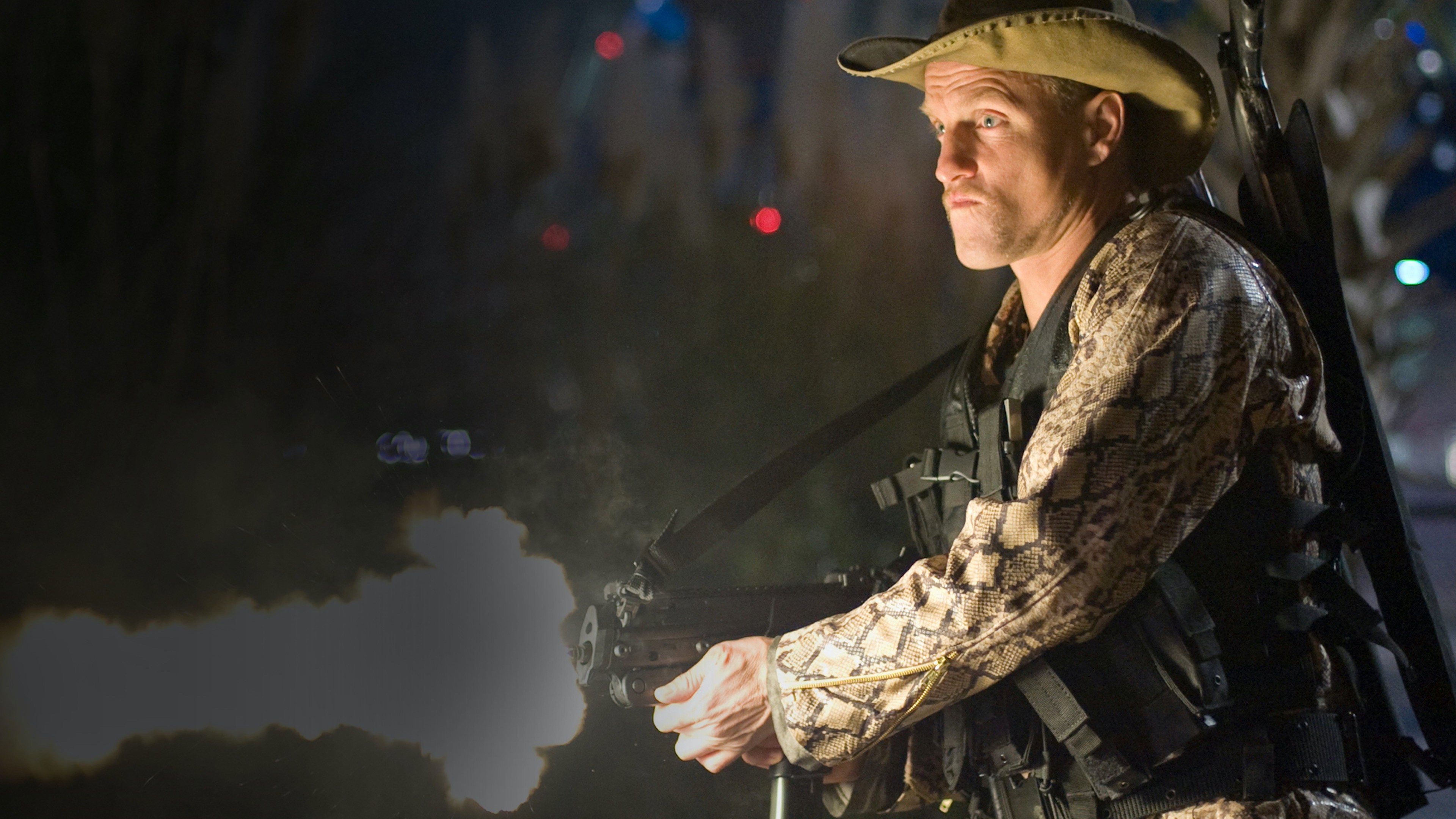
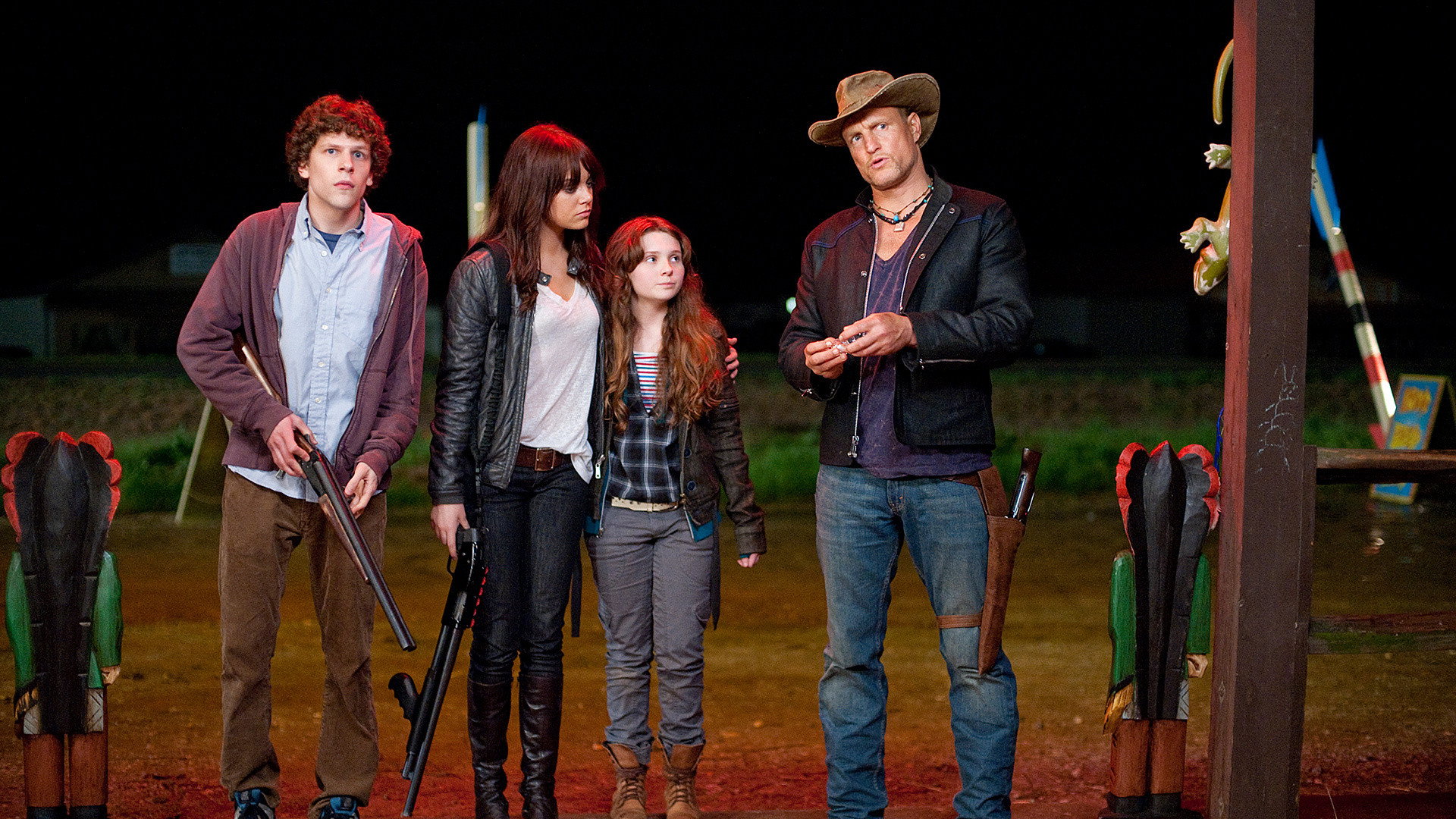
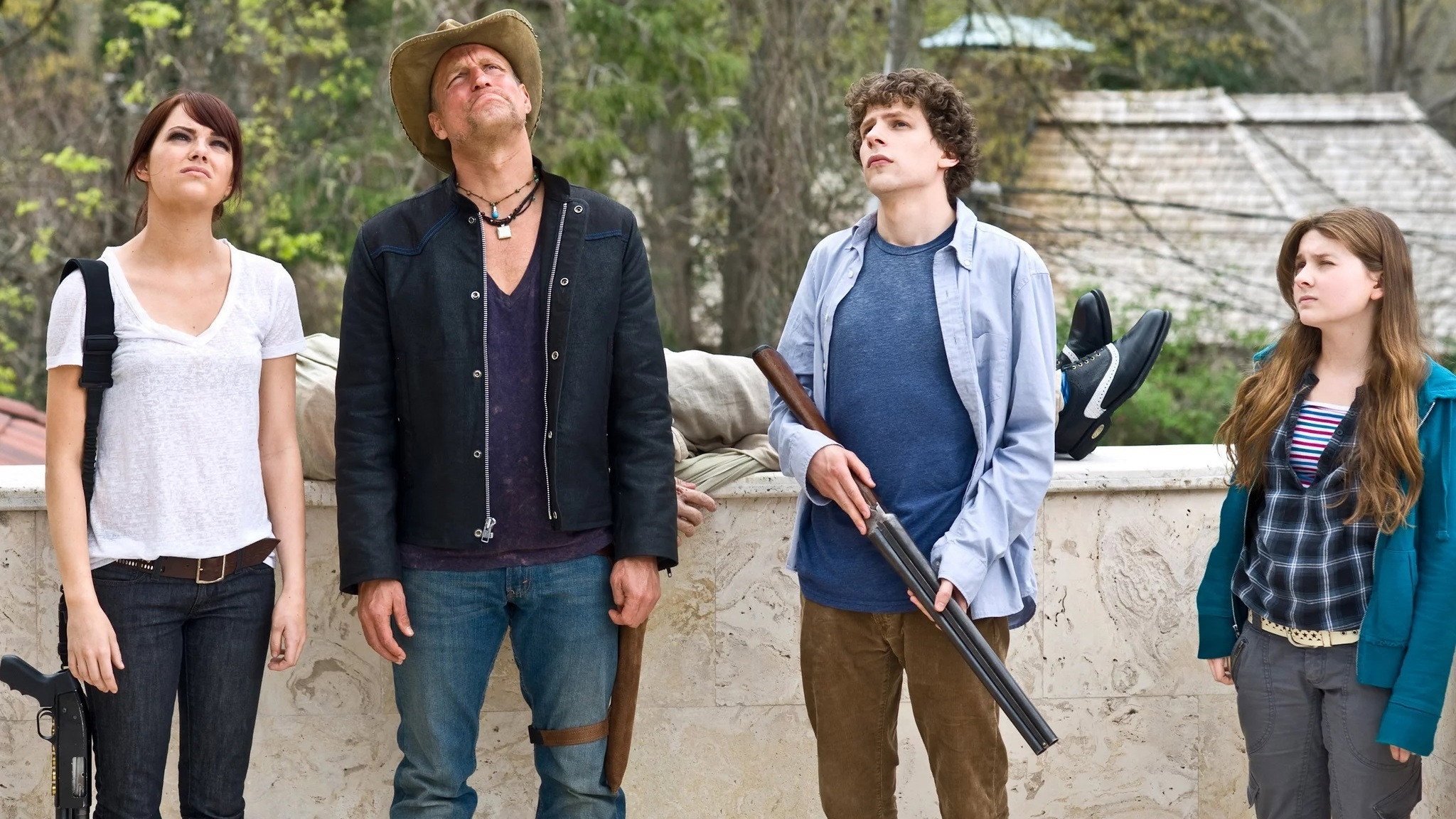
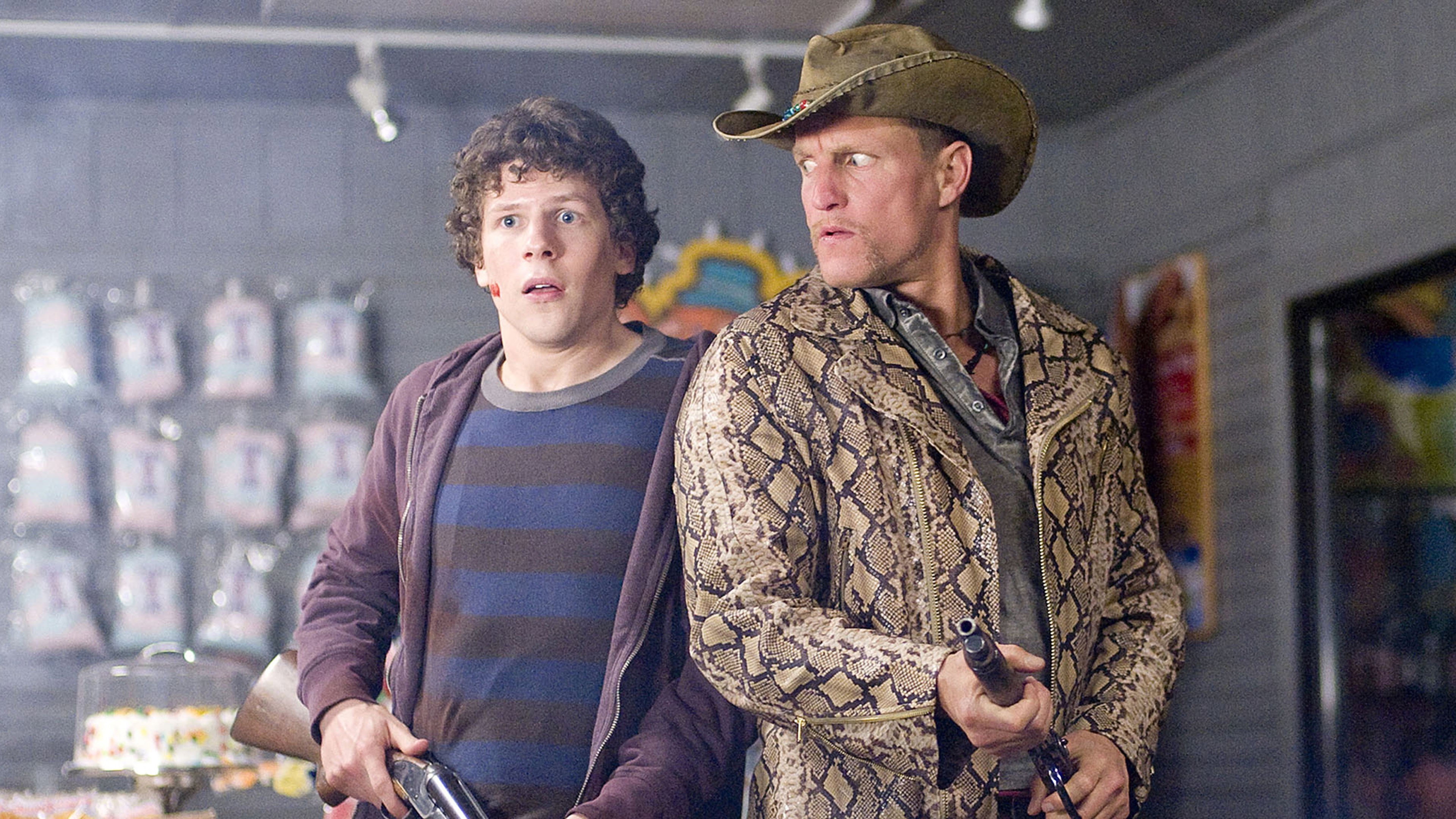
Jesse Eisenberg’s Columbus narrates through his rules for survival, a useful way of giving the chaos a comic rhythm. Woody Harrelson’s Tallahassee supplies a much less cautious enthusiasm, especially when there are zombies to dispatch. We laughed at Harrelson’s eagerness: he makes the violence look like an opportunity he is delighted to have been offered. Eisenberg’s more restrained delivery gives him something to play against, and the pleasure comes from their different ways of responding to the same trouble.
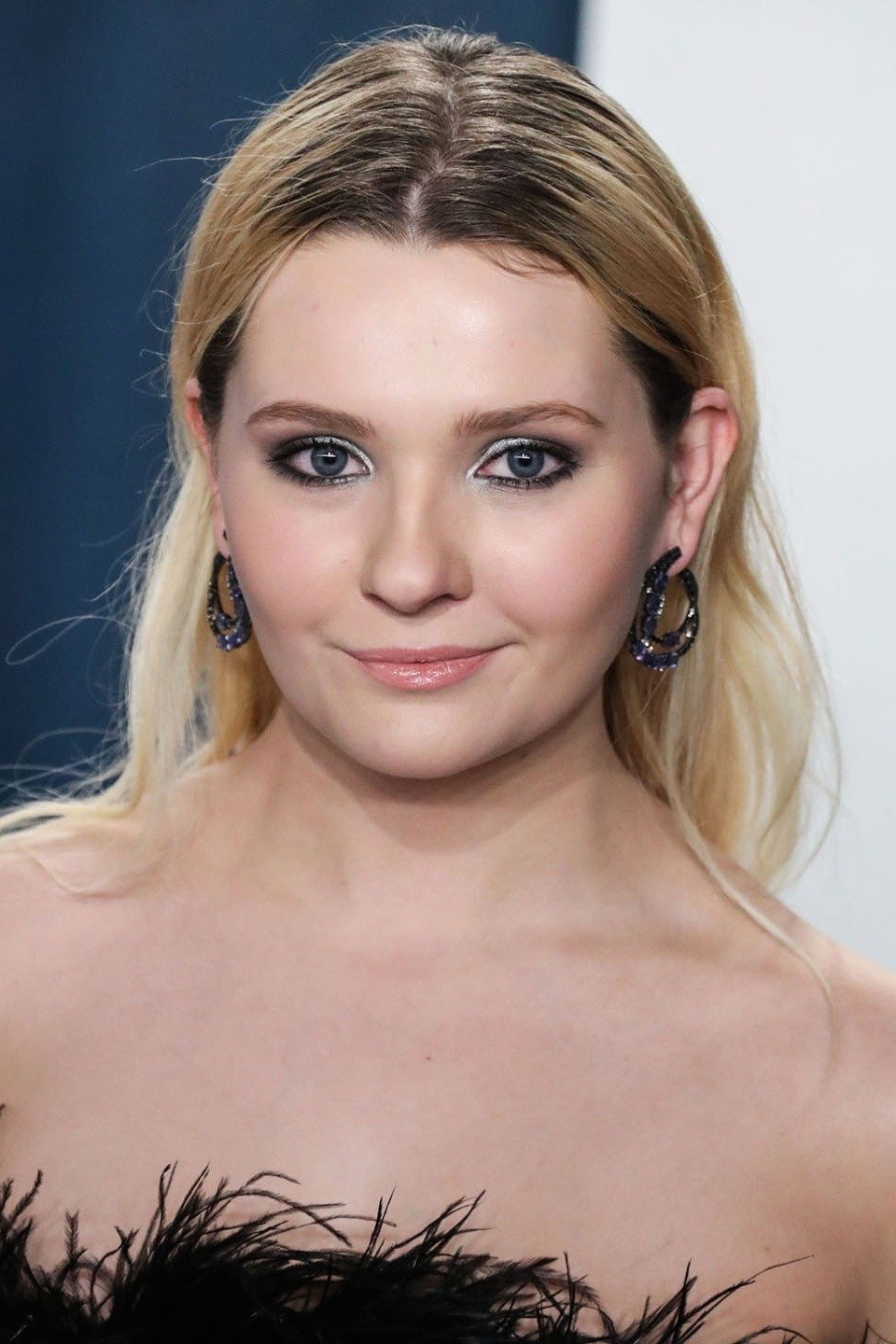
Emma Stone’s Wichita and Abigail Breslin’s Little Rock keep that partnership from exhausting the film’s supply of conversation. Both have the timing to make an underwritten exchange sound less underwritten, and the four performers work well together without needing much help from the plot. That also lets writers Rhett Reese and Paul Wernick get away with leaving too much underdeveloped in the characterisation. The dialogue often earns a laugh before we notice how little else the scene has accomplished.
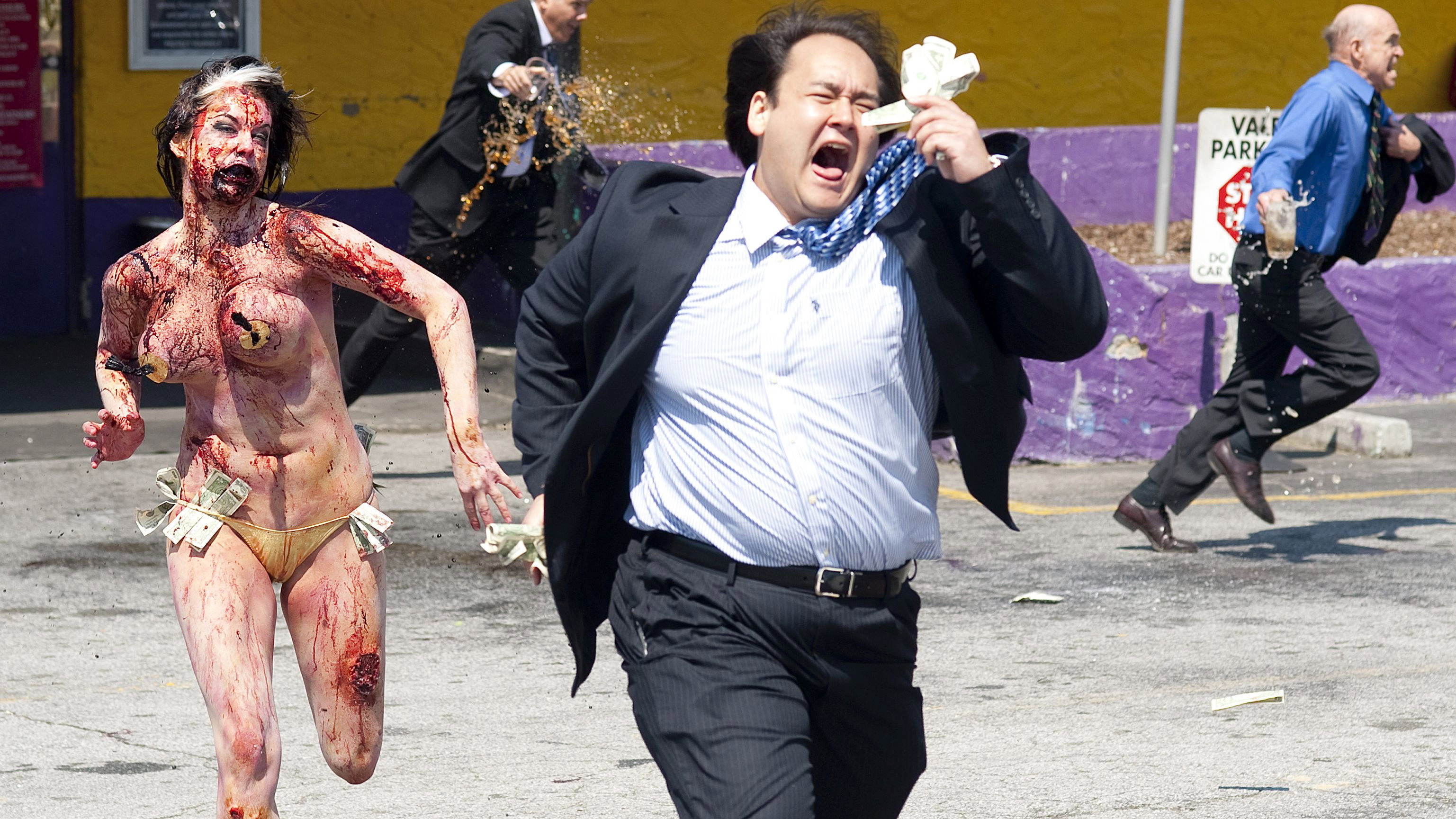
Michael Bonvillain’s cinematography makes the zombie attacks readable as physical comedy, which matters when the joke depends on the method of destruction. The less convincing digital blood occasionally distracts from the joke, but the film seldom asks us to dwell on a wound. Maher Ahmad’s production design gives the travellers a world that seems available for mischief, in keeping with the film’s cheerful approach to catastrophe.
Editors Alan Baumgarten and Peter Amundson are good at getting the action to its comic payoff without lingering over the mechanics. They cannot entirely hide the gaps between worthwhile incidents, and the later stretch feels less inventive than the opening. David Sardy’s score is serviceable, though it contributes little to the already limited sense of danger. The pacing and music suit a comedy this light, but neither gives the weaker episodes much urgency.
There is little appetite for social satire here, and we do not need every zombie film to explain what is wrong with the rest of us. Fleischer is interested in whether his survivors can stand each other’s company, which is a perfectly adequate subject for a comedy. The affection is welcome, even when the script takes shortcuts in earning it. The shortage of sustained fear is harder to ignore if horror is the reason for watching.
We recommend it for the cast, with the warning that the story gives them less to do than they deserve. It helps to want a comedy first, and to be comfortable with the amount of blood Fleischer considers compatible with one. If the plan is to be frightened, choose something else.