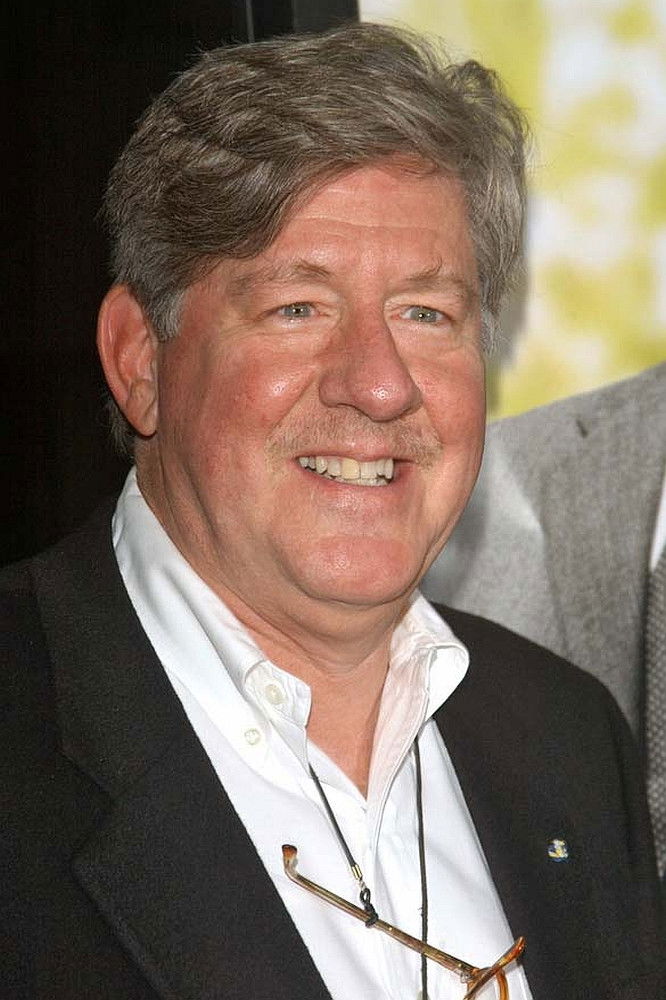
A tall man with a patrician voice, cast for four decades as the lawyer, the executive and the president, who found the part that reached the most people late in life: Richard Gilmore, behind a newspaper, listening. He was more useful to films than most of them knew.
Fi1m perspective
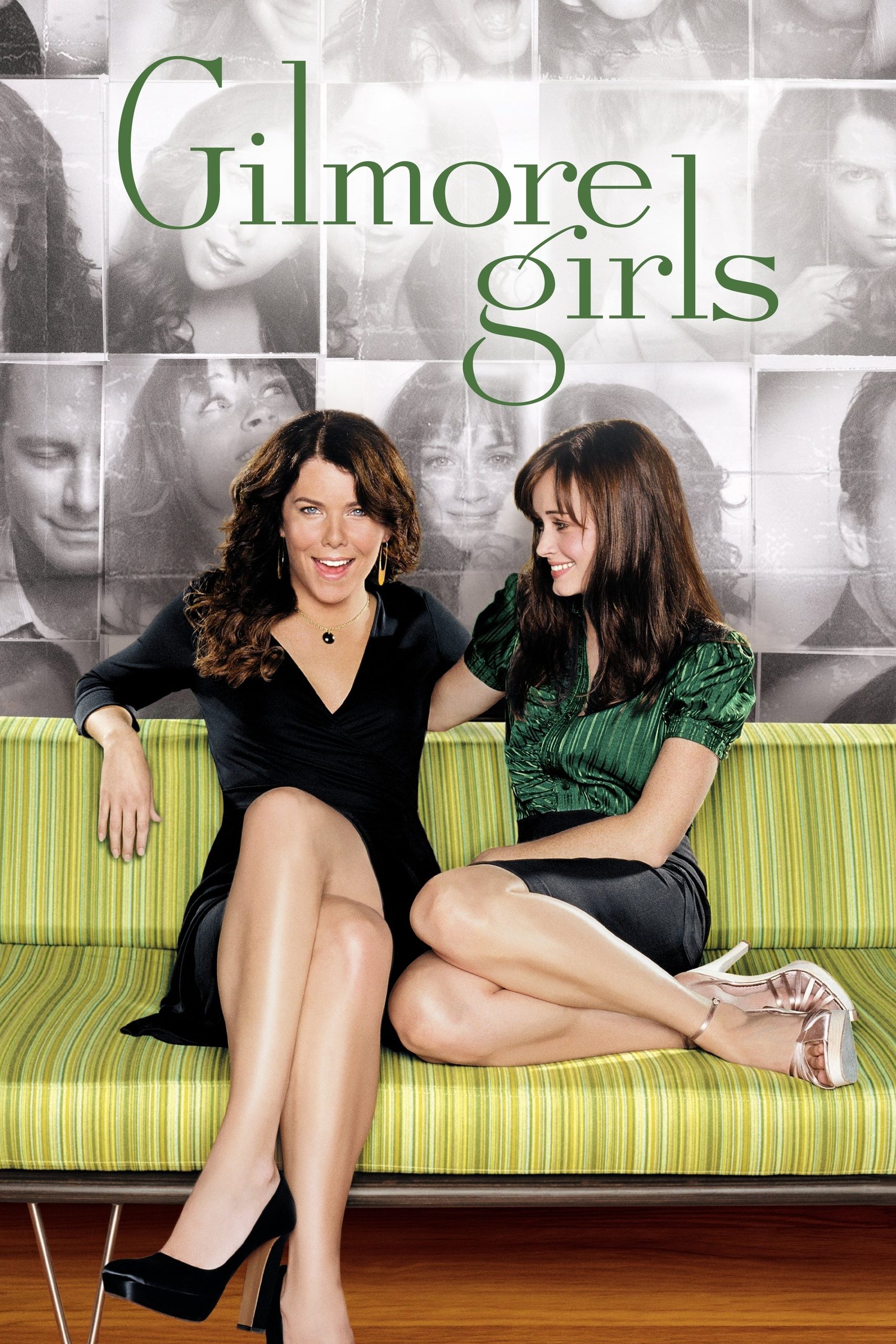
Watch Richard Gilmore at a Friday dinner in Gilmore Girls (2000). Emily, played by Kelly Bishop, runs the table; Lorelai fights her; Rory tries to keep the peace. Richard sits behind his newspaper and says almost nothing, and for a while you take him for part of the house, like the dark panelling. Then the paper comes down and he turns out to be the one person in the house his granddaughter can actually talk to. That is Edward Herrmann's whole method in a single scene: be the furniture until somebody needs you, then be a person.
He came from the theatre, with a Broadway debut in Moonchildren (1972), and television found the type quickly. He played Franklin D. Roosevelt in Eleanor and Franklin (1976) and again in Annie (1982), and after that producers looked at the height and heard the voice and saw a man who owned things. Through the 1980s he was in The Purple Rose of Cairo (1985), Overboard (1987) and The Lost Boys (1987), and later he was Joseph Breen in The Aviator (2004). Alongside all of it he narrated history programmes for PBS and the History Channel and read audiobooks, and did it well, because he understood that a narrator's job is to be clear and stay out of the way.
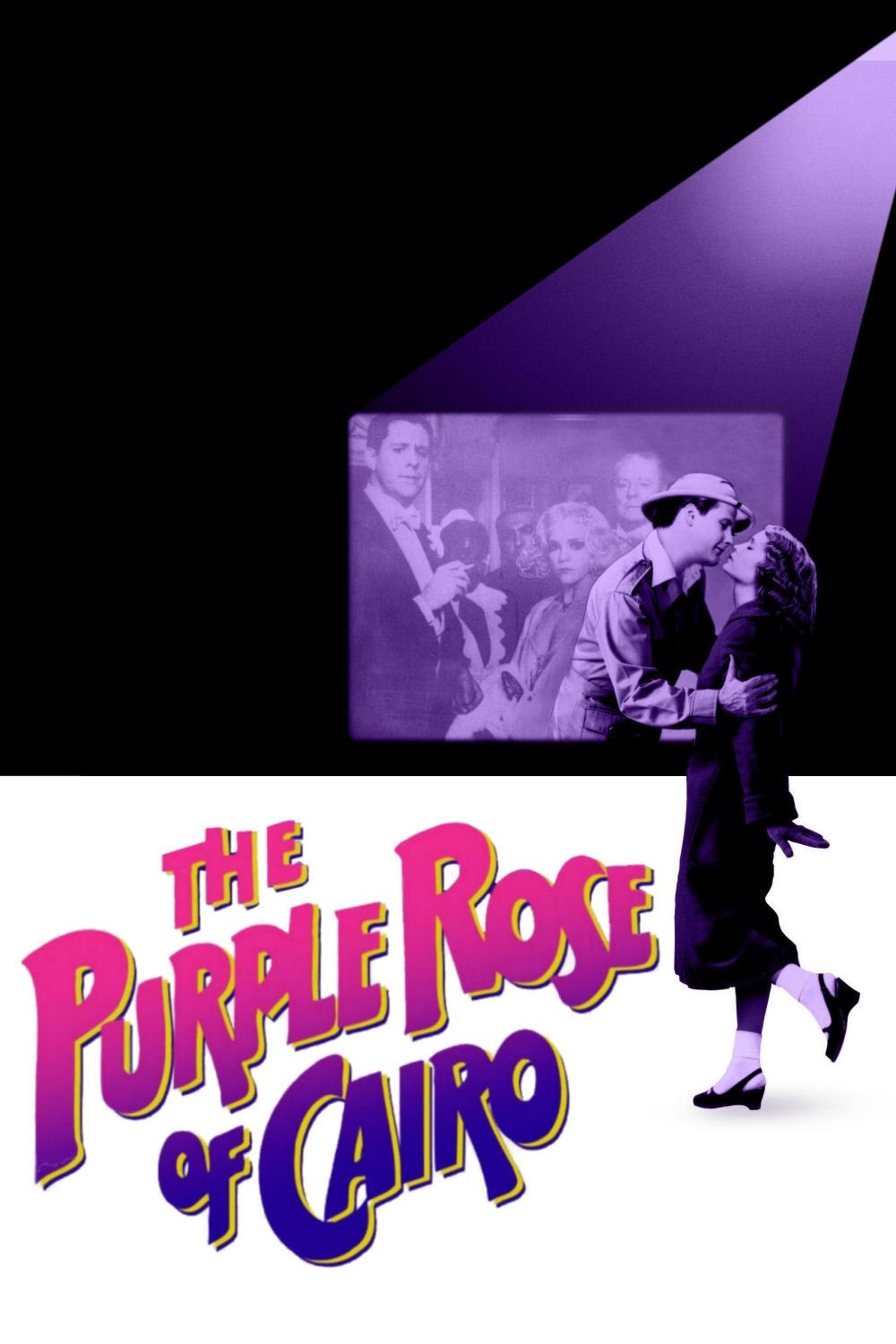
The cost of the type was that lighter films did not know what to do with him. I Think I Love My Wife (2007) is the usual example: the bearing gets him through the door and the script gives him nothing once he is there. Even in The Purple Rose of Cairo, which we like a great deal, Henry is one of the people around Mia Farrow whom our review found thinly written; the film belongs to her, and he is part of the set dressing that lets it. He trained in London, and he once said that Americans work from the inside out and the English from the outside in. He was, on this evidence, an outside-in actor: posture and voice first, and the person, if the writing allowed one, arriving afterwards.
Gilmore Girls allowed one, for seven years. Amy Sherman-Palladino's dinners are written so that nobody says what they mean, and Bishop's Emily is the one who gets the lines that draw blood. Herrmann's Richard gets the silences, and he does something with them that took us by surprise: we had not expected to be moved by a man reading a newspaper, and by the time the programme had settled into its stride we were, because he plays a father who has never once said the right thing to his daughter and has quietly decided to say it to her child instead. It is a small performance in a fast, talkative show, and it is the steadiest thing in it.
If you want to see what he could do, start with the Friday dinners and watch the man who is not talking.
Biography
Edward Herrmann was an American actor. Born in Washington, D.C. on 21 July 1943, he studied at Bucknell University and trained at the London Academy of Music and Dramatic Art. He began his career in theatre, making his Broadway debut in Moonchildren in 1972 and winning a Tony Award for Best Featured Actor in a Play for Mrs Warren's Profession in 1976.
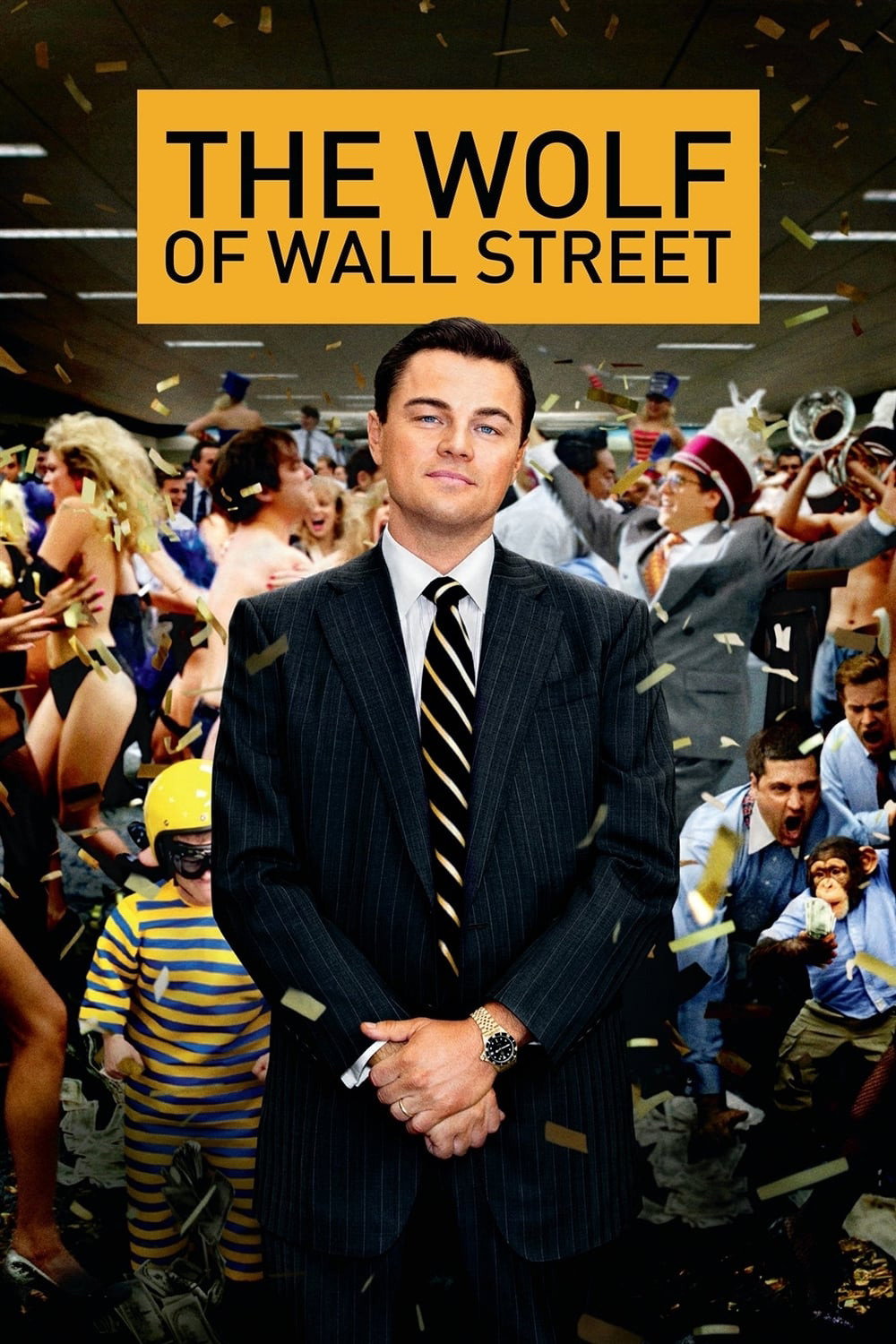
Herrmann appeared in numerous films and television series. His film credits include Henry in Woody Allen's The Purple Rose of Cairo (1985), roles in The Aviator (2004) and The Wolf of Wall Street (2013), and Max in The Lost Boys (1987). On television he played Richard Gilmore in Gilmore Girls (2000–2007) and portrayed Franklin D. Roosevelt in the miniseries Eleanor and Franklin (1976) and the film Annie (1982). He also narrated historical documentaries for the History Channel.
He received five Primetime Emmy Award nominations and won for Outstanding Guest Actor in a Drama Series for The Practice in 1999. Herrmann died in New York City on 31 December 2014.