Martin Scorsese’s stockbroker comedy is filthy, funny and worth its three hours, though it repeats itself. Leonardo DiCaprio makes Jordan Belfort compelling company without giving us much reason to like him.
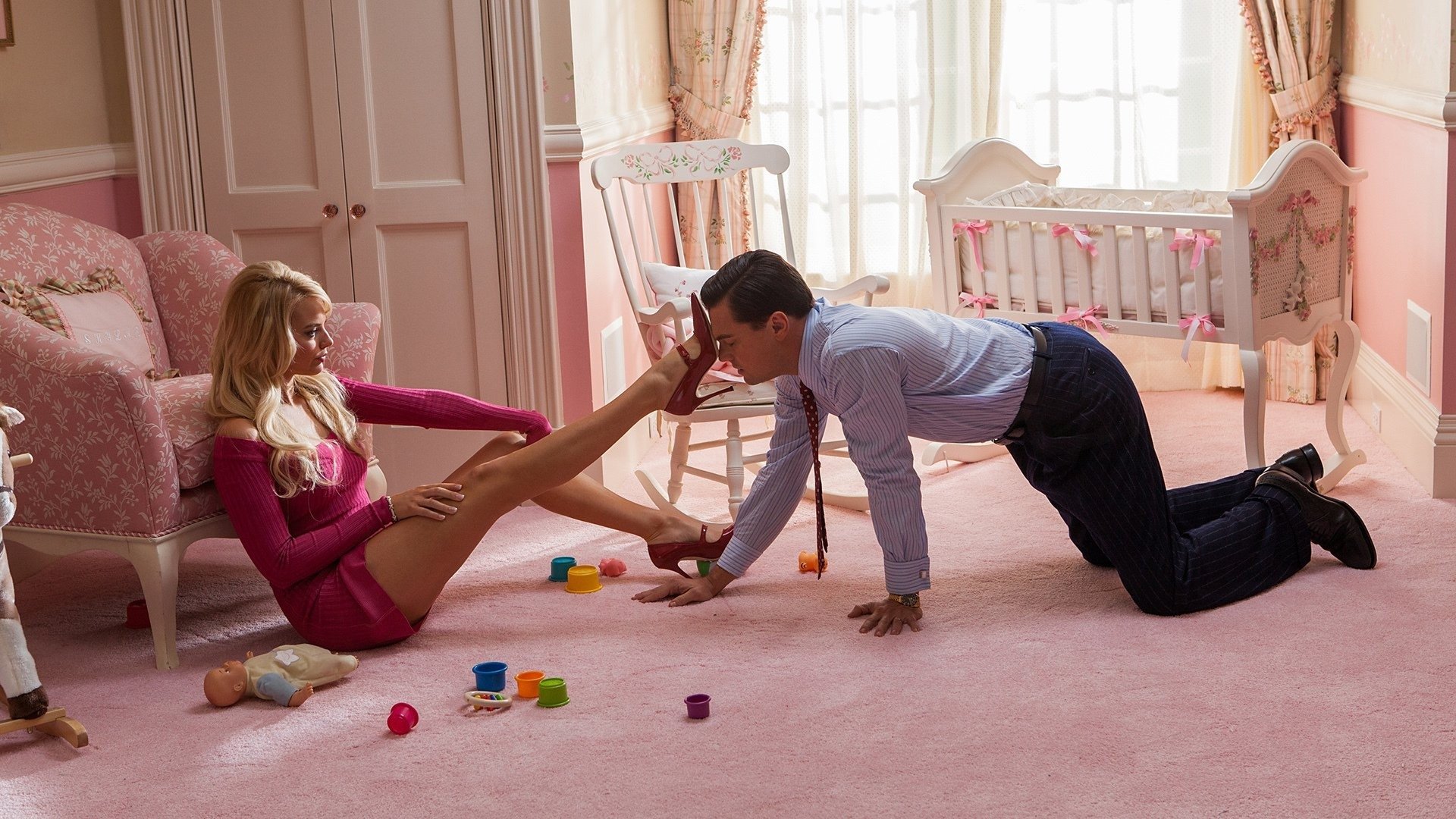
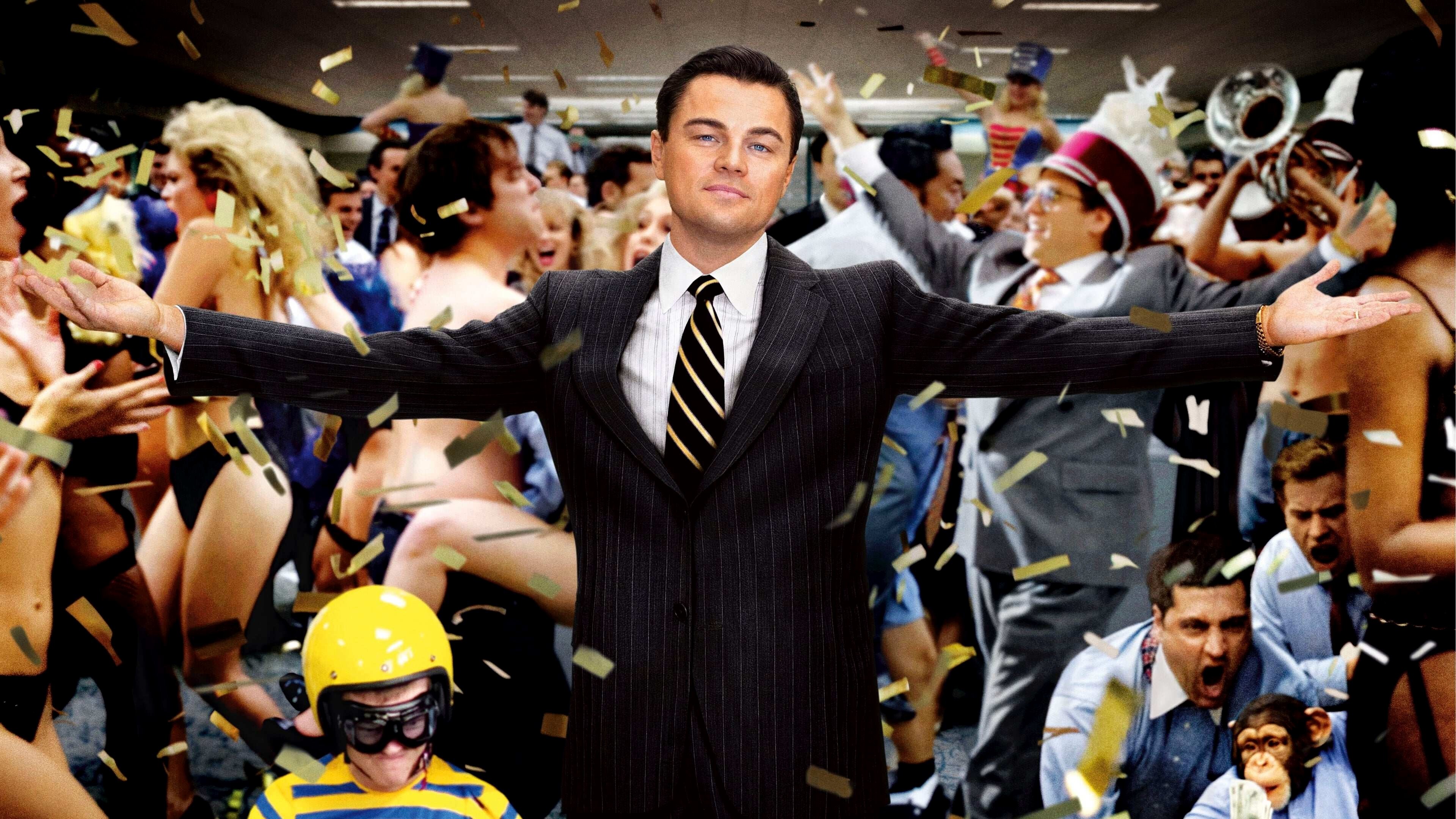
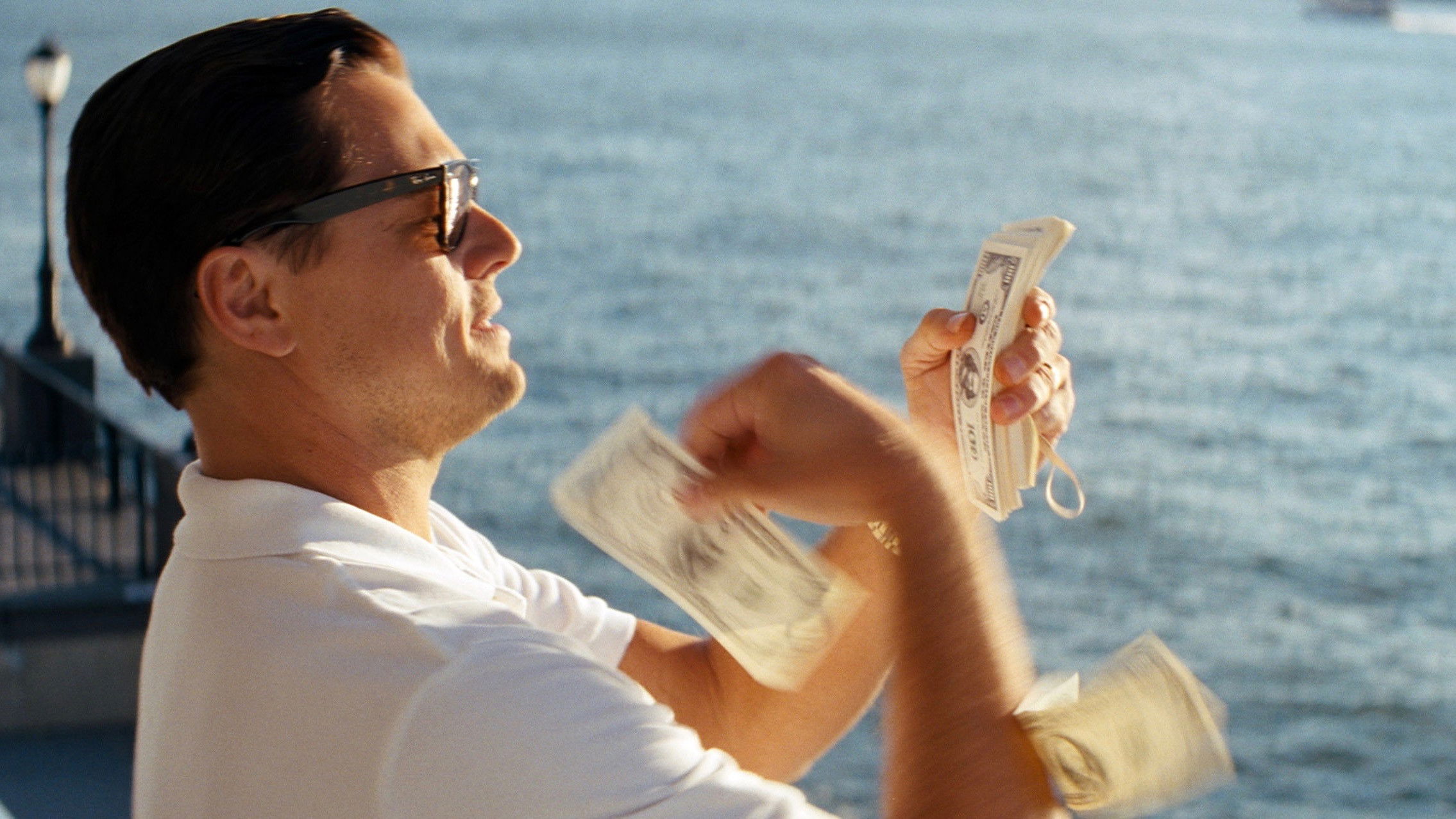
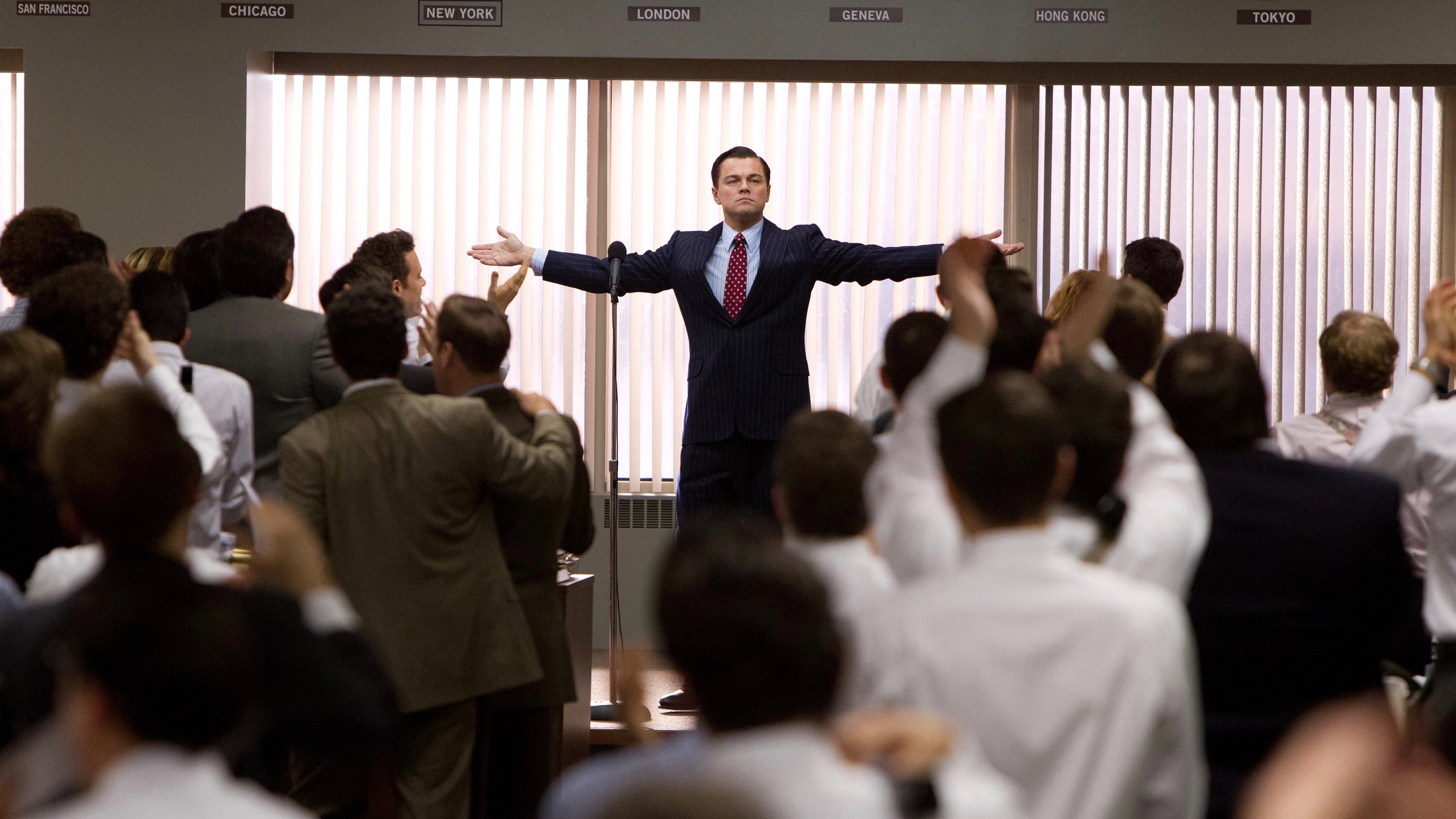
The Wolf of Wall Street is a filthy, funny crime comedy that earns most of its 180 minutes, and we recommend it with a warning about repetition. Martin Scorsese gives Jordan Belfort’s greed room to be entertaining, which is bound to trouble anyone who wants a film about financial corruption to behave responsibly. Leonardo DiCaprio makes that decision work. His Belfort is so busy enjoying himself that remorse would seem an interruption. The pleasure comes from watching how far DiCaprio will go with such an unappealing man.
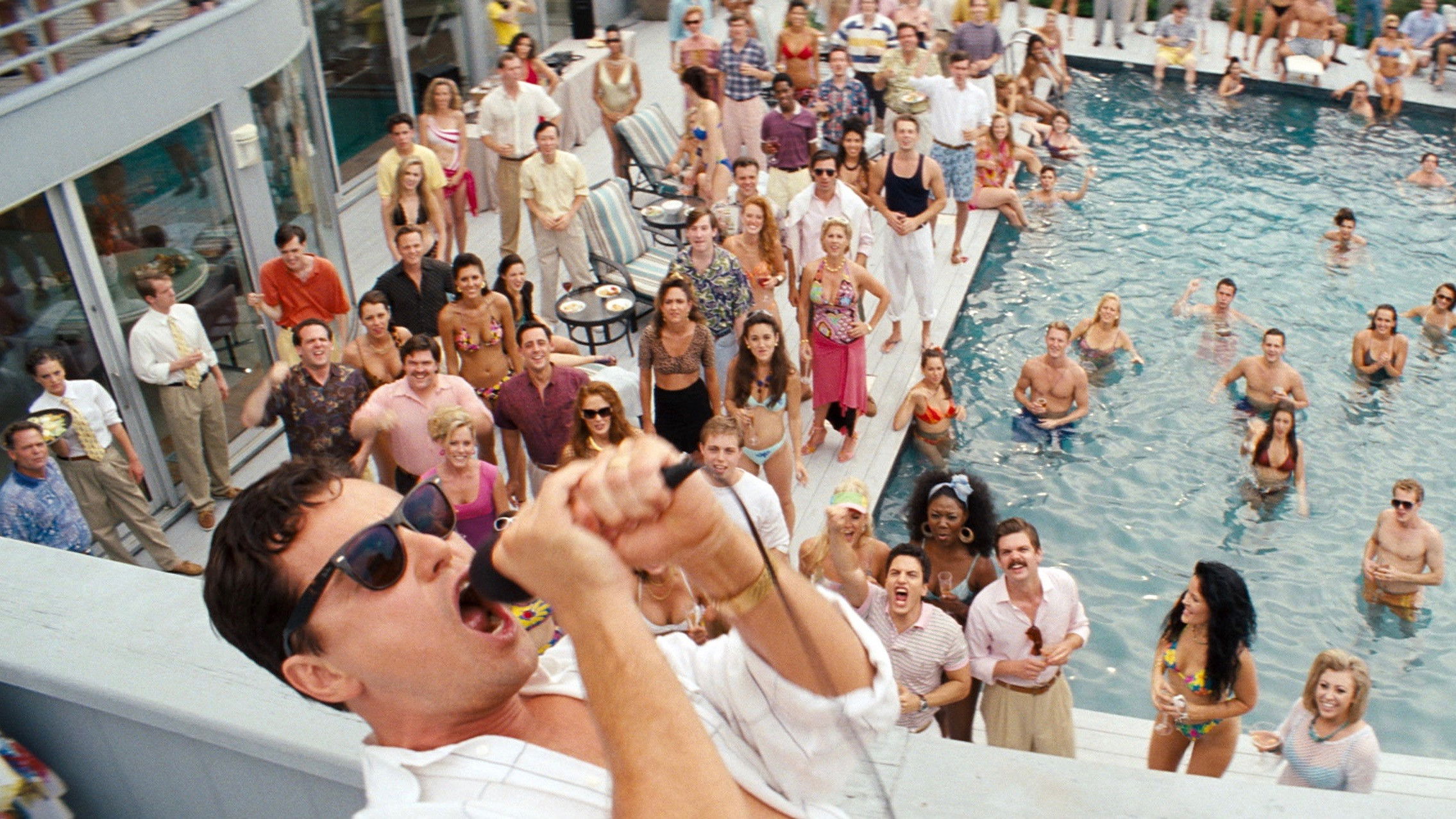
DiCaprio’s physical comedy is the strongest reason to stay: his willingness to look ridiculous keeps Belfort’s self-importance from taking charge of the film. We laughed, and felt grubby afterwards. The drug-fuelled behaviour is grotesque, but DiCaprio plays it with such comic commitment that our first response is delight. That discomfort is useful, because a solemn performance would let us feel superior without much effort. Jonah Hill plays Donnie Azoff with an eager vulgarity that makes the company around Belfort feel just as objectionable.
Rodrigo Prieto’s cinematography keeps the performers readable amid the frenzy; the jokes need us to see what these bodies are doing. Thelma Schoonmaker’s editing gives the physical comedy enough time to become embarrassing, while keeping the surrounding bustle brisk. A quick cut would rescue Belfort’s dignity too soon. The rhythm is so persuasive that it takes a while to notice how often we are being given another version of the same joke.
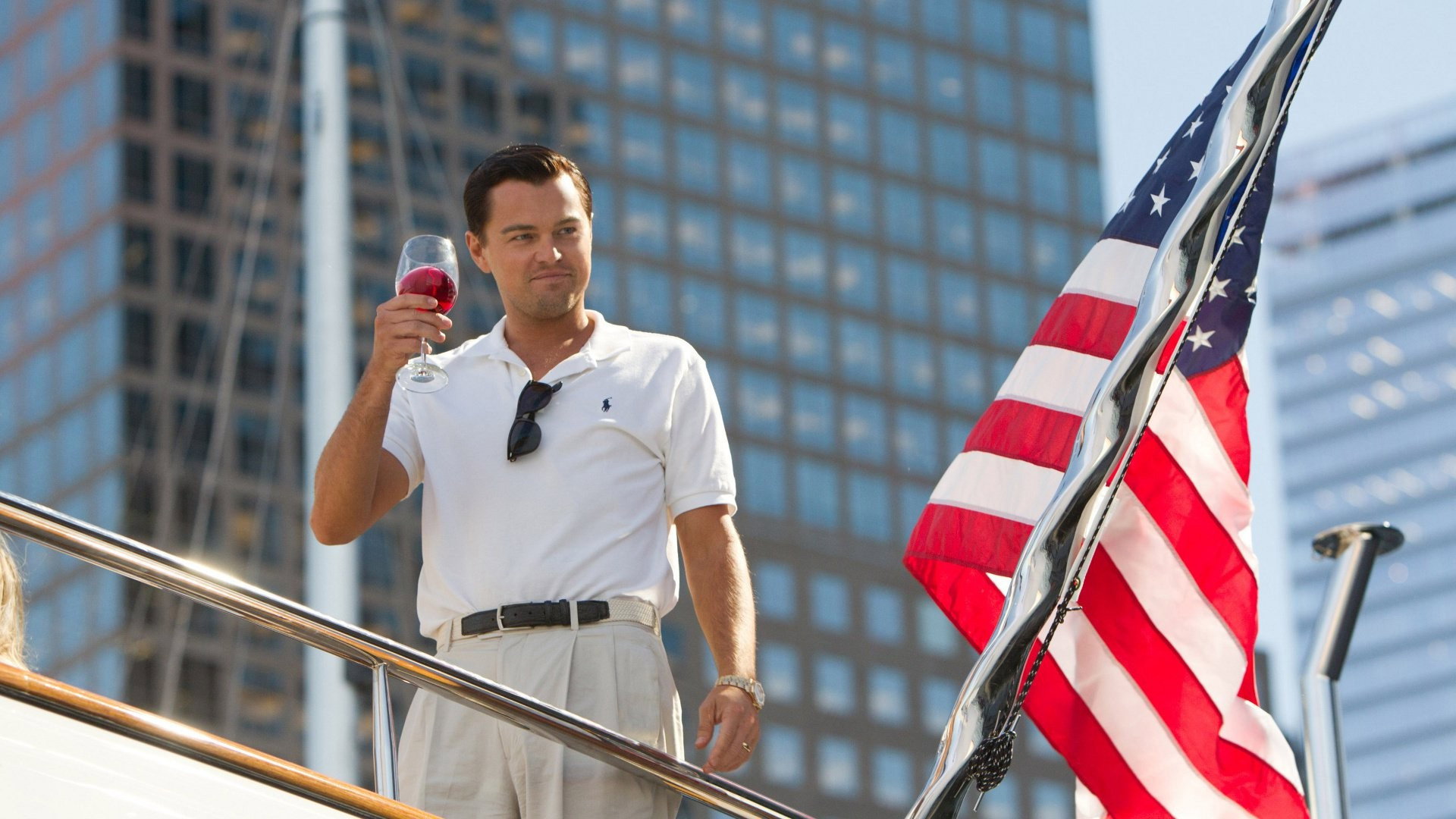
Bob Shaw’s production design gives the expensive surroundings a showiness that suits Belfort. Sandy Powell’s costumes give the men enough professional polish to make their behaviour look worse. The result is persuasive enough to make the wealth tempting, even when the people enjoying it are repellent. Terence Winter’s screenplay lets the characters speak as if their appetites need no explanation, which gives the actors something funnier to play than simple wickedness.
The length does become a problem. Winter and Scorsese keep returning to sex, drugs and extravagance after the behaviour has ceased to tell us anything new about Belfort. Individual passages remain funny, but the accumulation starts to feel laboured. Margot Robbie gives Naomi Lapaglia enough force to make us want more room for her, and the film rarely wants to stop attending to its leading man. Schoonmaker keeps finding fresh momentum inside scenes whose place in the whole is harder to defend.
Against GoodFellas and Casino, the limited range of feeling is noticeable. Scorsese has made a broad comedy here, and judging it as a failed lecture on capitalism would miss much of what is good about it. The sustained silliness strips Belfort of grandeur, even when DiCaprio’s charisma makes him difficult to resist. Yet the concentration on his pleasures leaves too little space to feel the damage beyond them. We would gladly exchange another bout of excess for a stronger sense of the people paying for it.
Go for the comedy, and do not expect the film to provide a comfortable moral distance from it. The sex and drug-taking are relentless, and the certificate is 18 for a reason. We would choose company prepared to laugh at something disreputable. Set aside the full three hours; this is a poor choice for an evening when someone needs an early night.