Nobuo Nakamura gives officials and middle-class husbands a quiet, credible presence, making their failings recognisable without pushing for attention. We value his restraint, though repeated casting as respectable professionals can leave a somewhat narrow impression.
Fi1m perspective
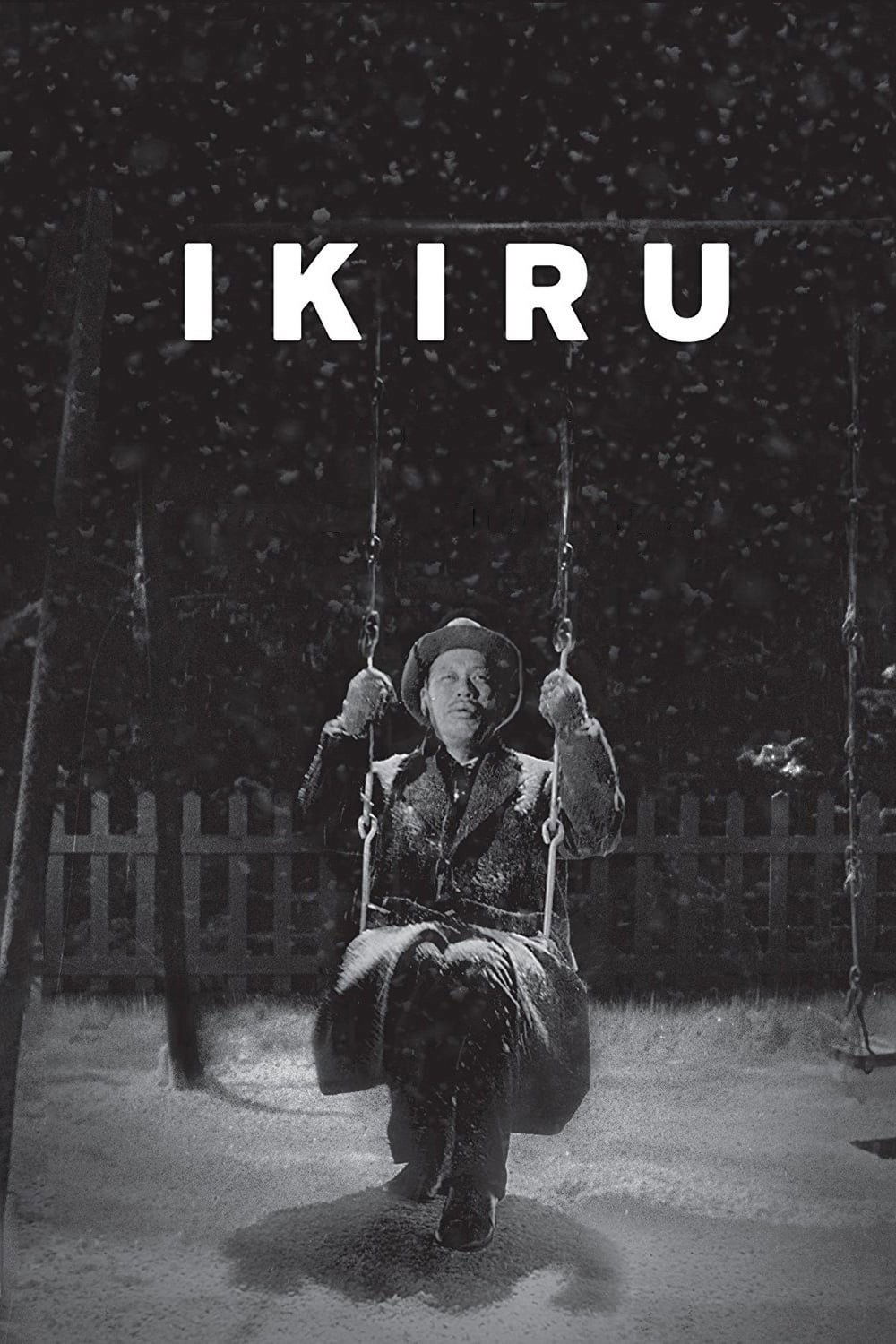
The Deputy Mayor in Ikiru (1952) is a useful place to see what Nobuo Nakamura brings to an ensemble. His poised seriousness suits the official's bureaucratic indifference, and gives Akira Kurosawa a recognisable figure of authority. Takashi Shimura supplies the fear of wasted time at the film's centre; Nakamura helps us understand the institution around him. The satire sometimes explains what is already clear, though, and Nakamura's understated playing is welcome when the writing insists on making its point again.
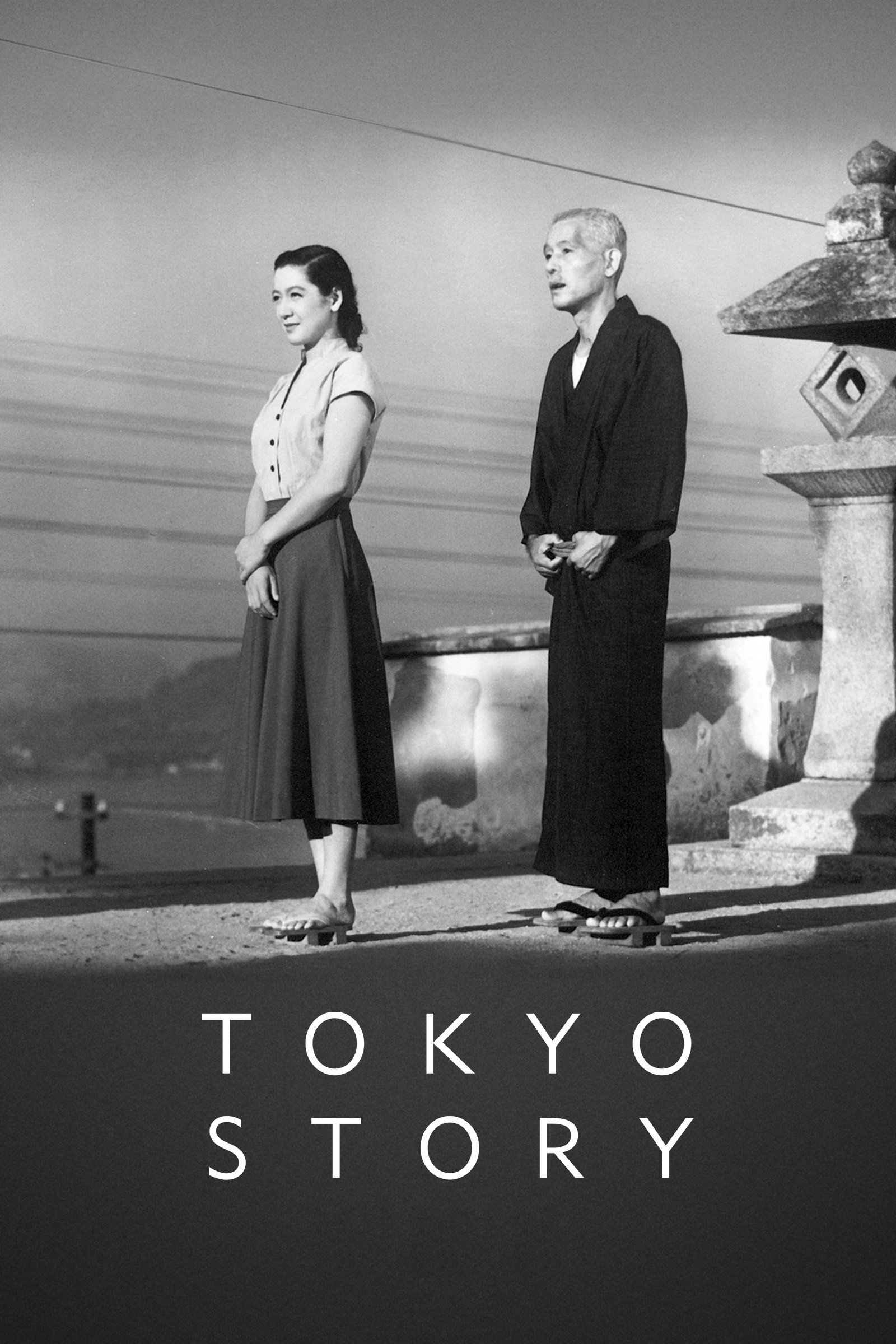
Tokyo Story (1953) makes gentler use of that restraint, casting him as Kurazo Kaneko, the henpecked husband of the eldest daughter. Yasujirō Ozu needs relatives who feel ordinary enough for their failings to be familiar, and Nakamura's mild manner fits that requirement. We found the family's neglect almost unbearable because Ozu refuses to turn anyone into a villain. The film needs patience at first; Nakamura's unshowy contribution is one reason to attend to the people beyond its centre.
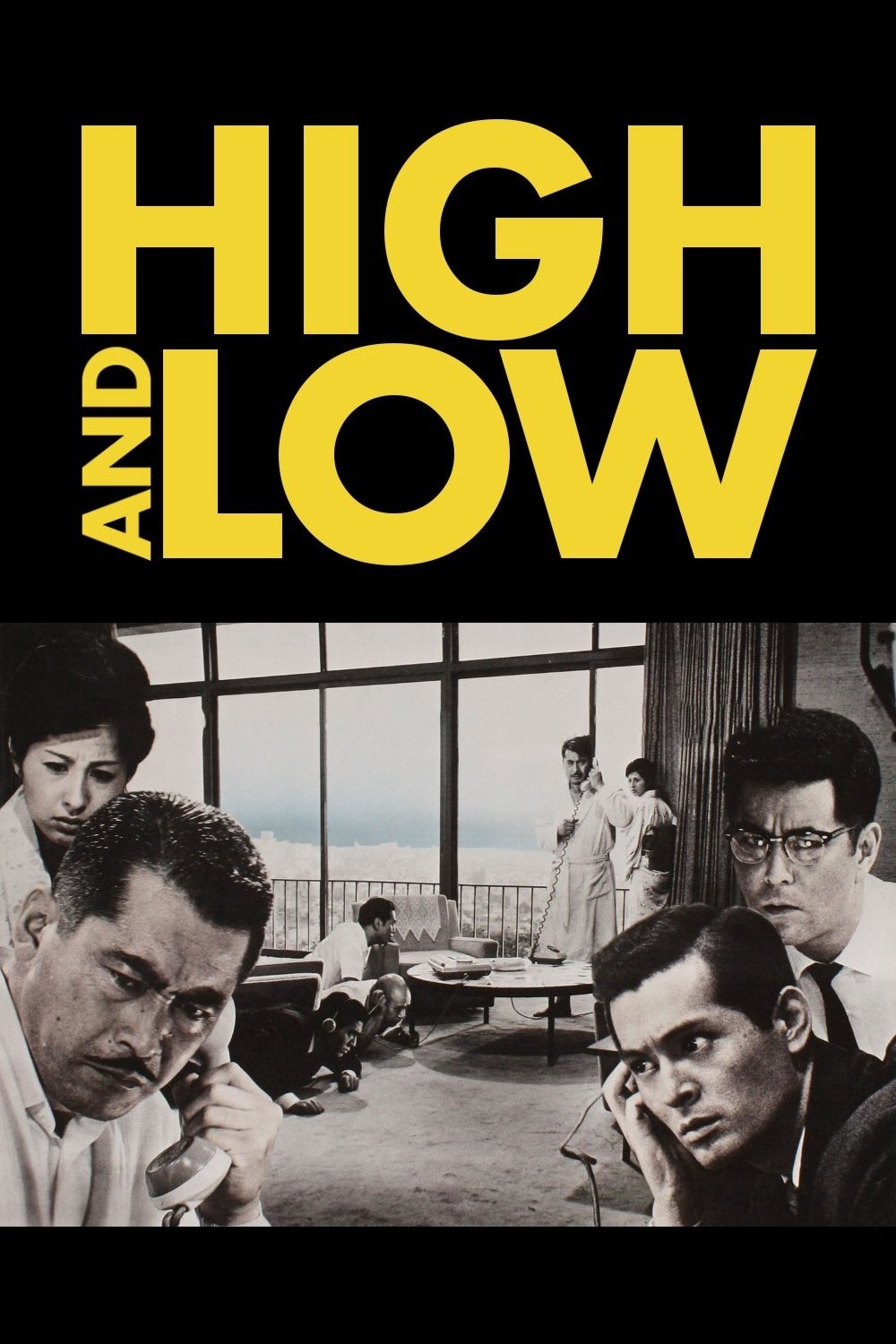
His film work became regular in the 1950s, and later roles kept returning him to families and professional hierarchies. Ozu cast him as Shuzo Taguchi in Late Autumn (1960), while Kurosawa made him Ishimaru, National Shoes' design department director, in High and Low (1963). There is a reservation here: repeated casting as officials and professionals can make the actor seem more predictable than the individual performances deserve. We would not make variety the chief reason to follow his work.
The Old Gentleman in Itami's comedy Tampopo (1985) is a late-career cameo, away from those office titles. The stronger reason to return to Nakamura is the care he takes with the people around a film's centre. In Ozu and Kurosawa's ensembles, his restraint lets us notice those people without feeling that each supporting part is competing for its own scene. Start with Tokyo Story, but give it an evening when nobody is in a hurry.
Biography
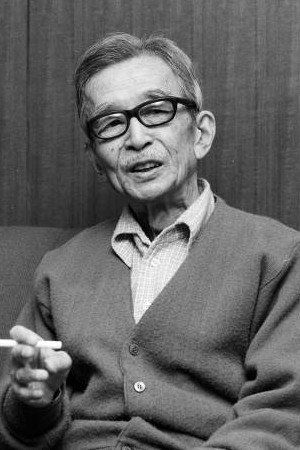
Nobuo Nakamura (中村伸郎) was a Japanese stage and film actor. He was born on 14 September 1908 in Otaru, Hokkaido, and died on 5 July 1991.
Nakamura appeared regularly in films from the 1950s, including roles as the deputy mayor in Akira Kurosawa's Ikiru (1952), Kurazo Kaneko in Yasujirō Ozu's Tokyo Story (1953), and Shuzo Kawai in An Autumn Afternoon (1962). Other notable film credits include High and Low (1963), Throne of Blood (1957), Late Autumn (1960) and Tampopo (1985).
On stage, he joined the Bungakuza theatre company in 1938 and later co-founded the NLT company with Yukio Mishima. He performed in works including Shakespeare plays, Chekhov's Uncle Vanya, and Eugène Ionesco's The Lesson.