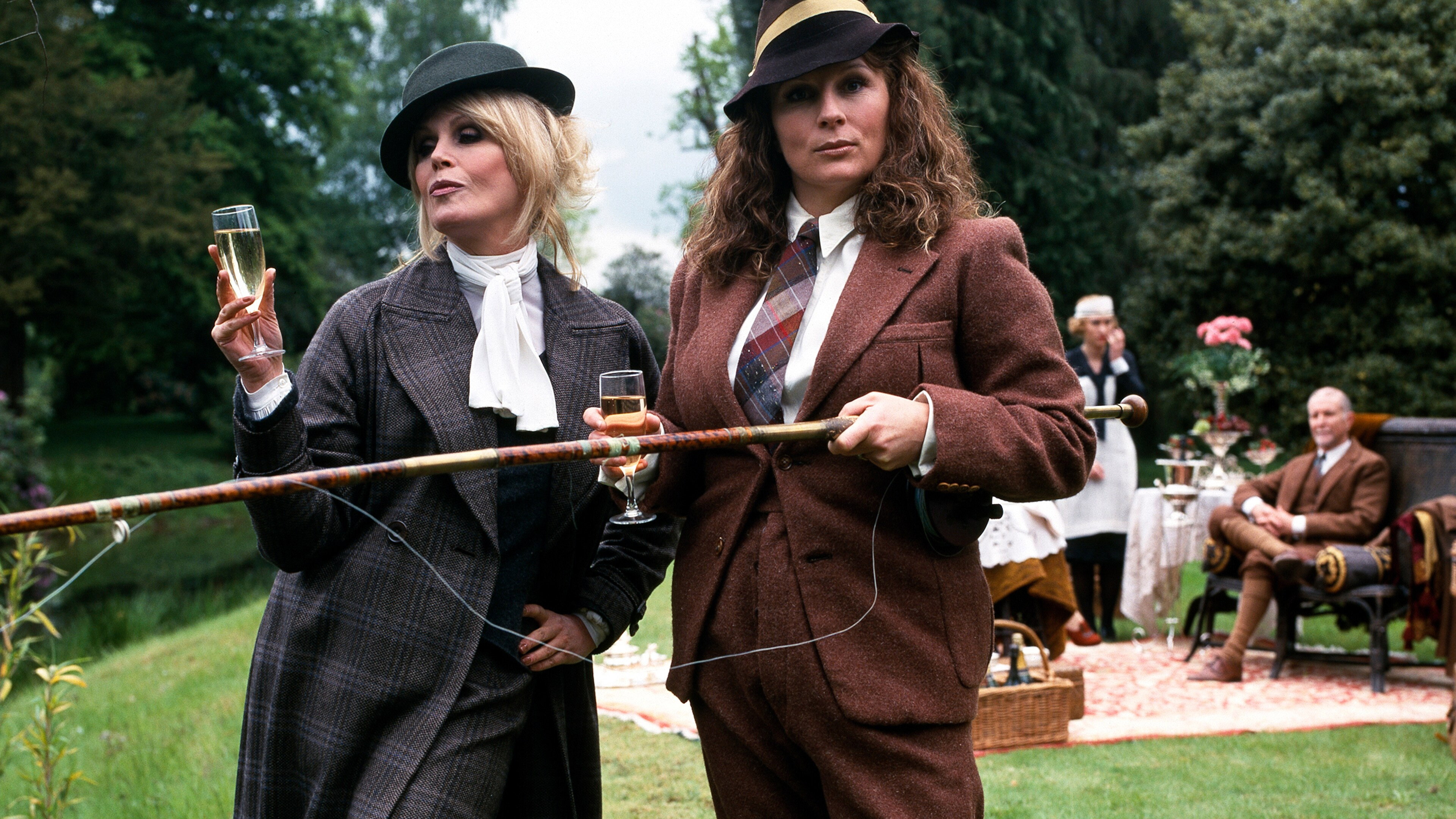
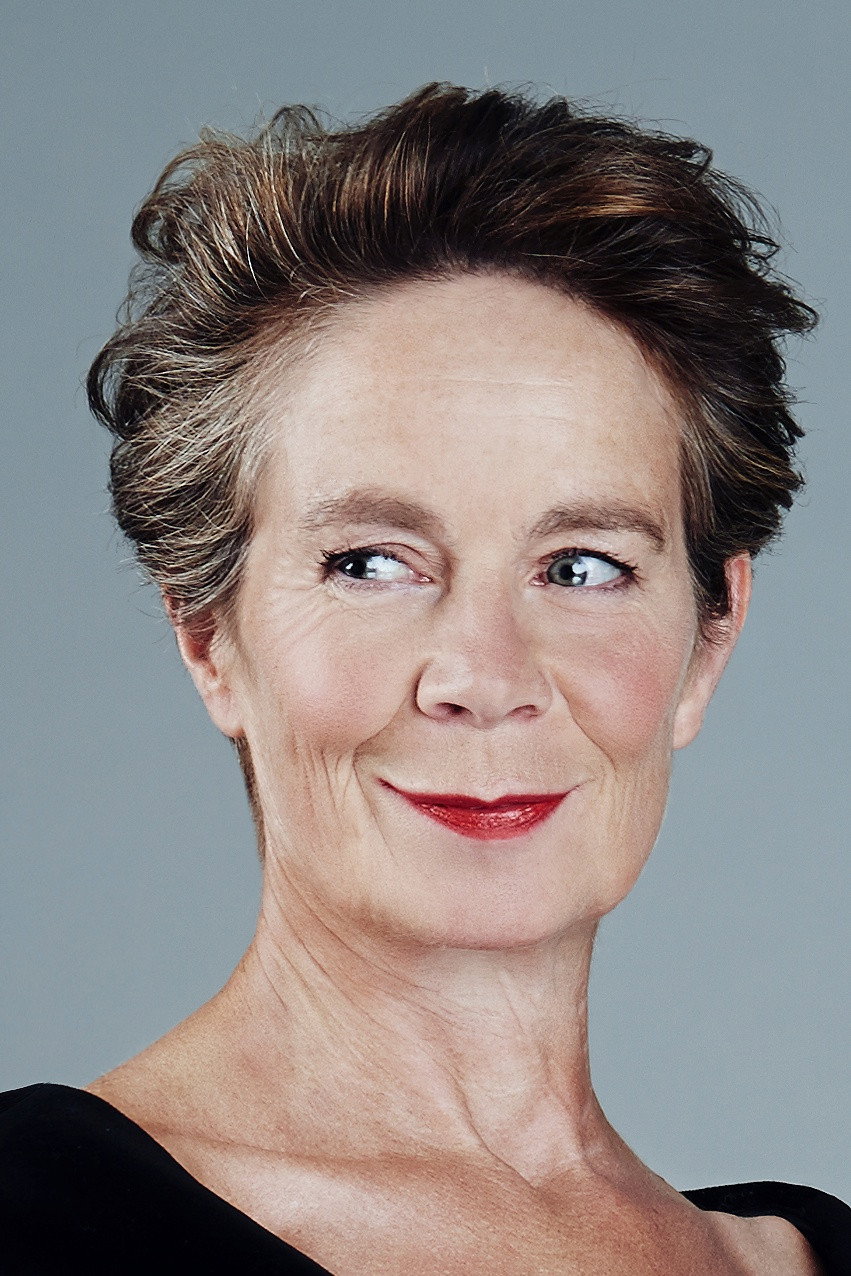
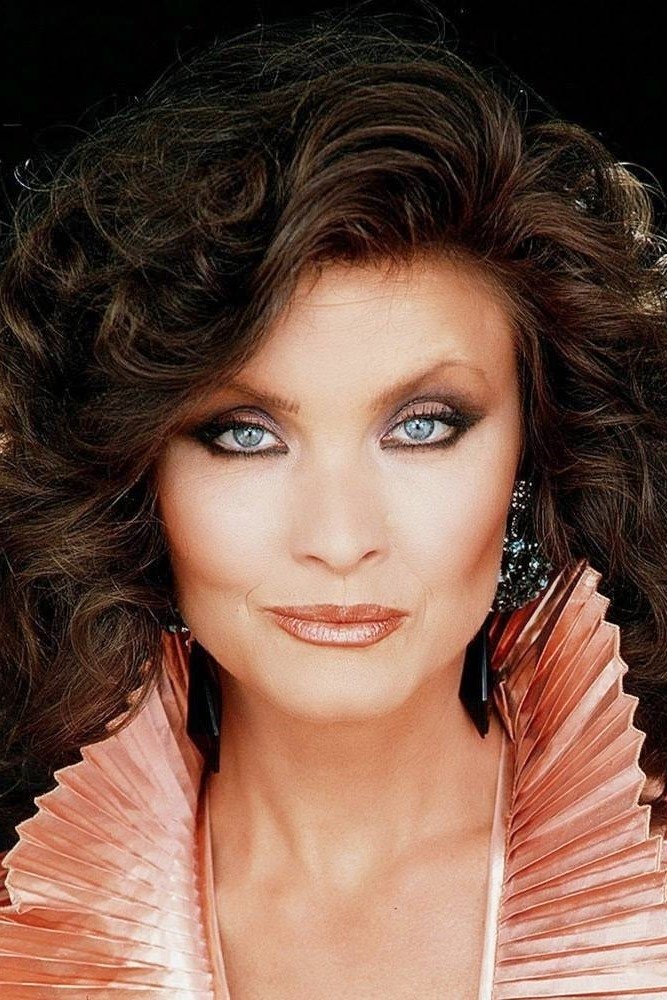
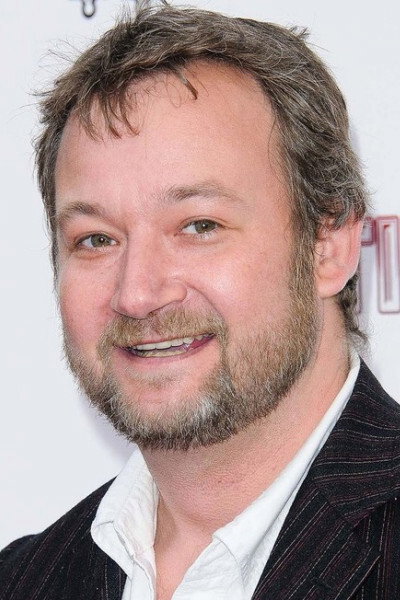
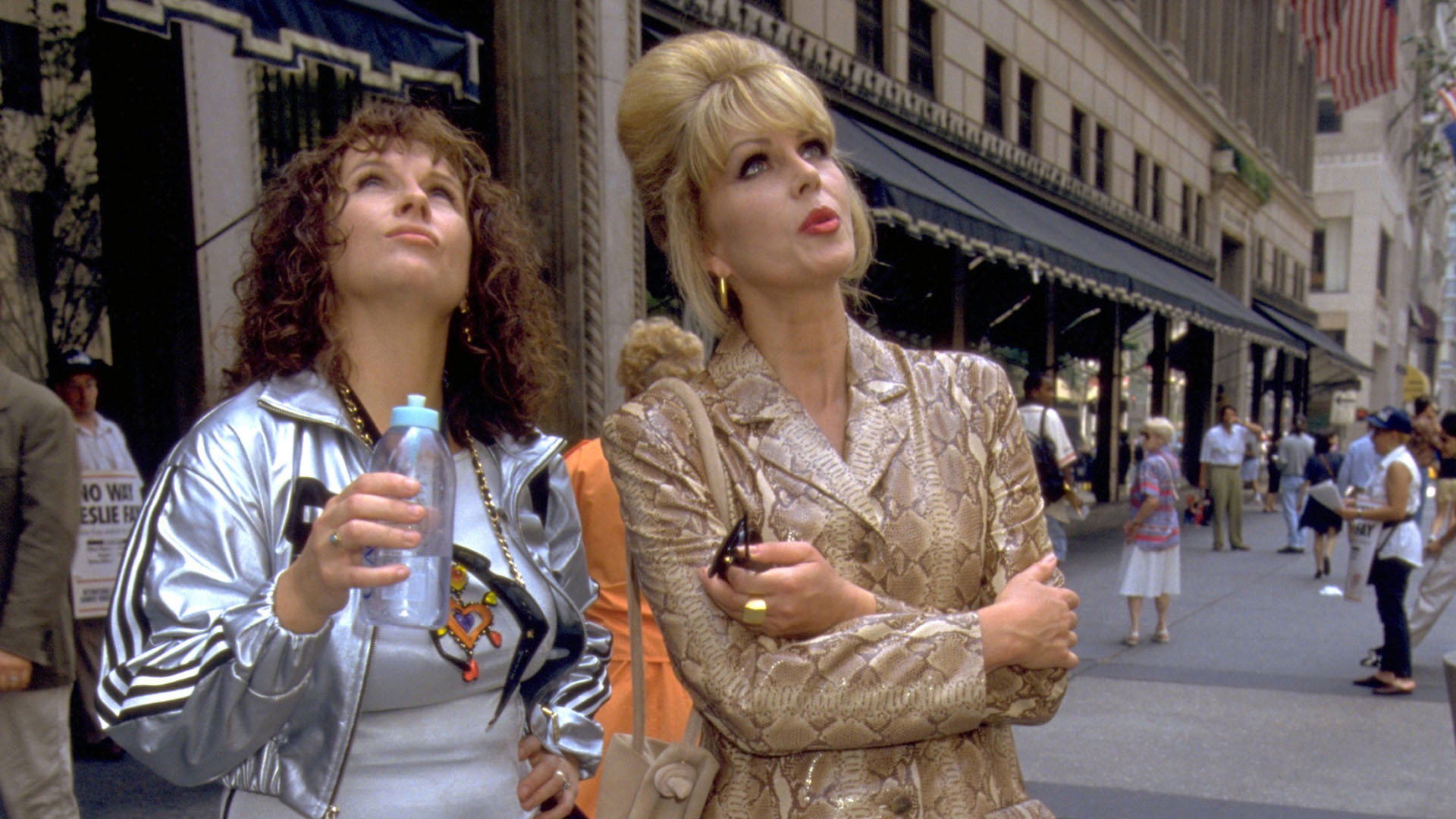
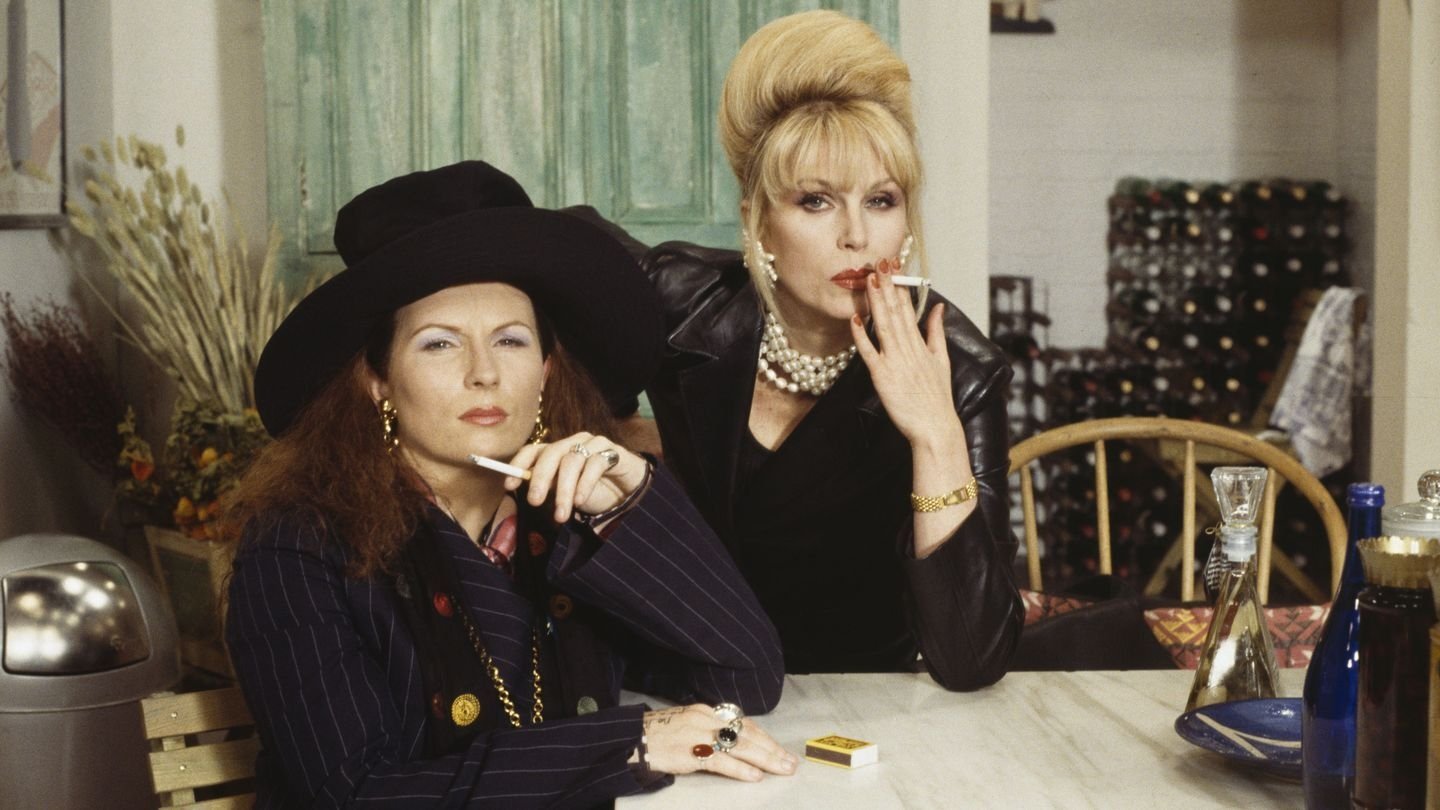
Jennifer Saunders and Joanna Lumley are ferociously funny together in Absolutely Fabulous. Celebrity appearances sometimes interrupt the better jokes, but the regular cast makes these selfish, exhausting people worth spending half an hour with.
Absolutely Fabulous understands the appeal of people we would make some effort to avoid at dinner. Jennifer Saunders writes and plays Edina Monsoon, with Joanna Lumley as her foil, Patsy Stone. Their performances make this a sharply funny sitcom, worth recommending with a warning about the occasional celebrity guest and overworked situation. The half-hour format helps us enjoy their company without having to endure quite as much of it as the other characters do.
Lumley is the chief reason to begin. Patsy’s work in fashion and her drinking give the performance plenty of obvious targets, and Lumley could settle for making her noisily unpleasant. Instead, she gives Patsy’s contempt such assurance that being disagreed with seems to offend her on professional grounds. We laughed at the seriousness with which she dismisses other people, then felt a little ashamed of enjoying it. Lumley makes that small discomfort part of the pleasure.
Saunders has the more difficult comic job, since Edina must be substantial enough to withstand Patsy rather than simply wait for her next remark. There is something satisfyingly undignified about her performance: she allows Edina to be irritating without trying to make us like her. The writing occasionally presses too hard, asking an exaggerated response to do the work of a fresh joke. Most of the time, though, Saunders knows how funny someone can be when they cannot see why anyone else should object.
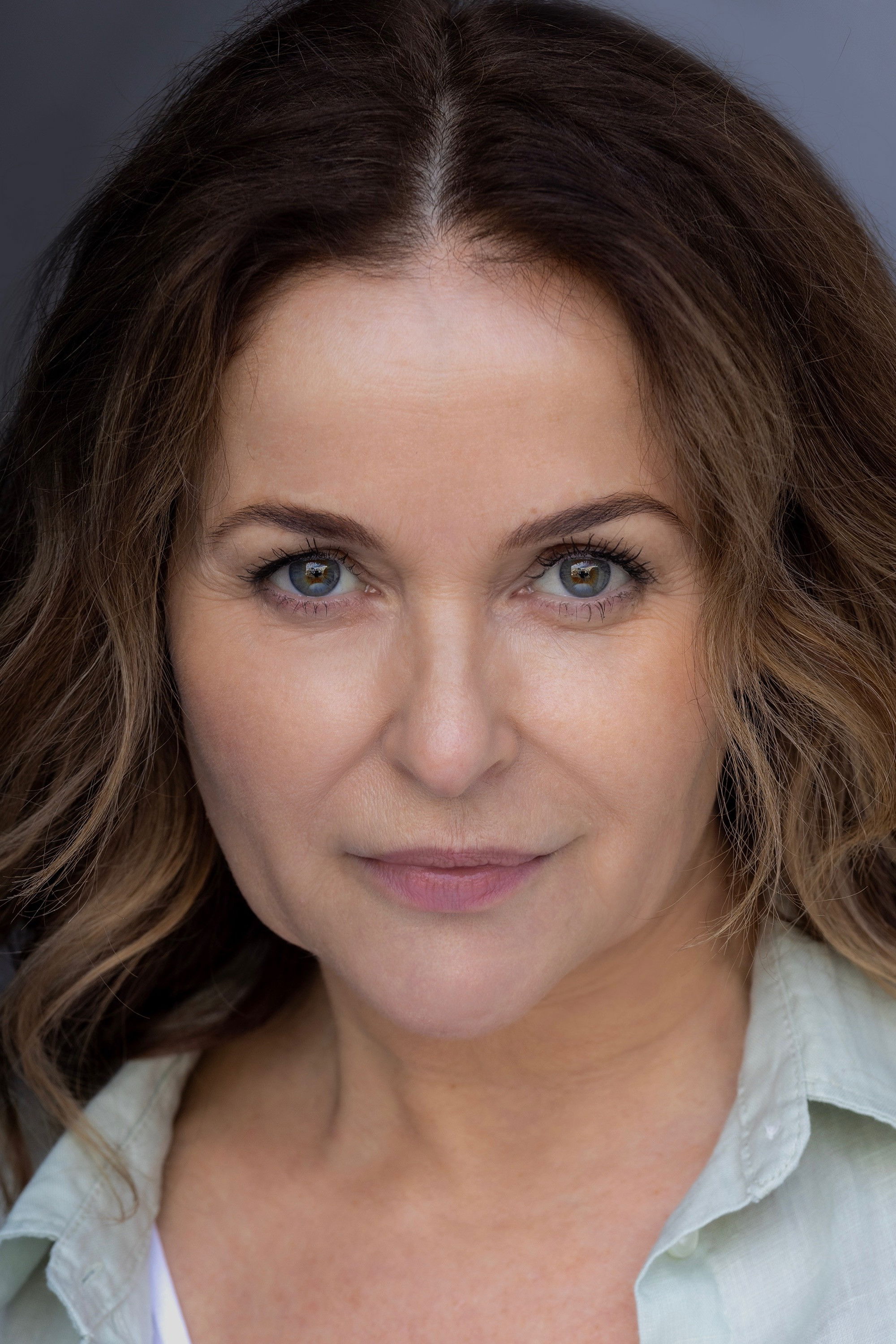
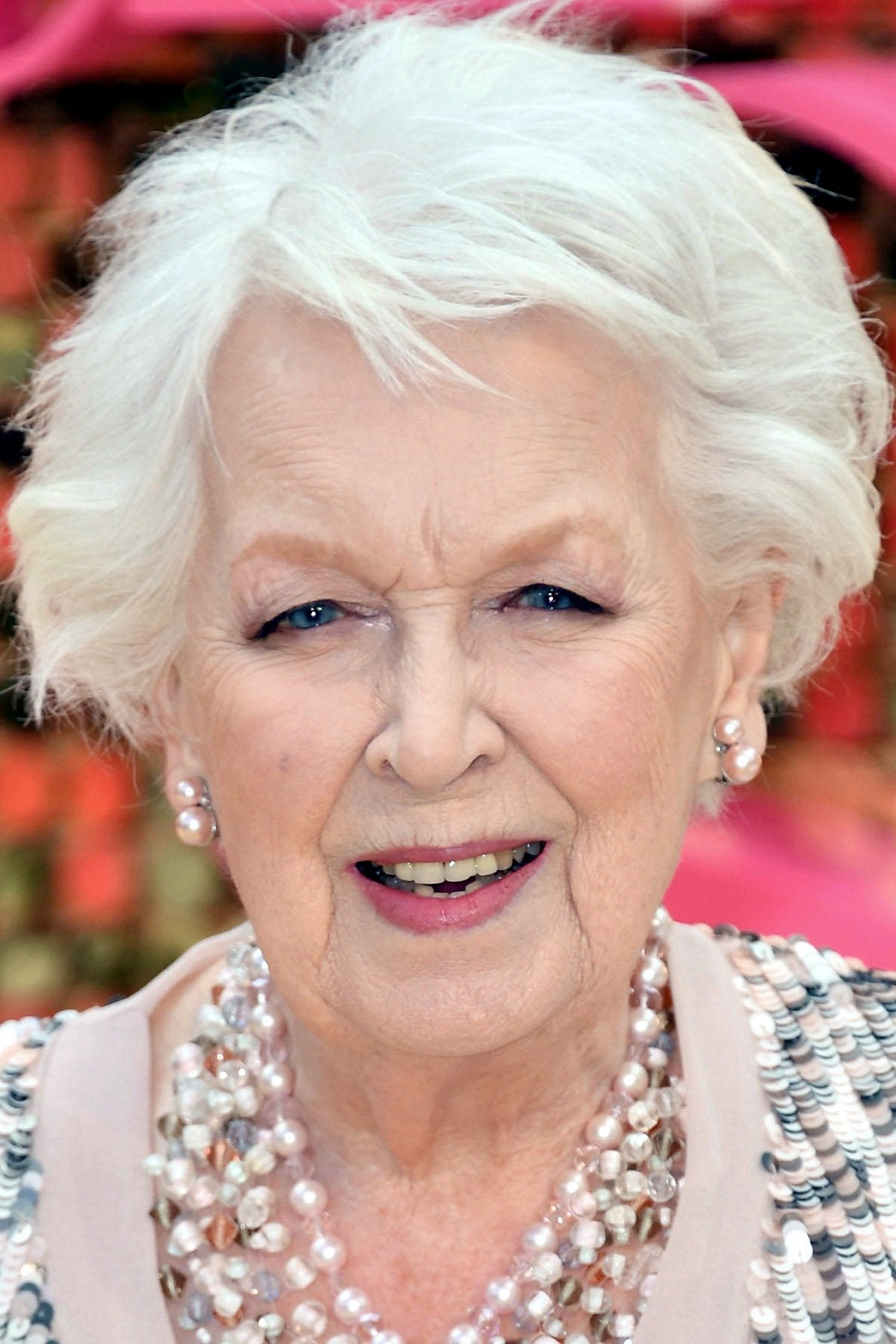
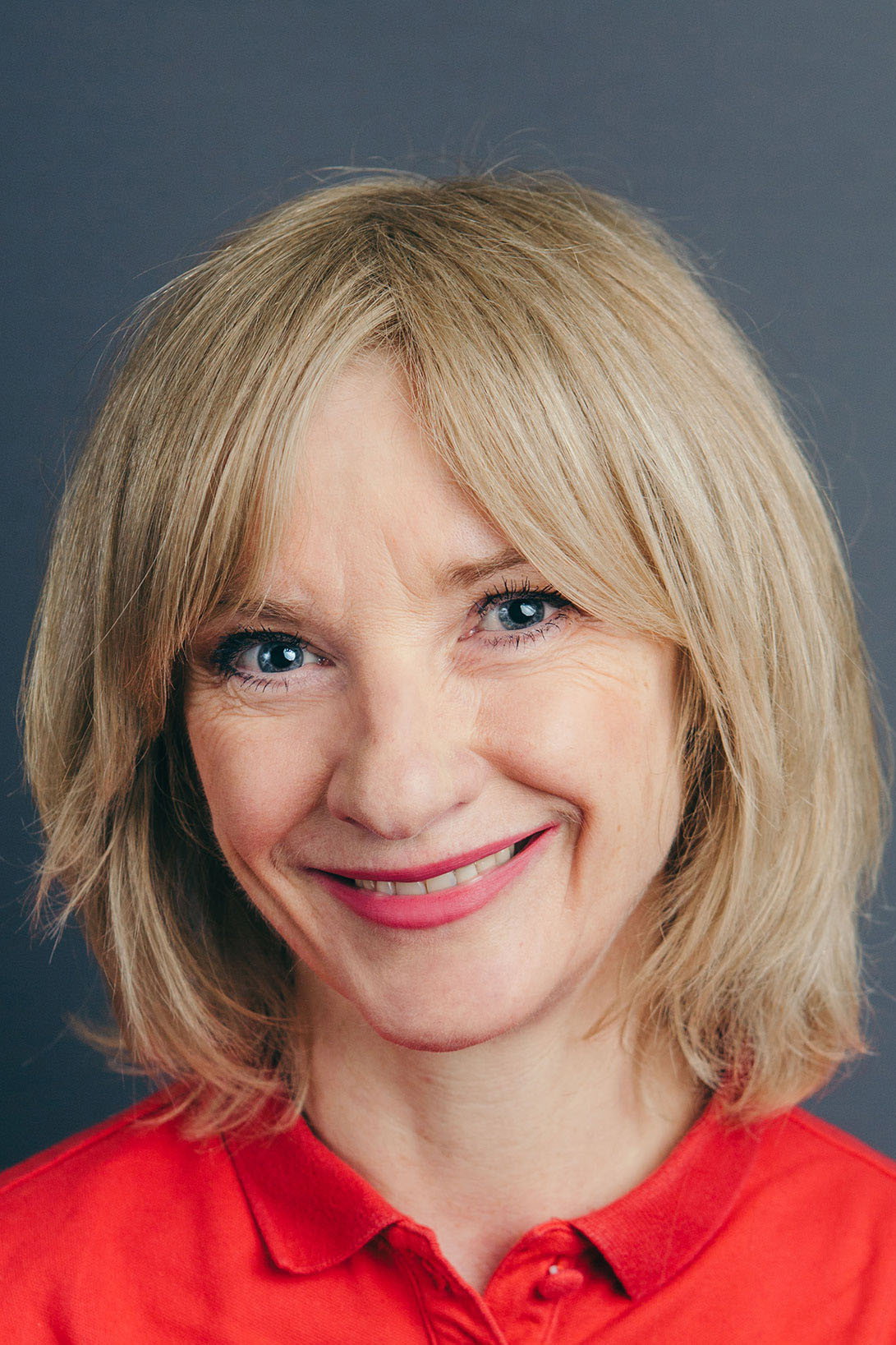
Julia Sawalha’s Saffron, or Saffy, is essential to making that objection count. Sawalha has enough firmness to register alongside the leads, and keeps their behaviour from becoming the only available way of seeing things. June Whitfield, as Mother, is particularly good at giving the comedy a quieter emphasis without letting it lose momentum. The supporting performances help us notice how unreasonable Edina and Patsy are, even while the leads are getting the biggest laughs.
Directors including Bob Spiers and Dewi Humphreys give the actors space to be funny together. The timing depends on how long Patsy can let her disdain sit before somebody answers her, or how insistently Edina can prolong a complaint. Those exchanges are generally well handled, and they suit a programme that runs to 30 minutes. There is little need to make the situations bigger when the cast can make an ordinary disagreement this aggravating.
The weaker stretches mistake additional fuss for additional comedy. Tabloid material fits Patsy and Edina well, but some celebrity appearances require recognition to supply the laugh, and the broader sequences can continue after their jokes have run out. The second series sometimes strains this way, even though the performances remain strong. The frustration is that the regular cast remains capable of making a smaller scene much funnier.
As a sitcom, this is unusually willing to let its central women be unpleasant without making their reform the evening’s business. Saunders and Lumley pay close attention to the qualities that would make their characters intolerable across a table. There is affection in the playing, and enough confidence to let us decide how much sympathy either woman deserves. Watch for the regulars, and allow for the occasional guest who takes rather too long to leave.