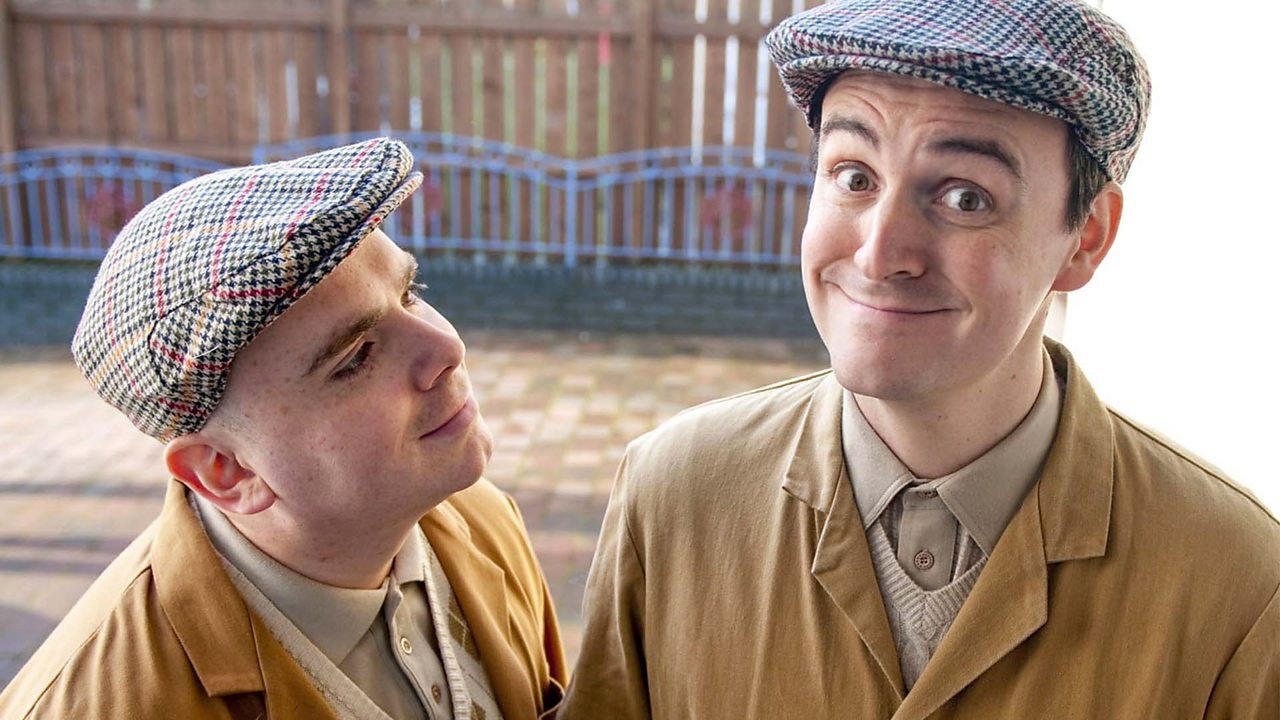
Iain Connell and Robert Florence’s sketch show about a made-up Scottish town is patchy in the way every sketch show is patchy, and at its best as funny as anything British television made in those years. Put the subtitles on if you need them and stay.
Burnistoun is a sketch show built around a single made-up Scottish town, written by Iain Connell and Robert Florence, who also play most of the people in it. It ran for three series of six half-hours, the first from 1 March 2010, the last from 13 August 2012, and was made for BBC Scotland. The idea is simple and mostly sound: keep all the sketches in one place, let the characters share a butcher’s and a pub and a stretch of pavement, and see whether a town accumulates. It does, more or less.
Our verdict is that it is good rather than great, and that the gap between its best five minutes and its worst is wide. That is true of every sketch show ever made, and we do not hold it against this one more than the others. When it lands, it lands hard. The sketch in which two men step into a lift with voice recognition and cannot get it to understand the word eleven is the most famous thing the programme did, and it deserves to be. We laughed until it hurt, and then felt slightly ashamed, because the joke is partly on the Glaswegian accent and partly on us for finding that funny. Connell and Florence know exactly which side of that line they are standing on.
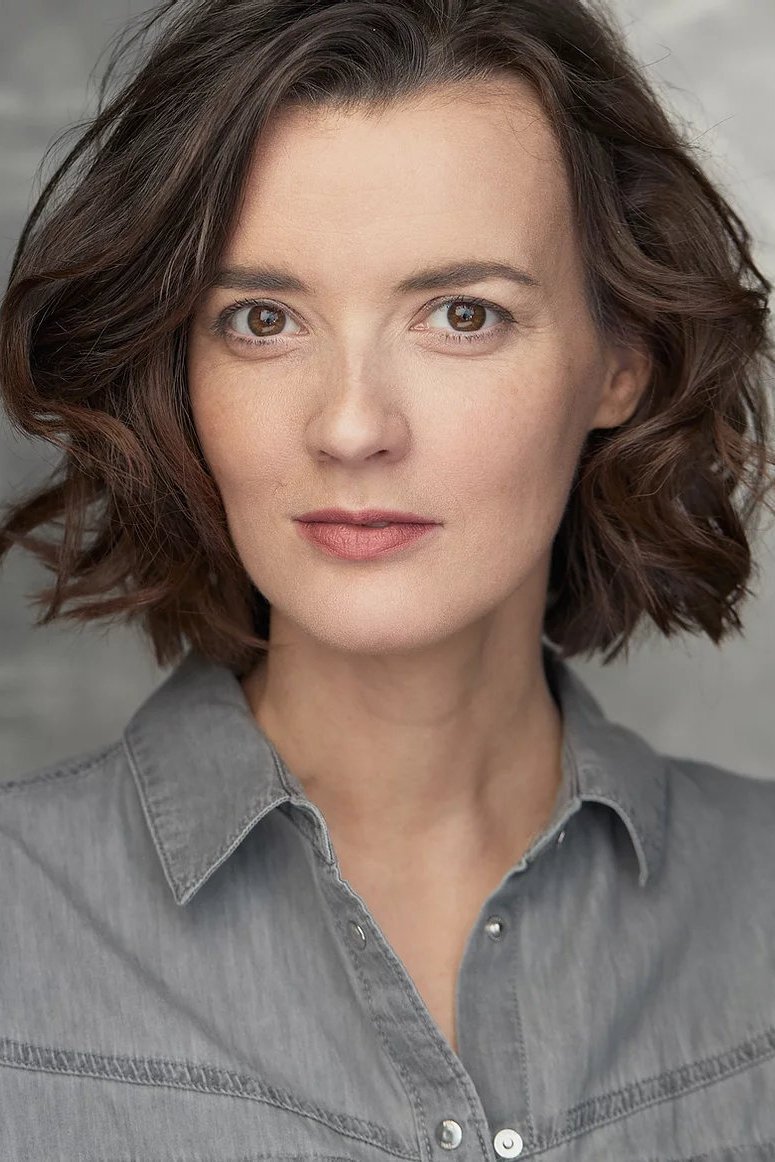
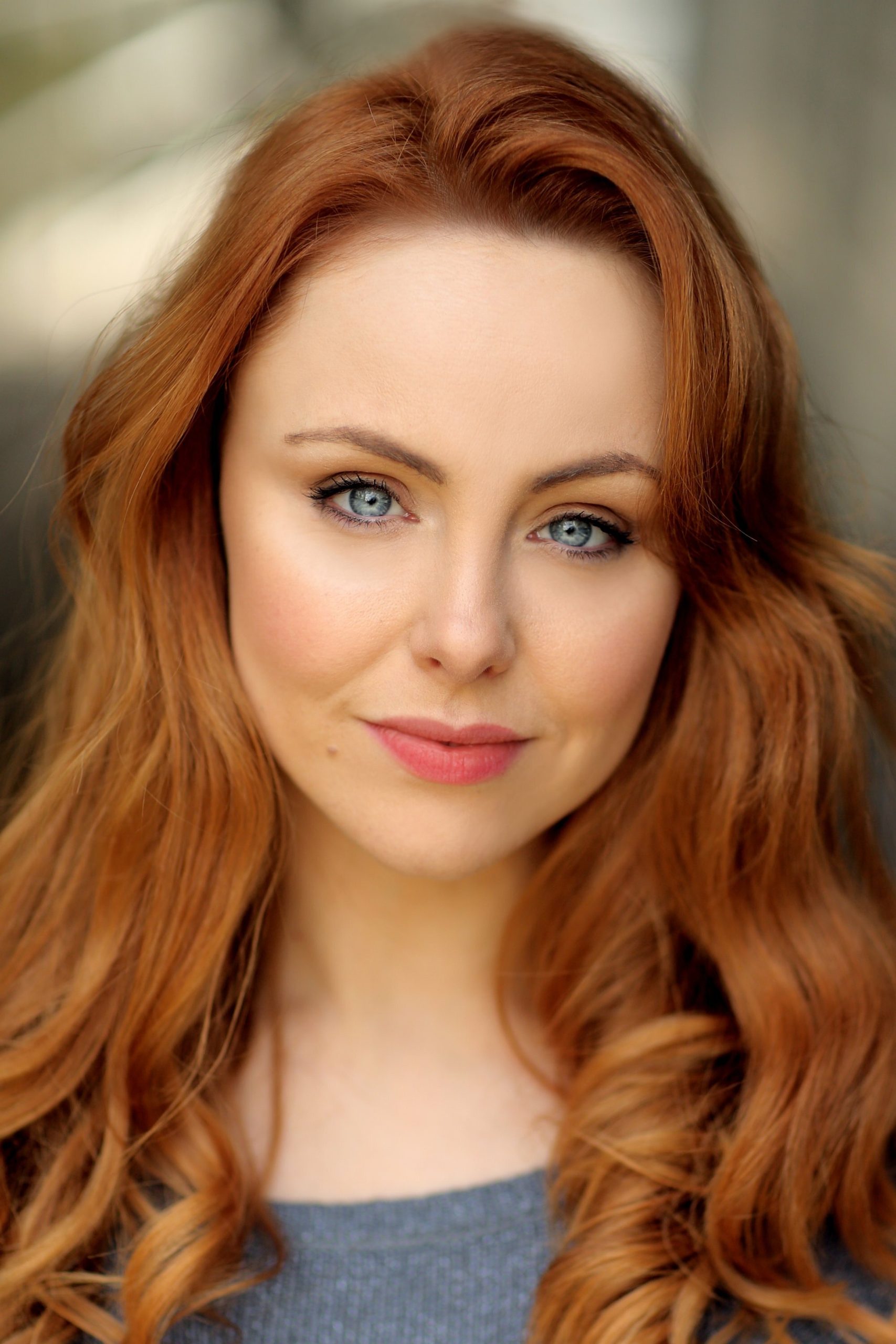
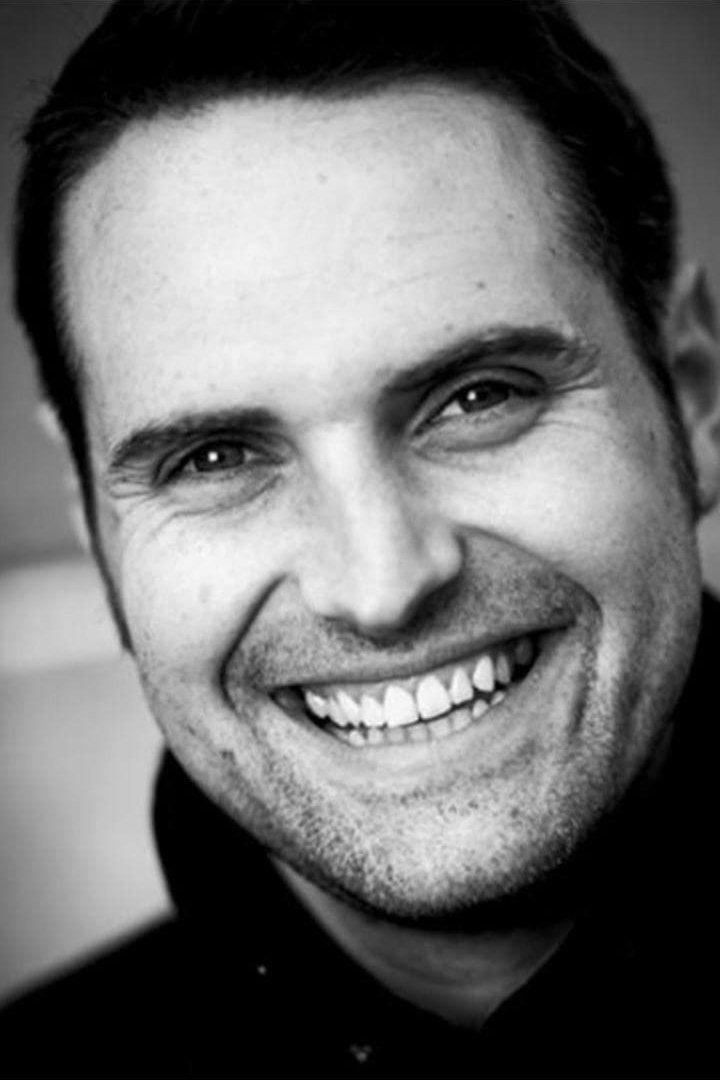
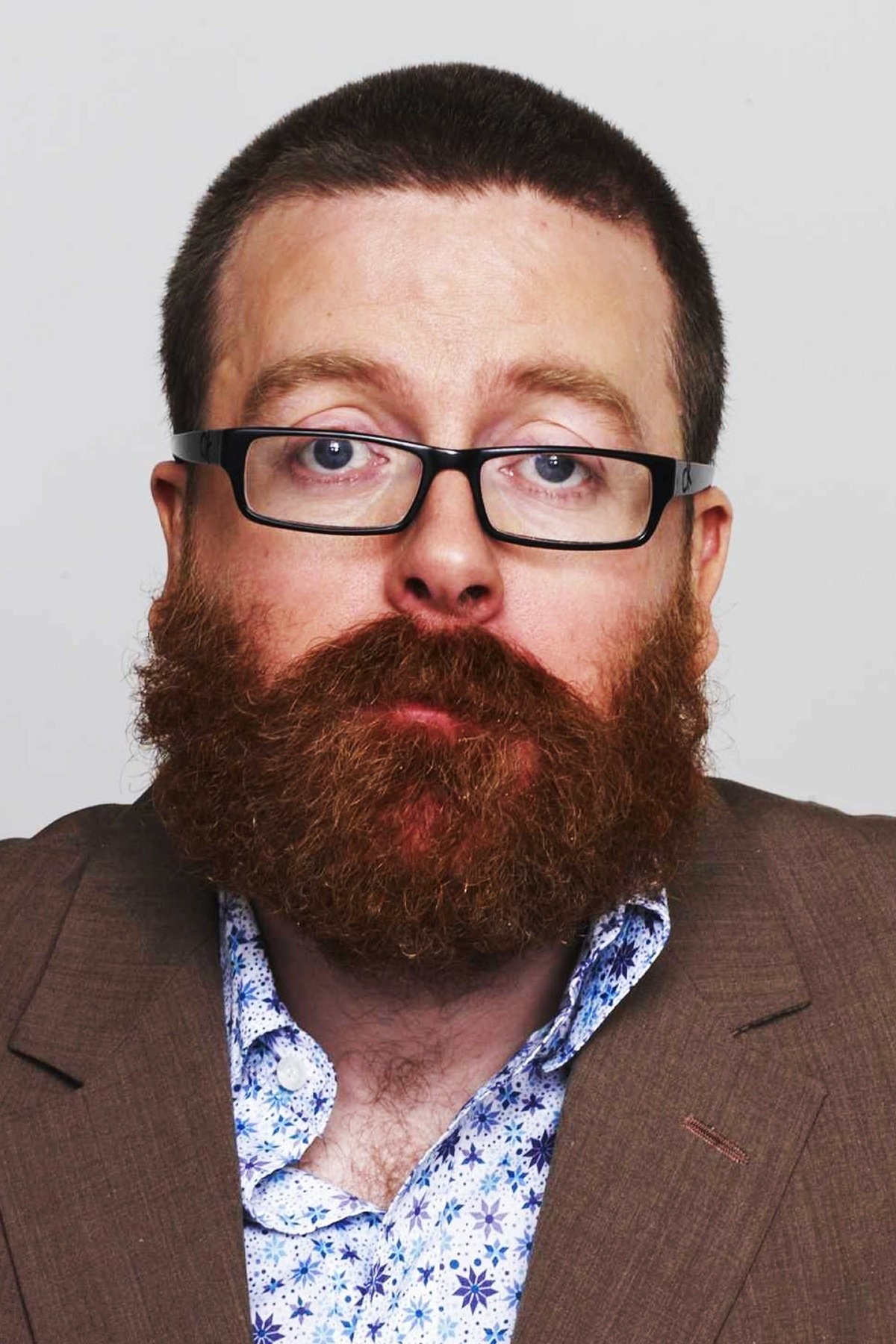
As performers they are well matched. Florence plays big: men who announce themselves, who take offence before anyone has spoken, who have a plan and want you to hear it. Connell plays small, the man beside the big man, and gets most of his laughs from a pause or a look. Richard Rankin, Kirsty Strain, Louise Stewart and Gerry McLaughlin are given less to do than they could handle, though Strain in particular can hold a scene without a punchline in it. Frankie Boyle turns up as the spokesman for Cumber’s Pies and is used sparingly, which is the right amount of Frankie Boyle for a show that is not his.
It looks cheap, and we think it means to. Oliver Cheesman and Alan McSheehy shoot the town in flat daylight, in real streets and back rooms, so a sketch about a man losing his mind in a shop looks like footage somebody’s cousin took in a shop. Iain McDonald’s production design gives the place a butcher’s and a pub that could be anywhere in the west of Scotland, which is the point of the town’s name. The editors, Walter J Grant, Laura Wilson and Calum Ross, cut quickly and are willing to end a sketch a beat early rather than a beat late, though not always. Julian Corrie’s music does what sketch-show music should, which is get out of the way.
The faults are the usual ones. A recurring character comes back a third and fourth time after the joke has been made, and the fourth appearance is the one you remember. Some sketches have a good first minute and a second minute that exists because the first did. By the third series the town feels a little smaller than it did, and the writing leans harder on catchphrases, which is what happens to sketch shows that have found an audience and want to keep it. None of this is fatal. It is the difference between a very good sketch show and a short list of the best.
The programme had one national review of any size when it started, in the Guardian, and it was a rave that spent much of its length complaining that nobody outside Scotland would get to see it. We agree with the complaint more than the rave, though not by a lot. The one thing an English viewer will notice first is the language, which is thick and fast and unapologetic, and the show does not slow down to help. It should not have to.
If the accent defeats you in the first five minutes, put the subtitles on and keep going. The jokes survive the translation, and after an episode you will not need them. Eighteen half-hours is not a large commitment, and the lift sketch alone is worth the first one.