Ben Stiller’s seven-part account of the 2015 escape from a New York state prison is superbly acted, above all by Patricia Arquette and Eric Lange, and a good two hours too long. Worth your evenings, if you can sit still through the middle ones.
In June 2015 two convicted murderers cut their way out of Clinton Correctional Facility in Dannemora, upstate New York, with the help of the woman who ran the prison tailor shop. Ben Stiller has made seven episodes of it, from scripts by Brett Johnson, Michael Tolkin and Jerry Stahl, and the break itself is not what interests him. He wants to know why she did it, and what each of the three people at the centre thought they were getting. It takes him all seven episodes to answer.
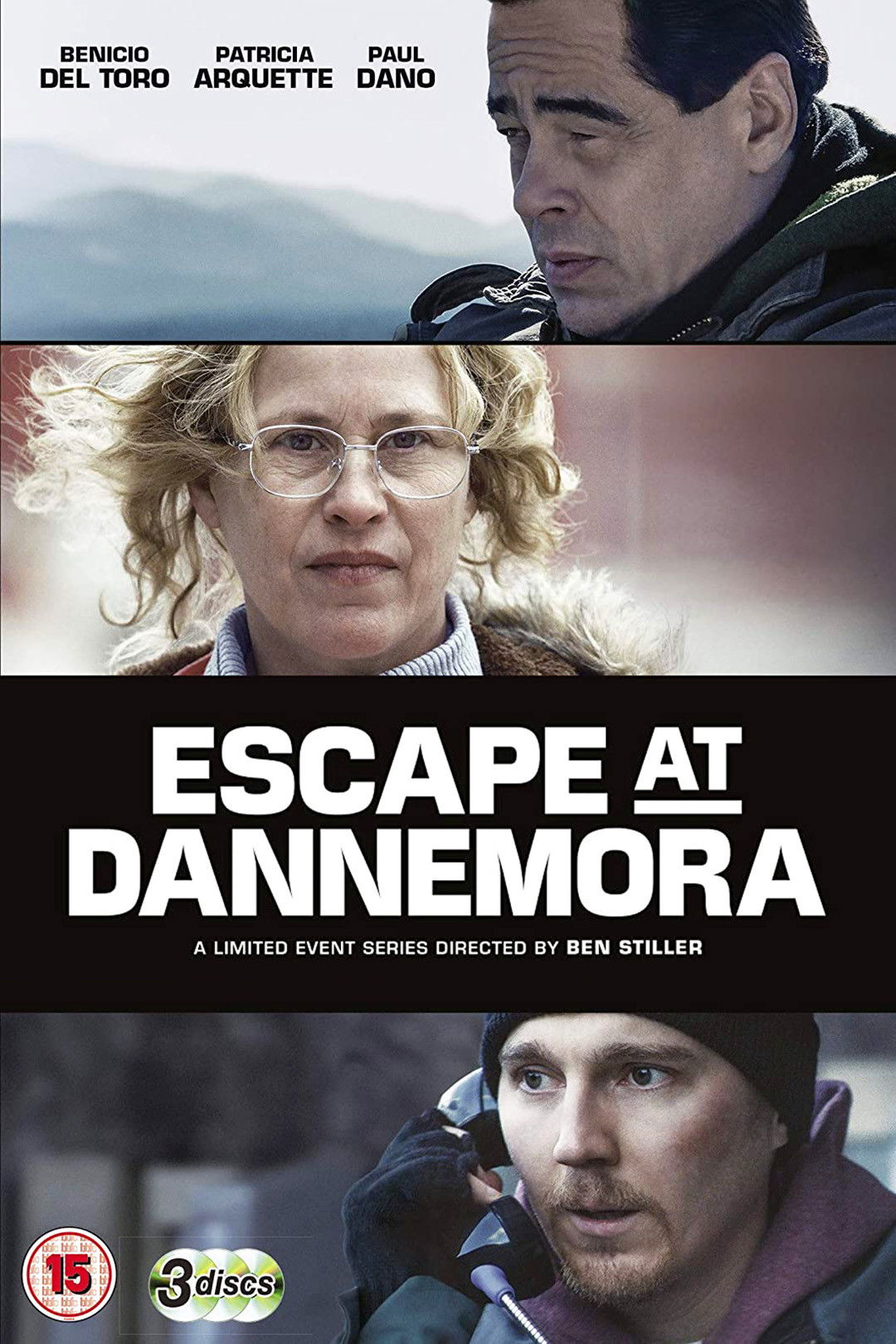
Patricia Arquette’s Tilly is the reason to watch. She is vain, sulky and not especially bright, a woman who has decided that a small prison town owes her something and that David Sweat (Paul Dano), a lifer, is it. Arquette gives her a downturn at the mouth and a way of talking to the inmates as if she were the one being done a favour. We could not stop watching her, because she is the only person in the series who does not know how she looks. David C. Robinson dresses her in fleeces and denim that have been through the wash too often.
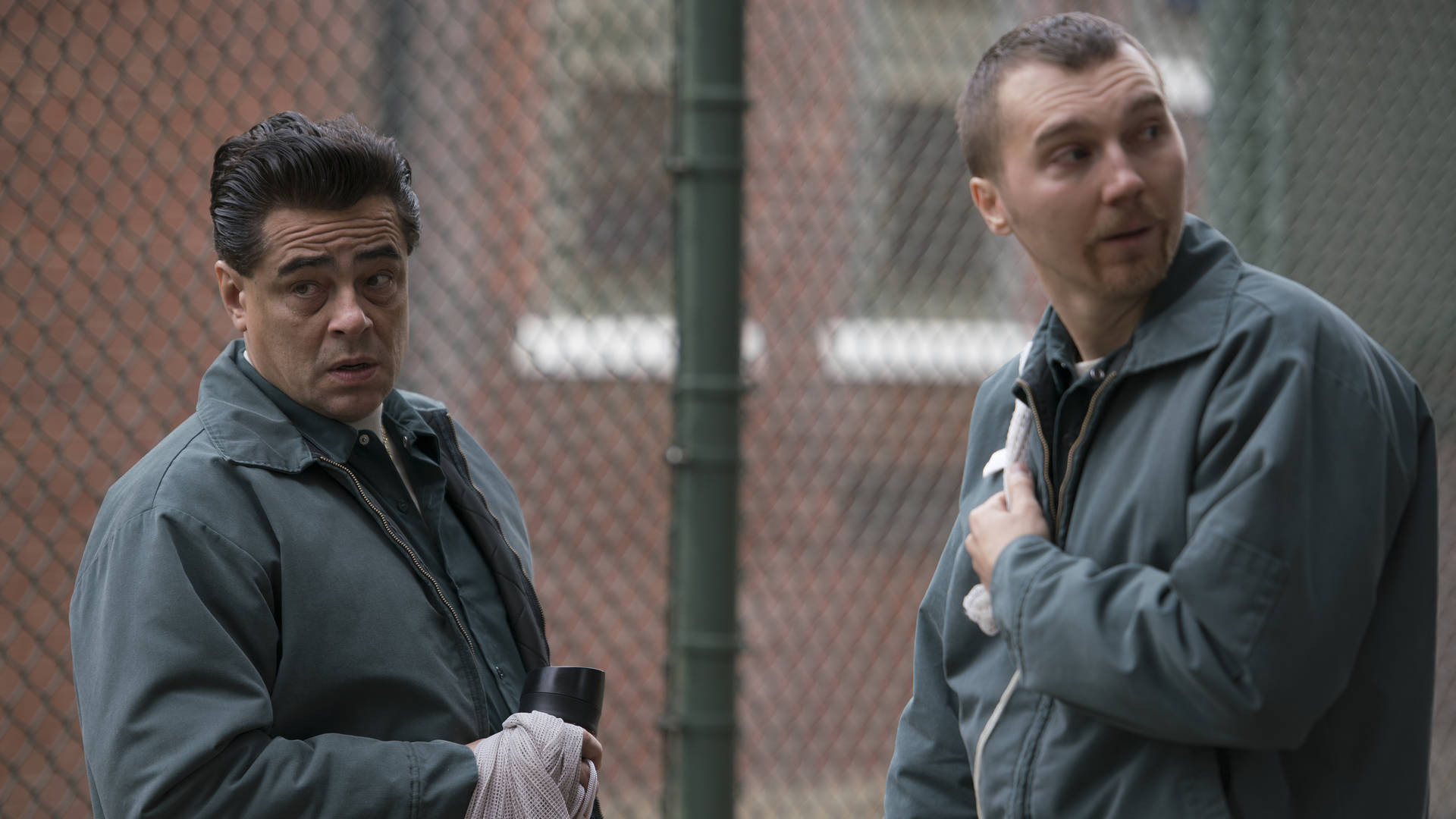
Benicio del Toro’s Richard Matt is the older man on the block, a painter who does portraits for the guards, and del Toro plays him almost horizontal: heavy eyelids, a slow voice, a man who has worked out that the one who waits gets what he wants. David Morse’s Gene Palmer, the officer who takes the paintings and looks away when asked, shows how a whole institution goes soft one small favour at a time. Dano is the engineer, wiry and patient. He does the actual cutting, and he has the fewest lines of the three.
Jessica Lee Gagné shoots the prison in the flat white light of a northern New York winter and follows people through it in long unbroken takes, down the catwalks behind the cells and along the pipes below them, so we learn the building as the escapers do. Mark Ricker’s tailor shop is fluorescent tube, grey sewing machines and racks of finished trousers. Edward Shearmur keeps the score small and lets the building make the noise: machines, steam, steel on steel.
We were bored across the fourth and fifth hours. The writers keep returning to the same handful of scenes: Tilly sulking at the kitchen table, Tilly flirting across a cutting bench, two men measuring a wall. Then the crawl came, Sweat working his way along a steam pipe with a torch and not much air, Gagné’s camera in there with him and no cut for what felt like several minutes, and we felt our own sitting room shrink. It is the best thing Stiller has directed, and the series makes us wait a long time for it.
The performance that stayed with us is Eric Lange’s Lyle Mitchell, Tilly’s husband, who works at the prison too and drives her in. He buys what she asks for and believes what she tells him, and Lange plays him without a flicker of suspicion, a big soft man who thinks his marriage is fine. We winced each time he was kind to her, because we knew what she did with her afternoons and he did not. Bonnie Hunt, as the state investigator, brings an unimpressed patience to the framing scenes.
Perhaps a third of the series is not needed, and most critics have said as much. Watch two episodes at a sitting rather than one; on its own, each hour can feel like a week in Dannemora. It is a 15 certificate, mostly for what Tilly and the men get up to behind a rack of finished trousers, and none of it is filmed to be enjoyed. That, at least, is the right decision.