Series review

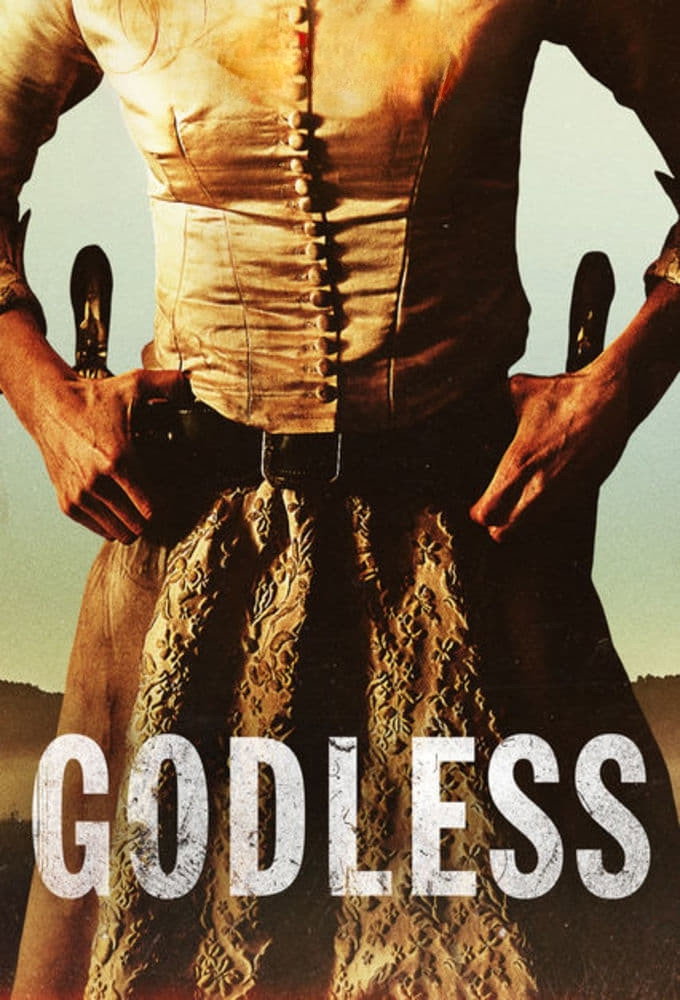
Godless

2017 · Created by Scott Frank · Series · MPA TV-MA

In a sentenceA whole town of widows, and the series still keeps wandering back to the men with the guns

WesternDrama

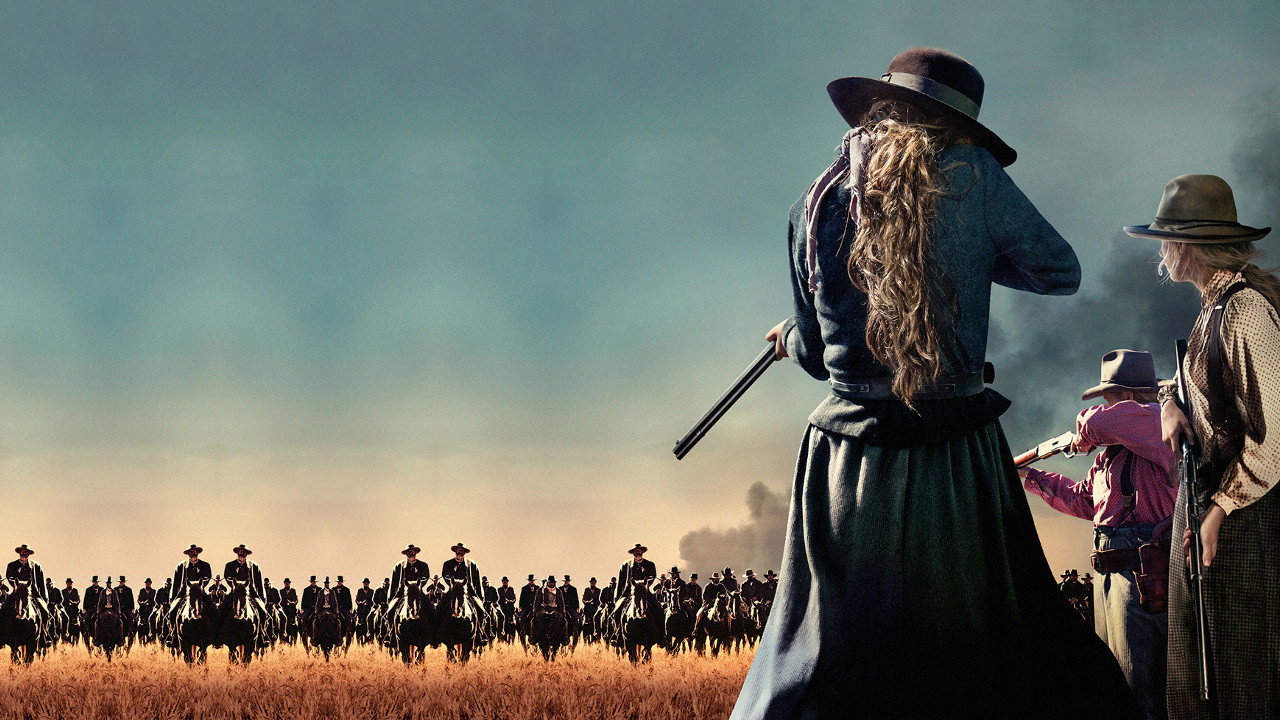
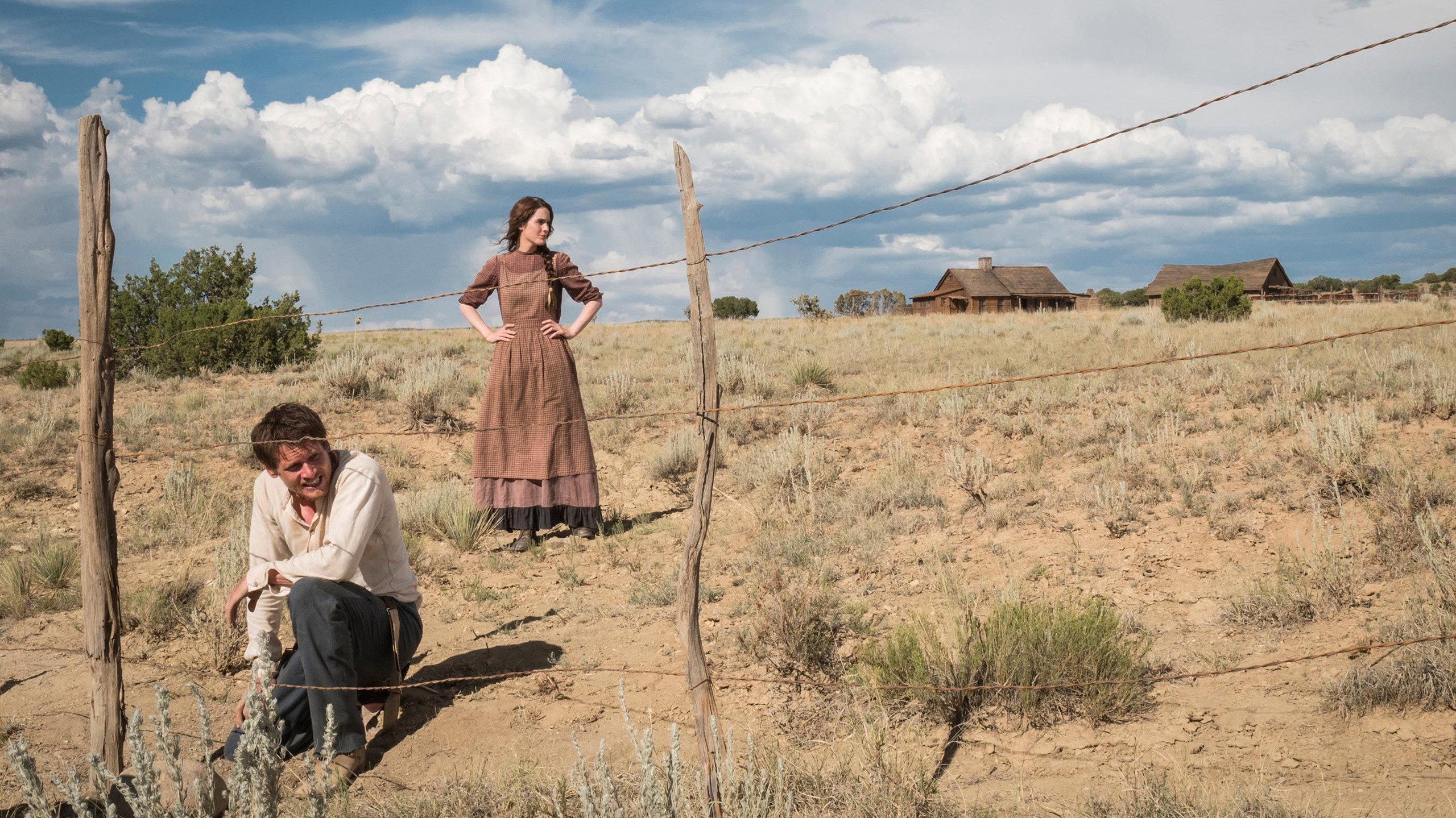
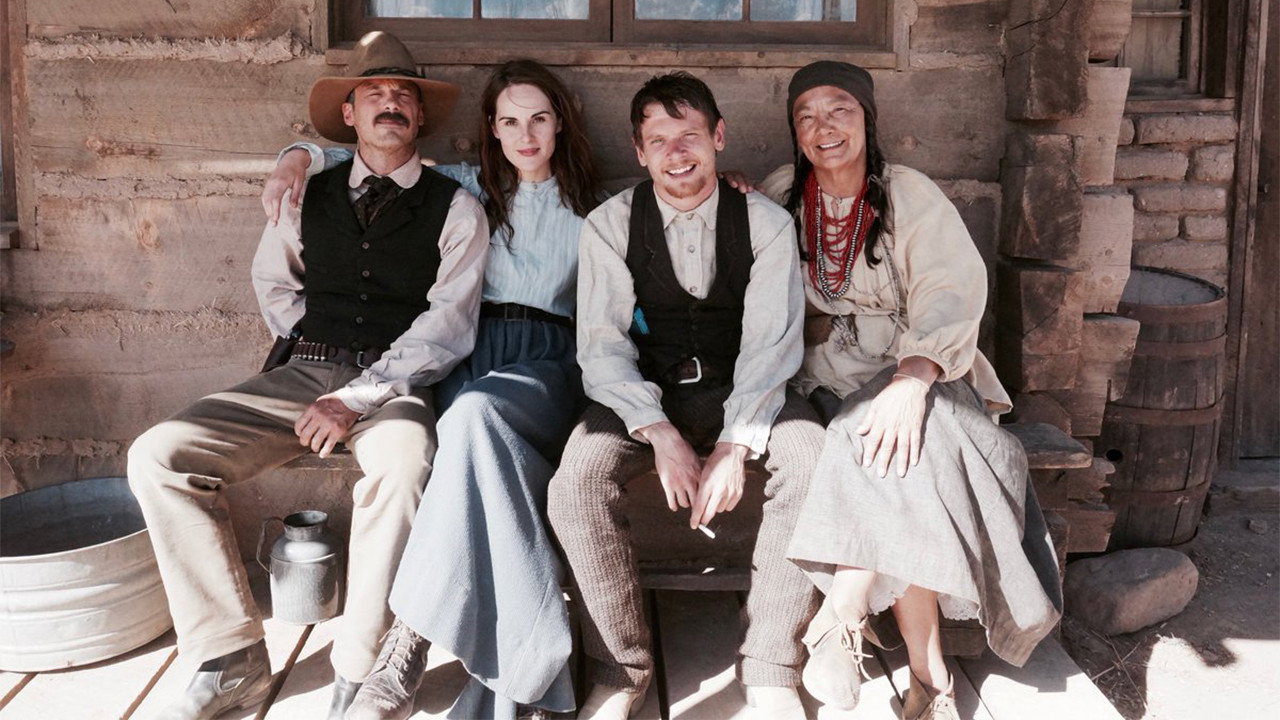
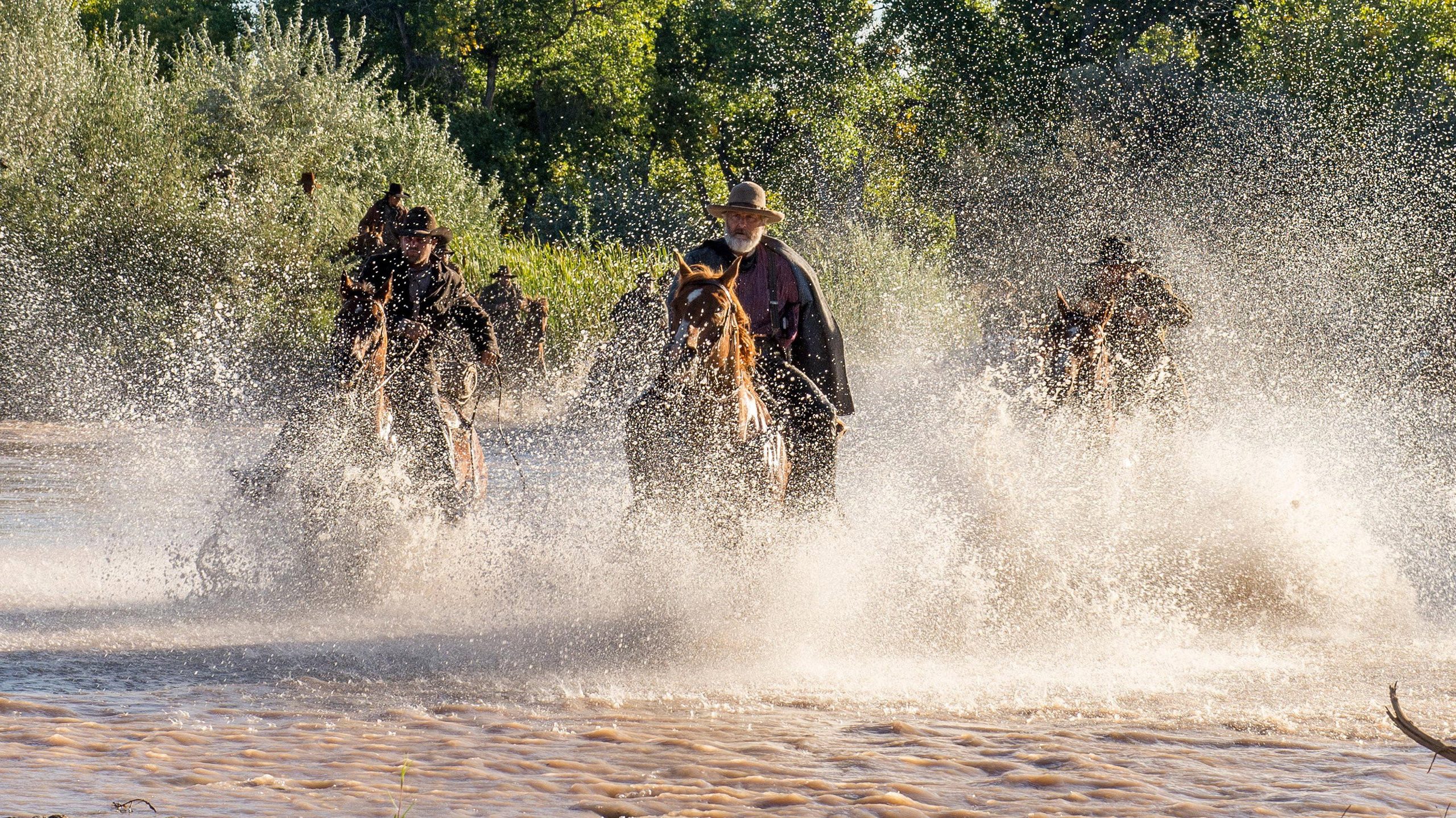
New Mexico Territory, the 1880s. Frank Griffin (Jeff Daniels), a one-armed outlaw who preaches as readily as he shoots, has wiped out the town of Creede and is hunting the man who betrayed him: Roy Goode (Jack O’Connell), his former protégé, who turns up in the dark at the ranch of Alice Fletcher (Michelle Dockery) and is shot for his trouble. Alice is a widow living outside La Belle with her son and her Paiute mother-in-law, Iyovi (Tantoo Cardinal). La Belle has almost no men: a mine accident killed most of them, and the town is now run by Mary Agnes (Merritt Wever), whose brother Bill McNue (Scoot McNairy) is a sheriff losing his eyesight. Marshall John Cook (Sam Waterston) follows Griffin’s trail, and everyone can guess where it ends.

Plays from YouTube when you press play; nothing loads from them until then.

Fi1m review

Scott Frank’s seven-part western is handsome, patient and well acted, and Jeff Daniels and Merritt Wever are the best of a strong cast. It is also two episodes longer than its story, and it keeps setting aside its best idea, a town run by women.

Scott Frank wrote Get Shorty and Out of Sight, crime films in which people talk far more than they shoot, and Godless, which he created, wrote and directed across all seven episodes, is his western. It is set in the New Mexico Territory in the 1880s, mostly in and around La Belle, a mining town where an accident underground has killed most of the men and left the women to run what is left. It is a good series, made with care and acted with more than care. It is also two episodes longer than the story it has to tell, and we felt every one of the extra hours.

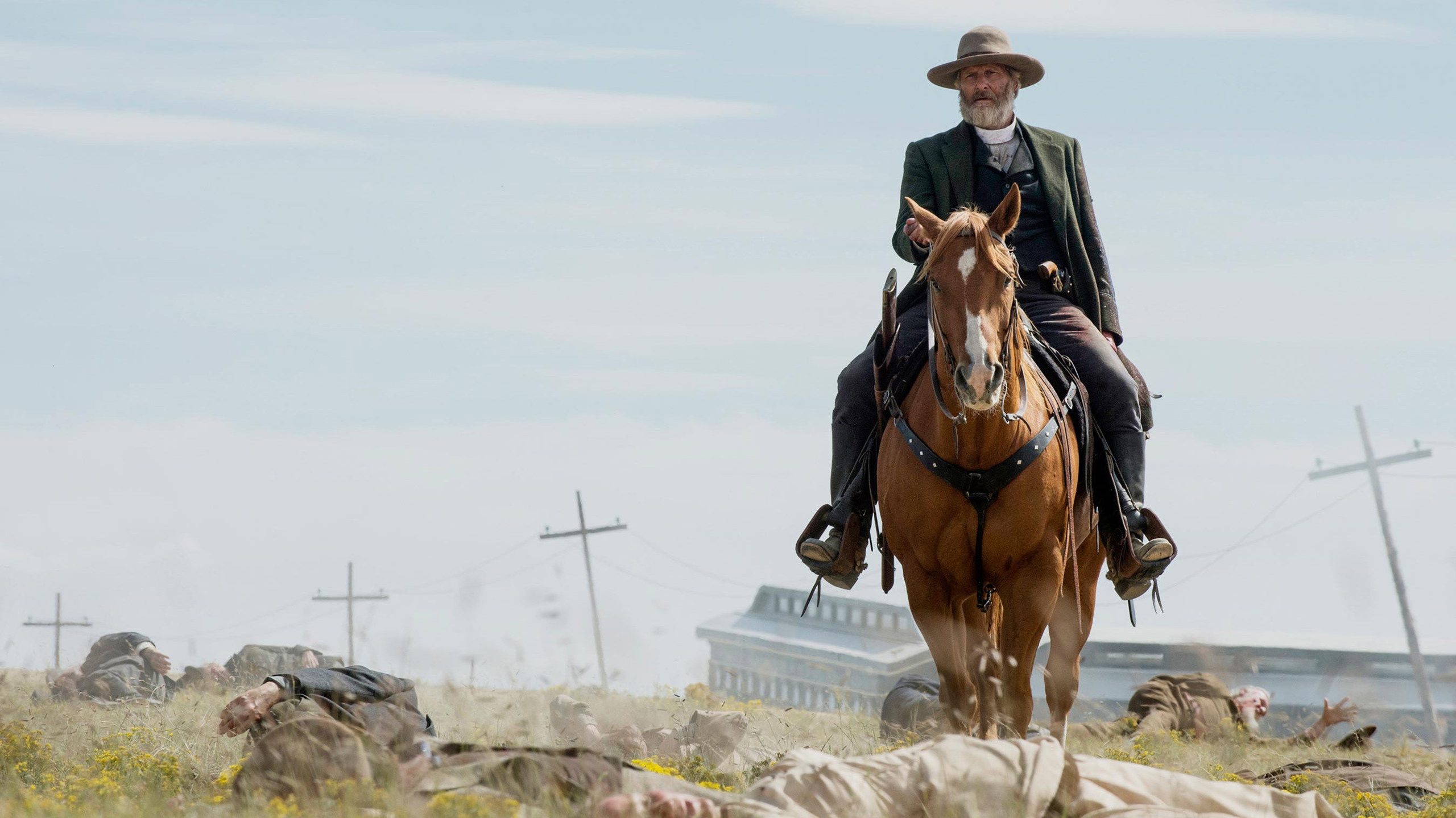
It opens well. Marshall John Cook (Sam Waterston) rides into Creede after Frank Griffin’s gang has been through, and Frank keeps the camera back and the music away, so we take in the whole street before we understand what is hanging over it. We were horrified, and it was the quiet that did it. Nobody screams, nothing burns, the wind moves the dust about, and a decent man on a horse looks at what people have done and has no words for it. The series never frightens us as much again, and we are not sure it means to.

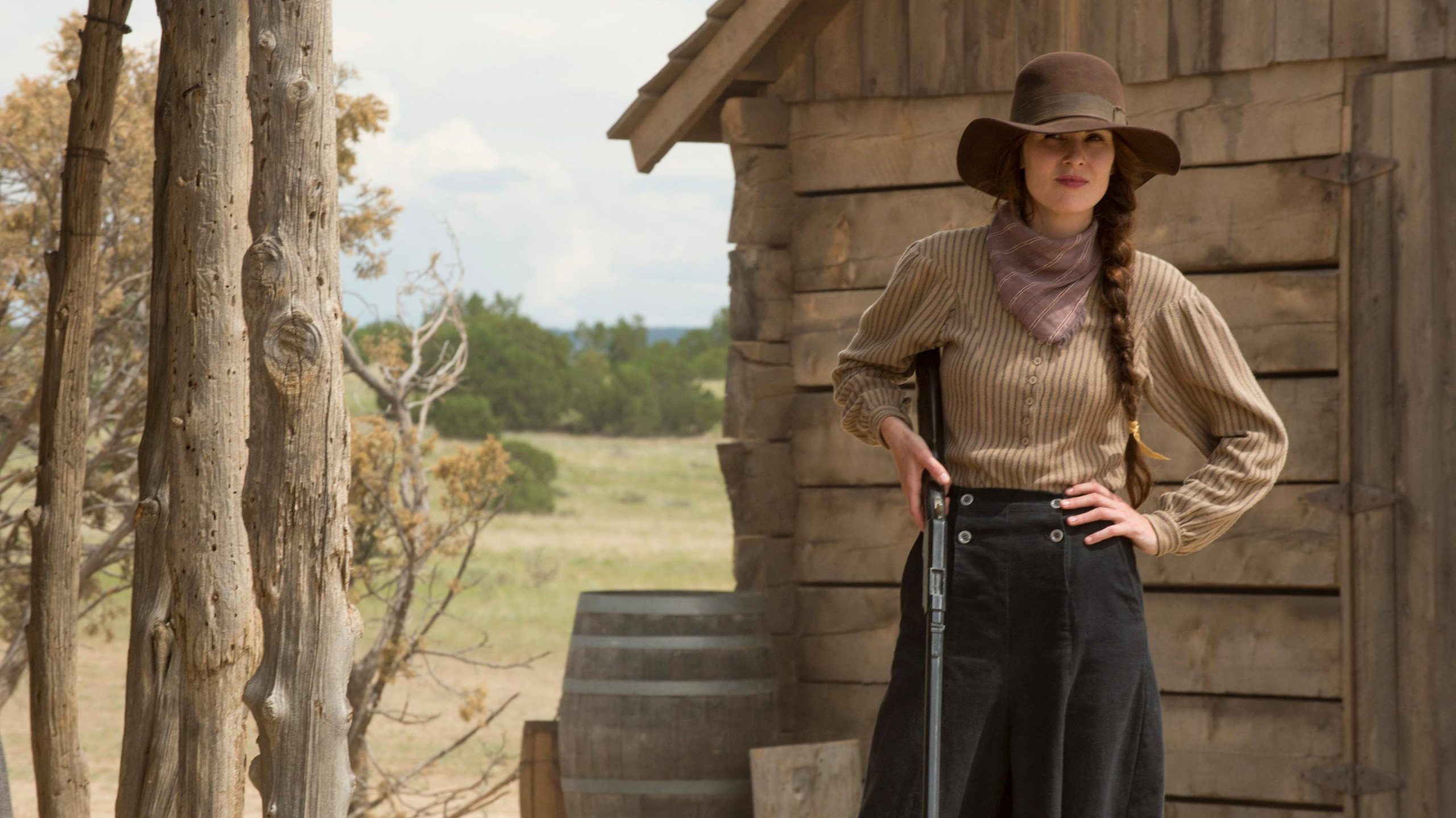
Steven Meizler shoots the country wide and low, riders small under a sky that takes up two-thirds of the frame, and he is fond of the hour when the light goes orange and the shadows run long across the grass. David J. Bomba and Carlos Barbosa give La Belle a half-finished look, raw timber and a cemetery that is bigger than the main street. Betsy Heimann dresses the women in the practical browns of people with work to do and puts Griffin in the long black coat of a man who wants to be taken for a preacher. Carlos Rafael Rivera’s score is mostly guitar, sparingly used, and Michelle Tesoro cuts as slowly as Frank writes, holding on faces for a beat past the point another editor would leave.

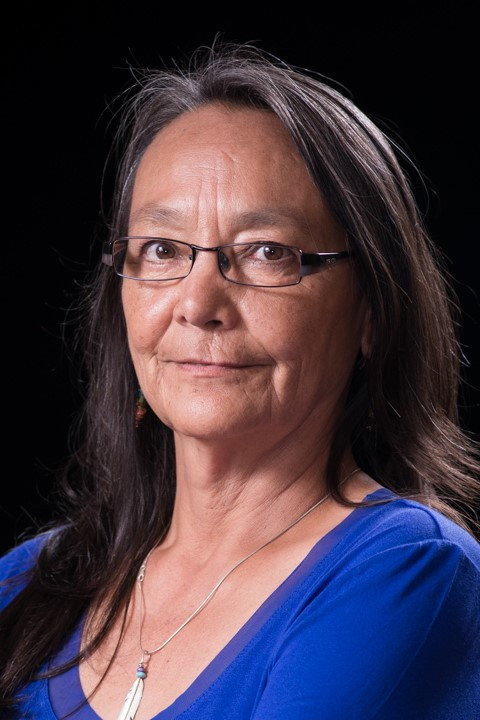
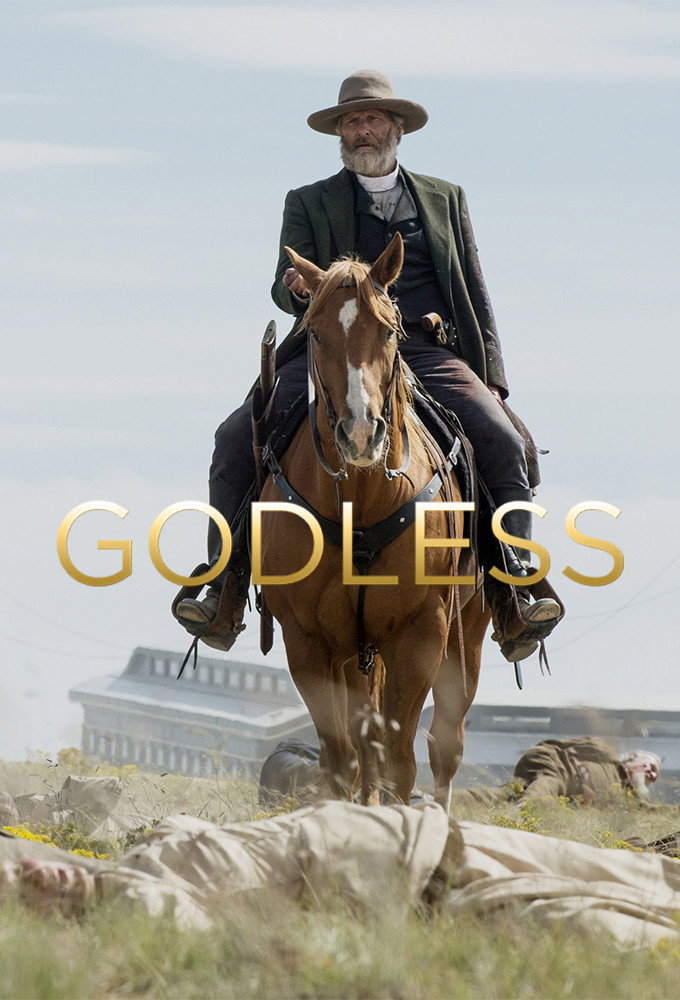
Jeff Daniels plays Griffin quietly, which is the right choice and the frightening one. He does not rant. He reasons with people, explains why what is about to happen is only fair, and sounds as if he believes it. Jack O’Connell, an Englishman, holds an American accent for seven episodes and plays Roy as a man who says as little as he can and means all of it; the two of them are built to be compared and the comparison holds. Michelle Dockery is stony and capable as Alice, and Tantoo Cardinal, given less than she deserves, makes Iyovi the one person on the ranch who is never fooled by anybody.

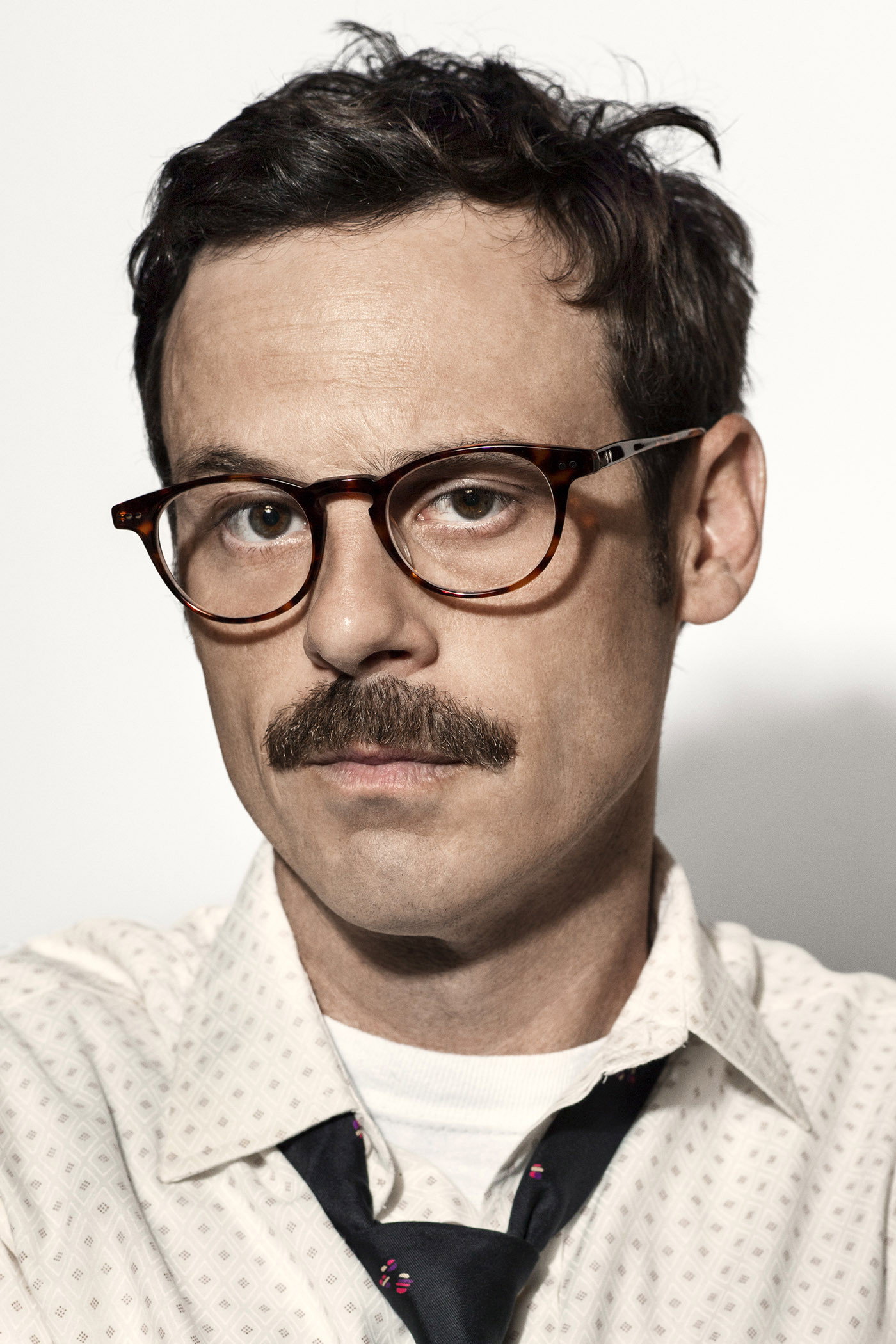
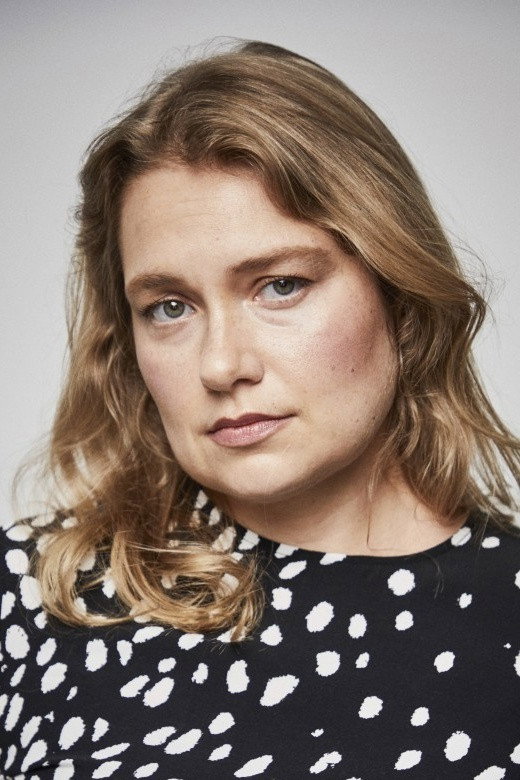
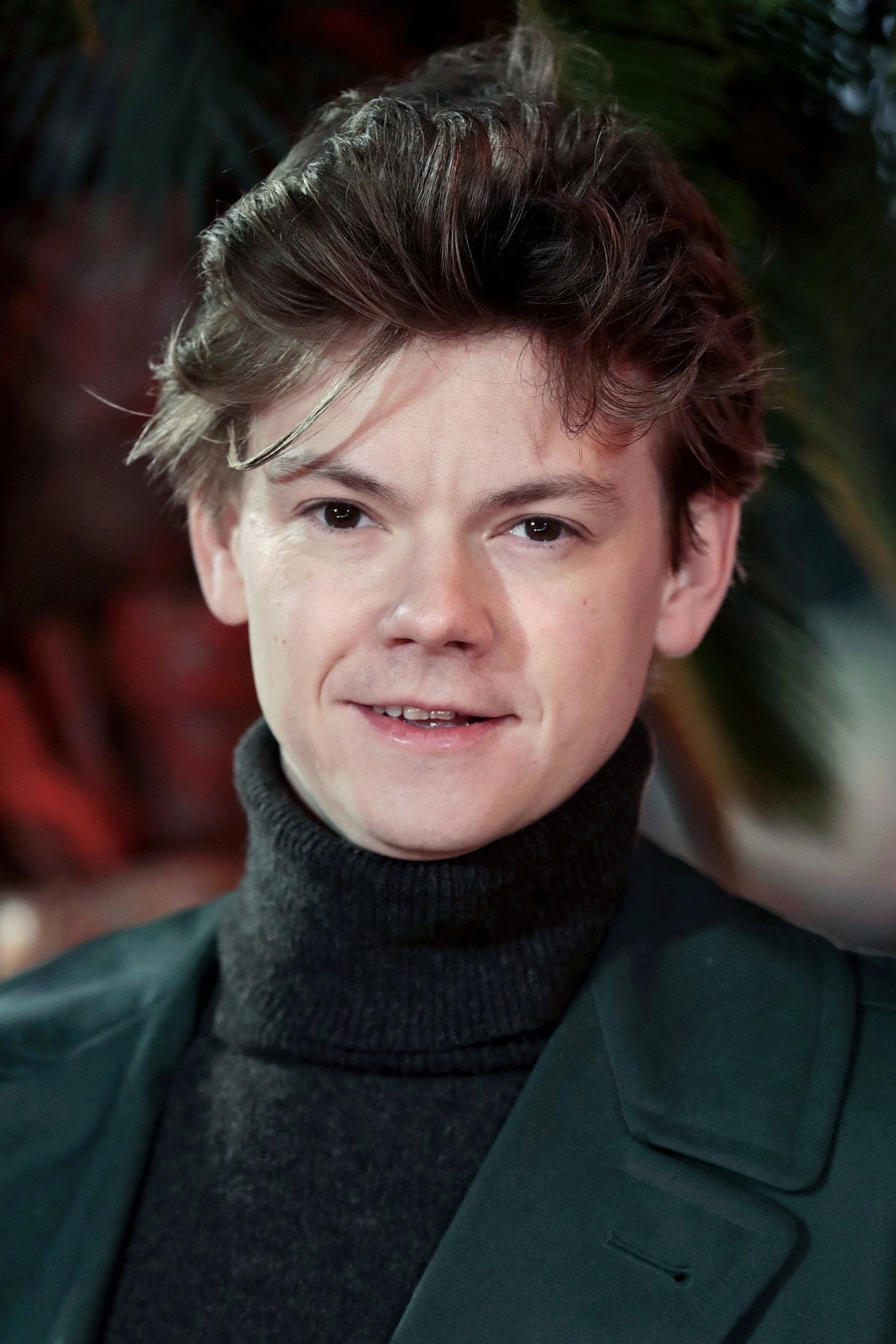
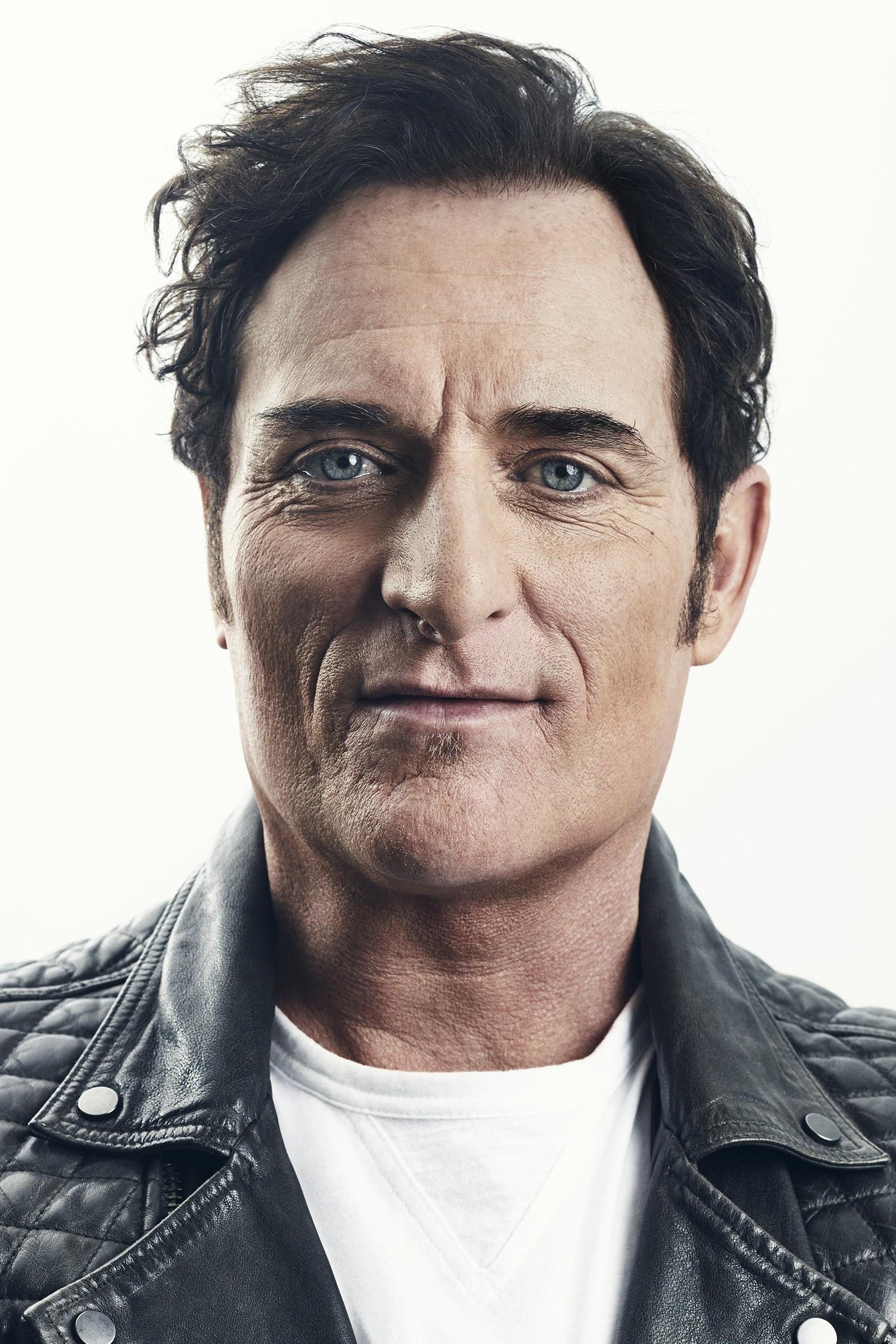
The best thing in it is Merritt Wever. Mary Agnes has taken to wearing a dead man’s clothes and running a town that did not ask her to, and Wever plays her as blunt, tired, funny and quite unbothered by what anyone thinks. When the mining company sends Ed Logan (Kim Coates) to talk the widows out of their property, she does most of the town’s thinking for it. Scoot McNairy’s Bill McNue is nearly as good: a sheriff going blind who knows it, and knows the town knows it, and carries on. Thomas Brodie-Sangster’s Whitey Winn, quick with a pistol and slow with everything else, is the boy every western needs.

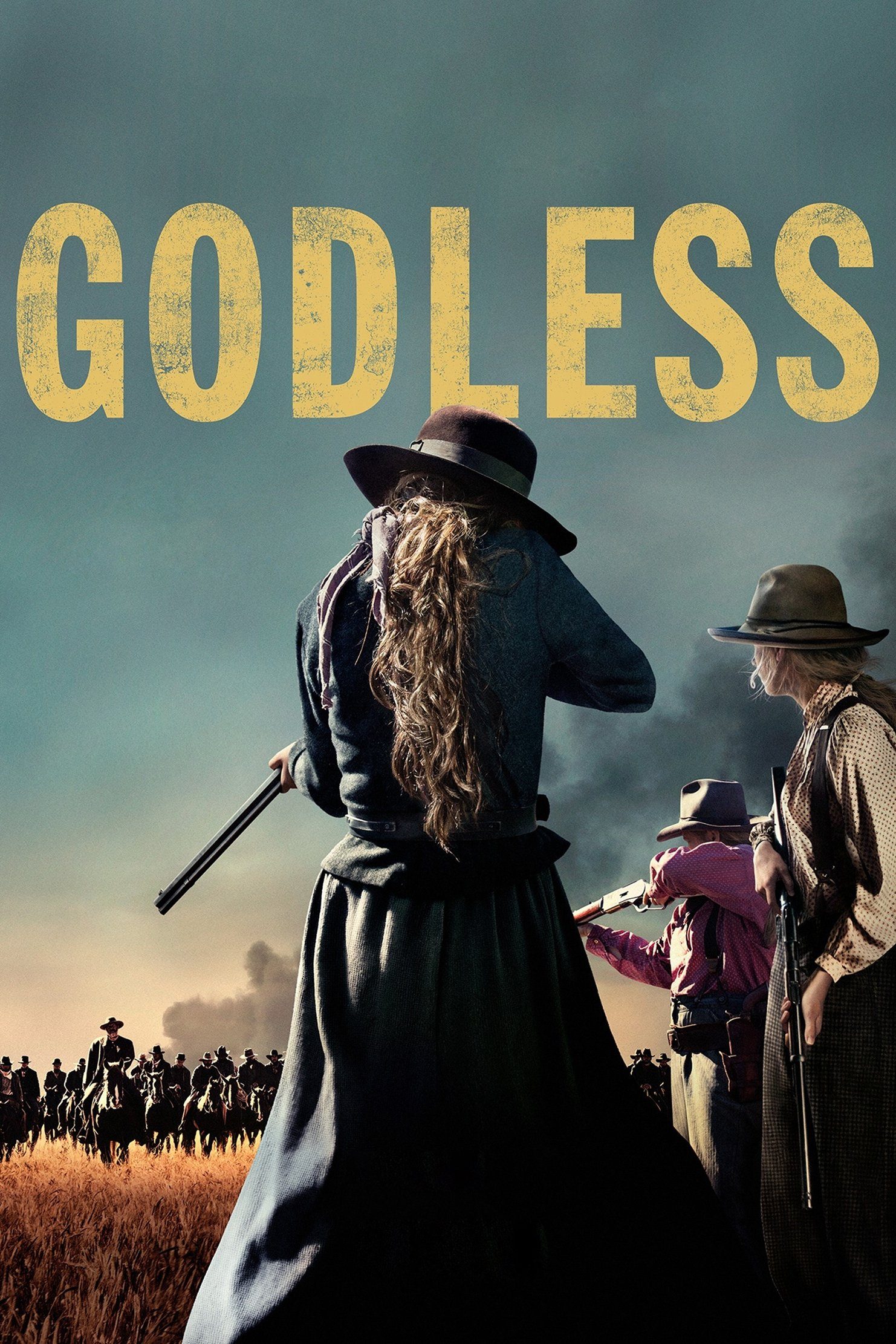
Which brings us to the complaint. La Belle is the most interesting place in the series, and the series keeps leaving it. Whenever Frank has a town of women deciding what to do about a mine, a church and a gang on the way, he cuts to Roy and Griffin and the long business of how they came to know each other, told in flashbacks that stop the present dead. By the fourth episode we had started to resent them. Most critics have been warmer about the series than we are, and we understand why, because the parts are handsome; the trouble is the order they come in.

The story heads where westerns head, and we will not describe how it gets there. Set against the genre, Godless is honest work, closer to the patient westerns of the seventies than to anything flashy. Watch it one episode a night rather than in a weekend, and forgive it its flashbacks; the town is worth the wait.
Critical consensus AI synthesised

77
Positive
10
Mixed
2
Negative
1

Most critics like Godless, and they like it for the same things. Nearly every review praises the look of it: the landscapes and the lyrical, unhurried cinematography come up again and again, often before the story does. The performances are the other constant, with Jeff Daniels’ villain singled out most, and Merritt Wever and Michelle Dockery close behind. Several reviews also welcome the slow-burn plot and the feminist slant on a genre that rarely has one.

The reservations cluster on originality. Even admirers concede the series leans on familiar Western tropes, and the middling reviews say it never digs as deep as its premise promises. The spread is wide, from full marks to outright dismissal. The Ringer argues the all-female town is squandered on conventional gunslinger business, and Variety goes further, finding a long, pretty but trite fairy tale that romanticises the era and favours male archetypes over everyone else.

The Telegraph
22 November 2017 · ★★★★★
100

This languorous and quite brilliant new western allows Michelle Dockery to deliver a fine study in no-nonsense doughtiness as Alice Fletcher while deftly weaving contemporary issues into a gripping narrative. The critic singles out its lyrical yet crisply understated quality as making it one of the best Netflix dramas.

Read the full review →
Empire
22 November 2017 · Nev Pierce
90*

The critic highlights the depth of character moments, superb and unexpected casting, and how the series plots a vigorous new path through Western terrain with contemporary relevance. It concludes that Godless shines and has earned its stripes as a must-watch.

Read the full review →
The Guardian
22 November 2017
90*

The seven-part miniseries is grim, exciting and visually arresting, with standout performances and a slow-burn classic western plot that builds to a violent confrontation. The critic singles out the lyrical, impressionistic cinematography and aesthetic pleasure as its strongest elements.

Read the full review →
Vulture
21 November 2017
90*

Godless is so good that even those who do not like Westerns will enjoy it. It offers gorgeous landscapes, fascinating characters, and a modern take on the genre with strong performances from the entire cast.

Read the full review →
IndieWire
15 November 2017 · Ben Travers
85*

The series starts as a classic revenge story but becomes a progressive, semi-pacifist character study. It highlights strong performances, especially from Merritt Wever and Jeff Daniels, in a visually striking feminist Western.

Read the full review →
The Hollywood Reporter
22 November 2017 · Tim Goodman
85*

The review lauds the series as an excellent dust-up of the Western genre that is both smart and entertaining, with exceptional performances, a feminist bent, and strong character drama balanced with action. It honors genre conventions while delivering fresh energy.

Read the full review →

Cast

If you liked this, try…

Lonesome Dove poster

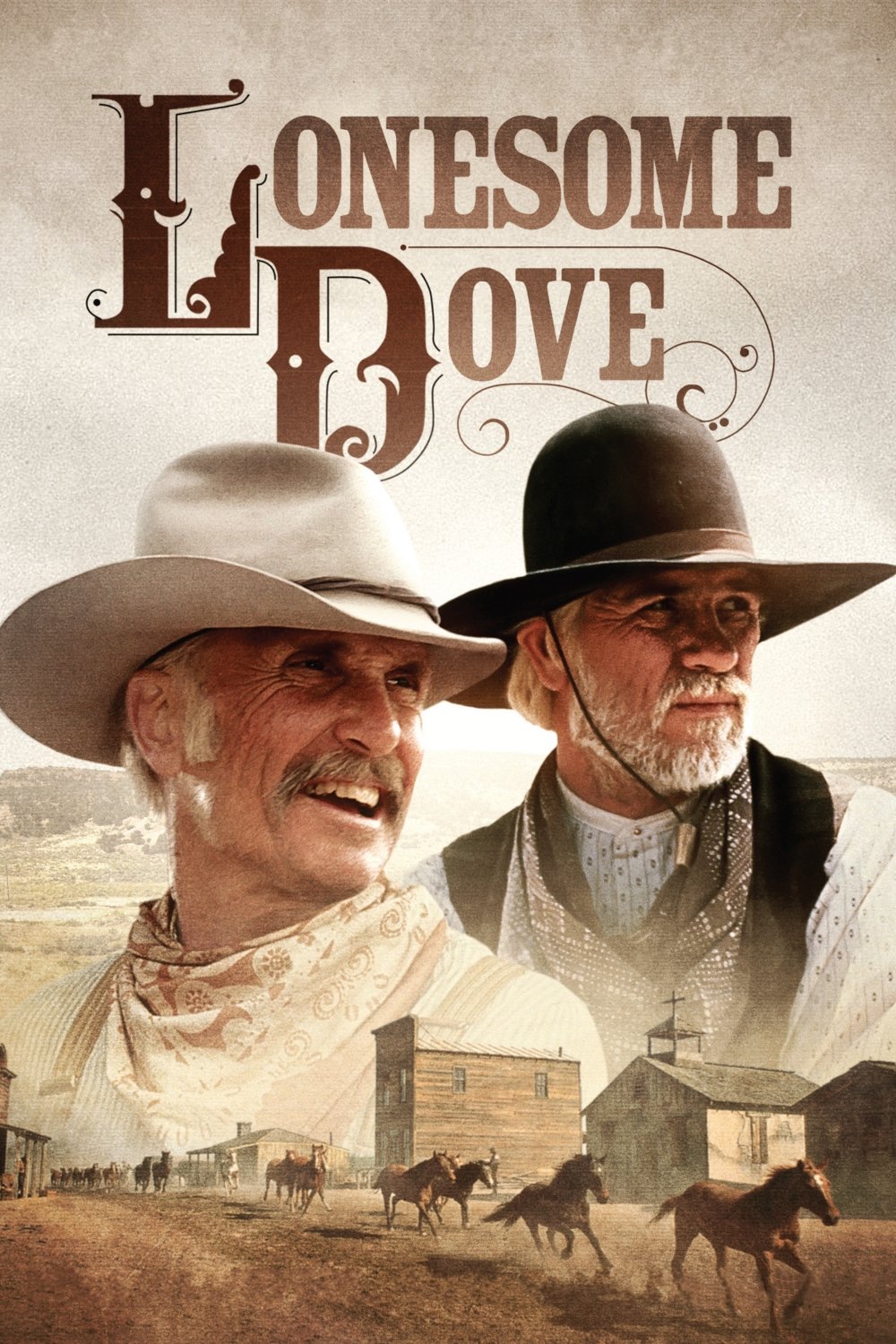
Lonesome Dove

1989 · The television western this one is measuring itself against, and it takes its time too.

Unforgiven poster92

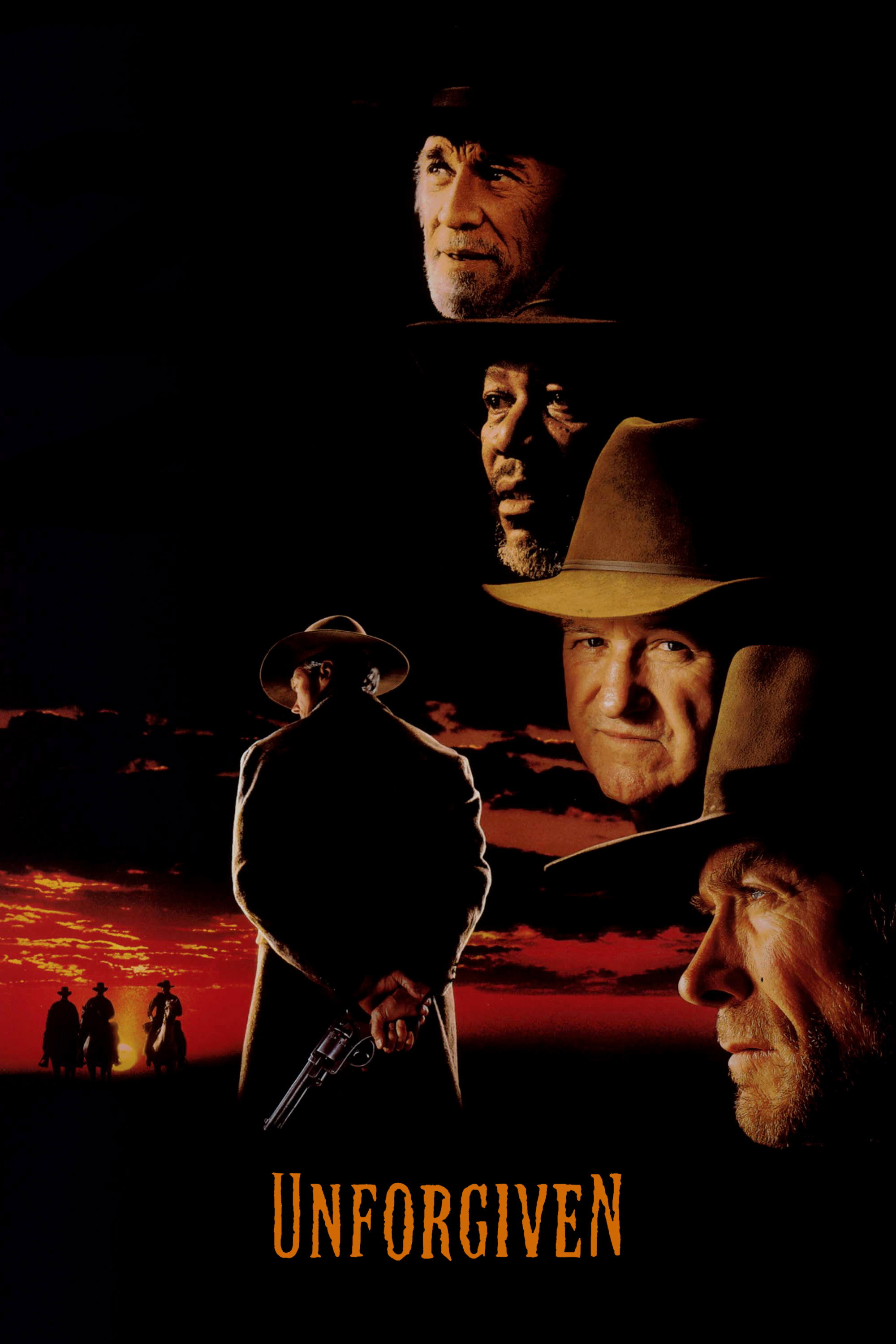
Unforgiven

1992 · Another outlaw who would rather not, and a town that has to reckon with him.

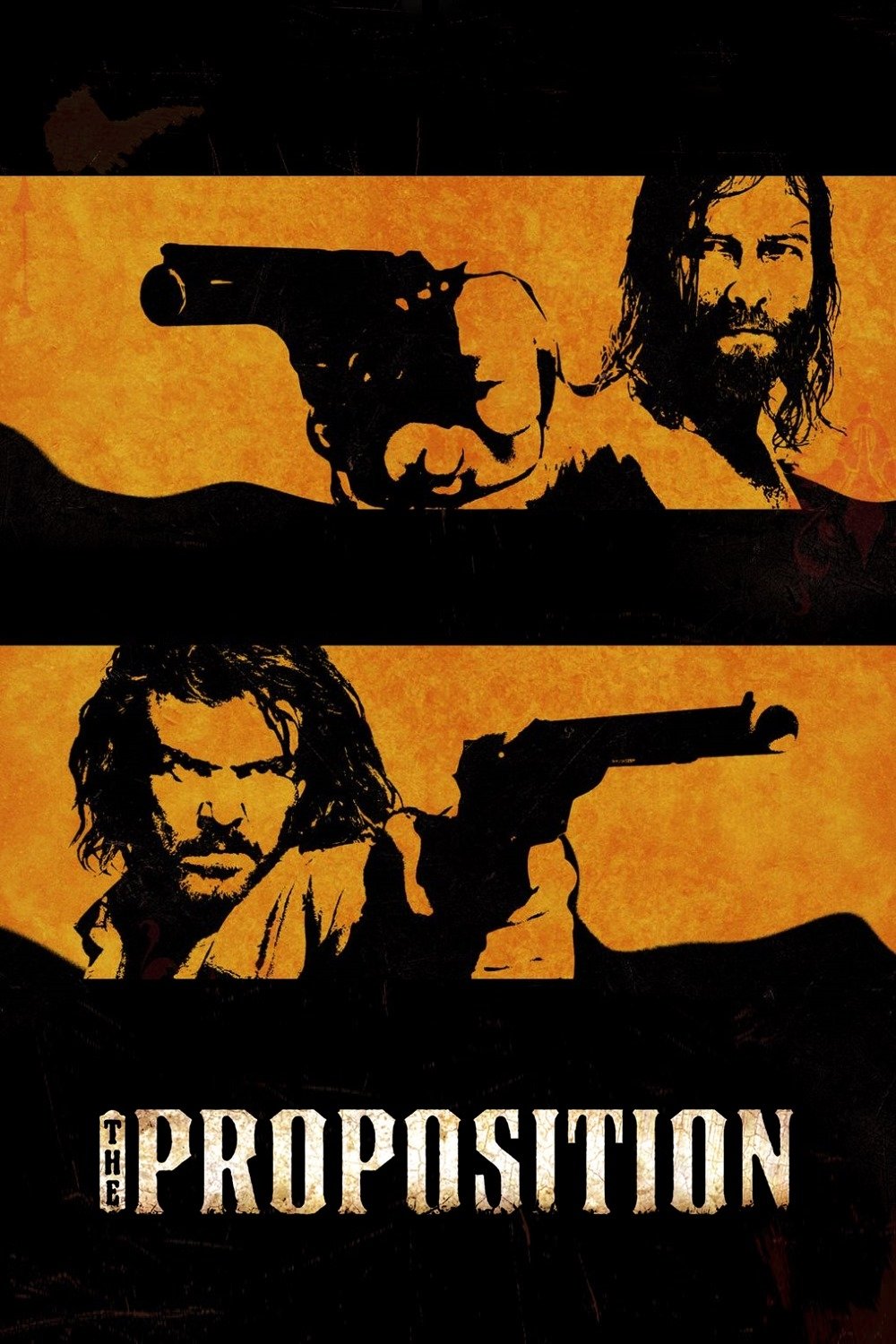
The Proposition poster

The Proposition

2005 · Australia’s answer to the genre: harder, shorter, and just as beautifully photographed.

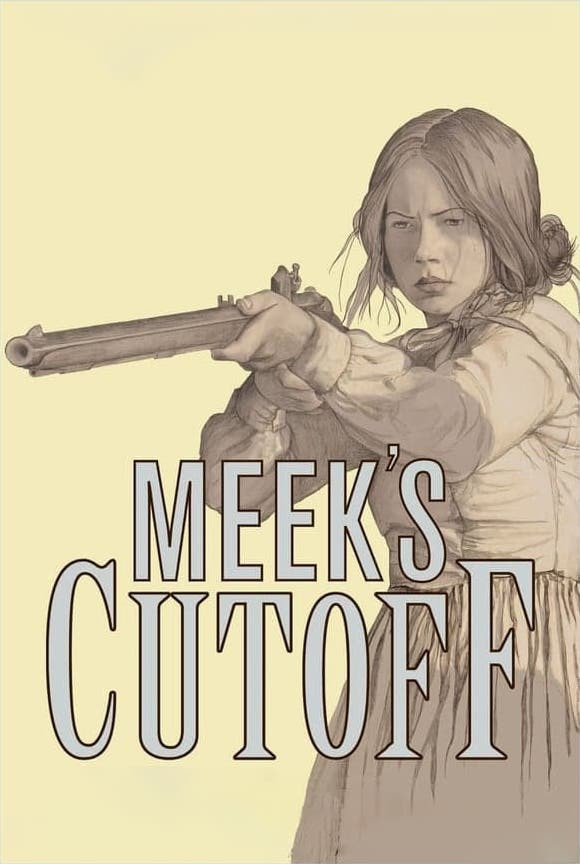
Meek's Cutoff poster82

Meek's Cutoff

2010 · A western told from the women’s side of the wagon, and slower even than this.

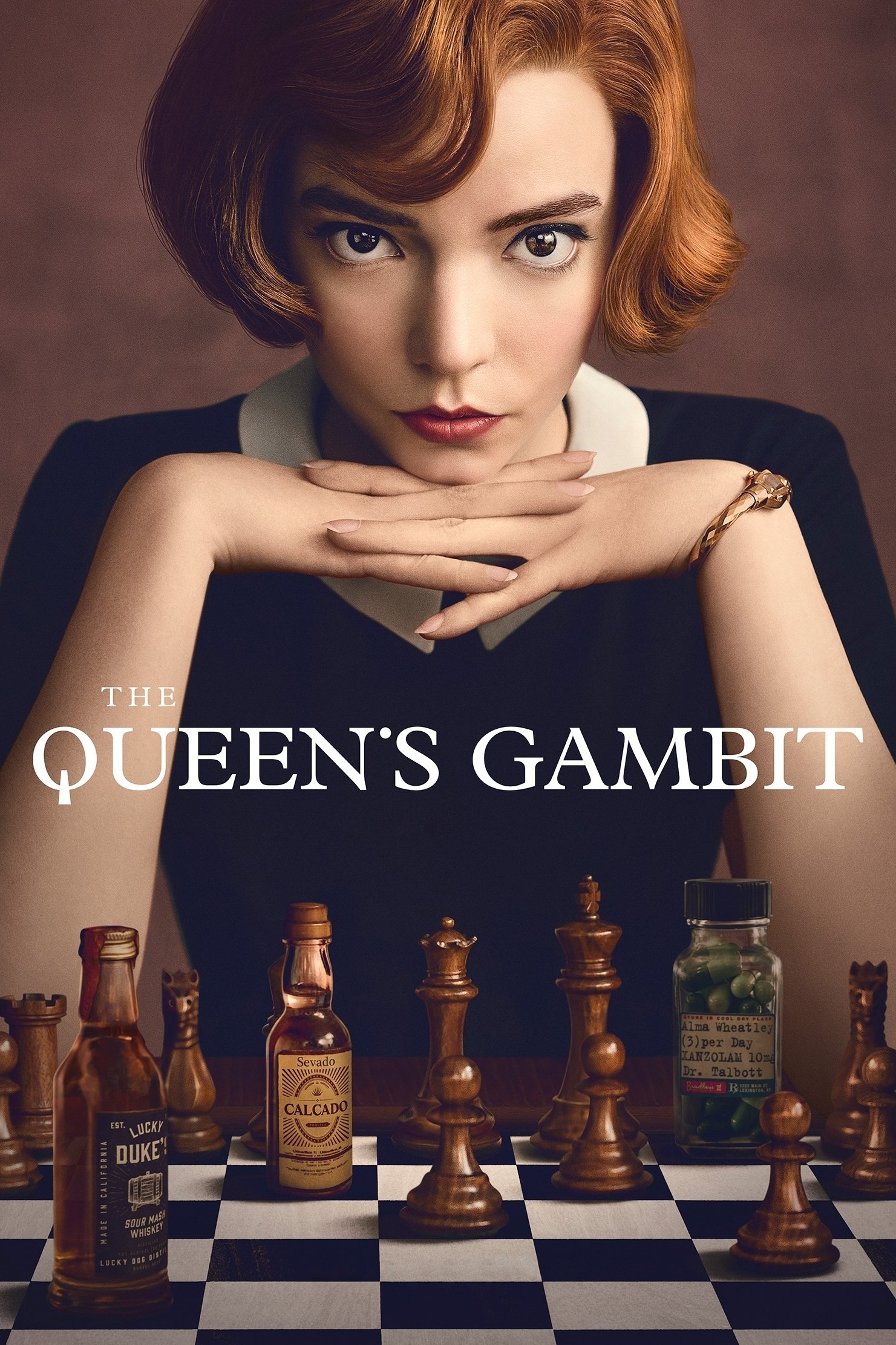
The Queen's Gambit poster74

The Queen's Gambit

2020 · Frank’s next series, tighter, with the same patience for faces and rooms.