Series review

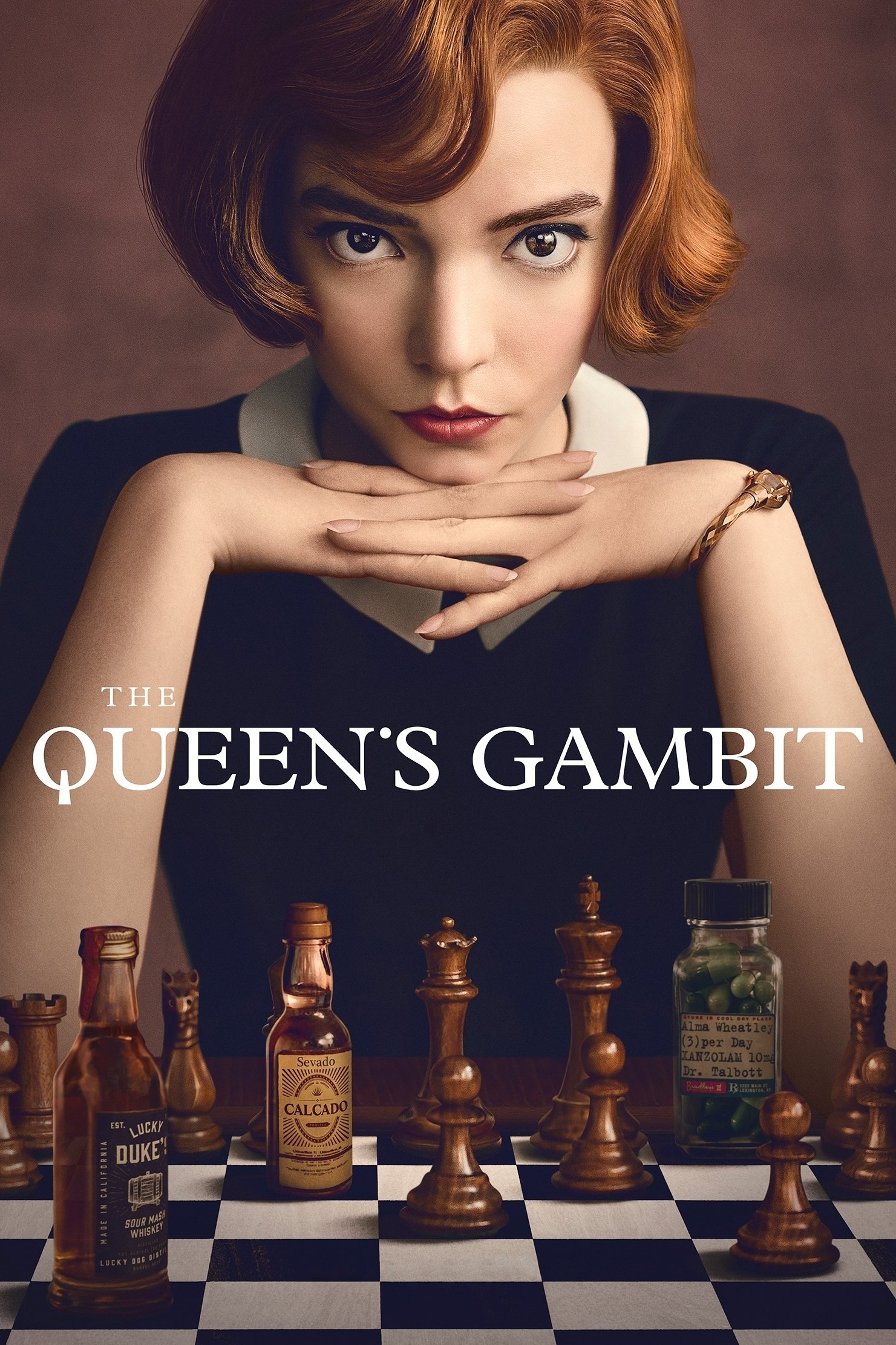
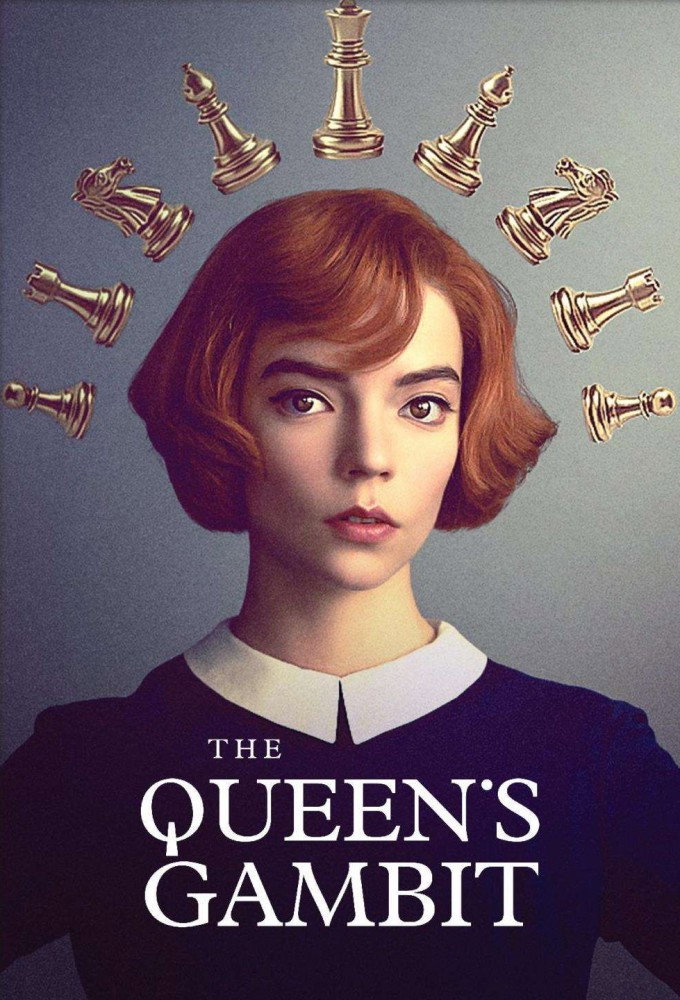
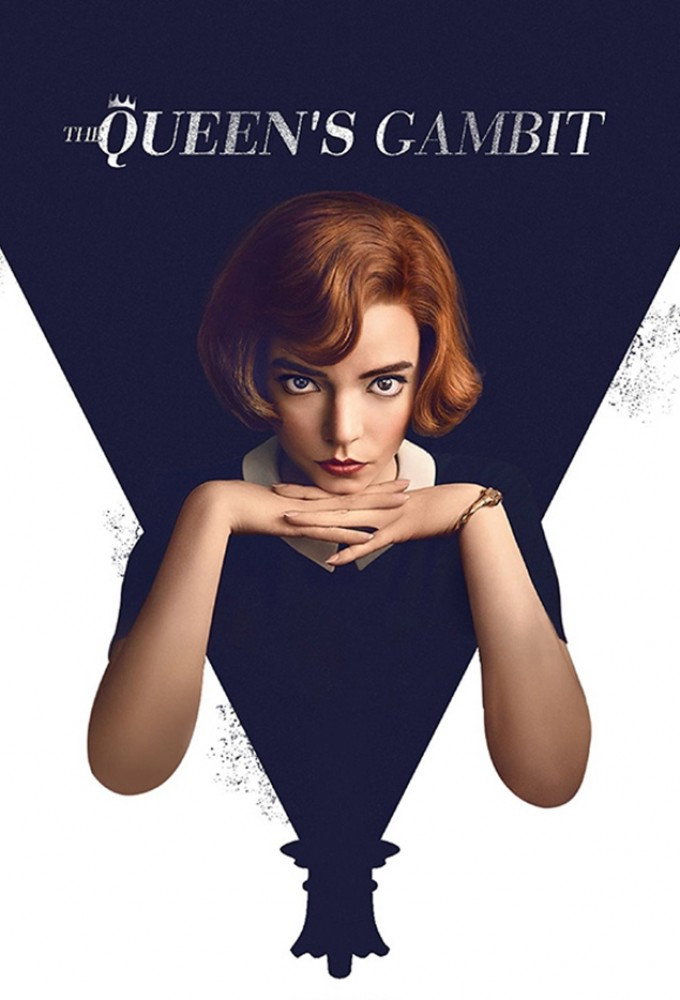
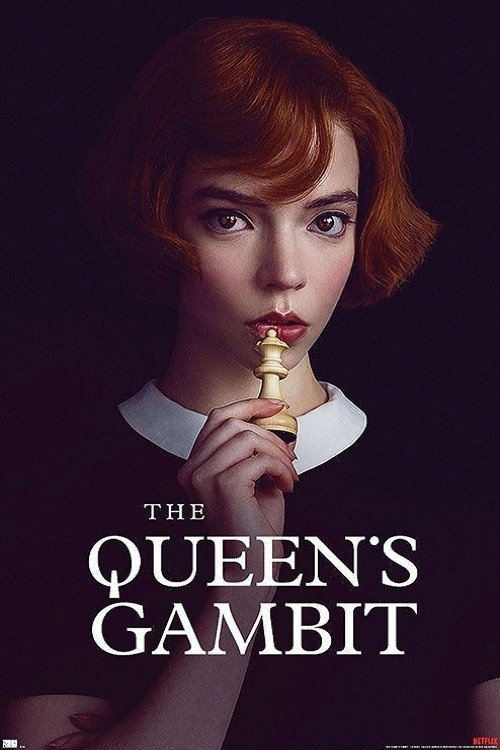
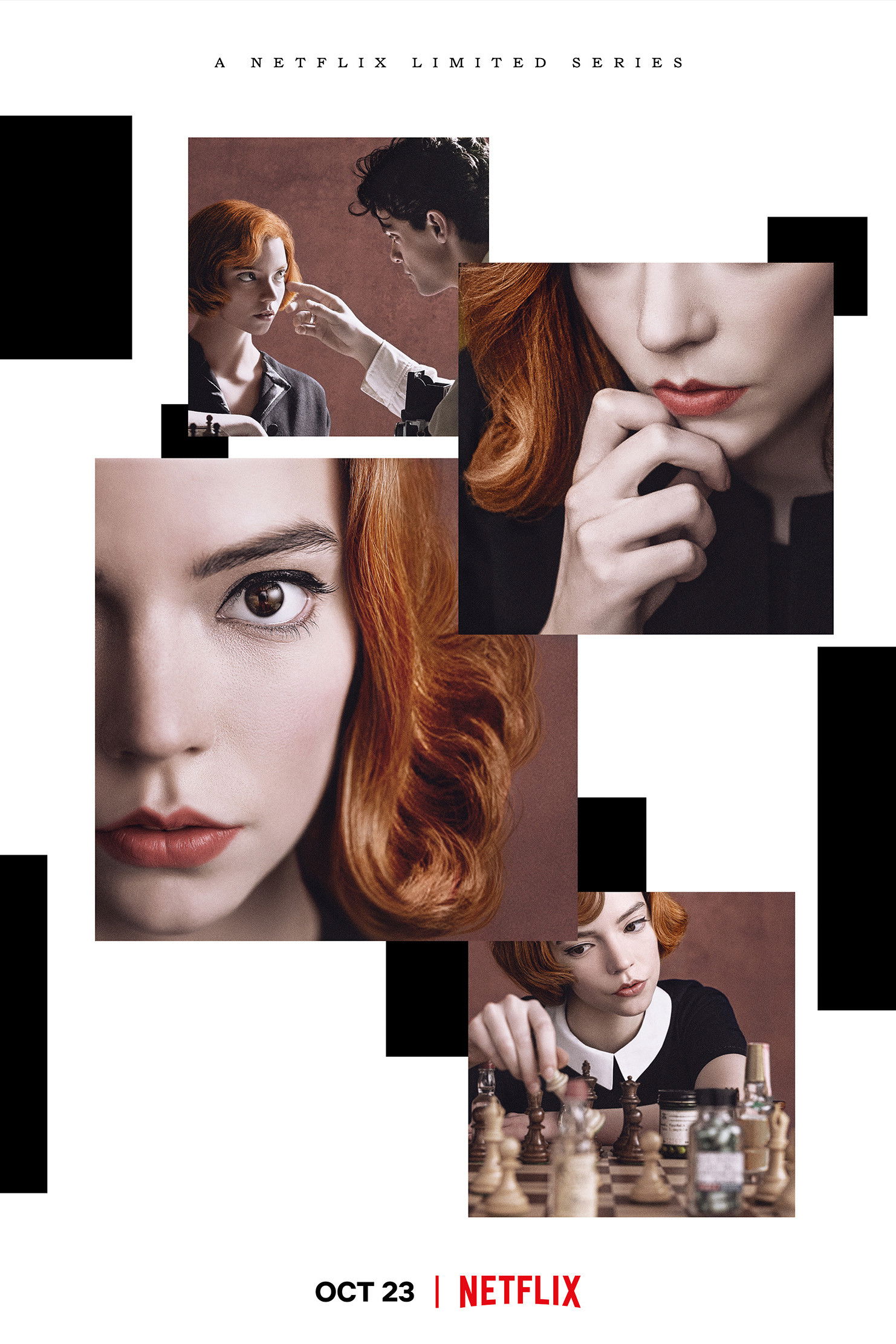
The Queen's Gambit

2020 · Created by Scott Frank, Allan Scott · Series · MPA TV-MA

In a sentenceSeven hours of a young woman destroying men at chess, and every one of them says thank you

Drama

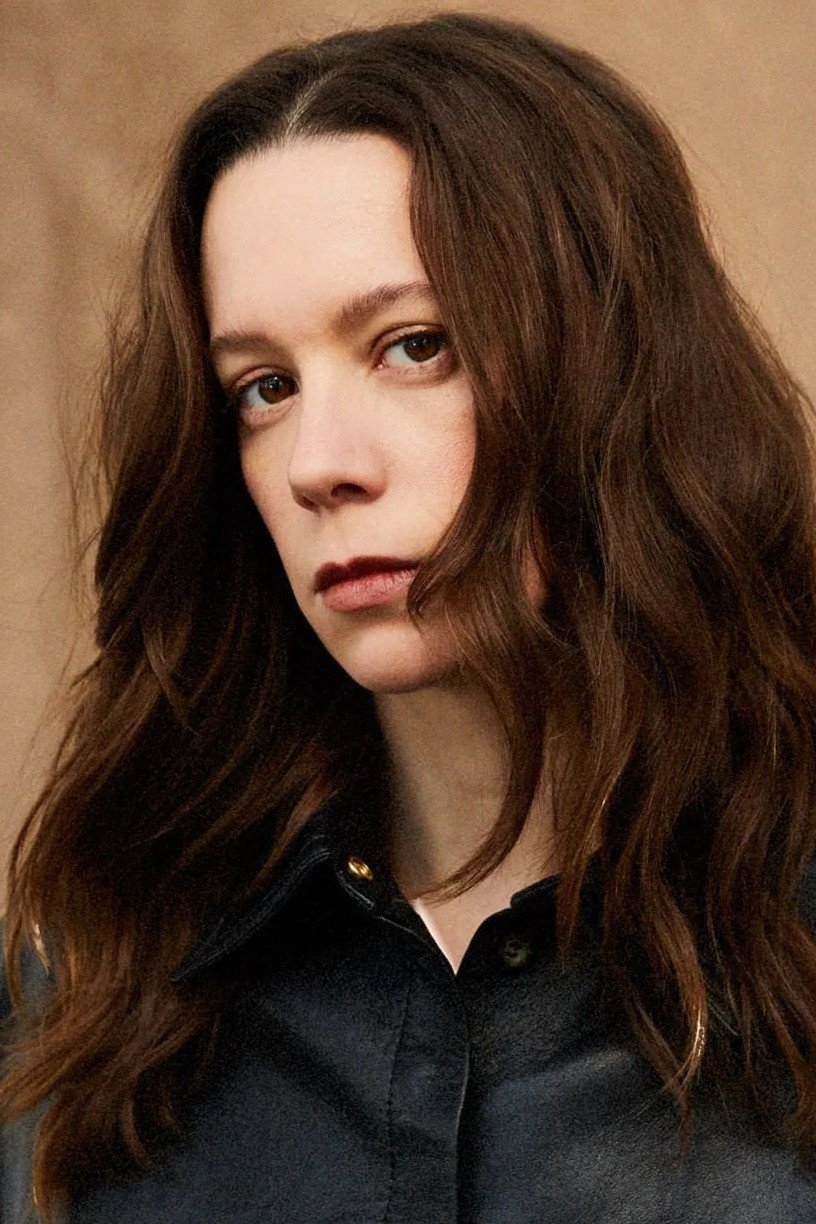
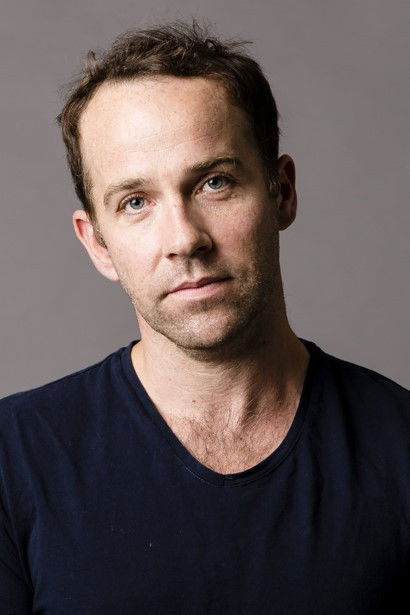
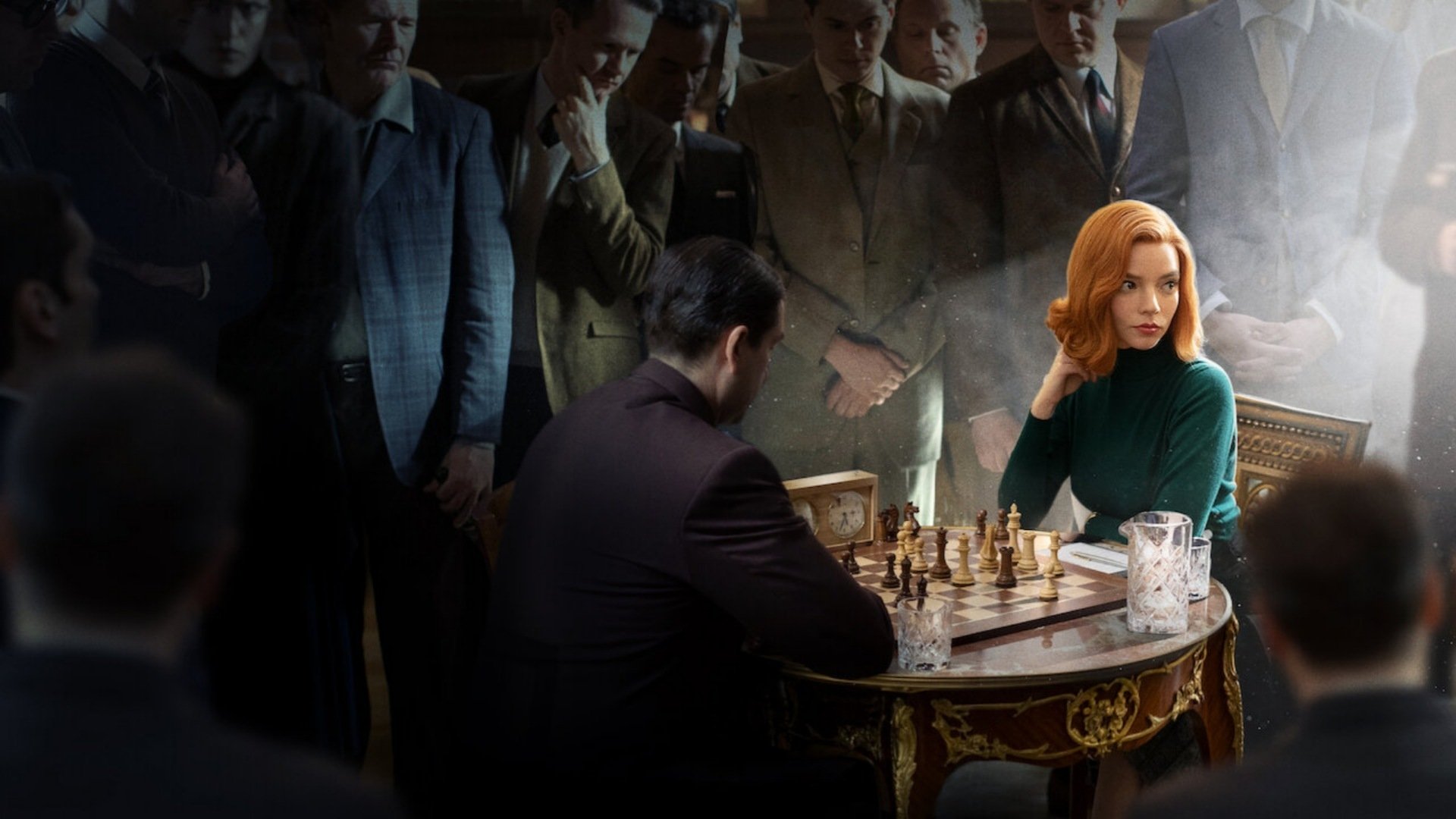
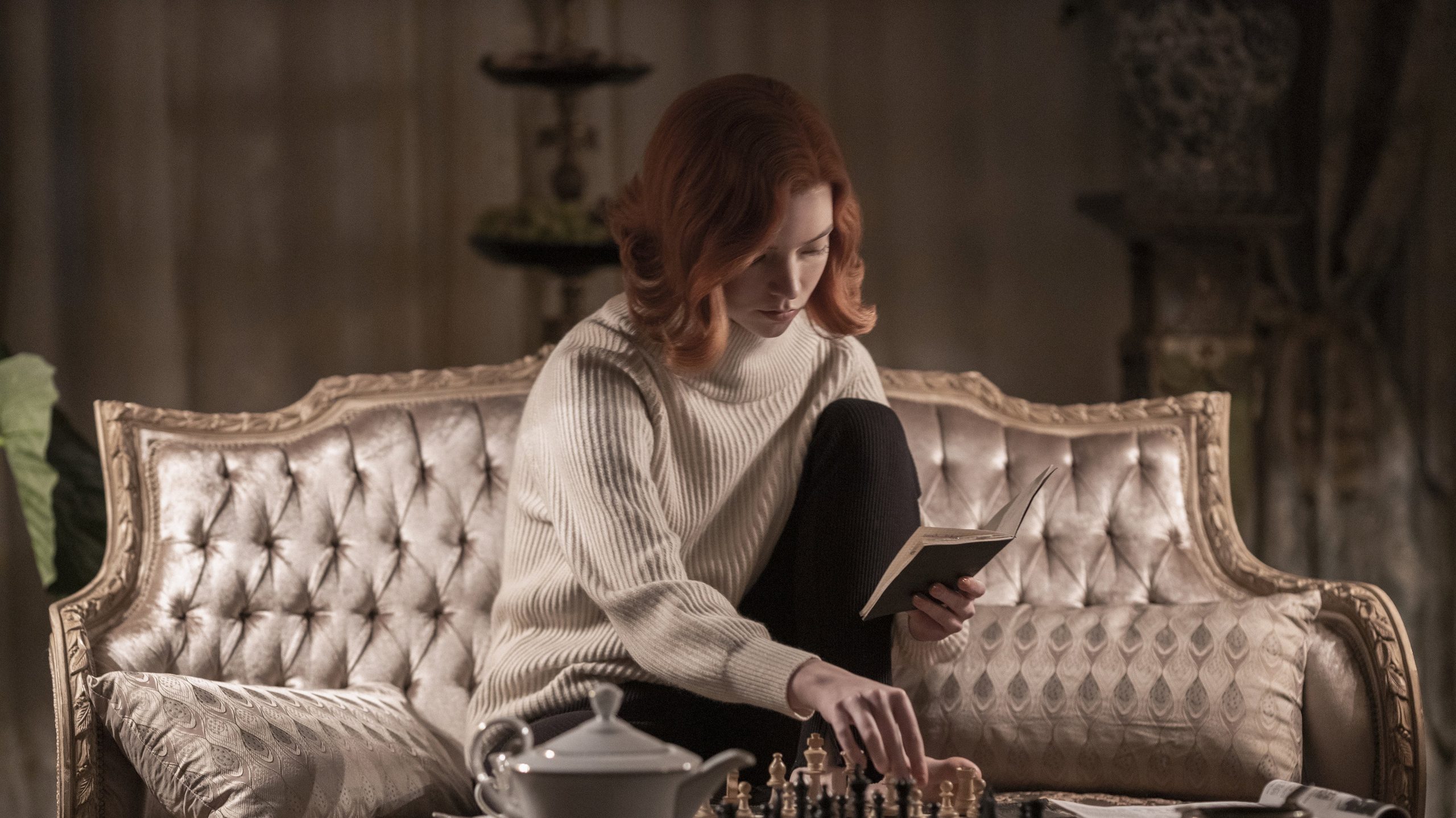
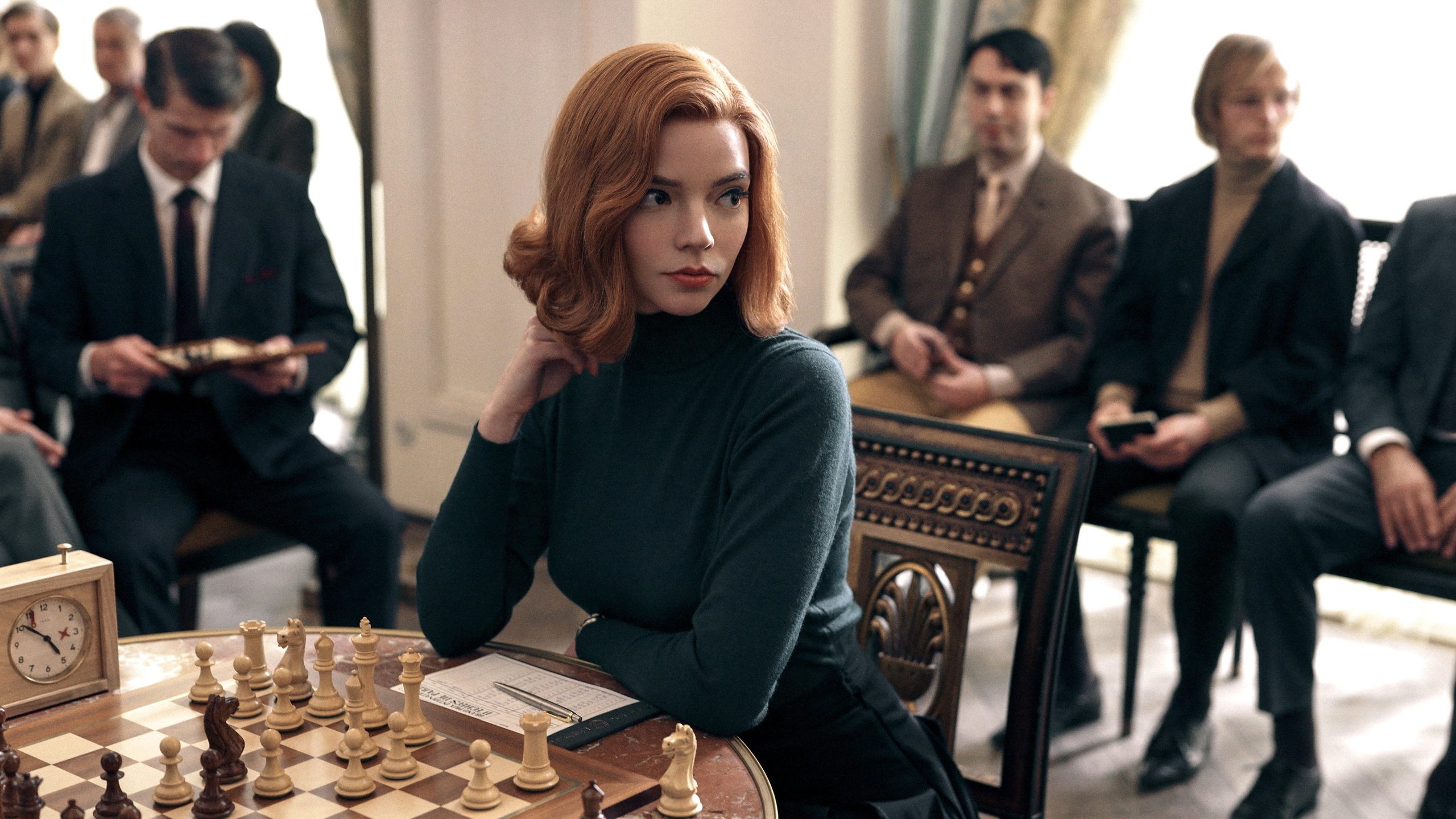
Kentucky, the late 1950s. Nine-year-old Beth Harmon, daughter of Alice Harmon (Chloe Pirrie), is sent to an orphanage where the Matron (Jenny Galloway) hands out pills with the vitamins. In the basement she watches an older man play chess, asks to learn, and within weeks is beating him. At night she lies in bed and plays through games on the ceiling. A visit from Mr. Ganz (Jonjo O’Neill) brings her first match against a roomful of boys. Adopted as a teenager, Beth (Anya Taylor-Joy) starts entering tournaments, and finds that the men who sit down opposite her cannot cope.

Plays from YouTube when you press play; nothing loads from them until then.

Fi1m review

Scott Frank’s seven-part adaptation of Walter Tevis’s novel makes chess look like a knife fight, and Anya Taylor-Joy carries it. Handsome, clever and a pleasure, it is also gentler with its heroine than the pills and the vodka should allow.

Scott Frank’s seven-part adaptation of Walter Tevis’s novel, created with Allan Scott, is about a girl who learns chess in the basement of a Kentucky orphanage and grows up to play the Russians. It has the shape of a sports film: one tournament after another, each opponent a little more frightening than the last, and it does that job well. It is also handsome, well cast and easy to watch in a way that is not entirely to its credit. We enjoyed it a great deal and finished it thinking it had let its heroine off lightly.

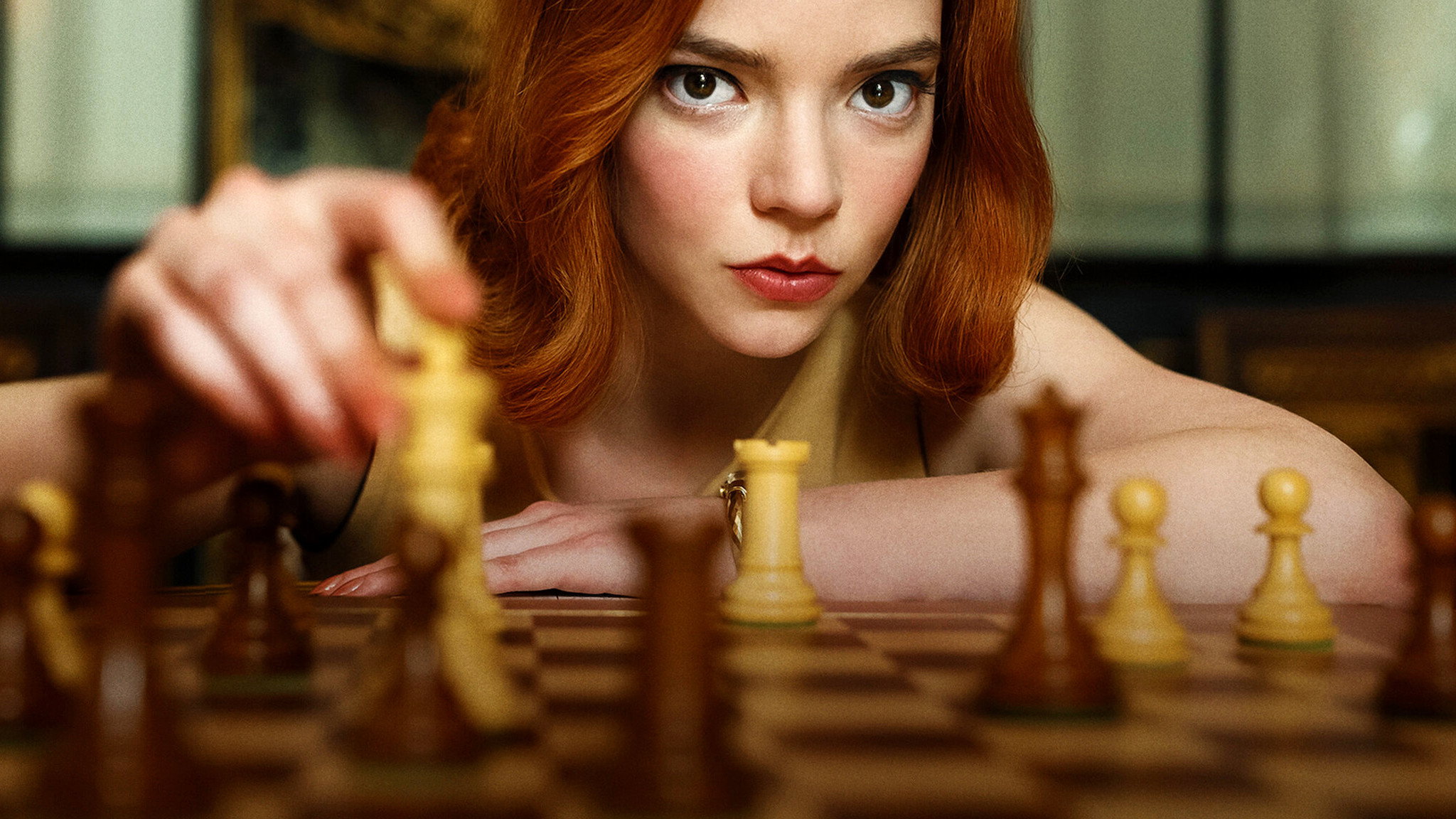
The hardest thing about a chess drama is the chess, and Frank solves it. Steven Meizler shoots the games from above and from the players’ eye line, then cuts to hands, clocks and faces, so that we always know who is winning without needing to know how. Michelle Tesoro’s editing does the rest: a slapped clock, an intake of breath, a pen scratching a move onto a scoresheet. Carlos Rafael Rivera’s score, mostly piano and low strings, hurries under the fast games and drops out for the slow ones. We were prepared to be patient with these scenes and found we did not need to be.

The image that got at us came before any tournament. Beth, nine years old and dosed on the orphanage’s pills, lies in bed and looks up, and the pieces appear on the ceiling, upside down, moving where she tells them. Meizler lights them like a chandelier over a dormitory of sleeping girls. It is the one place the series shows us what the game is to her, a room she can go into where nothing can be taken away, and it moved us more than we expected.

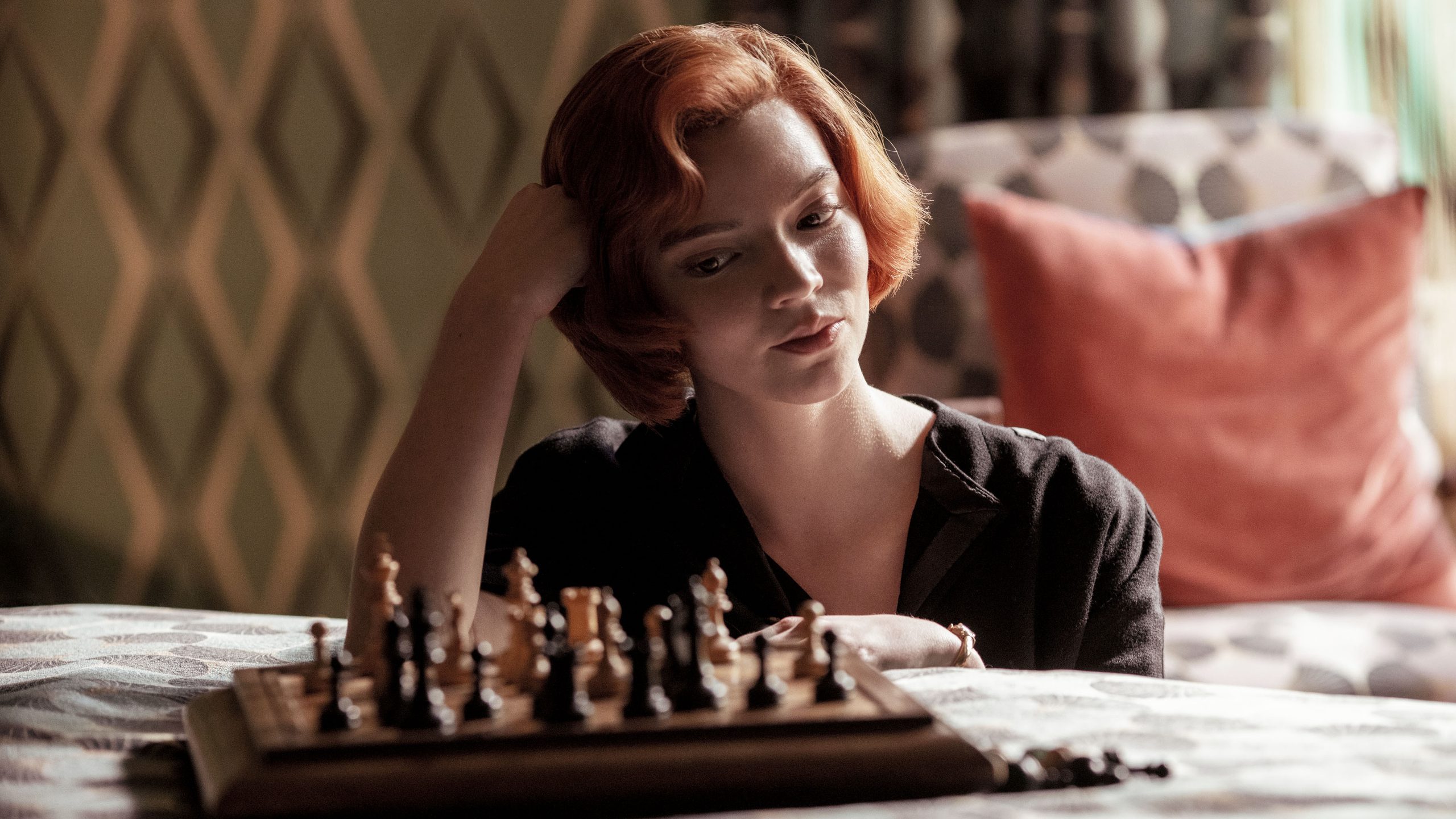
Anya Taylor-Joy takes over when Beth is adopted and plays her for the remaining six episodes with little fuss. She does none of the tics that usually signal genius on television. She sits still, watches, and lets her opponents talk themselves out. When she loses, and she does lose, the disappointment is small and private, a hand going out to knock over her own king. Some critics have found her cold. We think cold is the part, and that Taylor-Joy knows exactly when to let it slip, usually in a hotel room with a bottle.

Uli Hanisch’s production design and Gabriele Binder’s costumes carry the years. The tournaments are hotel ballrooms with folding tables and paper name cards, each a little grander than the last. Binder dresses Beth in checks and then in bolder checks, until by the later episodes she is walking about in the board itself. It is a neat joke and the series does not overplay it.

What it does overplay is its own kindness. Beth drinks, takes pills and wakes up on floors, and none of it costs her a game she was going to win anyway. The men she beats, one after another, turn into friends, coaches and lovers within an episode of losing to her. We were bored through a stretch in the middle, where Frank lets scenes of Beth alone in hotel rooms run long, and then we were annoyed, because a series about compulsion ought to be harder on the compulsive. Her adoptive mother, a lonely woman with a piano she no longer plays, is the only character allowed to be sad without a plan, and that performance is the one the series most needs and least advertises.

Tevis also wrote The Hustler, and this is that story with the pool hall swapped for a ballroom and the losses made cheaper. The book’s Beth pays for things. Frank’s Beth is forgiven, repeatedly, by a script that loves her, and the seventh episode is written as a reward rather than a reckoning. We will not say how it goes, only that we saw it coming from the third.

It is a 15 certificate, for the pills and the drinking rather than anything that happens at a board. Watch it two episodes at a time rather than in one sitting; the games are better when you have not just seen six of them, and the hotel rooms are worse.

Critical consensus AI synthesised

76
Positive
9
Mixed
2
Negative
0

Most critics warm to it. Nine of the eleven reviews are positive, and the praise clusters on Anya Taylor-Joy, whose Beth Harmon is called magnetic, intense and near-perfect, with several reviewers saying the whole series rests on her. The production draws almost as much credit: the period design and costumes are described as lavish, and the chess sequences are singled out for making a slow, silent game tense and even exciting. The handling of addiction and genius is generally judged thoughtful.

The reservations are about depth. Radio Times notes heavy-handed moments and expository dialogue, The Guardian finds it works best as wish-fulfilment and adds up to slightly less than its parts, and NME calls its view of addiction rose-tinted and its plotting paint-by-numbers. Collider is the clear outlier, finding the seven episodes repetitive and bloated and, alone among the eleven, calling Taylor-Joy detached while praising Marielle Heller instead. The spread is wide, from the fifties to ninety, but the doubters are few.

The Hollywood Reporter
20 October 2020 · Daniel Fienberg
90*

Anya Taylor-Joy shines in a tour de force as the troubled chess prodigy in this smart, lavishly produced limited series that generates thriller-like intensity from the game. It is cerebral, methodical television for inquisitive grownups that is something to relish.

Read the full review →
Variety
21 October 2020 · Caroline Framke
85*

The limited series is a shrewd study of genius that personalizes chess through clever storytelling and a magnetic lead performance. It becomes a portrait of a special, flawed person that reveres her fire as much as her brilliance.

Read the full review →
Radio Times
22 October 2020 · ★★★★ · Patrick Cremona
80

The series is an engaging and captivating piece of work, lavishly produced and brilliantly acted, with thrilling chess scenes thanks to inventive direction and Taylor-Joy's tour-de-force performance. Some heavy-handed moments and expository dialogue slightly detract from the otherwise perfectly paced rise-to-the-top story.

Read the full review →
The i Paper
11 November 2020 · Sarah Hughes
80*

The critic calls it one of the year's best dramas for its thoughtful take on female genius, addiction and friendship. They single out Anya Taylor-Joy's nuanced, near-perfect central performance while noting a minor misstep in downplaying a key supporting friendship.

Read the full review →
Vulture
23 October 2020
75*

The series is largely satisfying as a handsome period piece and showcase for Taylor-Joy. The critic praises how it makes chess exciting and sexy while exploring addiction, trauma, and genius.

Read the full review →
IndieWire
23 October 2020 · Ben Travers
70*

The critic finds the series a refined coming-of-age story that largely pays off thanks to its lead performance. Taylor-Joy's portrayal of the chess prodigy is singled out as impeccable amid struggles with addiction and despair.

Read the full review →

Cast

If you liked this, try…

The Hustler poster

The Hustler

1961 · Tevis’s other prodigy, in a pool hall, where losing costs something.

Searching for Bobby Fischer poster

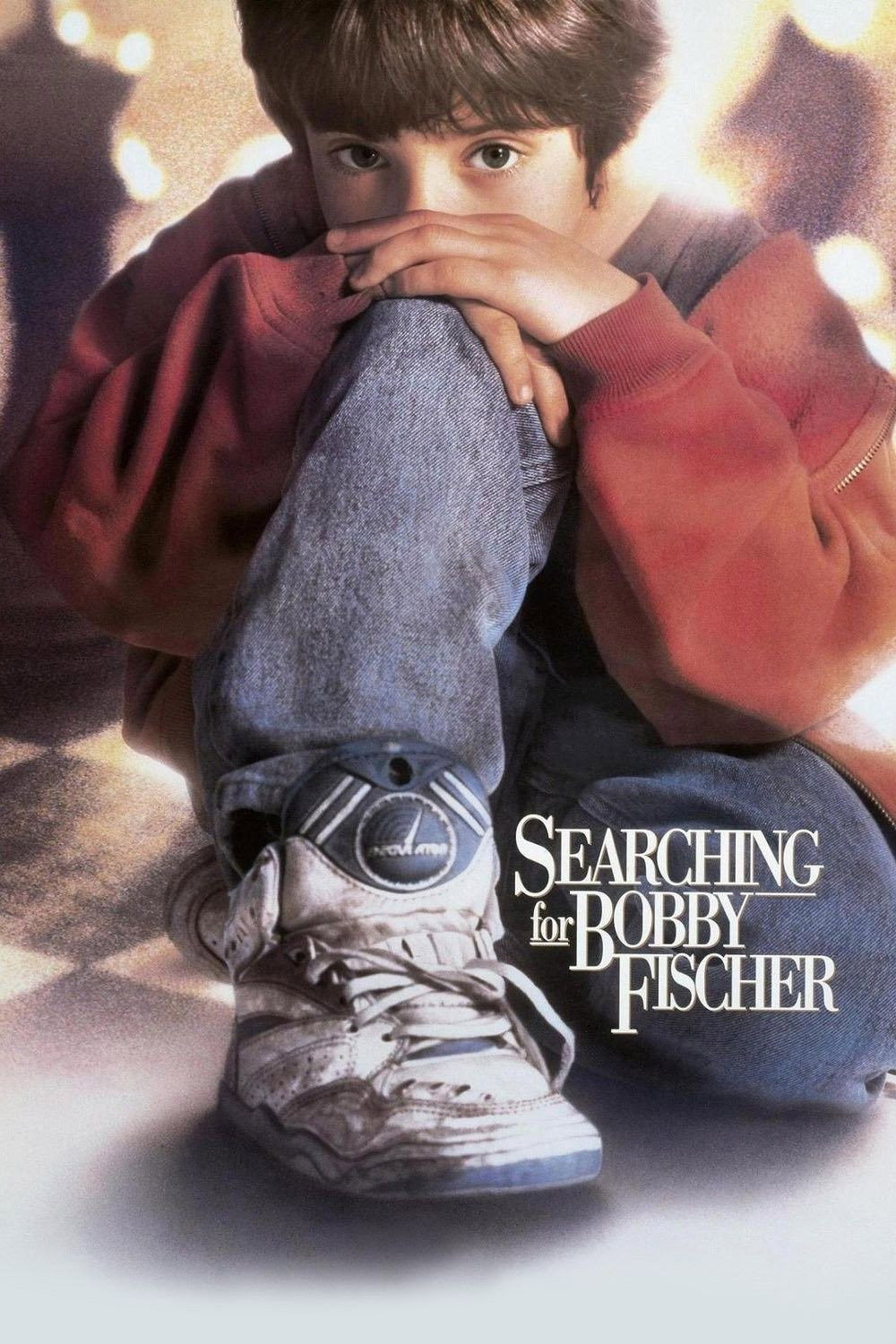
Searching for Bobby Fischer

1993 · A child, a park hustler and a coach; the chess film this one borrows from.

Dangerous Moves poster

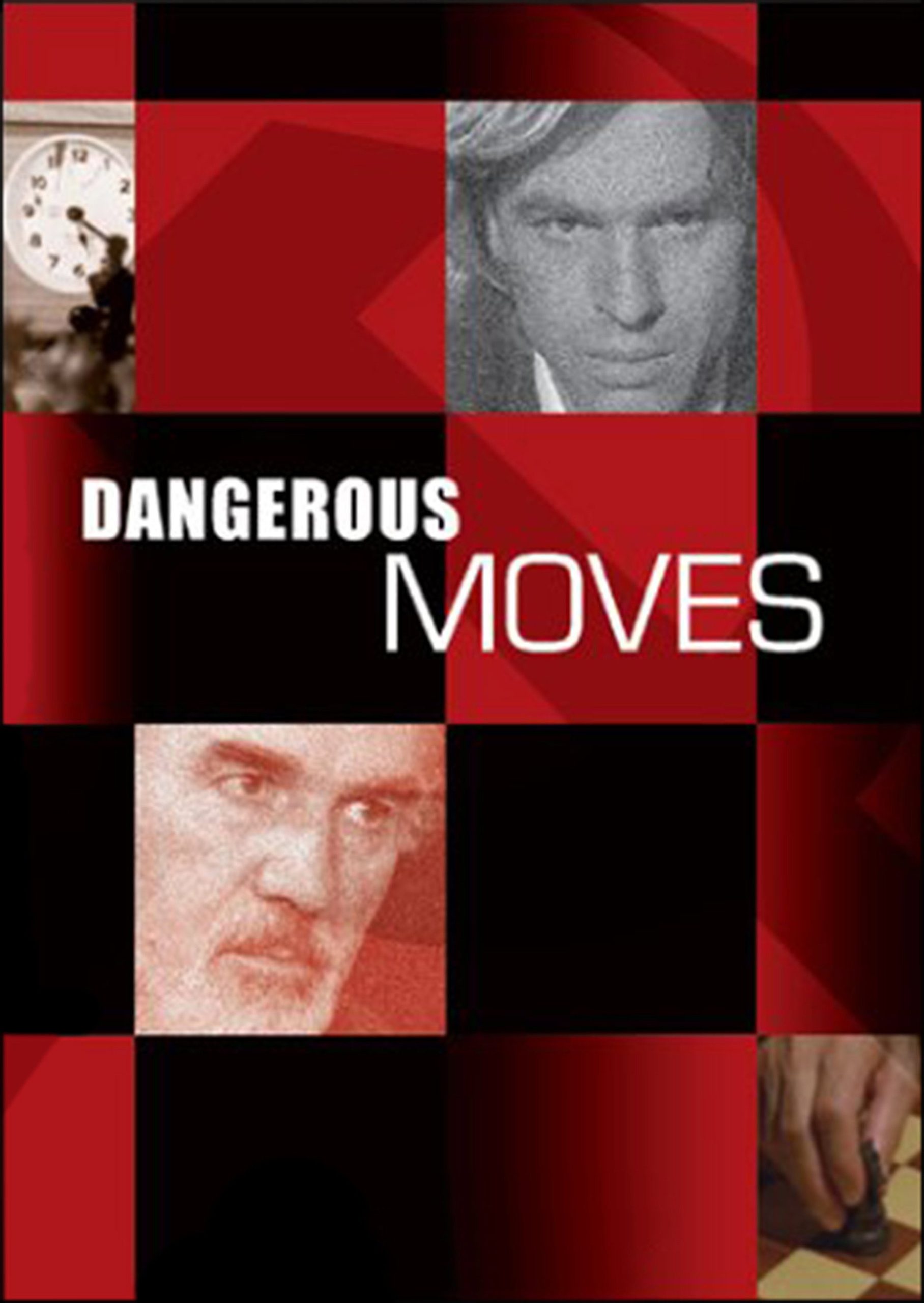
Dangerous Moves

1984 · A world championship as Cold War, played out in a Geneva hotel, no glamour.

Mad Men poster

Mad Men

2007 · The same decade, the same wallpaper, and people who actually pay for their drinking.

Whiplash poster84

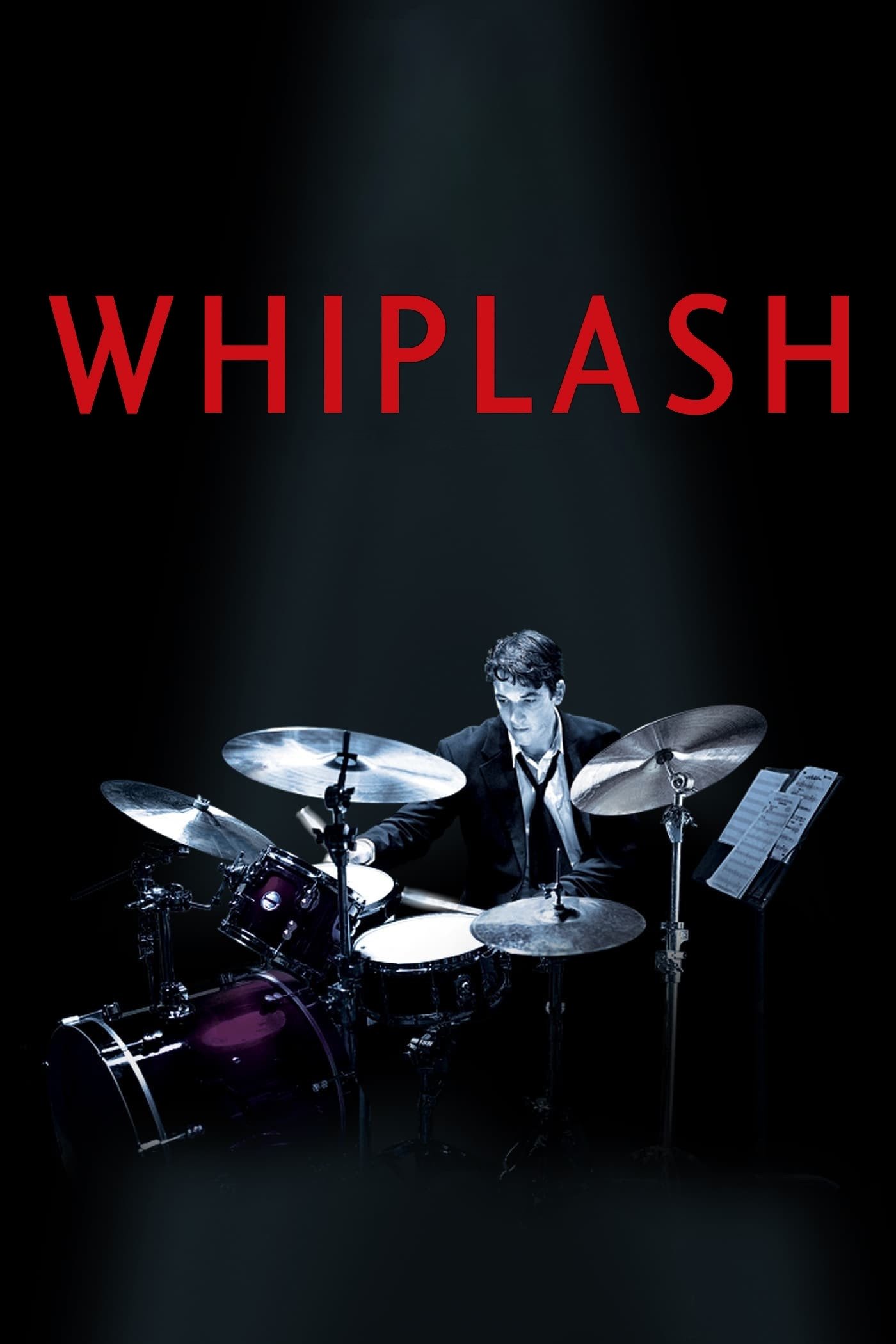
Whiplash

2014 · Obsession with a teacher who does not turn into a friend afterwards.