Film review

Whiplash

2014 · Directed by Damien Chazelle · 1h 47m · MPA R

In a sentenceA jazz lesson with the atmosphere of a hostage negotiation

DramaMusicThriller

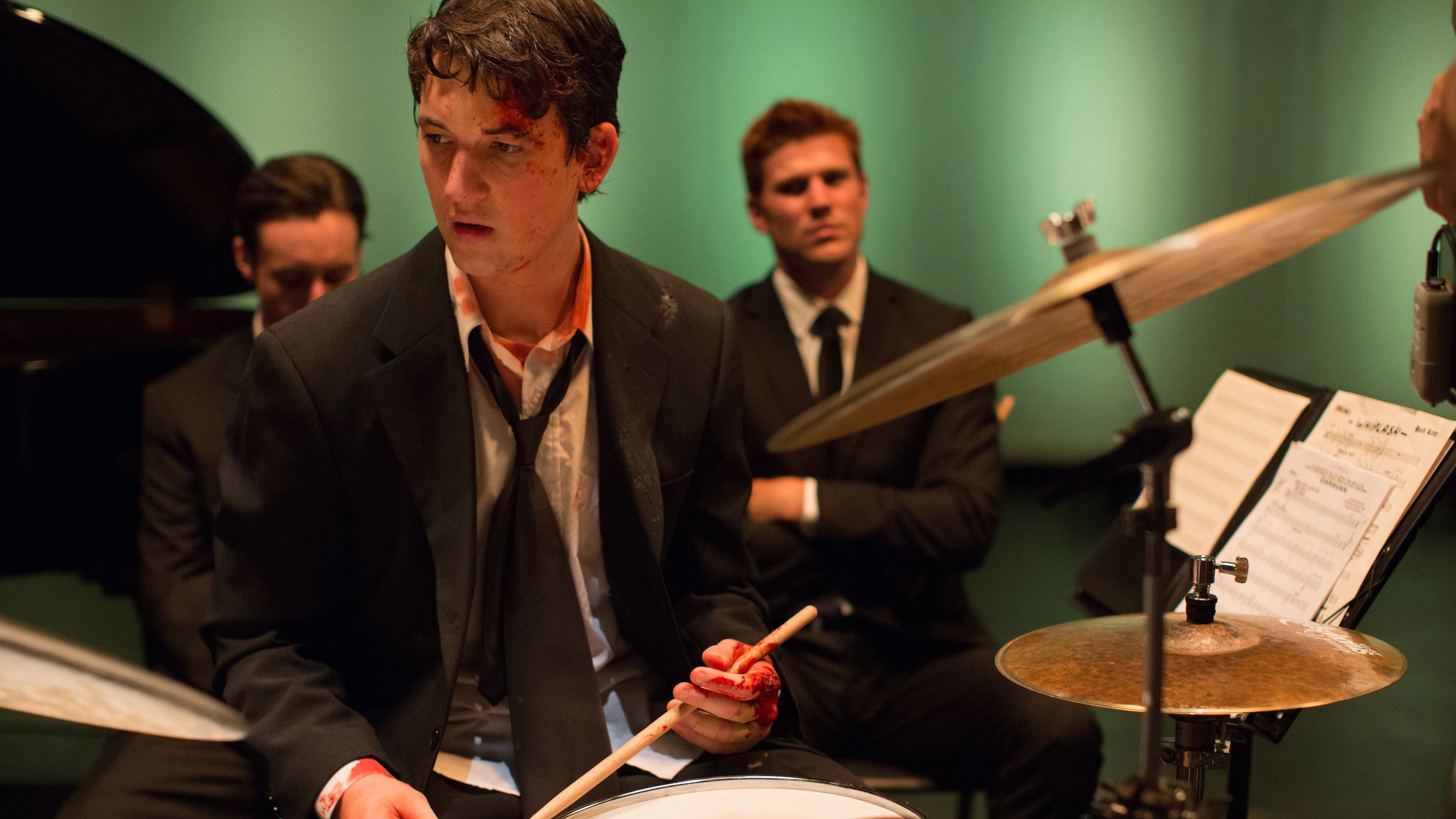
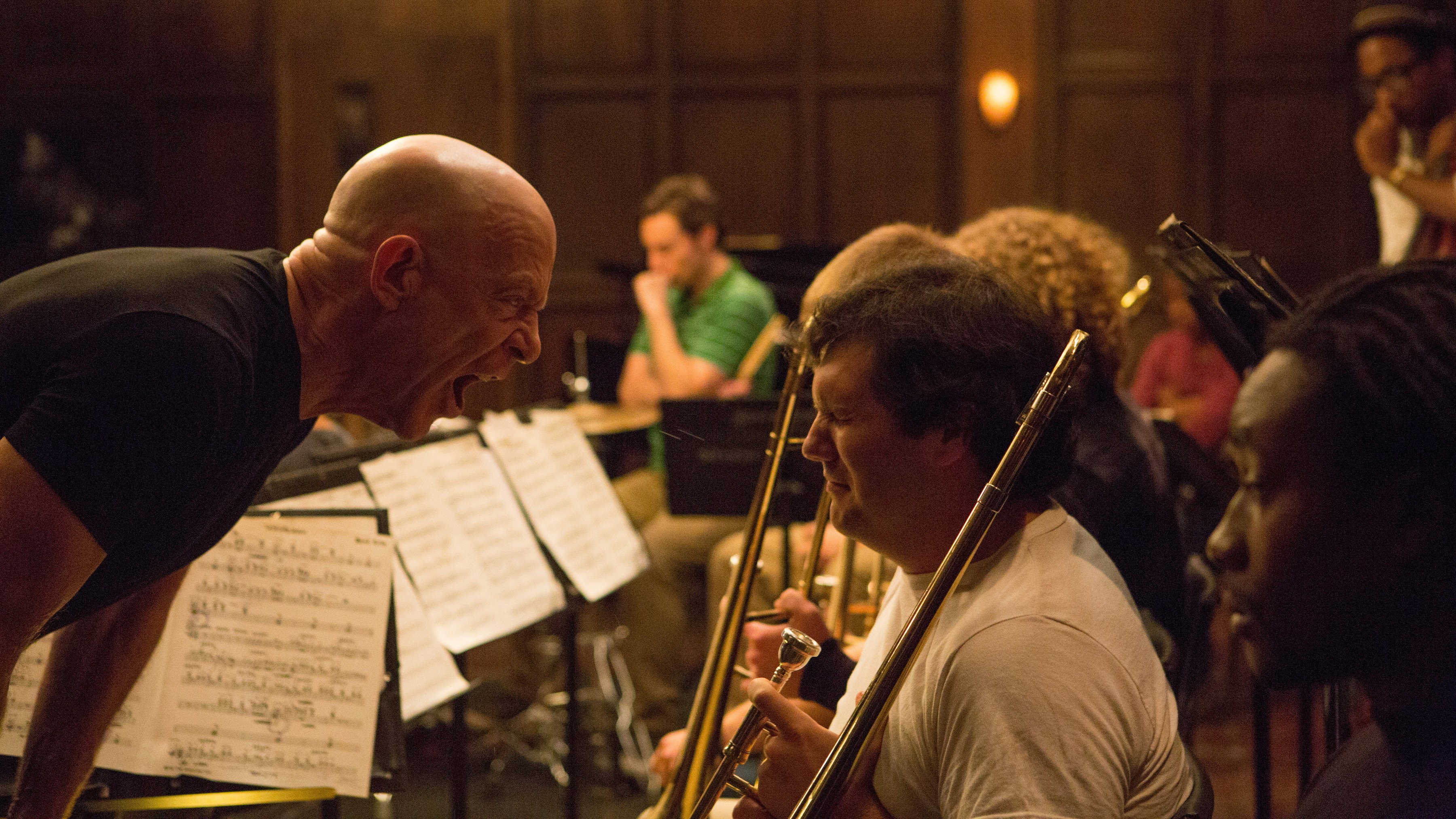
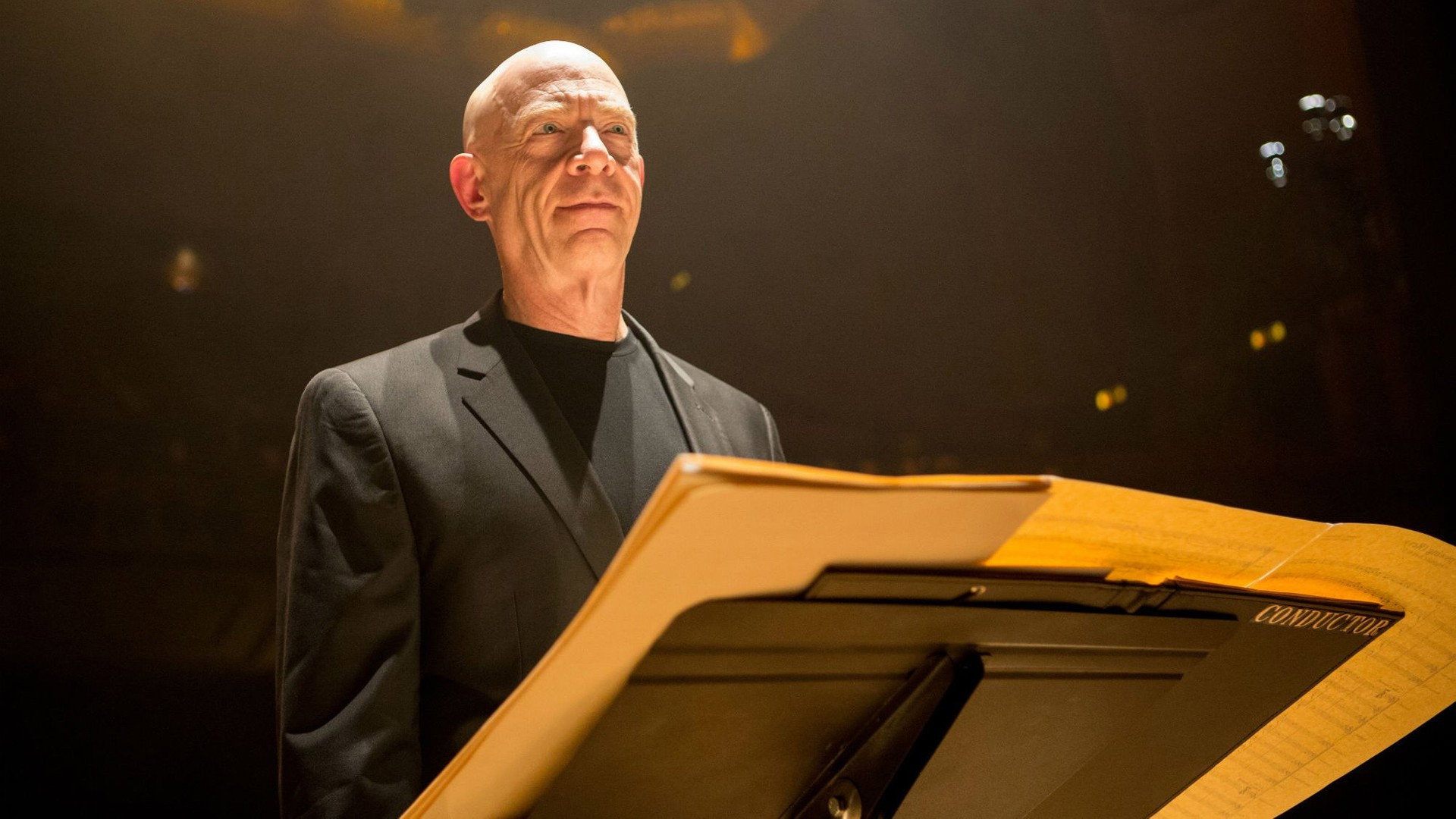
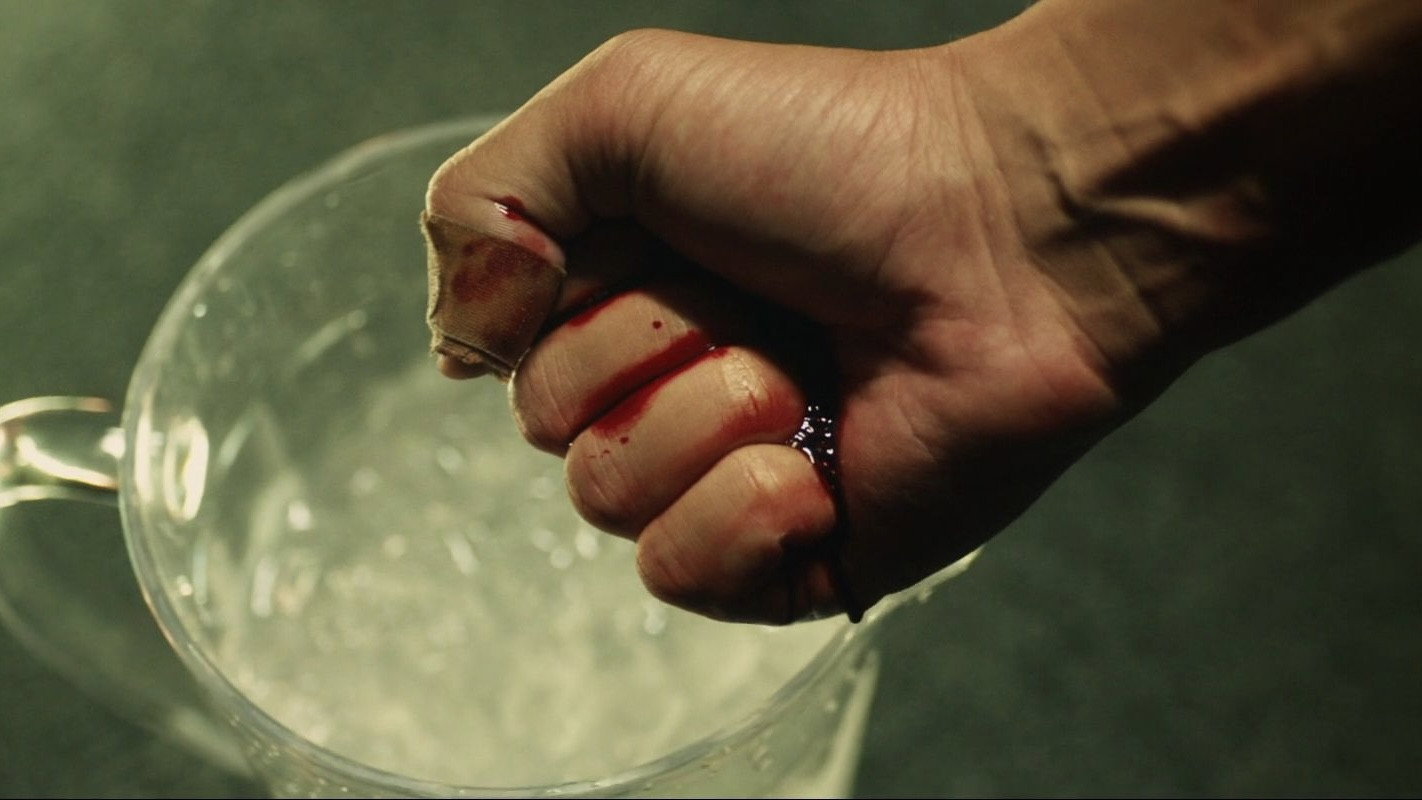
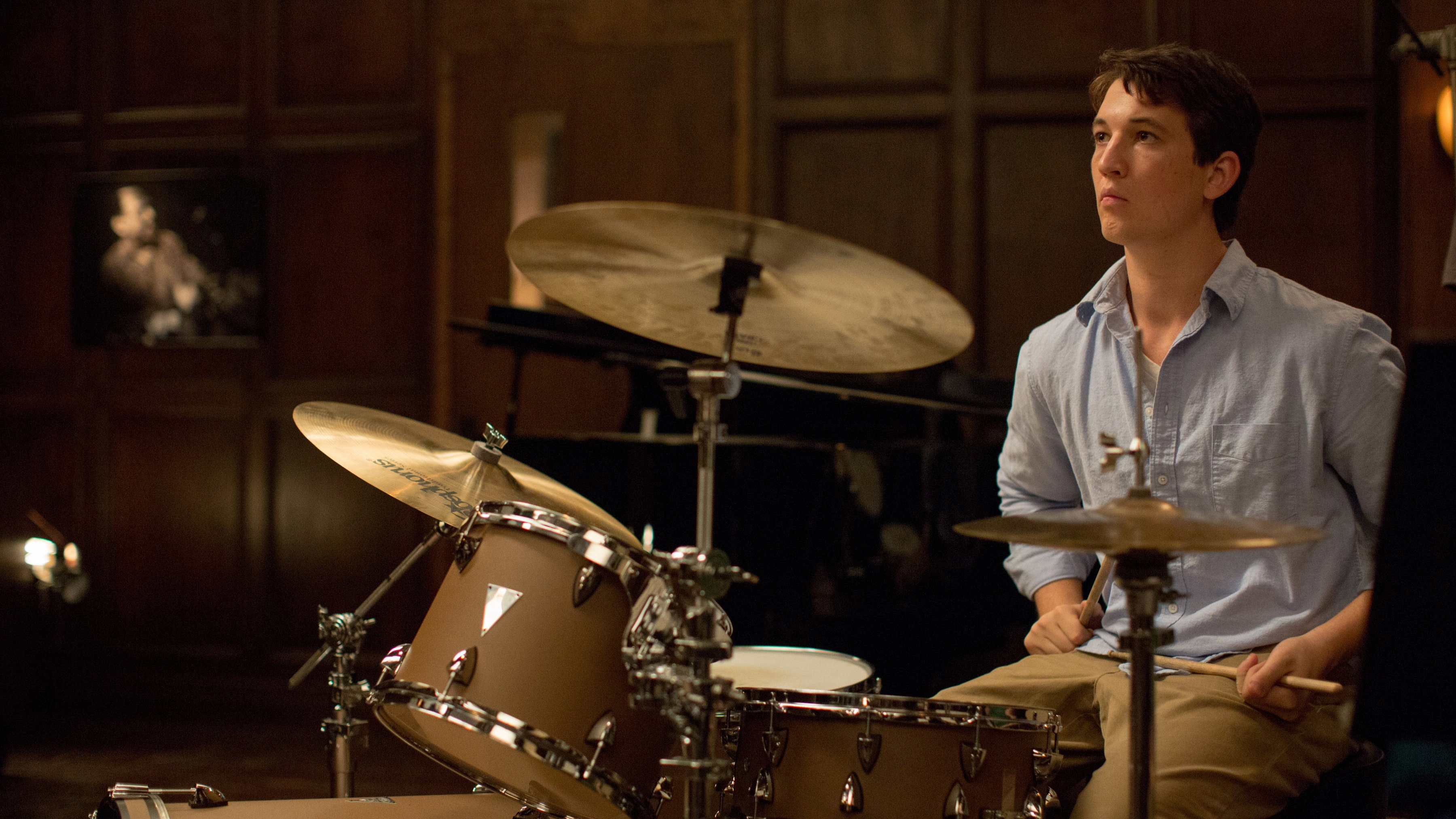
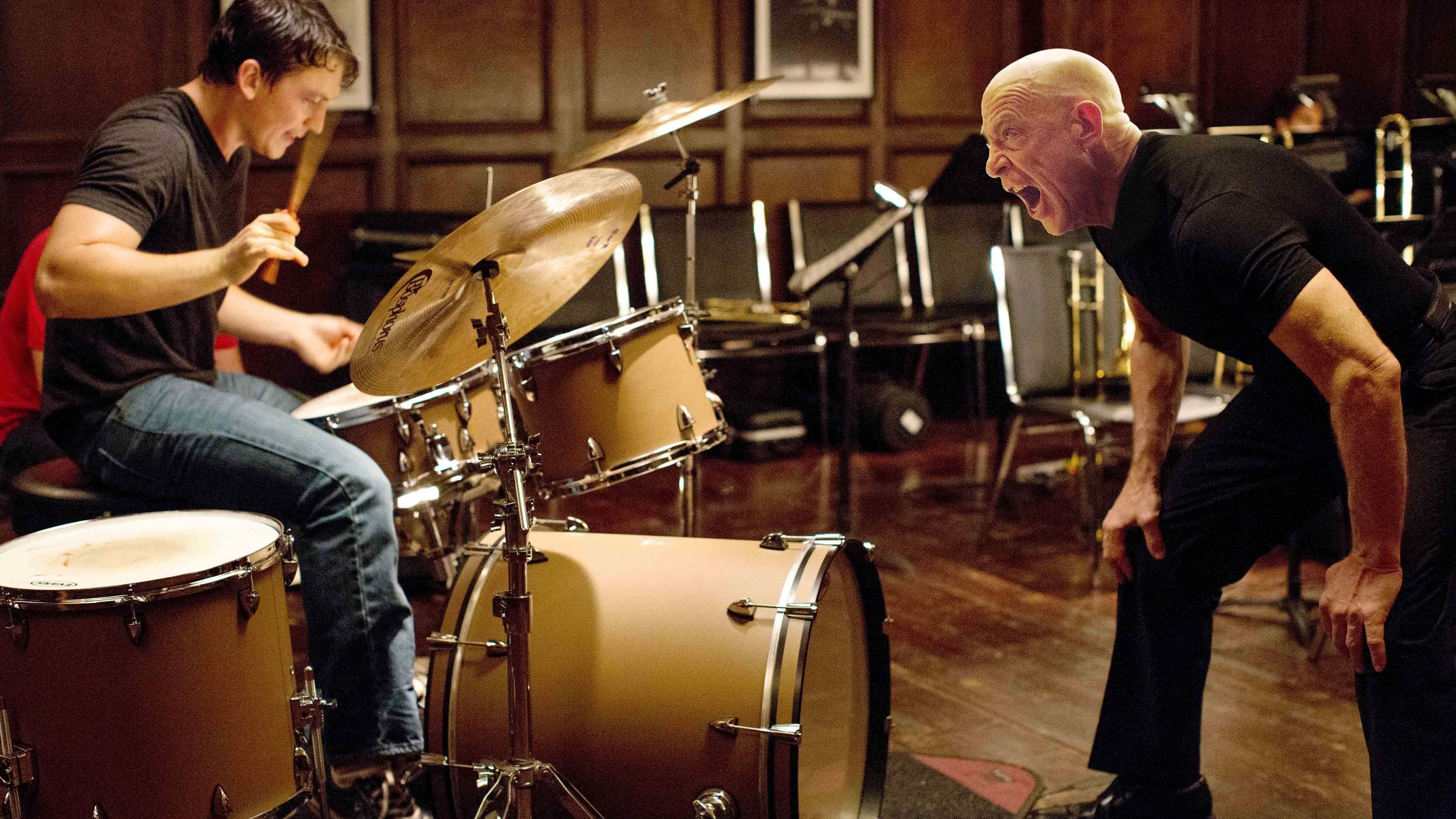
Andrew (Miles Teller) is a young jazz drummer studying at an elite music school. He wants to become great, and his relationship with instructor Fletcher (J.K. Simmons) puts that ambition under pressure. Fletcher demands excellence through intimidation and abuse, treating the student’s limits as obstacles to be overcome. Andrew’s determination draws him further into a struggle over discipline, approval and how much a musician should be willing to endure. Written and directed by Damien Chazelle, Whiplash follows the student and teacher as musical training becomes a contest of wills.

Plays from YouTube when you press play; nothing loads from them until then.

Fi1m review

Damien Chazelle makes jazz practice frightening, helped by Miles Teller, J.K. Simmons and editing that keeps every performance under pressure. We recommend this gripping thriller, though its interest in musical ambition sometimes stops at how much pain a student can take.

Damien Chazelle’s Whiplash is a gripping music-school thriller with a narrow view of what makes a musician great. It puts a driven young jazz drummer, Andrew, under the instruction of Fletcher, a teacher whose cruelty has the convenient excuse of high standards. We recommend it for the performances and the sheer force of the musical sequences, with a reservation about how readily it makes suffering look important. Chazelle writes and directs as though there might be no more frightening prospect than another chance to play.

Miles Teller gives Andrew enough pride to complicate our sympathy. His hunger to excel can make him unpleasant, and Teller does not ask us to excuse that merely because Fletcher is worse. J.K. Simmons understands that a bully becomes more dangerous when people find him compelling, and his verbal attacks have a terrible comic efficiency. We laughed at the force of those tirades, then felt ashamed: Simmons had made a teacher’s abuse of a student entertaining.

The music sequences are where Chazelle earns the tension. Tom Cross’s editing makes drumming feel precarious, with each stretch of playing carrying the threat of another judgement from Fletcher. Sharone Meir’s cinematography gives the physical labour of performance enough weight that Andrew’s determination becomes uncomfortable to watch. Together they make us attend to the effort of getting the music right, even when we would rather hear what these people might play without someone making them afraid.

Melanie Jones’s production design helps make the music school feel like a place with nowhere to relax. The teaching spaces seem organised around scrutiny, which suits the drama but also contributes to its cramped account of musical life. Justin Hurwitz’s score supports the unease, helping to sustain the pressure between the confrontations. It is effective thriller-making, though the constant assessment leaves little room for pleasure, curiosity or the sound of musicians enjoying one another’s company.

That limitation matters because the film invites us to consider whether Fletcher’s methods can produce greatness. It gives cruelty a formidable performer and gives resistance to it less dramatic force. Andrew’s obsession is convincing, but the lives beyond the central struggle are thin enough that giving them up can seem less costly than it should. Chazelle has made the teacher and student so absorbing that the weaker side stories almost disappear; we wanted those distractions to be more persuasive, precisely because Andrew does not.

As a variation on the sports drama, the film understands the appeal of punishing practice and an impossible coach. Fletcher’s behaviour is ugly enough to trouble the familiar promise that hard work will be rewarded, and Simmons prevents him from becoming merely a lesson in bad teaching. Yet Chazelle sometimes treats intensity as sufficient evidence of insight. We learn a great deal about how badly Andrew wants to excel, rather less about what he might want to express.

At 107 minutes, Whiplash sustains a degree of pressure that many thrillers lose while explaining their stakes. Its doubts about Fletcher are real, even when the excitement makes them easy to forget. Teller and Simmons are reason enough to accept its limited interest in anything beyond their struggle. Do not choose it for a restful evening of jazz.
Critical consensus AI synthesised

82
Positive
13
Mixed
0
Negative
0

Most critics praise Whiplash as a tense, propulsive drama that makes jazz practice feel as combative as a sports film or thriller. The strongest agreement concerns J.K. Simmons’s terrifying teacher and Miles Teller’s driven student: the performances make their abusive relationship compelling without softening it. The reviews also credit Damien Chazelle’s direction and the musical sequences with conveying the physical strain of performance. Many welcome the film’s reluctance to offer comforting answers about ambition and sacrifice.

The differences concern how much that intensity has to say. Sight and Sound finds the treatment of artistic ambition shallow and conventional despite admiring the performances, while /Film considers the side stories weaker than the central duel. Other reservations centre on contrived plotting and the credibility of the conclusion. The consensus remains strongly favourable, but critics differ over whether the film meaningfully questions its teacher’s methods or merely makes them dramatically engrossing.

Empire
6 January 2015 · Olly Richards
85*

Chazelle has made a heart-thumping thriller about percussion that pulls the viewer in tightly by constantly shifting perspectives on its characters. Simmons delivers a revelatory performance as the terrifying yet compelling instructor in a film that is close to faultless.

Read the full review →
Radio Times
8.5/10 · Adam Smith
85

The review calls it a blisteringly told, subversive take on the inspirational teacher story, hugely entertaining thanks to storming lead performances. It singles out J.K. Simmons's abusive drillmaster and Miles Teller's nuanced portrayal of artistic obsession for making the ending especially satisfying.

Read the full review →
Slant Magazine
16 September 2014 · Chris Cabin
85*

Chazelle crafts a blistering indictment of cynicism about art's past while highlighting the craft of musicianship and the limits of control. The film examines how technique and idols can become adversaries, with strong attention to the physical and emotional demands of performance.

Read the full review →
Vulture
14 November 2014
85*

The film is a peerless music movie that captures the fear and jazz vibe while questioning what an artist gains from a psychotic taskmaster. It leaves open whether harsh methods are necessary for greatness, praising the intense performances and direction.

Read the full review →
Little White Lies
15 January 2015 · 4/4/4 · Sophie Monks Kaufman
80

The review highlights the intense, abusive dynamic between the driven student drummer and his brutal teacher as a compelling study of the cost of greatness. It singles out the pulsating jazz energy and strong performances for making the film a cracking, if occasionally offensive, effort.

Read the full review →
The Hollywood Reporter
17 January 2014 · festival review · Todd McCarthy
80*

The film questions whether all-out sacrifice and commitment to art are worth the cost, neither fully endorsing the teacher's ruthlessness nor taking a feel-good stance. It praises the performances of Miles Teller and J.K. Simmons, the music, and Chazelle's talent while noting some practical issues with the climax.

Read the full review →

Cast

Stills

Awards

Academy Awards, 2015

Nominated
Best Picture
Nominated
Best Writing, Adapted Screenplay
Won
Best Film Editing
Won
Best Sound
Won
Best Supporting Actor

Grand prix du Festival de Deauville, 2014

Won
Grand prix du Festival de Deauville

Sundance Audience Award: U.S. Dramatic, 2014

Won
Sundance Audience Award: U.S. Dramatic

Sundance Film Festival U.S. Dramatic Grand Jury Prize Award, 2014

Won
Sundance Film Festival U.S. Dramatic Grand Jury Prize Award

If you liked this, try…

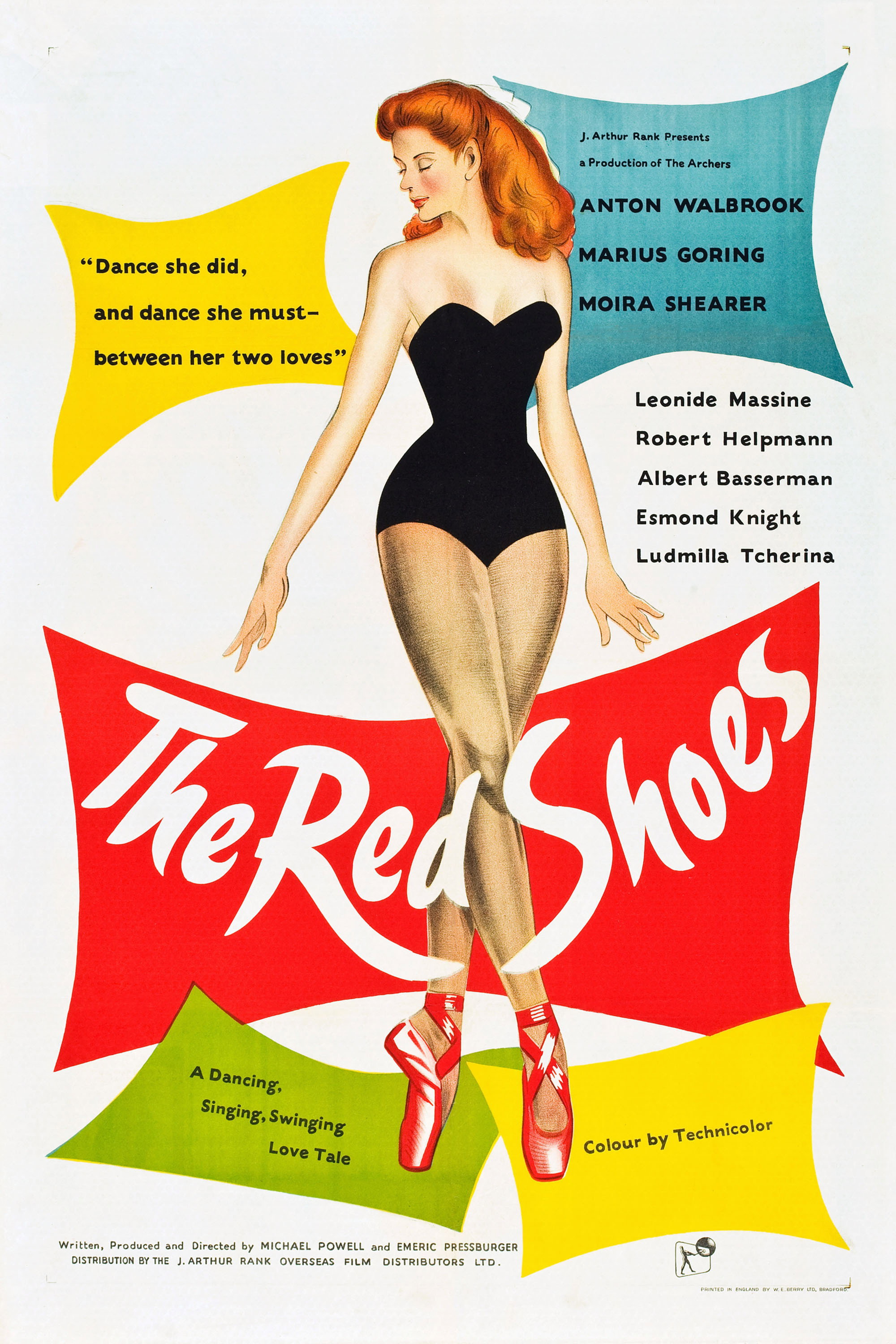
The Red Shoes poster92

The Red Shoes

1948 · Another demanding account of artistic ambition, with more room for beauty and grief.

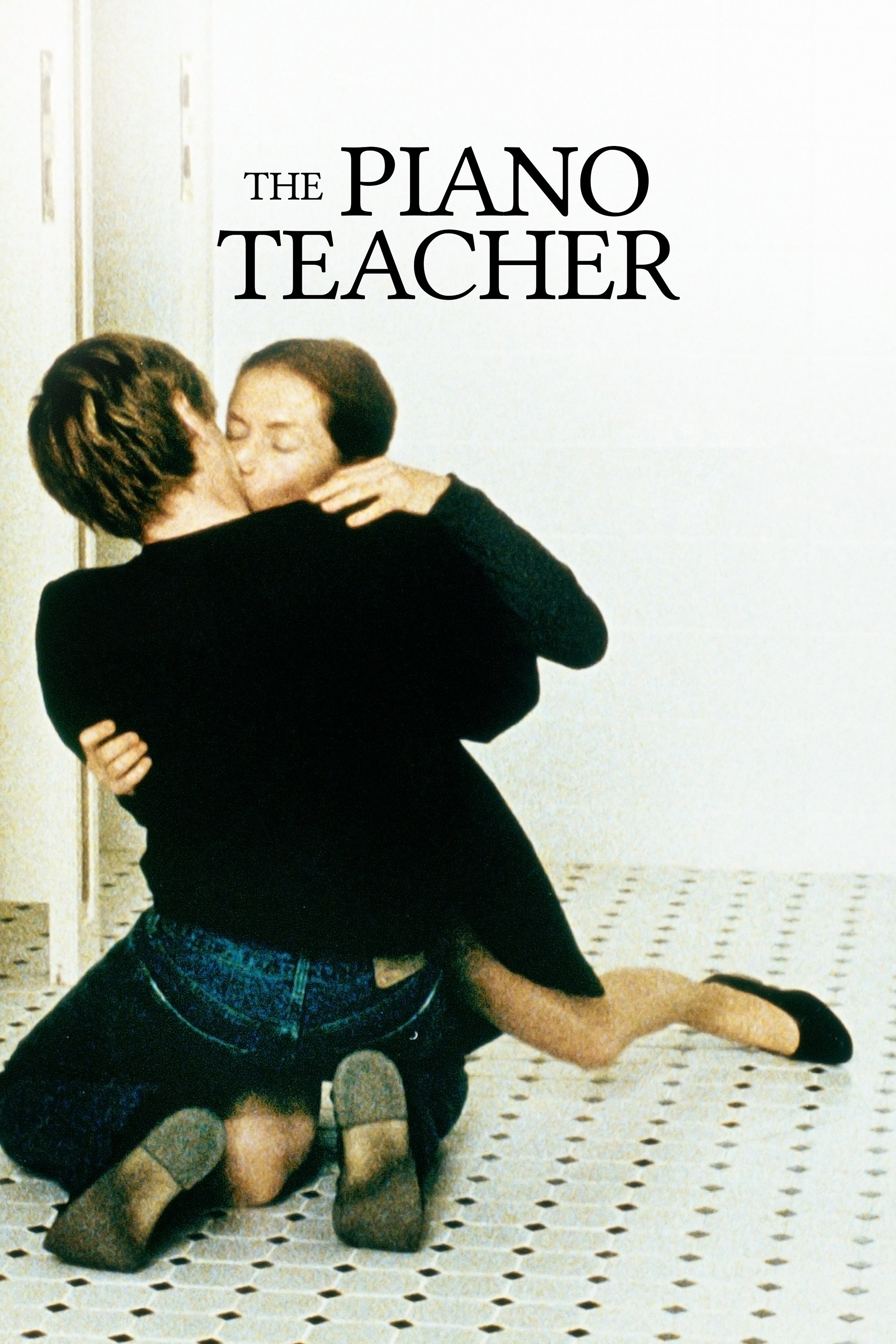
The Piano Teacher poster

The Piano Teacher

2001 · Musical discipline and private damage, observed with far less appetite for applause.

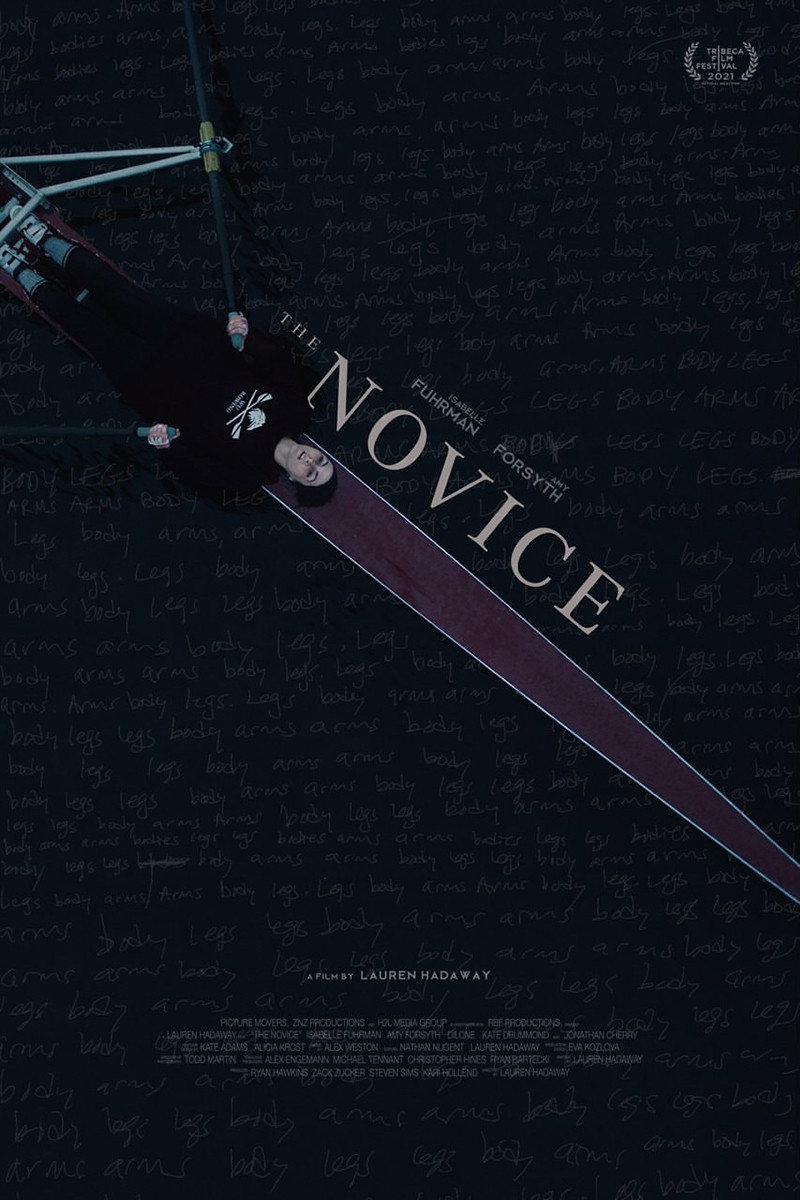
The Novice poster

The Novice

2021 · Competitive training becomes self-punishment in another uncomfortable study of wanting to excel.

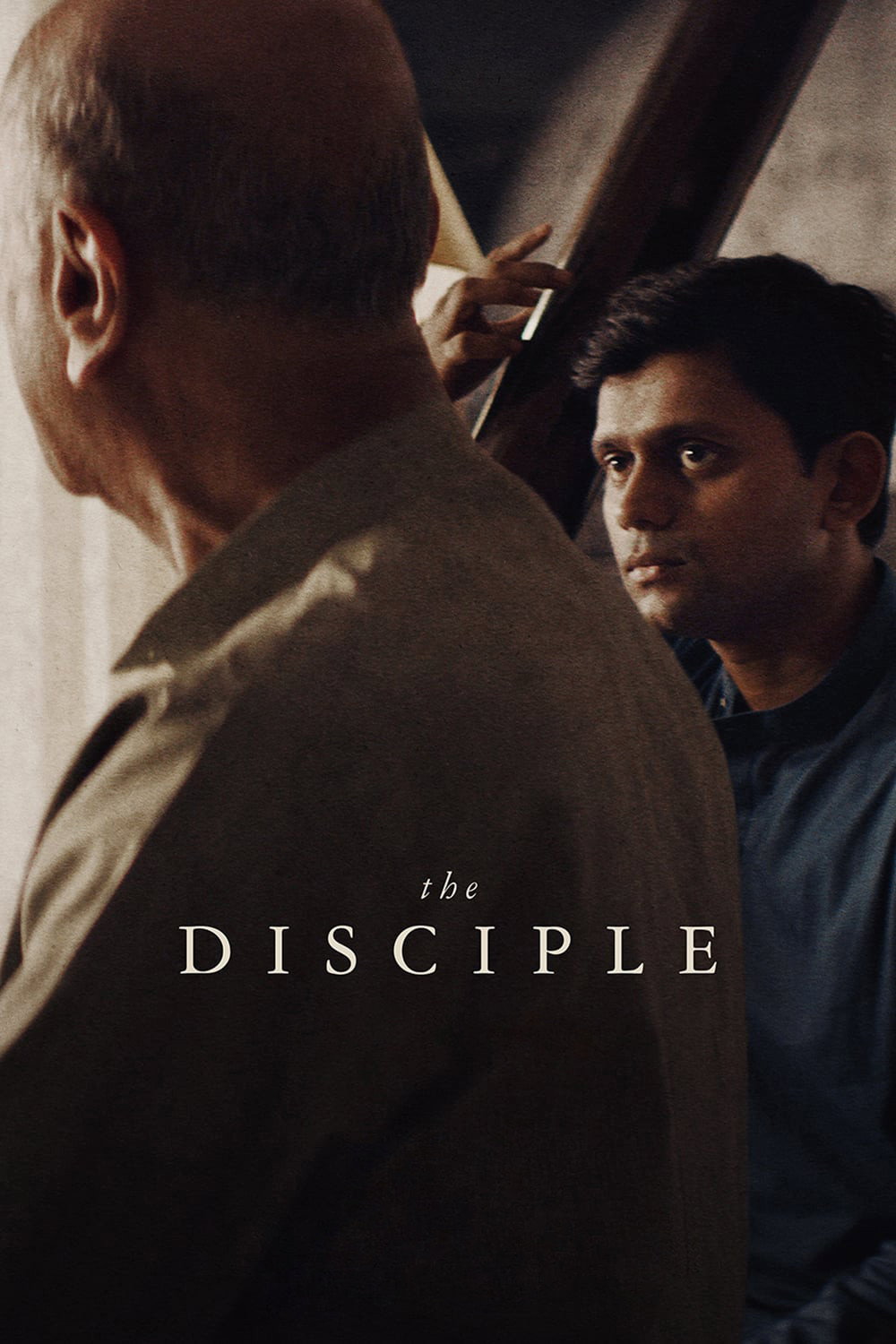
The Disciple poster

The Disciple

2020 · A musician’s pursuit of greatness given more time for doubt and listening.

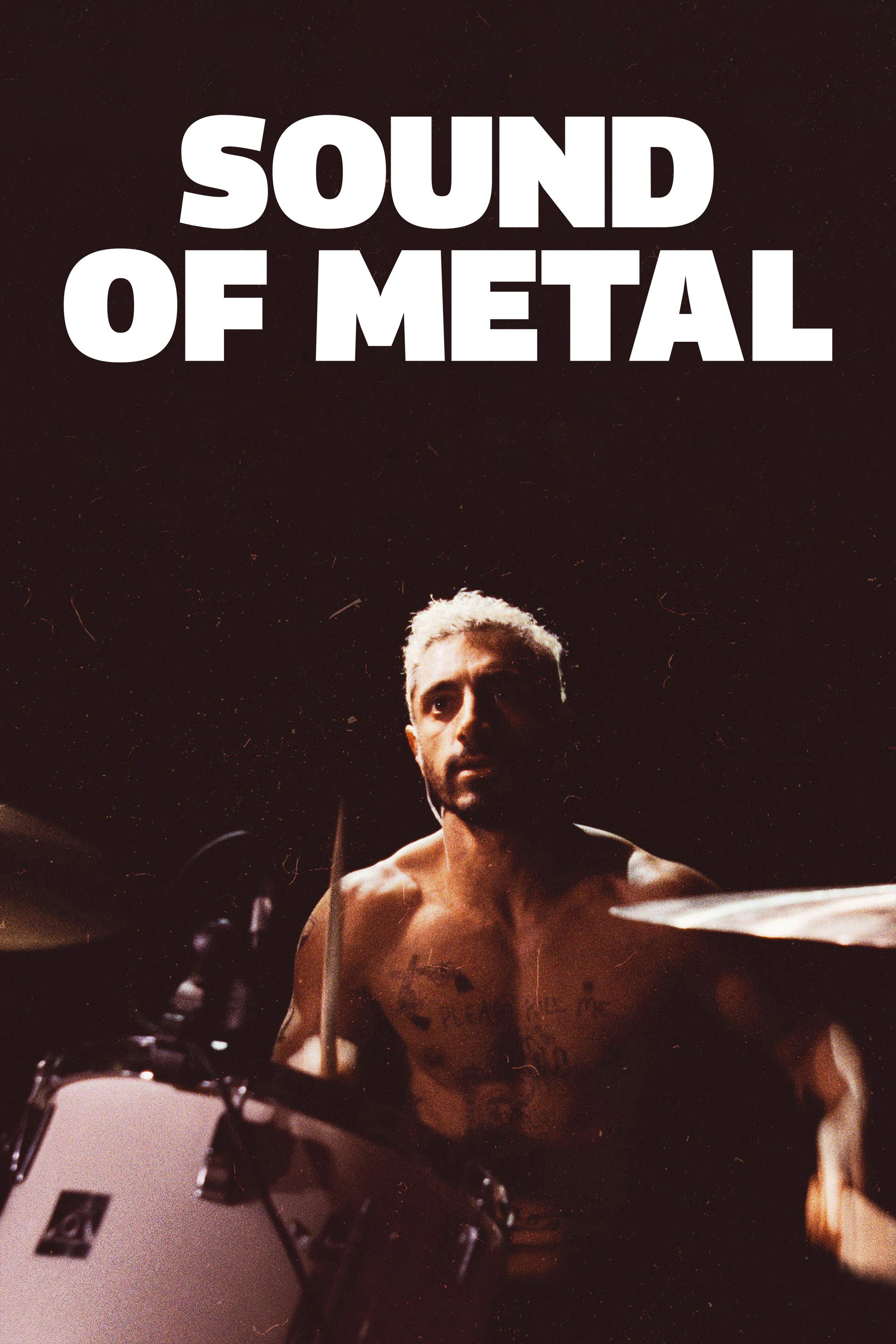
Sound of Metal poster

Sound of Metal

2019 · A drummer faces losing the ability around which he has built his life.