Alice Oseman’s adaptation of her own graphic novels is gentle to the point of weightlessness, and it means to be. Two easy, likeable lead performances carry it. Anyone well past school age will notice how little happens and, we suspect, keep watching anyway.
Alice Oseman wrote the Heartstopper graphic novels and has adapted them herself, which is unusual and shows. She has decided that a story about queer teenagers can be kind nearly all the way through. Nobody’s parents throw them out. The worst thing that happens in the first two episodes is a boy failing to text back. Most critics have loved it for exactly that, and we mostly agree, with one reservation we will come to: it is slight, and it means to be.
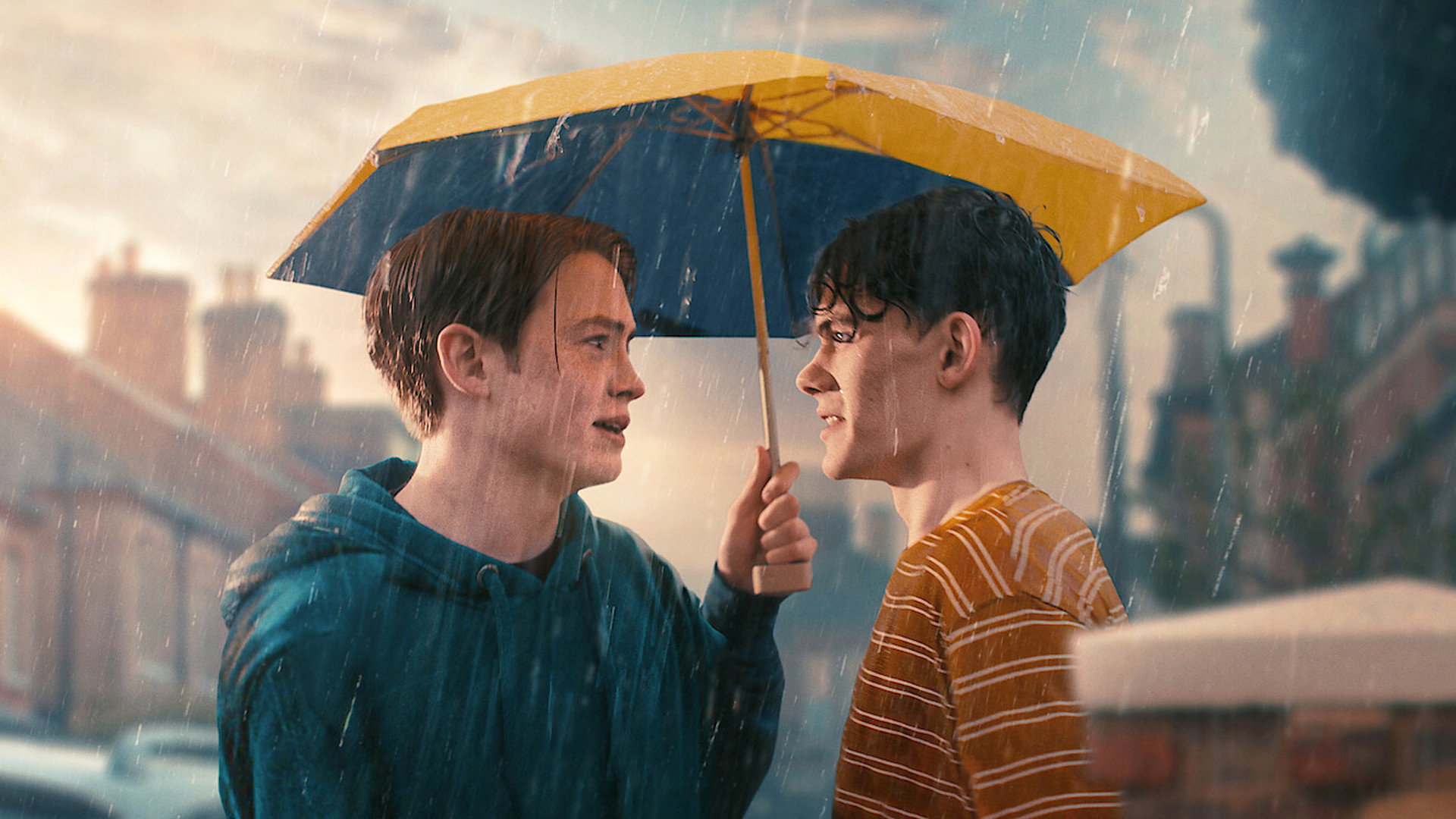
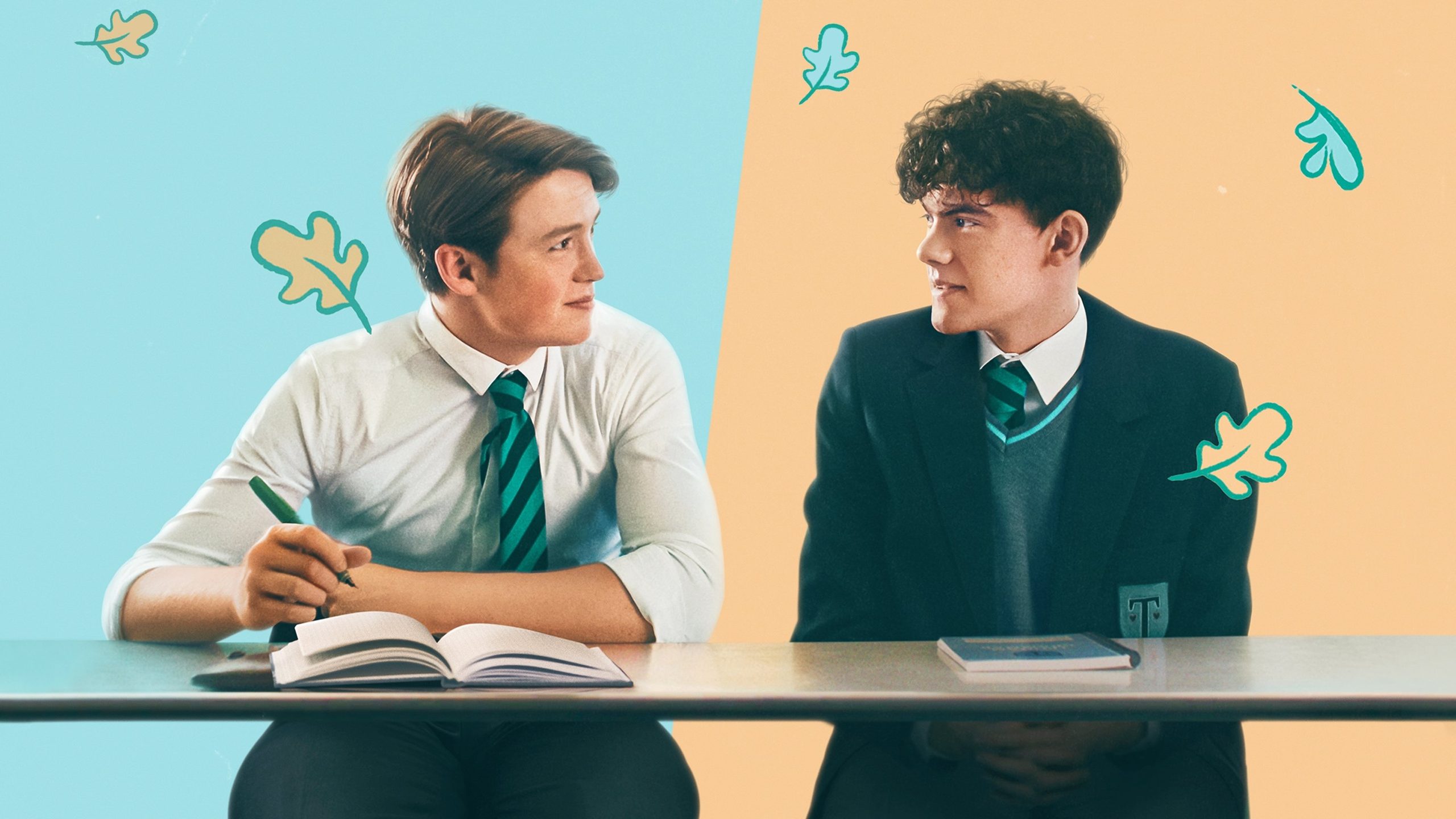
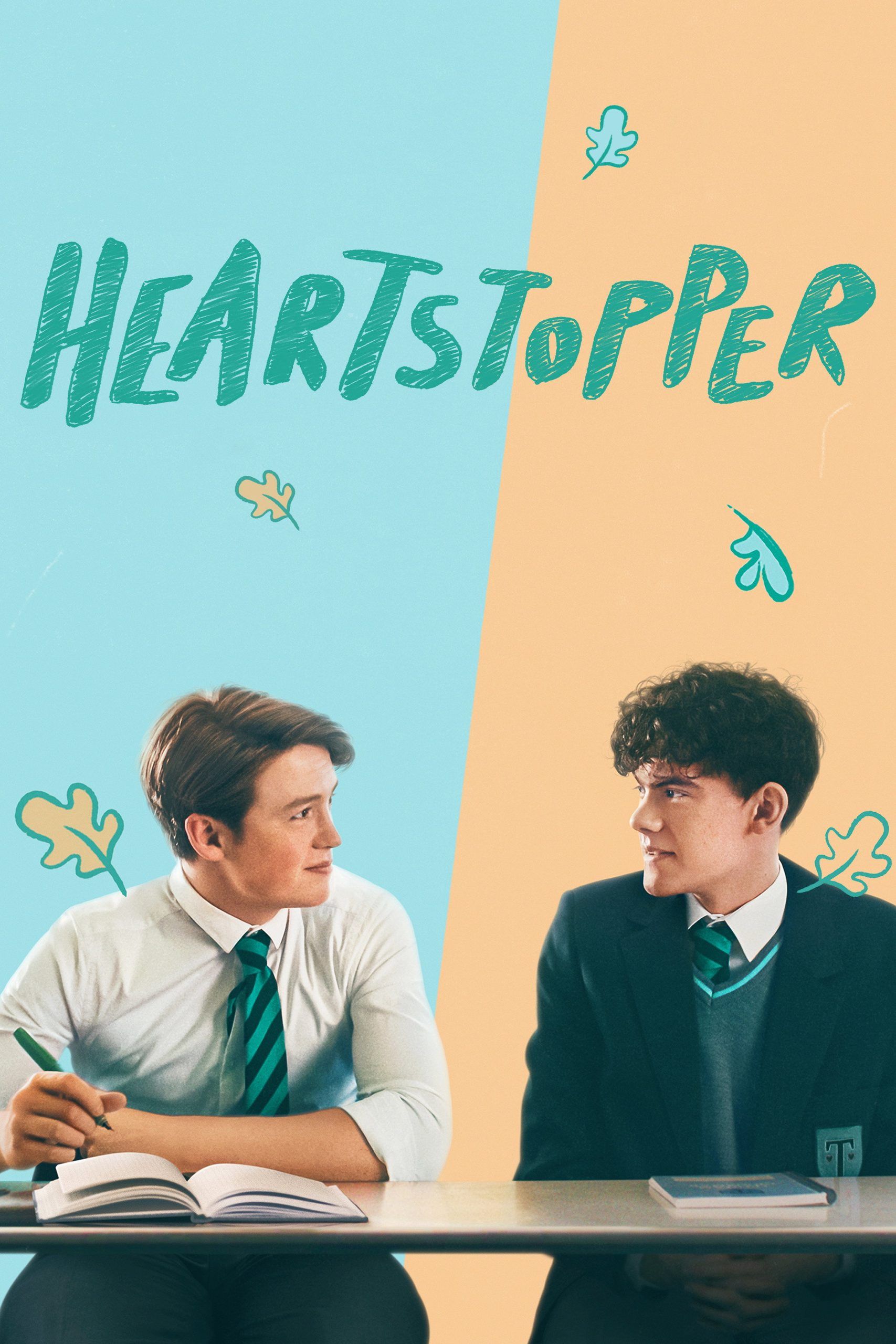
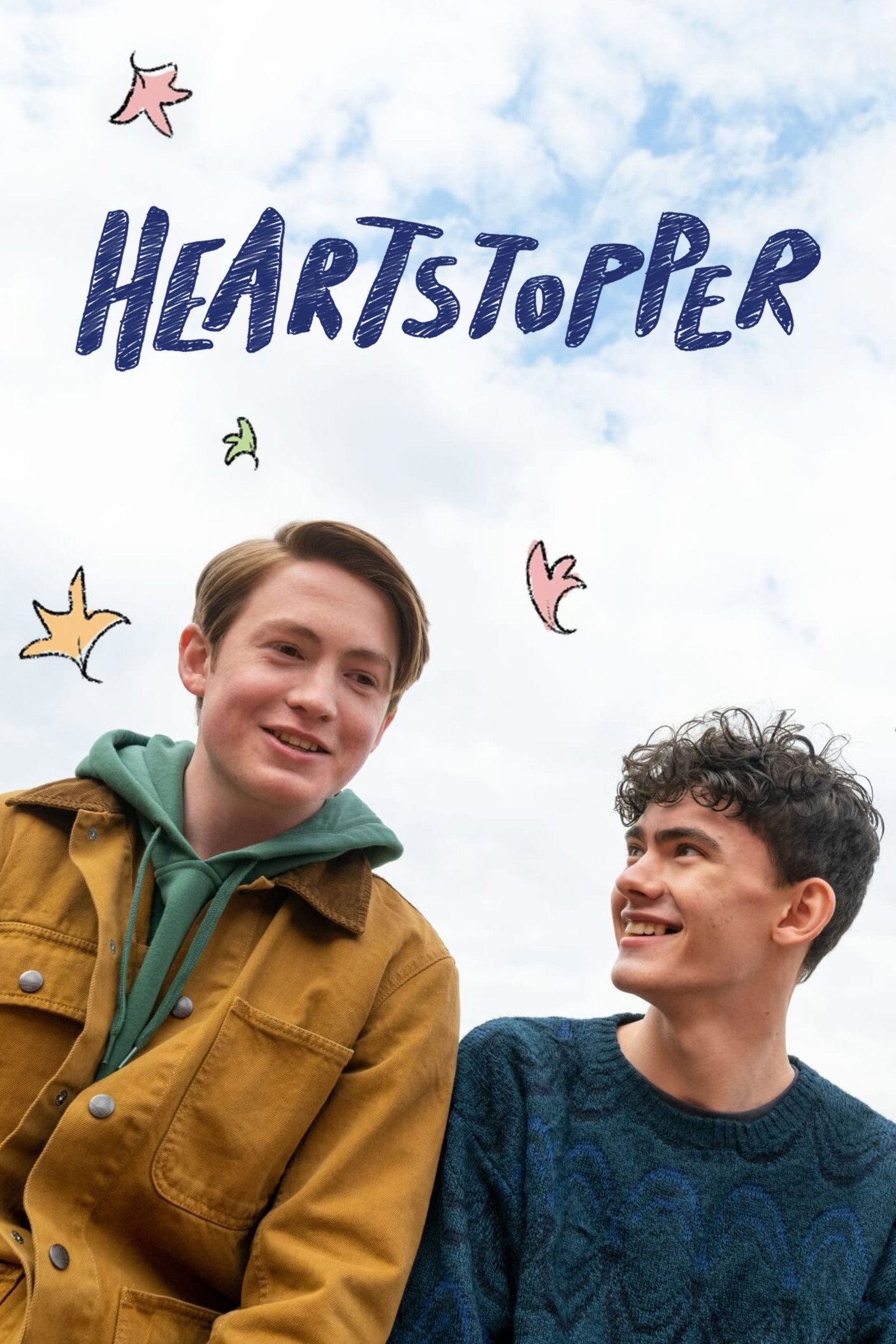
Charlie Spring is played by Joe Locke as a boy who apologises for taking up space, shoulders up, a quick smile put away before anyone can see it. Kit Connor has the harder job. Nick Nelson is a popular rugby player working something out about himself in real time, and Connor does the working out with his face rather than his lines. The moment that got us is in the first episode, in form, when Nick’s hand lands near Charlie’s on the desk and the show draws a spray of little animated sparks between them. We expected to find that twee. We found ourselves grinning at the television like fools, because Connor’s face is doing two things at once, pleased and alarmed, and the drawing is there to say what he cannot.
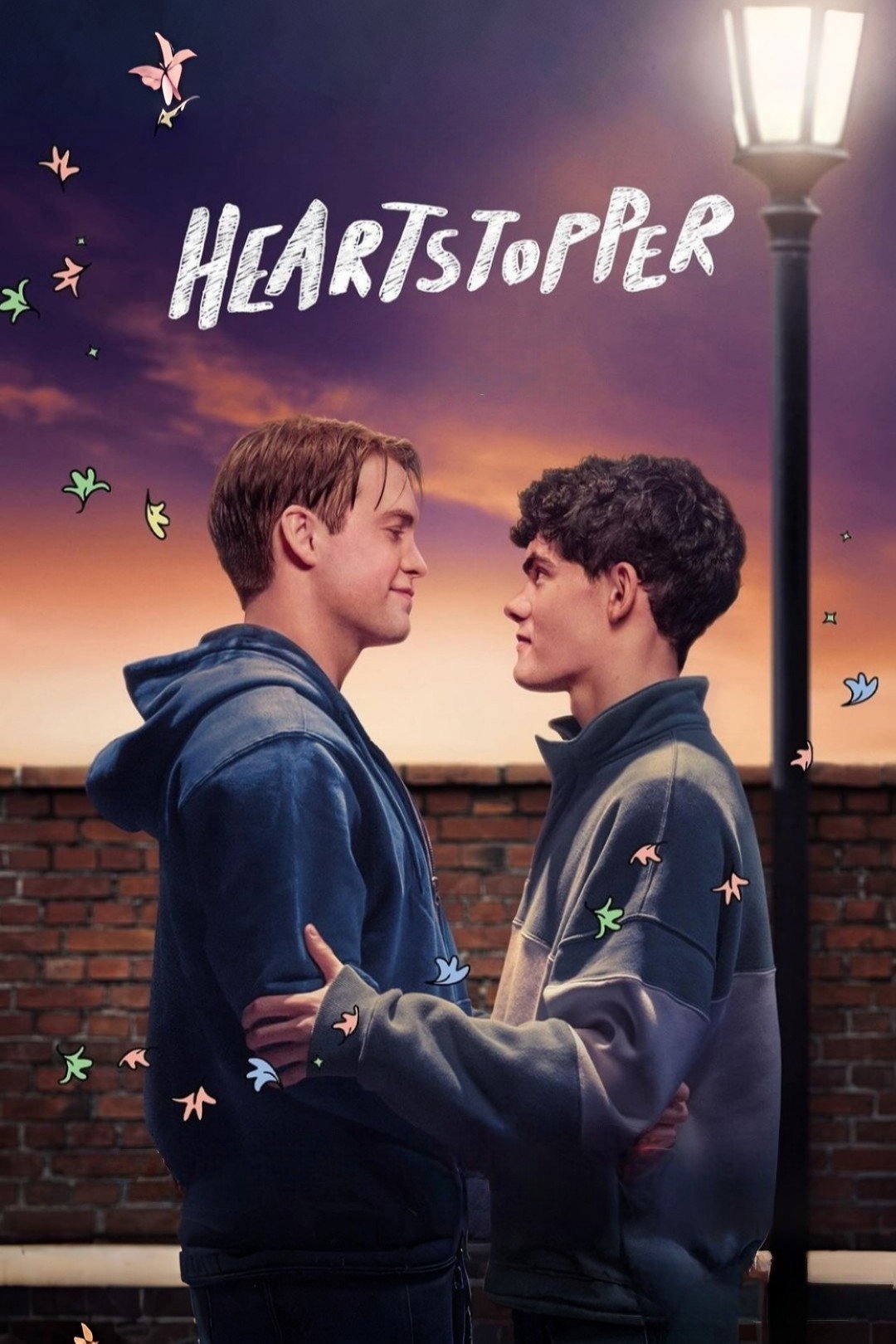
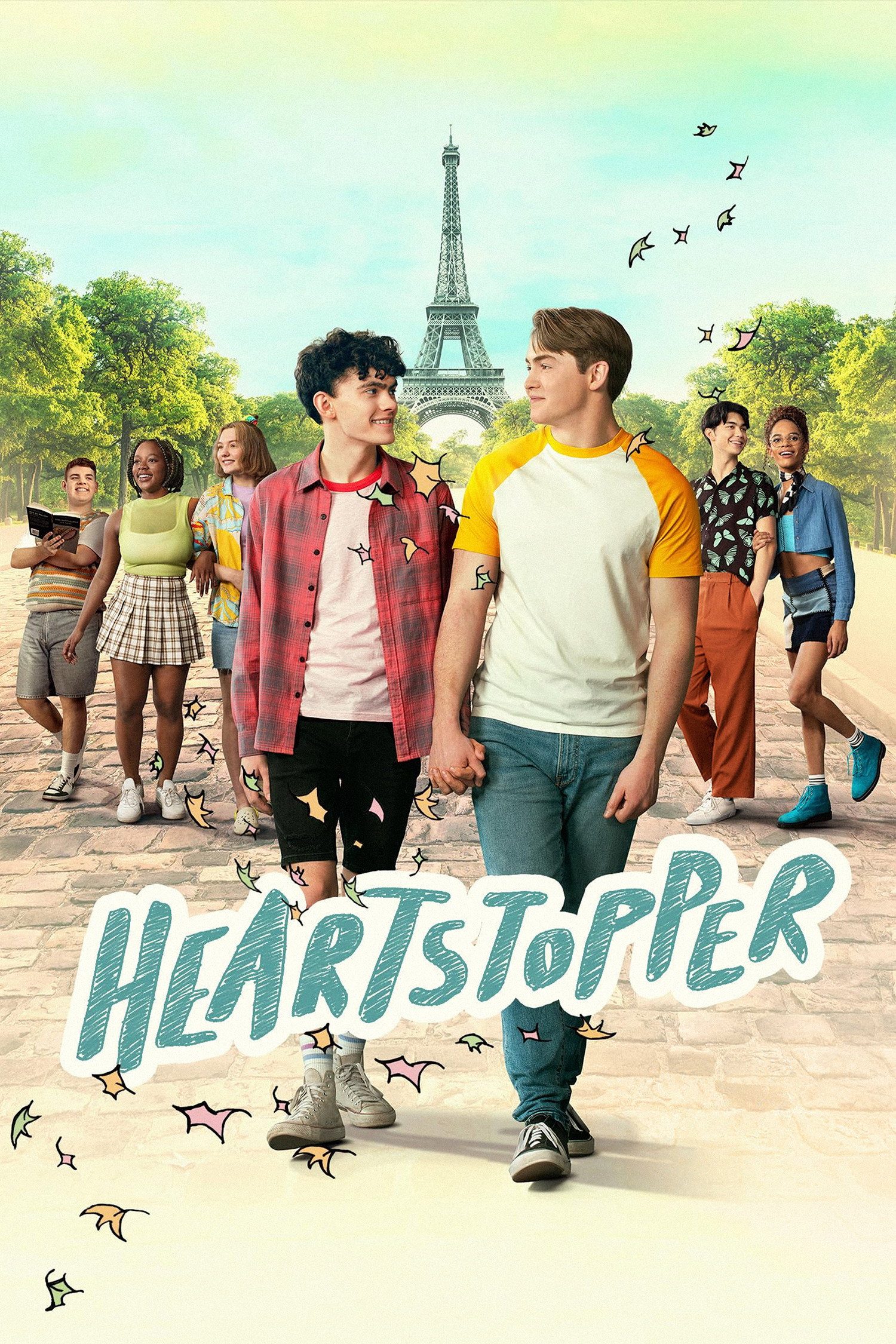
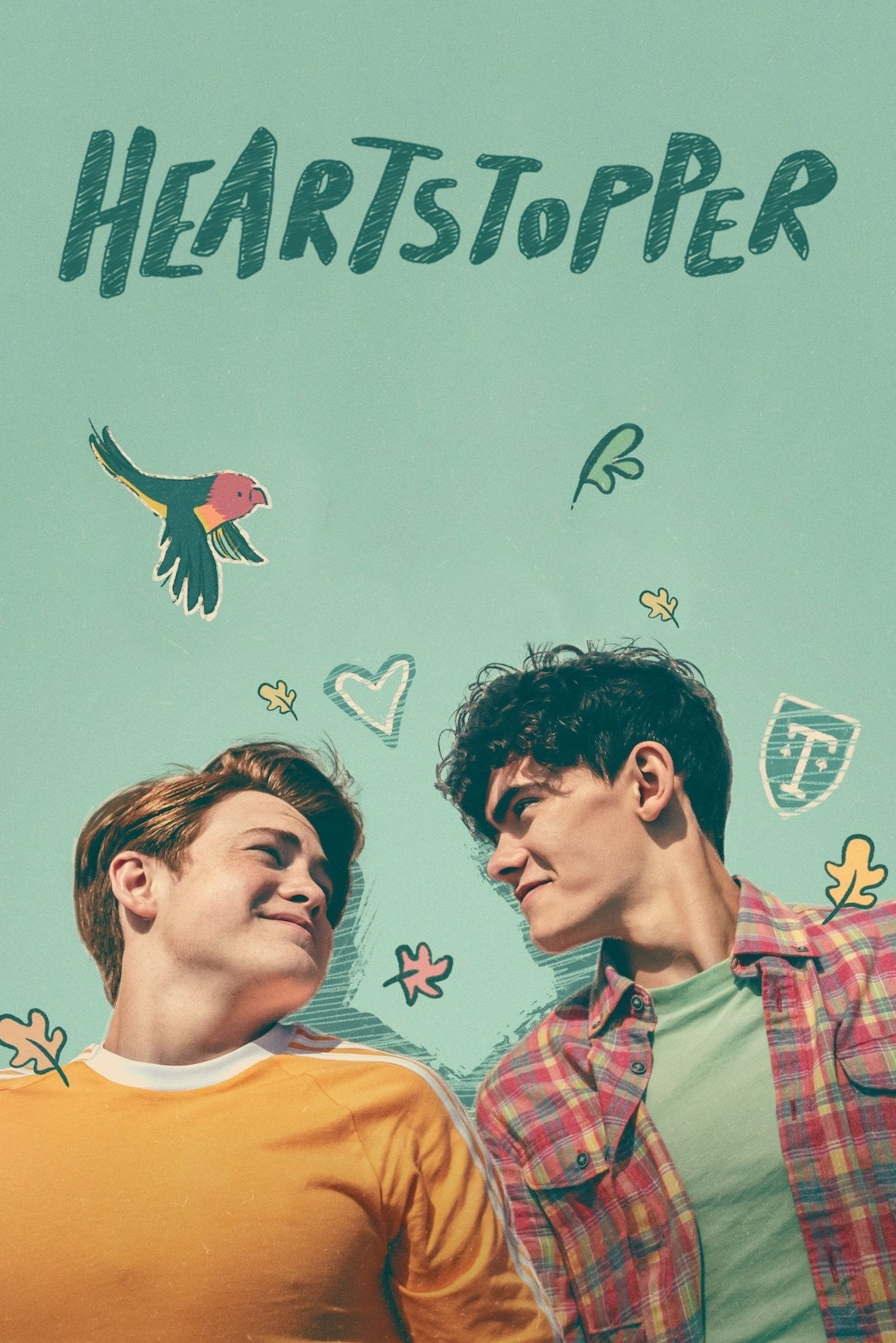
Those drawings come straight from Oseman’s pages: leaves, hearts, a scribble of lightning at the edge of the frame when someone’s stomach turns over. Directors Euros Lyn and Andy Newbery ration them well enough that they stay a pleasure. Diana Olifirova and Simona Susnea shoot the school in soft, even daylight, corridors and rugby pitch alike, and keep the colours to blazer blue and grass green and the pale pink of a blush. Tim Dickel and Carys Beard give Charlie a bedroom with a drum kit and band posters that looks like a room a teenager arranged rather than a designer. Adam Dee dresses everyone the way teenagers actually dress, which is to say in the same three things.
Around the leads, the friends are drawn with care. William Gao’s Tao is loud, loyal and hostile to Nick on sight, and he is the one who gets the laughs. Yasmin Finney gives Elle, newly moved to the girls’ school, a stillness nothing else in the series has. Corinna Brown and Kizzy Edgell, as Tara and Darcy, are already a couple when we meet them, and their story runs alongside the main one like a quieter version of it. Tobie Donovan’s Isaac reads a book in every scene and says perhaps nine words across the series; we grew fond of him. Jenny Walser, as Charlie’s sister Tori, has the best deadpan in it.
Now the reservation. Cormac Hyde-Corrin’s Harry Greene is a bully drawn with a thick pencil. He says the cruel thing, gets glared at, and says it again next episode. Oseman has something to say about what being outed at school does to a boy, and Charlie carries it in his shoulders, but it is hard to take the threat seriously when the villain is this easy to see off. The plot, such as it is, runs on whether a message has been read. Sofie Alonzi, Andonis Trattos and Angharad Owen close nearly every episode on a pop song over a montage, and Adiescar Chase’s score, light keyboards and soft percussion, never once argues with a scene. By the fifth episode we wanted something to go properly wrong, and nothing did.
The Radio Times reviewer thought the series was for under-16s and had little for anyone older. We are a long way past sixteen and watched all eight episodes in two evenings, so that argument has a hole in it. What is true is that this is not the American sort of teen drama, with the pills and the parties and the funerals; it is closer to a school story where the stakes are a hand on a desk. It carries a 12 certificate and earns it. If there is a teenager in your house, watch it with them, and expect to be told you are ruining it.
Two more series followed the first. This one has a shape of its own and stops where it should, which is rarer in television than it sounds.